


Many visitors travel to Ladakh for its lakes and high mountain passes, only to discover later that some of the world’s rarest animals live just beside the roads they used. Spotting Ladakh’s wildlife is not something you can do quickly from a jeep. These animals live in the cold, thin air above 4,000 metres, so finding them means choosing the right park, visiting at the right time, and having some patience.
These are the kinds of questions that often confuse travellers when planning their holiday. Which sanctuary is worth the long drive? When can you actually see the animals? Do you need a permit? This guide will help you explore the parks, sanctuaries, and unique wildlife that make Ladakh different from anywhere else in India.
Why Ladakh's Cold Desert Is Full Of Life
Ladakh lies in the rain shadow of the Himalayas, so it hardly ever rains and the land often looks empty at first. This cold desert is one of the highest places where people live, and its wildlife has found smart ways to survive.
- Snow leopards and Tibetan wolves grow thick winter fur to survive nights when temperatures fall far below freezing.
- Kiang and blue sheep have large lungs and hearts, which help them run and graze in places where the air has much less oxygen.
- Most of these animals are the same grey-brown color as the rocks, which makes them very hard to see.
The plants and animals of Ladakh depend closely on each other. There are only a few types of plants, like tough grasses, sedges, low caragana shrubs, and seabuckthorn near the rivers. These thin pastures feed the grazing animals, which in turn feed the predators. The whole system survives on very little, so it is fragile. That is why much of it is now protected.
Which Animals Make Up the Wildlife Of Ladakh?
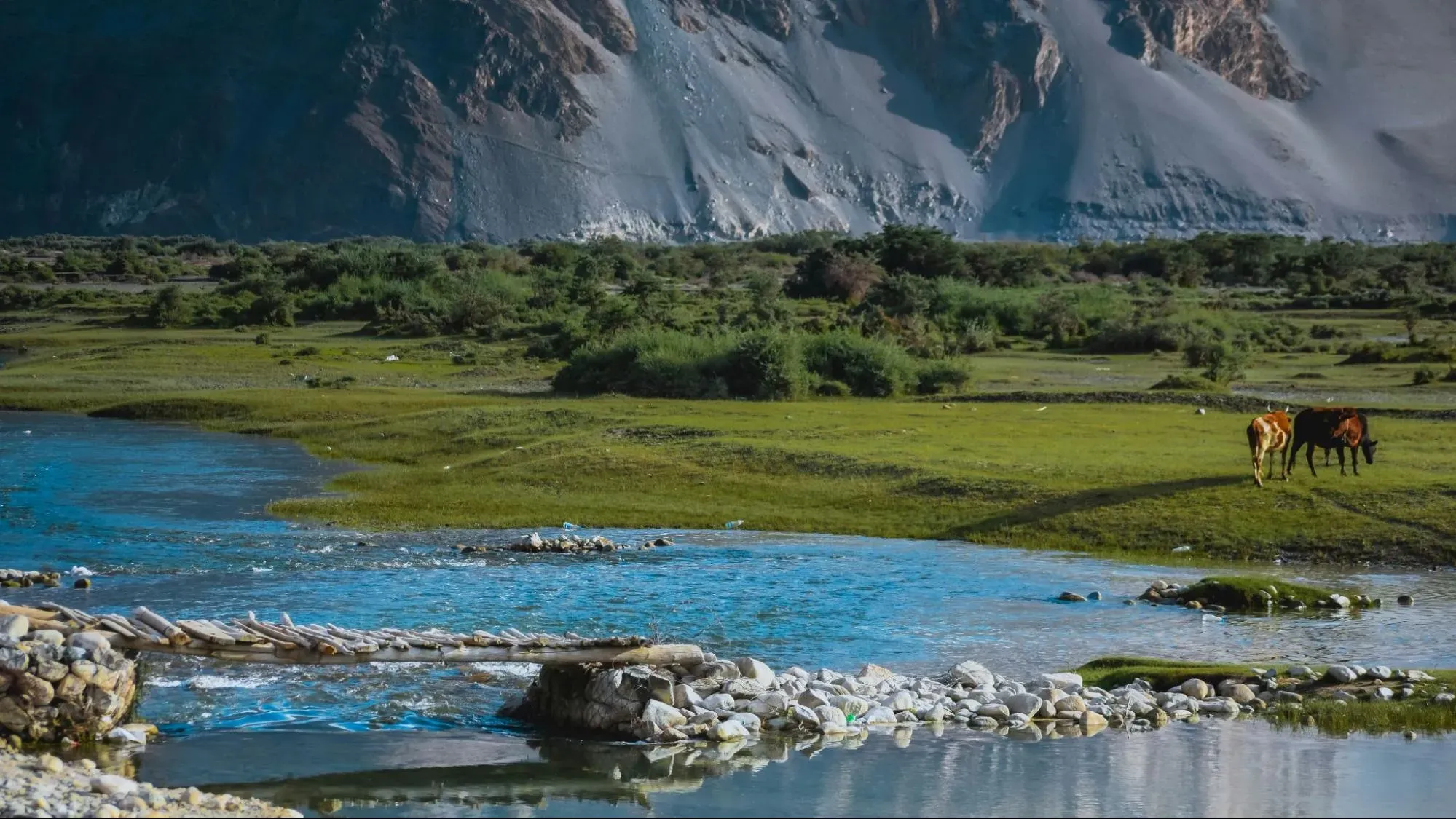
You won’t see tigers or elephants here. Instead, these mountains are home to animals that thrive at high altitudes, and some of them are found almost nowhere else in the world.
- Snow leopard: Known as the "ghost of the mountains," this is Ladakh’s state animal. Ladakh has more snow leopards than anywhere else.
- Kiang (Tibetan wild ass): You can spot herds of these animals running across the Changthang plains. About 2,000 live in eastern and northern Ladakh.
- Bharal (blue sheep): These are the snow leopard’s main prey and are often seen climbing steep, rocky slopes.
- Ladakhi urial (shapo): This wild sheep lives only in Ladakh and nowhere else in India.
- Tibetan gazelle and Tibetan antelope (chiru): These shy animals graze on the far eastern plains.
- Himalayan brown bear, red fox, and marmot: Of these, you are most likely to spot the marmots, which are plump and make whistling sounds.
- Black-necked crane: This is Ladakh’s state bird, and it nests in the high marshes during summer.
This is a quick guide to the main species.
Animal | What makes it special | Where to look |
Snow leopard | State animal; ~477 in Ladakh | Hemis, Rumbak, Ulley |
Kiang | India's only wild ass population | Changthang, Tso Kar plains |
Bharal | Snow leopard's main prey | Rocky slopes across Ladakh |
Ladakhi urial (shapo) | Found only in Ladakh | Lower valleys near Leh |
Black-necked crane | State bird; rare breeder | Tso Moriri, Tso Kar |
Himalayan marmot | Easiest sighting of all | Changthang meadows |
This is the core of the wildlife of Ladakh, and knowing who lives where is the first step to actually seeing them.
Ladakh's National Parks and Wildlife Sanctuaries
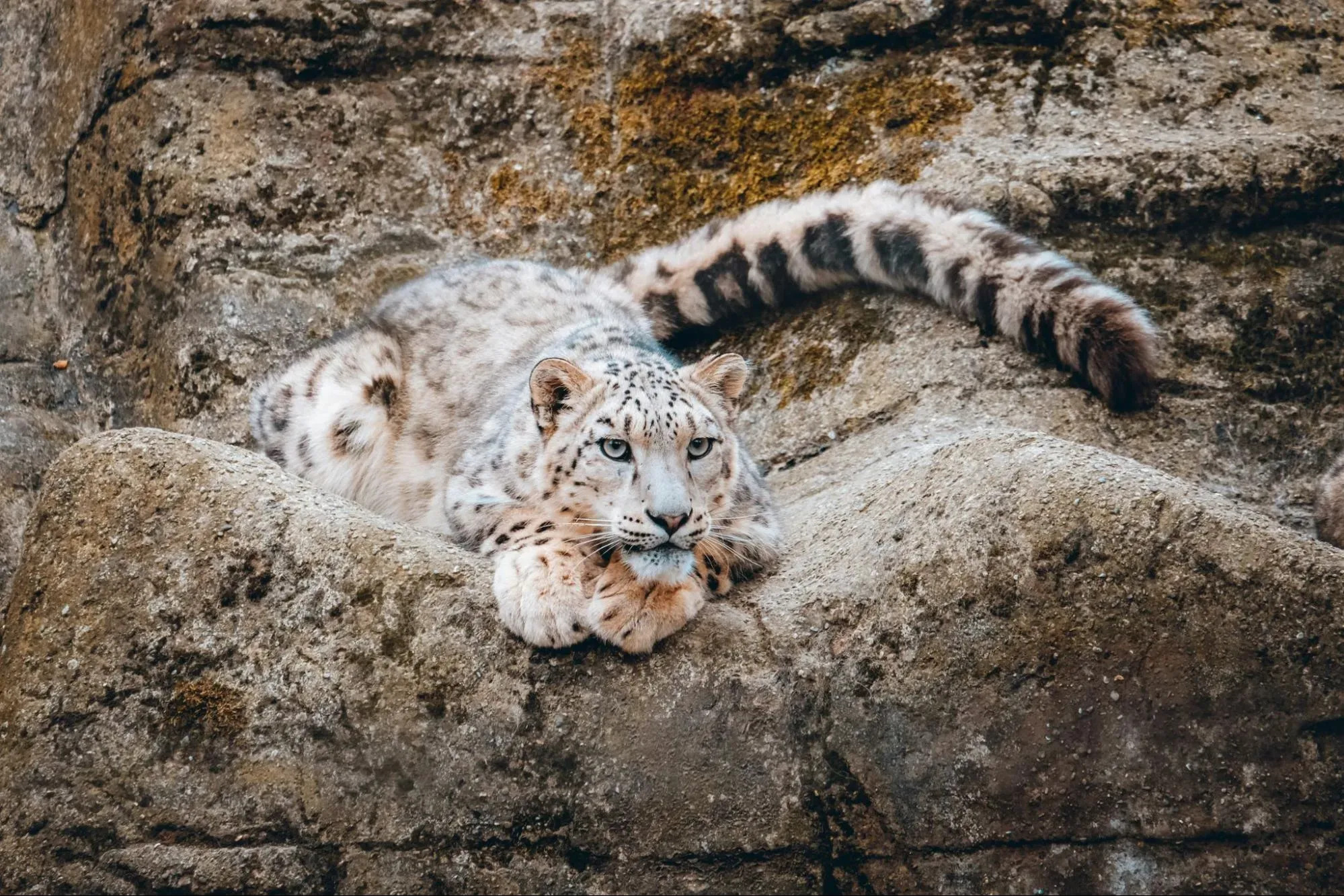
Ladakh has one national park and several large sanctuaries that protect its wildlife. Each area is home to unique animals and has its own special features.
Hemis National Park
Hemis is India’s largest national park, covering about 4,400 square kilometres. It is the only park fully north of the Himalayas. The park was established in 1981 and named after the 400-year-old Hemis Monastery inside its borders. Many people call it the snow leopard capital of India. The best places to spot these animals are the Rumbak and Husing valleys.
Changthang Cold Desert Wildlife Sanctuary
This large high-altitude cold desert sanctuary in eastern Ladakh was founded in 1987. It includes the famous lakes Tso Moriri, Tso Kar, and part of Pangong Tso. The area is known for the kiang, and you can also see wild yak, Tibetan wolf, gazelle, and around 44 types of water birds.
Karakoram (Nubra Shyok) Wildlife Sanctuary
This remote and rugged sanctuary, created in 1987, is in the far north near Nubra. It is rarely visited and is home to some of the hardest animals to spot, such as the Tibetan argali, chiru, and wild yak. You can also find birds like the Himalayan snowcock and the lammergeier here.
Tso Moriri And Tso Kar Wetlands
Both are Ramsar-listed wetlands, with Tso Kar becoming India's 42nd such site in 2020. Tso Moriri is the only regular breeding ground for the bar-headed goose in India, and the black-necked crane also raises its young along these shores.
Tribe Travel Tip: The animals here are truly wild and hard to find, so no one can guarantee you will see a snow leopard. Plan for extra days and hire a trained local spotter. Treat every sighting as a special bonus.
When Is the Best Time to See the Wildlife of Ladakh?
What you see depends on when you visit, since summer and winter offer two very different experiences.
- In summer (June to September), the roads are open, the Changthang plains are full of kiang, marmots, and breeding wetland birds, and daytime temperatures are a comfortable 20 to 30°C. This is the easiest time to visit and ideal for first-timers.
- Late winter (late January to March) is the season for tracking snow leopards. As prey animals move to lower valleys, the leopards follow, making Hemis a top spot. Nights can drop to -15°C, so this time is best for dedicated wildlife travellers.
- The shoulder months (May, late September to October) bring fewer visitors, crisp air, and beautiful light.
Since Ladakh’s weather changes a lot between day and night, wearing layers is important no matter when you visit.
Season | Months | Ladakh weather | Best for |
Summer | Jun to Sep | Days 20 to 30°C, cold nights | Kiang, cranes, birdlife |
Autumn | Late Sep to Oct | Crisp, 5 to 20°C | Quiet, clear views |
Winter | Late Jan to Mar | Day near -3°C, night -15°C | Snow leopard tracking |
Keep in mind that Ladakh is a dry region in the rain shadow, so even during the monsoon months, the weather usually stays clear. This means that weather rarely gets in the way of a well-planned holiday.
How to Reach Ladakh and Its Wild Corners
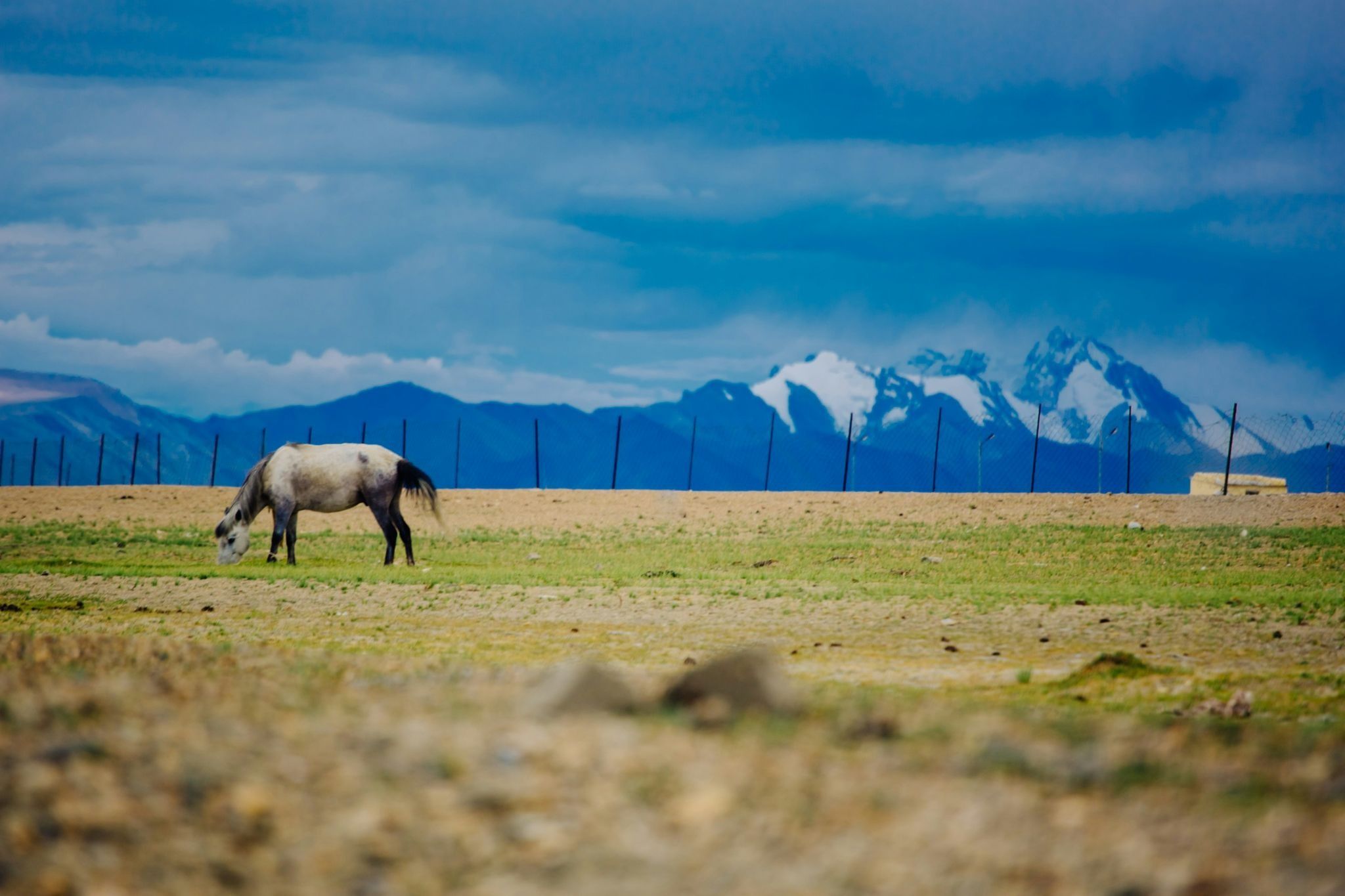
Reaching Ladakh’s wildlife areas takes some planning, but the routes are easy to follow.
- By air, the fastest option is to fly into Leh's Kushok Bakula Rimpochee Airport. Plan to spend 48 hours acclimatising before traveling to higher altitudes.
- By road, the highways from Srinagar to Leh and Manali to Leh are usually open from May to October. Both routes offer beautiful scenery along the way.
- To reach the parks, you’ll travel by road beyond Leh. Some trips are long, so having a comfortable vehicle and a skilled driver really helps.
- For permits, Indian travellers need an Inner Line Permit, which can be arranged online. Foreign nationals need a Protected Area Permit from a registered operator. These permits cover Nubra, Pangong, Tso Moriri, and Hanle. We take care of all the paperwork for you as part of your package, so you just need to bring your ID.
Planning Your Ladakh Wildlife Escape
There aren’t many places in India where spotting wildlife feels as rewarding as it does here. Ladakh’s wildlife is truly something to experience, but because it’s remote, weather can be unpredictable and permits are needed. That’s why planning ahead makes all the difference.
At Holiday Tribe, we plan Ladakh holidays based on what you’re looking for. You can choose a ready-made itinerary that includes parks, stays, and permits, or we can create a custom route focused on snow leopards, birdwatching, or a relaxed family trip. Our advisors and AI travel planner help you pick the best season and places to visit, and we take care of all the arrangements. Just share your dates, and we’ll handle the rest.