


It takes over 1 million Iranian Rials to buy a single US Dollar in 2026. That single number sums up why the Iranian Rial holds the title of the lowest currency in the world this year. But it's not alone. Several currencies across Asia, the Middle East, Africa, and Latin America trade at extremely low values against the USD. The reasons rarely involve country size or beauty. They come down to inflation, sanctions, political instability, weak foreign reserves, and trade deficits. All exchange rate data here is updated as of May 2026.
In this guide, you'll read more about what "lowest currency" actually means, how currency value is determined, the full ranked list of the top 10 weakest currencies, their comparison with the Indian Rupee, why they remain weak, and which of these destinations offer real value for Indian travellers.
What Does "Lowest Currency in the World" Actually Mean?
When people ask which is the lowest currency in the world, they're really asking a simple question: how many units of that currency does it take to equal 1 US Dollar? The more units you need, the "lower" the currency sits on the list.
So if 1 USD equals 1.3 million Iranian Rials, the Rial is considered the lowest. If 1 USD equals just 0.79 Swiss Francs, the Franc sits near the top.
That's it. No complicated formula. Just a straight comparison of how much of a currency it takes to buy a single dollar.
Low Value Does Not Mean Weak Economy
Here's where most people get confused. A low currency value does not automatically mean the country is poor or struggling.
Take Vietnam as a clear example. One US Dollar buys you around 26,000 Vietnamese Dong, which makes the Dong look like one of the weakest currencies in the world. But Vietnam is actually one of the fastest-growing economies in Southeast Asia. It exports electronics, textiles, coffee, and seafood at scale. Major global brands manufacture there.
So why is the Dong so "low" in value? Because the country has chosen to keep its currency intentionally cheap to make exports more competitive. It's a policy choice, not a sign of economic failure.
The same logic applies to Indonesia, South Korea, and Japan, where high unit counts against the dollar don't reflect weak economies.
How Currency Value Is Determined
A currency's value is not random. It rises or falls based on how a country's economy is doing, how stable its government feels to the world, and how much trust people place in it.
Here are the main factors that decide whether a currency stays strong or slips into the list of the weakest.
1. Inflation: When prices inside a country keep rising too fast, the currency loses its buying power. High inflation means weaker currency. Countries like Iran and Lebanon have seen this play out painfully over the last few years.
2. Political Stability: Investors prefer calm. A country with stable leadership, clear policies, and predictable elections attracts foreign money. Constant political unrest scares investors away, and the currency drops.
3. Foreign Reserves: Think of foreign reserves as a country's emergency savings in US Dollars, Euros, or gold. When reserves run low, the country struggles to defend its currency.
4. Trade Balance: If a country exports more than it imports, its currency strengthens because the world keeps buying from it. If it imports more than it sells, the opposite happens. Many of the lowest currencies belong to import-heavy economies.
5. Sanctions: International sanctions cut a country off from global trade and finance. The Iranian Rial is the clearest example. The latest round of UN sanctions on Iran in late 2025 accelerated the rial's freefall.
6. Public Confidence: This one is underrated. If citizens themselves stop trusting their own currency and start holding US Dollars or gold instead, the local currency falls faster. Trust holds a currency up. Lost trust pulls it down.
Top 10 Lowest Currency in the World in 2026: t a Glance
If you want the quick answer before getting into the details, here it is. As of May 2026, the Iranian Rial is officially the lowest currency in the world, followed closely by the Lebanese Pound. The rest of the list is made up of currencies from Southeast Asia, Africa, and Latin America.
Most of these currencies share a common story. Either their economy went through a major crisis, or the country never removed extra zeros from its money. Some have both problems.
Here is the ranked list of the top 10 lowest currencies against the US Dollar and the Indian Rupee, updated as of May 2026.
The Ranking
Rank | Country | Currency | Code | 1 USD= | 1INR~ |
1 | Iran | Iranian Rial | IRR | ~13,20,000 | ~15,440 |
2 | Lebanon | Lebanese Pound | LBP | ~89,500 | ~1046 |
3 | Vietnam | Vietnamese Dong | VND | ~26,300 | ~308 |
4 | Laos | Lao Kip | LAK | ~22,000 | ~0.27 |
5 | Indonesia | Indonesian Rupiah | IDR | ~17,400 | ~257 |
6 | Uzbekistan | Uzbekistani Som | UZS | ~12,800 | ~204 |
7 | Guinea | Guinean Franc | GNF | ~8,700 | ~150 |
8 | Paraguay | Paraguayan Guaraní | PYG | ~7,980 | ~102 |
9 | Madagascar | Malagasy Ariary | MGA | ~4,500 | ~93 |
10 | Cambodia | Cambodian Riel | KHR | ~4,100 | ~48 |
Rates are mid-market figures as of May 2026 and may shift slightly day to day. For Iran, the market rate is shown, since the official rate is set artificially and is not what people actually trade at.
Detailed Breakdown: Lowest Currency in the World vs Indian Rupee
1. Iranian Rial (IRR)
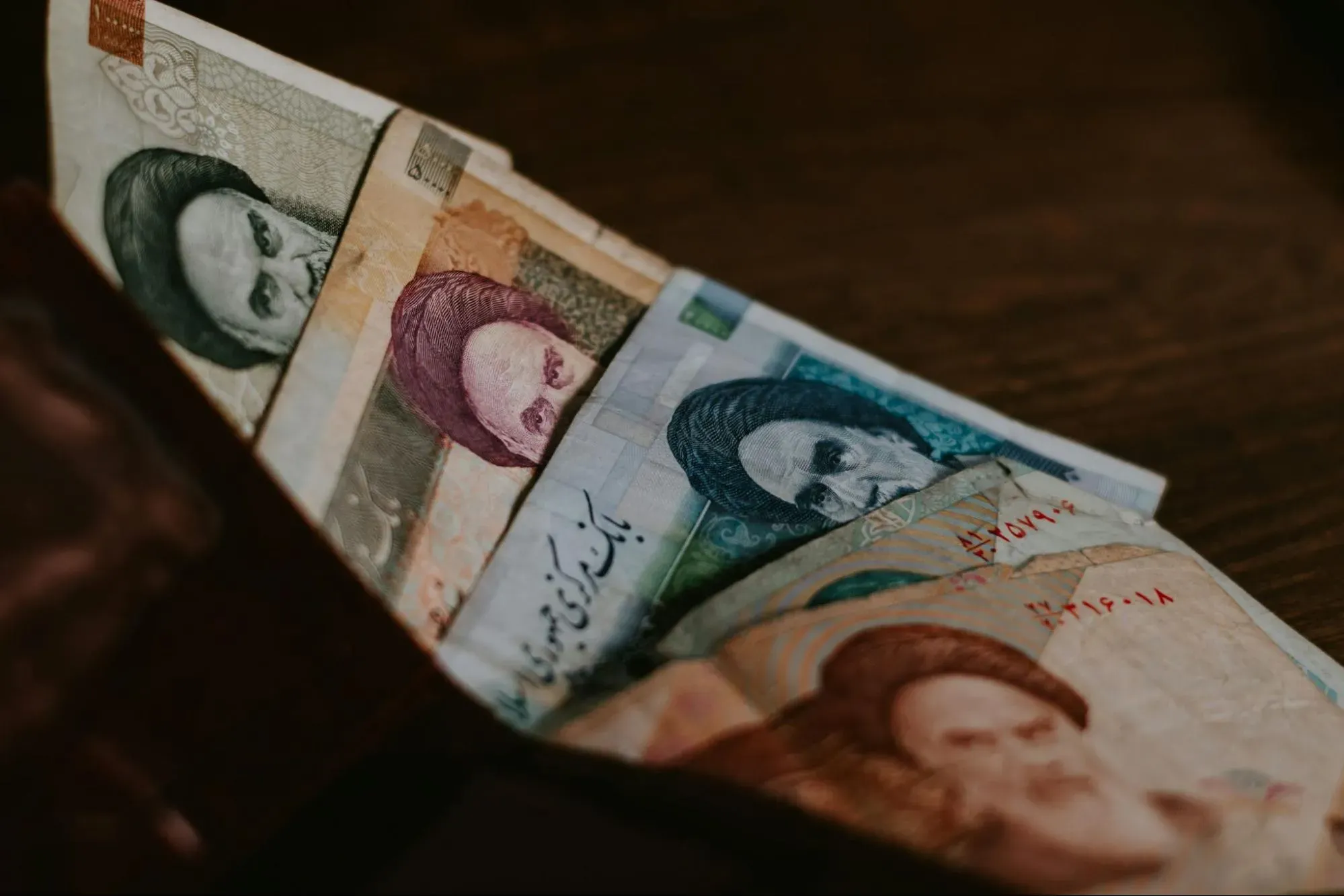
The Iranian Rial is widely considered the lowest currency in the world by market exchange rate in 2026. One major reason is the large gap between Iran’s official exchange rate and the real open-market rate used by ordinary people.
For individuals in India comparing the world lowest currency vs the Indian rupee, the conversion rates appear extreme, as even ₹1 is equivalent to several thousand Rials.
2. Lebanese Pound (LBP)
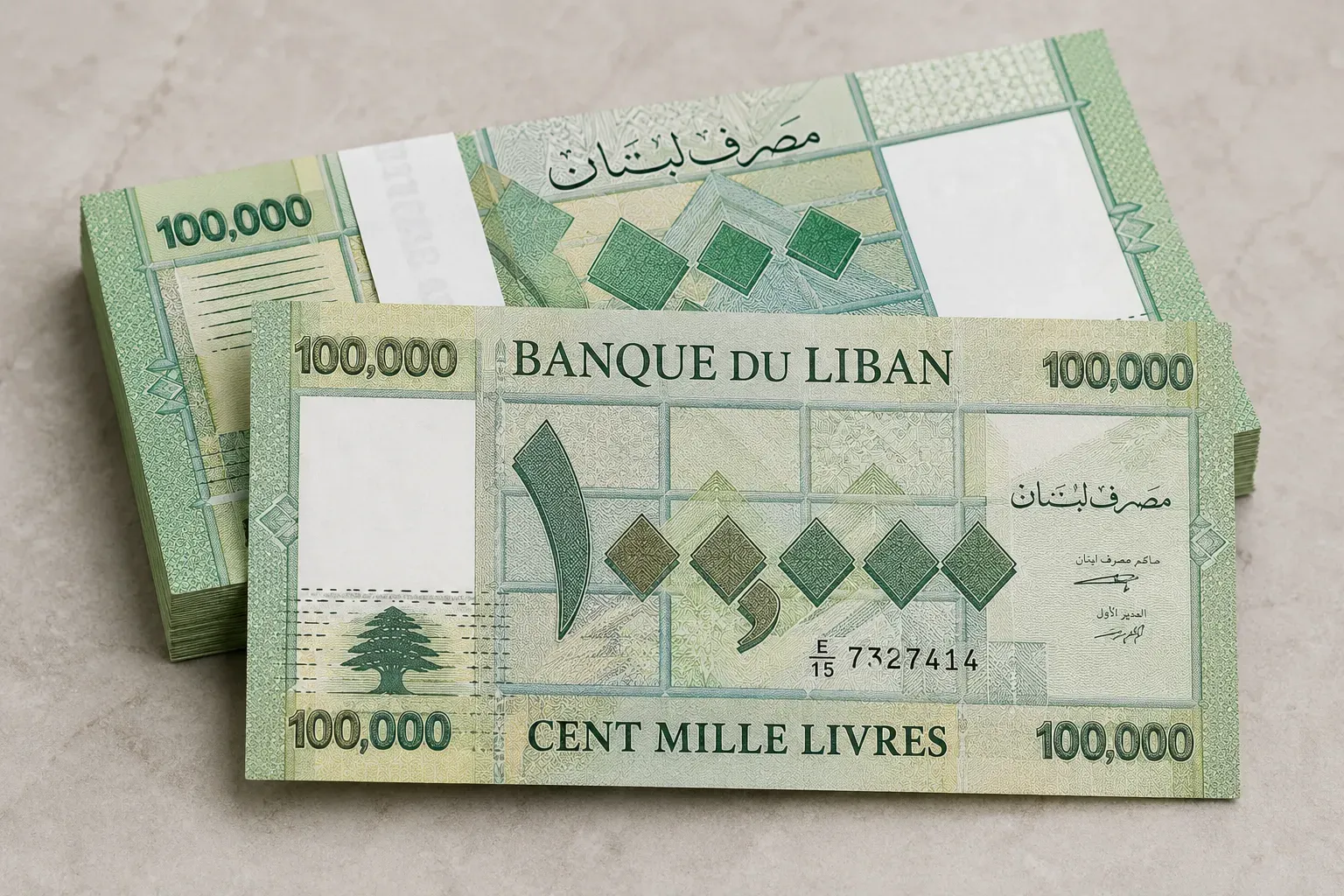
The Lebanese Pound once stayed stable for years under a fixed exchange rate of 1,507.50 LBP per US Dollar. That changed after Lebanon’s financial crisis began in 2019. Banks imposed withdrawal limits, savings became inaccessible, and confidence in the economy collapsed.
3. Vietnamese Dong (VND)
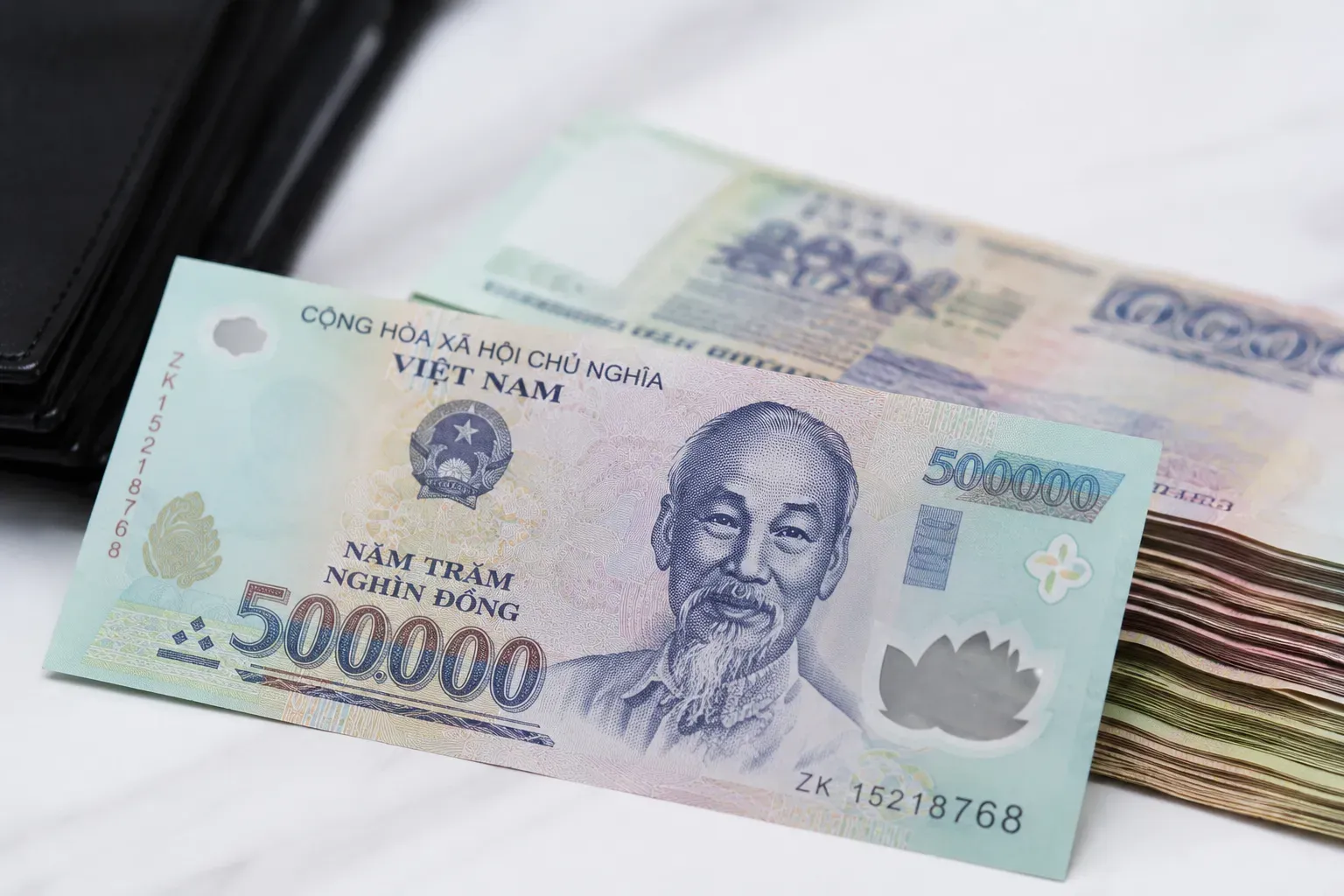
The Vietnamese Dong often appears in lists of the lowest currency in the world vs Indian rupee, but the story here is very different from countries facing economic collapse. Vietnam’s economy is actually growing steadily through exports, manufacturing, and tourism.
For Indian travellers, this usually works in their favour. Cities like Hanoi and Da Nang remain relatively affordable for food, transport, and hotels compared to many international destinations.
4. Lao Kip (LAK)
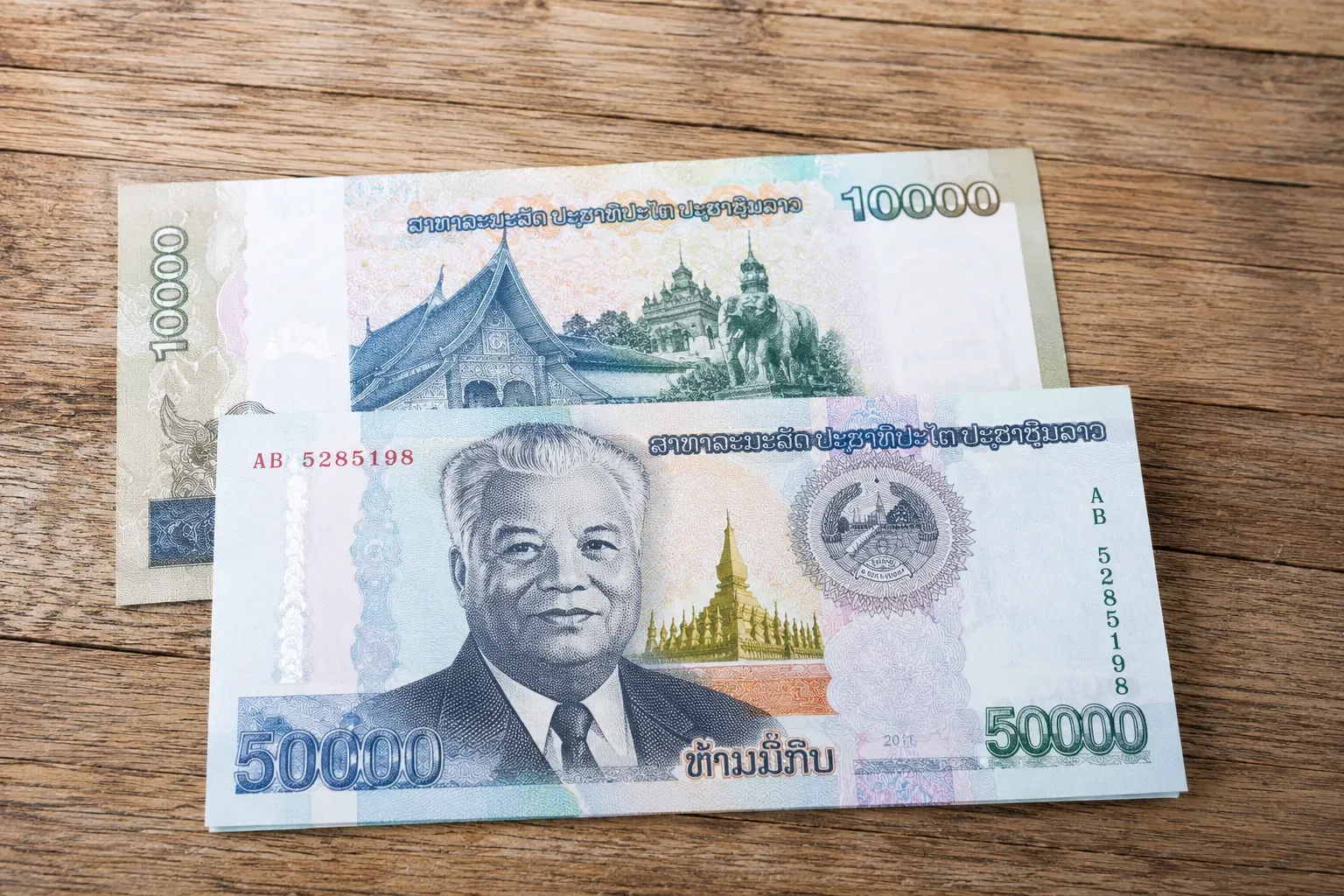
The Lao Kip has struggled because Laos depends heavily on imports while carrying rising foreign debt obligations. Inflation and fuel costs have also added pressure on the local economy in recent years.
Tribe Travel Tip: Carry some USD in smaller denominations while travelling through Laos, especially near border towns.
5. Indonesian Rupiah (IDR)
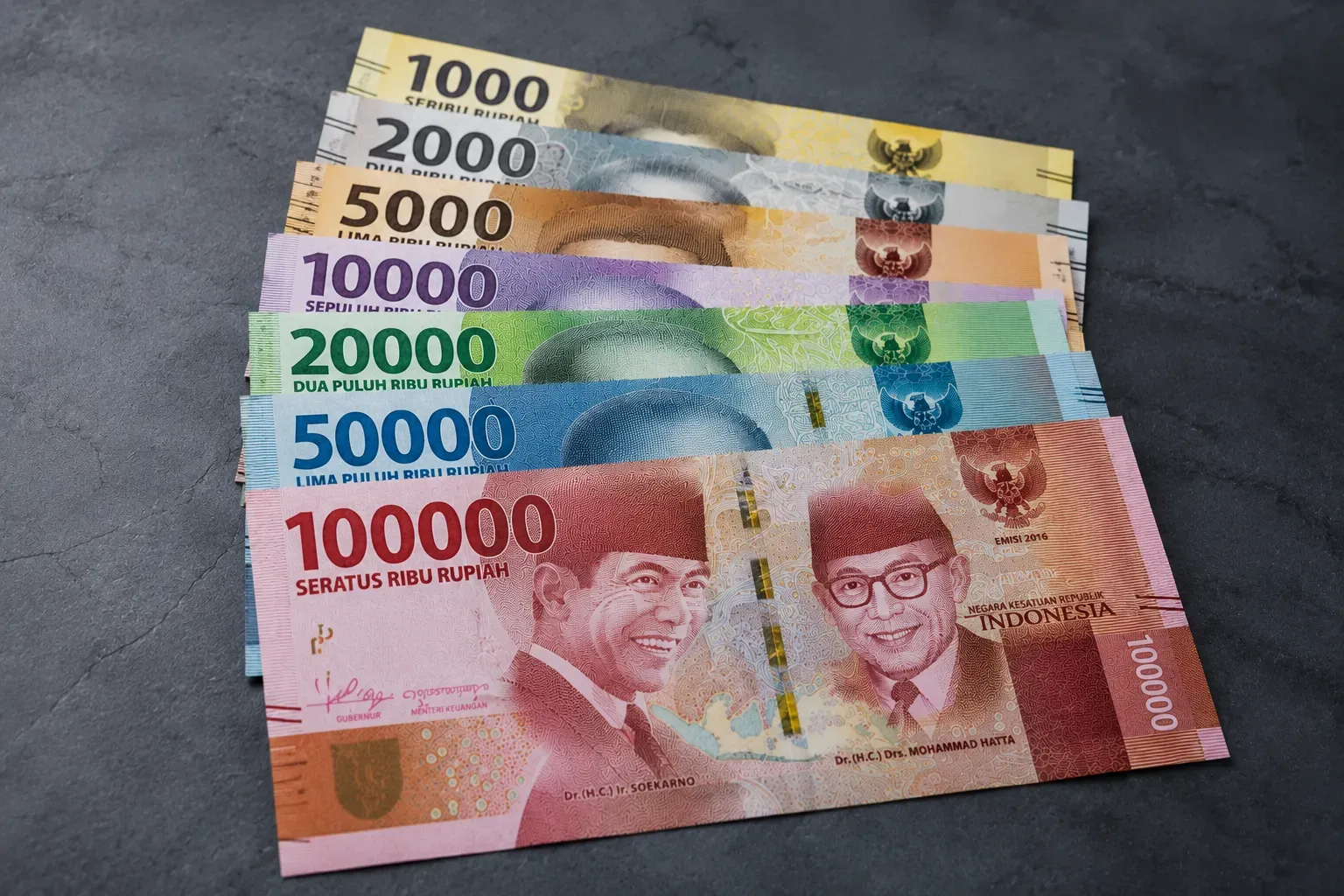
The Indonesian Rupiah still carries the legacy of the 1997-98 Asian Financial Crisis, when several Southeast Asian currencies weakened sharply. Although Indonesia’s economy recovered strongly later, the Rupiah continues trading in large numerical values.
A dinner bill of 300,000 IDR in Bali may sound expensive at first, but it converts to a much smaller INR amount.
6. Uzbekistani Som (UZS)
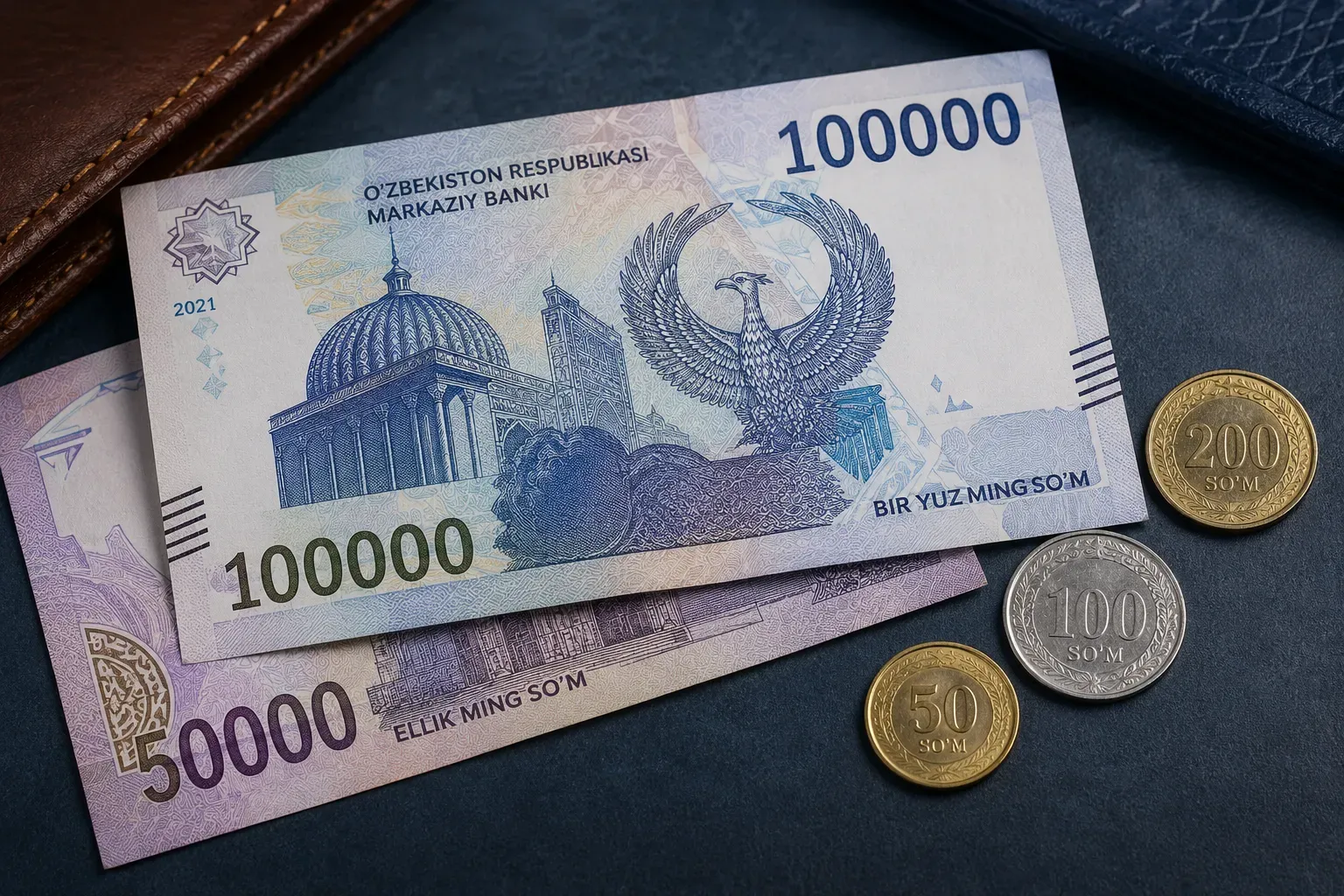
The Uzbekistani Som changed significantly after major economic reforms introduced in 2017. Uzbekistan moved toward a more market-based exchange system, which improved transparency but also weakened the currency initially.
Since then, tourism has grown steadily, especially along the historic Tashkent, Samarkand, and Bukhara route.
7. Guinean Franc (GNF)
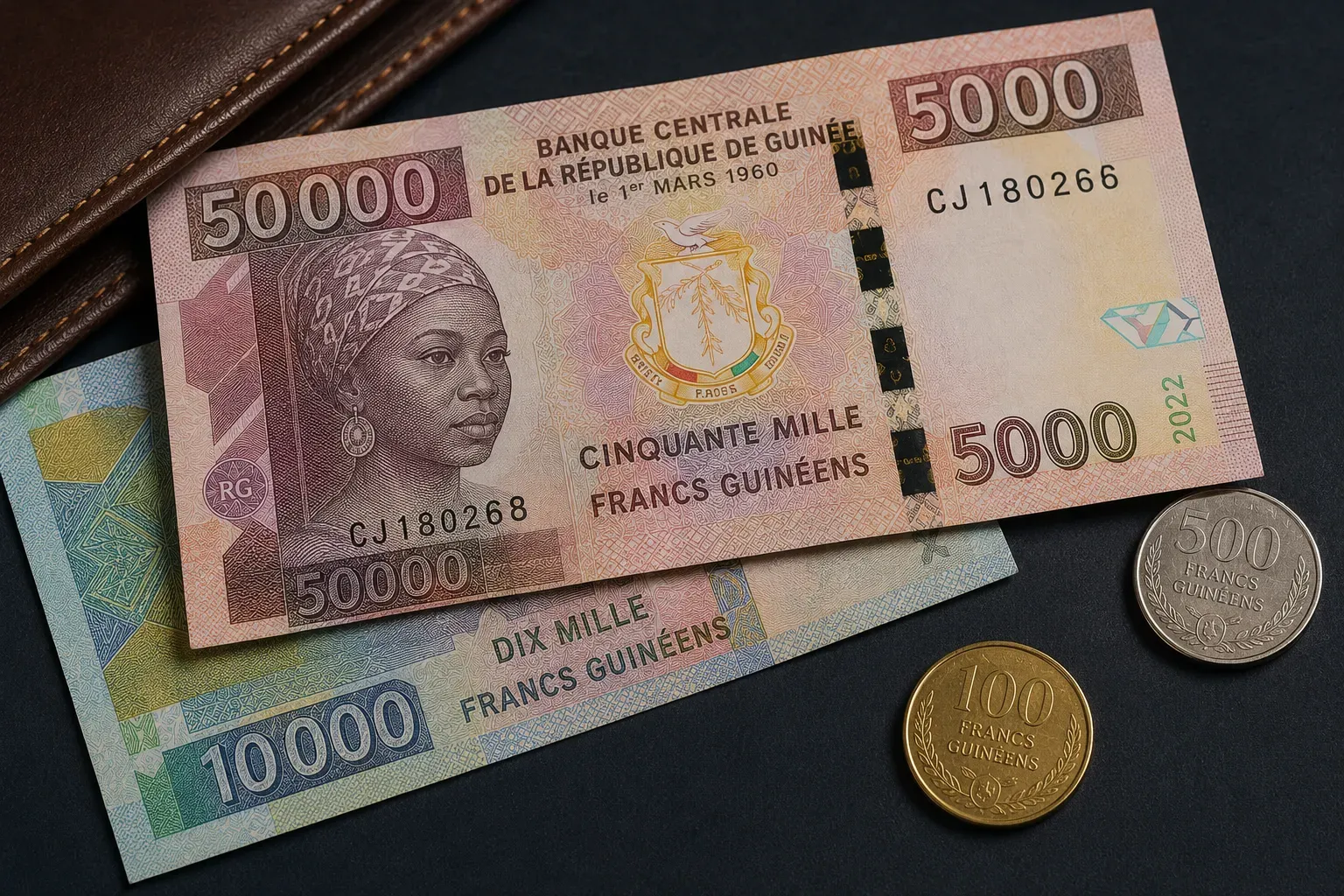
The Guinean Franc remains weak largely because Guinea depends heavily on mining and commodity exports. Economies tied closely to raw material prices often face currency fluctuations when global demand changes.
Compared to the Indian Rupee, the Guinean Franc trades at very high numerical values.
8. Paraguayan Guaraní (PYG)
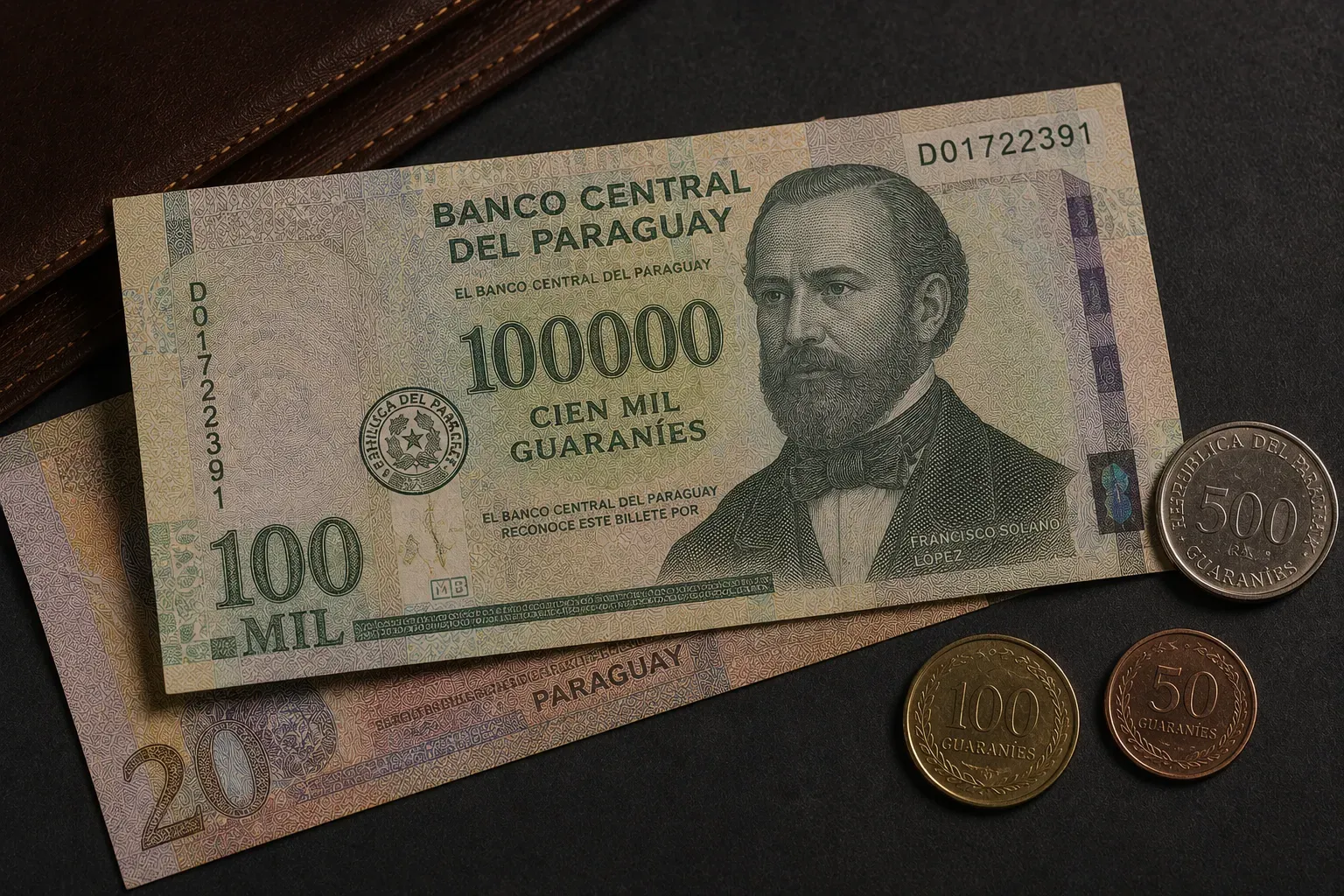
The Paraguayan Guaraní is the only Latin American currency on this list. Unlike some currencies weakened by sudden economic collapse, the Guaraní’s low denomination is more connected to long-term inflation history.
9. Malagasy Ariary (MGA)
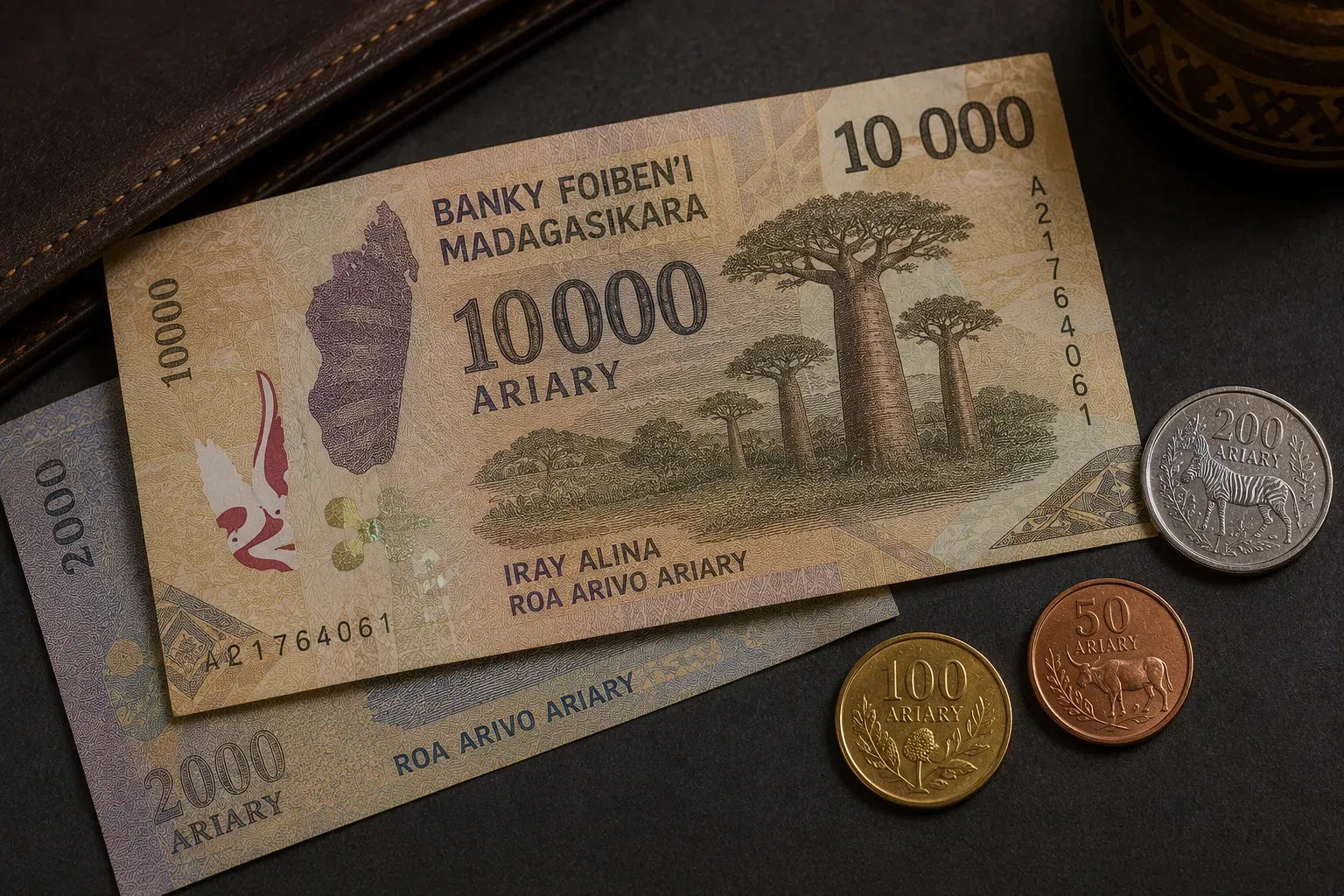
The Malagasy Ariary, used in Madagascar, has remained weak due to limited industrial development, import dependence, and recurring inflation pressures. Agriculture still plays a major role in the country’s economy, making it vulnerable to climate-related disruptions and global commodity fluctuations.
10. Cambodian Riel (KHR)
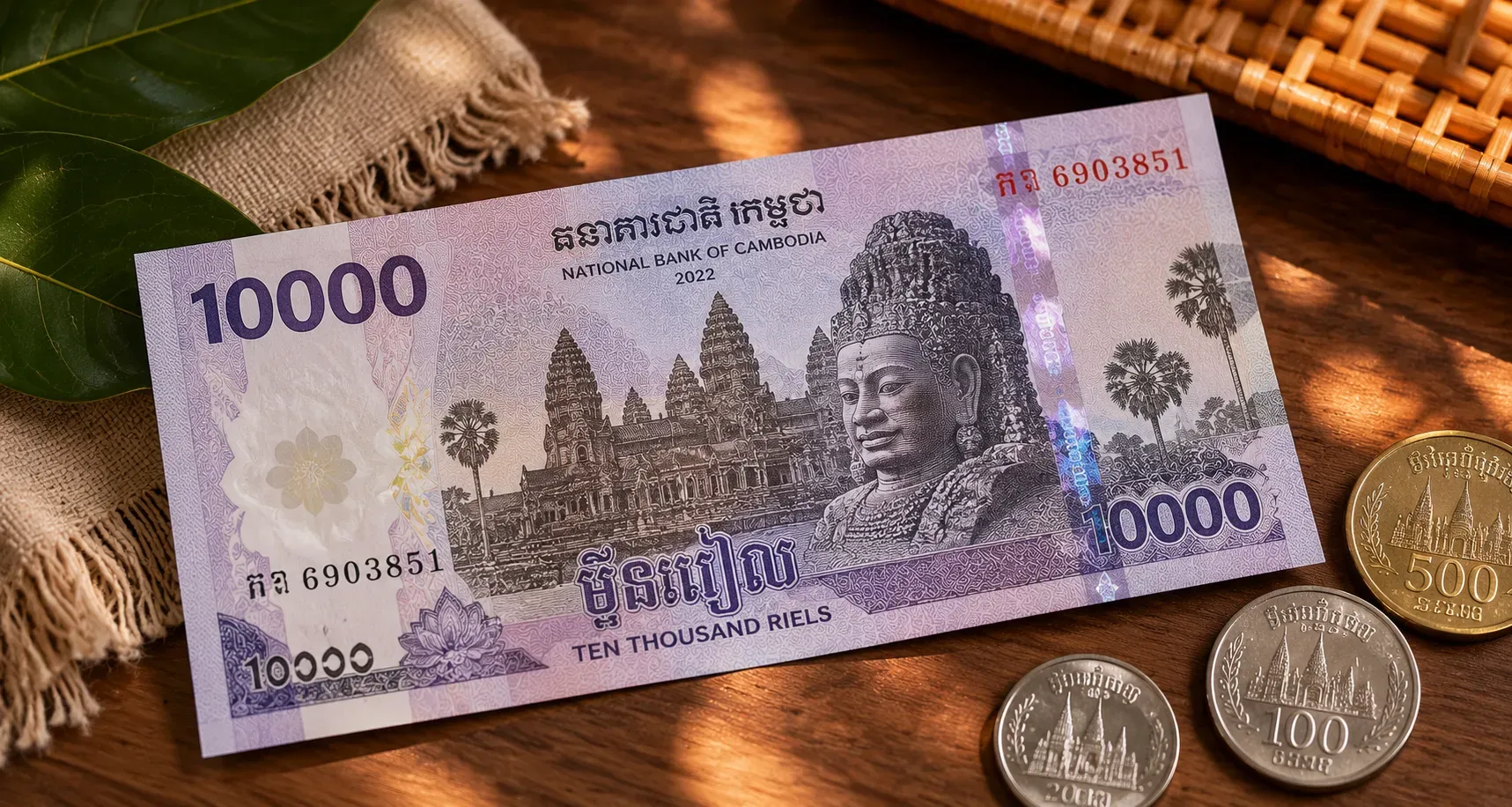
Cambodia operates with a dual-currency system where both the Cambodian Riel and US Dollar are widely used. In tourist areas, hotels and larger restaurants usually quote prices directly in USD, while smaller local transactions often return change in Riel.
Quick Insight: Around Siem Reap, many tuk tuk rides, cafés, and ticket counters still prefer USD payments from tourists.
World’s Lowest Currency vs Indian Rupee: What It Means for Indian Travellers
When people hear phrases like lowest currency in the world, they often assume those destinations are expensive or financially unstable for tourists. In reality, for Indian travellers, several of these countries can actually feel surprisingly affordable because the Indian Rupee converts into very large local currency amounts.
This is especially noticeable in destinations across Southeast Asia. Countries like Vietnam, Indonesia, Laos, and Cambodia use currencies with high numerical denominations, which means even a moderate INR budget stretches much further in daily travel.
For example, a café meal in Vietnam may cost 80,000 VND, which sounds expensive initially, but often converts to less than ₹300. Similarly, hotel prices in Bali regularly appear in millions of Indonesian Rupiah, even for mid-range stays.
For Indian tourists comparing the world’s lowest currency vs Indian rupee, these destinations often offer:
- Better hotel value
- Affordable local food
- Cheaper public transport
- Lower sightseeing costs
- Stronger overall travel budget flexibility
Conclusion
A currency’s exchange rate doesn’t tell you much about how good a destination is, how safe it is, or how strong its economy might be. As you’ll see in this list, some countries with the lowest-valued currencies are facing real economic problems, but others, like Vietnam and Indonesia, have fast-growing economies and just use bigger numbers for their money. For Indian travellers, it’s more important to understand this difference than to focus solely on the exchange rate. Seeing a currency with lots of zeros isn’t a warning sign; it often means your rupee will go further when you’re there. Before you travel, check the current exchange rate rather than relying on old numbers, as rates in places like Iran and Lebanon can change quickly.