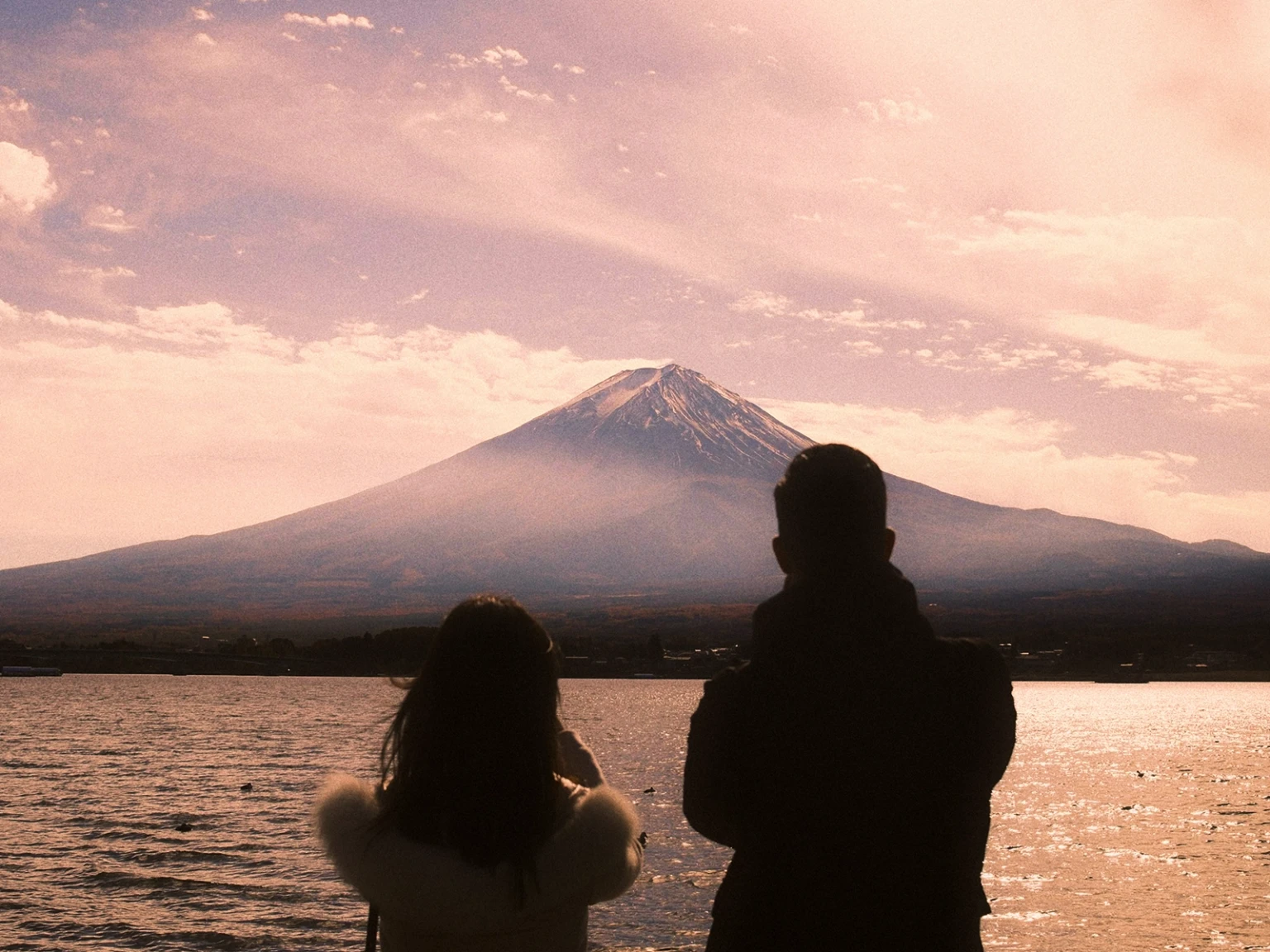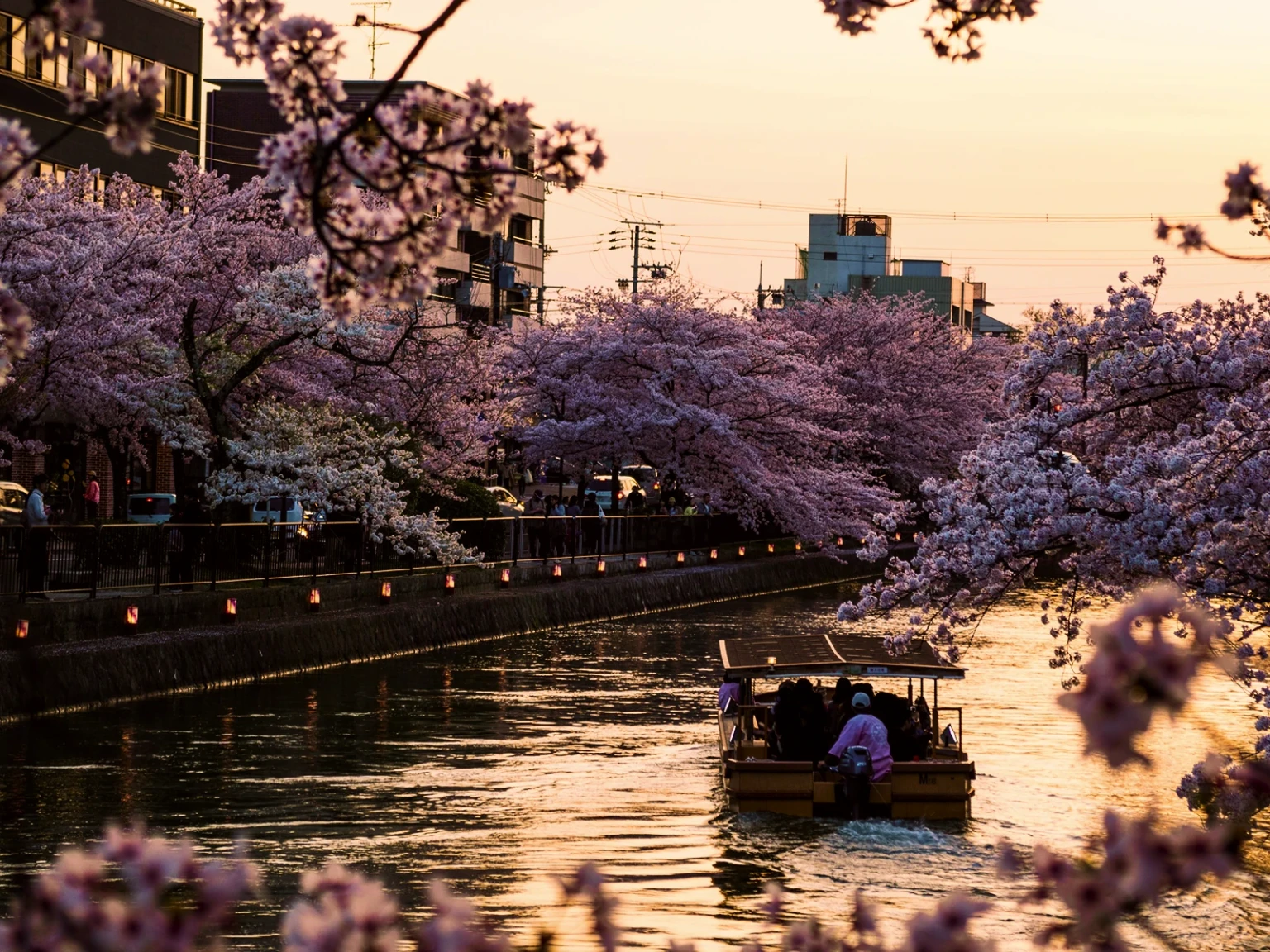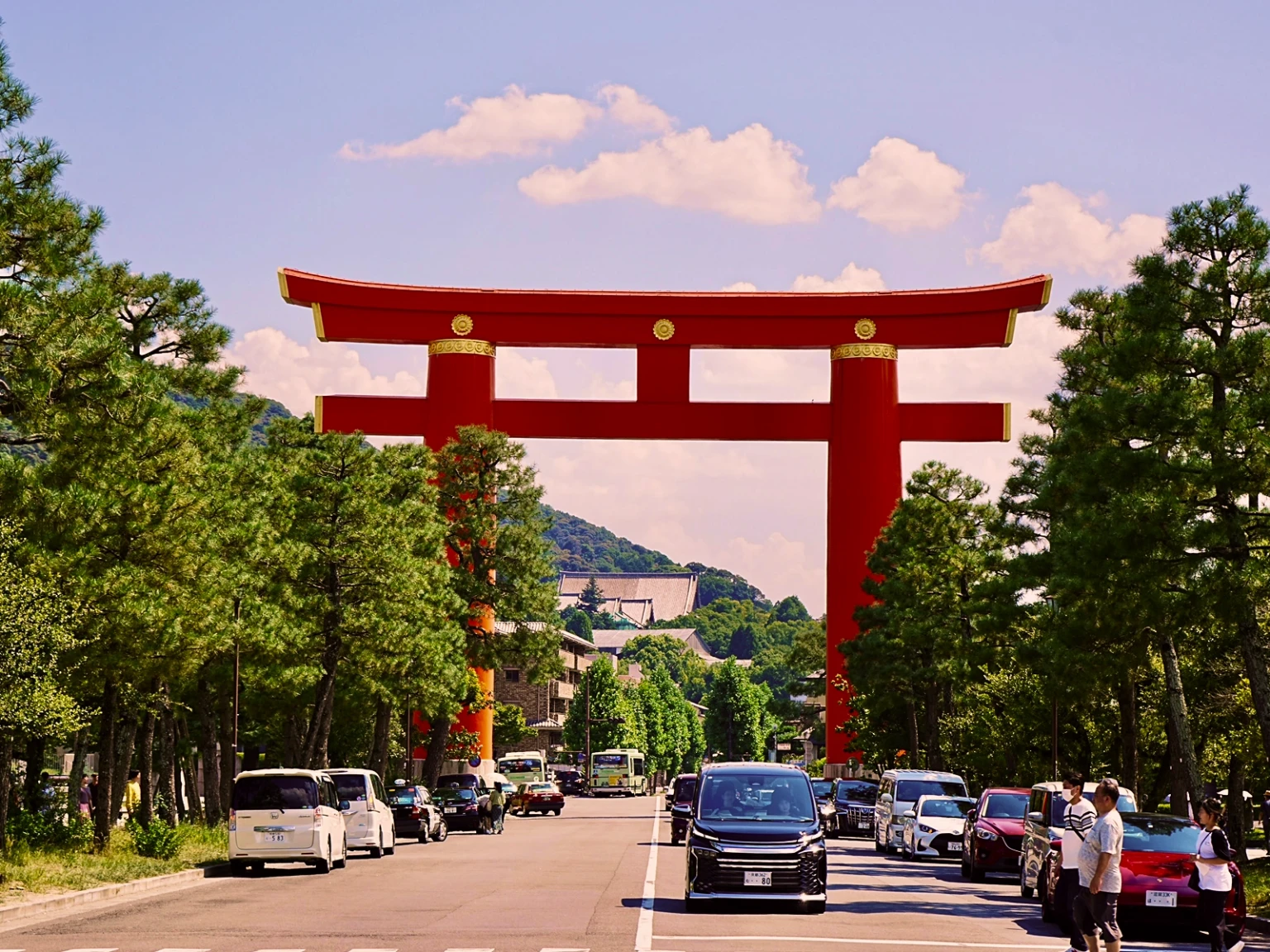


Here is something most people don’t mention before you visit. You can plan your whole day around Mount Fuji, travel two hours from Tokyo, stand in the perfect spot, and still see nothing but a wall of grey clouds where the mountain should be. This happens all the time, because Japan’s most famous peak is also its most camera-shy. On average, it’s fully visible only about a third of the time, and it can disappear in less than an hour. That’s why this guide exists. Seeing Mount Fuji isn’t just about luck. It’s about being in the right place, at the right time of day, during the right season, and having a backup plan. If you get those things right, you’ll go home with the view. If not, you’ll go home with just grey skies. Let’s make sure you get the view.
Why Is Mount Fuji So Hard to See?
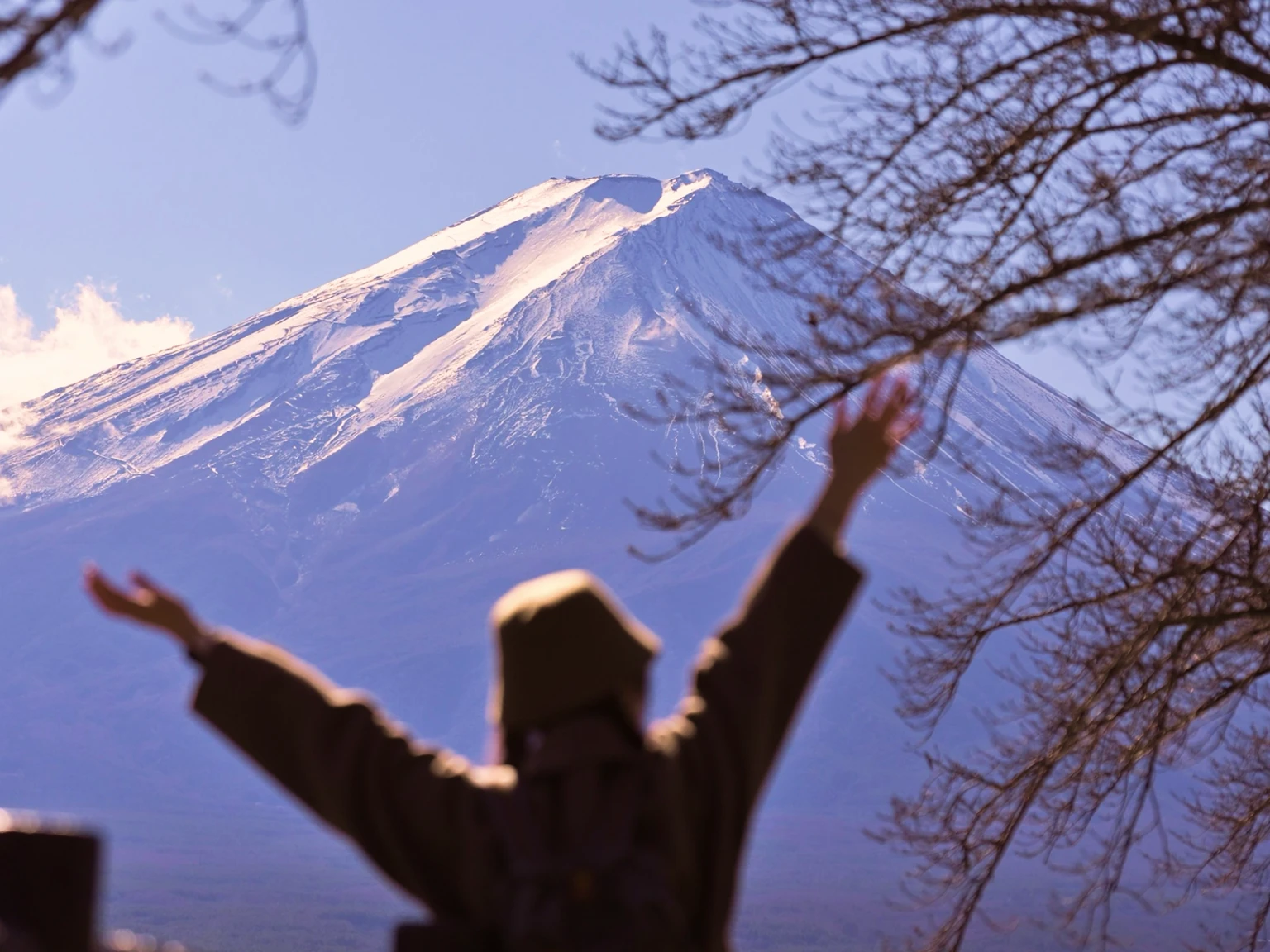
Before you think about when and where to go, it’s good to know what you’re dealing with. Mount Fuji creates its own weather. Its almost perfect cone shape draws in clouds and often hides itself by late morning.
Here are a few important things to know about Mount Fuji:
- It is a genuine giant: It stands 3,776 metres tall, making it Japan's highest peak.
- It is an active volcano: If you’re wondering whether Mount Fuji is active, the answer is yes. It’s a monitored stratovolcano, just quiet at the moment.
- It has been quiet for a long time: The last eruption was the Hōei eruption in 1707, so Mount Fuji has been dormant for over 300 years.
- It is sacred and celebrated: It was named a UNESCO World Heritage cultural site in 2013 and has been featured in Hokusai’s paintings for centuries.
The main point is simple: clouds can ruin the view, mornings are best, and planning ahead is always better than just hoping for good weather.
When Is the Best Time to See Mount Fuji?
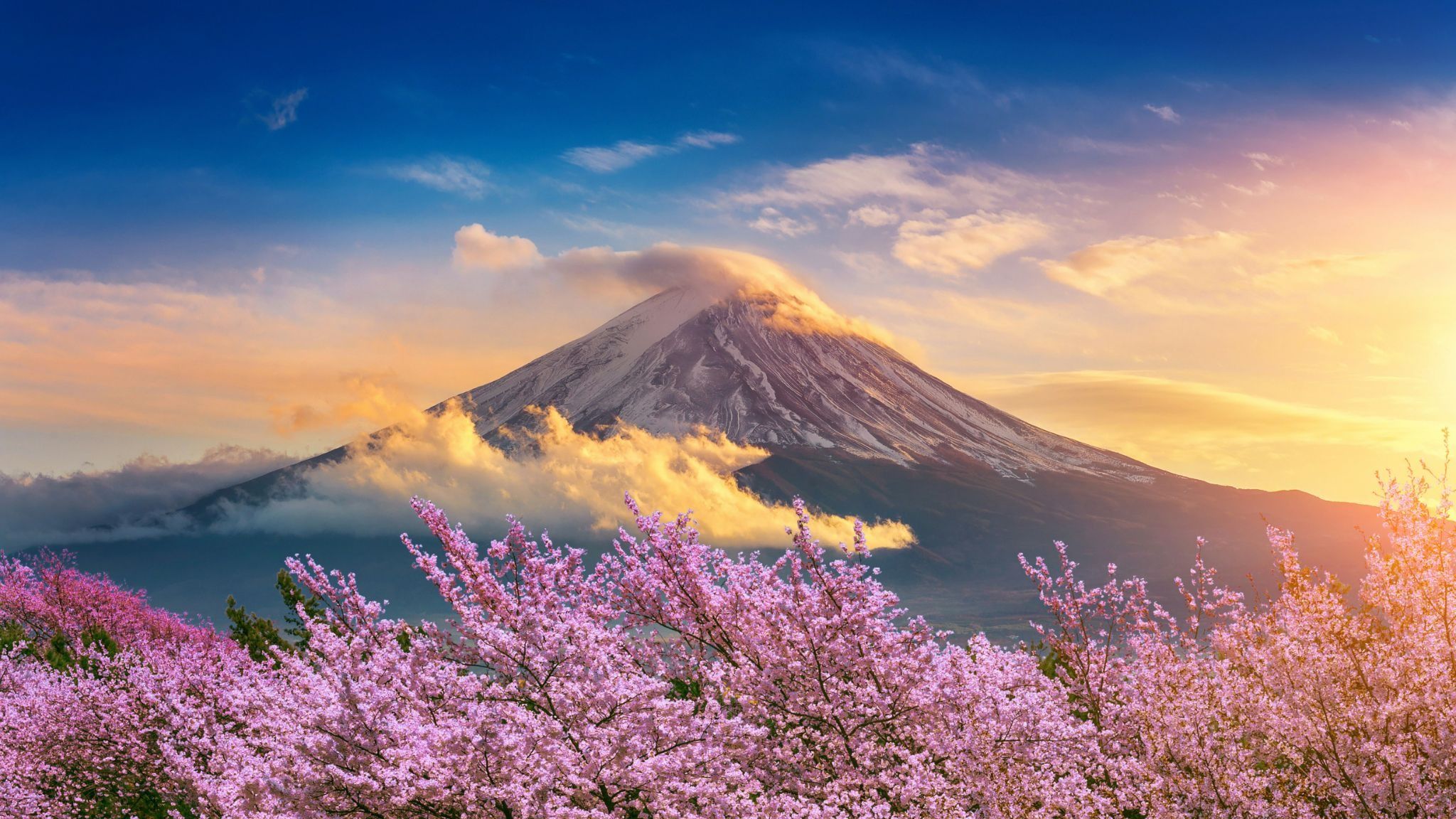
When it comes to seeing Mount Fuji, timing matters more than the exact location. The best views are on cold, dry days, so winter is usually the clearest season.
- November to February: This is when you get the best views of Mount Fuji, with cold, dry air and crisp, clear mornings.
- March to May: The weather is milder, and in early April, cherry blossoms at Chureito create a beautiful frame around the mountain.
- June to August: These are the greenest months, but also the haziest, as clouds often cover the mountain in the afternoons.
- September to October: This is a good shoulder season, as the air starts to clear up.
Season | Months | Visibility | Best for |
Winter | Nov to Feb | Excellent | Sharp, clear views |
Spring | Mar to May | Good | Cherry blossom shots |
Summer | Jun to Aug | Lower | Climbing, green scenery |
Autumn | Sep to Oct | Good | Fewer crowds, clear spells |
No matter the time of year, it’s best to head out early. Mount Fuji usually appears at dawn and in the early morning, but as the day gets warmer, it often disappears behind clouds. Sleeping in means you might miss the perfect shot.
Where Are the Best Places to See Mount Fuji?
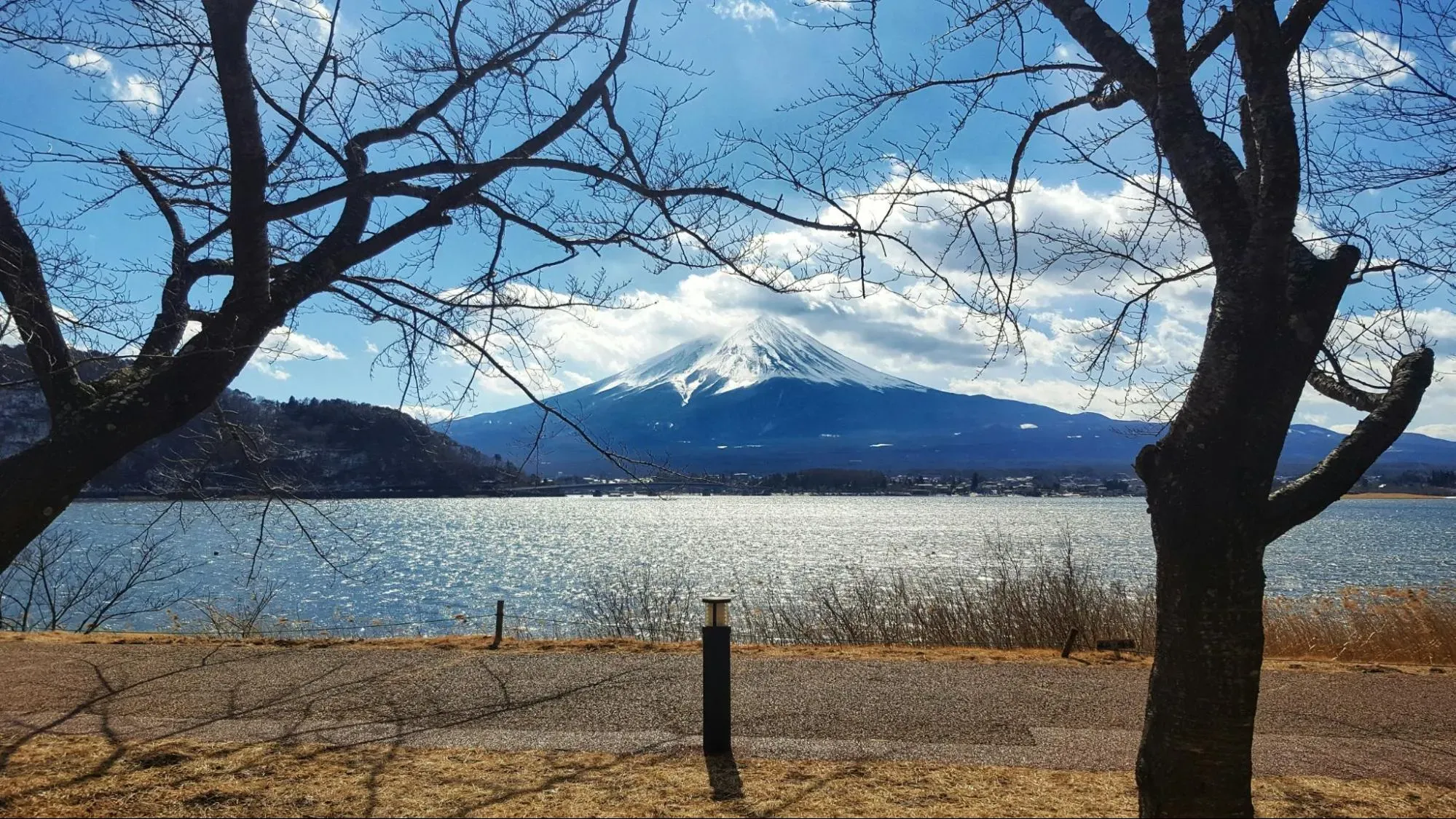
Where you choose to set up makes all the difference. Here are the best places in the Fuji Five Lakes area and nearby where you can count on getting great Mount Fuji pictures.
Viewpoint | Best for | Why go |
Lake Kawaguchiko | Easy access | The classic reflection on calm mornings |
Chureito Pagoda | Photography | Pagoda, blossom and peak in one frame |
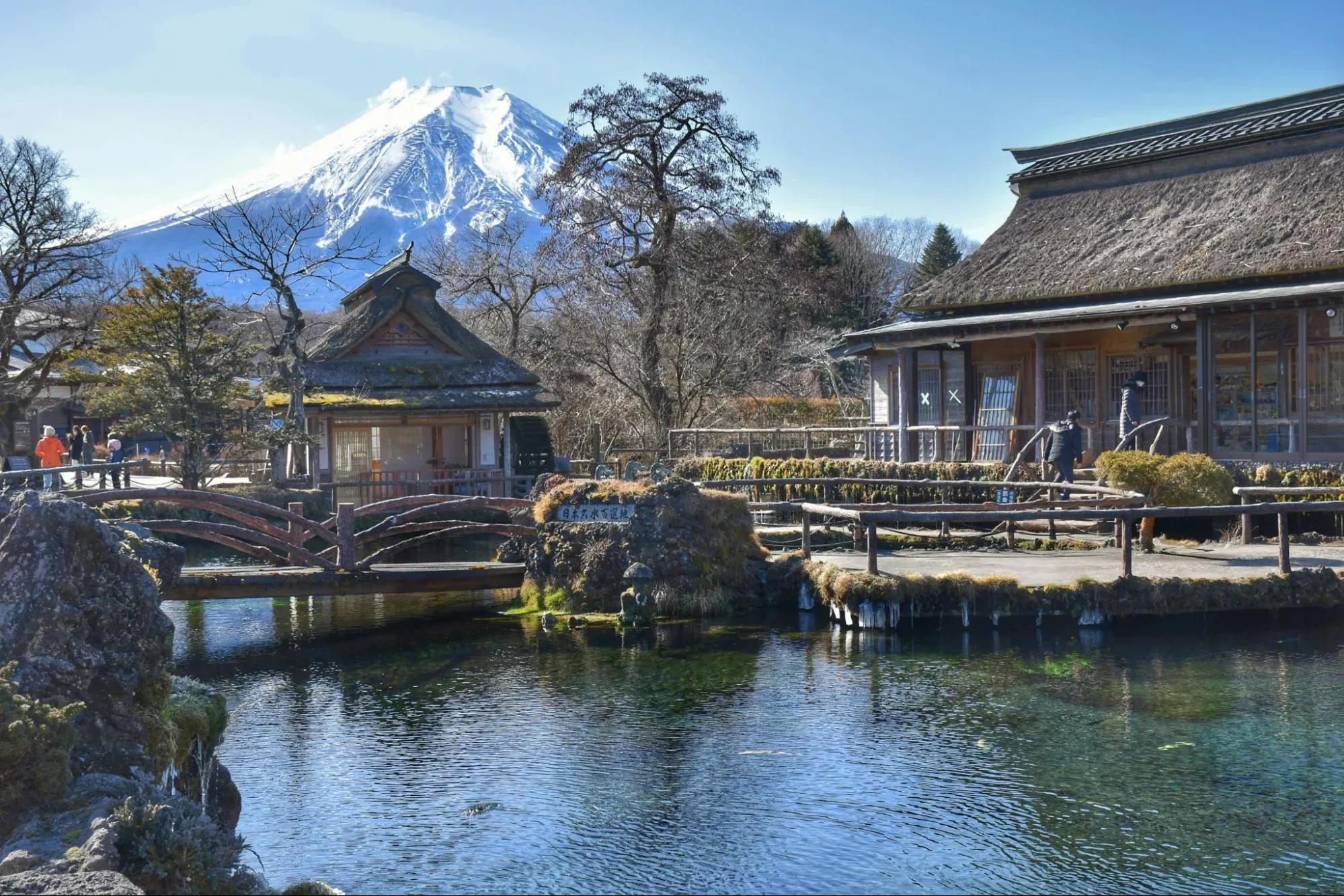
Oshino Hakkai | Villages and springs | Clear-water ponds with the cone behind |
Lake Yamanakako | Space and calm | The largest of the five lakes |
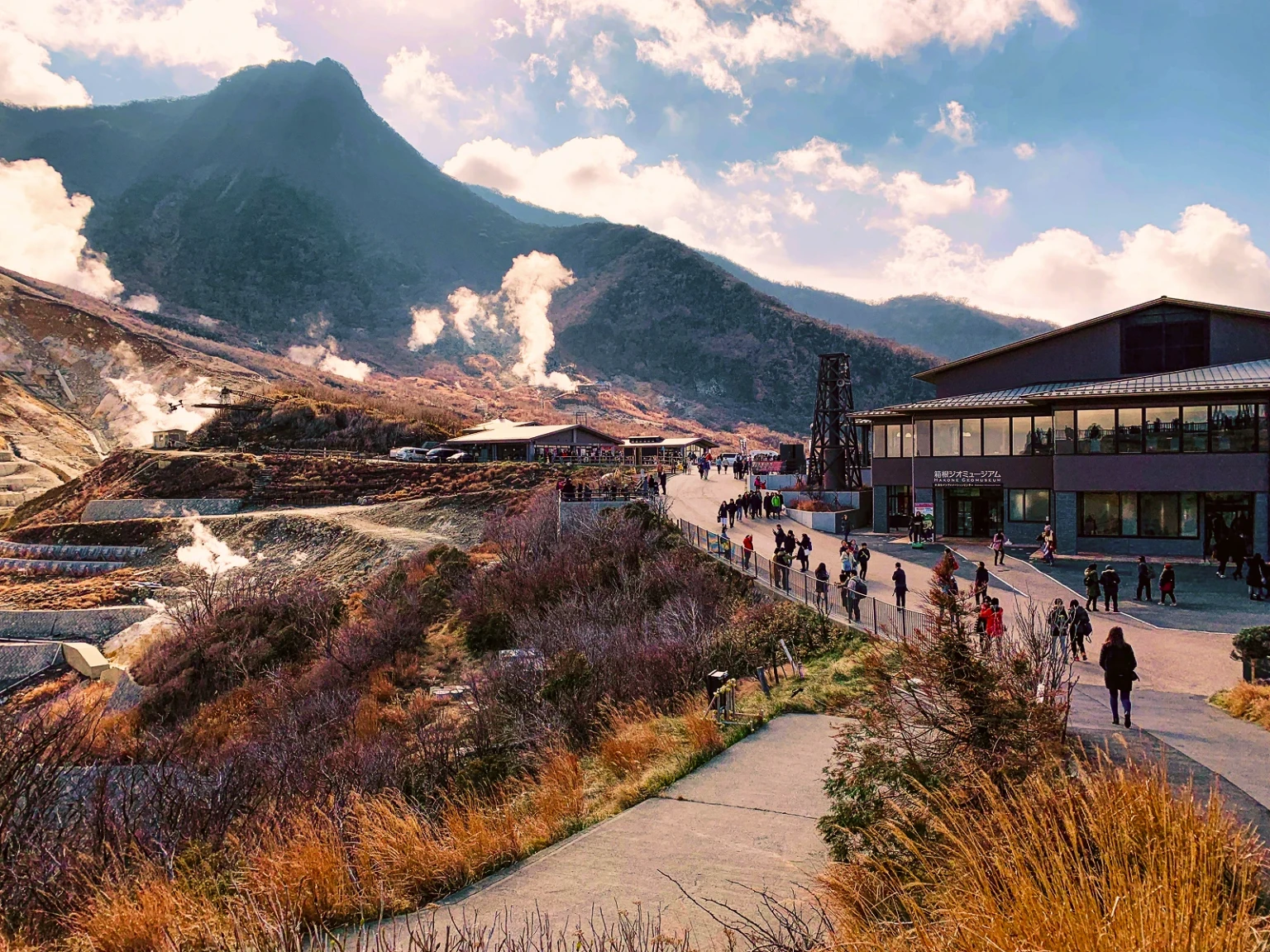
Hakone | Combining with onsen | Views paired with hot-spring towns |
- Lake Kawaguchiko: This is the most reliable and easy-to-reach base. It is famous for the upside-down "inverted Fuji" reflected on calm water, which is best seen from late autumn to winter.
- Chureito Pagoda: This is the view that draws visitors from around the world: a five-storey pagoda with Mount Fuji rising behind it. The scene is especially stunning at dawn in early April. Be prepared to climb about 400 steps, so allow plenty of time.
- Oshino Hakkai: Here you will find a group of clear, spring-fed ponds surrounded by thatched houses, with Mount Fuji as a beautiful backdrop.
- Hakone: This spot is a bit farther away, but it offers great views along with hot-spring inns, making it perfect for a more relaxed visit.
To answer a common question about Mount Fuji’s location: it sits between Shizuoka and Yamanashi Prefectures, about 100 kilometres southwest of Tokyo. On a clear day, you can even see Mount Fuji from parts of Tokyo and Yokohama.
How Do You Get to Mount Fuji From Tokyo?
Getting to the mountain is straightforward, which is a relief after hearing so much about the weather. Mount Fuji is about 100 km from Tokyo, and most people use the Kawaguchiko area as their starting point.
- By direct bus: The easiest way is to take an express bus from Shinjuku to Kawaguchiko. The ride takes about 1 hour 45 minutes to 2 hours, and you don't need to transfer.
- By train: You can also take the JR line towards Otsuki, then switch to the Fujikyu Railway line to reach Kawaguchiko. This route takes about 2 to 2.5 hours.
- By car or private transfer: Travelling by car or private transfer gives you more flexibility. It is a good choice if you want to catch clear mornings or visit several viewpoints in one day.
- By Shinkansen glimpse: If you take the bullet train from Tokyo to Osaka, look out the right-side window about 40 to 50 minutes after departure for a great view of Mount Fuji.
If you are short on time and only have one day, booking the direct Kawaguchiko bus in advance is the easiest and least stressful way to see Mount Fuji.
Can You Climb Mount Fuji, and Should You?
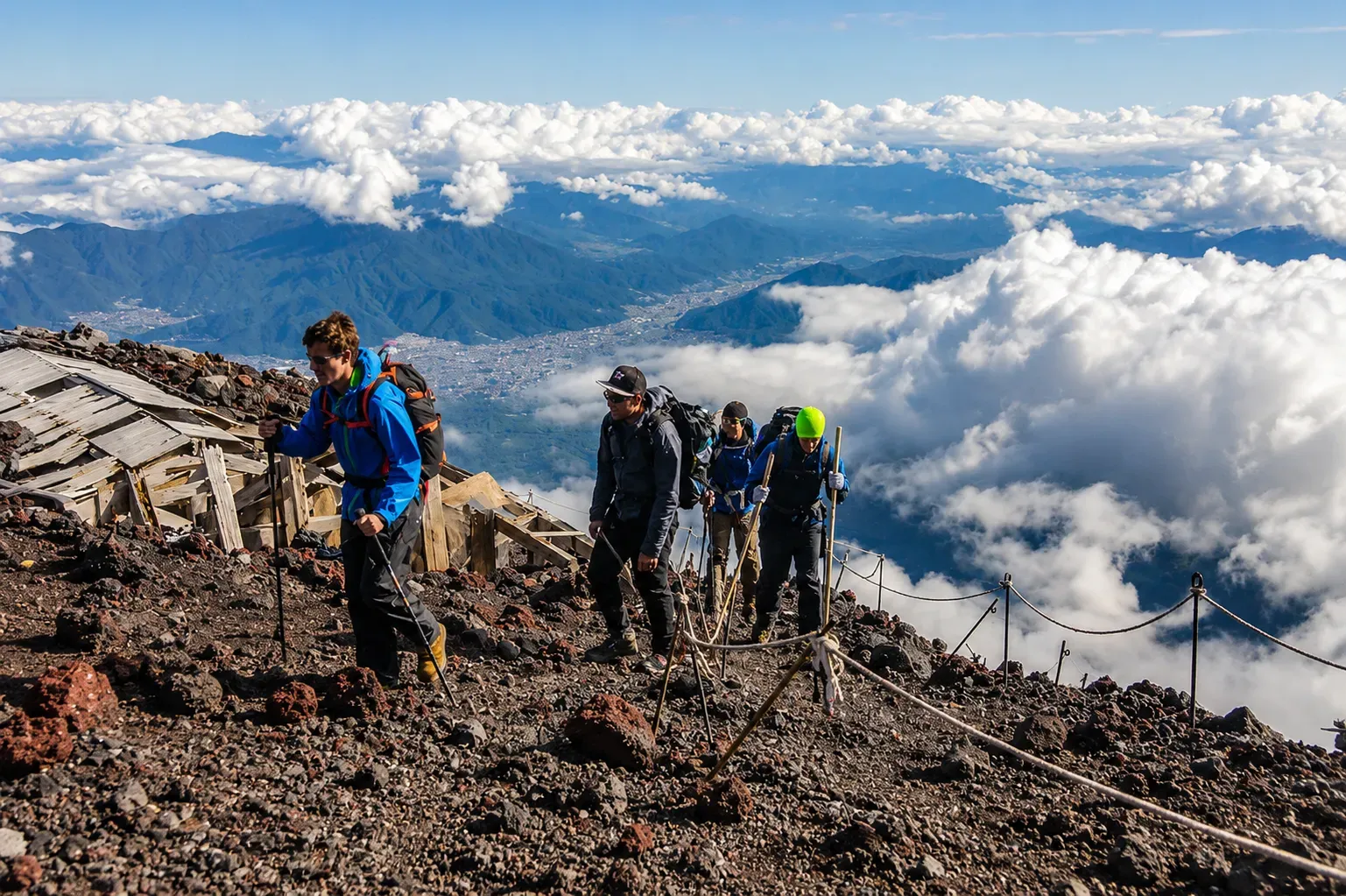
Some travellers want more than just a view; they want to reach the summit. Climbing Mount Fuji is possible for anyone in decent shape, but keep in mind that the season is short and, starting in 2026, there are more rules than before.
Here’s what you need to know about climbing Mount Fuji now:
- Short season: Trails are only open from early July to September 10. They stay closed for the rest of the year.
- Permit and fee: In 2026, all four trails require a ¥4,000 fee. You’ll also need to get an online permit and QR code before you go.
- Daily cap: The popular Yoshida Trail only allows 4,000 climbers each day, so it’s best to book your spot early.
- Timed gates: Trailheads close from 2pm to 3am to prevent overnight 'bullet climbing.' If you have a mountain hut reservation, you can still start during these hours.
- Sunrise goal: Most people spend the night in a hut and wake up early to see goraiko, the sunrise from the summit.
To be honest, climbing Mount Fuji is hard work and not something to add on at the last minute. You won’t get the classic postcard view from the top, since you’re standing on the mountain instead of looking at it. For most first-timers, the viewpoints along the way are even better than the summit.
What Else Is Worth Doing Around Mount Fuji?
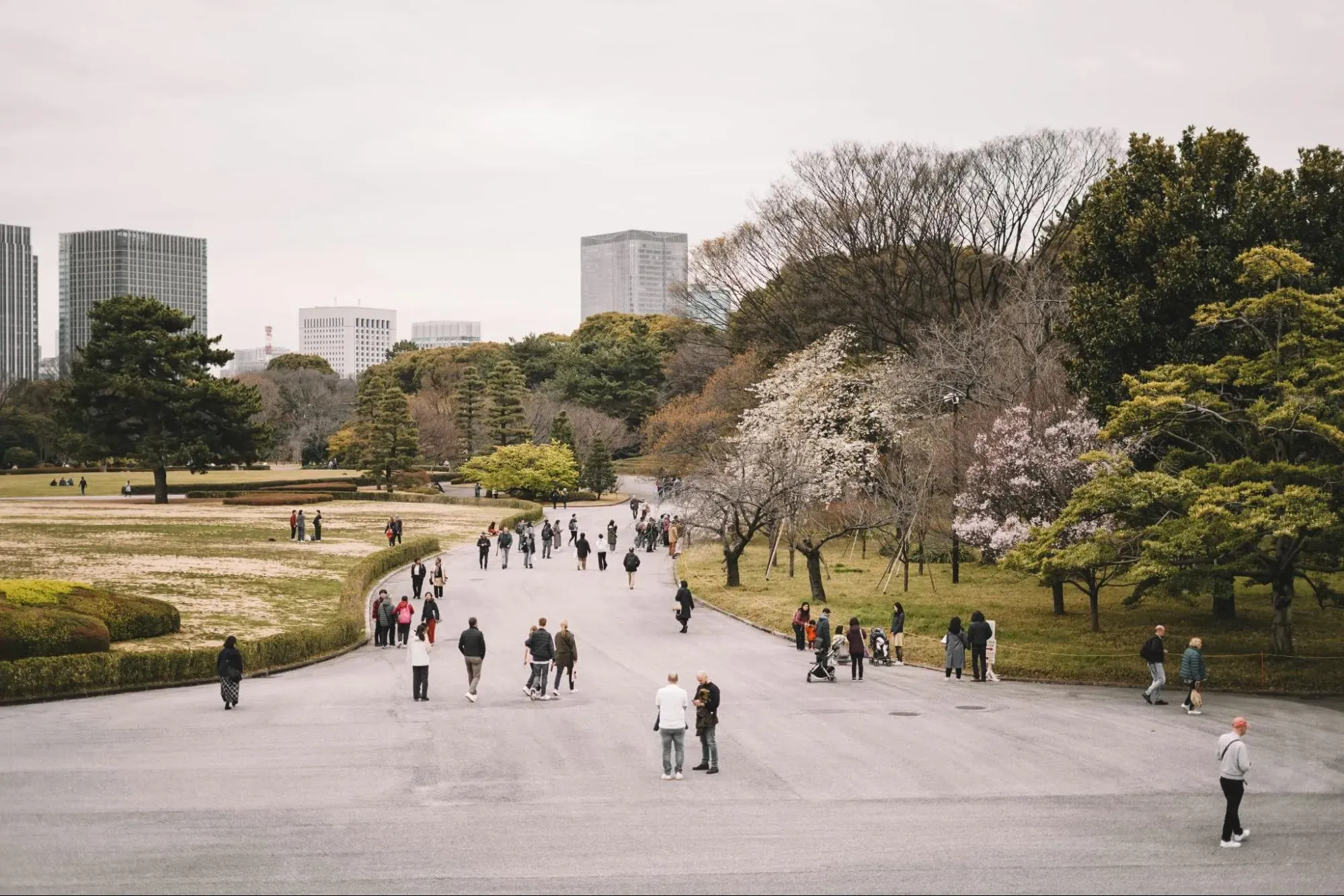
The view is the main attraction, but the area is worth spending a whole day or even staying overnight. There are many things to do around Mount Fuji, so your holiday does not depend on catching just one clear moment.
- Soak in an onsen: Many hot spring baths offer views of the peak and are a favourite local way to unwind.
- Ride the Kawaguchiko Ropeway: This quick cable car ride gives you a wide view of the lake and mountains.
- Visit Oishi Park: You’ll find seasonal flower beds along the lake with Mount Fuji in the background, especially beautiful in summer and autumn.
- Wander Oshino Hakkai: This spring-water village is great for sightseeing and trying local snacks.
- Eat with a view: Plenty of lakeside spots to eat, and some restaurants offer picture-window views of Mount Fuji, making lunch part of the experience.
Tribe Travel Tips for Actually Catching the View
Here are some straightforward tips to help you see Mount Fuji:
- Go at dawn: That’s when the mountain is usually most visible.
- Check the forecast and a live webcam: Local Fuji webcams can show you if the mountain is visible before you head out.
- Build in a buffer day: Having two mornings in your schedule gives you a much better chance.
- Aim for winter clarity: If seeing the mountain is your top priority, the colder months are usually better than the warmer ones.
- Book buses and huts ahead: Popular dates and climbing spots can fill up quickly.
Ready to See Mount Fuji for Yourself?
To see the mountain at its best, you need to pick the right season, time of day, and viewpoint. We love taking care of that planning for you.
At Holiday Tribe, we’re holiday advisors, not just travel agents. We create Japan holidays as land packages tailored to your dates and your pace. You can choose one of our ready-made Japan routes if you want everything planned out, including your Fuji day, viewpoints, and transfers. Or, let our experts and AI travel planner design a custom holiday that connects Mount Fuji with Tokyo, Hakone, and Kyoto. Just tell us who’s travelling and how you like to travel, and we’ll take care of the rest.