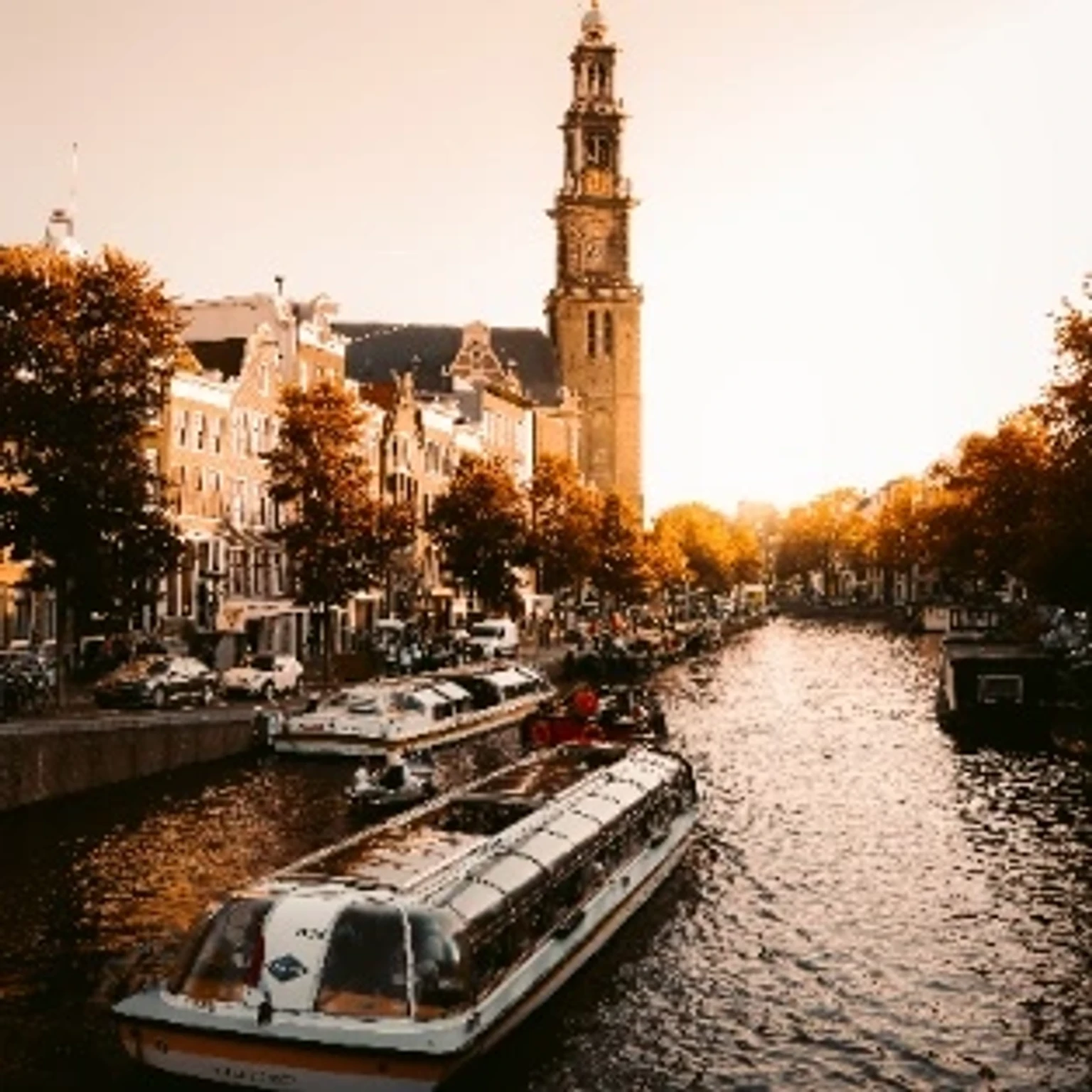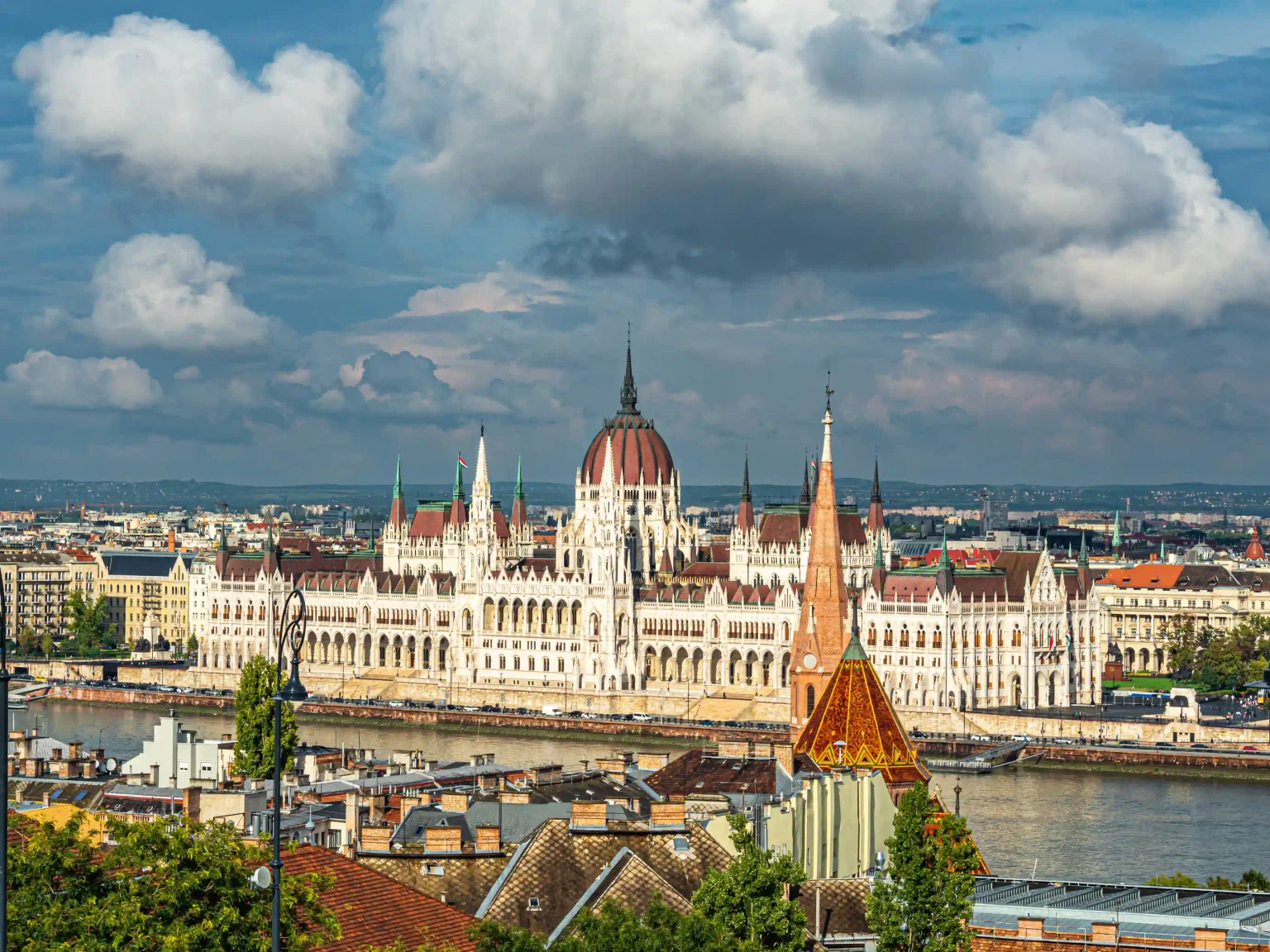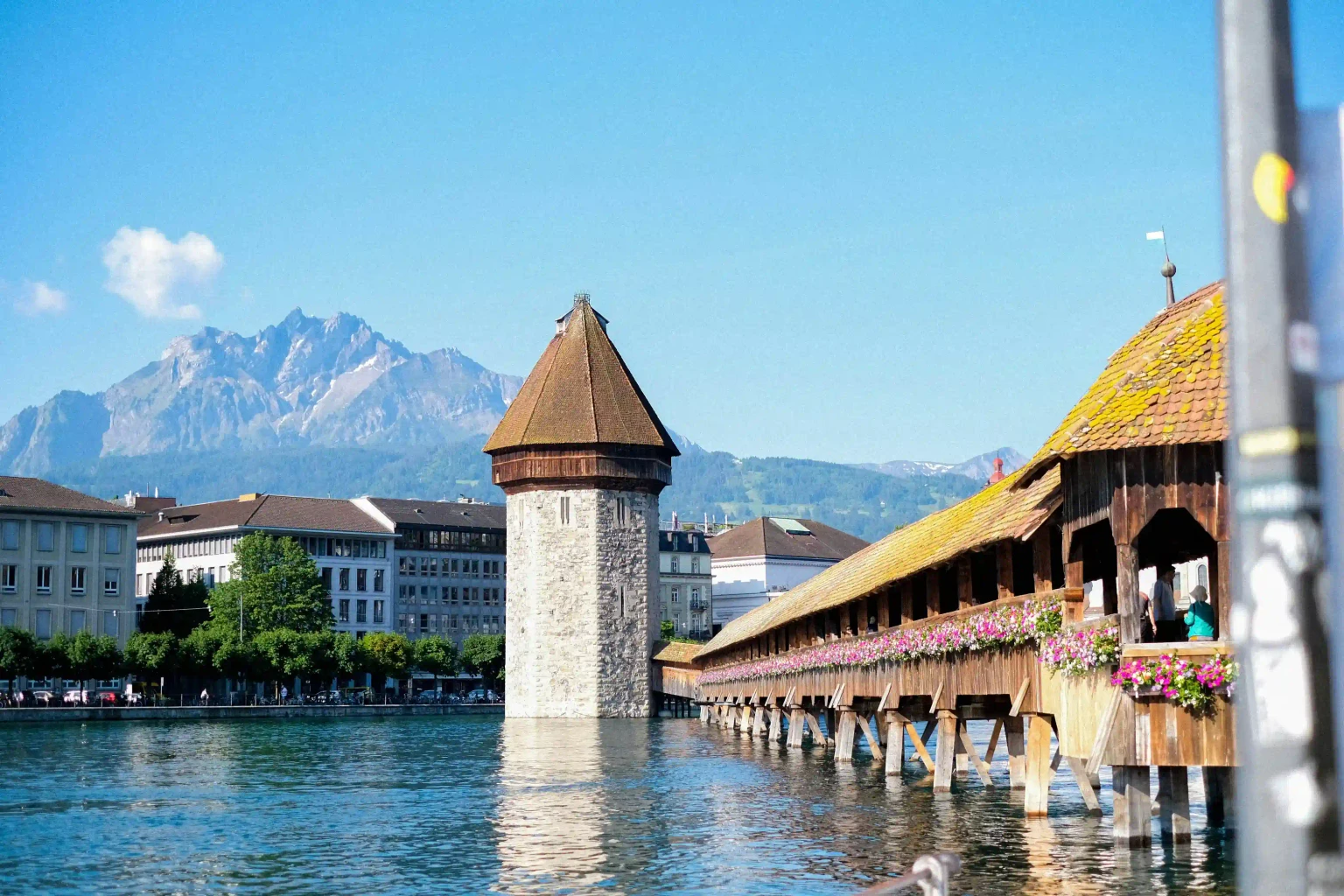


France blends history, culture, art, and everyday beauty in a unique way. From its elegant streets and museums to its charming towns and famous food, each region stands out. Just southwest of Paris, the Palace of Versailles captures this grandeur. Once a royal home, it has been shaped by centuries of French history. Its grand State Apartments, Hall of Mirrors, Palace of Versailles gardens, and Trianon estate give you a close look at royal life and France’s evolving story.
This guide covers the Palace of Versailles history, highlights what to see inside, explains ticket options, tours, gardens, how to get there from Paris, and offers tips to help you plan your visit.
What Is the Palace of Versailles History?
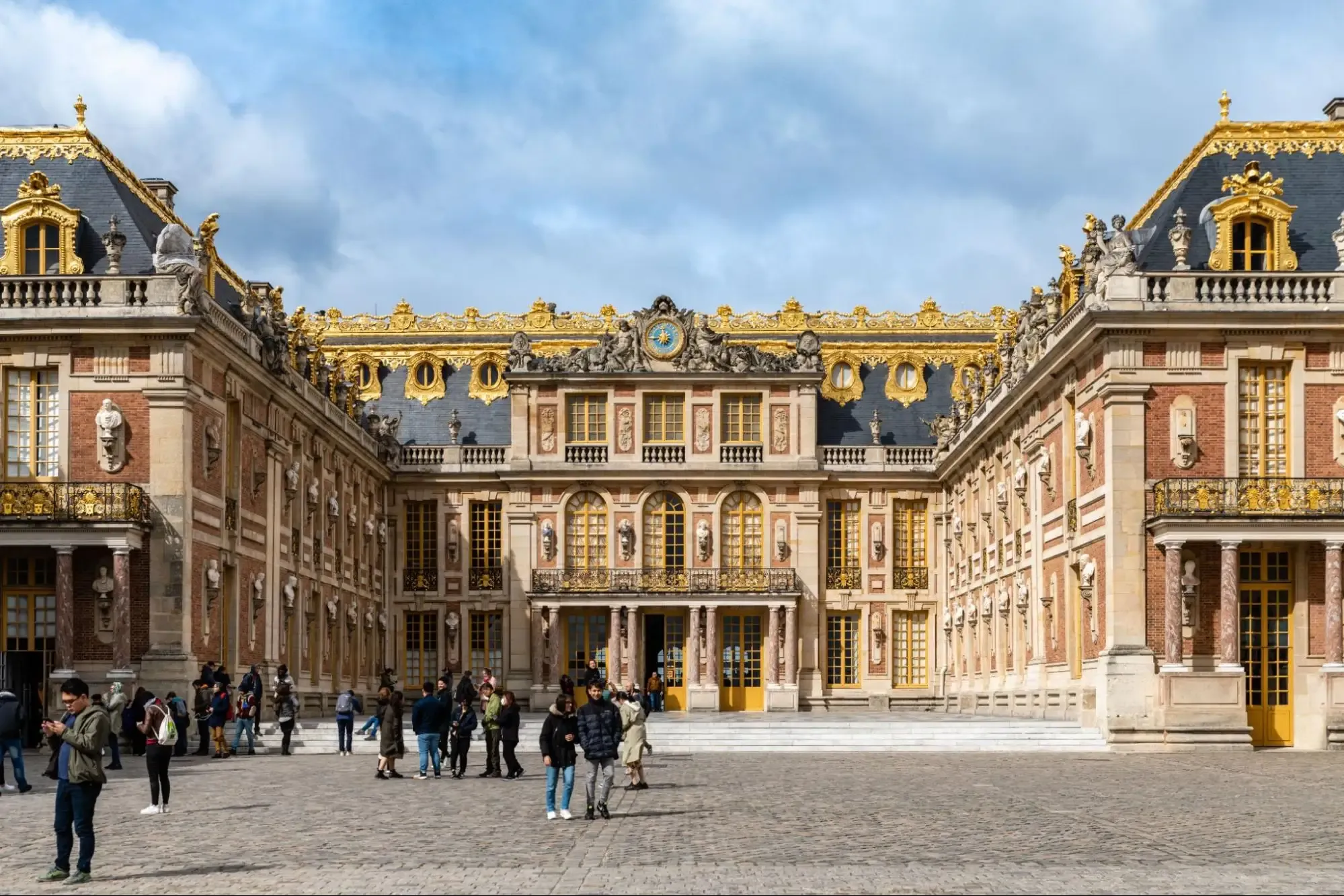
The Palace of Versailles history begins with something surprisingly modest: a two-storey brick hunting lodge built by Louis XIII in 1623, about 20 kilometres southwest of Paris. The village of Versailles was quiet and rural, and the king simply wanted a place to hunt. What followed would take over 50 years, tens of thousands of workers, and reshape the political map of France.
When Louis XIV came to power, he had a very different vision for the site. In 1661, he commissioned three of the era's most celebrated talents, architect Louis Le Vau, landscape designer André Le Nôtre, and painter-decorator Charles Le Brun, to begin the transformation. He wanted a residence that communicated absolute royal power without question. By 1682, the Palace of Versailles in France became the official seat of the French court and government, and Louis XIV moved his entire court here, keeping thousands of nobles close and, crucially, under his watch.
It remained the centre of royal power until the Palace of Versailles French Revolution. On 5 October 1789, a crowd marched from Paris to Versailles and forced Louis XVI and Marie Antoinette to return to the capital. They never came back. The Palace of Versailles French Revolution effectively ended its role as a royal residence. Much of its furniture was sold at auction, though the building itself was spared demolition.
In 1837, King Louis-Philippe turned it into the Museum of the History of France, preserving it for future generations. Today, the Palace of Versailles is a UNESCO World Heritage Site and receives nearly 10 million visitors a year, making it one of the most visited historical sites in the world.
Key Historical Timeline
Year | Event |
1623 | Louis XIII builds a hunting lodge in the village of Versailles |
1661 | Louis XIV commissions Le Vau, Le Nôtre, and Le Brun to begin transformation |
1682 | Louis XIV moves the French court to Versailles; it becomes the seat of power |
1715 | Louis XIV dies at Versailles after a 72-year reign |
1789 | Palace of Versailles French Revolution: Louis XVI and Marie Antoinette forced to leave |
1837 | Louis-Philippe converts it into the Museum of the History of France |
1919 | Treaty of Versailles signed in the Hall of Mirrors, ending World War I |
1979 | Added to the UNESCO World Heritage List |
What Can You See Inside the Palace of Versailles?
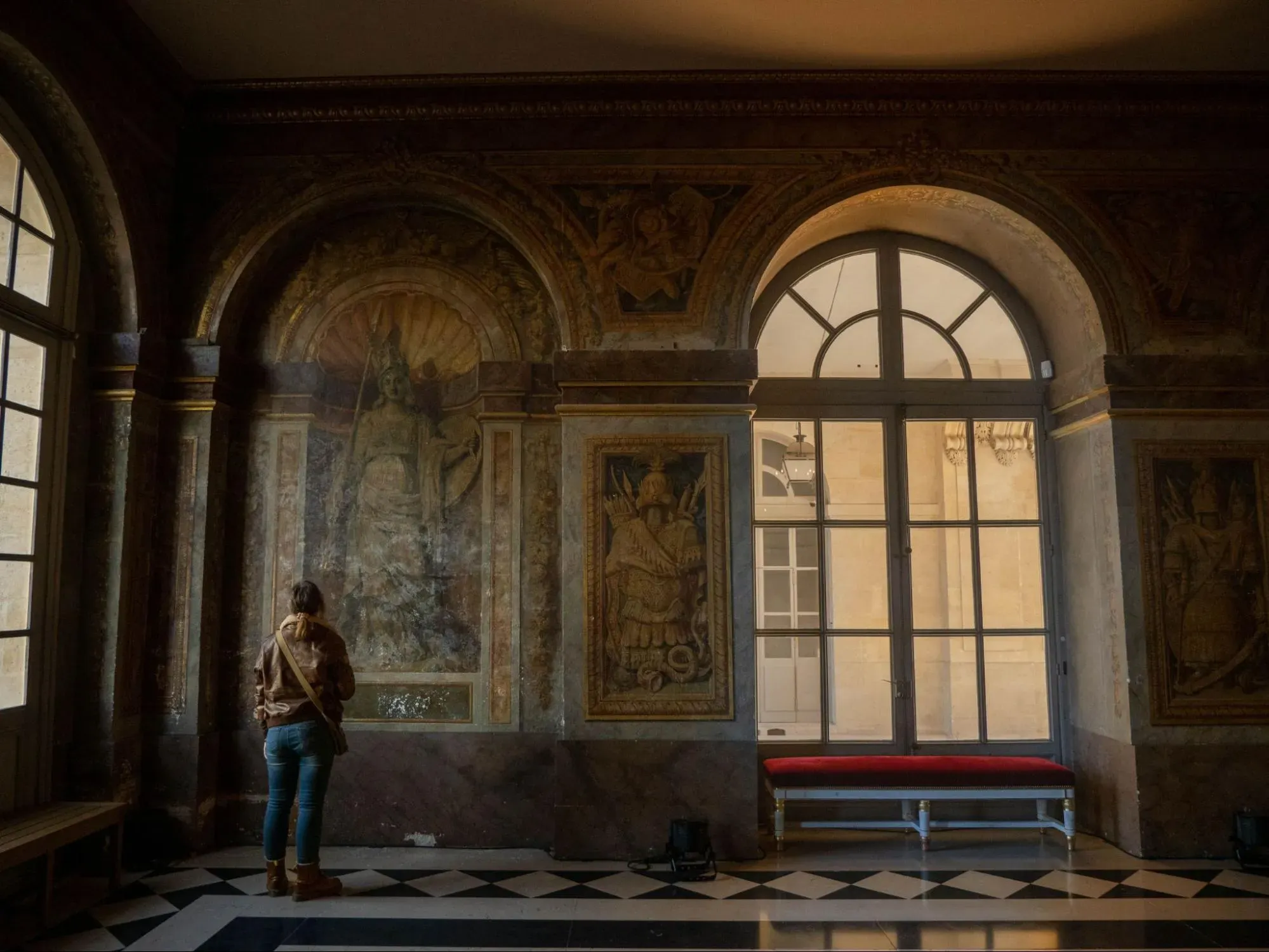
Going inside the Palace of Versailles for the first time can be overwhelming. The estate is huge, with about 2,300 rooms spread over 63,154 square metres. Luckily, the main palace has a clear self-guided tour route. Here are five main areas you will see and why each one is special.
- The Royal Chapel: Consecrated in 1710, this was the last major building completed at Versailles under Louis XIV. It spans two levels: the congregation gathered on the ground floor, while the king, royal family, and senior court members attended from the upper gallery. The ceiling paintings trace the link between the Old and New Testaments.
- The King's State Apartments: A suite of seven rooms, each dedicated to a Roman deity associated with a planet known at the time (Venus, Diana, Mars, Mercury, Apollo, and so on). Louis XIV used these rooms for evening receptions known as "apartment evenings", social gatherings open to members of the court. Each room has a distinct function and decoration scheme tied to its deity.
- The Hall of Mirrors: The most visited room in the Palace of Versailles. Built between 1678 and 1684, it stretches 73 metres along the palace's central axis and is lined with 357 mirrors facing 17 arched windows overlooking the gardens. Full details are in the section below.
- The Queen's State Apartments: Mirrors the layout of the King's Apartments, with the same number of rooms dedicated to the same deities, though ceiling paintings here feature female figures rather than male. The Queen's Bedchamber is the room where heirs to the throne were born, a public event attended by crowds of courtiers.
- The Gallery of Battles: Added by Louis-Philippe in the 1830s and stretching 120 metres, this gallery holds 33 large paintings covering 14 centuries of French military history from the Battle of Tolbiac in 496 AD to Wagram in 1809. It forms part of the Museum of the History of France housed inside the Palace of Versailles.
Room-by-Room Quick Reference
Room | Key Highlight | Included In |
Royal Chapel | Two-level design; consecrated 1710 | All tickets |
King's State Apartments | 7 rooms; each dedicated to a Roman deity | All tickets |
Hall of Mirrors | 357 mirrors; 73 m long; Treaty of Versailles signed here | All tickets |
Queen's State Apartments | Public royal births; mirrors King's layout | All tickets |
Gallery of Battles | 120 m gallery; 33 military paintings | All tickets |
Grand Trianon | Louis XIV's pink marble retreat | Passport or Trianon ticket |
Petit Trianon & Queen's Hamlet | Marie Antoinette's private estate | Passport or Trianon ticket |
Why Is the Palace of Versailles Hall of Mirrors So Special?
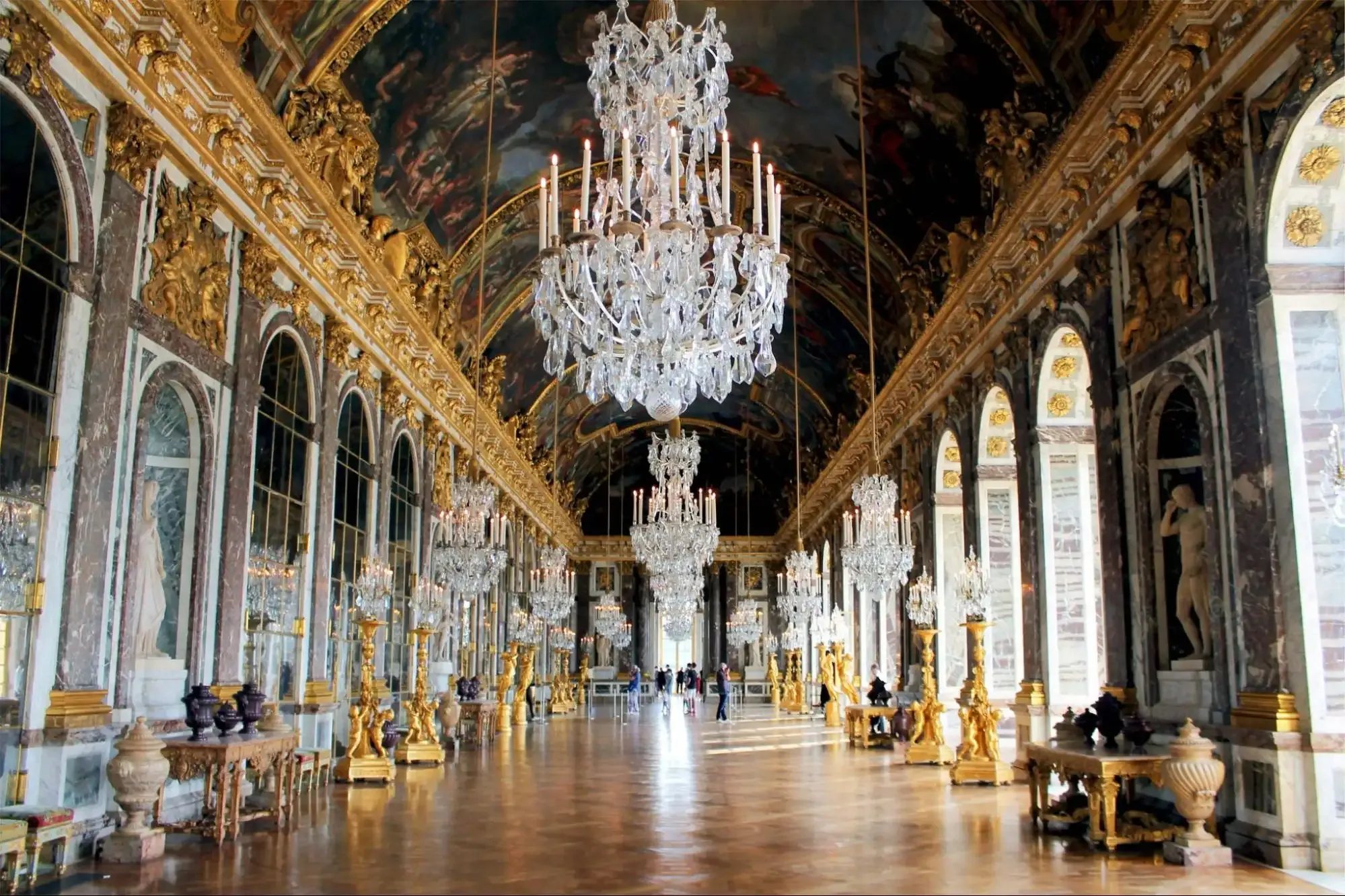
Among all the sights inside the Palace of Versailles, the Palace of Versailles Hall of Mirrors is the one that truly captures visitors’ attention. It is the longest, most ornate, and most important room in the estate. Here is what you will find there.
- Designed by Jules Hardouin-Mansart, decorated by Charles Le Brun. Construction ran from 1678 to 1684. It replaced an open terrace that had previously separated the King's and Queen's apartments.
- The numbers: 73 metres long, 10.5 metres wide, 12.5 metres high. The gallery has 357 mirrors set into 17 arched bays, each facing one of 17 windows overlooking the Palace of Versailles gardens. The ceiling paintings celebrate the first 18 years of Louis XIV's reign.
- Its daily role under Louis XIV. The Palace of Versailles Hall of Mirrors was not just a showpiece. It served as the main passageway between the King's apartments and the Royal Chapel. Courtiers would gather here each morning, hoping to catch the King's eye during his daily procession.
- Major events were held here. This gallery hosted royal wedding receptions, grand balls, and diplomatic receptions. The wedding celebrations for Marie Antoinette and Louis XVI were held here in 1770.
- The Treaty of Versailles. On 28 June 1919, this room became the backdrop for one of modern history's most significant documents. The peace treaty ending World War I was signed here, in the same room where the German Empire was proclaimed in 1871.
- Restoration. A major restoration project ran from 2004 to 2007 and cost around 12 million euros. They cleaned the ceiling paintings, repaired gilded sculptures, and restored the mirrors to their original brilliance.
- Best time to visit. The Palace of Versailles Hall of Mirrors receives the densest foot traffic between 10:30 AM and 3 PM; plan to enter first thing or return after 3 PM for the best experience.
Hall of Mirrors: Key Facts at a Glance
Detail | Fact |
Length | 73 metres (240 feet) |
Width | 10.5 metres |
Height | 12.5 metres |
Number of mirrors | 357, across 17 arched bays |
Number of windows | 17, overlooking the gardens |
Built | 1678 to 1684 |
Architect | Jules Hardouin-Mansart |
Decorator | Charles Le Brun |
Notable event | Treaty of Versailles signed, 28 June 1919 |
Restoration | 2004 to 2007, cost approx. €12 million |
What Can You See in the Palace of Versailles Gardens?
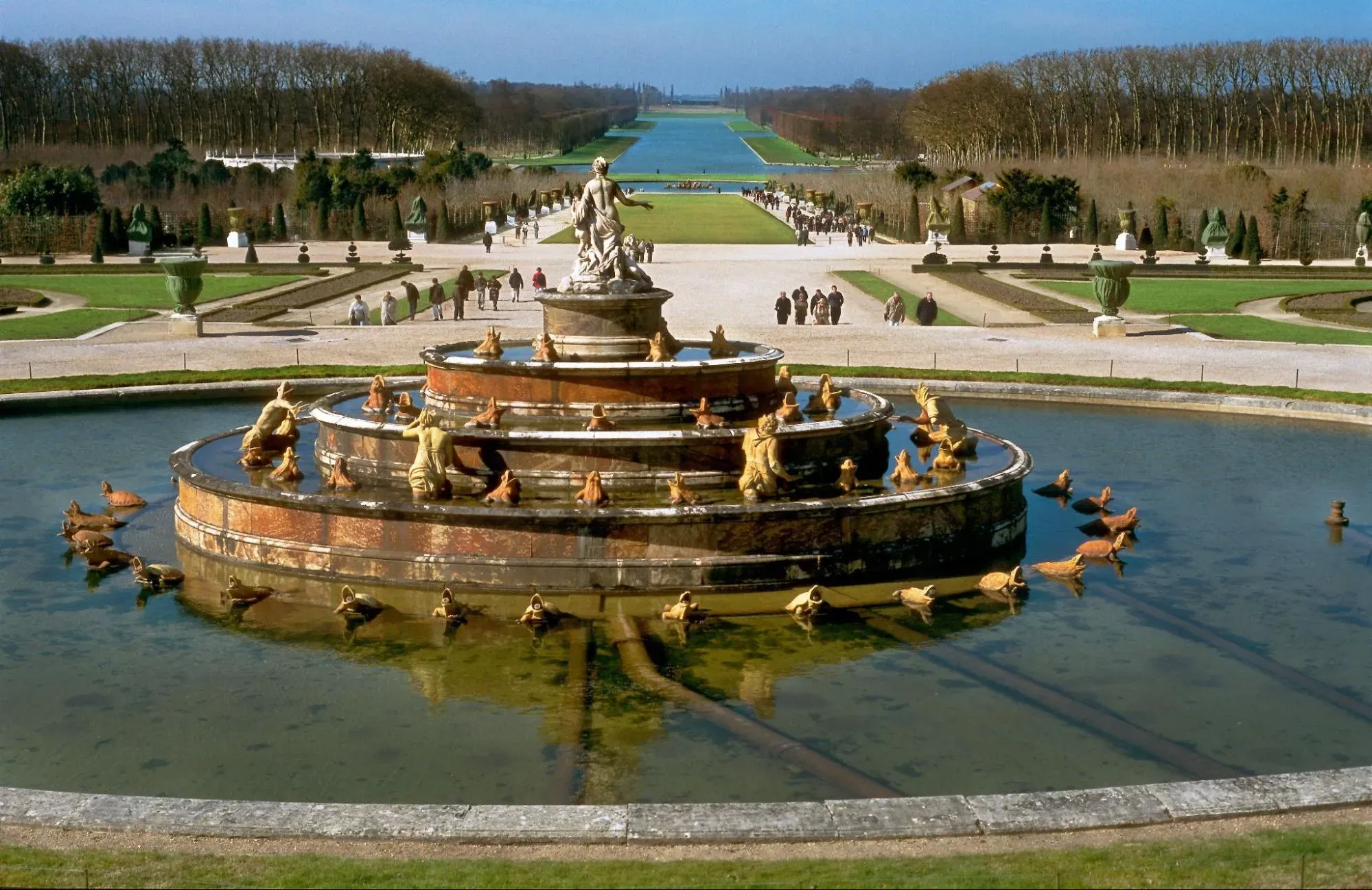
Most people spend 2 to 3 hours inside the palace before heading outside to see the vast Palace of Versailles gardens. Designed by André Le Nôtre in the 1600s, the gardens cover 800 hectares and are one of the best examples of formal French landscape design. Visiting the gardens feels very different from touring the palace itself.
- The Water Parterres. Directly behind the palace, these two large ornamental pools with bronze sculptures are the first thing you see when you step outside. They frame the central axis that runs to the horizon.
- The Grand Canal. A 1.5-kilometre water channel that extends from the Apollo Fountain toward the far end of the Palace of Versailles gardens. You can rent rowing boats on the canal, and the walk along it gives you the best sense of just how large the estate actually is.
- The Orangery. Built beneath the South Parterre, it houses around 3,000 orange, oleander, palm, and laurel trees in winter. Completed in 1686, it is one of Le Nôtre's most impressive architectural features.
- The Bosquets (Garden Rooms). These are enclosed wooded spaces hidden between the formal hedgerows, each with its own character. The Colonnade is a circular arcade of 32 marble columns. The Ballroom Grove (Bosquet de la Salle de Bal) hosted outdoor dances. The Enceladus Grove has a large gilded sculpture of the titan Enceladus buried under rocks.
- The Grand Trianon. A pink marble palace at the far north of the estate, built by Louis XIV in 1687 as a private retreat away from court formality. It opens from 12 PM daily and is reached on foot (about 20 minutes from the main palace) or by the estate's small tourist train.
- The Petit Trianon and Queen's Hamlet. Built under Louis XV and later given to Marie Antoinette, the Petit Trianon became her personal sanctuary. The Queen's Hamlet nearby is a rustic, thatched-cottage village she had constructed to escape the pressures of court life. Both are accessed with a Passport ticket or Estate of Trianon ticket.
- Musical Fountains Show and Night Fountains Show. The Musical Fountains Show runs on weekends and select Tuesdays from April to October. Baroque music plays while the Palace of Versailles gardens fountains operate in choreographed sequences. The Night Fountains Show runs on select Saturday evenings from June to September, ending with fireworks over the Grand Canal.
Palace of Versailles Gardens: Zone Overview
Zone | Key Feature | Open To | Access |
Water Parterres | Bronze sculptures; views to Grand Canal | All visitors | Included with gardens |
Grand Canal | 1.5 km water axis; boat hire available | All visitors | Included with gardens |
Orangery | 3,000 trees wintered here; built 1686 | All visitors | Included with gardens |
Bosquets (Garden Rooms) | Colonnade, Ballroom Grove, Enceladus | All visitors | Open on show days |
Grand Trianon | Louis XIV's pink marble retreat | All visitors | Passport or Trianon ticket |
Petit Trianon & Queen's Hamlet | Marie Antoinette's private estate | All visitors | Passport or Trianon ticket |
Musical Fountains Show | Baroque music + synchronized fountains | All visitors | Included in Passport on show days |
What Are the Palace of Versailles Tickets and Opening Hours?
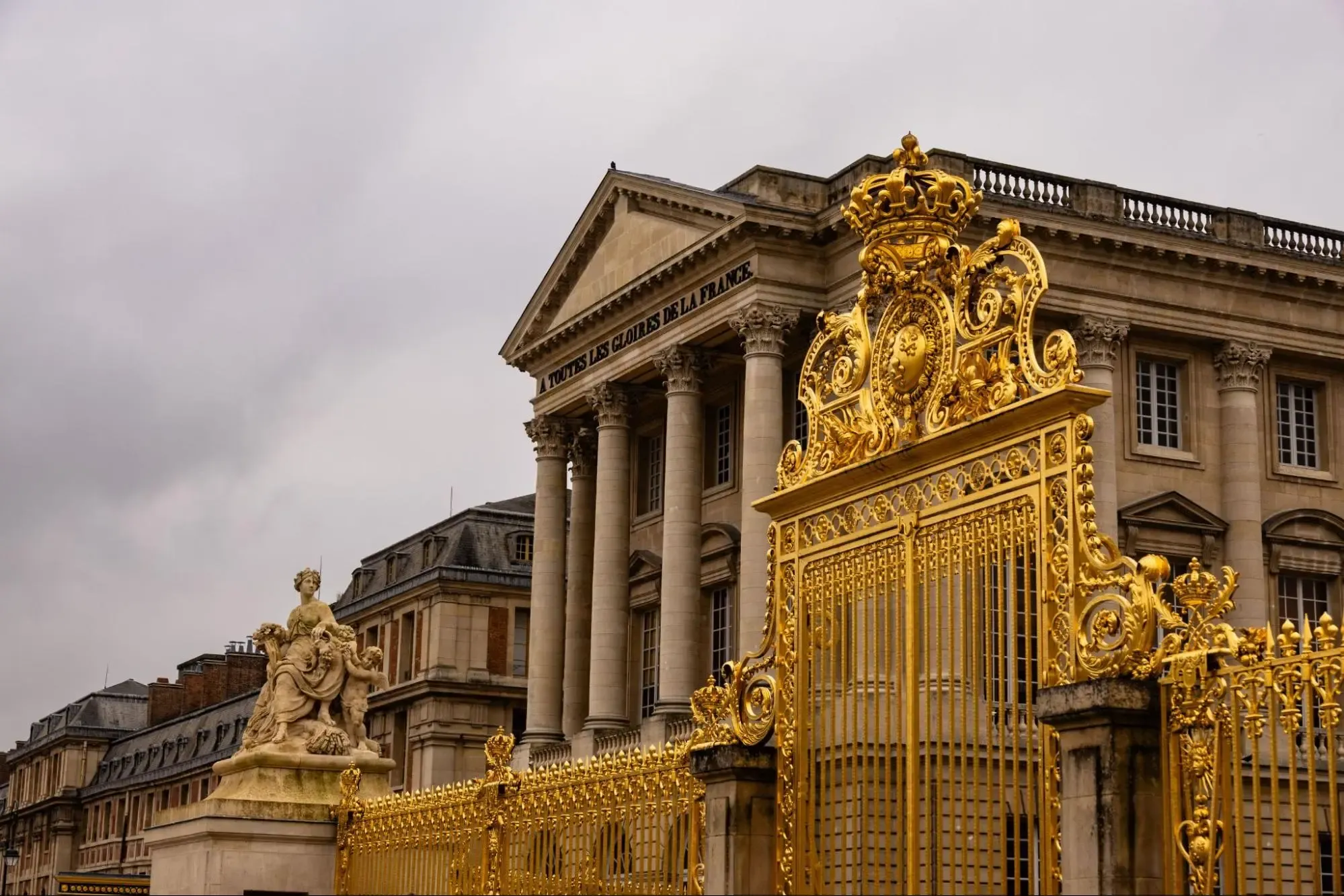
Before your visit, it helps to understand how the Palace of Versailles ticket system works. Timed entry is required, and the estate has several zones with different access rules. Here’s what you should know.
Opening Hours (2026)
- Closed: Every Monday and on 25 December, 1 January, and 1 May
- High season (1 April to 31 October): Palace open Tuesday to Sunday, 9 AM to 6:30 PM. Gardens open daily 8 AM to 8:30 PM. Estate of Trianon open 12 PM to 6:30 PM
- Low season (1 November to 31 March): Palace open Tuesday to Sunday, 9 AM to 5:30 PM. Gardens are free and open daily 8 AM to 6 PM. Estate of Trianon open 12 PM to 5:30 PM
- Book Palace of Versailles tickets in advance at the official Château de Versailles website. Walk-up queues at peak times can exceed 60 minutes
- Free entry applies on the first Sunday of each month from November to March. Also free for all visitors under 18 and EEA residents under 26. A free timed slot must still be booked online
- The Palace of Versailles tour audio guide is available free via the official app. Download it before you arrive so it is ready to use from the moment you enter
Ticket Types Compared (2026 Prices)
Ticket | What's Included | Low Season | High Season | Best For |
Passport | Palace + Gardens + Trianon Estate + Musical Fountains Show (on show days) | €25 | €35 | Full-day visit to the whole estate |
Late Admission Passport | Same as Passport; entry to palace from 3 PM (low) or 4 PM (high) | €18 | €28 | Afternoon-only or last-minute visitors |
Estate of Trianon Ticket | Grand Trianon, Petit Trianon, Queen's Hamlet + Trianon Gardens | €15 | €15 | Gardens and Trianon only; palace already visited |
Musical Fountains Show / Musical Gardens | Gardens access with fountains and baroque music on show days | Free | €15 | Garden lovers on show days without palace access |
Combined: Musical Gardens + Trianon | Gardens with show + full Trianon Estate | N/A | €20 | If palace is fully booked; garden-focused visit |
Note: EEA residents and nationals (EU + Iceland, Liechtenstein, Norway) receive a €3 discount on all tickets on production of a valid ID, passport, or residence permit.
How Do You Plan a Palace of Versailles Tour?
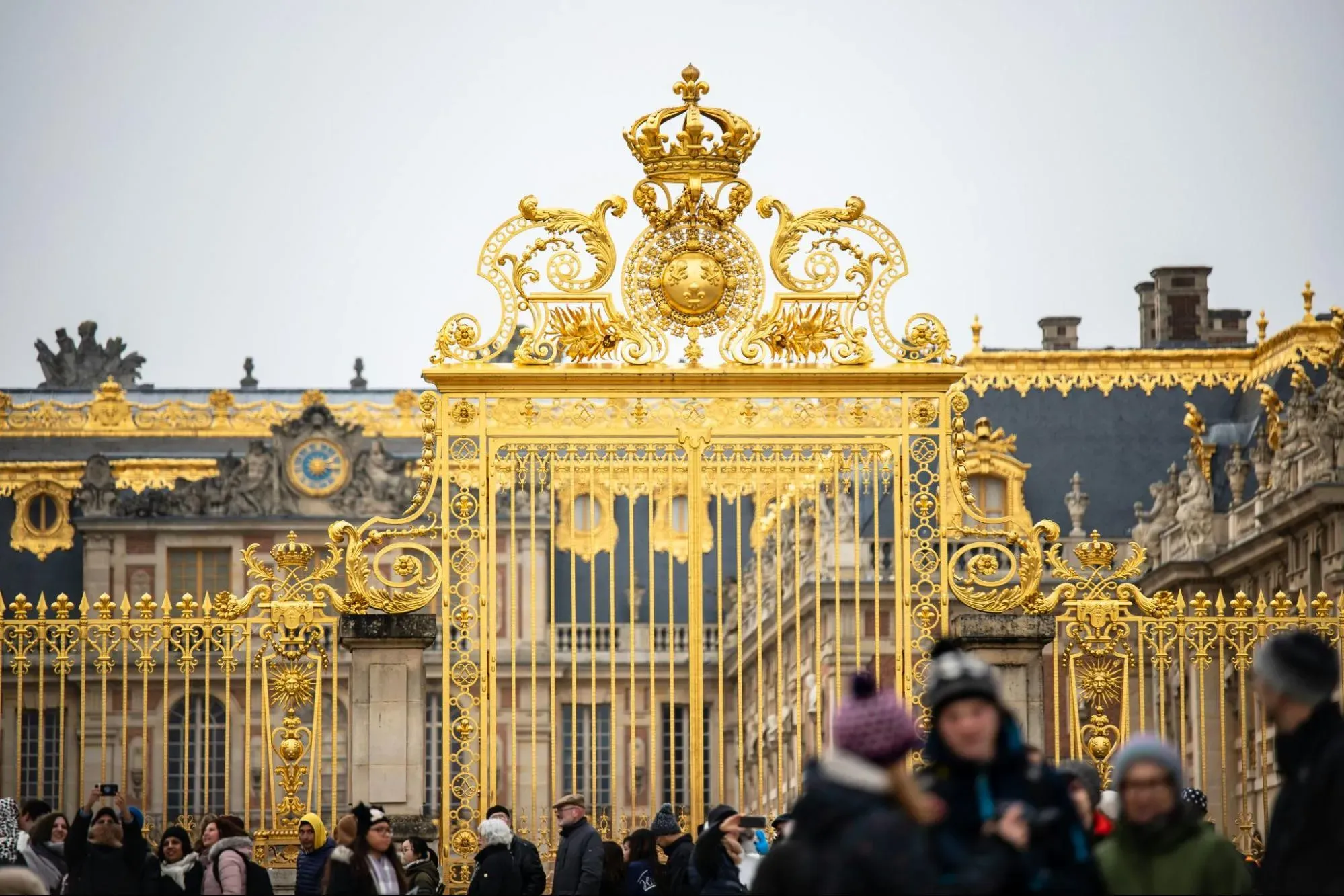
Planning ahead makes your Palace of Versailles tour much more enjoyable. The estate is large and can get crowded, so a few simple choices can mean the difference between a smooth visit and a tiring one. Here’s what to decide before you go.
Getting There from Paris
- RER C (recommended): Take the RER C from central Paris stations including Musée d'Orsay, Invalides, or Champ de Mars Tour Eiffel to Versailles Château - Rive Gauche. The journey takes about 35 to 40 minutes. From the station, it is a 10 to 15-minute walk to the palace gates
- SNCF from Paris Montparnasse: Train to Versailles Chantiers takes about 20 minutes, then a 20-minute walk to the palace
- SNCF from Paris Saint-Lazare: Train to Versailles Rive Droite takes about 30 minutes, then a 15-minute walk to the entrance
- By car: Access via the A13 motorway, exit 5 "Versailles Centre". Paid parking is available around Place d'Armes near the palace gates
Self-Guided vs. Guided Tour
- Self-guided Palace of Versailles tour: Use the official free app, which includes an audio guide covering the Royal Chapel, State Apartments, Hall of Mirrors, and Queen's Apartments. Download before arrival. The route is well-marked inside the palace
- Guided tours: The palace offers themed options, including Marie Antoinette's private apartments, the King's private chambers, and the estate's architectural history. These must be booked in advance through the official website and give access to rooms not open on the standard self-guided route
How Long Do You Need?
- Half-day (3 to 4 hours): Focus on the main palace interior, Royal Chapel, King's State Apartments, Hall of Mirrors, Queen's Apartments. A basic Palace Entry ticket covers this route
- Full day (6 to 8 hours): Palace in the morning, gardens and bosquets in the afternoon, then the Trianon Estate and Queen's Hamlet. Passport ticket is the right choice for this itinerary
- Best days and times: Arrive by 9 AM or after 3 PM. Avoid Tuesdays and weekends between 10 AM and 3 PM; these are the busiest windows across the whole estate
Visit Duration Guide
Visit Type | Duration | What's Covered | Ticket Needed |
Palace focus | 3 to 4 hours | Royal Chapel, State Apartments, Hall of Mirrors, Queen's Apartments | Passport (entry ticket only) |
Palace + Gardens | 5 to 6 hours | All of above + Water Parterres, Grand Canal, Bosquets | Passport |
Full estate | 6 to 8 hours | All of above + Grand Trianon, Petit Trianon, Queen's Hamlet | Passport |
Gardens and Trianon only | 3 to 4 hours | Gardens, Bosquets, Trianon palaces (no main palace) | Estate of Trianon + Gardens ticket |
Final Takeaway
The Palace of Versailles truly lives up to its reputation, especially if you arrive prepared. Every room is filled with history, and the Palace of Versailles Hall of Mirrors alone is worth the getaway from Paris. Plan to spend a full day, book your Palace of Versailles tickets in advance, and visit the gardens and Trianon estate in the afternoon when the palace is less crowded.
If you want help planning a holiday to Paris or France, Holiday Tribe’s advisors can handle the details.