

Maybe you came to Vietnam for the beaches, but Sapa might make you rethink your plans. Here, you trade sand for clouds, hot days for cool weather, and palm trees for rice terraces that rise up the hills like giant green steps. This is Sapa Vietnam, a town in the far north, about 1,600 metres above sea level, where the weather, mountains, and hill-tribe culture shape daily life.
Sapa is known for three main things: its rice terraces, colourful markets, and Fansipan, the tallest mountain in Indochina. This 2026 travel guide to Sapa gives you the basics you need, like the best time to visit, how to get there, what to see, where to eat, and where to stay.
Is Sapa Vietnam Worth Visiting?
The answer is yes. And for more reasons than you might expect. People search "Is Sapa in Vietnam worth visiting?" because the photos seem too stunning to be real, but on a clear day, the landscape truly matches the hype. When the fog rolls in, Sapa feels mysterious, which only adds to its charm.
Why is Sapa so famous? Three things make it special. First, the terraced rice fields stretch down the mountains, shaped by many generations. Next, the lively hill-tribe communities keep old traditions alive. And finally, there is Fansipan, the highest peak in Indochina. Even Time Out named Sapa one of the 16 most beautiful small towns in the world in 2024, so it is not just our opinion.
Before you visit, keep in mind that Sapa is not a place to rush through. You will find its magic when you slow down, walk along the winding paths, and let the mist clear in its own time.
What Is the Nearest Airport to Sapa Vietnam?
Let’s get straight to something most guides leave out: Sapa doesn’t have its own airport. The closest one is Noi Bai International Airport in Hanoi, which is about 320 kilometres away. People have talked about building a Sa Pa airport in Lao Cai province for years, but as of early 2026, it still hasn’t happened. For now, you’ll need to fly into Hanoi.
Once you land at Noi Bai, you have got two solid options for getting up into the mountains.
Route from Hanoi | Journey Time | Good For |
Limousine van or private car via the Noi Bai-Lao Cai expressway | About 5.5 to 6.5 hours | Door-to-door ease and daytime mountain views |
Overnight sleeper train to Lao Cai, then road to Sapa | Around 8 hours by train plus about 1 hour by road | Sleeping through the journey and a bit of romance |
Just so you know, the train only goes as far as Lao Cai, which is still about 33 kilometres from Sapa. You’ll need to take a road trip for the last part. A word to the wise, it’s best to travel during the day in the dry season, since mountain fog and occasional landslides can make the road much slower when it rains.
When Is the Best Time to Visit Sapa Vietnam?
Honestly, the best time to visit Sapa Vietnam comes down to one question: what do you want the valley to look like? There is no bad season here. There are just very different ones.
What Is the Sapa Vietnam Weather Like by Season?
The weather in Sapa, Vietnam is very different from the hot lowlands, which often surprises visitors. At 1,600 metres above sea level, summer days are about 21°C and nights can feel cold. In winter, you might see frost, thick fog, and sometimes even a bit of snow on Fansipan. Is Sapa cooler than Hanoi? Definitely. It is often eight to ten degrees cooler. That is why the French built a hill station here in the early twentieth century, to escape the summer heat.
Season | Months | What to Expect |
Spring | March to May | Warm, dry trekking weather; terraces flood into mirrors in late April and May |
Summer | June to August | Lush green paddies, heavy rain, fewer visitors, muddy trails |
Autumn | September to November | Golden harvest in September, clear skies, the postcard season |
Winter | December to February | Cold, foggy and quiet, with frost and rare snow on the peaks |
So here is the cheat sheet. If you want to see the famous golden fields, plan your holiday for early to mid-September. If you prefer the flooded terraces that look like mirrors, visit in late April or May. Most people agree these are the best times to visit Sapa, Vietnam, for great photos.
What Are the Best Places to Visit in Sapa?
Sapa is perfect for travellers who enjoy exploring rather than sticking to a strict schedule. The town itself is small and easy to walk around, but the best sights are just beyond its edges.
- Muong Hoa Valley is the main reason many people visit. It is about 8 kilometres from town and has the most famous rice terraces in northern Vietnam. If you walk through the valley instead of just along the ridge, you will see ancient rock carvings on sandstone boulders by the stream. No one knows exactly what they mean, which makes them even more interesting to visit.
- Ham Rong Mountain is right next to Sapa town and is a good choice for a simple morning trip. The gardens at the top are most beautiful in spring when the azaleas are blooming. On a clear day, you can see great views of the valley below.
- Ta Phin Village, located about 12 kilometres from Sapa, is home to the Red Dao community and offers a quieter experience than Cat Cat. Most visitors come for the Red Dao herbal bath, which is especially appreciated after a day of hiking.
- O Quy Ho Pass is best enjoyed from a motorbike or car on a clear morning. At over 2,000 metres, it is the highest pass in the Northwest. The views of the Hoang Lien Son range make the trip worthwhile.
- Sapa Stone Church stands in the town square and is the easiest place to use as a reference point. The church itself is not a big attraction, but the square comes alive in the evenings, especially on Saturdays when the market is busy.
Why Are the Sapa Vietnam Rice Terraces So Famous?
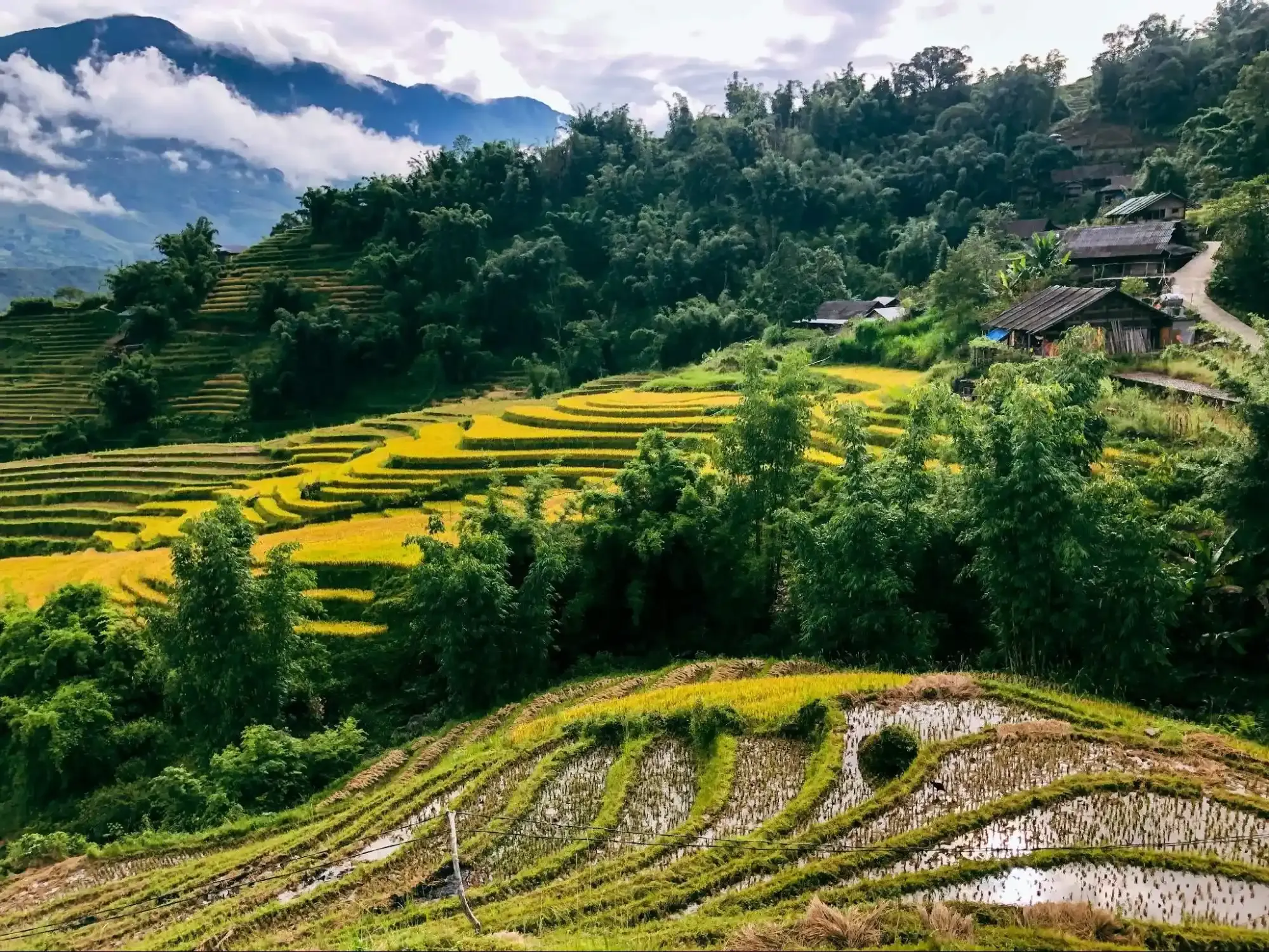
The Sapa Vietnam rice terraces are the picture that pulls most people here in the first place, and there is a proper story behind them. Hill-tribe farmers, mainly Hmong and Dao, shaped these steps into near-vertical hillsides over generations, all so they could grow rice where there was basically no flat land to work with. When you see it in person, that effort really lands.
The grandest sweep of it sits in Muong Hoa Valley, the long green heart of the Sapa valley, Vietnam, where the fields run for kilometres beside a mountain stream. And here is a fun one: down in the Sapa valley, Vietnam, you will also stumble on ancient rock carvings at Muong Hoa, etched stones that experts still cannot fully agree on.
The terraces change their outfit with the farming year, water in late spring, deep green through summer, then gold at harvest. My advice? Get down among them on foot instead of just snapping from the roadside. The scale only really hits you when you are standing in it.
What Are the Best Things to Do in Sapa, Vietnam?
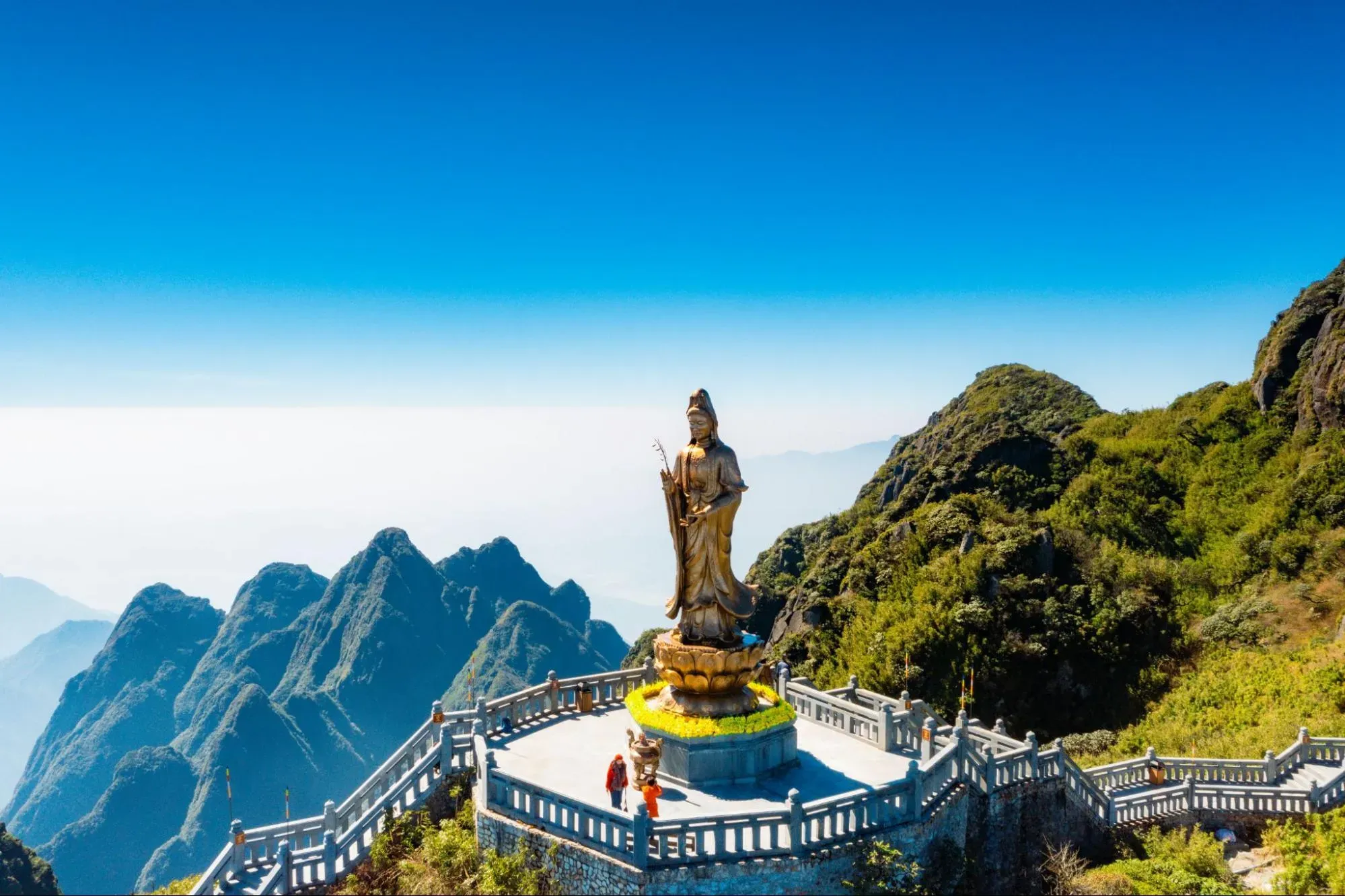
The top things to do in Sapa fall into two main categories: 'go up' and 'go out.' If you want to go up, head to Fansipan. If you prefer to go out, put on your boots and explore the villages and valleys.
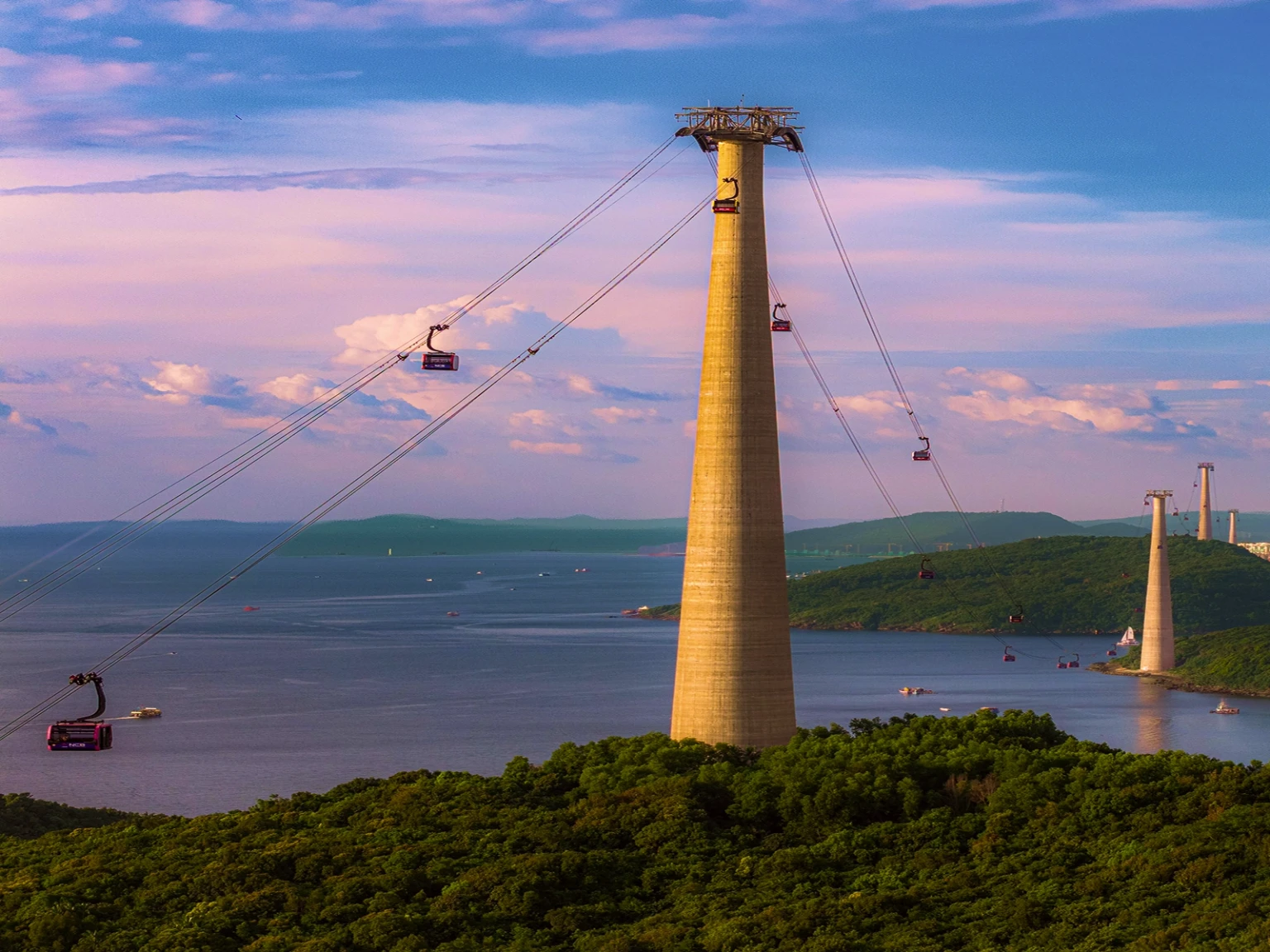
- Ride up Fansipan, the Roof of Indochina. Vietnam's highest peak at 3,147 metres used to take days to climb. These days a three-rope cable car gets you there in around 20 minutes, picking up two Guinness World Records on the way. From the top station, a short funicular or a 600-step walk takes you to the actual summit.
- Trek to Cat Cat village. About 2.5 kilometres from town, this Black Hmong village has a waterfall, a historic French hydro station and lively craft workshops, all connected by a gentle paved path. Perfect for those craving a glimpse of village life without the need for a rigorous trek.
- Walk Lao Chai to Ta Van. This well-known valley route starts at a Black Hmong village and leads down to Ta Van, where the Giay people live. Along the way, you can enjoy terrace views, and homestays are ready to welcome you at the end.
- See Silver Waterfall (Thac Bac). This 200-metre waterfall is about 14 kilometres from town and is often included in a drive along the scenic Tram Ton Pass.
- Catch the Love Market on a Saturday night. This used to be a courtship event where Hmong and Dao young people met through song. The boy would play a bamboo khen, and if the girl was interested, she would lift her umbrella. Now, it is mostly a cultural performance in the square by the Stone Church, but the music still gives you goosebumps.
Tribe Travel Tip: Sapa's weather changes by the hour, so play it smart. Trek in the morning when the fog tends to lift, keep your afternoons loose for Fansipan or a café, and pack a light waterproof even in the dry months. And if you wake up to a clear morning? Head to a viewpoint right away.
What Can You Buy at the Sapa Market in Vietnam?
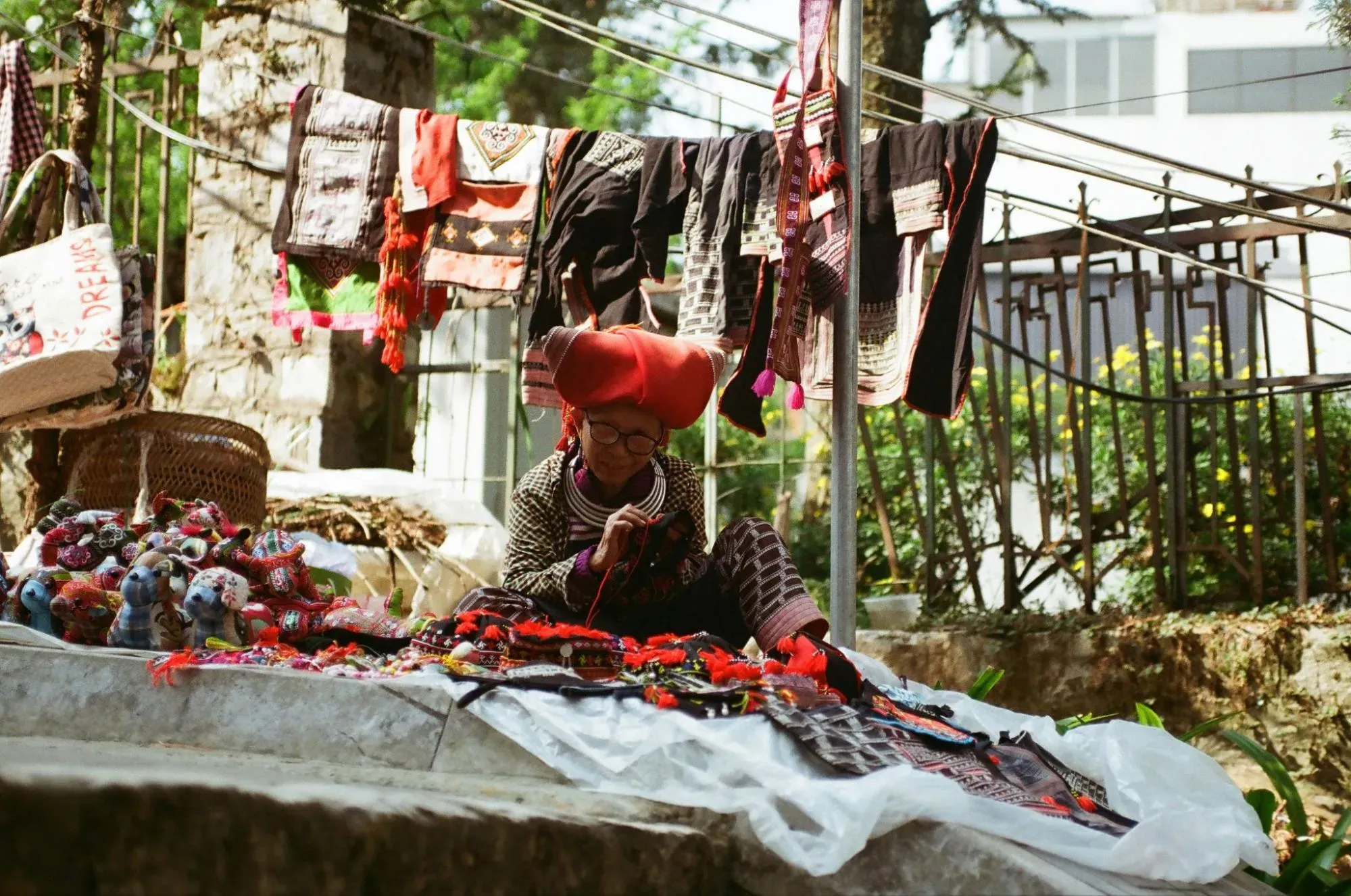
Markets are where Sapa’s different cultures come together, and the Sapa market in Vietnam takes a few forms. In town, the Sapa Night Market and the stalls around the square offer brocade, silver, herbs, and street food most evenings, making it easy to explore as you walk around.
If you want the full experience, make sure to visit on the right day. The most famous market is Bac Ha, which is filled with Flower Hmong colours and is about three hours from town.
Market | Day | Why Go |
Bac Ha | Sunday | The big one; Flower Hmong textiles, livestock and steaming thang co |
Can Cau | Saturday | Smaller, off the tourist trail, near the border |
Coc Ly | Tuesday | Quiet, authentic riverside trading |
Sapa Night Market | Daily | Right in town, grilled food and souvenirs |
Here’s a tip that really counts: At any Sapa market in Vietnam, the early birds win. Most trading and the best textiles are gone by late morning, so set your alarm and don’t sleep in.
What Should You Eat in Sapa?
All that cool mountain air does something funny to your appetite, and Sapa is more than ready for it with warm, hearty food. The cold streams in this area allow farmers to raise salmon and sturgeon. After a long walk, enjoying these fish in a steaming hotpot is truly one of the best experiences.
- Thang co is a slow-cooked Hmong stew, usually made with horse meat and simmered with cardamom and lemongrass. It has a bold flavour and really captures the original taste of the highlands.
- Salmon and sturgeon hotpot uses locally farmed cold-water fish and is perfect for a chilly evening.
- Com lam is sticky rice cooked inside a piece of bamboo over a fire. It’s simple and delicious.
- Thit trau gac bep is smoke-dried buffalo that’s chewy and full of deep, savoury flavour.
- Ruou ngo is a corn wine that Hmong families distill at home and serve generously at markets. Take it slow.
Where Are the Best Sapa Vietnam Hotels?
Where you bed down really does shape the whole visit, so the main choice is between staying in town or out in the valley. Both options are great, but they offer very different experiences when you wake up.
Stay in | The feel | Best for |
Sapa town centre | Convenient, lively, walkable to the square and night market | First-timers, short visits, easy dining |
Muong Hoa Valley (Ta Van, Lao Chai) | Quiet, rice-field views, stream sounds | Slow travel, nature, homestays |
Sapa town offers the biggest range of hotels in the area, from cosy family-run guesthouses to boutique spots with balconies overlooking the valley. If you want those beautiful views, stay down in the valley about 8 to 10 kilometres away, and arrange for a driver to help you get back safely at night when the road gets dark and foggy. You’ll be glad you did.
Planning Your Sapa Vietnam Holiday With Holiday Tribe
The real secret to Sapa, Vietnam is that you get more out of it when you slow down. Picture a clear morning over the rice terraces, enjoying a hotpot after a long trek, or listening to music drifting through the square on a Saturday night. If you plan your timing and sort out the details, the mountains will take care of the rest.
We handle the logistics for you. At Holiday Tribe, we’re real people who help you plan your Vietnam holiday the way you want, not just another booking site. Our AI travel planner helps create your itinerary based on your dates and interests, and in Sapa, we’ll arrange hotels, transfers, village treks, and the Fansipan cable car. If you need flights or visas, just let us know, and we’ll add them.
Let us know when you want to visit, and we’ll take care of everything else. Just talk with one of our advisors at holidaytribe.ai to get started.