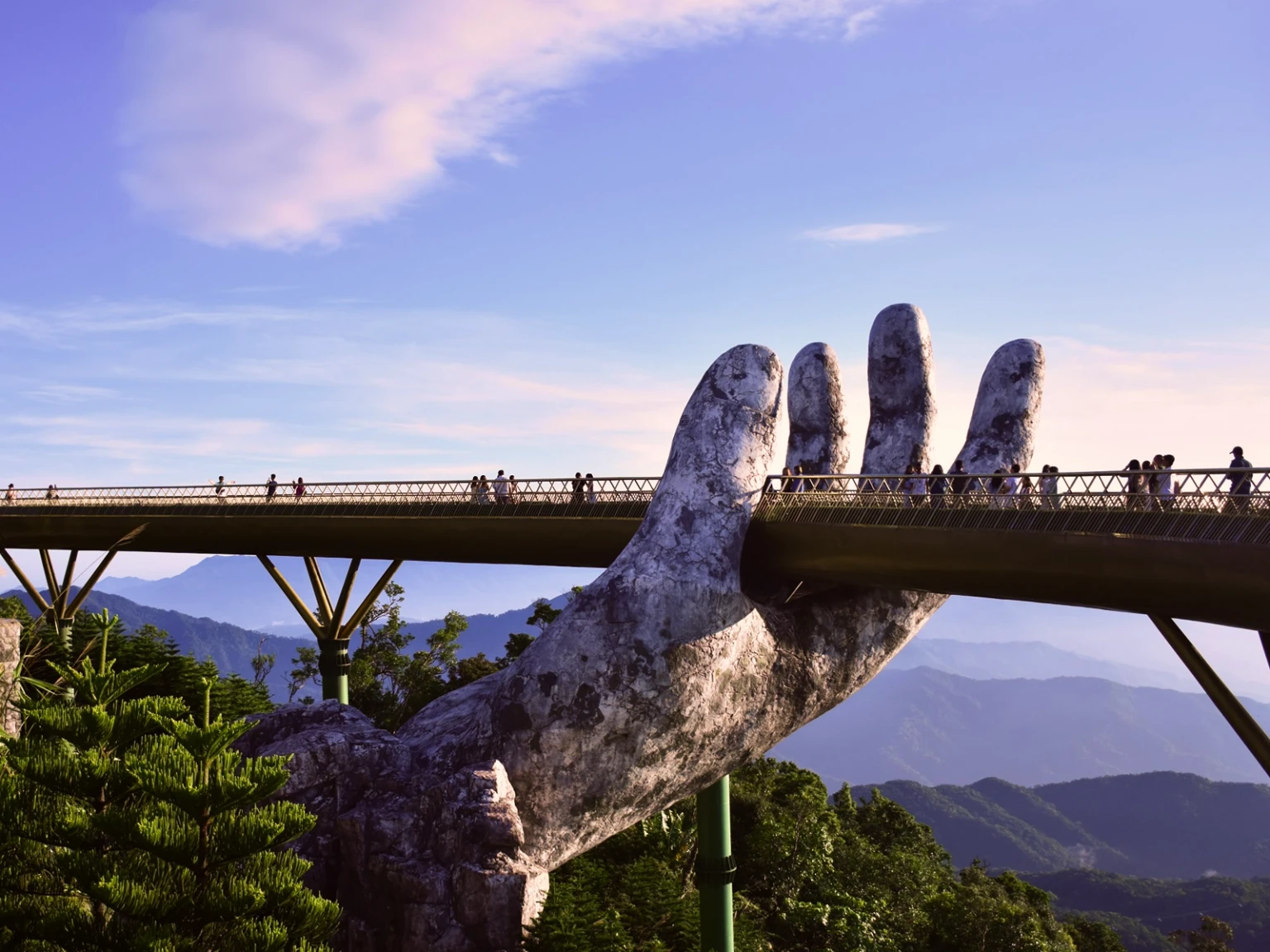


Vietnam is making headlines, and the numbers show why. In 2025, the country welcomed almost 21.17 million international visitors, a 20.4 per cent increase from the previous year and the first time arrivals have topped 21 million. The Vietnam tourism industry is aiming even higher, with a goal of 25 million international visitors in 2026. What’s drawing so many people? Vietnam offers misty mountains in the north, lantern-lit old towns in the centre, and warm island beaches in the south, all at prices that are easy on your budget. With the easiest visa rules yet, a new airport near Ho Chi Minh City, and faster flights from India, it’s no wonder tourism is booming. Here are 12 straightforward reasons why Vietnam tourism is booming in 2026, and why this could be the perfect year for your visit.
1. Record Visitor Numbers Set a Fresh High
The headline sums it up. Vietnam has surpassed its pre-pandemic peak and continues to grow, with tourist arrivals jumping from 12.6 million in 2023 to 17.6 million in 2024, and reaching a new record in 2025. This pace is quick, even compared to other countries in the region. Vietnam is now the fastest-growing tourist destination in Southeast Asia and the third most visited. When so many people are visiting, there is usually a good reason.
2. The Easiest Visa Rules Vietnam Has Ever Offered
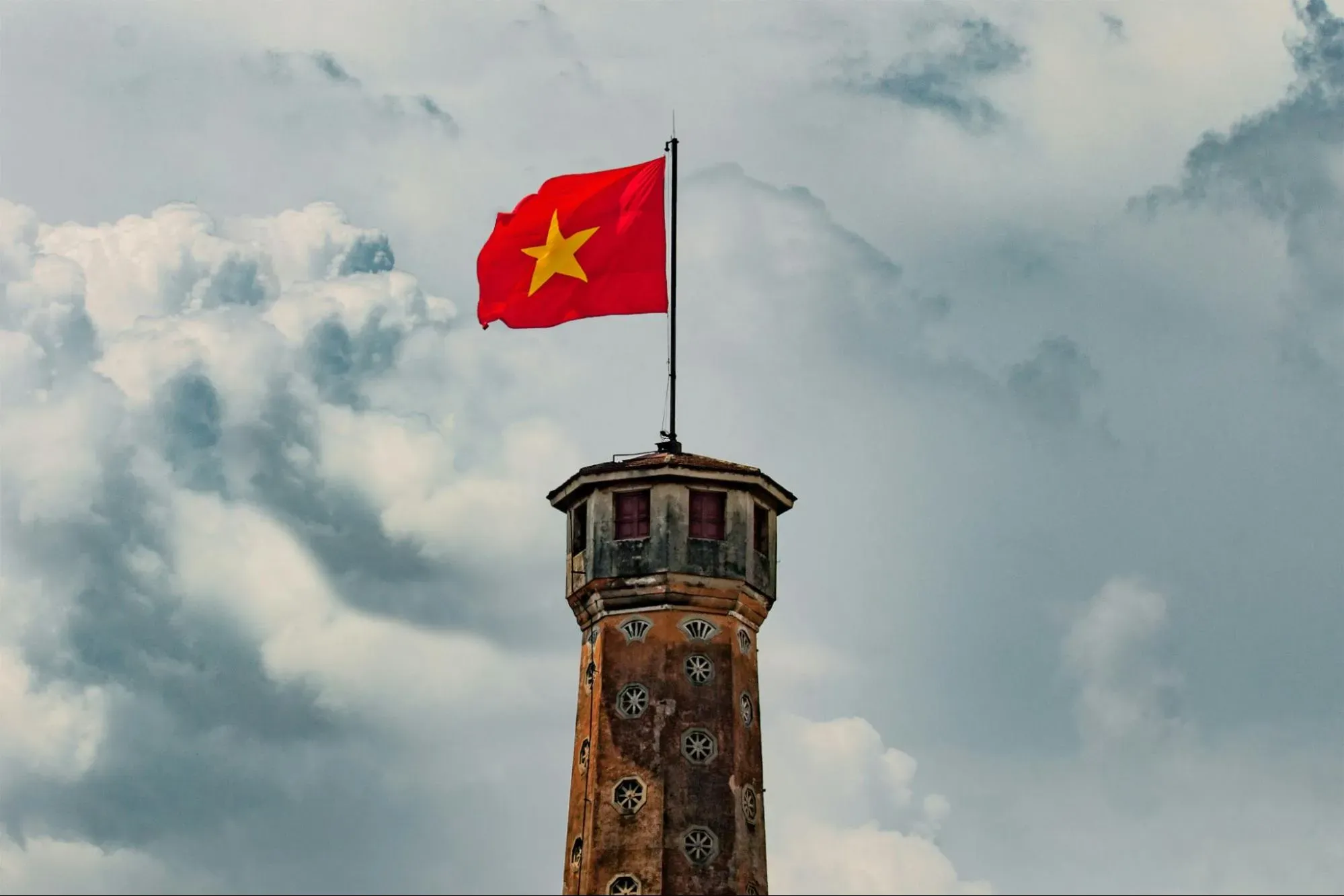
Dealing with paperwork was once the hardest blow on Vietnam tourism. That has changed. The country's tourism chief now says visa exemptions are the main reason for the success in 2025.
E-visa is now open to every nationality
This is a major change. The e-visa, which used to be available only to some countries, is now open to everyone. You can now get an e-visa for up to 90 days, with both single and multiple-entry options. It is also much easier to use when you arrive, since e-visas are now accepted at 83 entry and exit points instead of just 42.
38 countries enter visa-free
If you have a qualifying passport, you might not need a visa. As of 2026, citizens from 38 countries can visit for 14 to 45 days without a visa. Also, travellers flying directly to Phu Quoc can stay on the island visa-free for 30 days.
3. A New Mega-Airport Is Opening Near Ho Chi Minh City
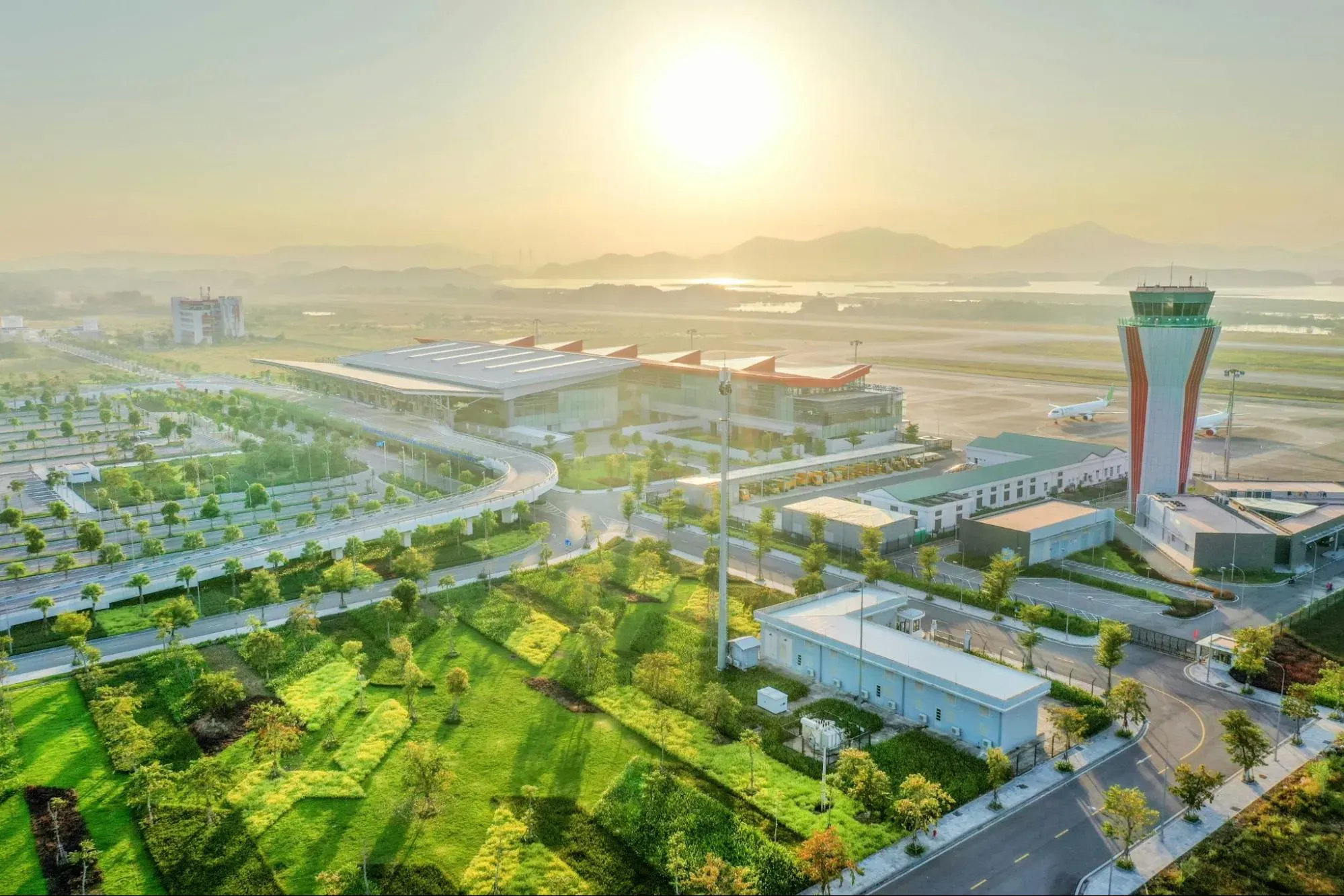
Vietnam is preparing for long-term growth, not just short-term needs. Long Thanh International Airport, a $16 billion project located about 40 kilometres east of Ho Chi Minh City, began technical flights in December 2025 and is expected to eventually serve 100 million passengers each year. Full commercial operations are planned for mid-2026, and the airport will handle long-haul flights from Europe, India, the Middle East, and North America. A high-speed rail connection to the city is also in development.
4. Flights From India Are Faster and More Frequent
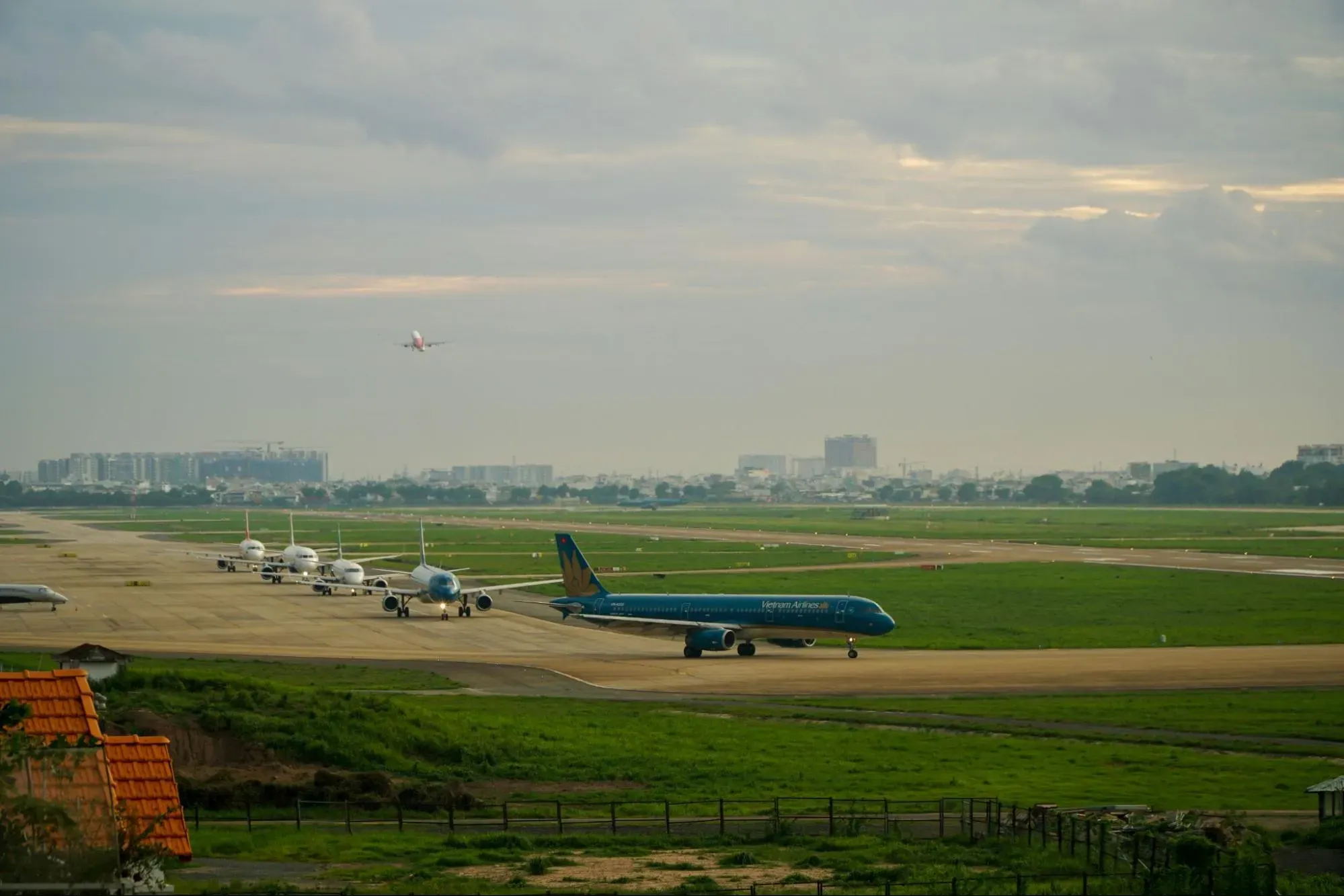
Travel from India to Vietnam is now much easier, which is helping Vietnam tourism. Vietnam Airlines, VietJet, and IndiGo offer direct flights from cities like Delhi, Mumbai, Bengaluru, Kolkata, and Hyderabad to Hanoi and Ho Chi Minh City, with flight times between 4.5 and 5.5 hours. The numbers show the growing interest: arrivals from India rose by 48.9 per cent in 2025. With a quick flight east and a simple e-visa process, you can be in Hanoi by lunchtime.
5. The Food Scene Is Now Michelin Territory
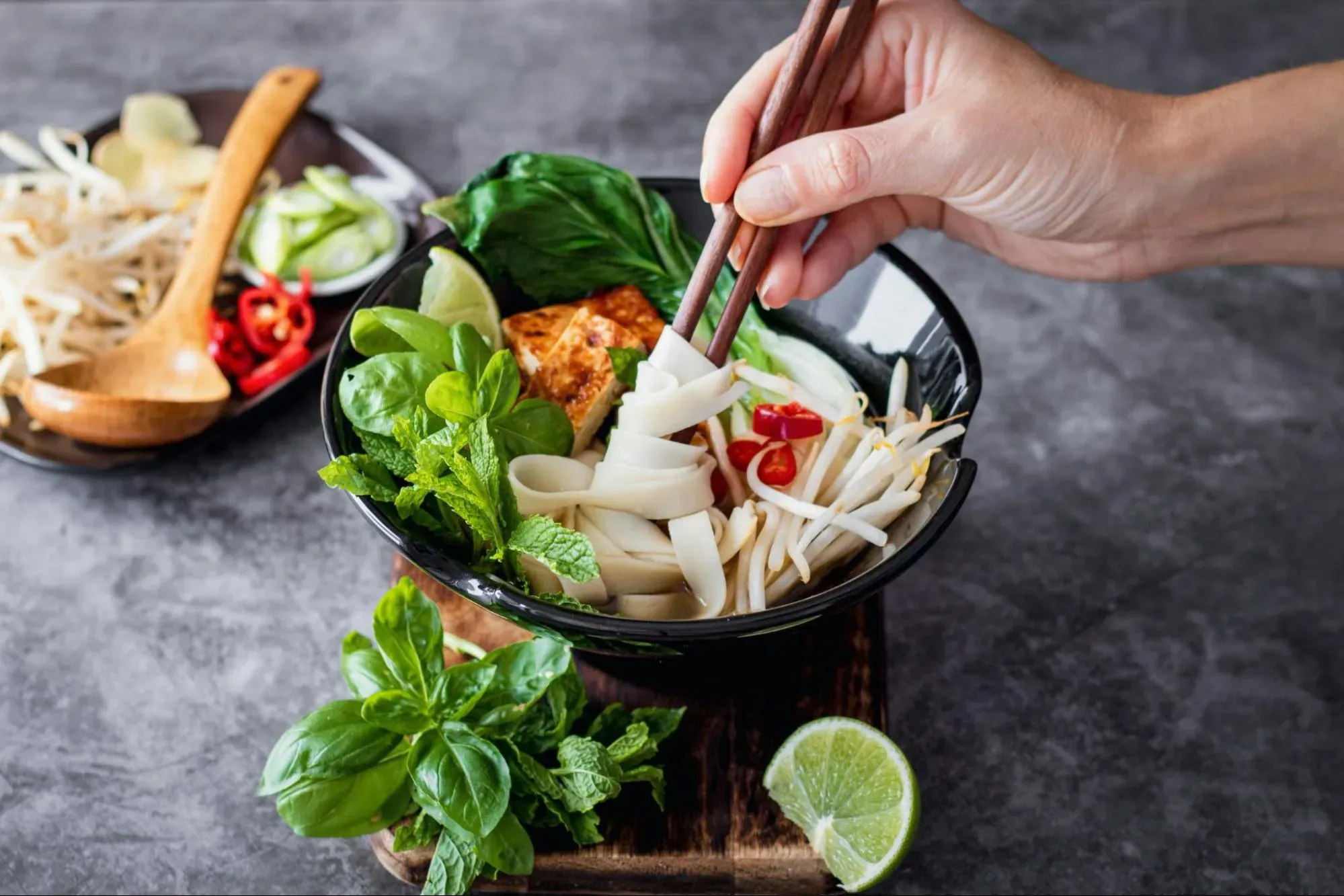
Phở and bánh mì have always been outstanding, and now even the world’s top food critics agree. Central Da Nang is right in the middle of this excitement, led by a new generation of chefs who are reinventing the flavours they grew up with.
6. Your Money Stretches Much Further
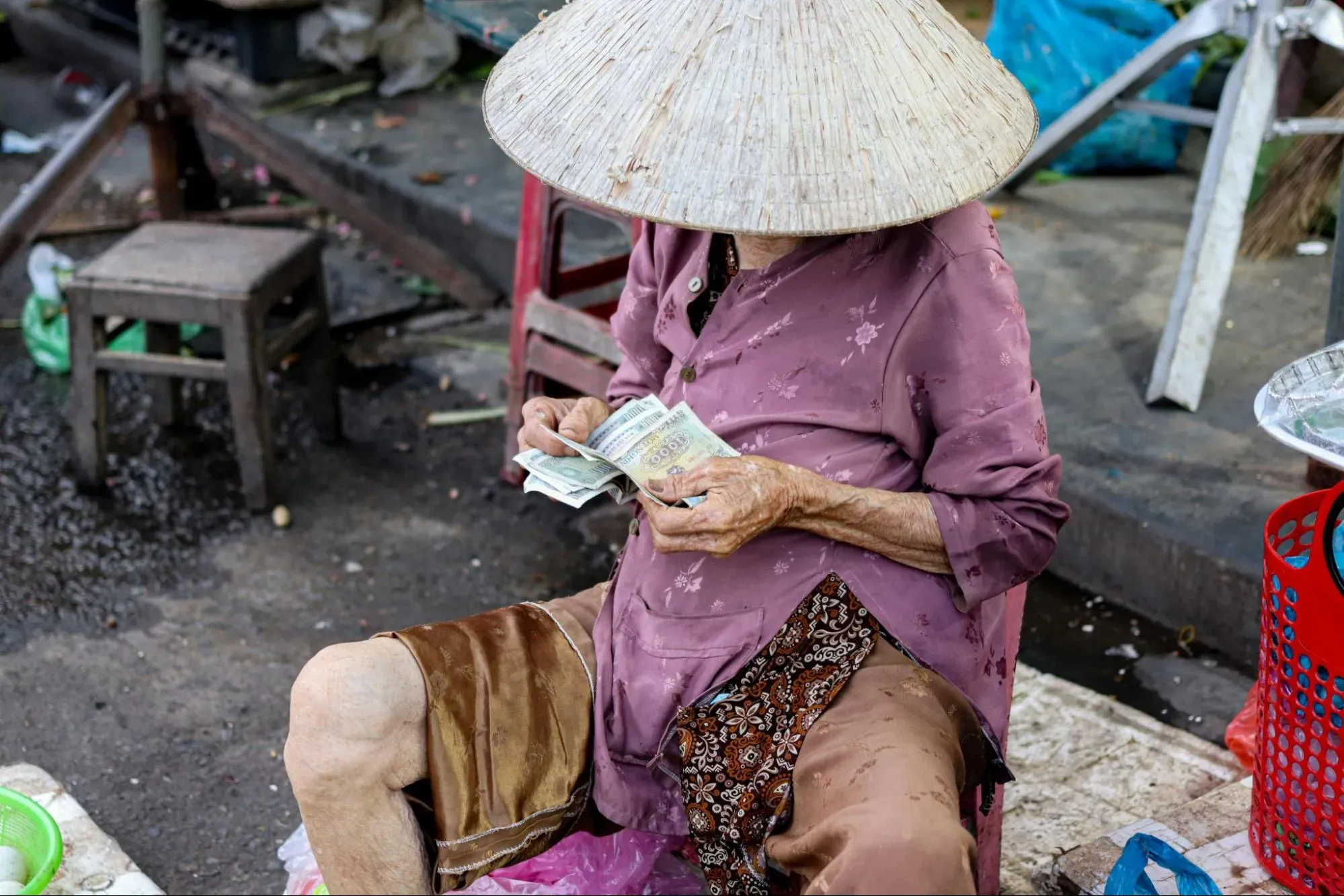
Vietnam tourism stands out here. The Vietnam currency is the dong (₫), and in 2026, one US dollar gets you about 26,000 to 26,300 dong. That’s roughly 280 dong for one Indian rupee. Is Vietnam a good value? Absolutely. Street food, local accommodation, and transport are all affordable, so your money goes further, and you don’t have to worry about every expense.
7. Three Regions, Three Completely Different Holidays
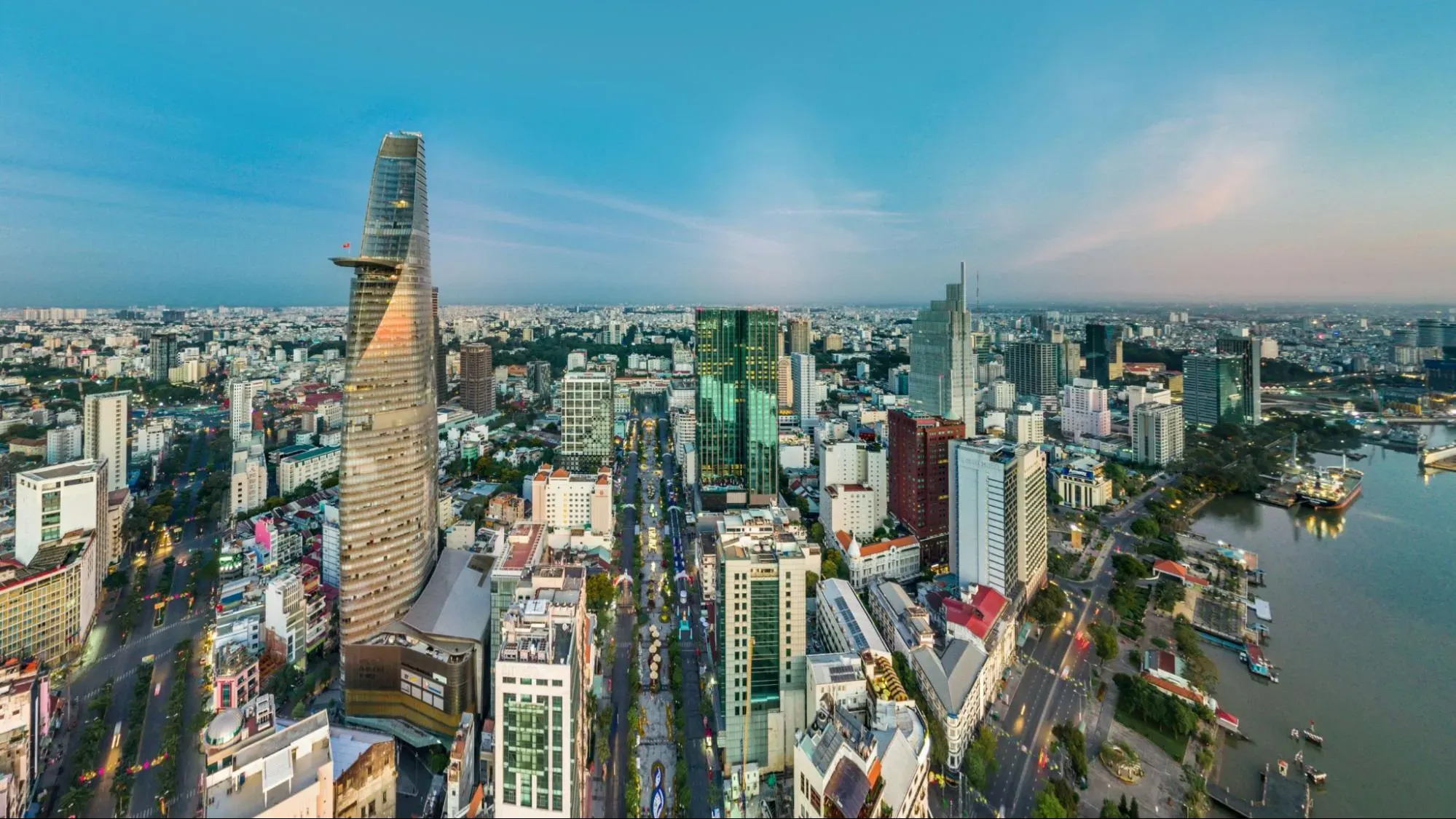
Most people visiting Vietnam for the first time don’t realise this: Vietnam feels like three different trips in one. The Vietnam capital, Hanoi, is the heart of the north. The coastline shapes the centre, while South Vietnam is full of energy.
Region | Bases | The feel |
North | Hanoi, Sapa, Ha Long Bay | Misty peaks, terraced rice, the Vietnam capital |
Centre | Da Nang, Hoi An, Hue | Beaches, lanterns, imperial history |
South | Ho Chi Minh City, Mekong Delta, Phu Quoc | City energy, river life, island sands |
Many of the best places in Vietnam are found in very different climates, all within the same country. That’s part of what makes exploring Vietnam so enjoyable.
8. The Weather Lets You Travel Almost Any Month
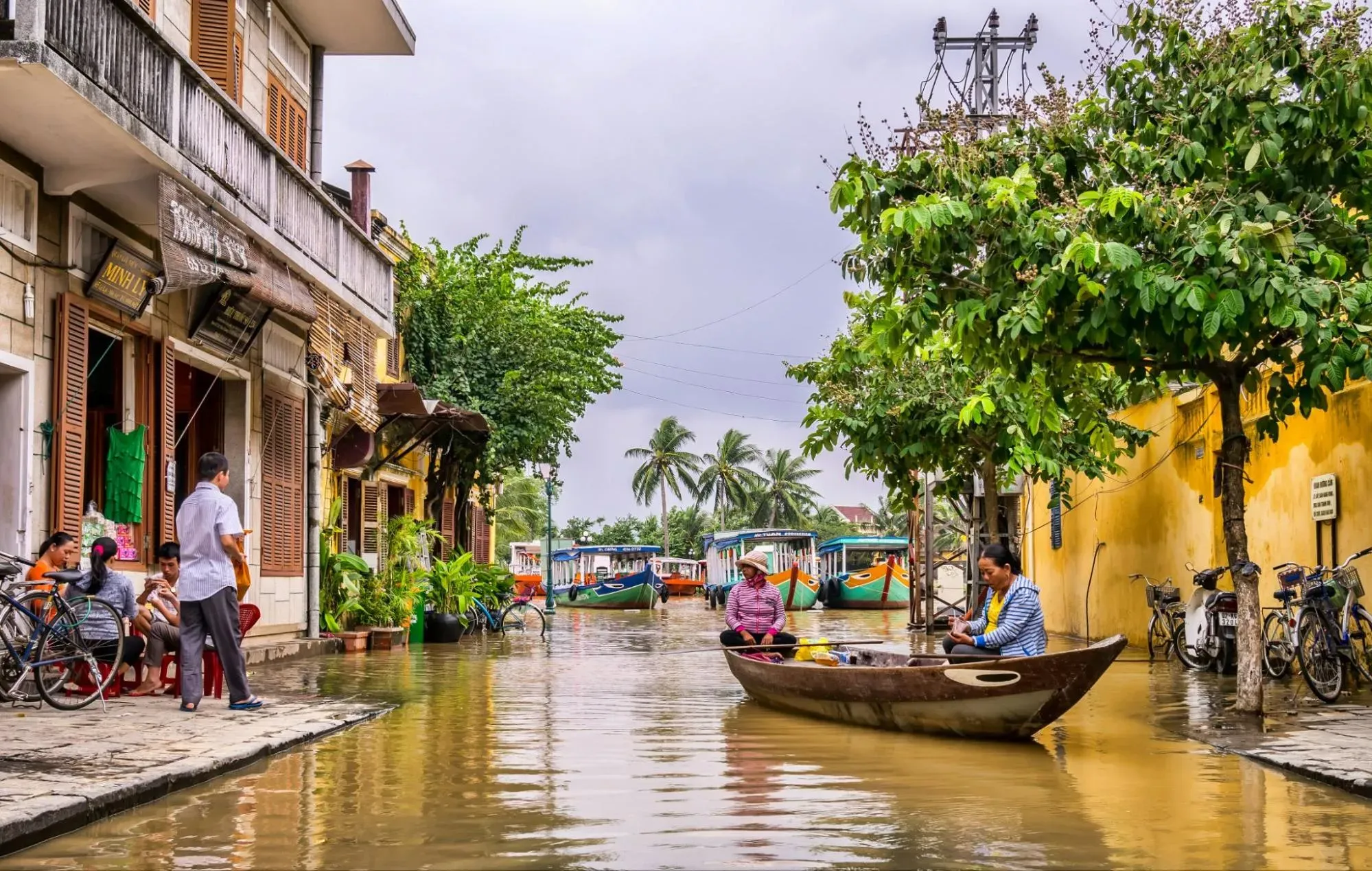
The country stretches a long way from north to south, so the Vietnam weather rarely affects the whole country at once. Most people visit between December and April, when the south is warm and dry. The rainy season usually lasts from May to November. Even when the north is cool and misty, the south often stays sunny, so you can almost always find good weather somewhere.
9. Beaches and Islands are Having a Moment
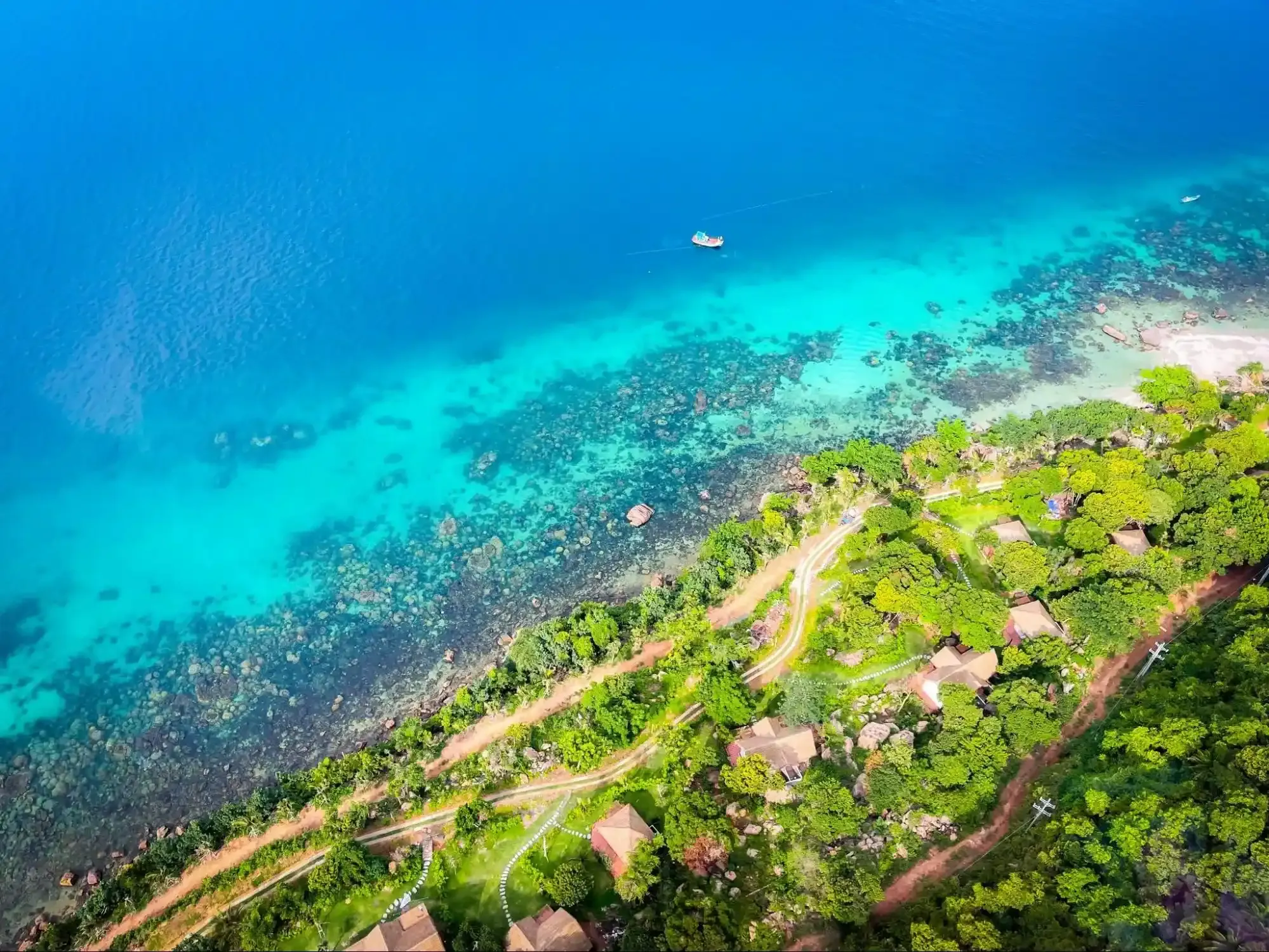
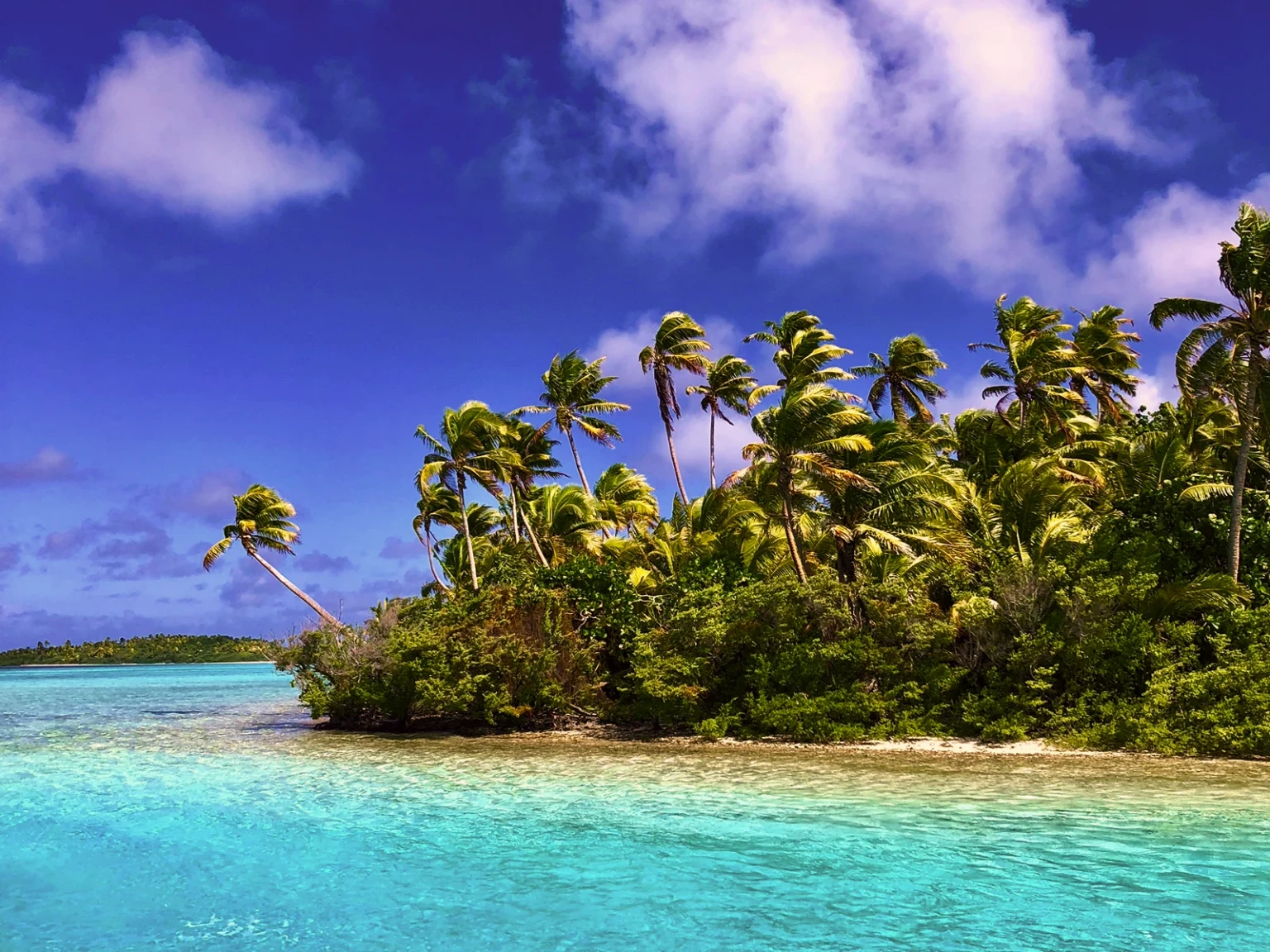
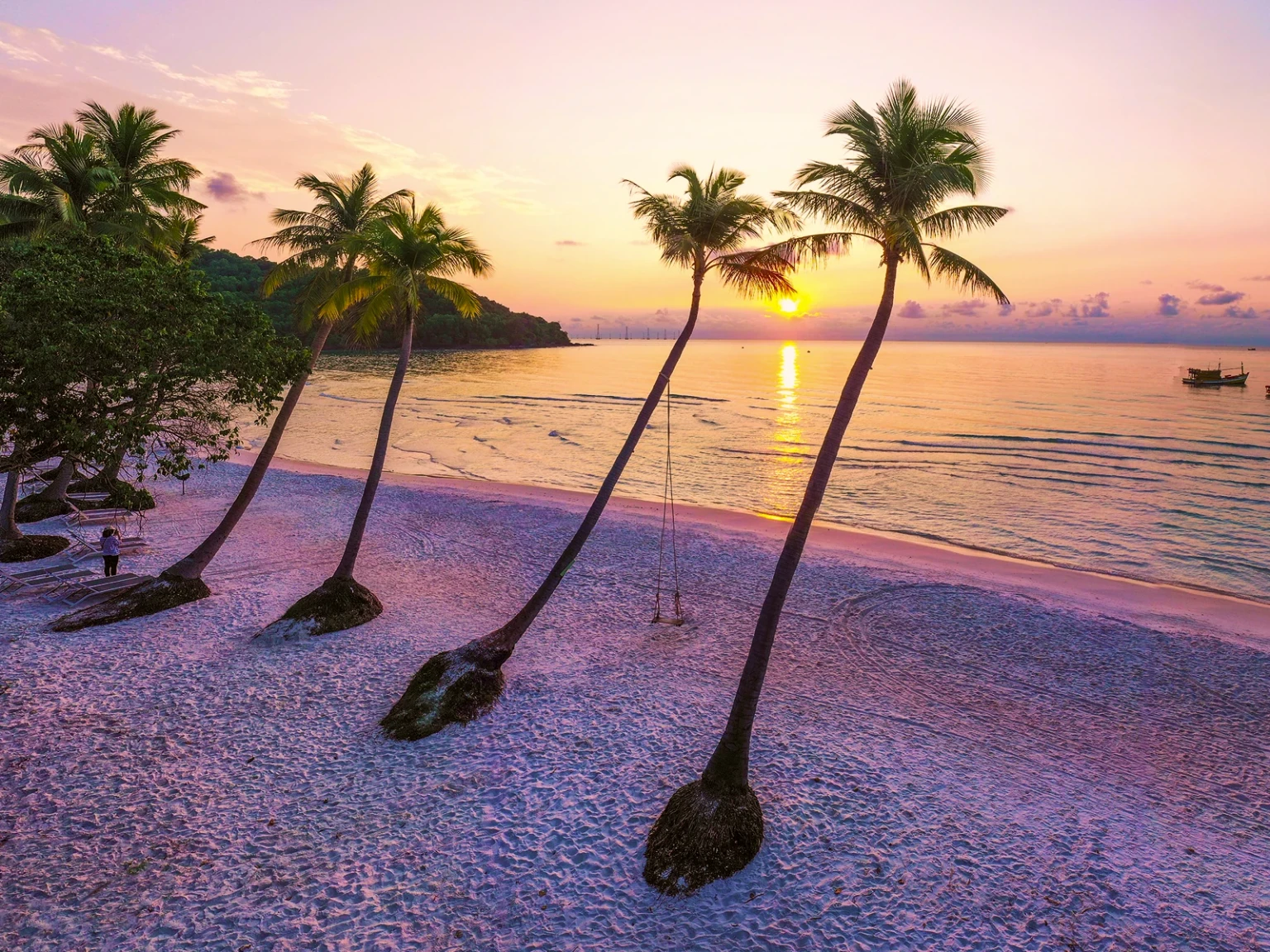
Vietnam’s coastline has a lot to offer. If you fly straight to Phu Quoc, you can stay visa-free for 30 days. The beaches near Nha Trang and Da Nang, Vietnam, provide resort-style comfort without the high costs. South Vietnam is especially popular with honeymooners and families looking for an easy getaway.
10. Adventure and Nature Sit Around Every Corner
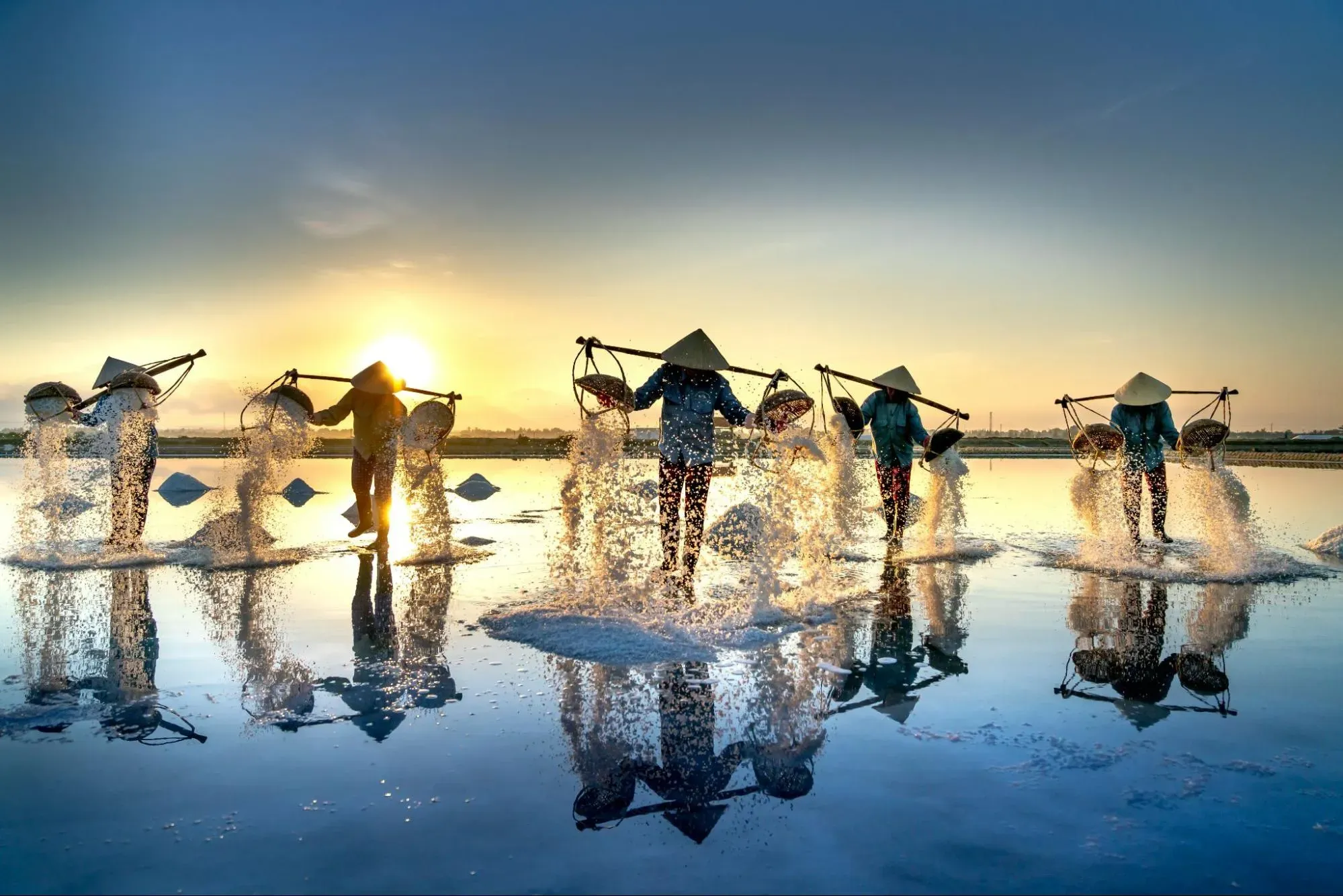
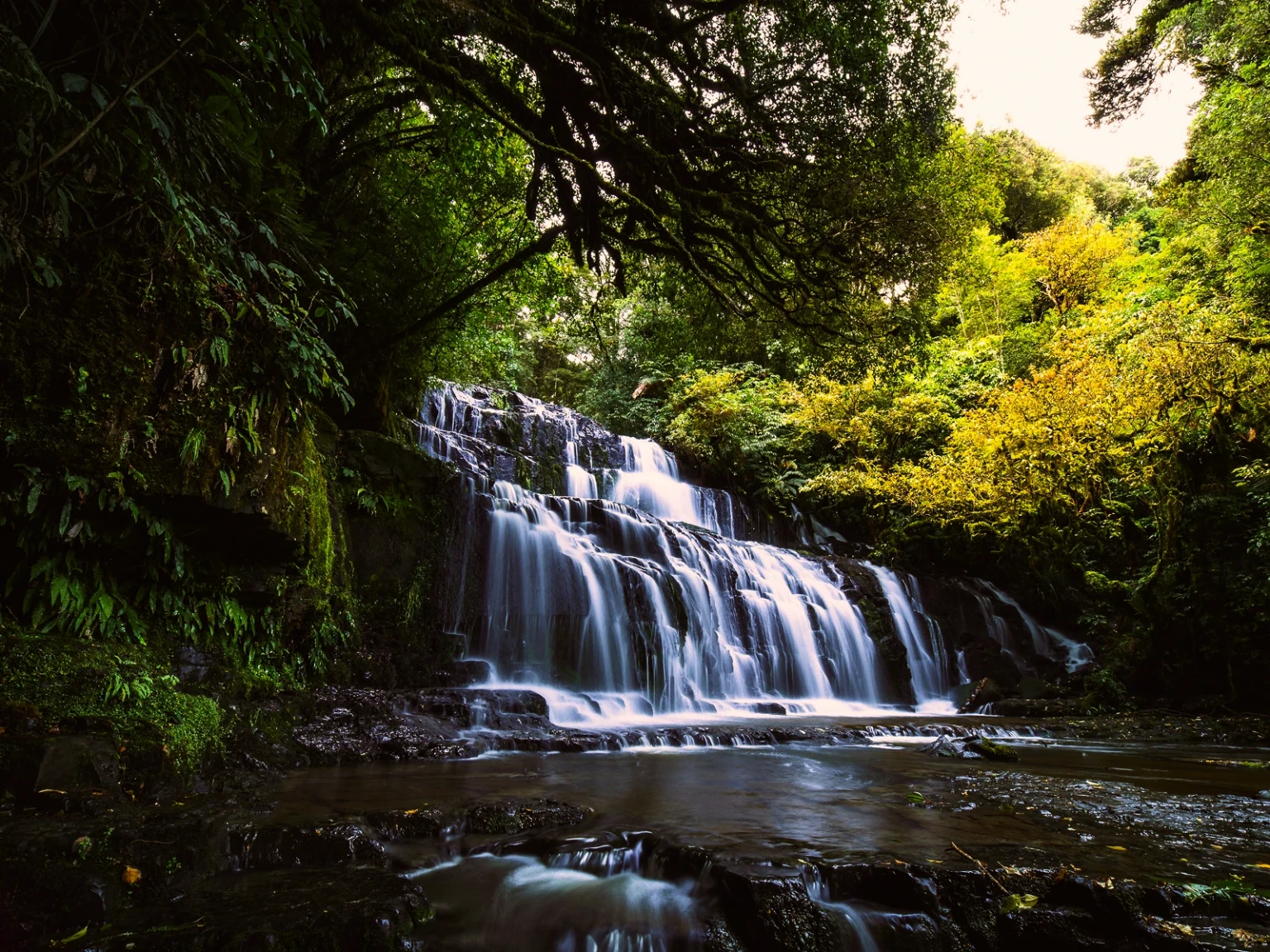
If you enjoy active holidays, there are plenty of things to do in Vietnam. You can cruise among the limestone karsts in Ha Long Bay, take a cable car up to Fansipan, the 3,143-metre peak above Sapa, cycle through the rice fields of Ninh Binh, or explore Phong Nha, which is home to the world's largest cave. It's rare to find so much variety in a single holiday.
11. City Nights With Real Energy
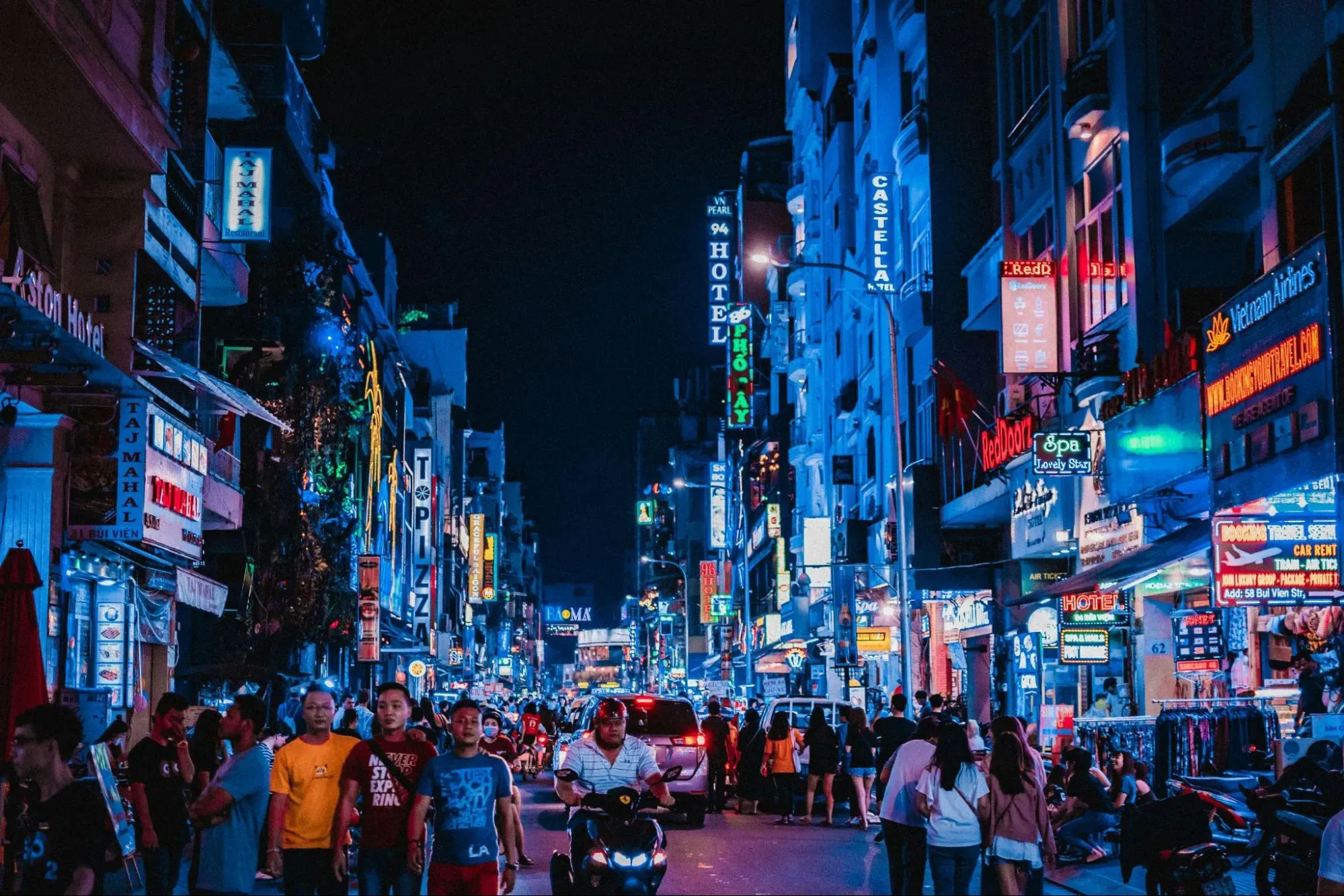
Vietnam’s cities really come alive at night. In Hanoi’s Old Quarter, people gather on plastic stools for bia hoi and egg coffee. Meanwhile, Ho Chi Minh City offers rooftop bars and bustling night markets. Nightlife here is one of the truly underrated things to do in Vietnam.
12. Culture and History You Can Walk Straight Into
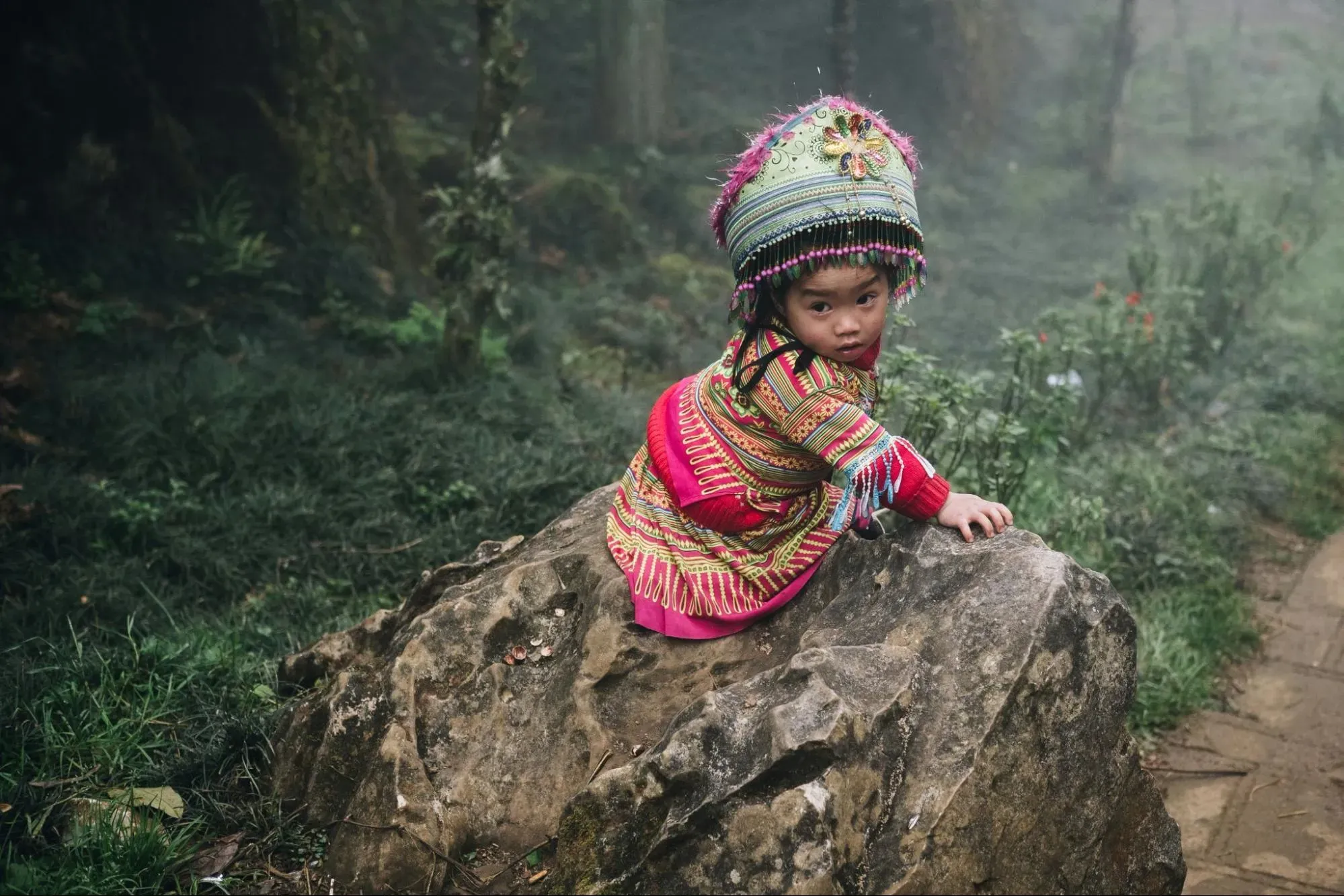
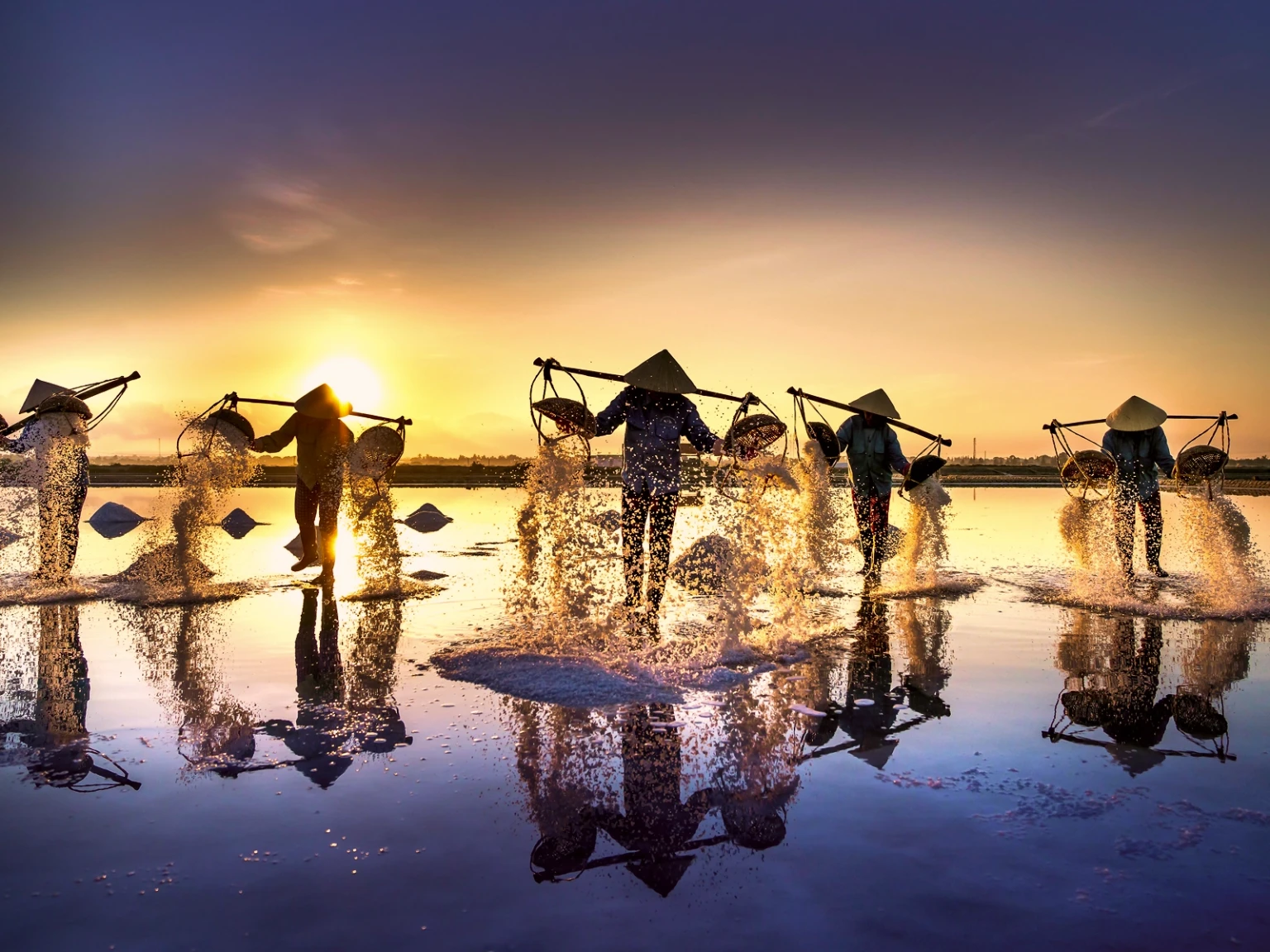
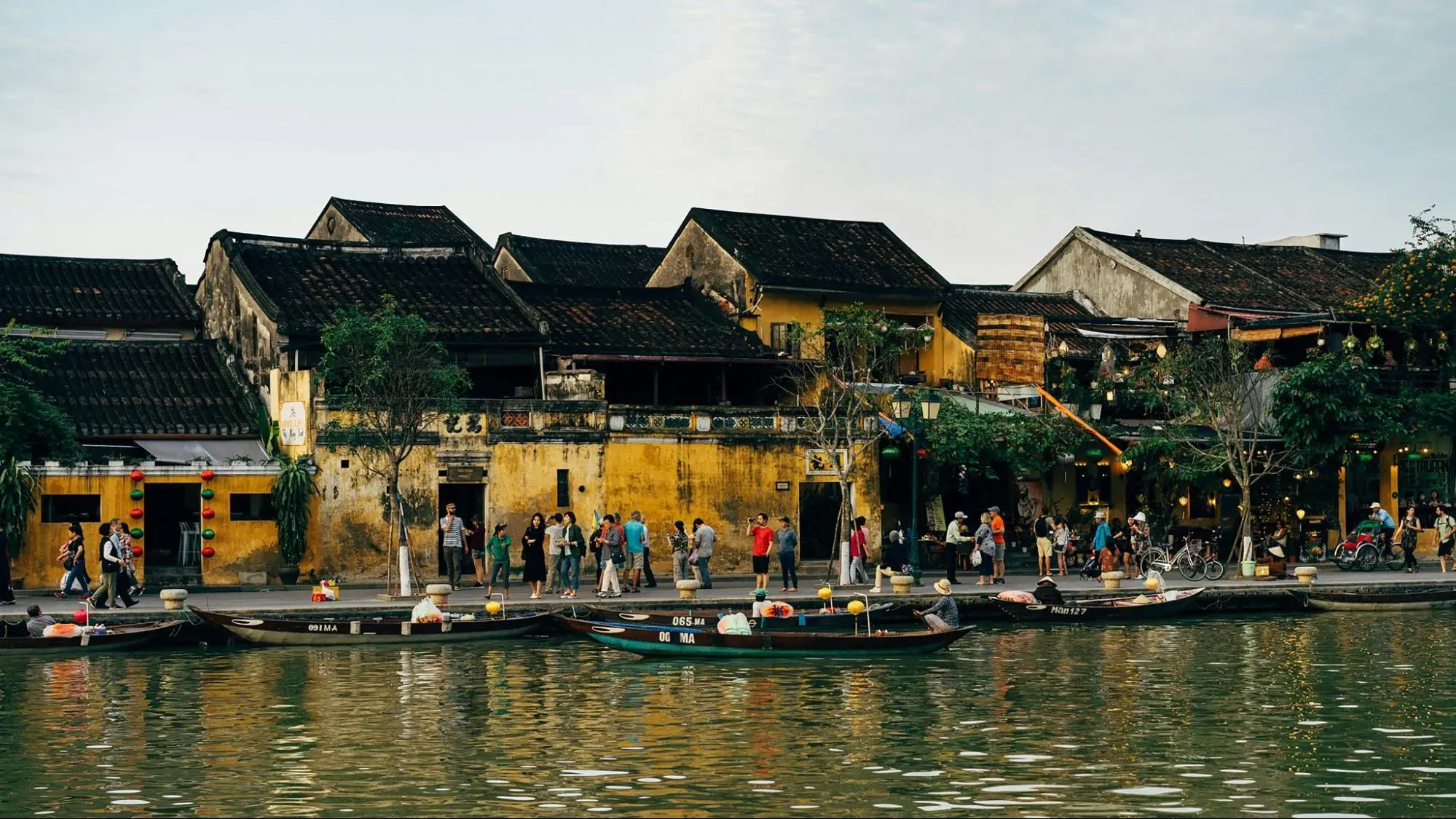
Here, heritage feels alive and welcoming. You can stroll through the lantern-lit streets of Hoi An, explore the Imperial City of Hue, or wander among the temple ruins of My Son, all UNESCO sites open for you to discover. Visiting these Vietnam tourist places can turn a simple afternoon into a fascinating history lesson, making them some of the most rewarding places to visit in Vietnam for first-time travellers. This has given a boost to Vietnam tourism as a whole.
Tribe Travel Tip:
Plan your holiday by matching regions to the right season. In December and January, begin in the warm, dry south near Ho Chi Minh City and Phu Quoc. Then, head north as the weather improves. This way, you enjoy more sunshine and avoid unnecessary travel back and forth.
The Bottom Line: Vietnam Tourism in 2026
When you look at everything together, e-visas, faster flights, amazing food, and a wallet-friendly Vietnam currency, it’s easy to see why Vietnam tourism is thriving in 2026. The country has worked hard to make itself welcoming, from Hanoi, Vietnam, in the north to the central coast and the sun-soaked South Vietnam. Whether you’re planning your first holiday abroad or thinking about coming back, this is a great year to visit. At Holiday Tribe, we turn all these advantages into a travel package tailored to your dates, pace, and travel companions. Our AI travel planner handles the initial planning, and our advisors ensure every detail is just right.