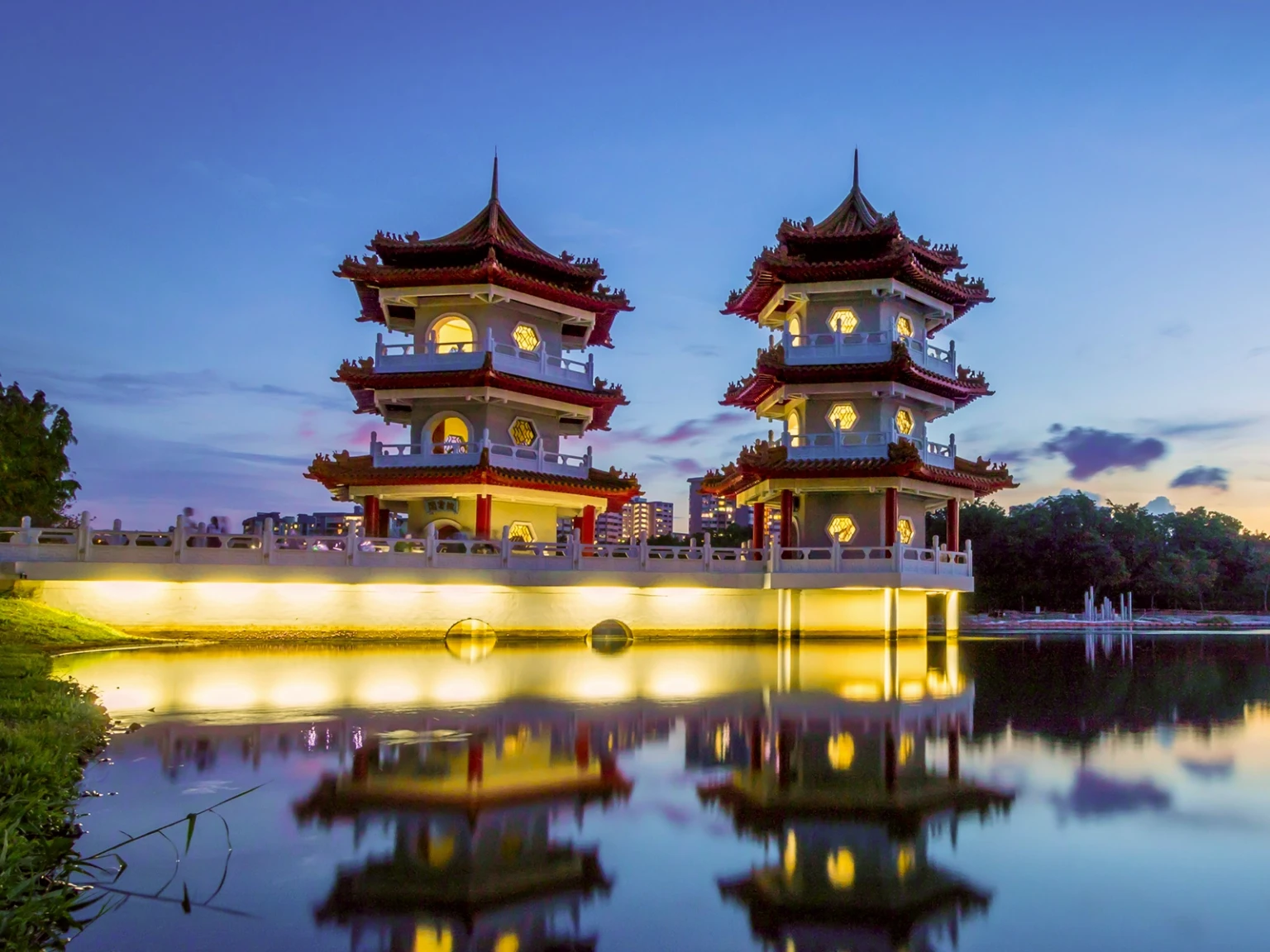


Singapore looks like a glass-and-steel city on first arrival. Then you spend two days walking through Chinatown, Little India and Kampong Glam, and you realise the country runs on something far older. Singapore's culture and traditions are the result of nearly two centuries of Chinese, Malay, Indian, and Peranakan communities sharing the same small island, building separate religious practices, food habits, and languages alongside each other without erasing any of them.
For a traveller, that mix shapes everything. How do you greet a stranger? What you can do on the MRT. Whether you should tip. This guide pulls together 15 facts about Singapore's traditions, etiquette and quirks that you will actually use on your trip. No fluff, no postcard lines, just what helps you move around with a bit more context.
What shapes Singapore culture and tradition?
Before we get into the do's and don'ts, it helps to know who lives here and why the country feels the way it does.
Fact 1: Singapore runs on the CMIO model
That stands for Chinese, Malay, Indian and Others (which usually means Eurasian and Peranakan). Roughly 74% of the population is Chinese, 13% Malay, 9% Indian, and the rest are spread across smaller communities. The government built housing, schools and public policy around keeping this mix visible, not just statistically but in everyday life. Walk into any HDB block lift, and you'll see what we mean.
Fact 2: There are four official languages, not one
English, Mandarin, Malay and Tamil. Here's the twist, though: Malay is the national language. The national anthem "Majulah Singapura" is sung in Malay. English is what everyone actually works in, and most signs lead with English. So you'll never struggle to ask for directions.
Fact 3: The Merlion is younger than you think
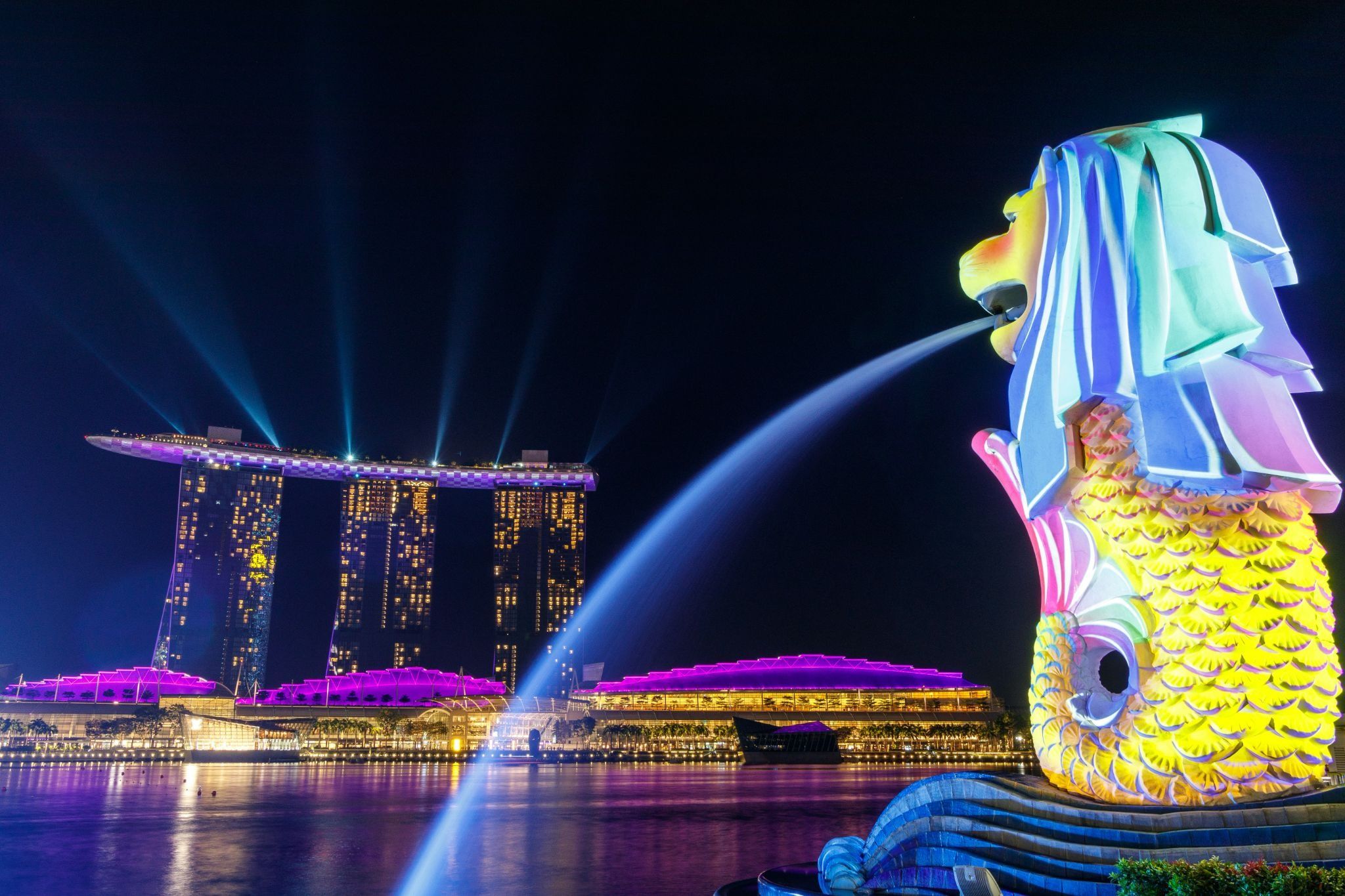
Sorry to break this one. The Merlion was designed in 1964 as a tourism symbol, not an ancient mythological creature. Locals know this. So when you queue 45 minutes for a photo with it, treat it as the kitsch landmark it is, not the spiritual heart of the country. The heart is in the hawker centres anyway.
How do you say hello and show respect in Singapore?
This is where travellers slip up most. Singapore has three big cultural codes running at once, and a basic awareness goes a long way.
Fact 4: Greetings shift by community
A simple "hi" or "hello" is always welcome, no matter where you are. With older Malay locals, a light handshake and then touching your right hand to your chest is a nice gesture. Indian locals might greet you with a "namaste" and folded palms. Chinese locals often just nod or give a quick handshake. Pay attention to the person, not just the rules.
Fact 5: Never touch anyone's head
In Malay and Indian cultures, the head is considered sacred, even for children. Avoid ruffling anyone’s hair or giving playful pats, even to kids you’ve just met.
Fact 6: Shoes come off before homes, mosques and temples
You must remove your shoes at places like Sri Mariamman Temple, Sultan Mosque, and most Singaporean homes. If you plan to visit several temples in a day, wear slip-on shoes. By your third stop, you’ll be glad you did.
Why do Singaporeans say "lah"?
You'll hear it within ten minutes of landing. "Can lah." "Okay lah." "Don't worry lah."
Fact 7: "Lah" is Singlish in a single syllable
Singlish is Singapore’s unofficial creole. It blends English with Hokkien, Malay, Tamil, and Mandarin. The word "lah" doesn’t have a meaning by itself. Instead, it adds emphasis, makes a sentence softer, or shows you’re being casual. For example, "can lah" just means "yeah, sure, no big deal."
Here are a few more Singlish words you might hear:
- Shiok – means excellent or deeply satisfying, especially when talking about food.
- Kiasu – describes someone who is afraid to lose out. Locals even say it’s a national trait.
- Makan – means to eat, or can refer to food in general.
- Alamak – means "oh no," and people usually say it with a lot of drama.
- Paiseh – means feeling embarrassed or shy.
Fun fact: In 2016, 19 Singlish words were added to the Oxford English Dictionary in one go, including 'shiok', 'ang moh', and 'lepak'. More joined them in 2025, including 'alamak' and 'tapau'.
Why is food central to the local culture and tradition of Singapore?
This is where the country truly comes together. Hawker centres are more than just food courts; they are where Singaporeans eat, talk, share stories, and take a break.
Fact 8: Hawker culture is recognised by UNESCO
In December 2020, Singapore's hawker culture was added to the UNESCO Intangible Cultural Heritage list. UNESCO recognised it for "community dining and culinary practices in a multicultural urban context", which basically means these places are like the country's living rooms.
Fact 9: You can eat at the world's only Michelin-starred hawker for under SGD 10
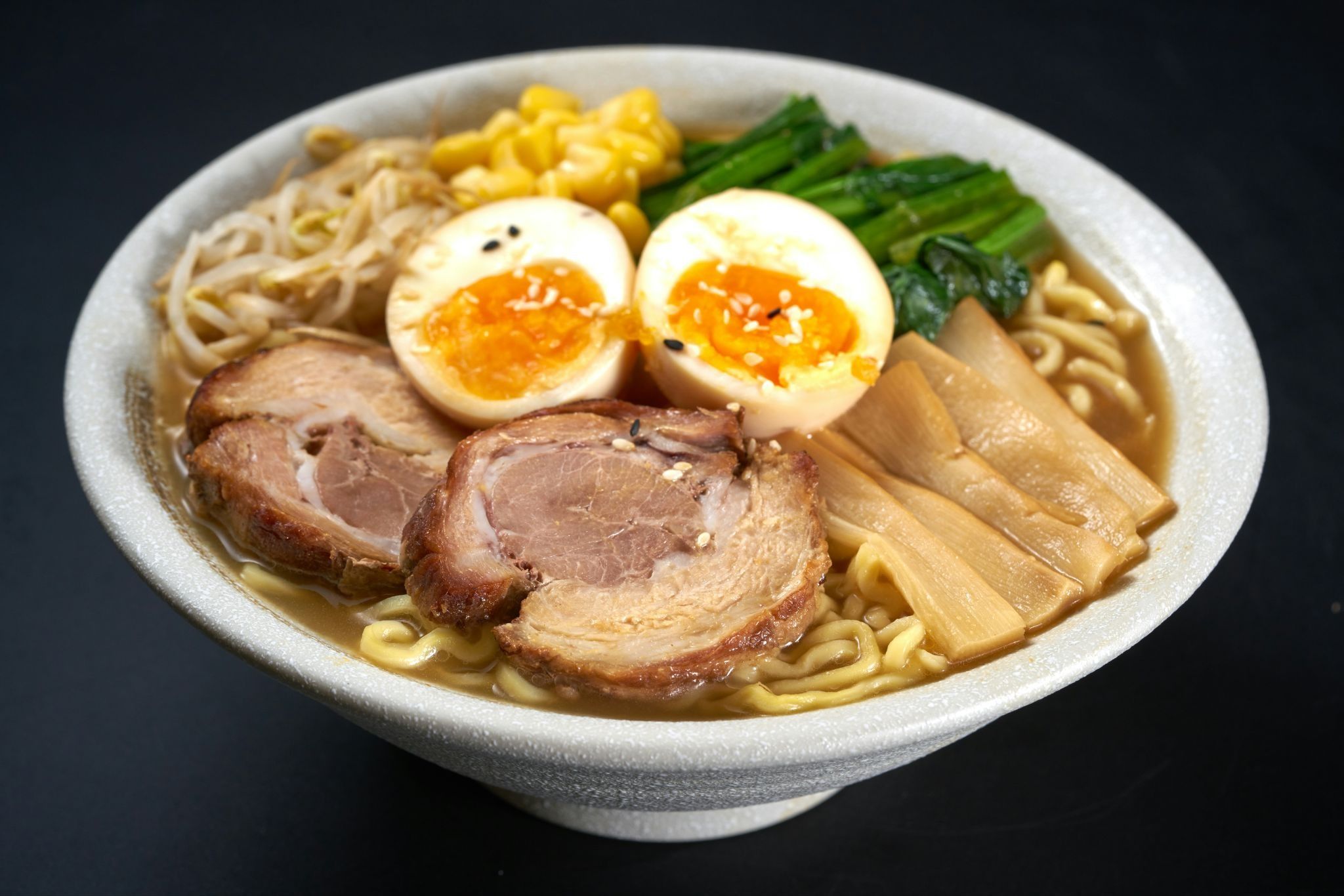
Hill Street Tai Hwa Pork Noodle at Crawford Lane is the last hawker stall in Singapore with a Michelin star, offering bak chor mee starting at S$6. Hawker Chan at Chinatown Complex had a star from 2016 to 2021 and still sells its well-known soya sauce chicken at affordable hawker prices. For more variety, check out Maxwell Food Centre, Tiong Bahru Market, and Lau Pa Sat. Try Hainanese chicken rice, laksa, char kway teow, roti prata, and nasi lemak. Order a few, share with friends, and come back for more the next day.
Which festivals reflect Singapore's mixed traditions?
This is the clearest proof that the multicultural model works. The country gives every major community at least one public holiday.
Fact 10: 11 public holidays across four communities
Chinese New Year (Chinese), Hari Raya Puasa and Hari Raya Haji (Malay/Muslim), Deepavali (Indian/Hindu), Vesak Day (Buddhist), Good Friday and Christmas (Christian), and civic days like National Day on 9 August. The dates shift each year because most follow lunar calendars.
Fact 11: The yusheng toss is uniquely Singaporean
During Chinese New Year, families gather around a plate of raw fish salad called yusheng and toss the ingredients into the air with chopsticks, the higher the better, while shouting wishes for prosperity. You won't find this ritual in mainland China. It's a Singapore-Malaysia invention.
Major Festivals and When to Plan Around Them
Festival | Community | Approx. month | What Happens |
Chinese New Year | Chinese | Jan–Feb | Chinatown lights, reunion dinners, lion dances |
Hari Raya Puasa | Malay/Muslim | Varies (lunar) | Geylang Serai bazaar, family feasts |
Vesak Day | Buddhist | May | Temple visits, candle offerings |
Deepavali | Indian/Hindu | Oct–Nov | Little India lights, Diwali bazaars |
National Day | National | 9 August | Marina Bay parade, fireworks |
What are the strict rules every traveller should know?
Singapore's reputation for strictness is real, and most rules exist to ensure a clean, predictable city. Knowing them keeps your wallet intact.
Fact 12: Chewing gum, littering, and jaywalking can all lead to fines
Importing or selling chewing gum has been illegal since 1992 (therapeutic dental gum is exempted with a prescription). Carrying personal amounts is usually fine; selling them is not. Littering fines start at SGD 300, and serious offences can land you in court with a community work order. Jaywalking fines are typically SGD 20 to SGD 50 for first offences, though serious cases taken to court can hit SGD 1,000.
Fact 13: Singapore has some of the strictest drug laws in the world
Trafficking can carry the death penalty. Even traces of substances in your bloodstream from things consumed legally elsewhere can be treated seriously on arrival. Vaping and e-cigarettes are illegal, too. Worth knowing well before you fly.
What not to do in Singapore as a tourist
Fact 14: The unwritten don'ts
A quick list you'll be glad you read:
- Don't tip in restaurants, a 10% service charge is usually built in
- Don't eat, drink or carry durian on the MRT
- Don't point with your index finger, use your full hand or thumb
- Don't refuse food or tea at someone's home without a polite reason
- Don't dress too casually inside temples and mosques, shoulders and knees covered is the safe call
Where do traditional and modern culture in Singapore meet?
Fact 15: Heritage districts are placed next to the city skyline on purpose
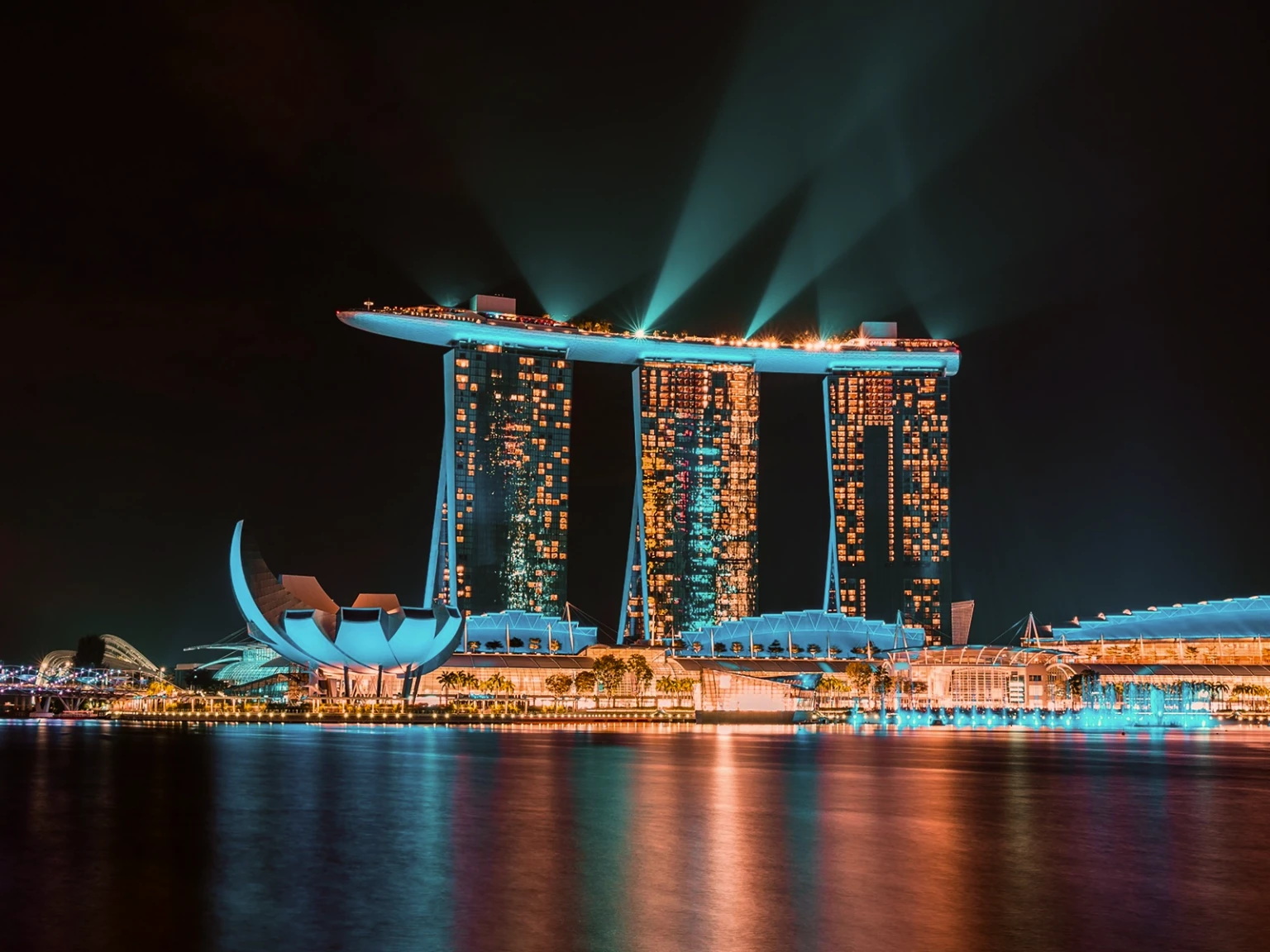
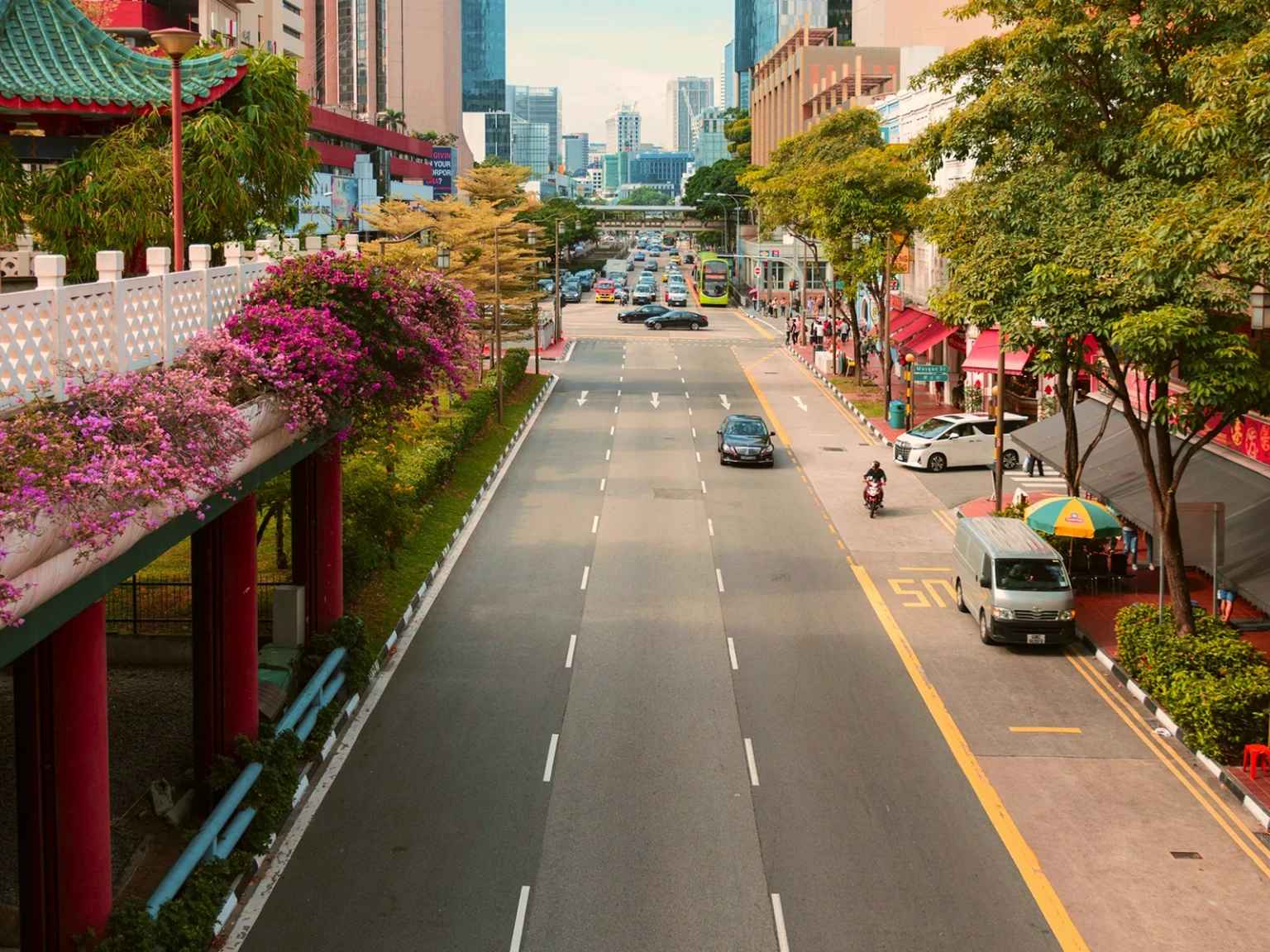
Chinatown, Little India, and Kampong Glam are protected areas that have been carefully kept as the city built modern skyscrapers around them. In one day, you could have breakfast in a 1930s shophouse in Tiong Bahru, enjoy lunch at a hawker centre, and end your day with dinner at a rooftop bar looking out over Marina Bay Sands. This mix of old and new is a big part of what makes the country unique. It’s not just about remembering the past; it’s a planned choice.
Final Verdict
The best way to experience Singapore’s culture and traditions is to explore on foot, taste food at hawker centres, and visit temples just a short metro ride apart. When you know what to expect, your trip becomes much more meaningful than a typical city break. At Holiday Tribe, our advisors create Singapore itineraries that fit around local festivals, your family’s schedule, and the needs of first-time travellers. This way, you get to enjoy the cultural side of your trip naturally. Start planning your Singapore holiday with us at holidaytribe.ai.