

Recently, everyone's been talking about Portugal, and you might wonder why. Could it be for the famous port wine, or maybe the delicious Portuguese custard tarts, or maybe they just want to visit the country of the world-famous football player Ronaldo? Search up Portugal and you’ll find despite being a small country, Portugal feels like it packs the world’s experiences inside it: a tram creaking up a Lisbon hill, the smell of grilled sardines drifting from a side street, waves crashing under a cliff-top path in the Algarve, so actually figuring out what you want to do can be hard. That’s why this blog walks you through the things to do in Portugal, from cobbled old towns that sit an hour from surf breaks, and grand palaces that share the same coastline as quiet fishing villages, so you can plan your vacation easily.
What Are the Best Things to Do in Portugal for First-Time Visitors?
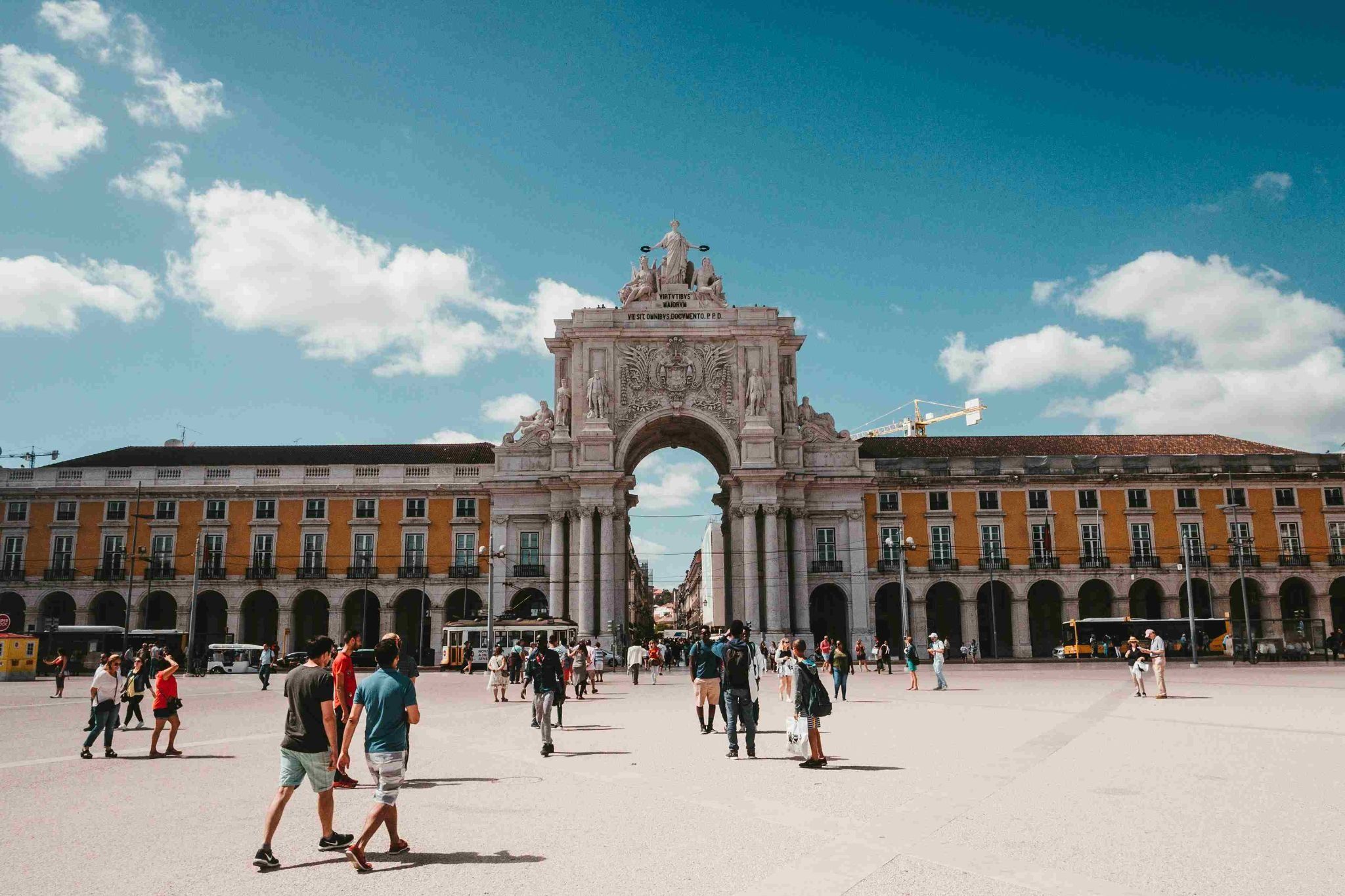 If this is your first visit, a handful of experiences deserve priority. Each one shows you a different side of the country in a short window of time, and together they form a solid base before you branch out on your own.
Lisbon is best enjoyed at a slow pace, in the early mornings and late afternoons when the light hits its tiled facades at an angle. Porto moves even more gently, built around the river rather than a single skyline view. Between the two, you get a fair sense of how varied Portugal's cities actually feel, and how differently each one wants to be explored.
Experience | Where it is | Why it Matters |
Belém Tower and Jerónimos Monastery | Lisbon | UNESCO sites tied to the age of exploration |
Pena Palace | Sintra, a short ride from Lisbon | A hilltop palace painted in yellow and red |
Ribeira riverside and Dom Luís I Bridge | Porto | Colourful houses stacked above the Douro |
Alfama's narrow lanes | Lisbon | Portugal's oldest neighbourhood, best explored on foot |
Give yourself at least two full days for Lisbon and one for Porto before adding anywhere else to your plans. Rushing between them tends to flatten what makes each city distinct, and you will notice more once you slow down. A short train ride connects the two, so you do not need to choose one over the other, and most visitors end up glad they saw both.
What Free Things to Do in Portugal Can You Enjoy?
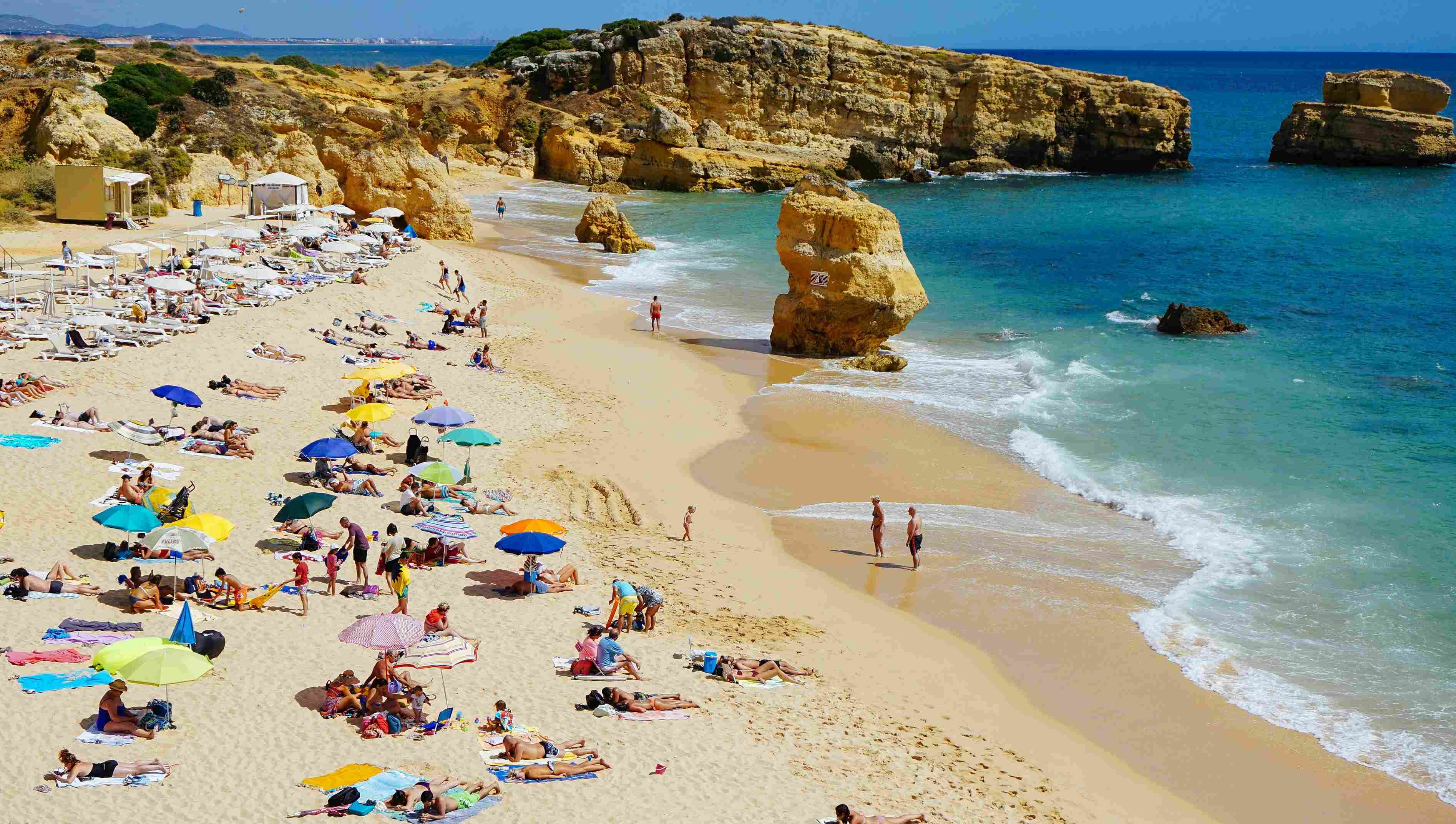 Portugal has a reputation for being affordable, and some of its best moments cost nothing. Public viewpoints, called miradouros, sit scattered across Lisbon's hills, and locals treat them as everyday gathering spots rather than tourist stops.
Here is a short list worth building a slow afternoon around:
- Miradouro da Senhora do Monte – Lisbon's highest public viewpoint, with the castle and river laid out below.
- Alfama on foot – Wander the oldest quarter's lanes at your own pace, with no entry fee anywhere.
- Praça do Comércio – Lisbon's grand riverside square, open around the clock.
- LX Factory – A converted industrial complex filled with street art and independent shops.
- Carcavelos Beach – A wide, easily reached beach just outside central Lisbon.
Between the viewpoints and the beaches, free things to do in Portugal can fill an entire day without a single booking or ticket line.
Tribe Travel Tip: Visit the miradouros around sunset. The light softens across the rooftops, and you will usually have a bench to yourself if you arrive fifteen minutes before the crowd does.
What Are the Most Adventurous Things to Do in Portugal?
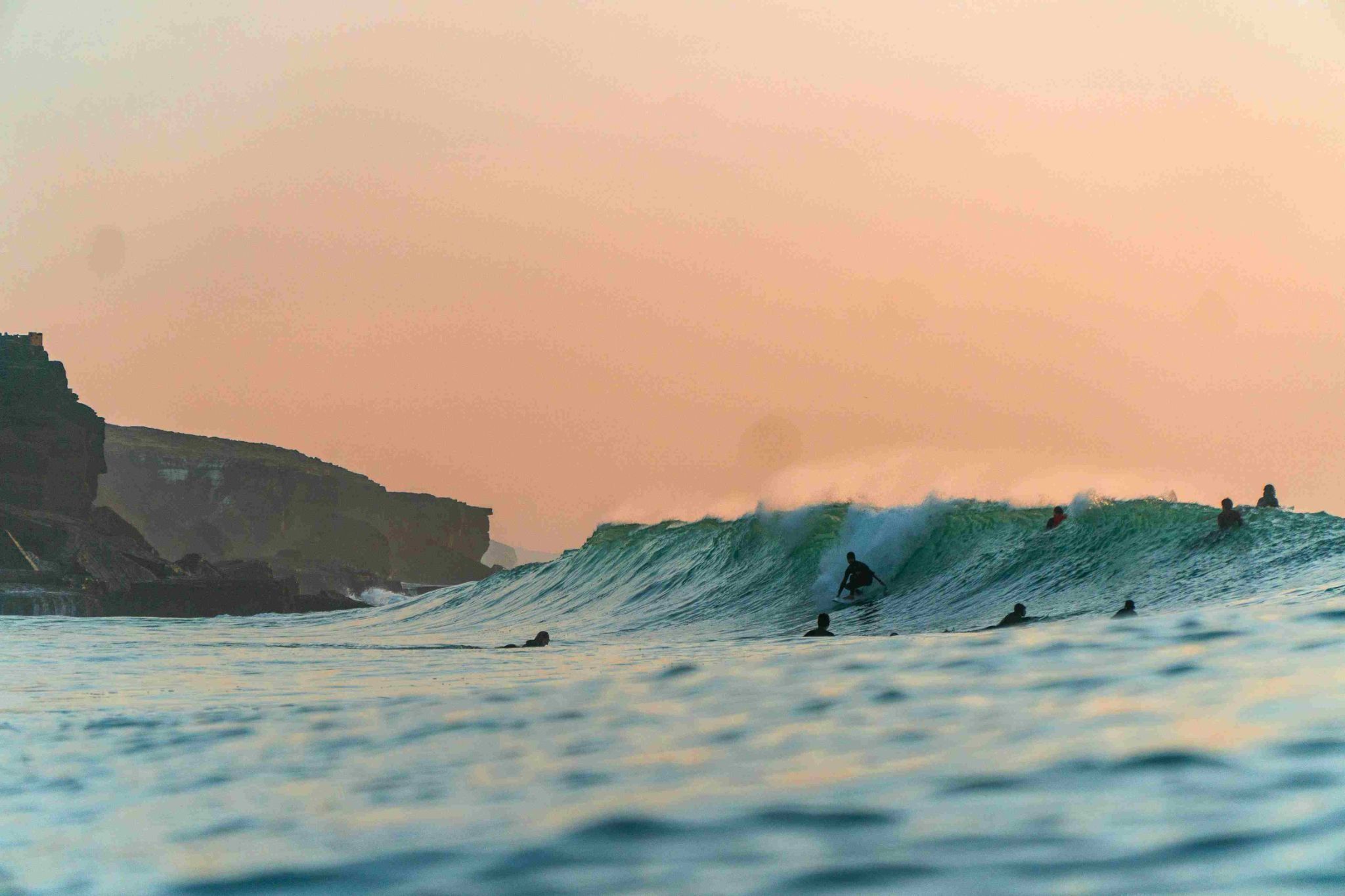 Portugal's Atlantic coast has quietly become one of Europe's favourite grounds for outdoor sport, and you do not need advanced experience to try most of it. Many of these activities sit within an hour of a major city, which makes it easy to slot into an otherwise relaxed escape without dedicating your whole holiday to them.
The north and south of the country offer fairly different flavours of adventure. Northern Portugal leans toward hiking and river landscapes, while the Algarve in the south is built around the water, its caves, cliffs, and coves shaped over centuries by the Atlantic.
- Surf at Ericeira or Nazaré – Ericeira suits beginners and intermediates, while Nazaré's winter swells are famous among professional surfers.
- Kayak to Benagil Cave – Paddle into the Algarve's most photographed sea cave, only reachable by water.
- Coasteering along the Algarve cliffs – A mix of cliff jumping, swimming, and scrambling along the coastline.
- Hike in Peneda-Gerês National Park – Portugal's only national park, with waterfalls and granite peaks in the north.
- Hot air balloon over the Douro Valley – Rise above terraced vineyards at sunrise for a quieter kind of adventure.
Tribe Travel Tip: If any of that sounds like too much all at once, most operators offer half-day versions, so you can try one activity without reshaping your entire schedule around it.
What Fun Things to Do in Portugal Wait Beyond the Big Cities?
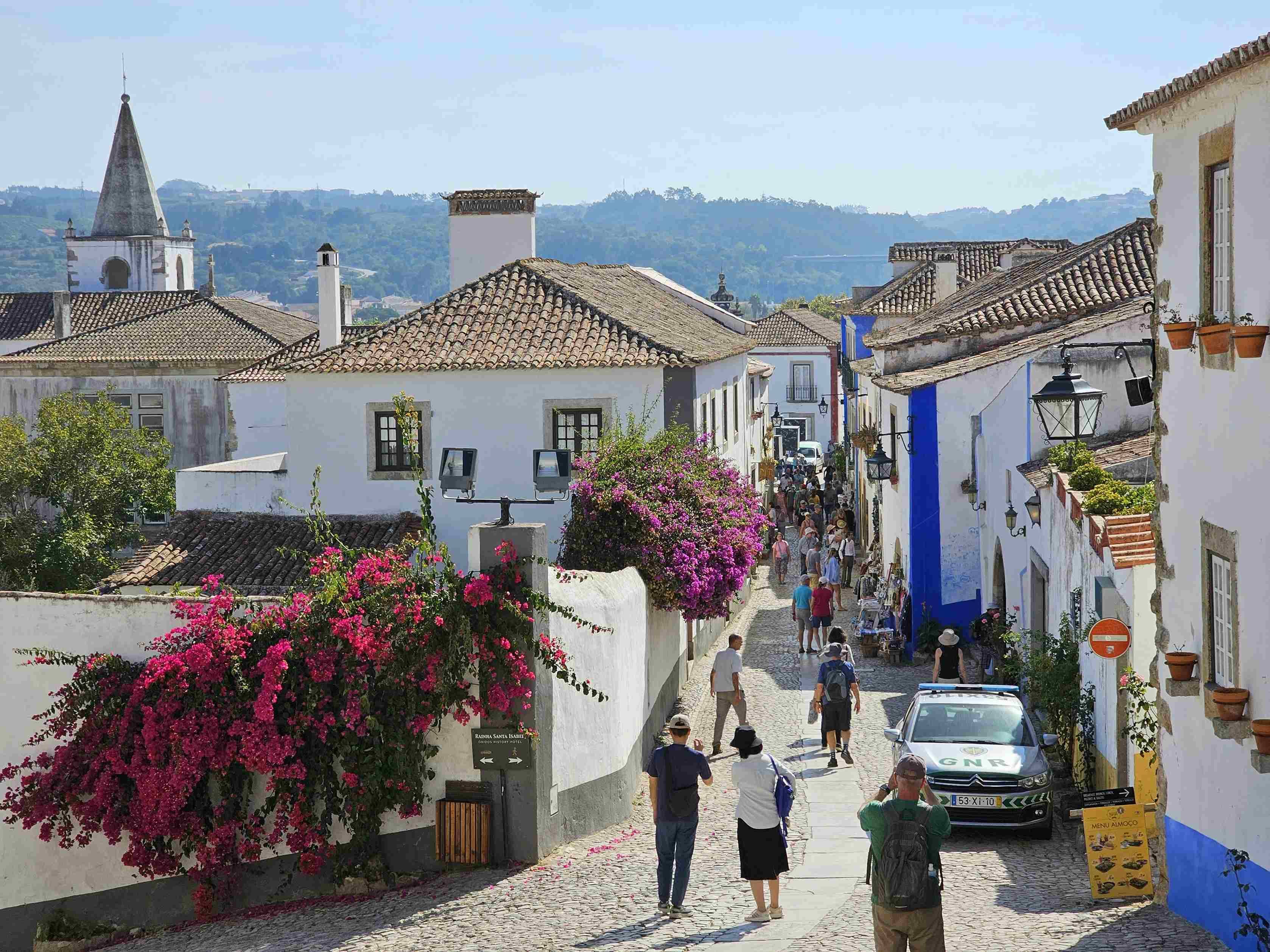 Lisbon and Porto get most of the attention, but some of the country's best moments sit an hour or two outside them. These stops break up city walking with a slower, more local pace, and most are easy to reach by train or a short drive without needing a rental car for the whole holiday.
- Óbidos – A walled medieval town small enough to cross in an afternoon, known for its cherry liqueur served in chocolate cups.
- Douro Valley wine tasting – Sample port and table wines at family-run estates overlooking the river.
- A Fado night in Lisbon – Portugal's melancholic folk music, best heard in a small Alfama restaurant.
- Port wine cellar tour in Vila Nova de Gaia – Cross the river from Porto to see how port wine actually ages.
- A football stadium tour – Benfica and Porto both offer behind-the-scenes visits, even outside match season.
However you choose to spend it, a day away from the main cities tends to be the one people remember most clearly once they are home.
What Things to Do in Portugal with Kids Keep Everyone Happy?
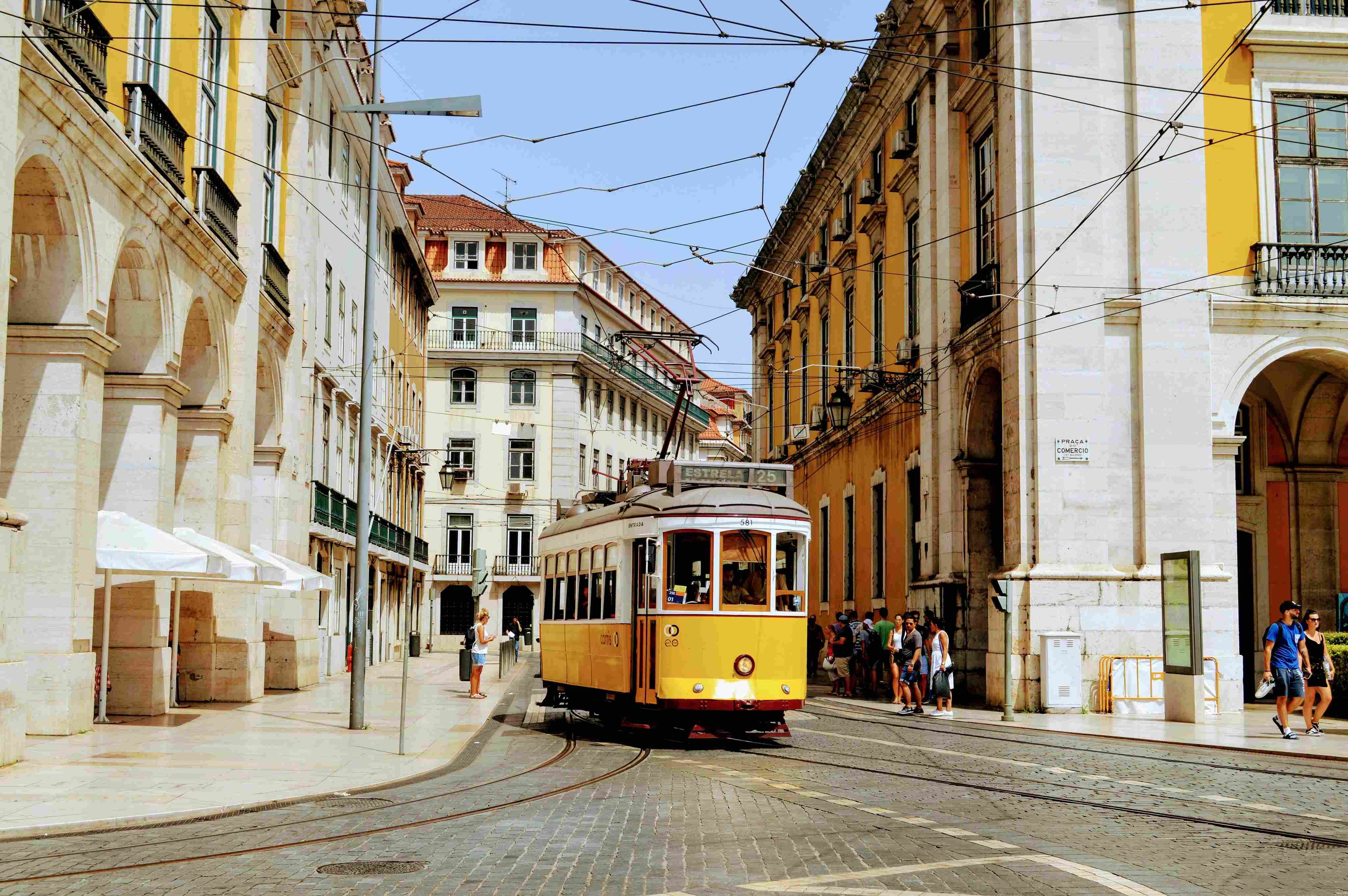 Portugal works well with children in tow, since most of its highlights are outdoors, visual, and short enough to hold a child's attention. Parents get a genuine break too, since several stops double as rest points.
- Lisbon Oceanarium – One of Europe's largest aquariums, with sharks, otters, and a central ocean tank.
- Tram 28 – A slow, rattling ride through Lisbon's hills that most children treat as a ride in itself.
- Sintra's castles – The turrets and tiled walls of Pena Palace read like a storybook to younger visitors.
- Zoomarine Algarve – A marine park with dolphin shows and water play areas near Albufeira.
- Portugal dos Pequenitos – A miniature park in Coimbra with scaled-down versions of the country's landmarks.
Tribe Travel Tip: Pace these across the week rather than stacking them together, since young children tire faster in the afternoon heat than adults expect.
What Things to Do in Portugal with Family Suit Every Generation?
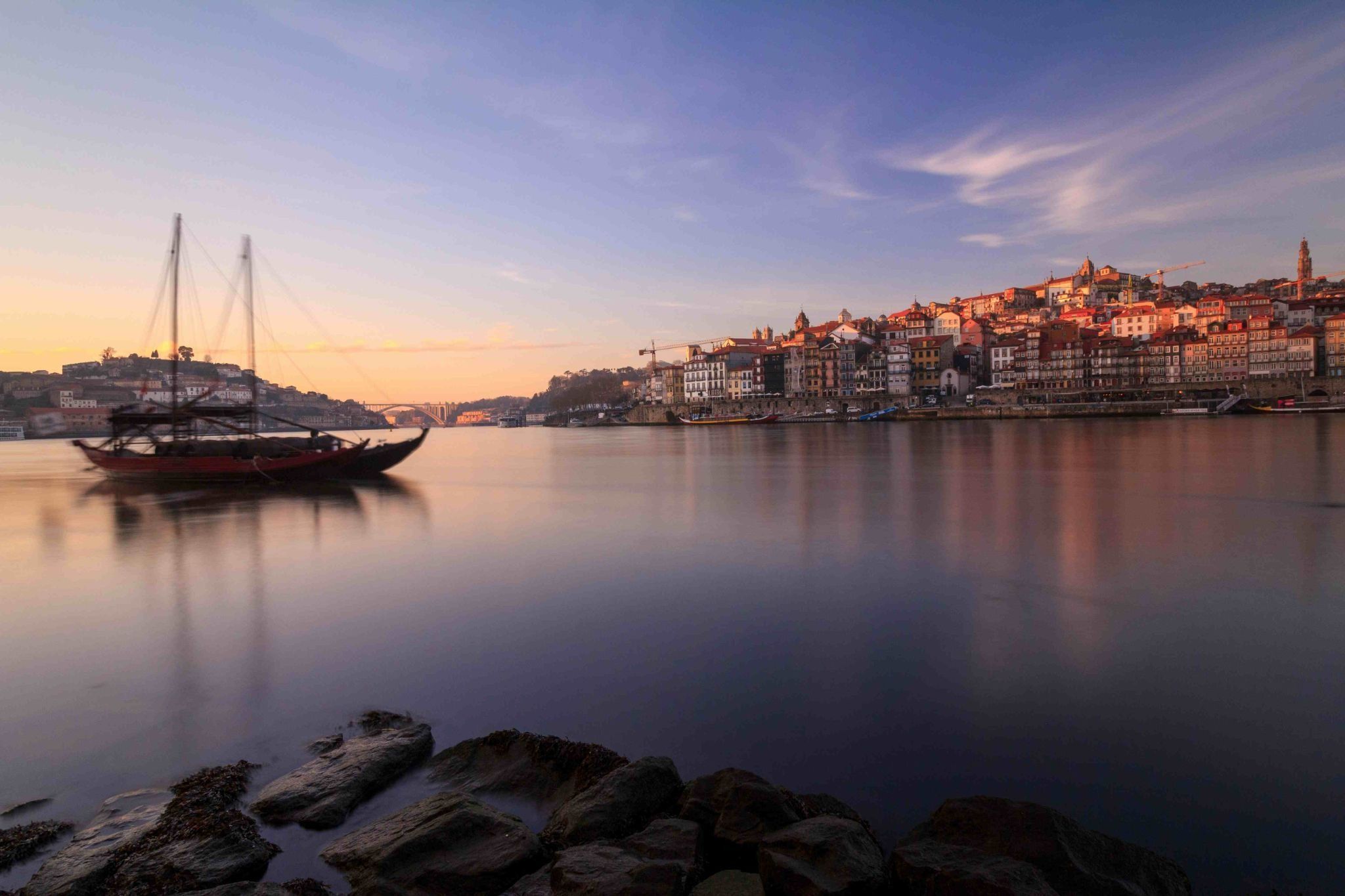 Multi-generational groups need a different pace than a group of friends, and Portugal handles that shift well. The goal here is easy walking, shaded rest stops, and food everyone at the table can agree on, without anyone feeling like they had to sit out half the day.
- A Douro river cruise – Seated, scenic, and gentle on grandparents and toddlers alike.
- Algarve's calmer coves – Towns like Lagos and Albufeira have shallow, protected beaches suited to non-swimmers.
- A guided walk through Évora – Flat cobbled streets and a manageable pace through a UNESCO-listed old town.
- A shared seafood lunch – Grilled fish and rice dishes travel well across most palates and ages.
- A slow Sintra day – Split the palace visits with garden breaks so no one in the group gets worn out.
None of this needs heavy planning. A loose morning-and-afternoon split, with a long lunch in between, tends to work better than a packed schedule for larger family groups.
When Should You Plan Your Portugal Escape for the Best Weather?
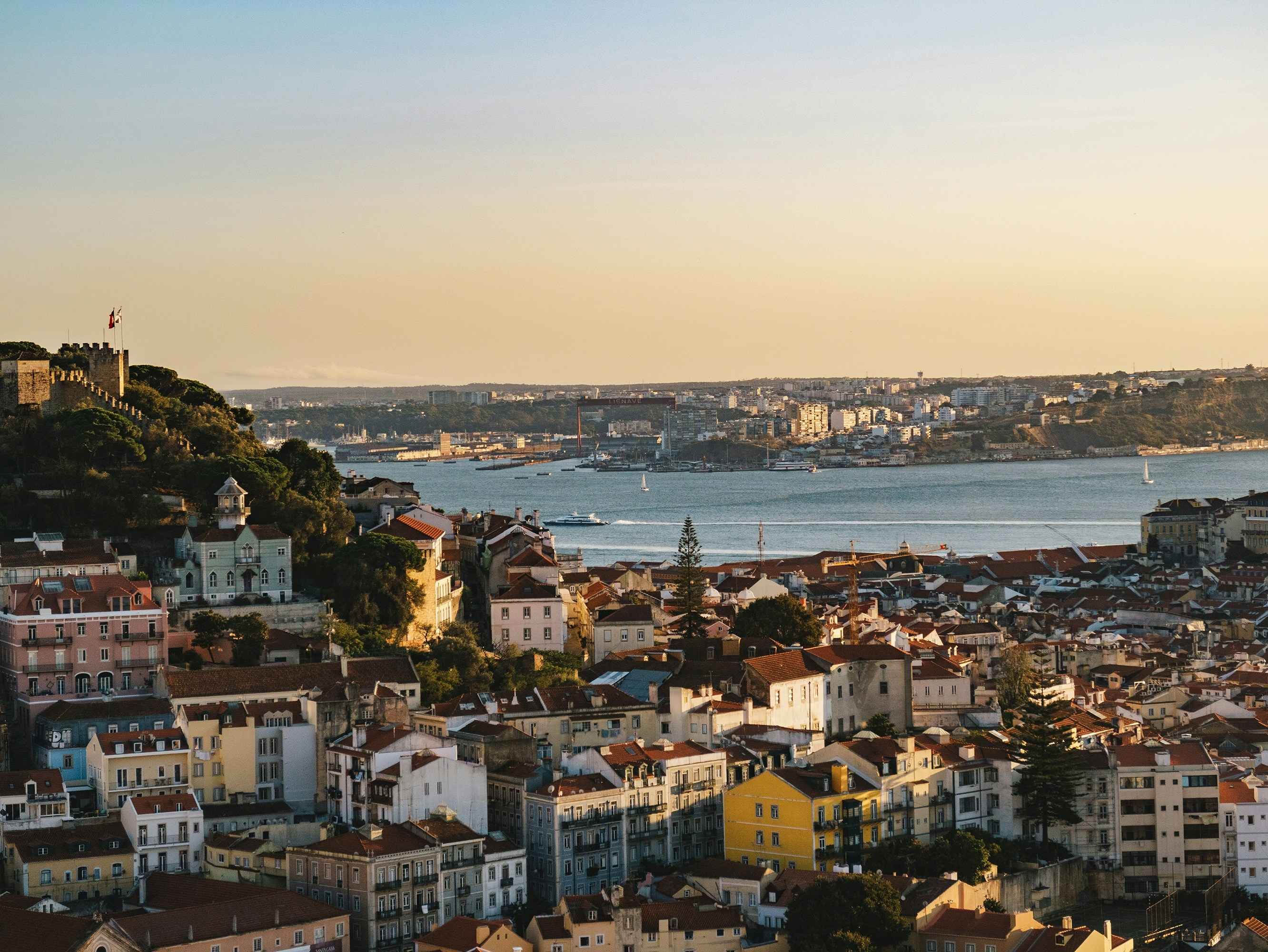 Portugal stays mild for most of the year compared to the rest of Europe, but a few stretches suit outdoor plans better than others. Coastal towns behave differently from inland cities too, since sea breezes tend to soften the heat along the Algarve even in the middle of summer.
Is Spring the Best Season to Visit Portugal?
Spring, from March to May, brings comfortable daytime temperatures and thinner crowds before the summer season begins, making it well suited to walking tours and coastal drives.
What Happens in Portugal Every August?
August is peak season along the coast. Beaches fill up, hotel prices rise, and many Portuguese families take their own summer break, so book coastal stays well ahead if you are travelling then.
Why Consider October for Fewer Crowds?
October keeps sea temperatures warm while crowds thin out noticeably after the August rush, making it a comfortable window for both cities and the coast.
Month | Avg. High | Avg. Low | Notes |
April | 20°C | 12°C | Mild, fewer crowds |
June | 25°C | 16°C | Warm, early beach season |
August | 28°C | 18°C | Peak crowds and prices |
October | 22°C | 14°C | Warm sea, quieter towns |
Whichever window you pick, checking the calendar against school holidays back home will tell you a lot about how busy the coast will feel.
Conclusion
Portugal is best appreciated through a slower kind of looking, climbing to a Lisbon viewpoint at sunset, paddling into a sea cave in the Algarve, or sharing a plate of grilled fish with three generations of your family at one table. The list of things to do in Portugal can go on a lot longer than this. Between its palaces, its coastline, and its everyday rhythm, there really is something to do in Portugal for every kind of traveller, and rarely a dull stretch in between.
If you’re getting ready to visit Portugal, Holiday Tribe can assist you with customised Europe travel packages that cover itineraries, stays, transfers and optional flight and visa assistance. Contact our travel advisors to book your vacation today!