

There are three islands, an active volcano, a city famous for pizza and its lively spirit, and ferries heading off in every direction. The Bay of Naples squeezes a lot into a small stretch of coast, which can make planning your holiday feel more complicated than it should be. Should you stay in the city or pick an island? Is Capri really as great as people say, or is it just crowded? When is the best time for good weather? We have figured all this out so you do not have to. Imagine chatting with a friend who has spent evenings around Naples Bay, missed a ferry once, and then learned how to get it right the next time.
What Exactly Is The Bay Of Naples?
Before you make any bookings, it’s good to know what you’re looking at. The Gulf of Naples and the Bay of Naples are just two names for the same wide curve of the Tyrrhenian Sea on Italy’s southwest coast, in the Campania region. The bay is about 15 kilometres across.
- Curious about what the Bay of Naples means? The name comes from the city of Naples, which itself comes from the Greek word Neapolis, meaning ‘new city’.
- The bay is bordered by Naples and Pozzuoli to the north, Mount Vesuvius to the east, and the Sorrento Peninsula to the south. That peninsula is what separates it from the Gulf of Salerno and the Amalfi Coast next door.
- Three islands sit out in the water: Capri, Ischia and Procida.
Once you have this picture in mind, planning your holiday to the Bay of Naples becomes much easier.
When Is The Best Time To Visit The Bay Of Naples?
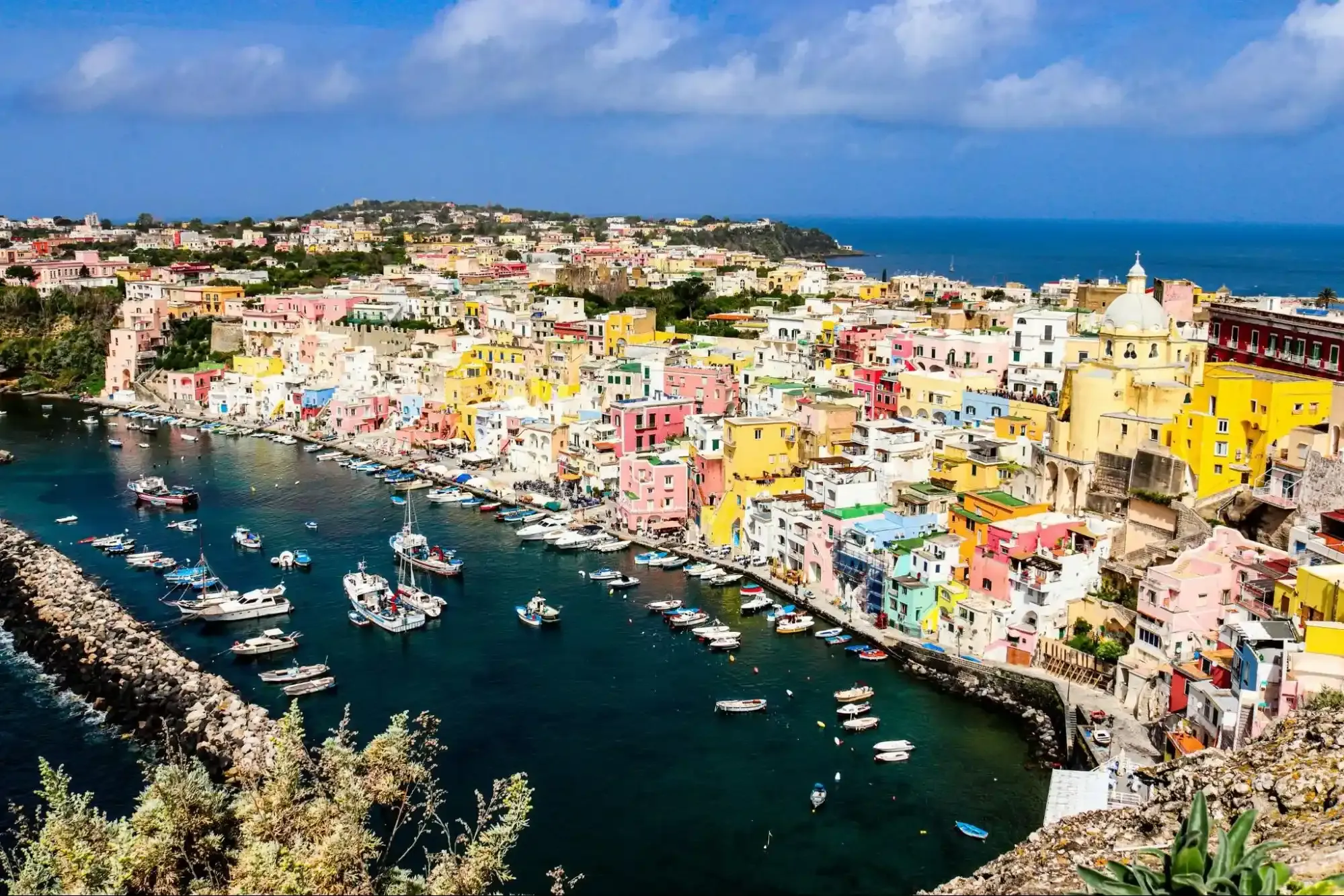
Getting the timing right is key here. The best times to visit are spring and early autumn, when the weather is warm, ferries are frequent, and the islands are still uncrowded.
Season | What To Expect | Best For |
Spring (Apr to Jun) | Mild, blooming, uncrowded | First visits, islands |
Summer (Jul to Aug) | Hot, packed, pricey | Beaches and swimming |
Autumn (Sep to Oct) | Warm sea, calmer | Couples, food, walking |
Winter (Nov to Mar) | Quiet, some closures | City, museums, low season |
- From April to mid-June, the Bay of Naples is warm and lively. This is the best time to visit for an all-around great experience.
- Between mid-September and October, the sea stays warm from the summer, and there are fewer crowds.
- July and August bring the hottest weather and the highest prices. If you plan to visit then, book early or consider coming at a different time.
- From November to March, things are quieter and feel more local, but some island hotels and ferry routes may close for the season.
Tribe Travel Tip: For Capri without the day-tripper crush, go in May or late September and take the early boat across Naples Bay before the big ferries land.
Which Bay Of Naples Island Is Right For You?
This is where many people start to overthink things. Each of the three islands has its own unique character, so pick the one that matches the kind of day you want, not just the one everyone talks about.
Island | Character | Best For |
Capri | Chic, dressed-up, scenic | A couples’ splurge day |
Ischia | Green, spa-focused, easy | Longer, slower stays |
Procida | Small, colourful, honest | Calm days and photos |
- Capri: Capri is all about glamour, the Blue Grotto sea cave, stylish shops, and the lively Piazzetta. It’s an easy day trip, but if you stay overnight, you’ll enjoy a much quieter island once the crowds go home.
- Ischia: Ischia is the largest and greenest of the islands, famous for its thermal spa parks and the free hot springs at Sorgeto, where warm water flows right into the sea.
- Procida: Procida is small, colourful, and charmingly unpolished. It’s a fishing village island where Il Postino was filmed, and it was named Italy’s Capital of Culture in 2022.
Tribe Travel Tip: You can easily visit both Procida and Ischia on the same trip, since many Naples-to-Ischia routes stop at Procida. It’s just a short ride across the Bay of Naples, but you’ll find two very different islands.
The Mainland: Naples, Pompeii And Vesuvius

The Bay of Naples is more than just its islands. The coastline behind them, still part of the region, is home to some of Italy’s most famous sights, all located close to each other.
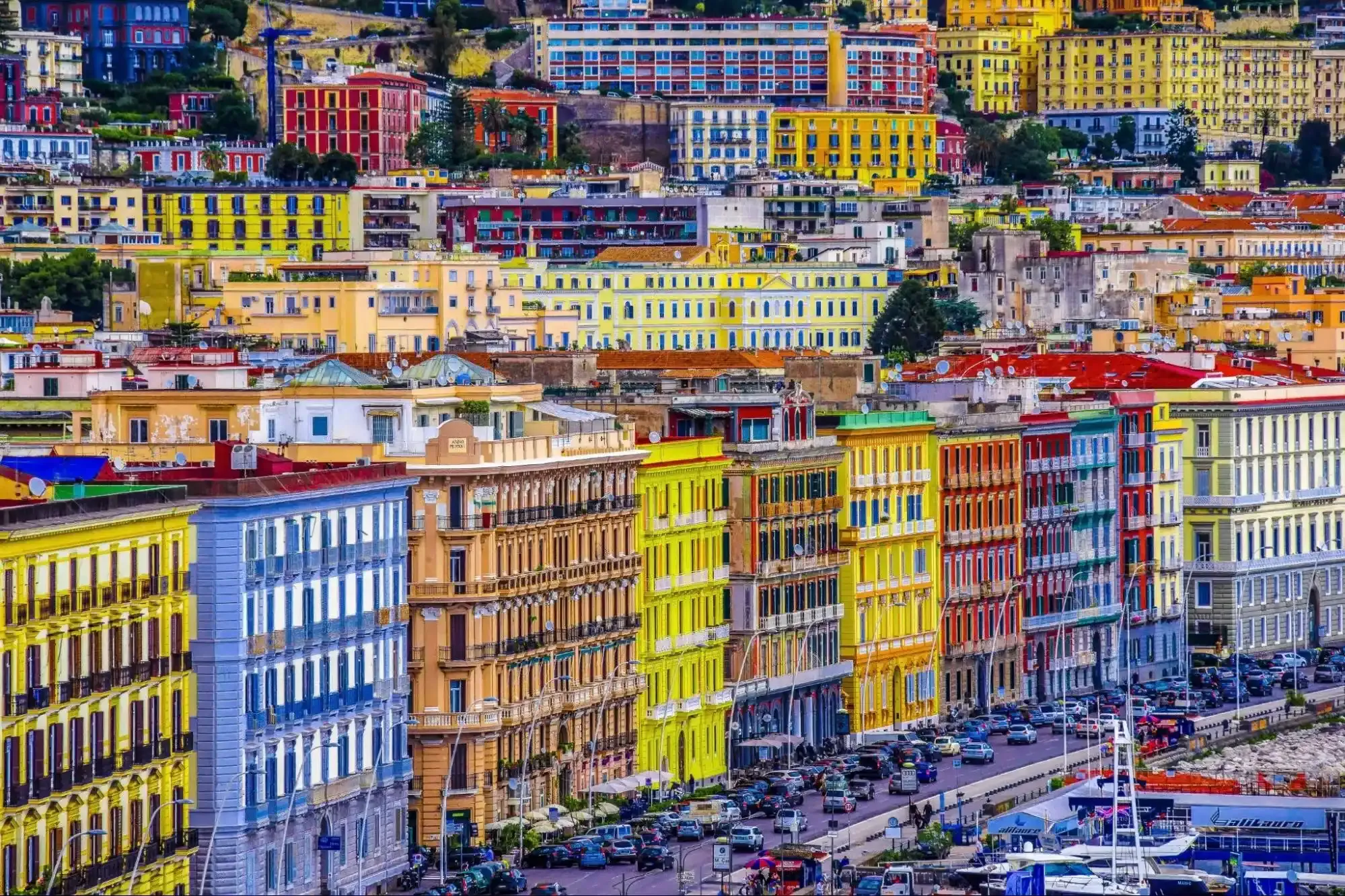
- Naples city: Naples is raw, lively, and full of energy. Its historic centre is a UNESCO World Heritage site, and you’ll find street food on almost every corner.
- Pompeii: Pompeii is the Roman city preserved by the eruption in AD 79. It’s about a 36-minute ride from Naples on the Circumvesuviana train.
- Herculaneum: Herculaneum is smaller than Pompeii, but it’s better preserved and usually much less crowded.
- Mount Vesuvius: This is the volcano responsible for it all. Today, it’s a national park where you can hike up to the crater rim.
- Sorrento: Sorrento is a clifftop town that’s a convenient base for exploring both the islands and the Amalfi Coast.
Vesuvius last erupted in 1944. It’s the only volcano on mainland Europe to erupt in the past hundred years, which feels especially real when you’re standing on the rim looking down.
Tribe Travel Tip: Pompeii limits entry to 20,000 visitors a day and often sells out during peak season. Book your tickets in advance and try to arrive early, before the midday heat and tour buses.
What To Eat, And Where The Evenings Go

You are guaranteed to eat well here. Naples is where the pizza Margherita was created in 1889 for Queen Margherita, using tomato, mozzarella, and basil to represent the colours of the Italian flag.
- Try a classic Margherita or marinara pizza at a traditional place like Da Michele, which has been serving since 1870.
- For something sweet, have a sfogliatella, a crisp, shell-shaped pastry filled with ricotta, or a babà, a small cake soaked in rum.
- On the islands, you will find Procida’s large, fragrant lemons in limoncello and in lingua di Procida pastries.
- For street food, grab some fried pizza or arancini; they’re best enjoyed while walking around.
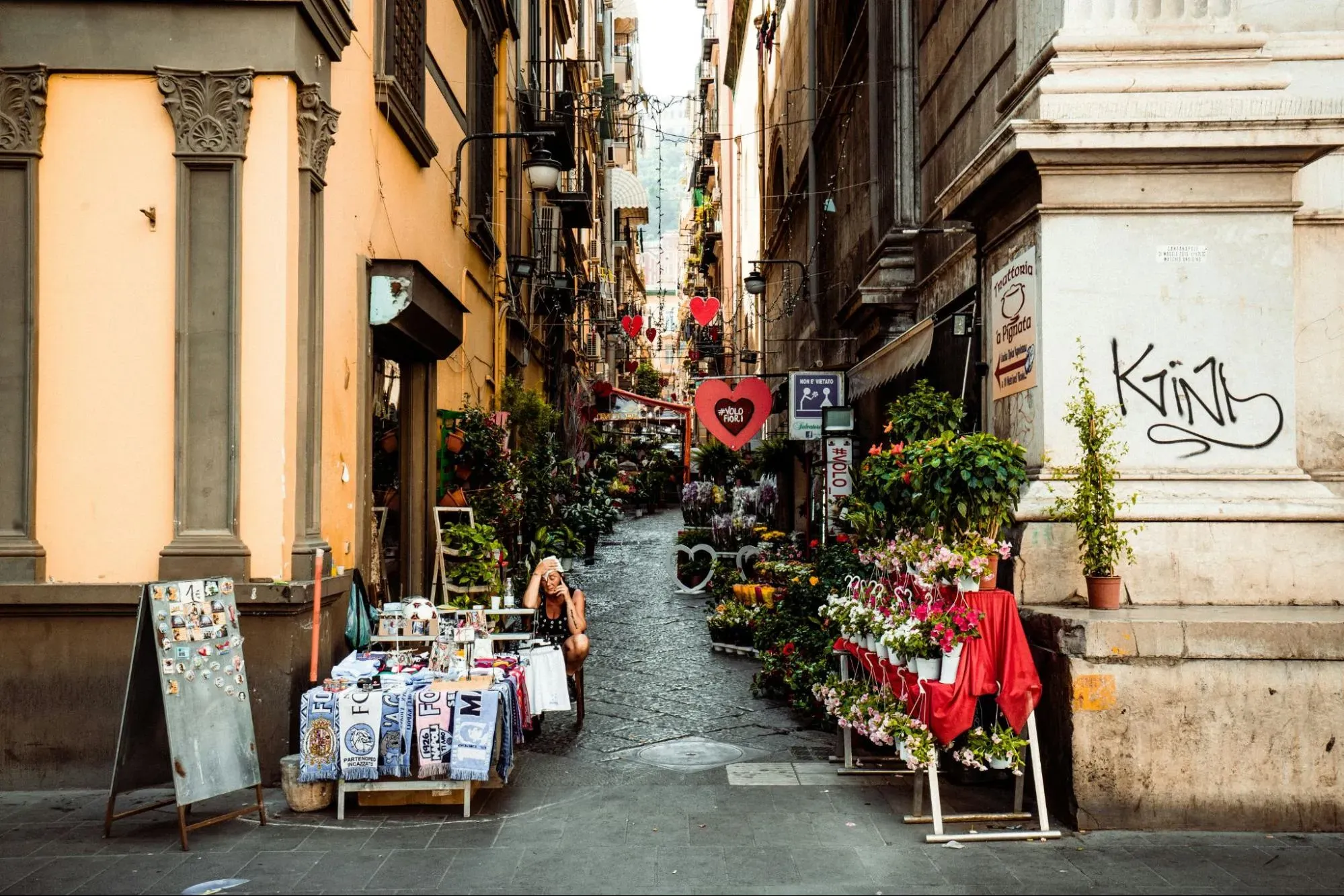
After dark, the Bay of Naples has its own pace. In the city, evenings begin late with aperitivo by the Chiaia seafront, then people head to Piazza Bellini or the Quartieri Spagnoli for drinks. The atmosphere is lively and social, not focused on clubs, and bars often stay open past midnight. On the islands, nights are quieter and usually spent enjoying a long dinner by the harbour.
Getting Around The Bay Of Naples
Getting around once you arrive is part of the adventure, and most people travel by boat or train.
- Ferries and hydrofoils to the islands depart from Naples at Molo Beverello for fast boats and Calata Porta di Massa for car ferries.
- Hydrofoils are the faster option. For example, you can reach Procida in about 35 minutes.
- The Circumvesuviana train connects Naples with Pompeii, Herculaneum, and Sorrento at a low cost.
- Sorrento also has its own ferry connections, so you can visit different islands without having to return to Naples every time.
The short distances are the quiet magic of the Bay of Naples. You can wake in the city, have lunch on an island, and still be back for dinner without rushing a thing.
Your Bay Of Naples, Your Way
No two holidays here are ever the same. One person might dream of Capri sunsets and a relaxing spa day on Ischia, while someone else wants to see Pompeii first thing in the morning and eat pizza every night in Naples. The best part about the Bay of Naples is that both options are perfect. The key is making your holiday fit your schedule, your pace, and your travel companions. That’s where a bit of expert help can make things easier. At Holiday Tribe, you can choose a ready-made Bay of Naples holiday or have one designed just for you, with hotels, island ferries, and sightseeing all taken care of. Let us know how you like to travel, and our advisors and AI travel planner will handle the rest.