

Rome doesn’t pretend to be perfect, and that’s exactly what makes it so charming. The walls are crumbling, paint is peeling, and laundry hangs between buildings painted in burnt orange. Somehow, all this gives the Rome city more character than places that try too hard. People say Rome was not built in a day, and you won’t see it all in one either, so don’t rush. The city is a mix of three thousand years of history, with ancient ruins, huge domes, and narrow streets where cats nap on marble that once belonged to emperors. Rome stands out as the heavyweight among Italy’s classic trio, along with Florence and Venice. Beyond the landmarks, you'll also discover some of the best things to do in Rome. Here are 13 places to visit in Rome that are truly worth your time, along with the food, stories, and local habits that make the city come alive.
Where Do You Start with Ancient Rome?
1. Colosseum
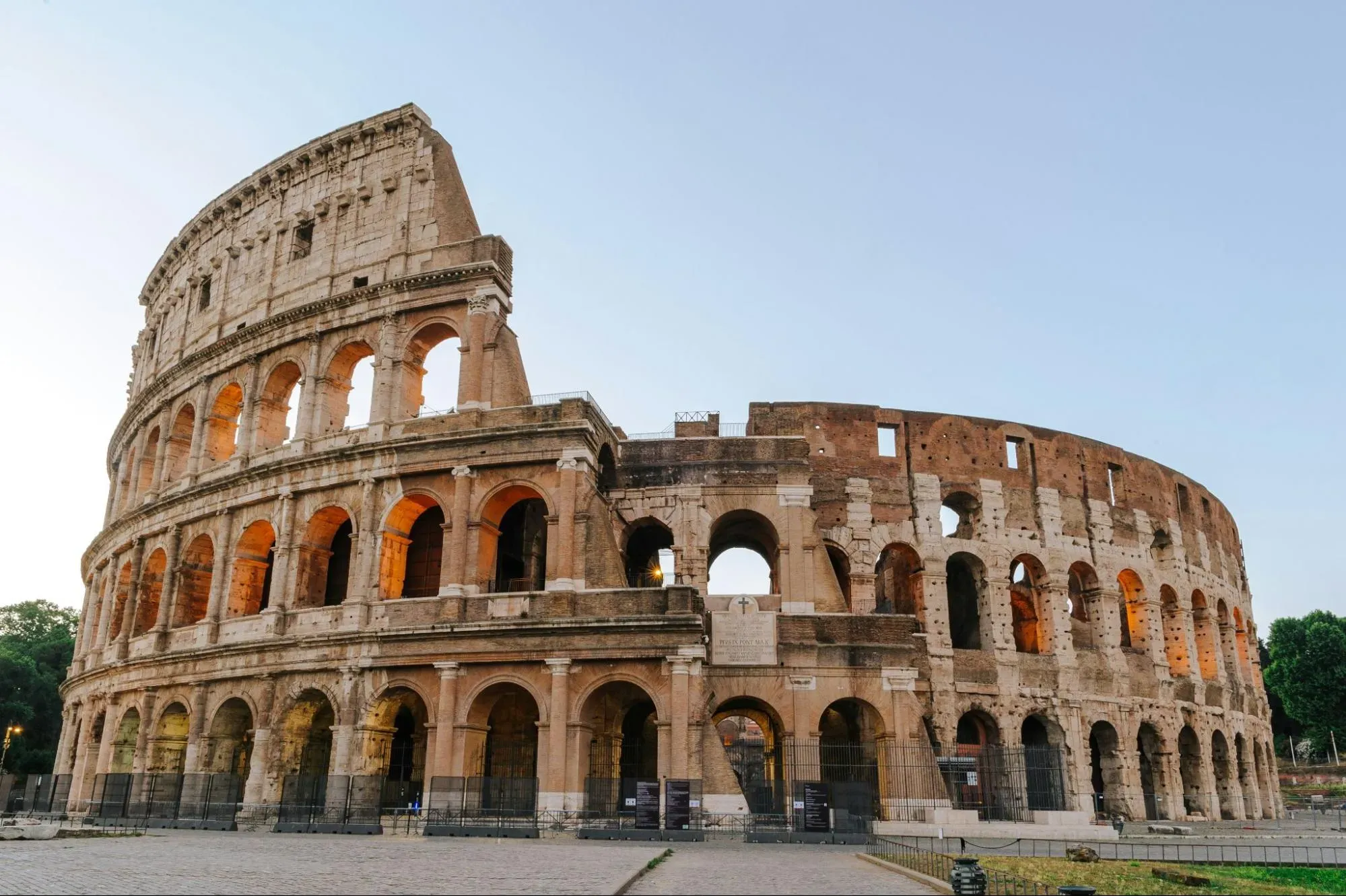
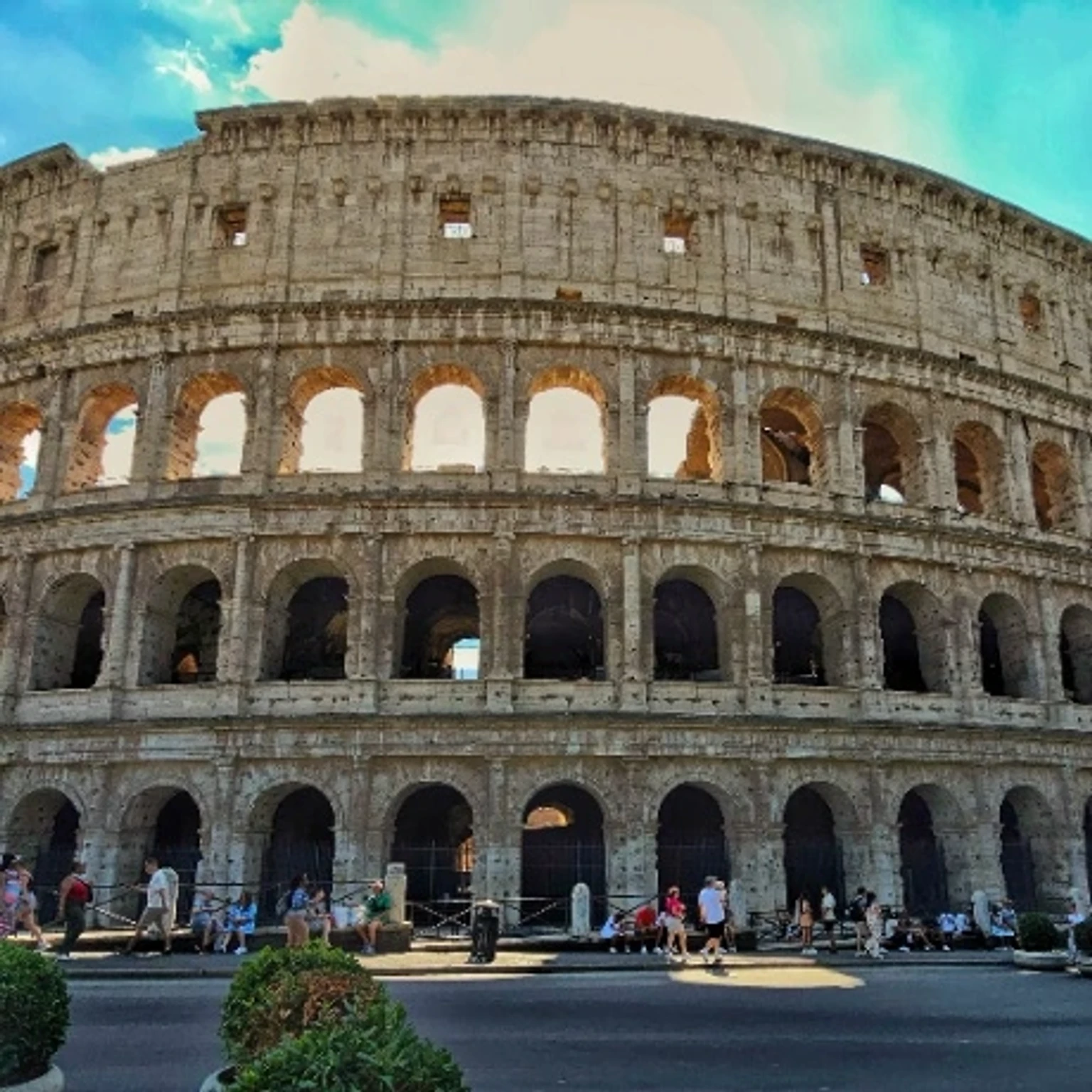
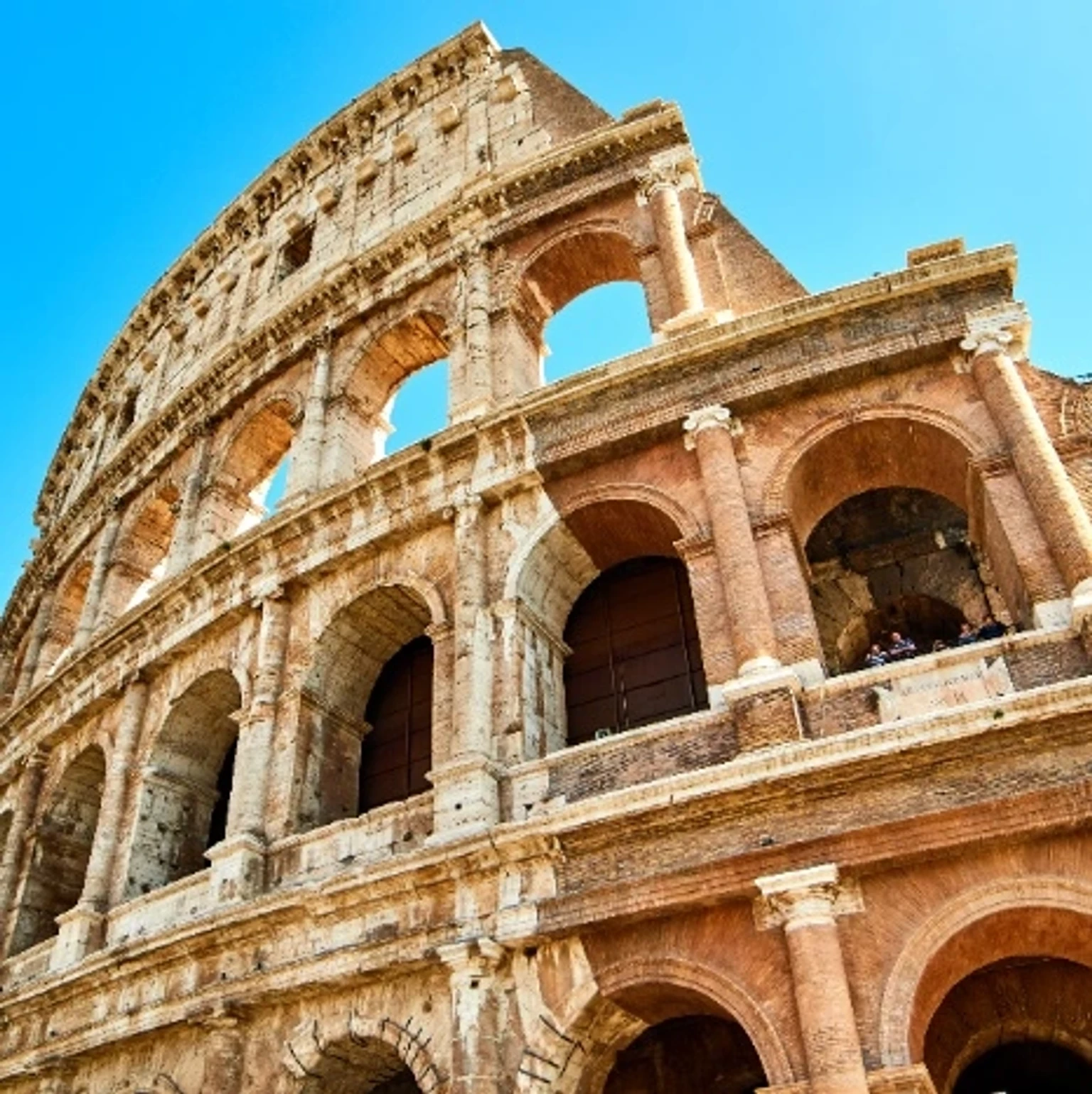
You’ve probably seen the Colosseum in countless photos, but when you finally turn the corner and see it in person, it still takes your breath away. It’s huge and clearly worn, with parts missing because later Romans took the stones to build their own palaces. Imagine over fifty thousand people packed inside, cheering for gladiators, and sometimes watching the arena floor flooded for mock sea battles. As for the name, it isn’t about the building’s size. There used to be a giant statue of Nero next to it, called the Colossus, and that’s how the Colosseum got its nickname.
Tribe Travel Tip: As soon as you know your travel dates, book a timed ticket. That ticket usually also gives you access to the Forum and Palatine.
2. Roman Forum and Palatine Hill
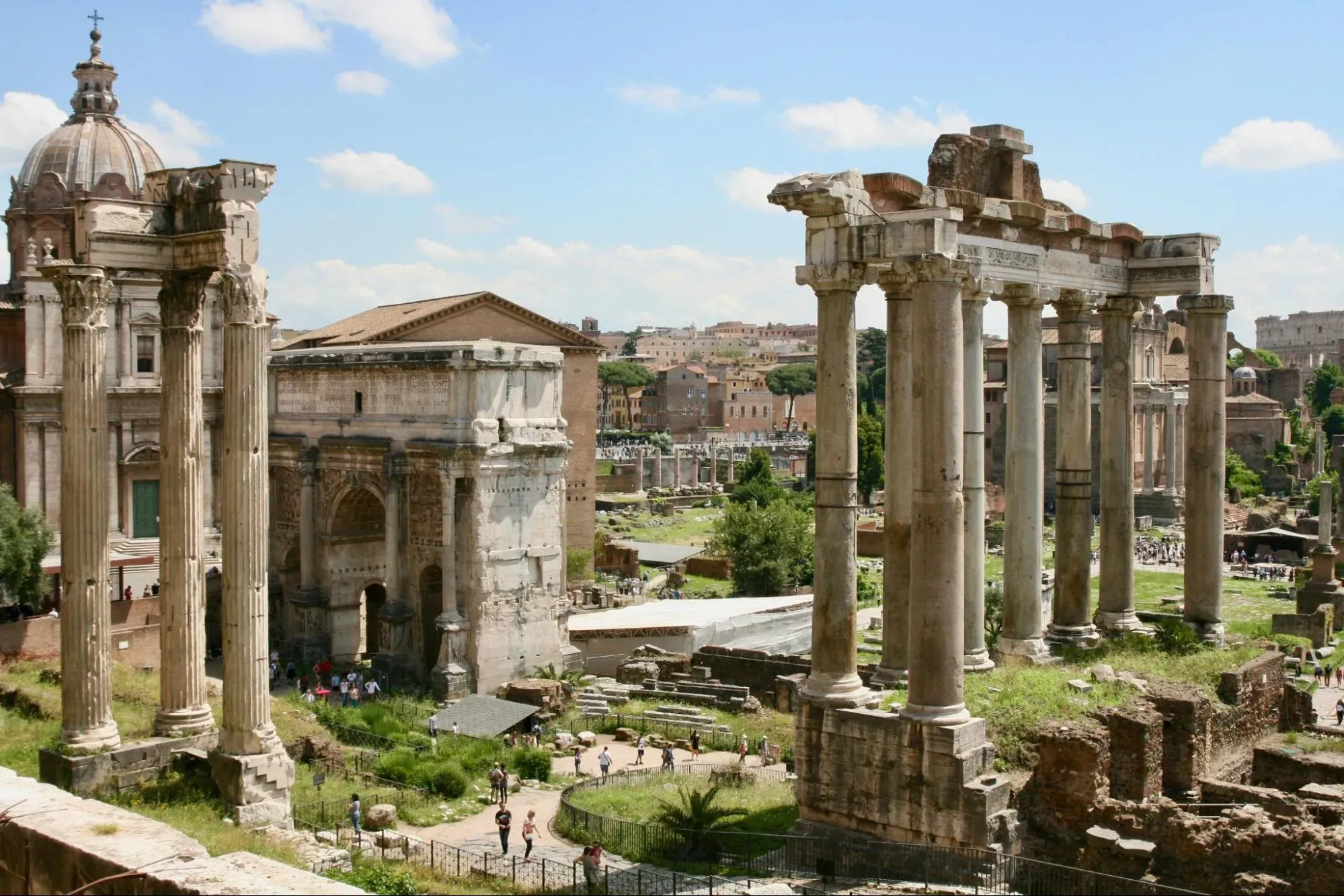
Just next door is where the ancient Rome city truly came alive. The Forum was the centre of everything; temples, courts, markets, you name it. This is where Mark Antony is said to have stood over Caesar's body and stirred the crowd. Now, it's a field of broken columns, but if you pause for a moment, you can almost hear echoes of the past. Afterwards, head up the Palatine, the hill where emperors built their homes. This is actually where the word "palace" comes from.
Tribe Travel Tip: Wear sturdy shoes because the stones are uneven and there is hardly any shade. Try to go in the late afternoon, when everything glows with golden light.
3. Pantheon
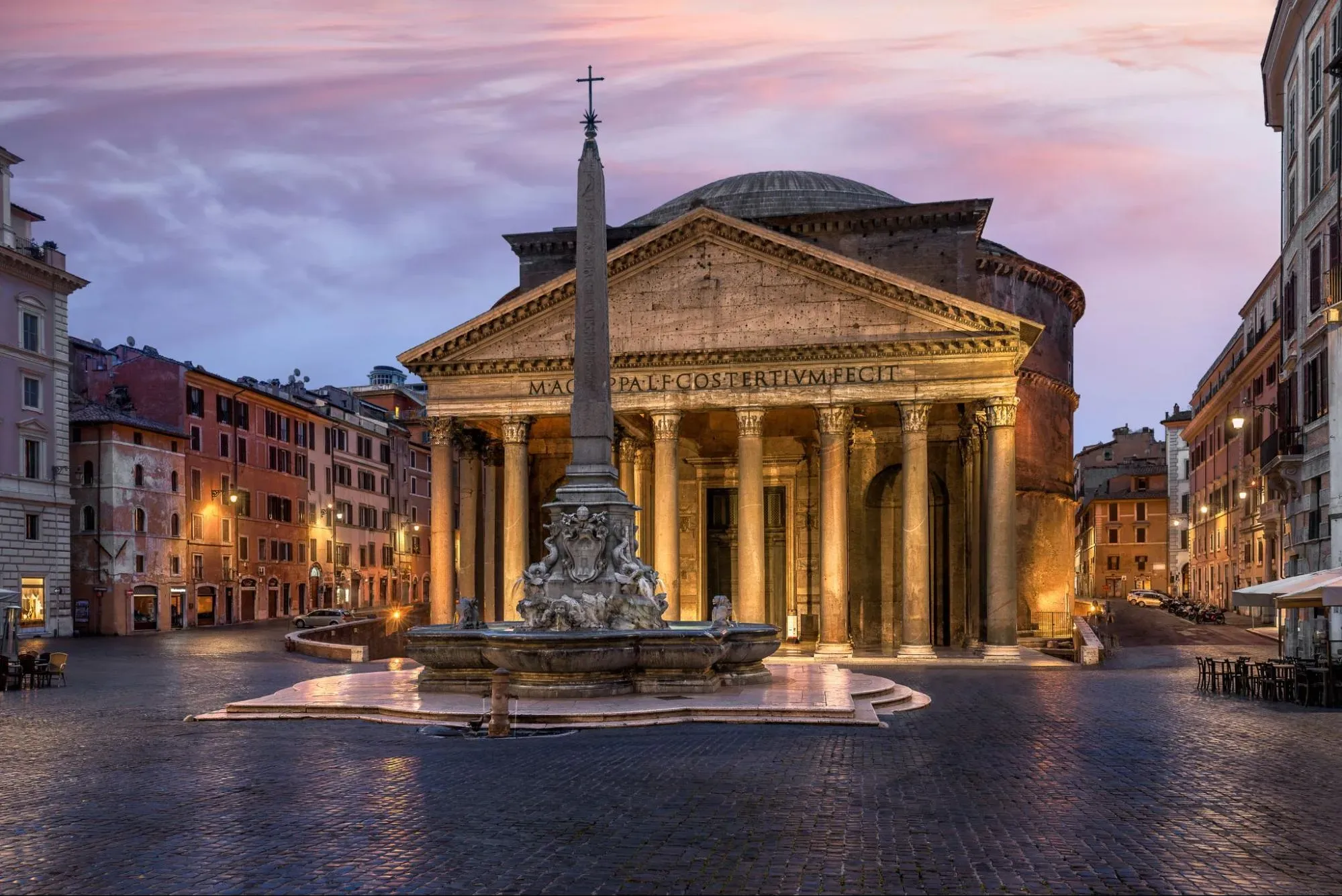
The Pantheon is surprising because it’s almost two thousand years old and still stands almost exactly as it was. It was saved when it was converted into a church in 609, so people didn’t take it apart for building materials. Hadrian rebuilt it around 126 - 128 AD, and its dome is still the largest unreinforced concrete dome in the world. There’s a big round opening at the top called the oculus, which lets in the sky. The dome is a perfect half-sphere, making the building as tall as it is wide.Rain does come in, but there are small drains in the floor to handle it, making this Rome’s tourist attraction unique. Raphael loved the Pantheon so much that he chose to be buried there.
Tribe Travel Tip: There's a small entry fee around €5, and it's free during Mass. The official fee will rise to €7 from 1 July 2026.
Which Fountains, Squares and Steps Define the Centre?
4. Trevi Fountain
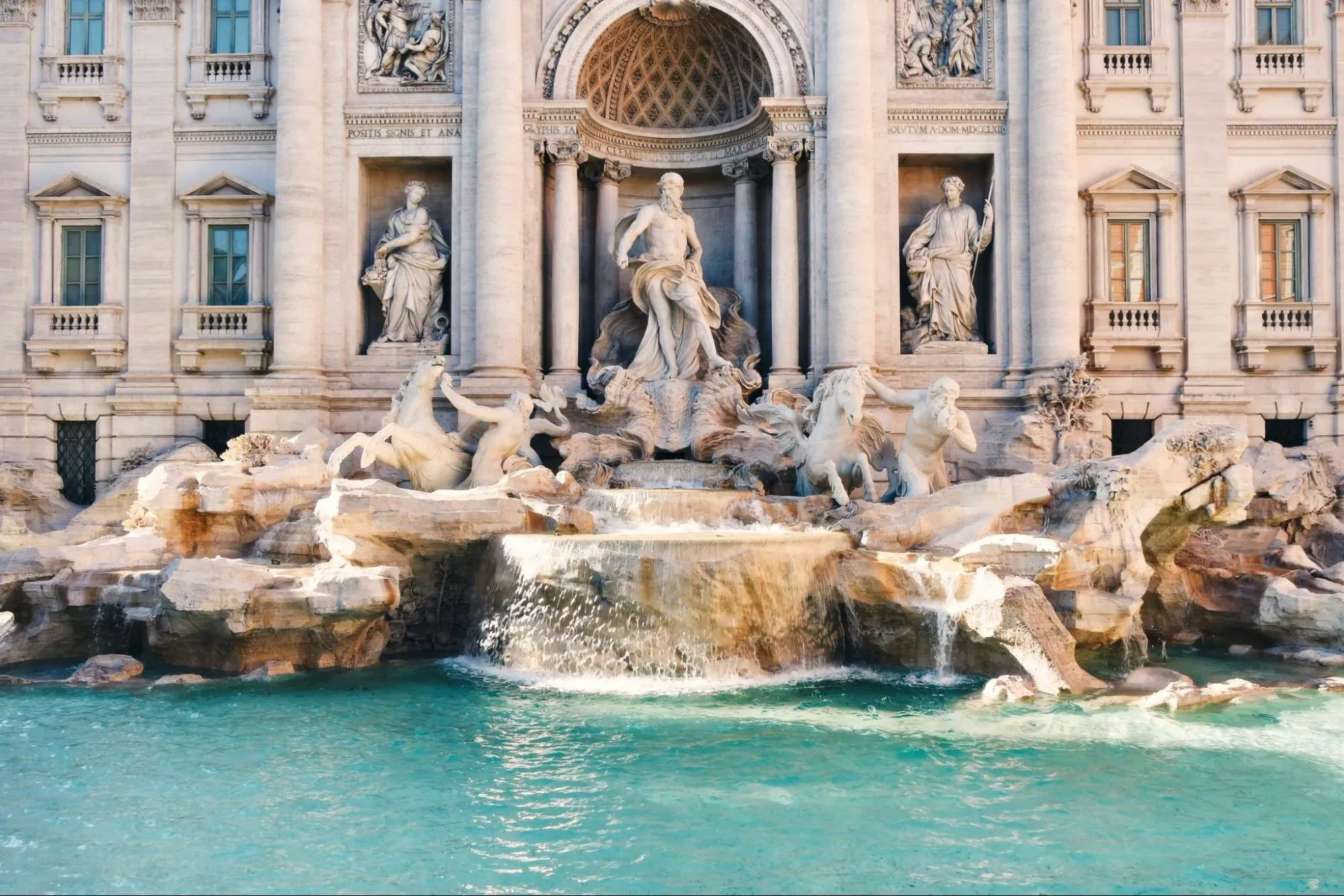
Walk down a narrow street, and you’ll hear the water before you see it. Suddenly, the view opens up, and you’re facing a dramatic wall of sea gods in Baroque style. Then, you will see why it is one of the famous places in Rome. The tradition is simple: toss a coin with your right hand over your left shoulder with your back facing the fountain, and legend says you’ll return to Rome. It was a 1954 film that made this ritual famous worldwide. Every year, about €1.5 million is collected from the fountain and given to charity, so your coin helps someone in need. For the best experience, visit late at night when the lights are on and most of the crowd has gone home.
Tribe Travel Tip: You can get in for free from the square. Since February 2026, the €2 fee only covers access to the front railing by the water.
5. Spanish Steps
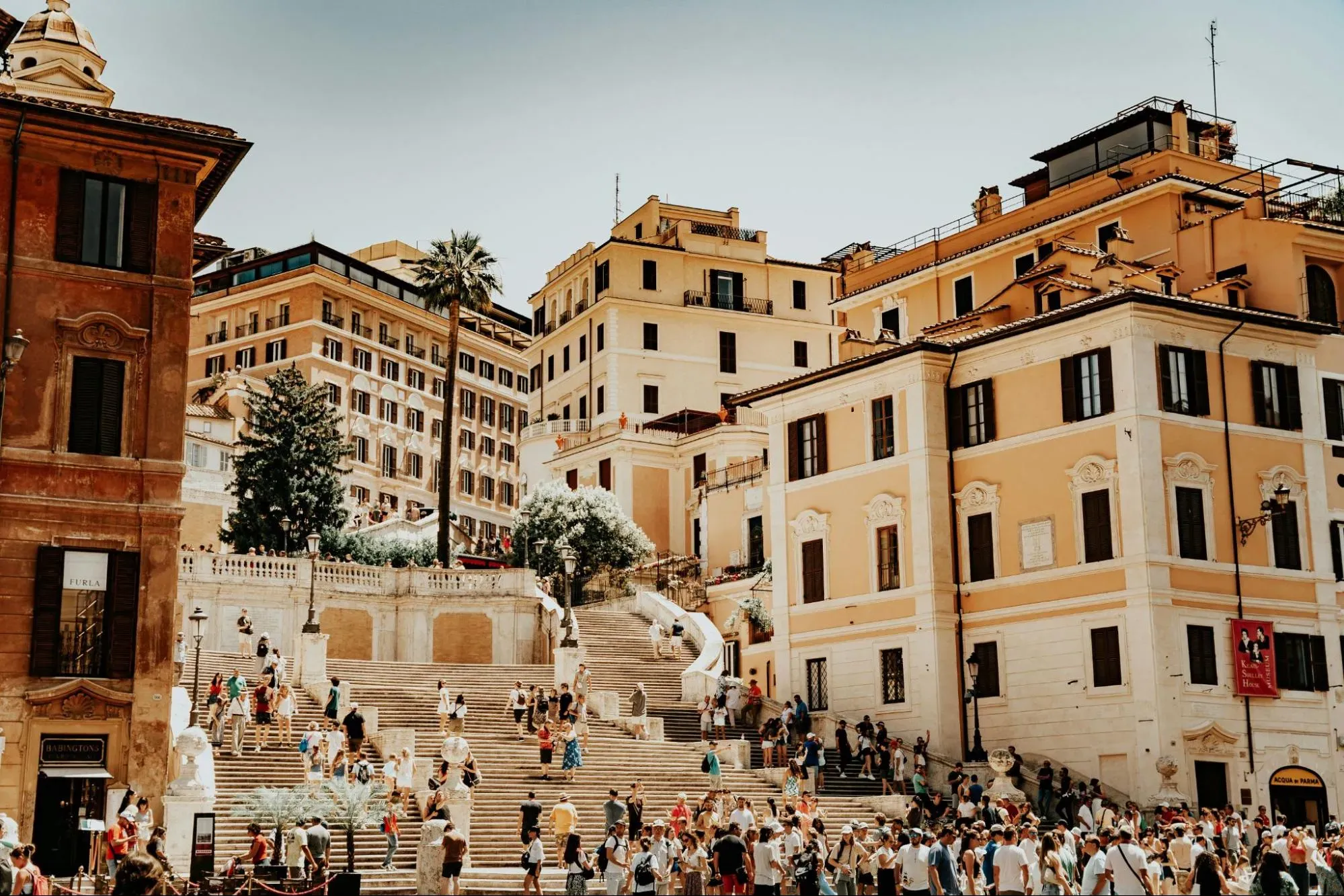
Here’s a quick myth-buster: the Spanish Steps aren’t actually Spanish. They were paid for by the estate of a deceased French diplomat, they lead up to a French church, and got their name from the Spanish Embassy that once stood in the square below. All 135 steps were built in the 1720s, and they’re still the widest and longest staircase in Europe. The poet John Keats lived and died in the little red house at the foot of the steps, which is now a museum dedicated to him. If you visit in spring, you’ll see the whole staircase covered in pink azaleas.
Tribe Travel Tip: Do not sit and eat on them, it's banned and they'll fine you. Just take the view from the top.
6. Piazza Navona
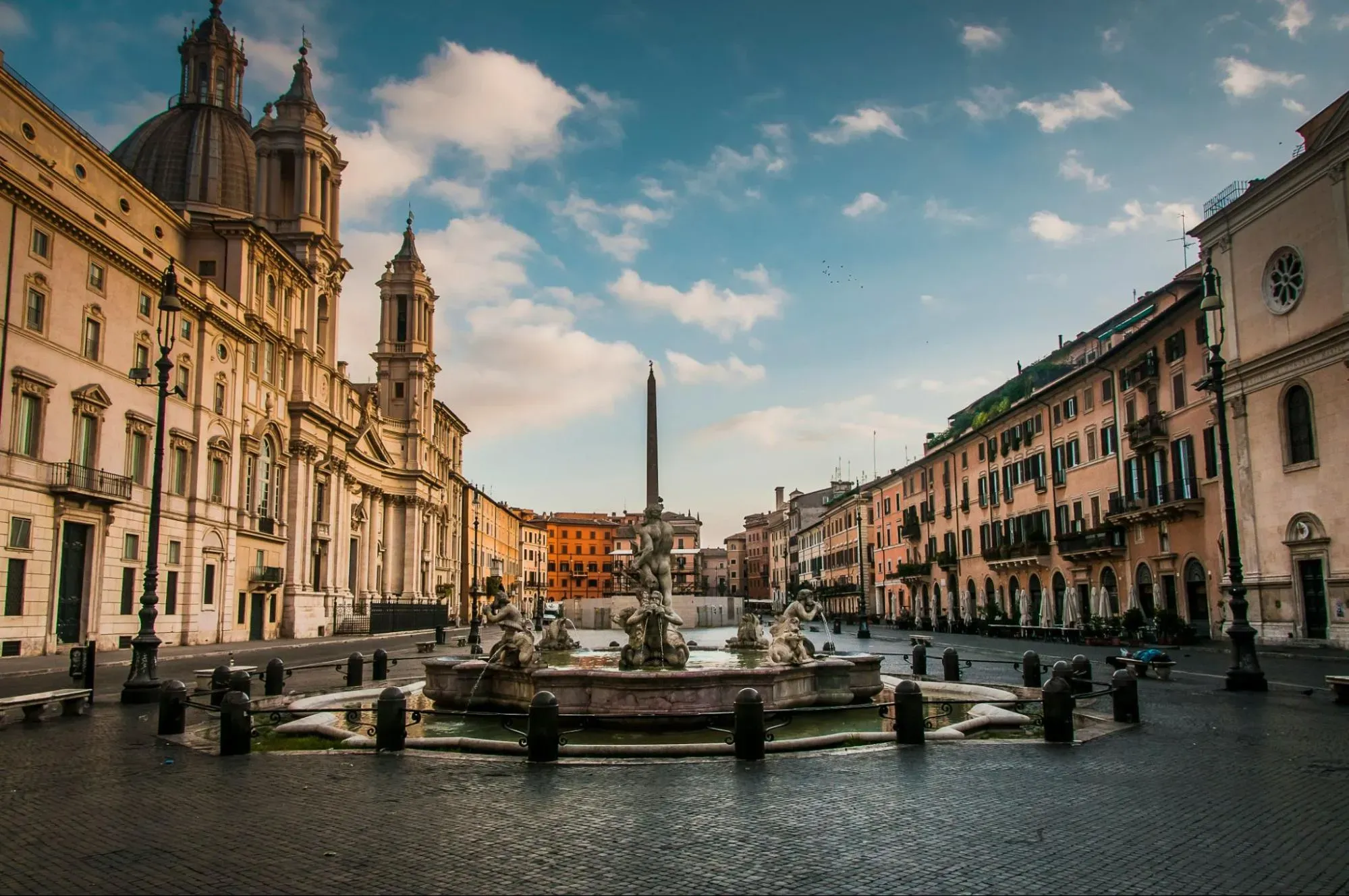
Have you ever wondered why Piazza Navona has such a long oval shape? It was built right on top of an ancient stadium where Romans once watched running races, so the square kept the same outline. In the middle, you'll find Bernini's Fountain of the Four Rivers, with four large stone figures representing the Nile, the Ganges, the Danube, and the Río de la Plata. Locals like to say the Nile is covering its eyes because it can't bear to look at the church across the square, which was built by Bernini's rival, Borromini. It's a great story, even if the dates don't quite match up, but it's still worth sharing. Find a seat, enjoy the people-watching, and don't worry if the coffee is a bit pricey.
Campo de' Fiori is just around the corner. During the day, it’s a lively flower and vegetable market, and at night, it turns into a popular spot for drinks.
Tribe Travel Tip: Visit early in the morning or after sunset to enjoy the square without the daytime crowds.
What Should You See on the Vatican Side?
7. St Peter's Basilica
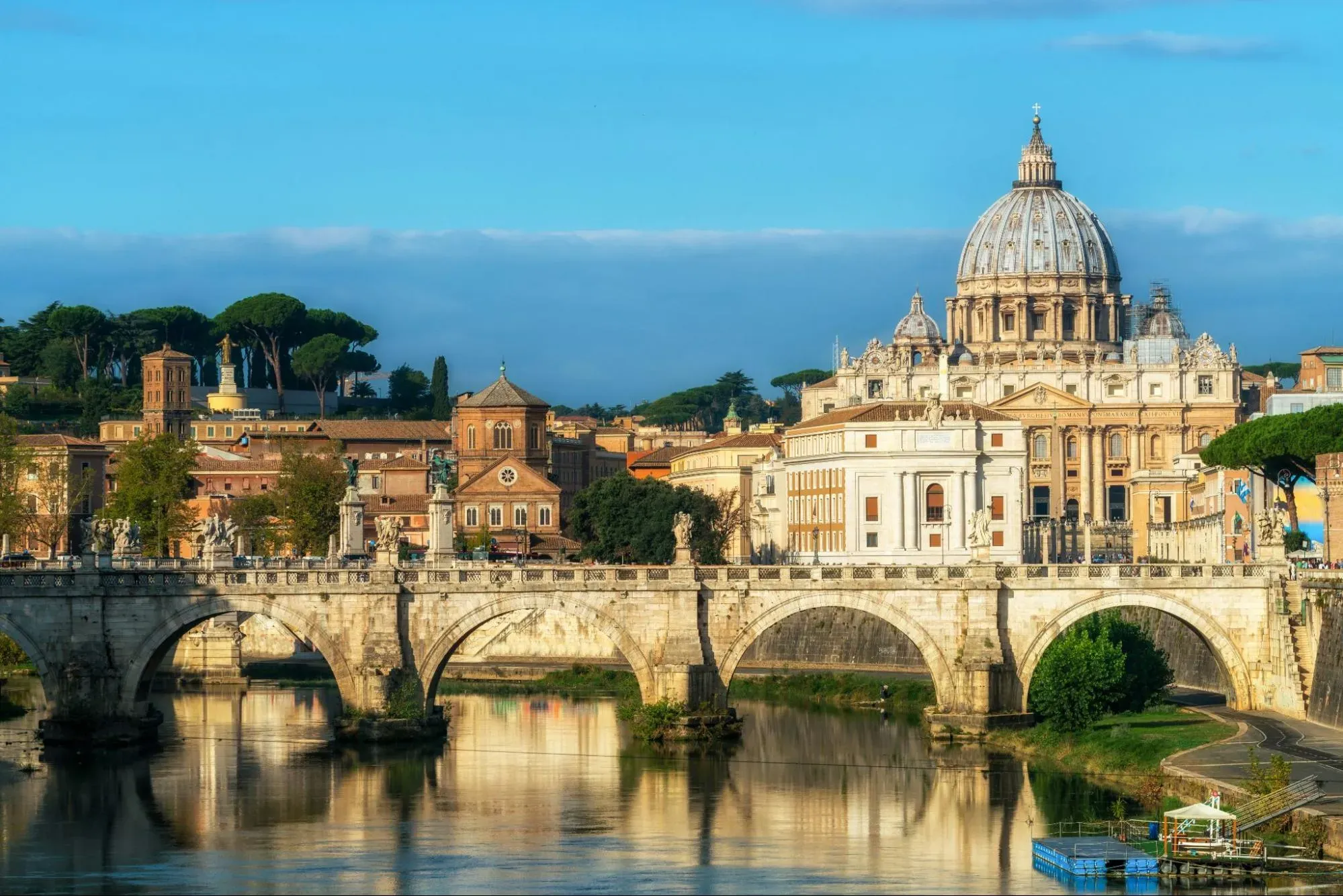
This is the largest church in the world, and it stands in the smallest country, since the Vatican is its own tiny state, complete with its own post office. The Vatican is home to the world's most famous Rome tourist attractions, drawing millions of visitors each year. Building it took more than a hundred years, and Bramante, Michelangelo, and Bernini all contributed to its design. Entry is free, but it's worth paying a little extra to climb Michelangelo's dome; the view over the square is worth the climb. Just inside on the right is the Pietà, which Michelangelo sculpted when he was about 23. It's the only work he ever signed. The huge curved colonnade outside was built by Bernini to feel like two arms welcoming you in.
Tribe Travel Tip: Make sure your shoulders and knees are covered at all times, and arrive early to avoid long lines at security.
8. Vatican Museums and the Sistine Chapel
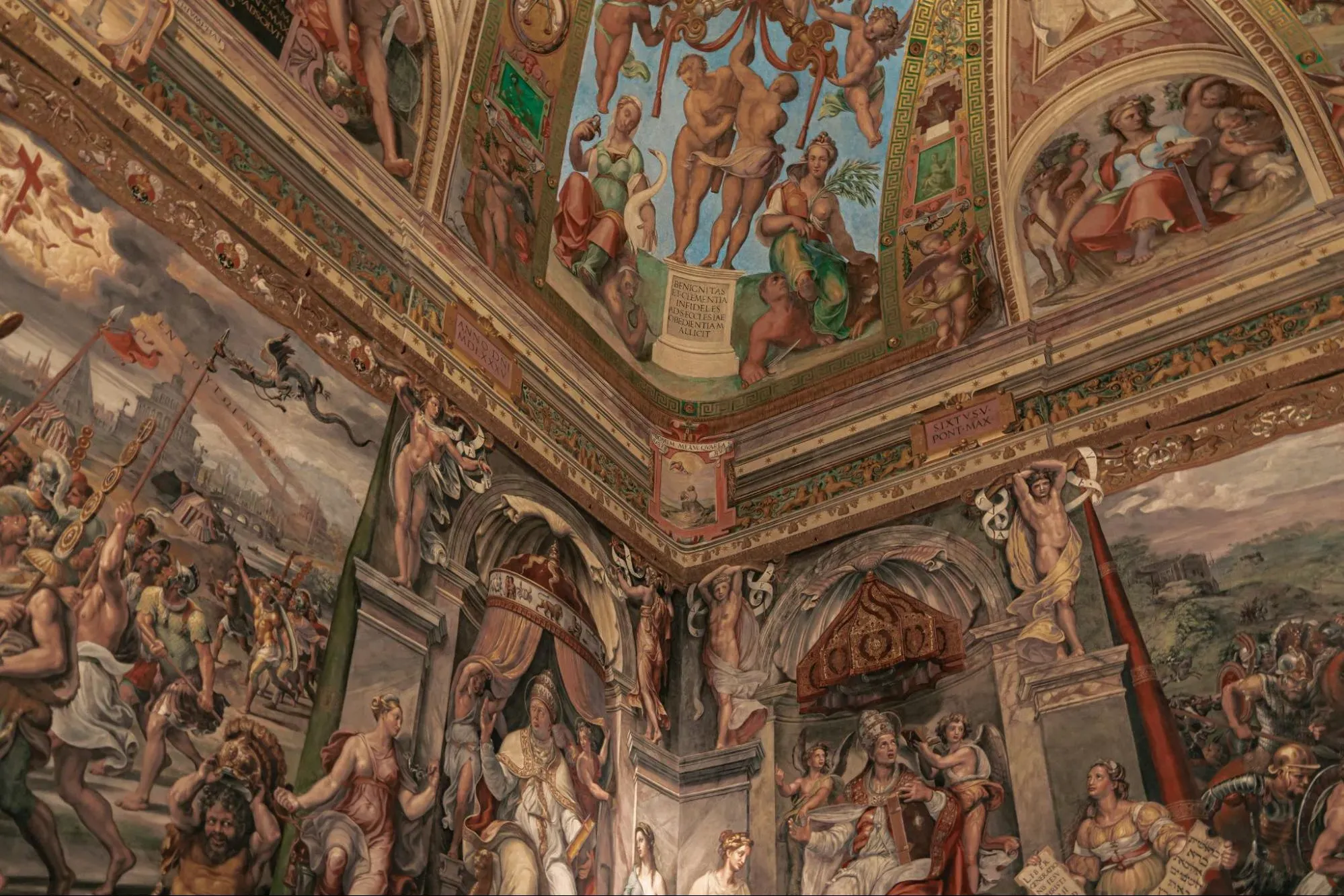
Before you head in, here’s a heads-up: the Vatican Museums stretch on for kilometres, and if you try to see everything, you’ll be exhausted by the time you reach what you really came for. That’s the Sistine Chapel, with Michelangelo’s famous ceiling, and it’s worth every sore neck. He spent four years painting it while standing on scaffolding, bent backwards, and often complained about the work in his letters. The swirling Last Judgment on the end wall was added years later. This is also the room where the cardinals are locked in when they choose a new pope.
Tribe Travel Tip: Book your tickets in advance and try to visit early in the morning or later in the day. Once inside the chapel, remember that photos are not allowed and everyone is expected to speak quietly. The guards strictly enforce these rules.
9. Castel Sant'Angelo
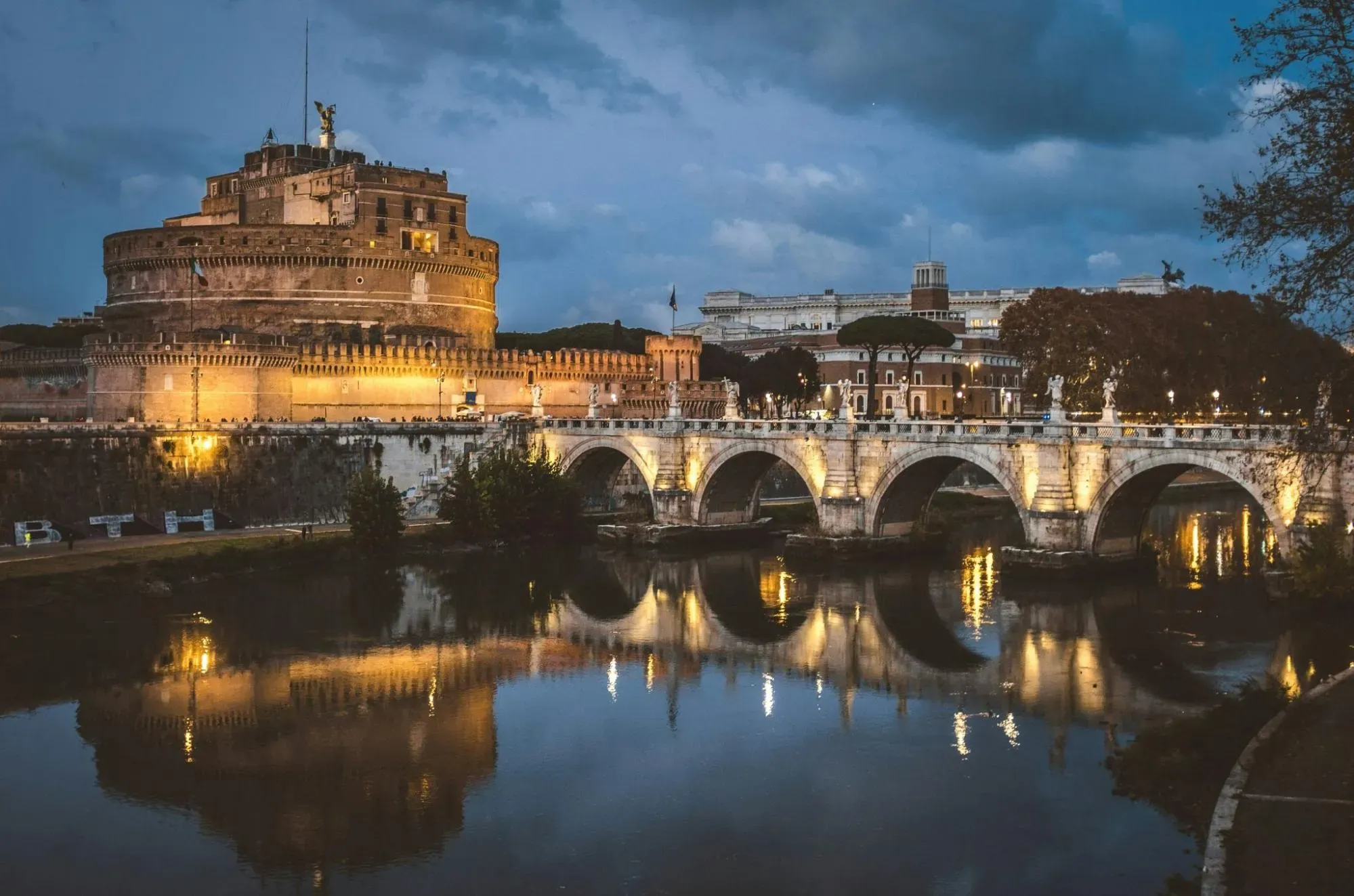
This big round building by the river was first built as Emperor Hadrian's tomb, but over the years it served as a fortress, a prison, and even a papal hideout. Its name comes from a story about an angel who appeared on the roof in 590 to end a plague, and there's a statue there to mark the spot. One of the coolest features is a secret raised walkway, the Passetto, which leads straight to the Vatican. In 1527, a pope used it to escape when soldiers attacked Rome city. Opera lovers might recognise it as the place where Tosca jumps to her death at the end of Puccini's opera. Be sure to visit the roof terrace for one of the best views in Rome.
Tribe Travel Tip: The bridge with angel statues out front looks best if you take a photo at dusk.
Which Hidden Gems Make Rome Feel Local?
10. Trastevere
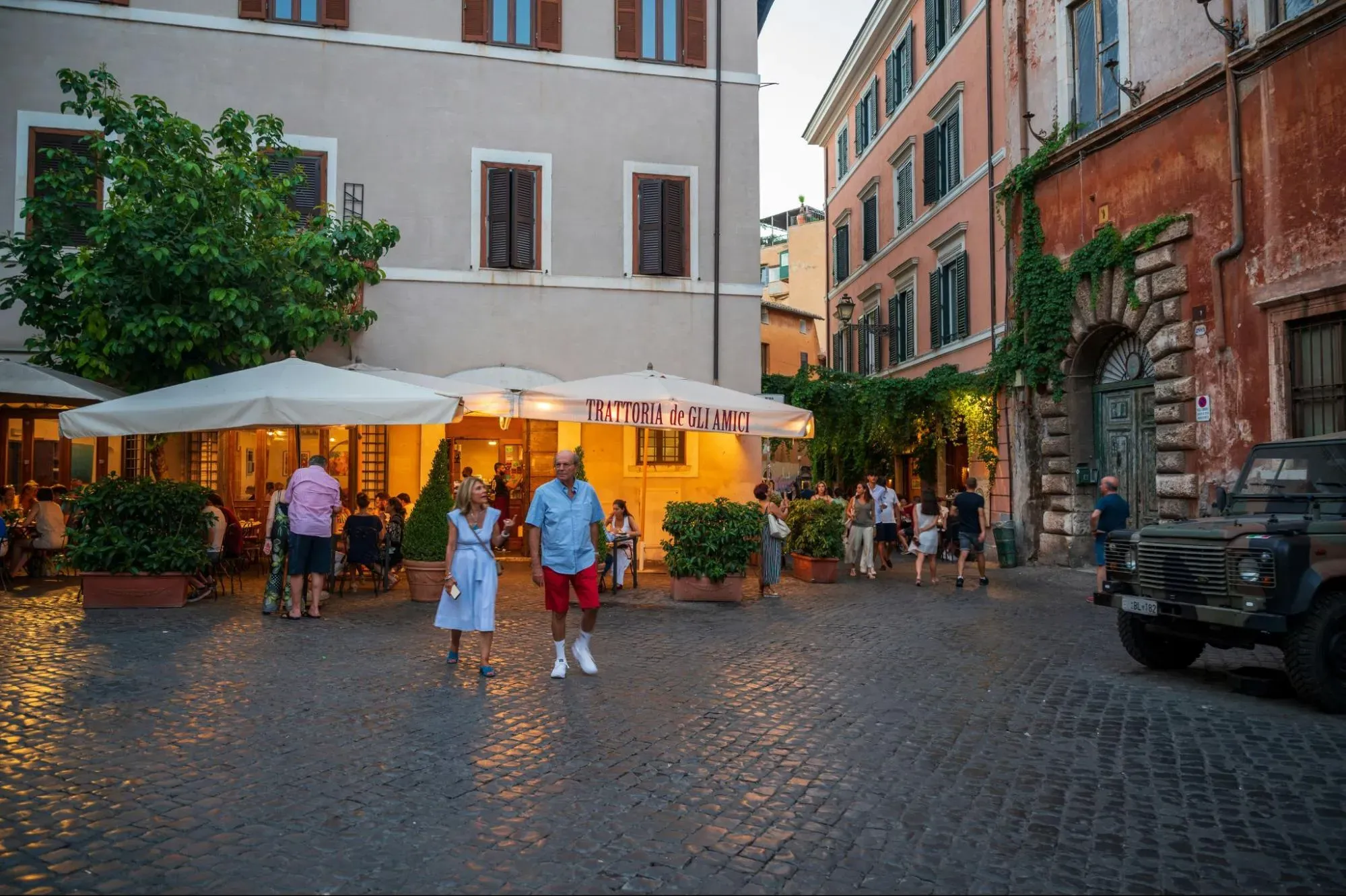
Head across the river to Trastevere, which means "beyond the Tiber." This is the place to be when the sun goes down. The neighbourhood is full of cobblestone streets, ivy, laundry hanging above, and small family-run spots tucked into narrow lanes where cars can’t fit. Trastevere was once the working-class part of Rome, and it still has that relaxed, lived-in vibe, even with the new wine bars. Step inside Santa Maria in Trastevere, one of the city’s oldest churches, and see its golden mosaics shine at night. Here, you can enjoy classic Roman dishes like carbonara, cacio e pepe, and amatriciana, maybe with a fried supplì as you stroll and this is one of the most fun things to do in Rome.
Tribe Travel Tip: Take a walk through Trastevere in the evening, when the cobblestone streets are full of life from local restaurants and bars.
11. Largo di Torre Argentina
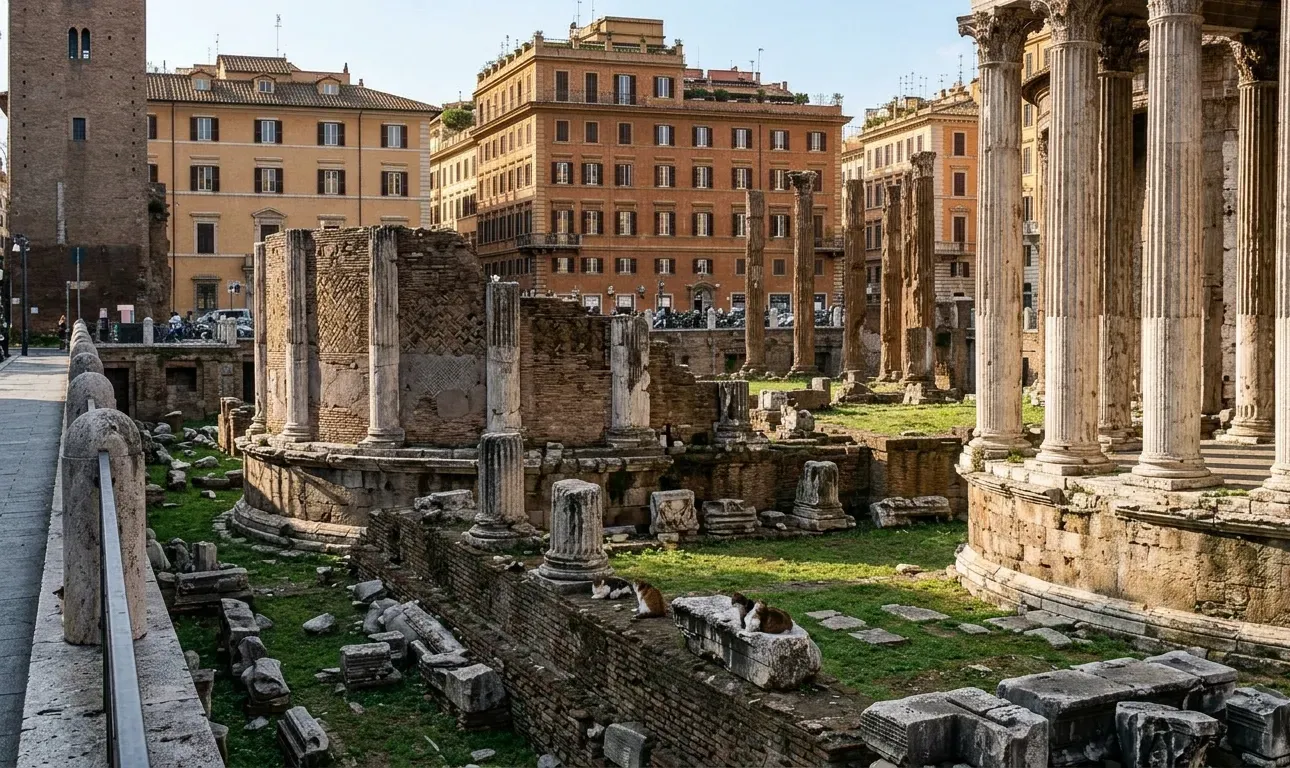
You might walk right past this place without realising what it is. It’s a sunken square filled with ancient temples, and it’s where Julius Caesar was stabbed on the Ides of March in 44 BC. For a long time, visitors could only look down at the ruins from behind railings. But there’s another reason to stop here: the cats. Italian law protects Rome’s street cats, so a whole colony lives among these ruins, napping on steps that are two thousand years old. Volunteers care for them in a small sanctuary tucked in the corner. There’s good news, too. In 2023, walkways were added with funding from the jeweller Bulgari, so now you can add this to the list of places to visit in Rome and stroll among the ruins yourself.
Tribe Travel Tip: Take a camera with a zoom lens or a pair of binoculars so you can see the ancient ruins and the famous cat sanctuary up close.
12. Centrale Montemartini
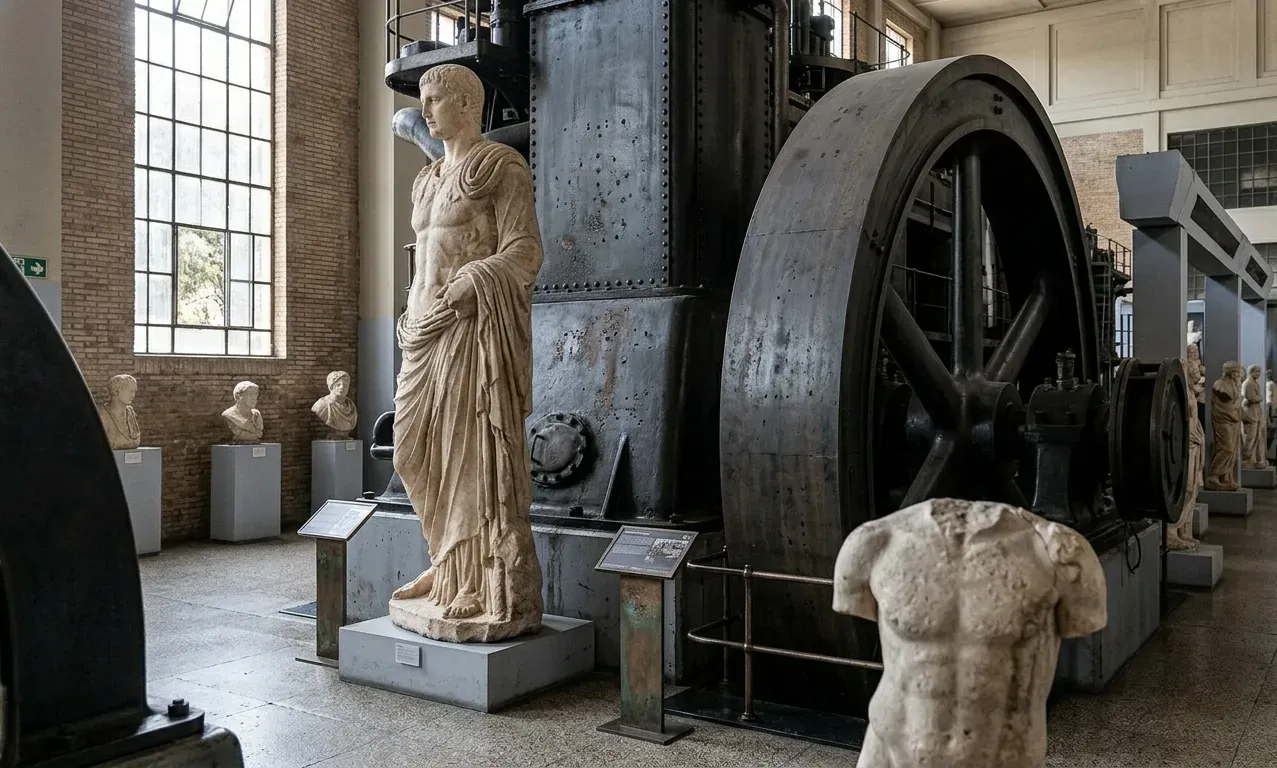
If you’ve already visited the main museums and want something different, this is the hidden gem in Rome. It’s an old power station from 1912 that closed in the sixties. The statues you see there now were put on display temporarily in 1997 during renovation of the main Capitoline museums. You’ll see bright white marble gods standing in front of huge black engines and turbines. It sounds like it shouldn’t work, but it really does. The display was supposed to be temporary in 1997, but they never took it down. The sculptures are excellent too; they’re part of the Capitoline collection, just without the usual crowds.
Tribe Travel Tip: After your visit, enjoy lunch or dinner in the nearby Ostiense neighbourhood. This area is known for its local restaurants and has fewer tourists than central Rome.
13. The Aventine Keyhole
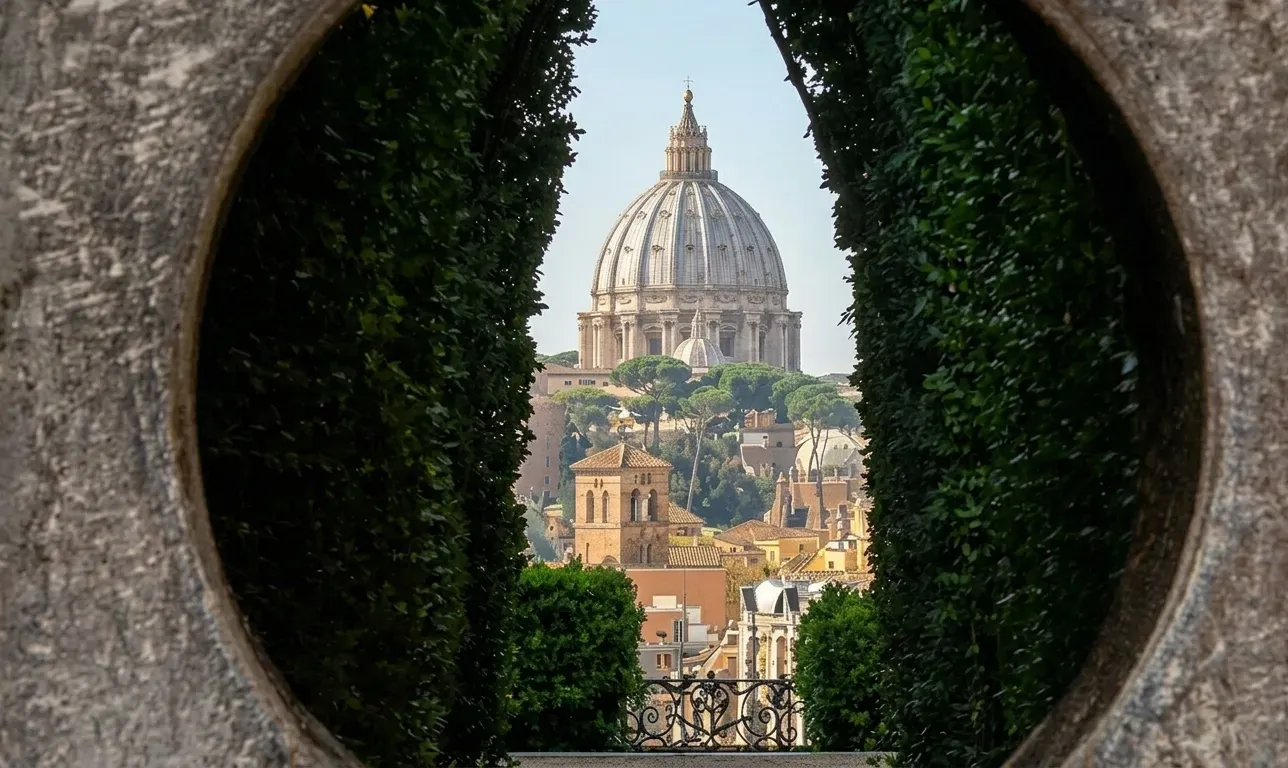
Let’s end with one of Rome’s strangest little moments. On the quiet Aventine Hill, there’s a simple green door owned by the Knights of Malta. If you peek through the keyhole, you’ll see the dome of St Peter’s perfectly framed at the end of a neat hedge tunnel, almost like a painting. This isn’t by accident. The garden was designed in 1765 by an engraver and architect, Giovanni Battista Piranesi, who planned it that way. Locals love that, through this tiny hole, you’re actually looking across three different territories at once. It’s free to visit, though you might have to wait a few minutes for your turn since it is one of the most famous places in Rome.
Tribe Travel Tip: Take some time to walk around the peaceful Aventine Hill. You’ll discover lovely gardens, quiet streets, and great views, all away from the city’s busiest tourist spots.
Tribe Travel Tips
Here are a few quick local tips. You can drink the tap water, look for the small iron fountains called nasoni, which offer cold, clean water for free, so keep refilling your bottle. When you order coffee, stand at the bar like the locals do, since sitting down can double the price. Try not to plan every minute of your day. Rome was not built in a day, and you'll enjoy it most if you leave time to wander and discover unexpected side streets.
Plan Your Rome Holiday
Rome isn’t the kind of place you can just tick off a list. The famous sights are impressive, but what you remember most are the little moments, a fountain glowing at midnight, a plate of cacio e pepe in Trastevere, or a cat lounging on an old doorstep. There are so many places to visit in Rome, which is why people keep coming back. If you want to turn this list into a real holiday, we’re here to help. At Holiday Tribe, we create Italy holidays based on how you like to travel. Our AI planning expert will help with your route, your pace, and where you stay. We’re holiday advisors, so when you’re ready, let’s start planning.