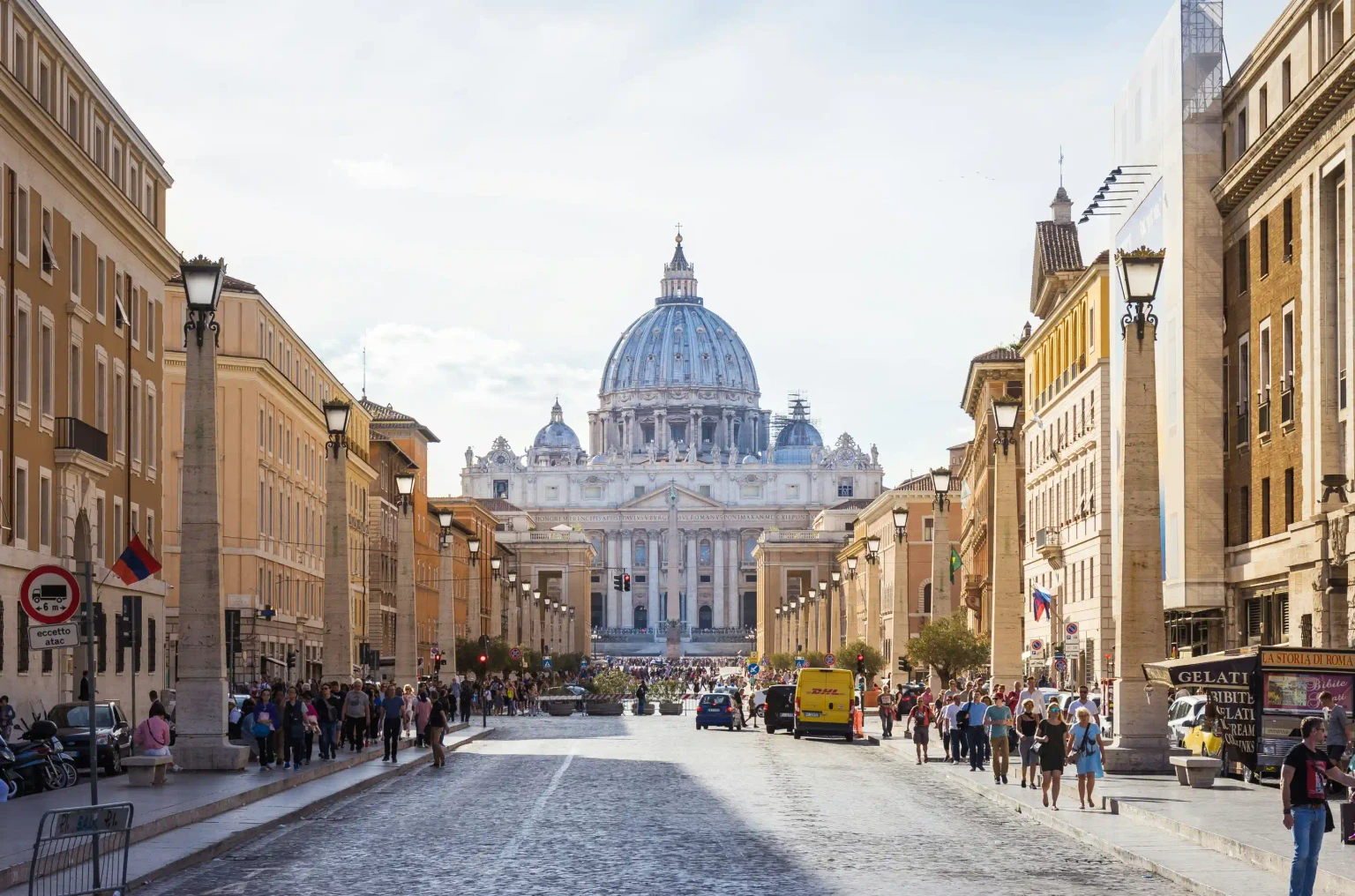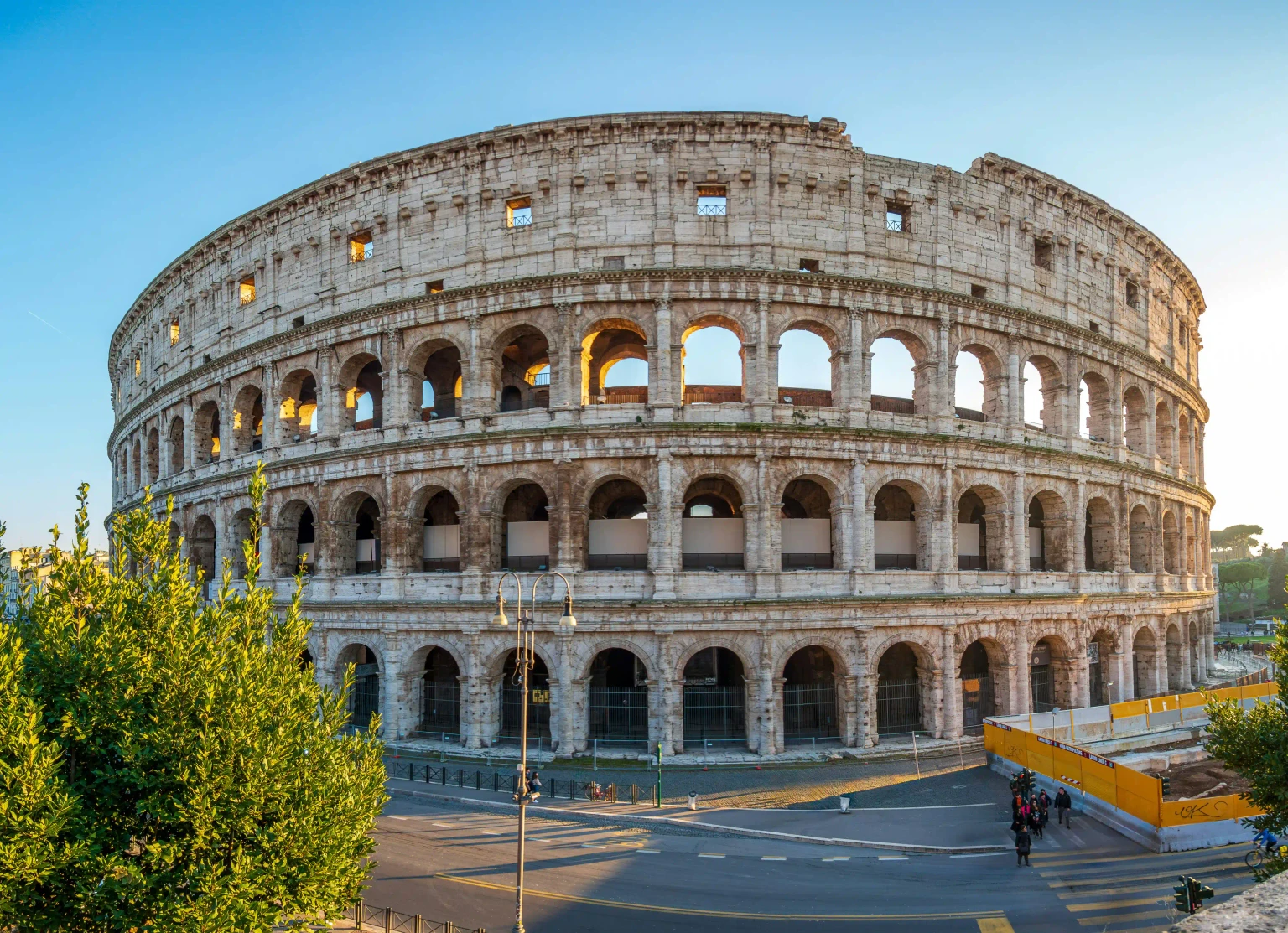


Italy doesn’t have just one climate. Instead, it offers several, all packed into one boot-shaped country. The weather in the Dolomites in January is nothing like a sunny afternoon in Naples at the same time. That’s why timing your holiday is so important. If you plan well, you can enjoy warm evenings, open mountain huts, and peaceful mornings by the canals. If you don’t, you might end up waiting in long lines in 38-degree heat or watching rain slide down a museum window. This month-by-month guide explains Italy weather by season and city, so you’ll know when to visit, what to pack, and which region matches the holiday you want.
What Is Italy's Weather Actually Like?
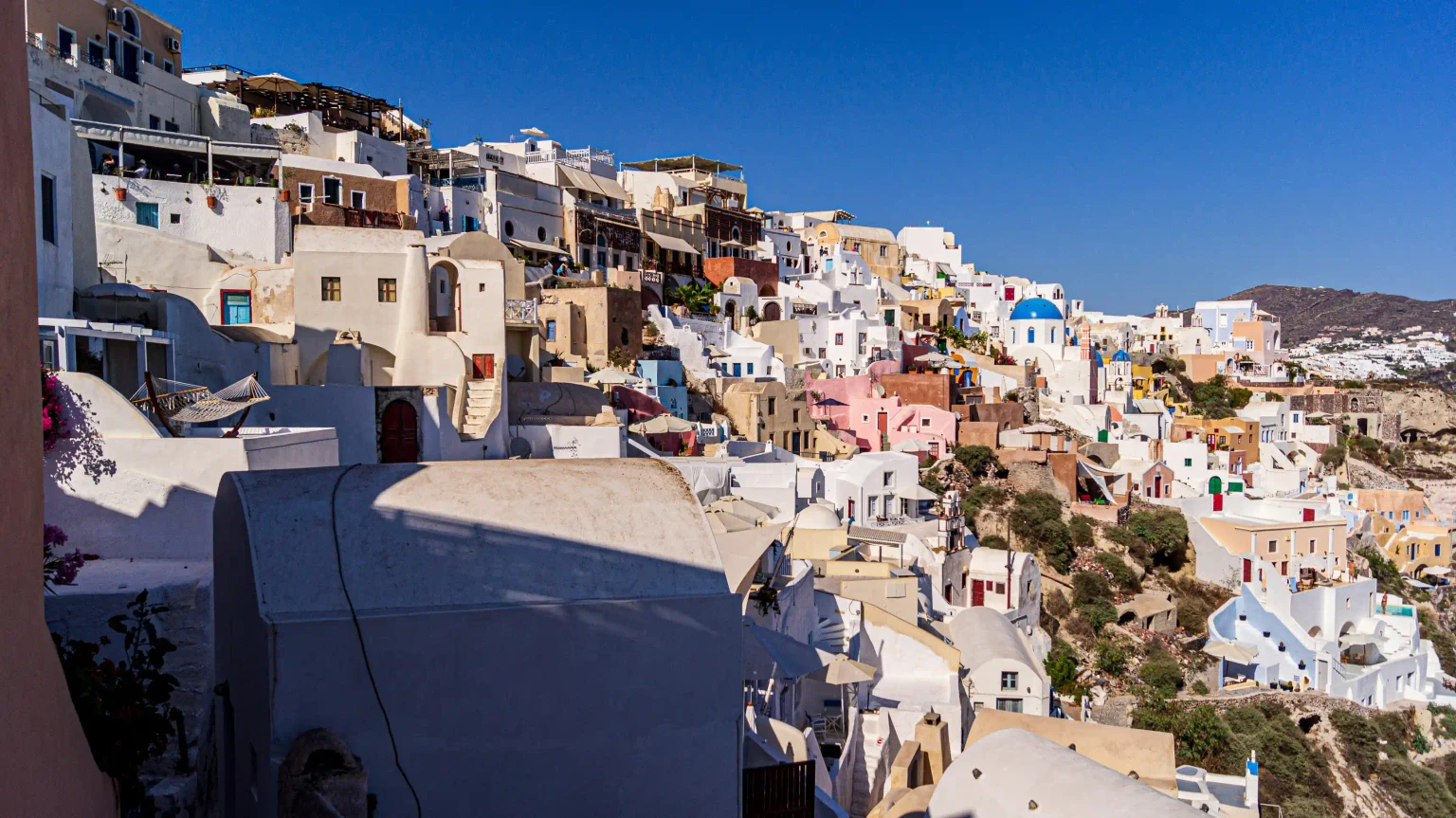
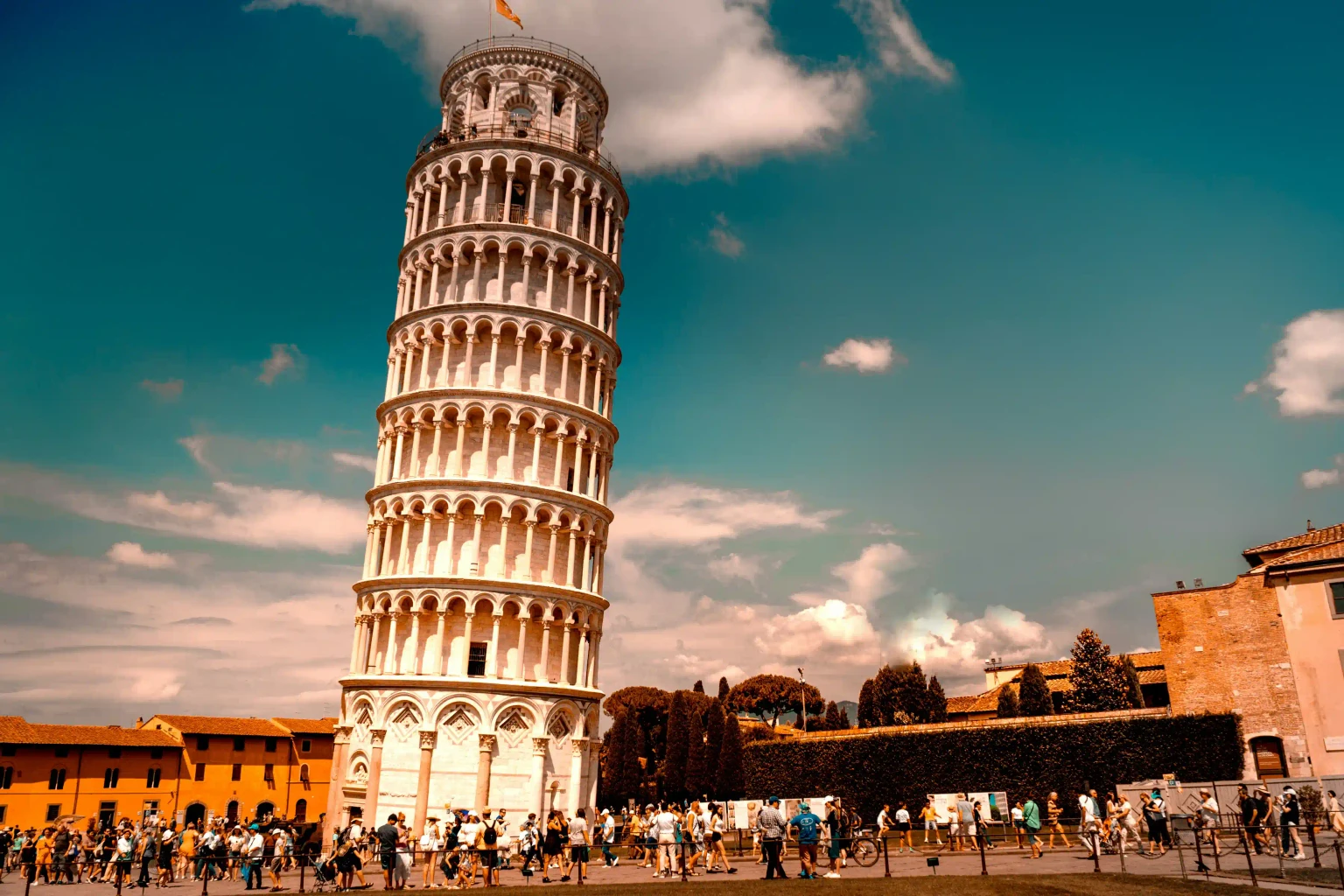
Most of Italy’s weather comes from three main zones. In the north, cities like Milan, Venice, Verona, and the Po Valley have cold, foggy winters and hot, humid summers. The centre, including Rome and Tuscany, has a classic Mediterranean climate with hot summers and mild winters. The south, with places like Naples, Matera, and Sicily, is even warmer and has long, dry summers. Above these regions, the Dolomites have their own alpine weather patterns.
So, when it comes to Italy weather, it really depends on where you are and what time of year it is. For example, on a winter day, Milan might be at minus 2 and snowing, while Rome is at 8 degrees and Palermo reaches 20 degrees.
When Is the Best Time to Visit Italy?
The best times to visit are late April to May and September to early October. During these months, you can expect warm days, cool evenings, fewer crowds, and most places open. Summer is ideal for the coast and mountains, while winter is perfect for skiing, enjoying festive cities, or exploring quiet museums.
What Is the Weather in Italy in Spring (March, April, May)?
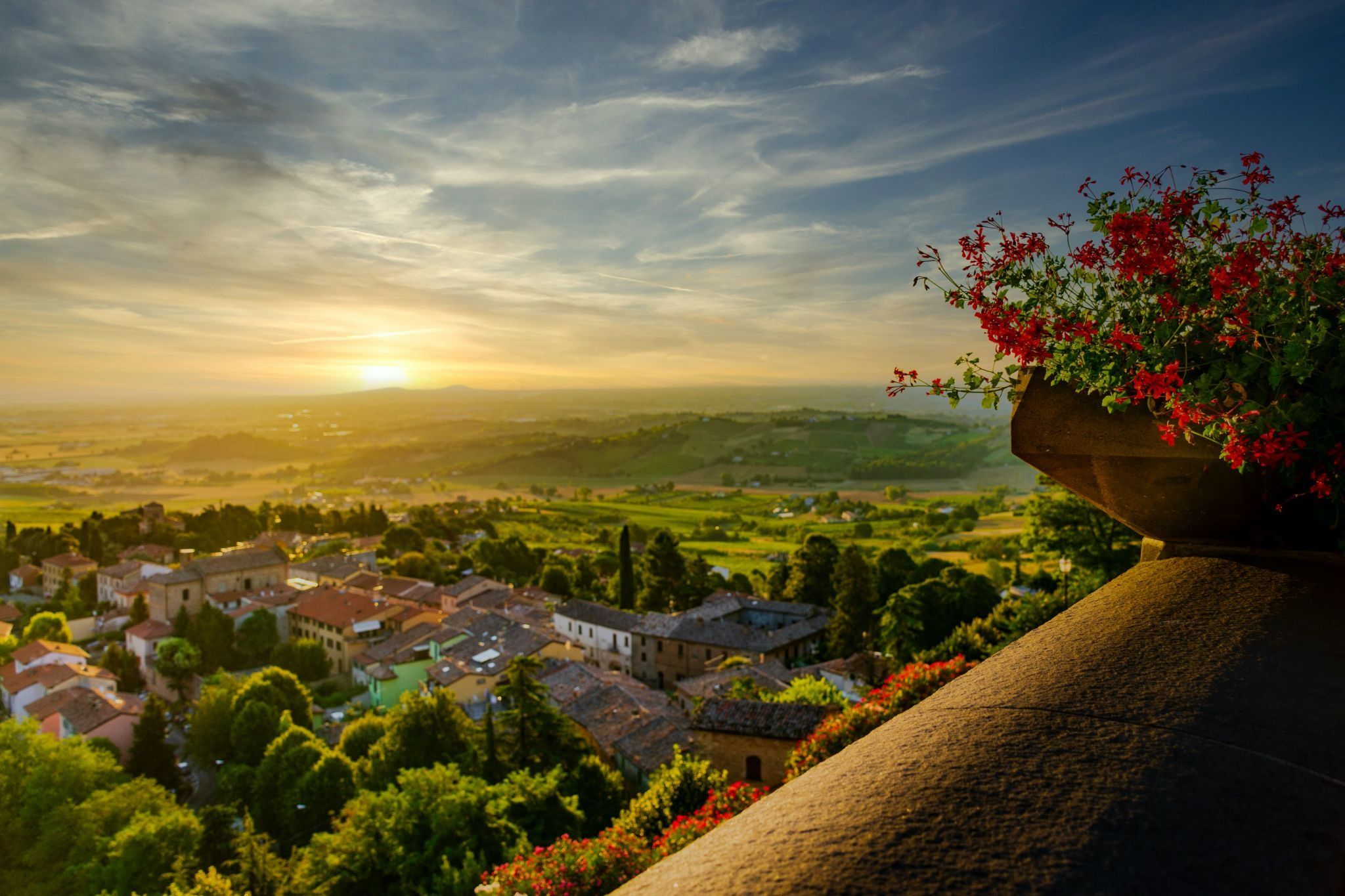
Spring is a great time for sightseeing in Italy, though the weather warms up at different rates from the south to the north.
- March: Weather in Italy in March can be unpredictable. Rome sometimes gets up to the mid-teens, but northern cities are often still grey, and the Dolomites remain in ski season.
- April: The weather in Italy in April ranges from about 8 to 18 degrees. Rome is usually between 9 and 19, while Milan is a bit cooler. You might get a few showers, and the main attractions can be busy during Easter.
- May: The weather in Italy in May is arguably the finest all-rounder, roughly 12 to 22 degrees, with Rome around 13 to 23 and Venice close behind. Warm, green and comfortable for walking all day.
Bring light layers and a small rain jacket. In spring, Italy’s weather can change quickly, with sunny mornings turning into rainy afternoons.
What Is the Weather in Italy in Summer (June, July, August)?
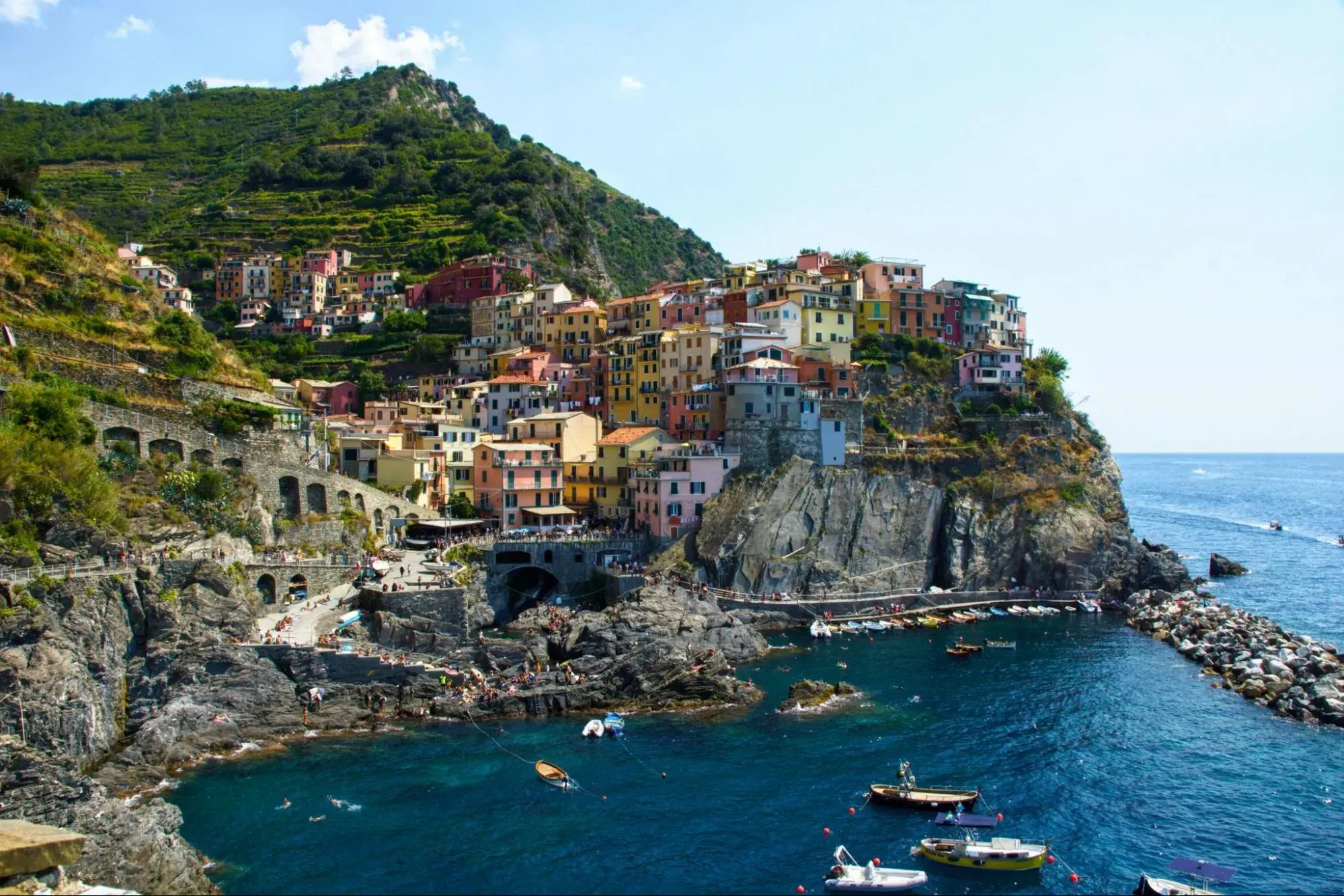
- June: The weather in Italy in June is warm rather than punishing, with city highs around 25-27 degrees and lovely sea temperatures. It is also when the Dolomites hiking season reliably opens, from about 20 June.
- July: The weather in Italy in July turns hot and dry. Rome is at its driest, and inland spots can push into the high 30s.
- August: The weather in Italy in August is at its peak heat. A Sicilian station near Syracuse recorded 48.8 degrees in August 2021, the highest temperature ever recorded in Europe.
Keep in mind that August 15 is Ferragosto, a national holiday in Italy. Many locals leave the cities, so places like Rome can feel quiet, with many shops and family-run restaurants closed. The Dolomites, which rarely reach 25 degrees, are a popular place to escape the southern heat.
What Is the Weather in Italy in Autumn (September, October, November)?
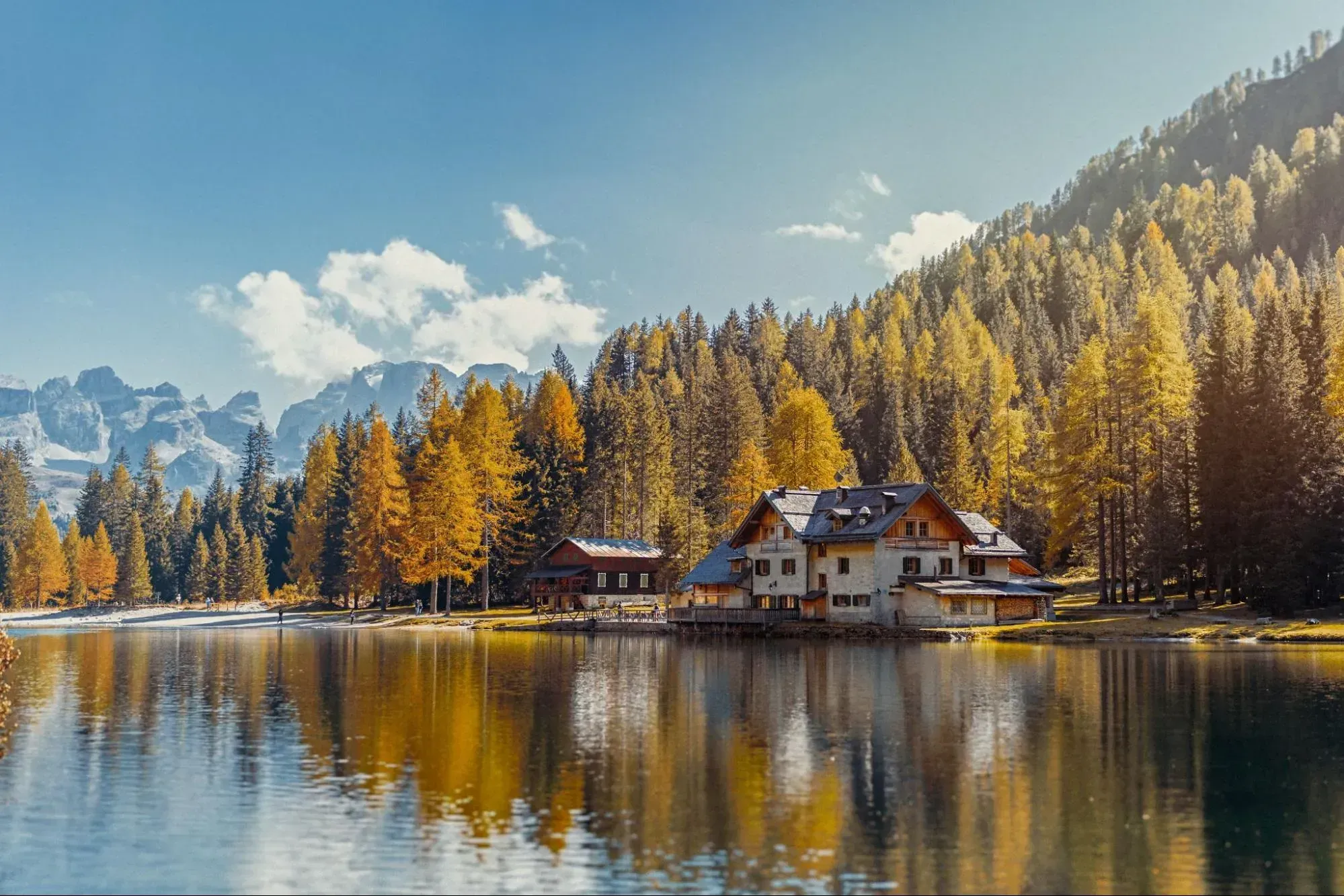
Autumn in Italy brings gentle sunlight, tasty harvest foods, and fewer tourists.
- September: The weather in Italy in September feels like summer, with temperatures around 15 to 25 degrees. This is the best month to hike the Dolomites because the weather is stable and clear.
- October: The weather in Italy in October cools down to about 11-21 degrees. This is when truffle season starts in the north, and Venice begins its high-water period.
- November: The weather in Italy in November is wet across much of central Italy. It’s also peak season for Venice’s acqua alta, so bring boots if you plan to visit the lagoon.
What Is the Weather in Italy in Winter (December, January, February)?
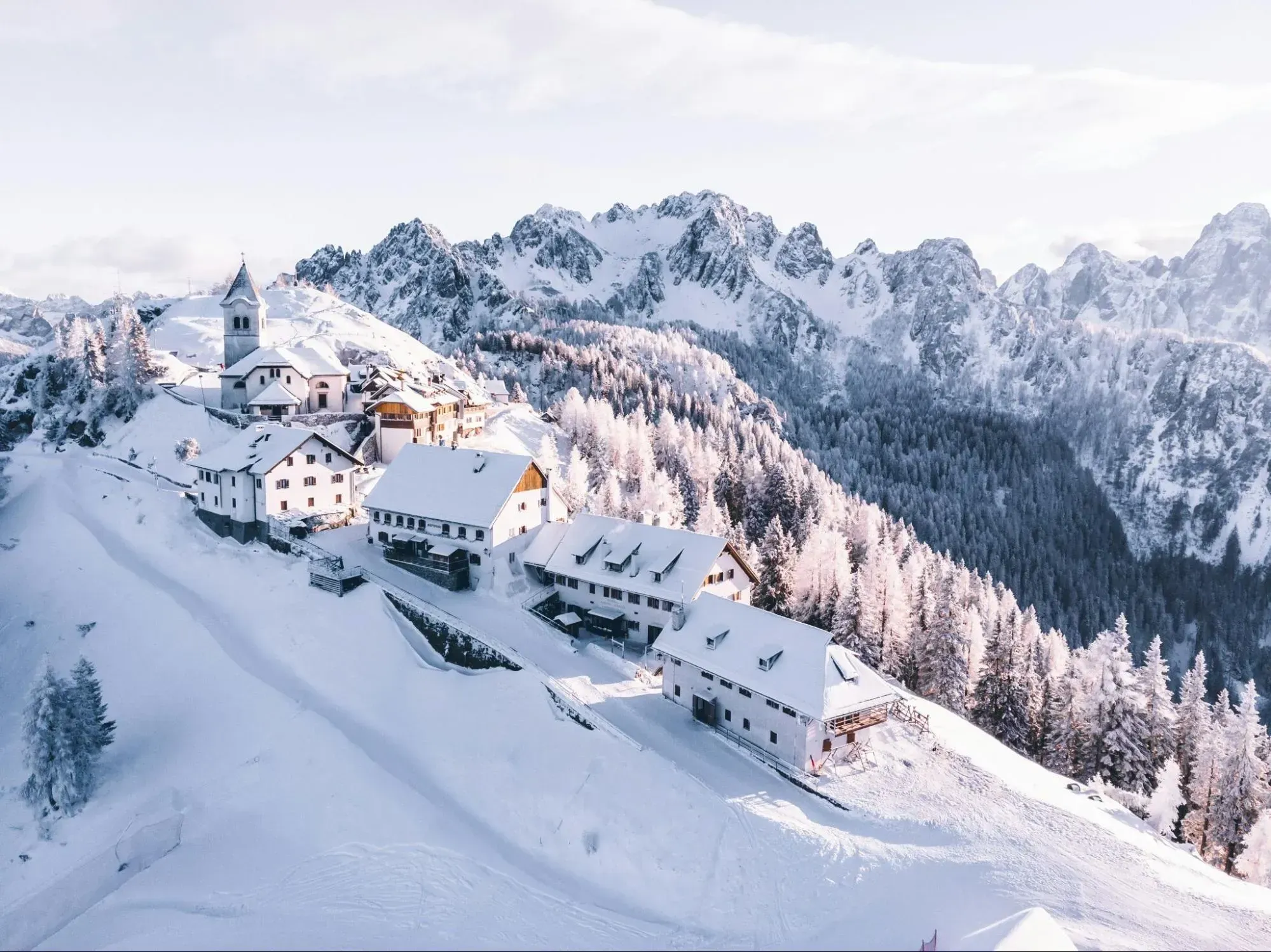
During winter, northern Italy is cold and snowy, but the south remains mild and great for walking.
- December: The Italy weather in December brings festive markets and reliable Dolomites snow. It is a strong month for a mountain holiday.
- January: The weather in Italy in January is the coldest. The Po Valley is close to freezing; Venice is about 2 to 3 degrees; Rome is around 7 to 8 degrees; and Naples is a mild 9 degrees. The Dolomites are perfect for skiing now.
- February: The weather in Italy in February is still cold, but the days start to get longer. Venice comes alive with its famous Carnival.
How Does Italy's Weather Change from City to City?
City / region | Climate character | Best window | Watch out for |
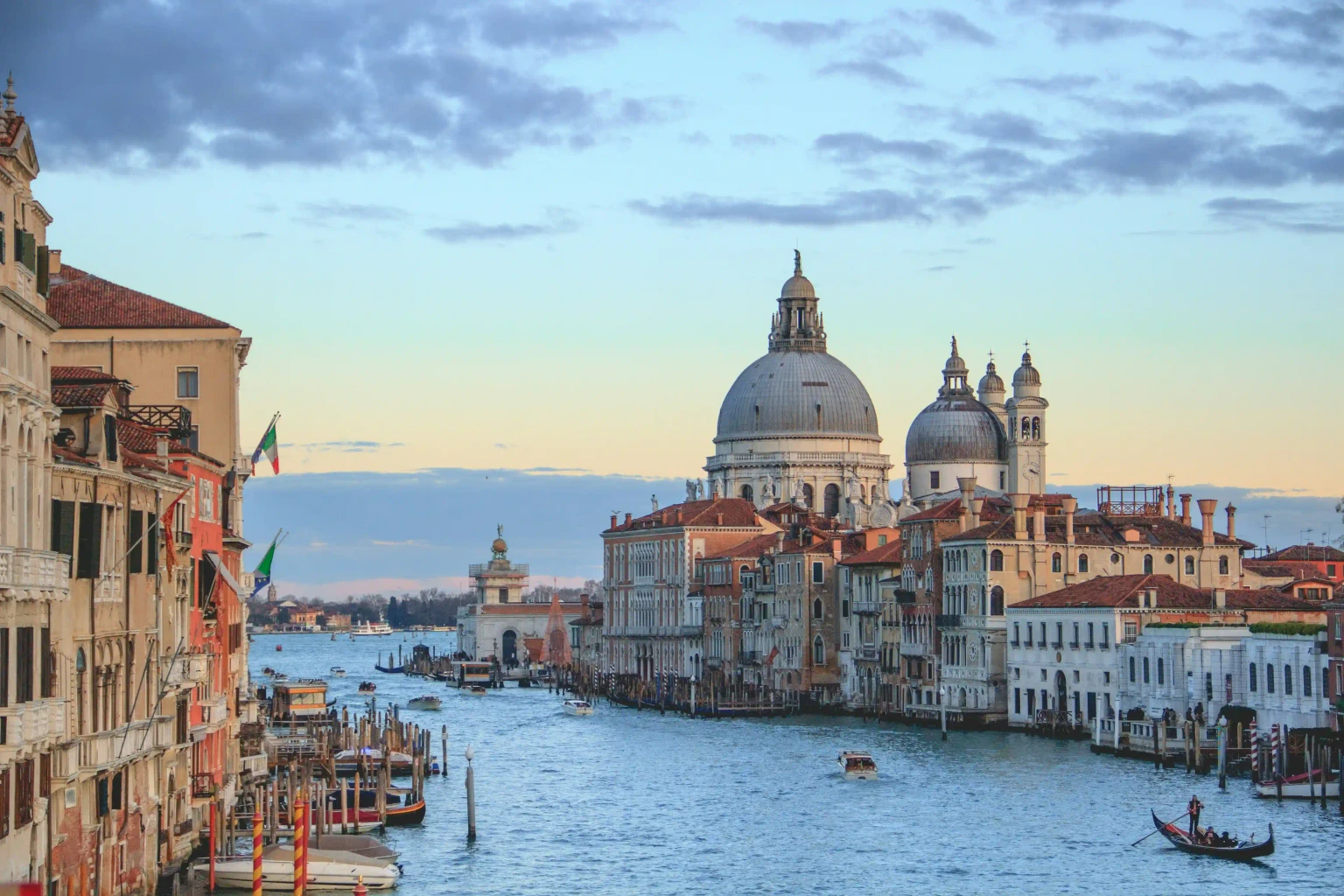
Venice Italy weather | Humid lagoon, cold winters | May, Sept | Acqua alta Oct to Mar, peaking Nov |
Weather in Milan Italy | Continental, foggy winters, humid summers | Apr to Jun, Sept | Winter fog and damp |
Verona Italy weather | Inland Veneto, hot summers, cold winters | May, Sept | Summer humidity, eased by nearby Lake Garda |
Naples Italy weather | Mild Mediterranean, warm coast | Apr to Jun, Sept to Oct | Hot, sticky July and August |
Dolomites Italy weather | Alpine, sunny winters | Dec to Mar (ski), Jun to Sept (hike) | Afternoon summer thunderstorms |
Matera Italy weather | Southern, hot dry summers | Apr to May, Oct | Stone sassi radiate real heat in summer |
Barga Italy weather | Tuscan hill town, green and mild | May to Sept | Cooler and wetter than the coast |
Just a quick note about Barga: this town, nestled in Tuscany's Serchio Valley, is often called the most Scottish place in Italy. Many locals once moved to Scotland and later returned, bringing back a love for fish and chips. In Barga, Italy, weather is milder, and the landscape stays greener than the hot coastal plains, which adds to its peaceful charm.
Tribe Travel Tip: For the best chance at warm weather, open attractions, and smaller crowds in Italy, try visiting during the last two weeks of May or the first two weeks of September. You’ll enjoy summer-like days without the busy summer rush.
Plan Your Italy Holiday Around the Weather
Italy is a great place to visit any time of year, as long as you pick the right region for the season. The weather that makes Venice beautiful in May is the same weather that brings snow to the Dolomites in December. Knowing these differences is key when planning your trip. No matter when you want to go, Holiday Tribe can help you plan the perfect holiday. As holiday advisors, we create custom land-only trips that include your accommodation, transfers, sightseeing, and local experiences, all tailored to your travel dates and interests. Just share your dates and what you like with our AI travel planner, and we will suggest the best regions and seasons for you, so you know what to expect before you arrive.