

If you ask most people which country they want to visit first in Europe, Italy is usually the top choice. It is easy to understand why. Italy has 61 UNESCO World Heritage Sites, more than any other country. It is home to the world’s only floating city, a 2,000-year-old amphitheatre that still attracts millions of visitors each year, and a coastline so stunning it was named a UNESCO site in 1997. Thus, the list of places to visit in Italy is a long one. But there is something people often do not mention before you visit: Italy is much more than its famous landmarks. Here, a €3 espresso at a street-side bar tastes unlike anything you have tried before. Sunday lunch can easily last three hours. Locals will seriously debate whose grandmother makes the best carbonara, and they mean every word. These 10 places to visit in Italy take you from north to south, including cities, coastlines, lakes, and ancient ruins, along with practical details to help you plan your trip.
10 Best Places to Visit in Italy
1. Rome
 Where Every Italy Itinerary Begins
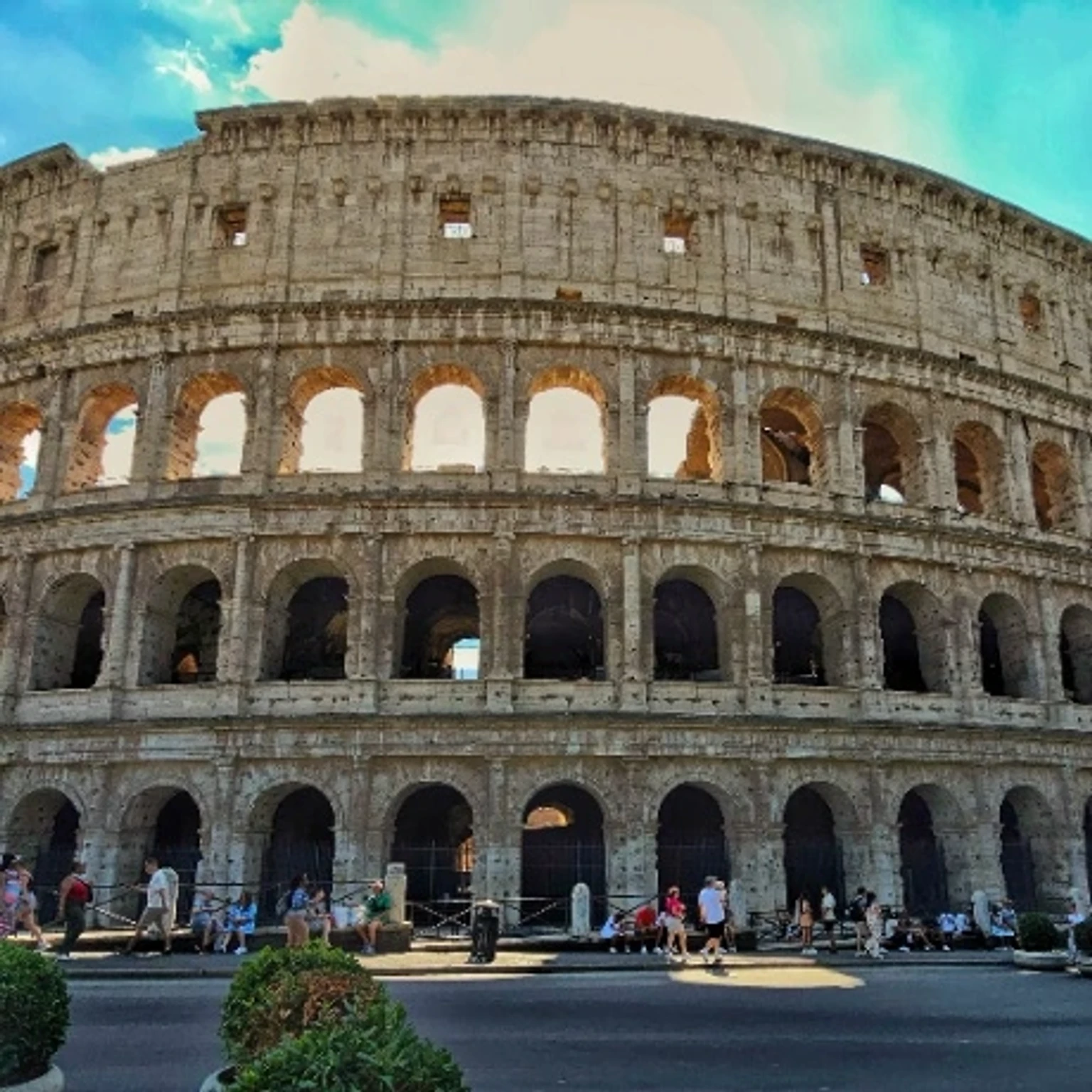
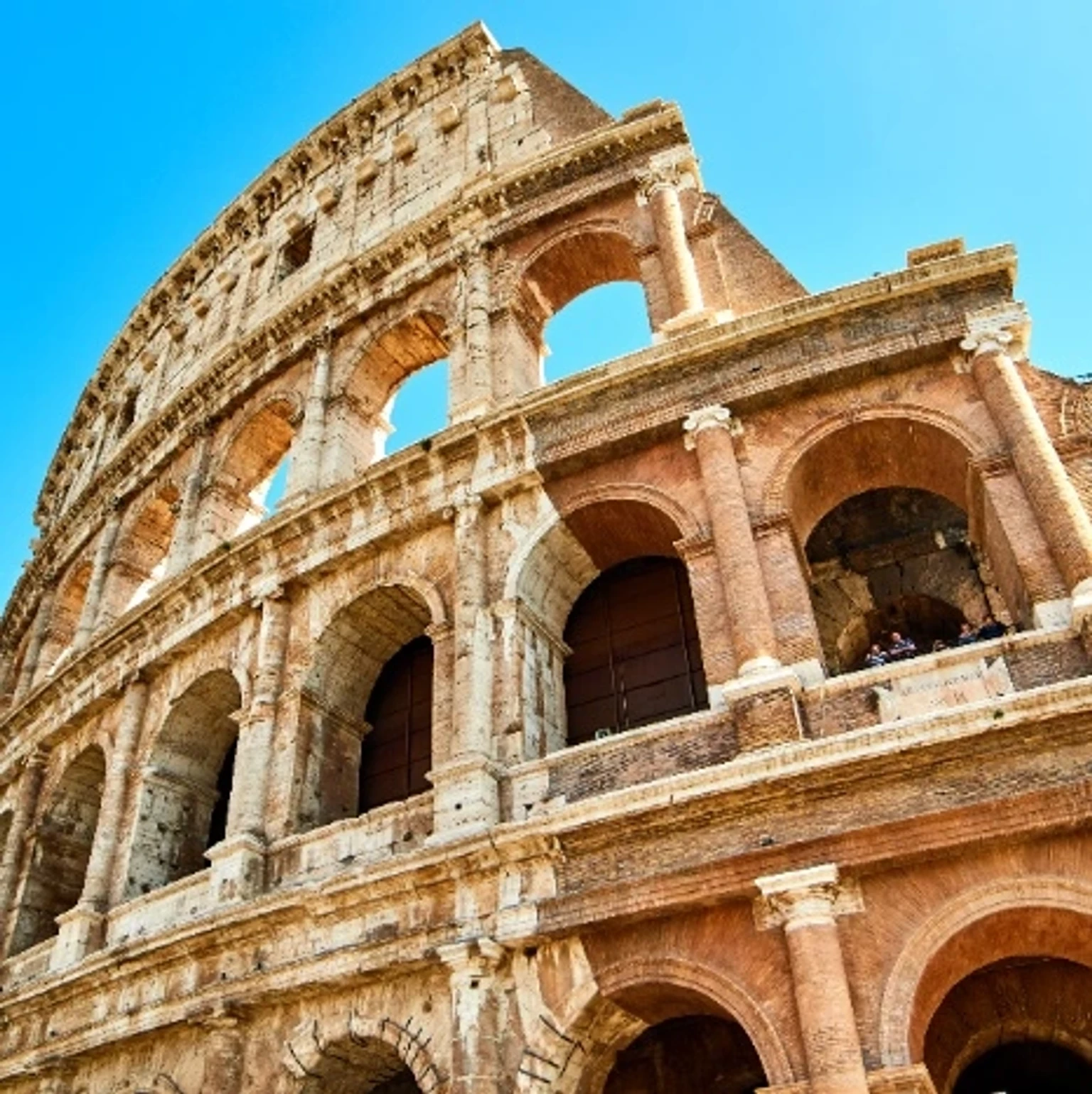
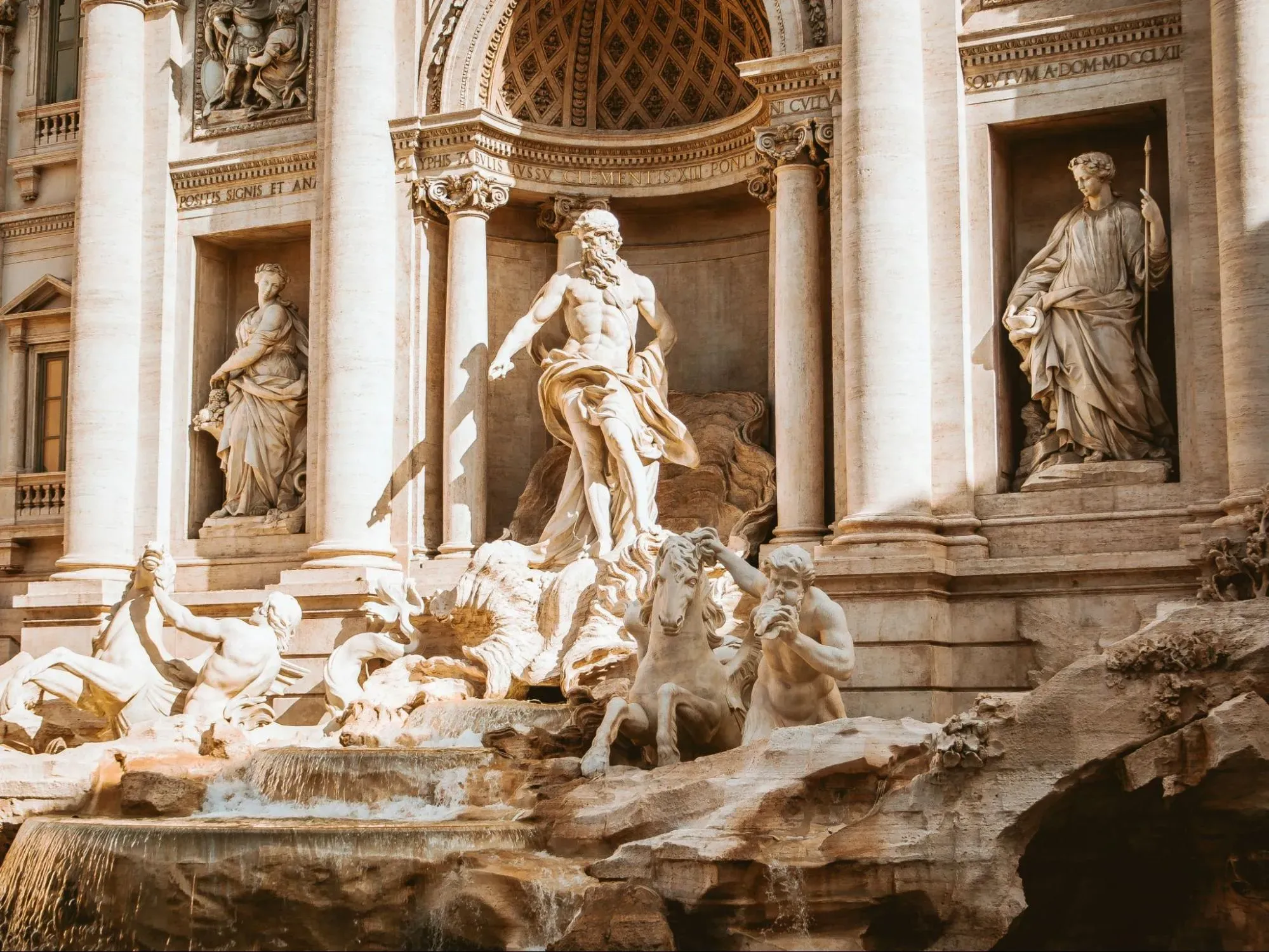
Rome makes you slow down. The Colosseum, started in 70-72 AD, once held up to 50,000 - 80,000 people. The Pantheon is almost 2,000 years old and still stands strong. Vatican City is home to the Sistine Chapel and one of the world’s greatest art collections gathered by one institution.
Yet Rome is alive beyond its monuments. Wander into Trastevere after 9pm, when locals fill the streets for late dinners, and savour carbonara as it should be: eggs, guanciale, pecorino, and black pepper. No cream at all.
What to eat in Rome:
- Cacio e pepe (pasta with pecorino and black pepper, a Roman invention)
- Carbonara (made with guanciale, not bacon)
- Supplì (fried rice balls, sold from street counters)
- Artichokes alla giudia (Roman Jewish quarter speciality)
Tribe Travel Tip: Aperitivo hour in Rome is a genuine tradition that locals enjoy. Before dinner, head to a neighbourhood enoteca in Pigneto or Prati, order a Negroni, and watch as the city slows down for the evening.
2. Florence
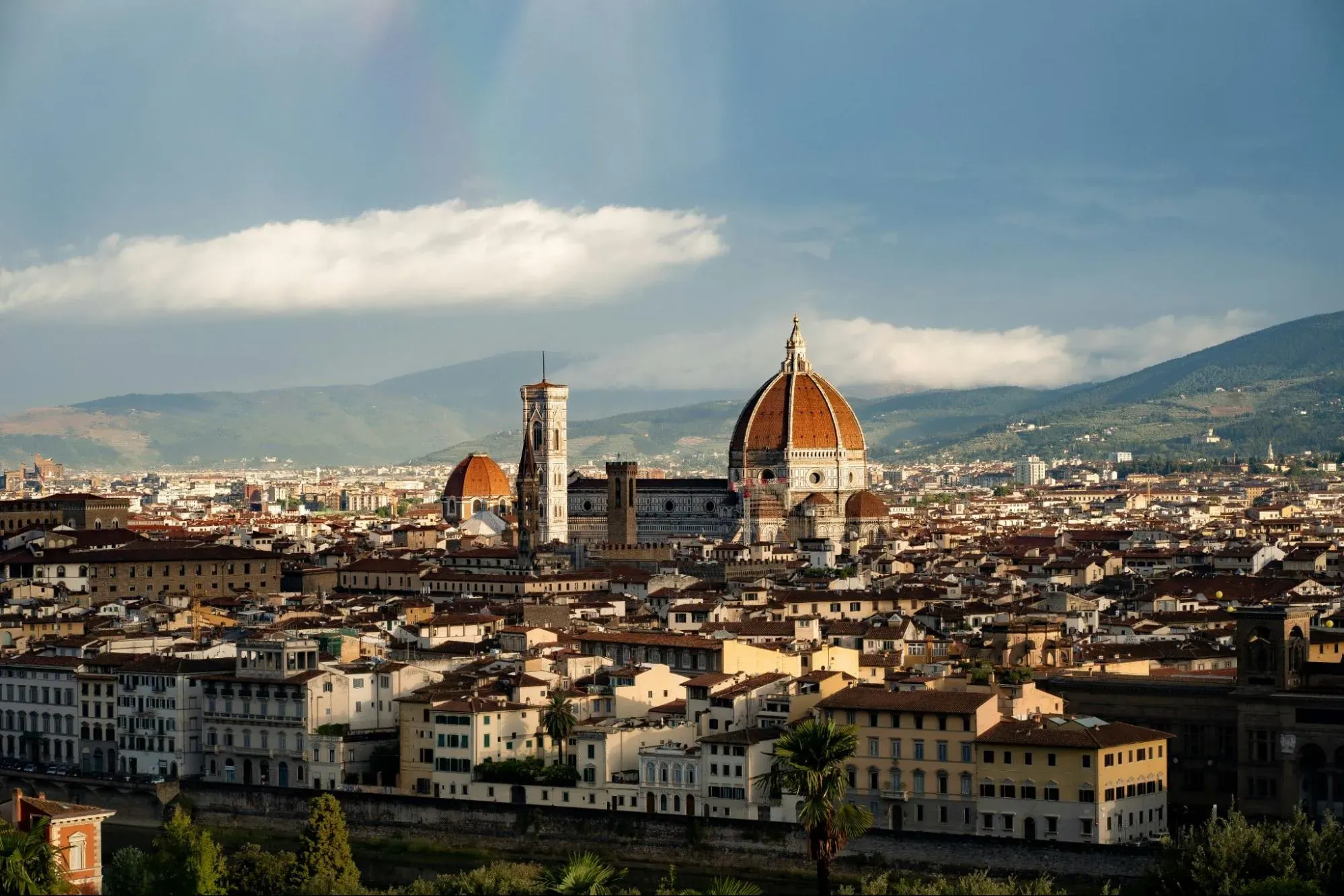 The City That Gave the World the Renaissance
Florence truly is the birthplace of the Renaissance. At the Uffizi Gallery, you can see Botticelli's Birth of Venus (painted around 1484-86), along with works by Raphael, Leonardo, and Caravaggio. Michelangelo's David at the Accademia Gallery stands 5.17 metres tall, and seeing it in person is an experience no photo can match.
Florentine food is simple and full of flavour. Locals often order Bistecca alla Fiorentina, a thick T-bone steak grilled rare over charcoal and finished with olive oil and salt. Florence is also said to be the birthplace of gelato, thanks to Bernardo Buontalenti, who worked at the Medici court. Try a scoop at every street corner.
Quick Fact: Oltrarno, on the south side of the Arno, is where many Florentines live. It’s quieter, less crowded, and home to some of the city’s best trattorias.
3. Venice
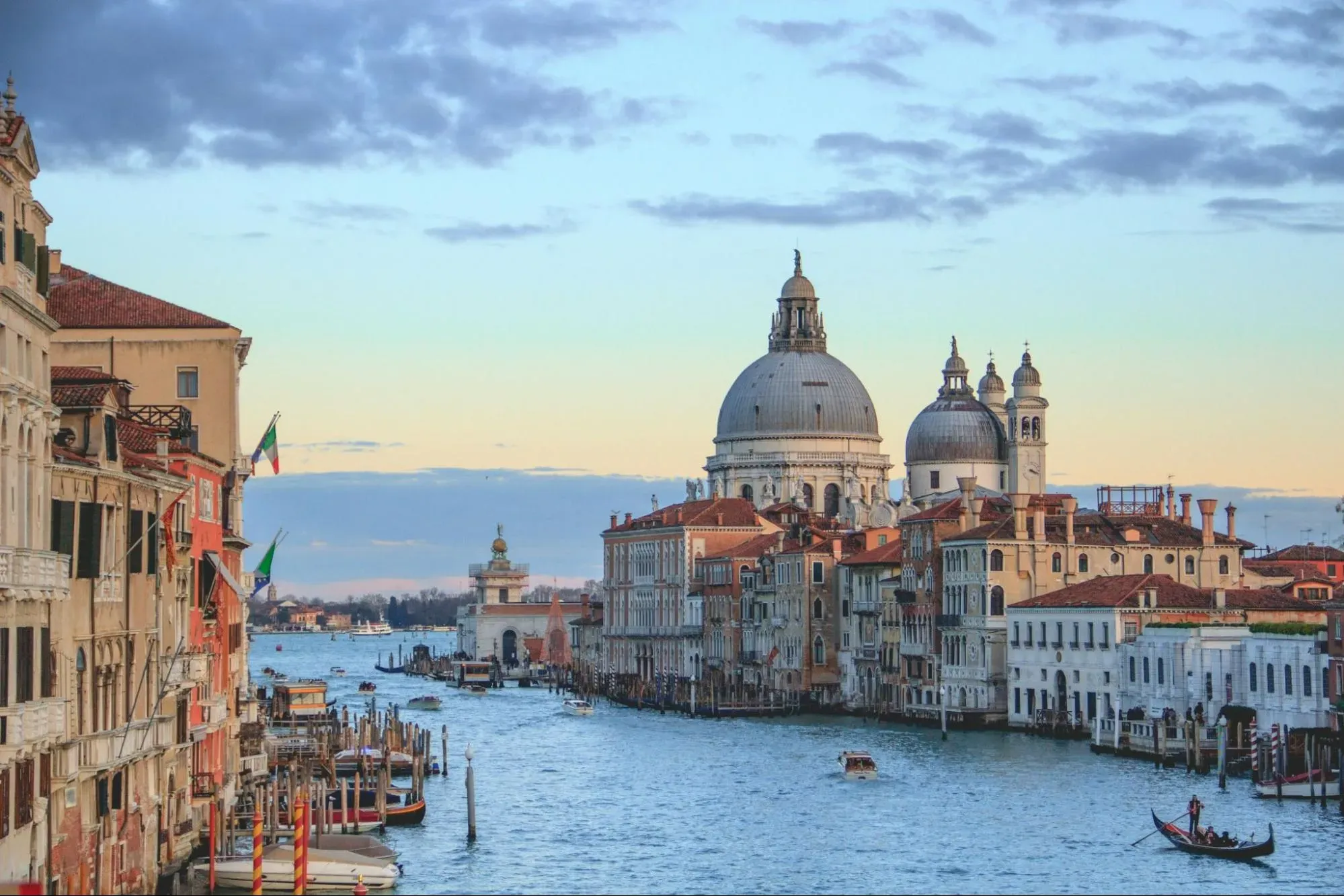 118 Islands, Zero Cars, No Equals
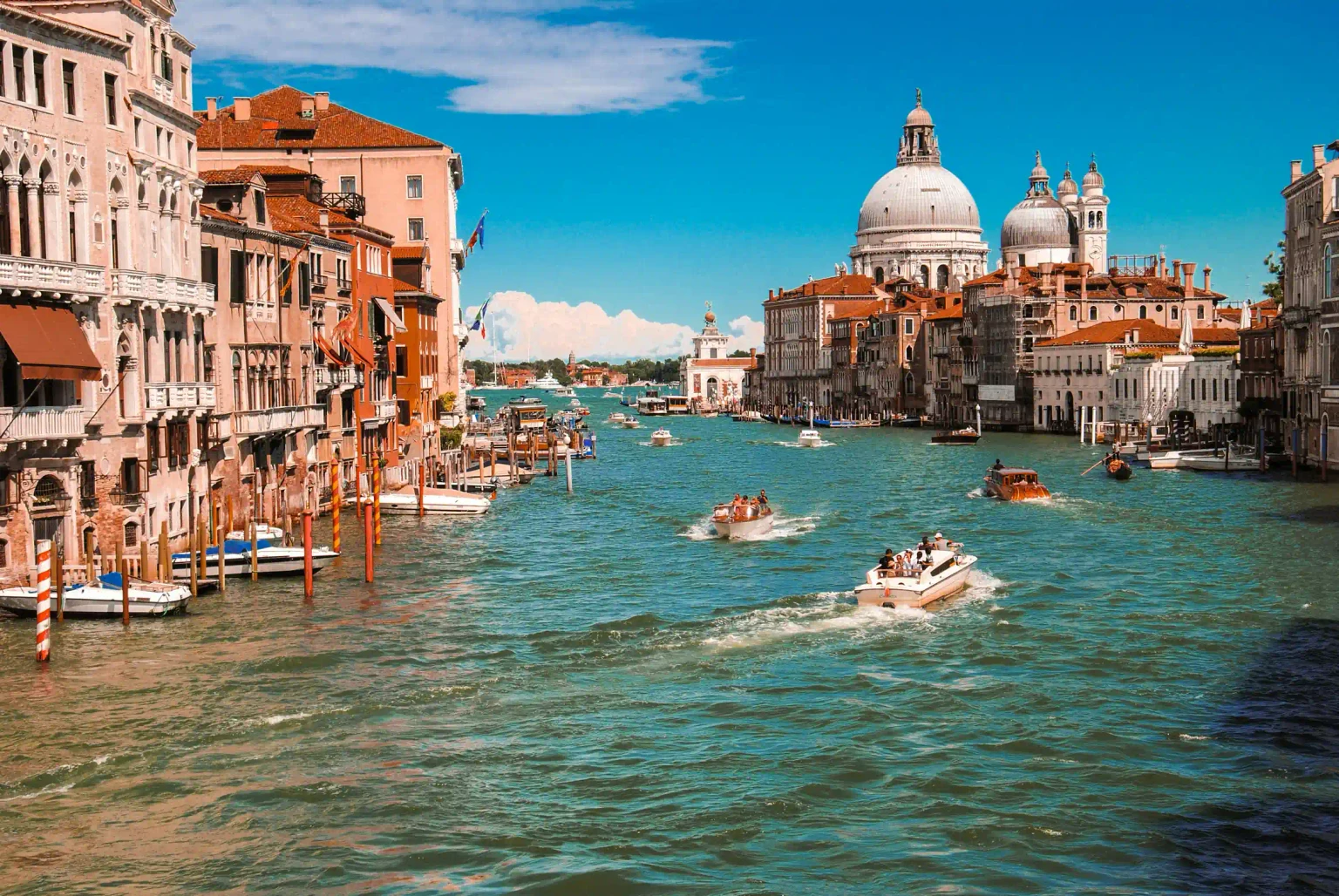
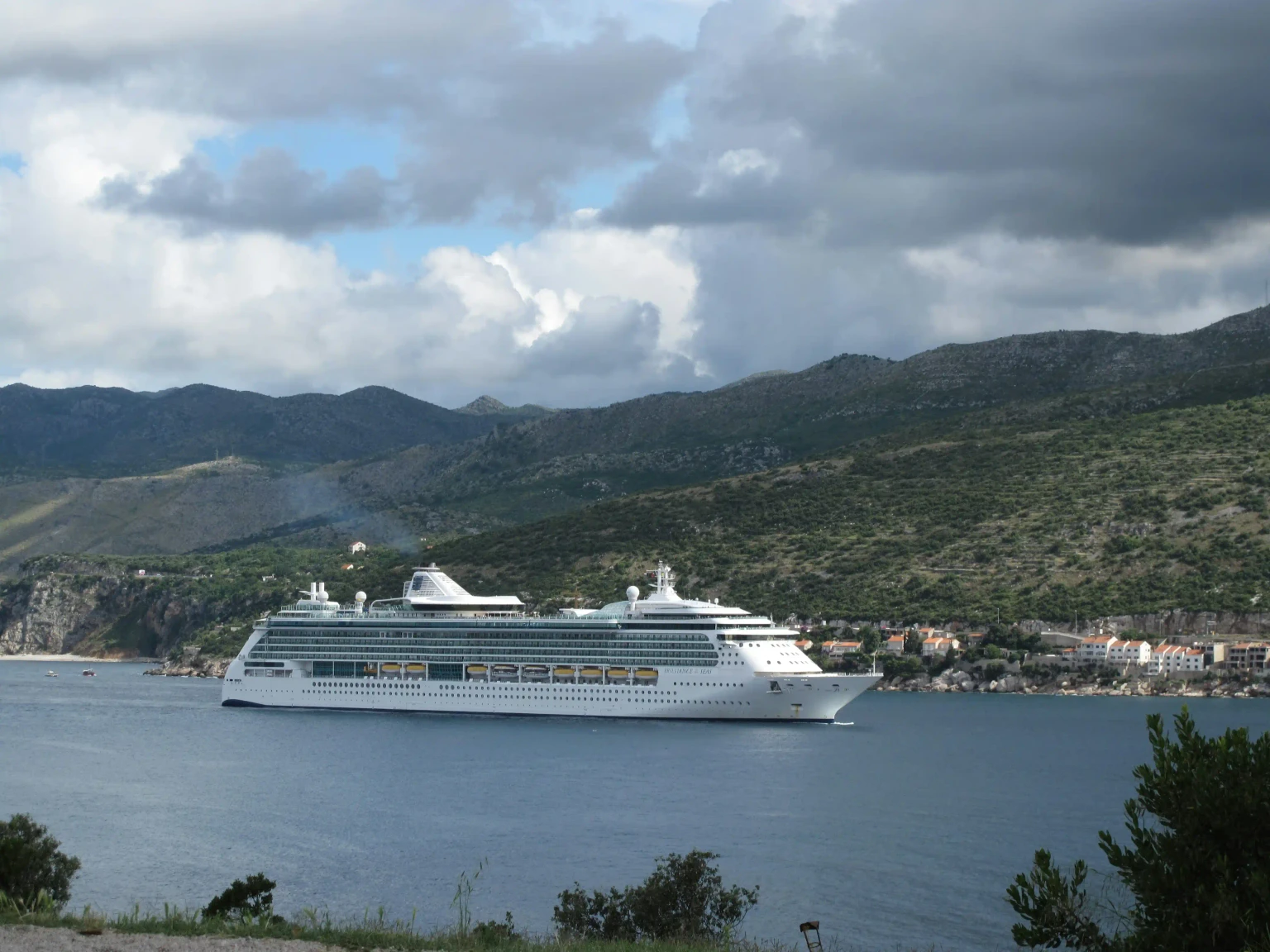
Which is the most beautiful part of Italy? Some people choose the Amalfi Coast, while others prefer Venice at sunrise, before the cruise ships arrive. Both are wonderful choices.
Venice sits across 118 small islands connected by over 400 bridges. The Grand Canal stretches 3.8 km in an S-curve, lined with Gothic and Renaissance palaces. Around 400 gondoliers still work these waters.
Venice gave the world cicchetti, those tempting little bar snacks found in bacari, the city’s traditional wine bars. Settle onto a stool in Dorsoduro, sip a Spritz alongside your cicchetti, and let the passing canal boats provide the evening’s entertainment. Tiramisù, another local invention, makes the perfect sweet finish at dinner.
2026 Update: Venice will charge day visitors a fee of €5 if booked in advance, or €10 for last-minute visits, on about 60 busy days from April to July. If you stay overnight in the city, you don’t have to pay. Be sure to plan ahead.
4. Amalfi Coast
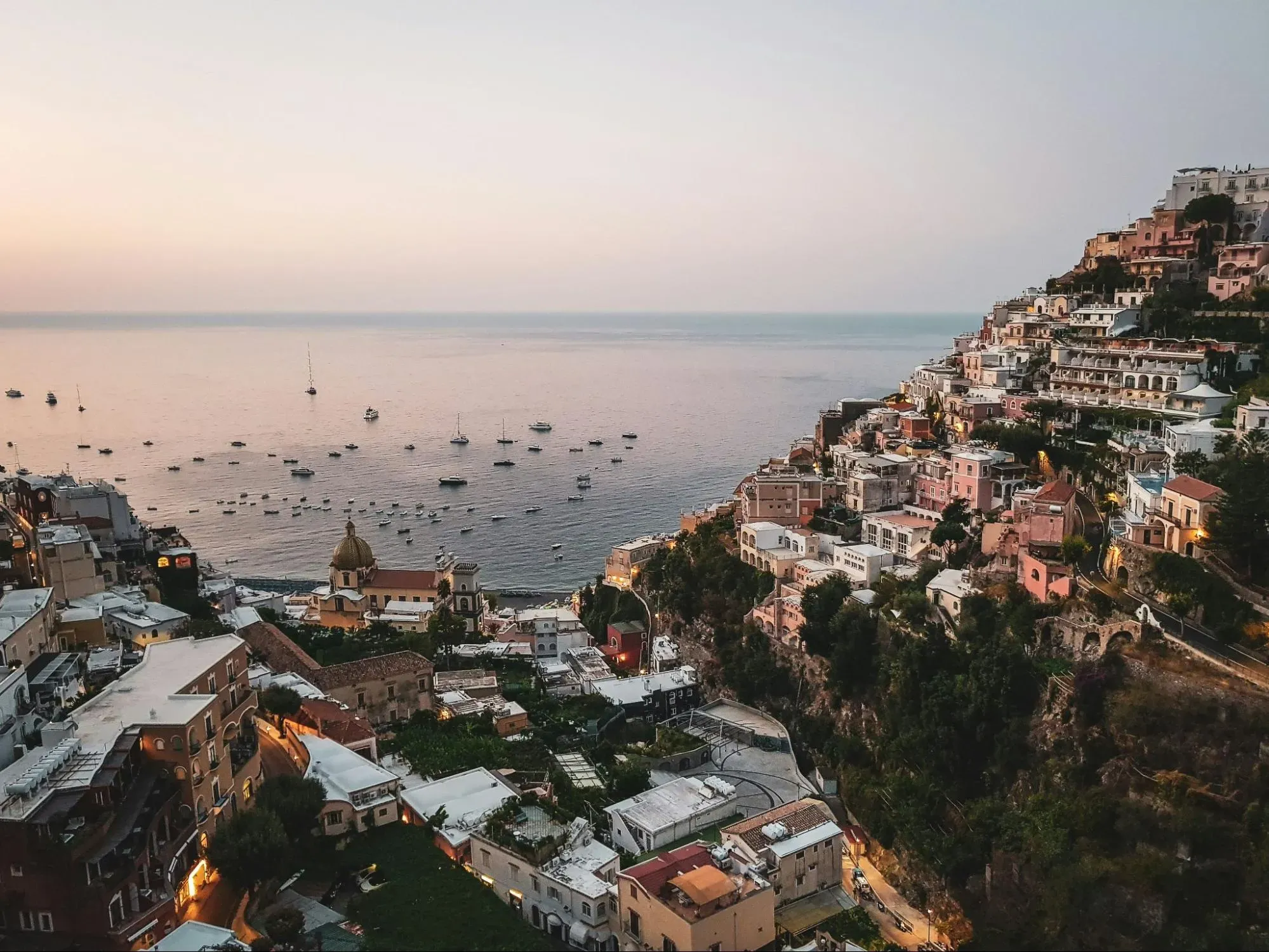 Italy’s Most Talked-About Coastal Stretch
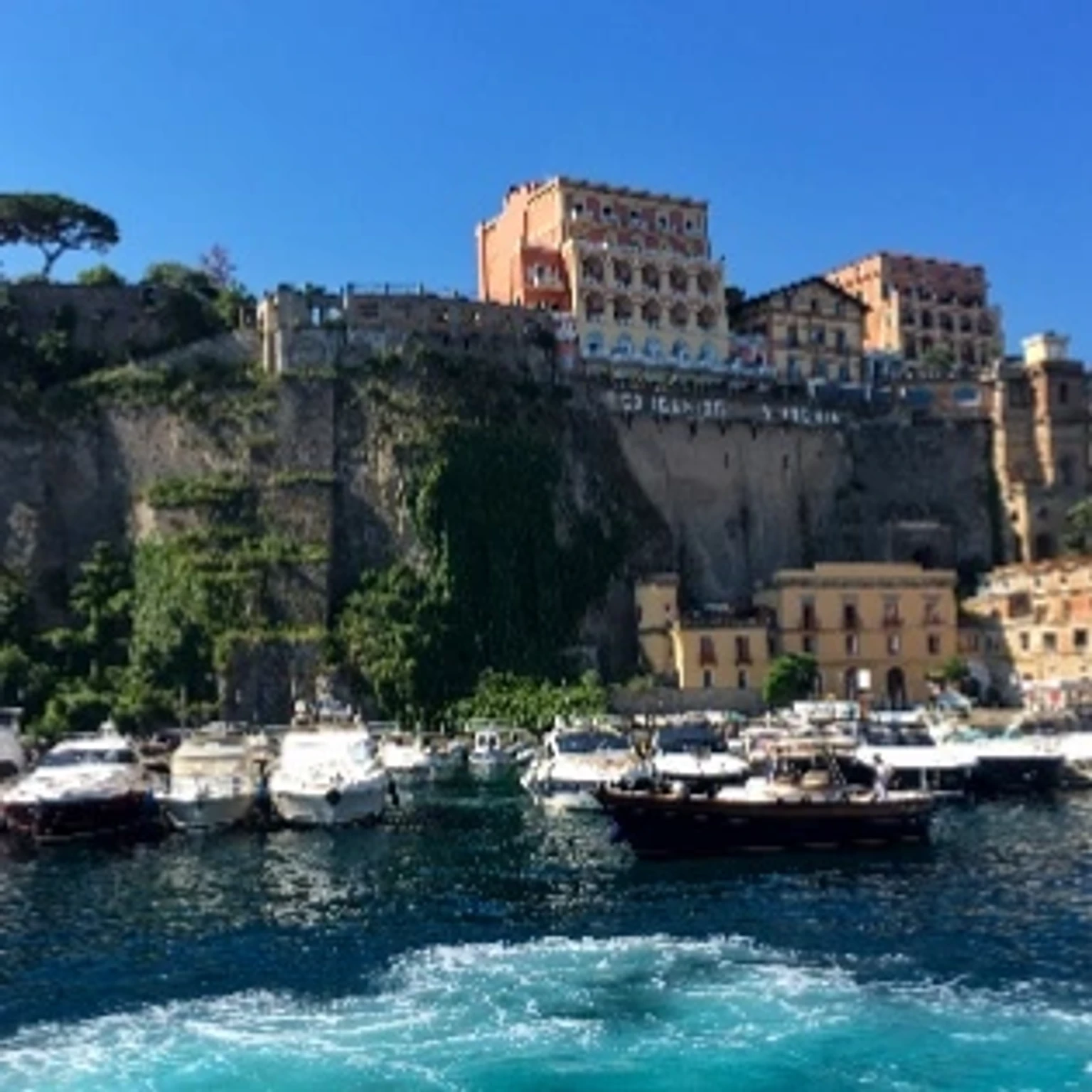
The Amalfi Coast is a 50-kilometre stretch of cliffside villages between Sorrento and Salerno, recognised as a UNESCO World Heritage Site since 1997. Picture Positano’s pastel houses rising up the hillside, Ravello’s gardens overlooking the sea, and the Path of the Gods hiking trail above it all. This is coastal Italy at its most stunning.
Best time to visit the Amalfi Coast, Italy: May, June, or September. In July and August, the crowds can be overwhelming, with thousands of cruise passengers filling Positano’s narrow streets, which were never meant for so many people.
The Sfusato Amalfitano lemon, which is larger and sweeter than regular lemons and grown in terraced groves along the Amalfi Coast, is used to make the region’s famous limoncello. This drink is always served ice cold after lunch. Refusing it is not something locals expect.
5. Cinque Terre
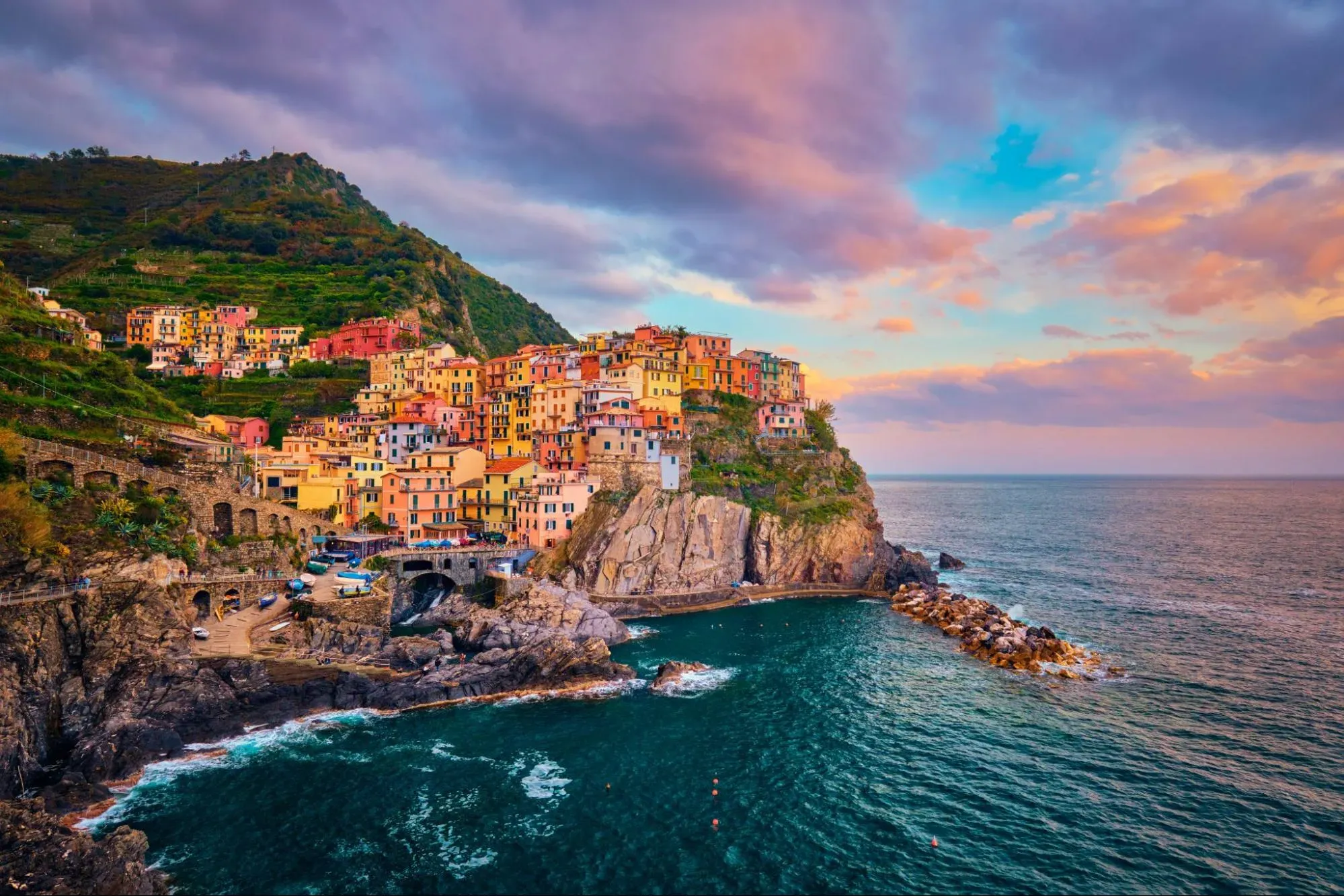 Five Villages, One Coastline
Cinque Terre is made up of five villages with no cars, colourful houses perched on sea cliffs, and scenic trails linking them together. These towns, Monterosso, Vernazza, Corniglia, Manarola, and Riomaggiore are inside a national park. The best time to visit is during the shoulder season, when the paths are open and the villages are more pleasant.
- Vernazza is the most photogenic village.
- Monterosso has the best beach.
- Manarola is known for its beautiful sunsets.
- Corniglia sits highest above the sea, attracts the fewest tourists, and feels the most rewarding to reach.
- Riomaggiore is the easiest village to reach by train.
Visit in May or September for the best experience. In August, the trails can get crowded and slow.
6. Tuscany
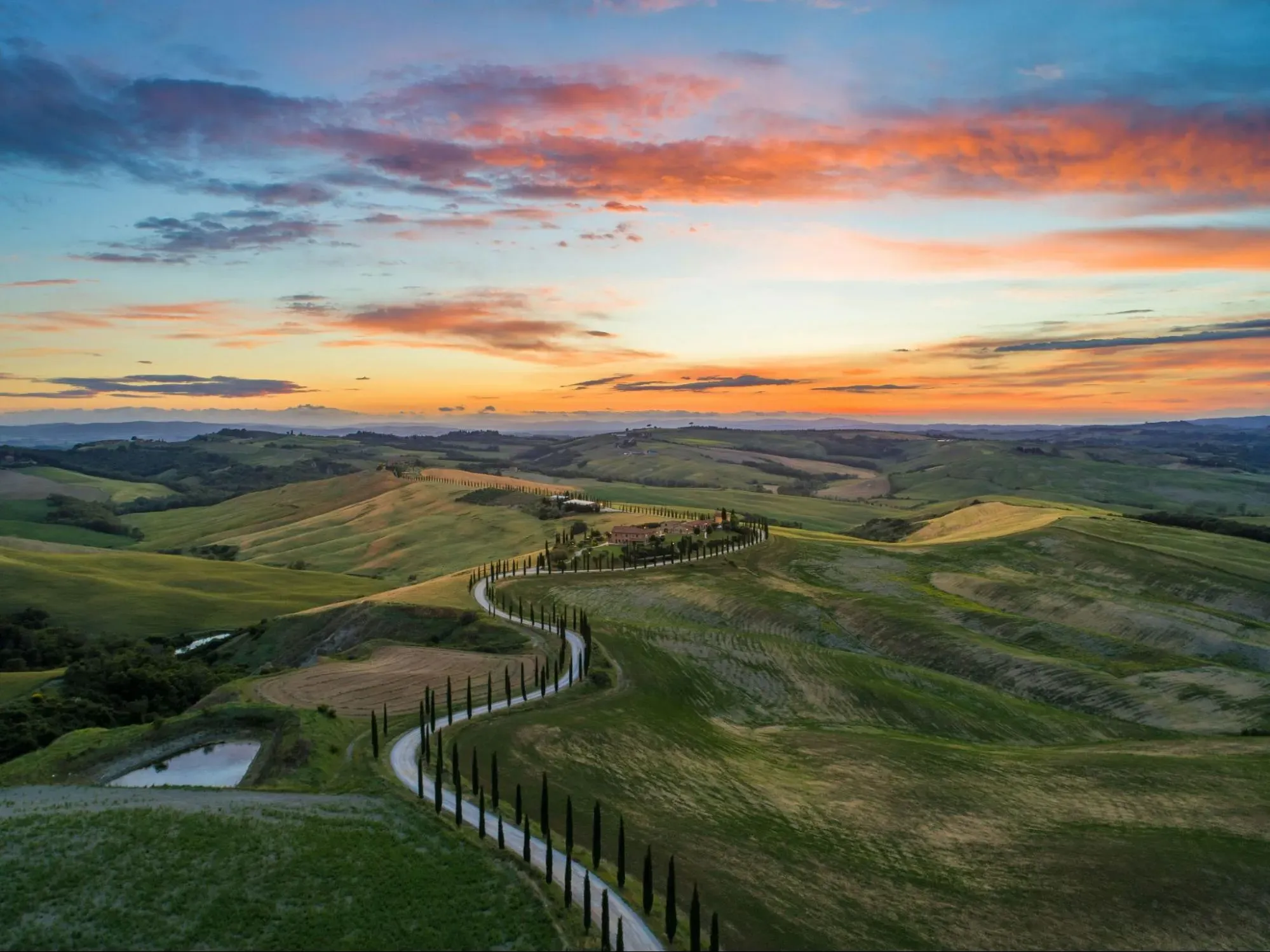 Hills, Chianti, and Slow Living Done Right
Tuscany is best explored at a relaxed pace, windows down as you go. Cypress-lined roads link Florence and Siena along the Chianti wine route, taking you past hilltop towns such as San Gimignano, known for its medieval towers and excellent vernaccia white wine, and Montalcino, famous for Brunello, one of Italy's top red wines.
Many consider Siena's Il Campo piazza the most beautiful public square in Italy. The Palio horse race takes place there twice a year, on July 2 and August 16. It is one of Europe's most intense local traditions, with 10 riders representing 17 city districts, in a rivalry that dates back to the 17th century.
Local Food: One local speciality is ribollita, a hearty Tuscan soup made with cannellini beans, kale, and leftover bread. This classic example of cucina povera, or peasant cooking, now appears on upscale menus, but in Tuscany, you can find it just about anywhere.
7. Naples
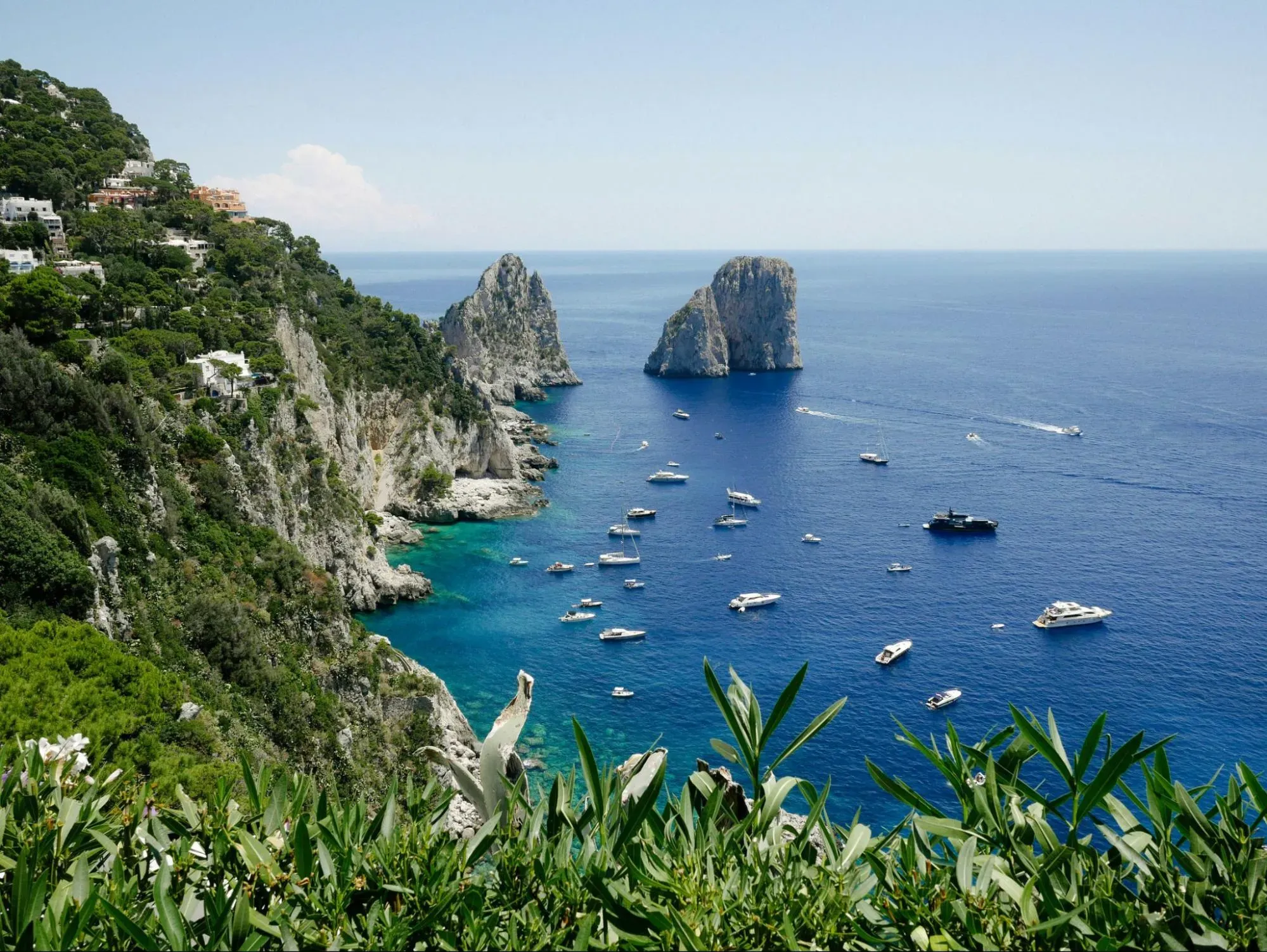 Chaos, Character, and the World’s Best Pizza
Naples is a lively city full of history, and it’s famous for a reason every food traveller knows: this is where pizza was born.
Neapolitan pizza is made with San Marzano tomatoes grown in volcanic soil near Vesuvius, mozzarella di bufala, fresh basil, and dough that ferments for at least 24 hours. This classic recipe is recognised by UNESCO as Intangible Cultural Heritage. In the morning, grabbing a sfogliatella, a crispy, ricotta-filled pastry, from a local bakery is just as essential.
When night falls, the area around Piazza Bellini and Via dei Tribunali comes alive with small bars, live music, and locals who stay out late. It’s one of the most authentic nightlife spots in all of Italy’s tourist destinations.
8. Pompeii
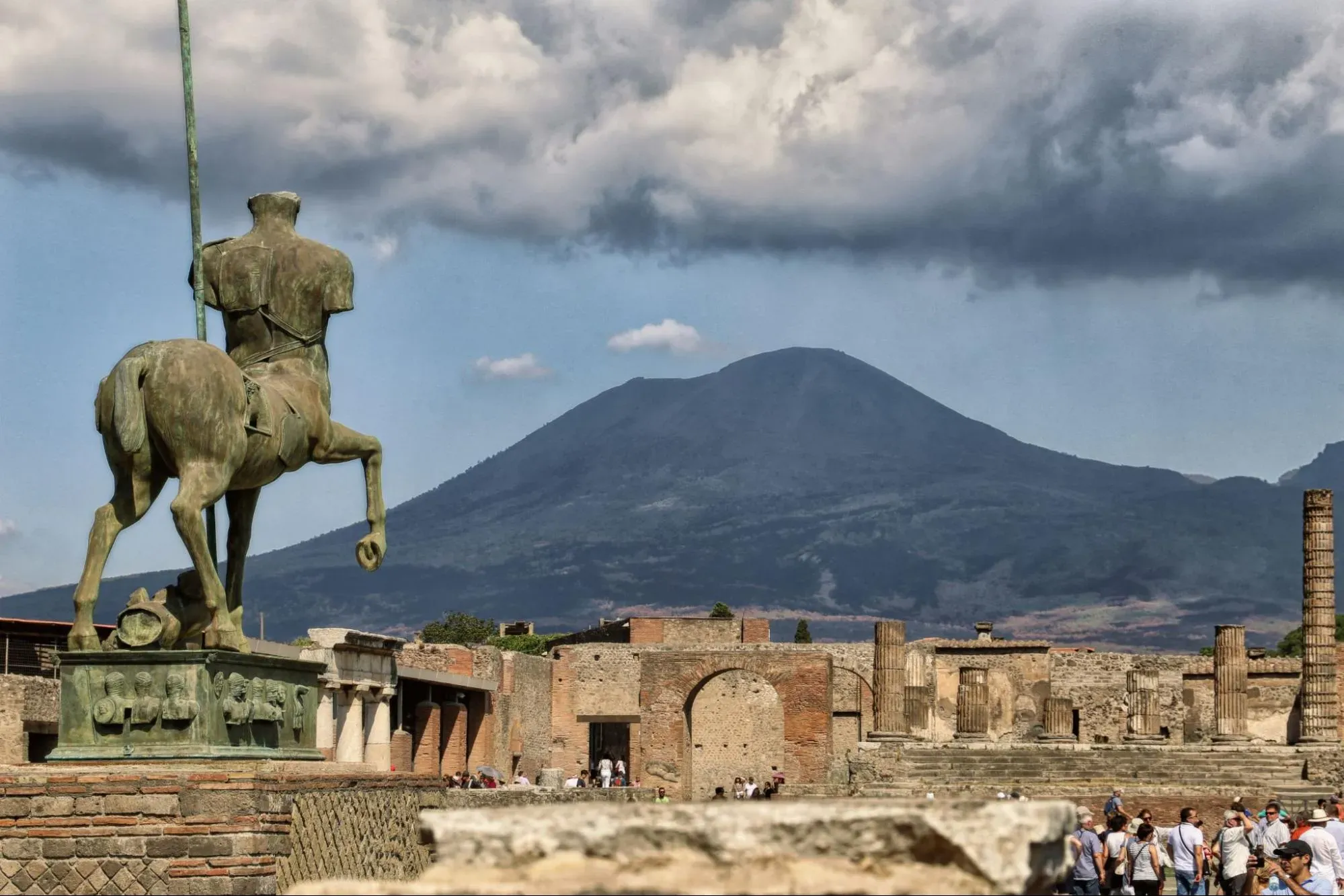 A City Frozen in 79 AD
Pompeii is more than just a ruin. It is a city frozen in time, captured by Vesuvius in the middle of the day in 79 AD. Streets, homes, baths, and painted thermopolia, ancient fast food counters with menus still visible on the walls, have all been preserved under metres of volcanic ash for almost 2,000 years.
About one-third of the site has not yet been excavated. New discoveries are announced often; for example, a ceremonial room was found in 2024. Plan to spend at least four hours there. Bring water, as the area is completely open to the elements.
9. Lake Como
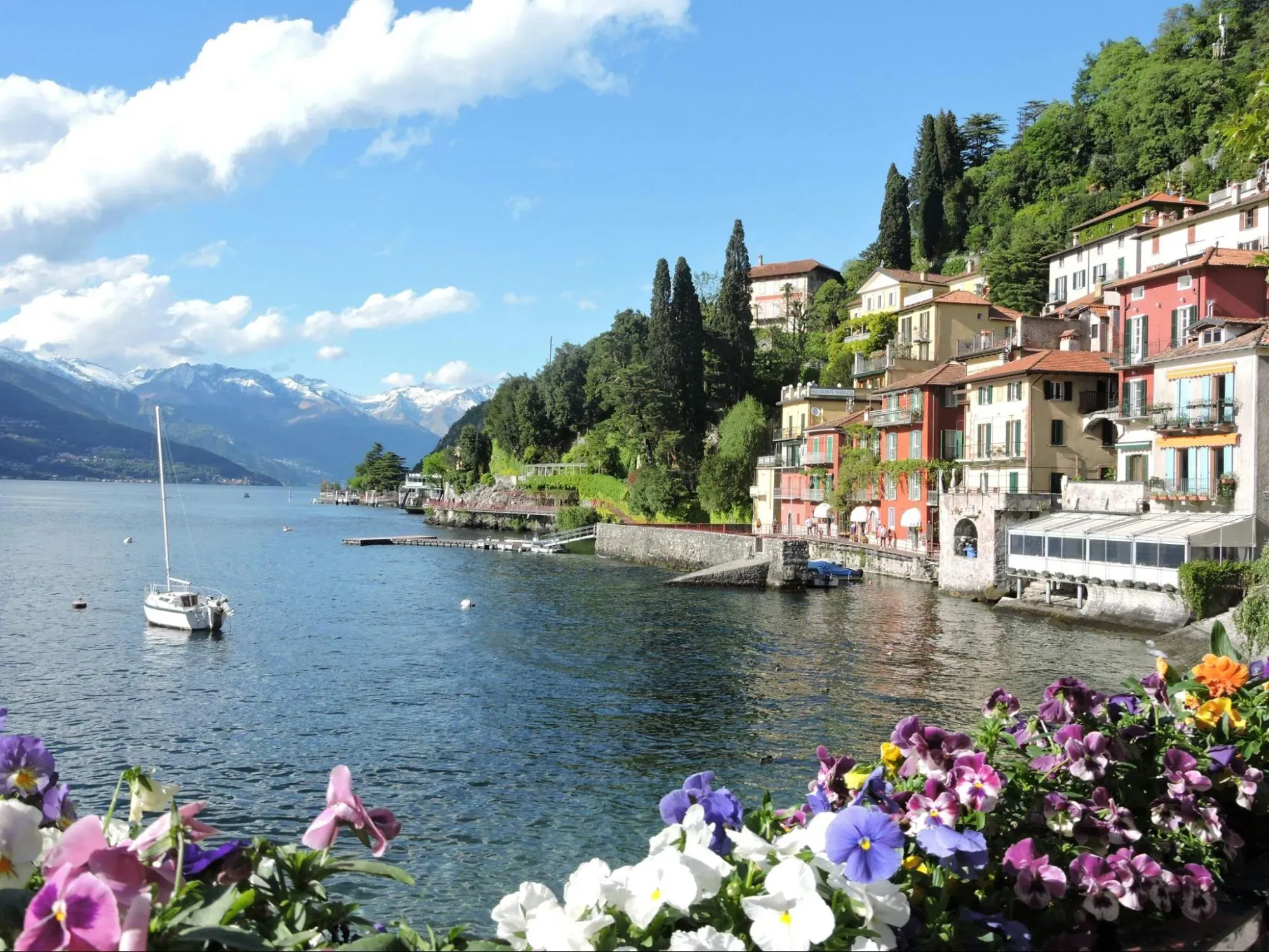 Alpine Glamour at Its Quietest
Lake Como is about 45 km north of Milan, right at the base of the Alps in Lombardy. Bellagio is where the lake splits, and it’s the most popular spot for visitors. The views from the promenade are stunning. If you visit in April or May, you’ll see Villa Carlotta’s camellias and azaleas in full bloom.
George Clooney has owned Villa Oleandra in Laglio since 2001. It is not open to visitors. The boats slow down regardless.
10. The Dolomites
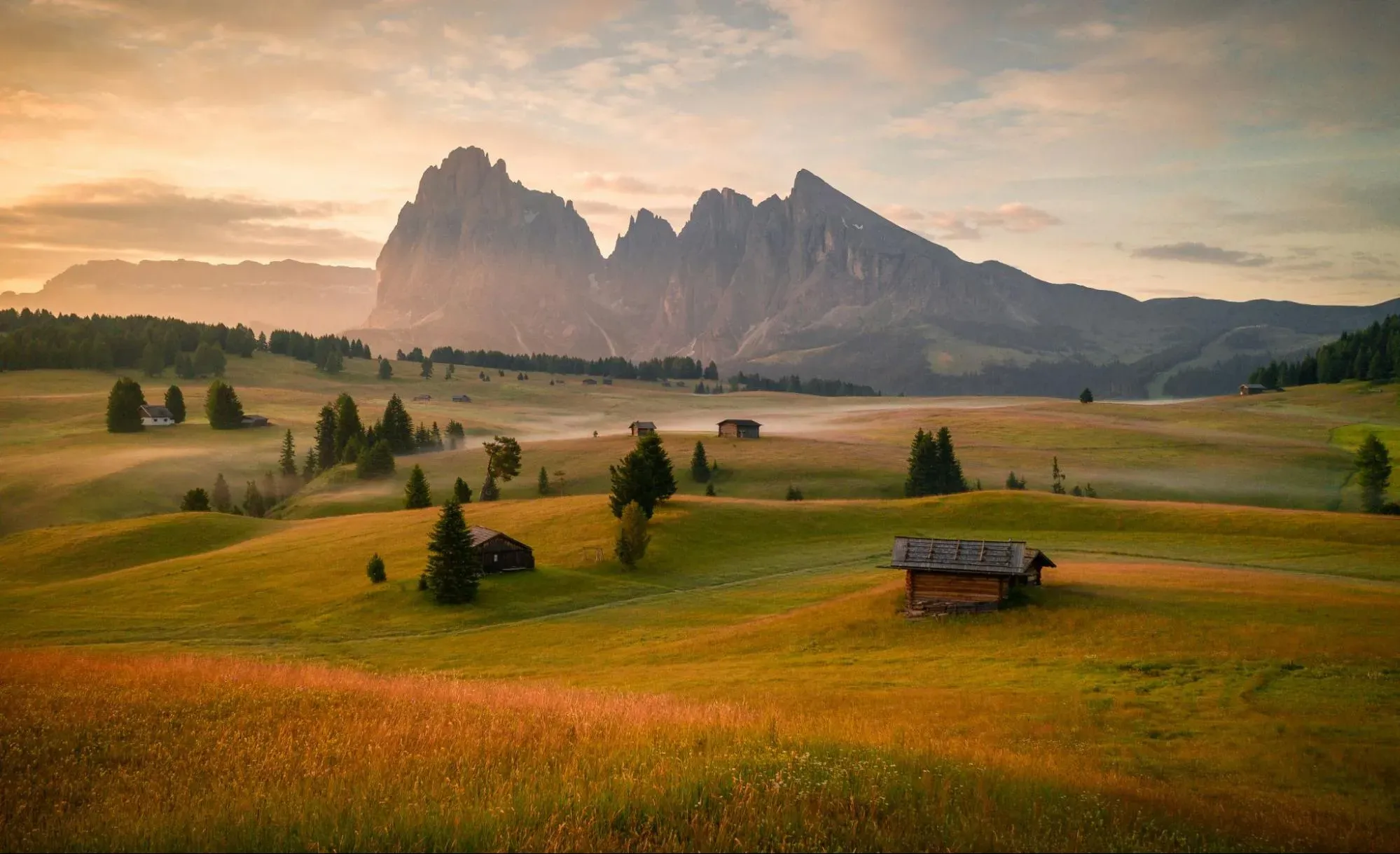 Italy’s Great Outdoors in an Olympic Year
The Dolomites were in the spotlight in 2026. Cortina d'Ampezzo co-hosted the Winter Olympics with Milan in February, bringing more attention than ever to this UNESCO-listed mountain range. In summer, these peaks turn into a top destination for hikers and cyclists, with Alta Via trails winding over passes higher than 2,000 metres.
The food here shows off the region's German-Austrian roots. You'll find speck (air-cured ham), canederli (bread dumplings in broth), and apple strudel on menus next to pasta. This is one of the rare places in Italy where you can enjoy an espresso after a long hike or choose a schwarzbier instead.
Is Italy on Your 2026 List? Here's How to Make It Count
Italy never does things halfway. Each place here has its own character, a special spot to sit, and a reason you might want to linger. The real secret isn’t choosing the perfect destination, but taking your time to truly experience it.
Let our AI planner build your Italy itinerary. Holiday Tribe plans fully customised, land-only Italy packages built around how you actually travel. Start Planning today.