

Ask ten people what they remember most about a trip to Thailand, and at least seven will start talking about a meal before they mention a beach or a temple. That's the pull of food in Thailand, a cuisine built on sour, sweet, salty and spicy all landing on your tongue in the same bite. Every region cooks differently, too, so a curry in Chiang Mai barely resembles one from Bangkok. This guide introduces twelve dishes you should know before you arrive, along with tips on where to try them and what you can expect to pay.
Why Thai Food Stands Out?
What makes Thai cooking different is balance rather than heat alone. A single dish usually hits sour, sweet, salty and spicy at once, which is why so much of the famous food in Thailand feels layered rather than simply hot. Different regions also bring their own unique styles.
Region | Food Style |
Central Thailand | Coconut based curries, rich sauces, and balanced sweet and savory flavours. |
Northern Thailand | Milder dishes with fresh herbs and noticeable Burmese influences. |
Northeastern Thailand (Isaan) | Tangy, fermented, and spicy dishes known for their bold flavours. |
Southern Thailand | Seafood focused cuisine with rich, spicy curries and stronger Malaysian influences. |
This range is exactly why popular food in Thailand rarely gets boring, even after two weeks of eating your way through it.
12 Must-Try Thai Dishes
These twelve show up again and again on any real list of Thai food, and together they cover most of what the country's kitchens do best.
1. Pad Thai
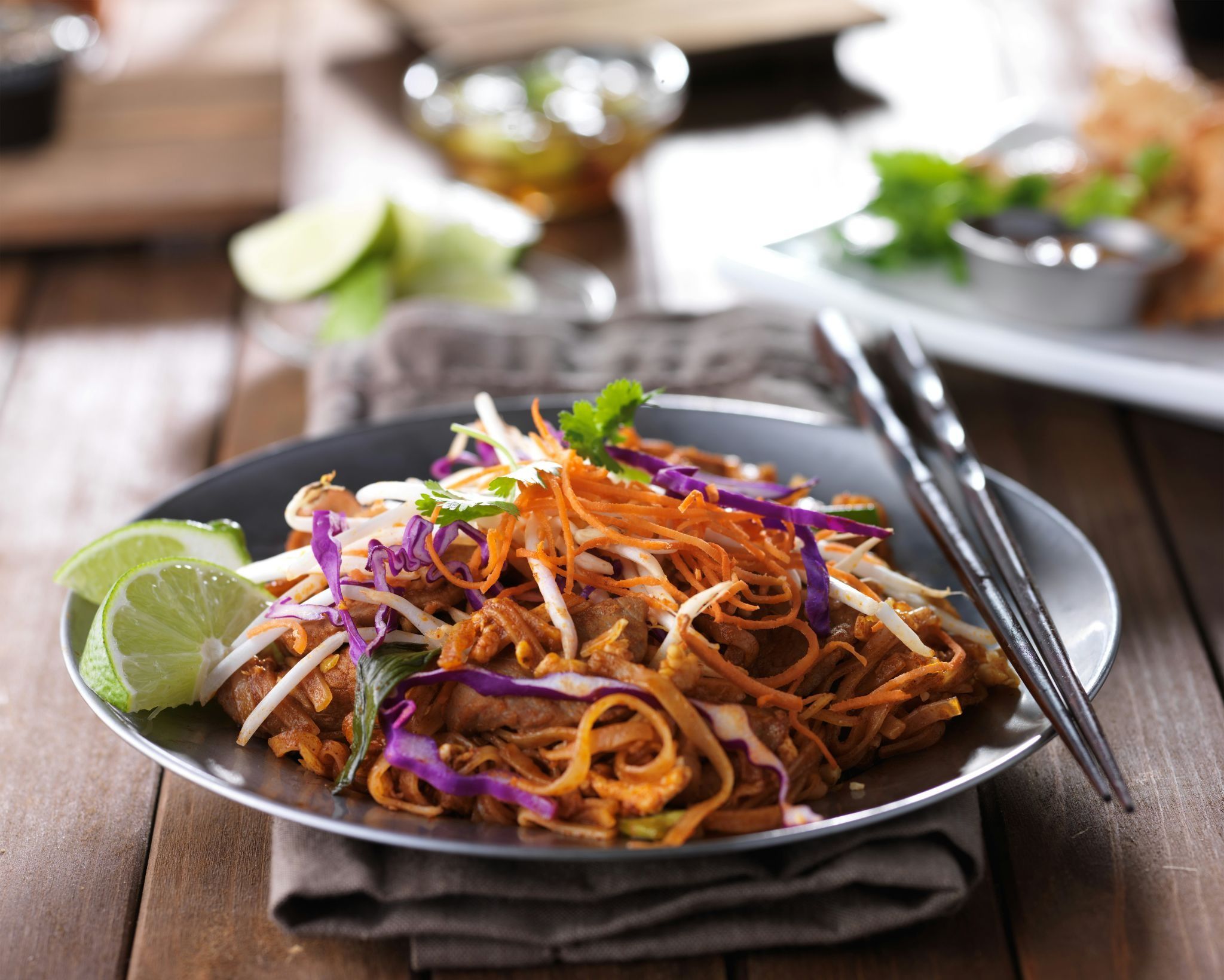 Interestingly, Pad Thai wasn’t always a popular street food. In the 1930s and 40s, a Thai prime minister promoted this food in Thailand to help build national pride and cut down on rice use during a shortage. The dish caught on, and now it’s made with stir-fried rice noodles, egg, tofu, dried shrimp, and a tangy tamarind sauce, finished with crushed peanuts and lime.
- Where: Night markets, street carts, most restaurants
- Spice level: Mild
- Typical price: 40 to 60 THB, street side
2. Tom Yum Goong
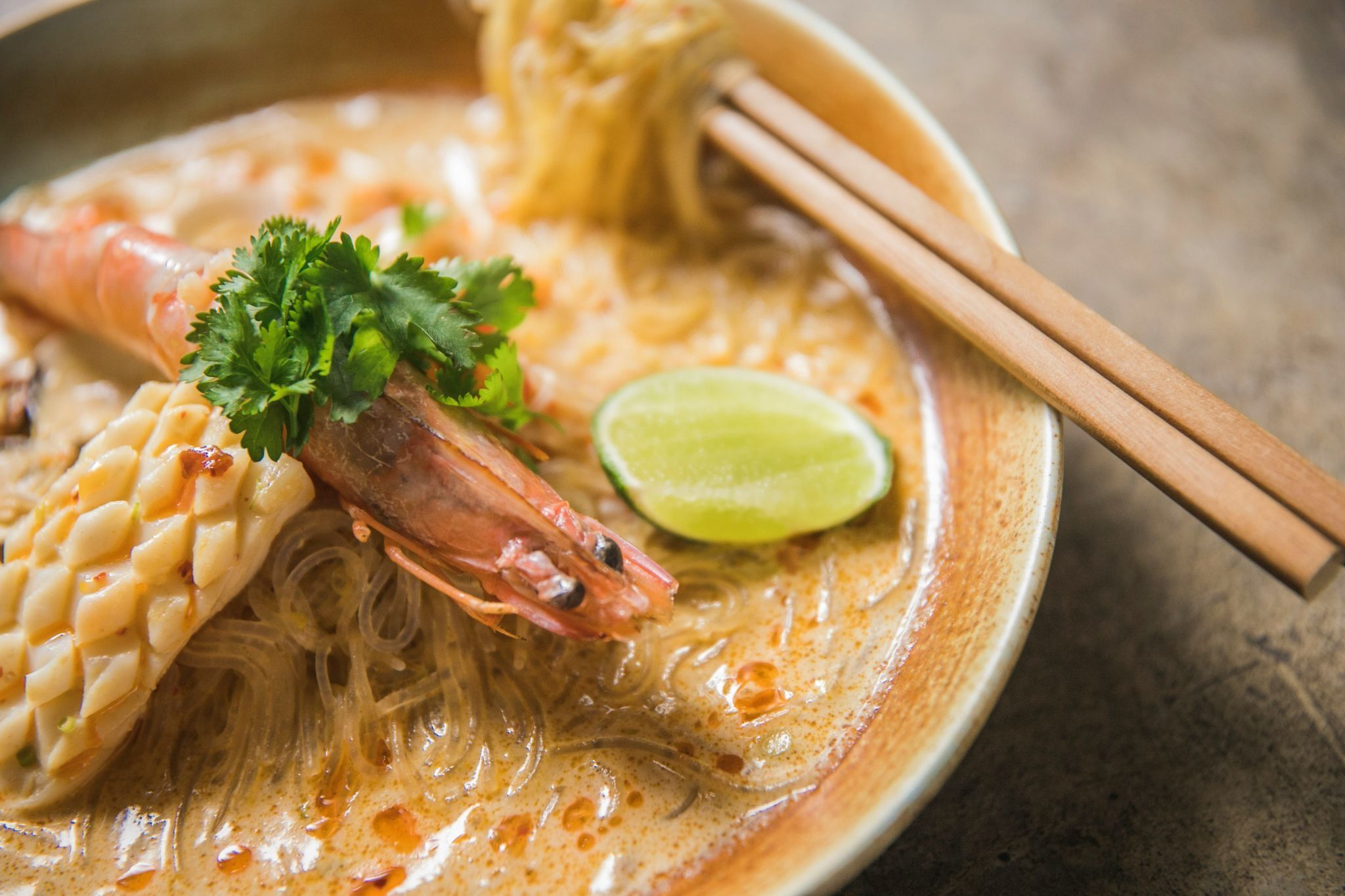 This soup's popularity reached such a high level that even the 1997 Asian financial crisis got its nickname as "Tom Yum Kung crisis" in some economic circles. But before all of this, it was just a hot and sour shrimp soup built on lemongrass, galangal, kaffir lime leaves and chilli paste, sharp enough to wake up your whole palate in one spoonful.
- Where: Street stalls and upscale restaurants alike
- Spice level: Medium to hot
- Good to know: Often shared, not eaten solo
3. Green Curry (Gaeng Keow Wan)
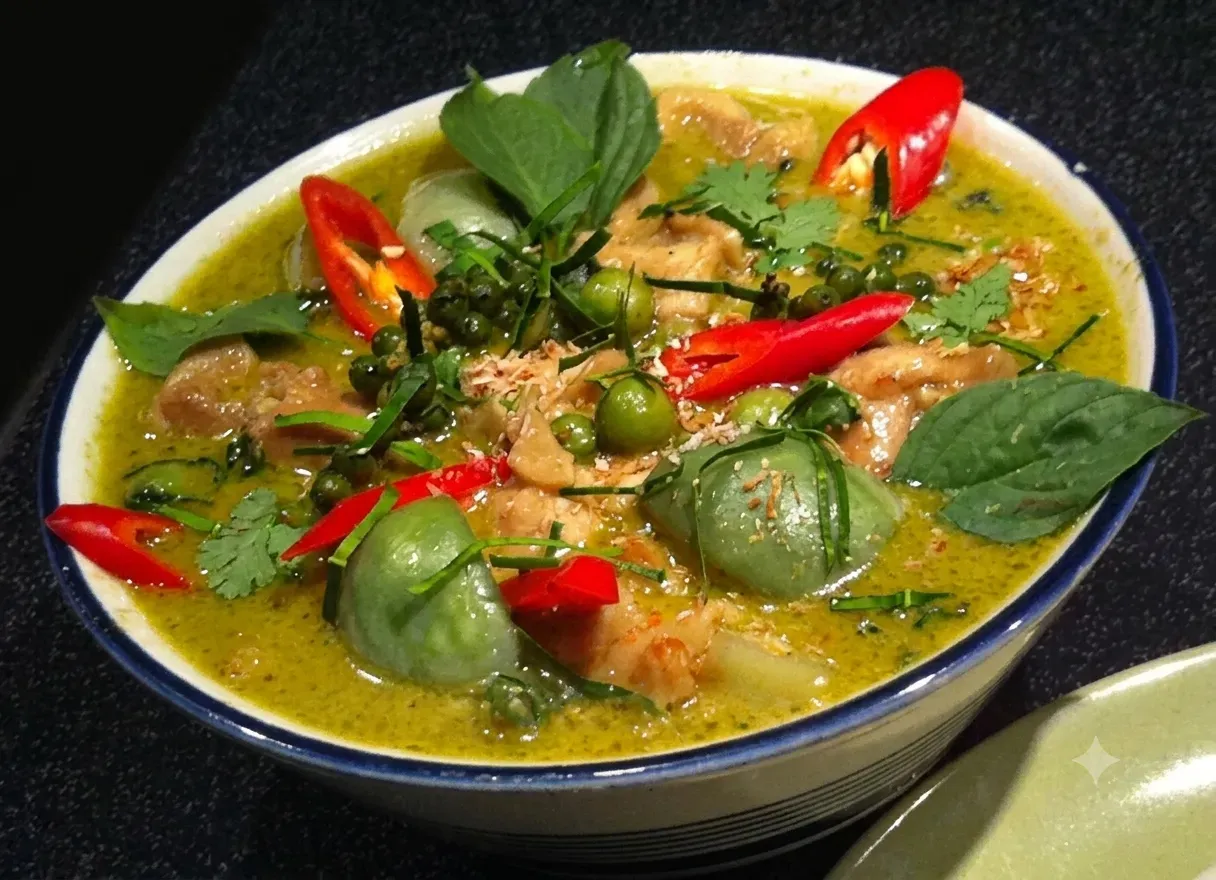 This one surprises a lot of first-timers, since the vivid green colour comes entirely from fresh green chillies and herbs blended into the paste, not from any added dye. Coconut milk softens the heat just enough, while chicken or beef soaks up all that flavour as it simmers slowly. This food in Thailand is rich, fragrant, and one of the easiest curries to fall in love with quickly.
- Where: Most Thai restaurants, central Thailand speciality
- Spice level: Medium to hot
- Served with: Steamed jasmine rice
4. Massaman Curry
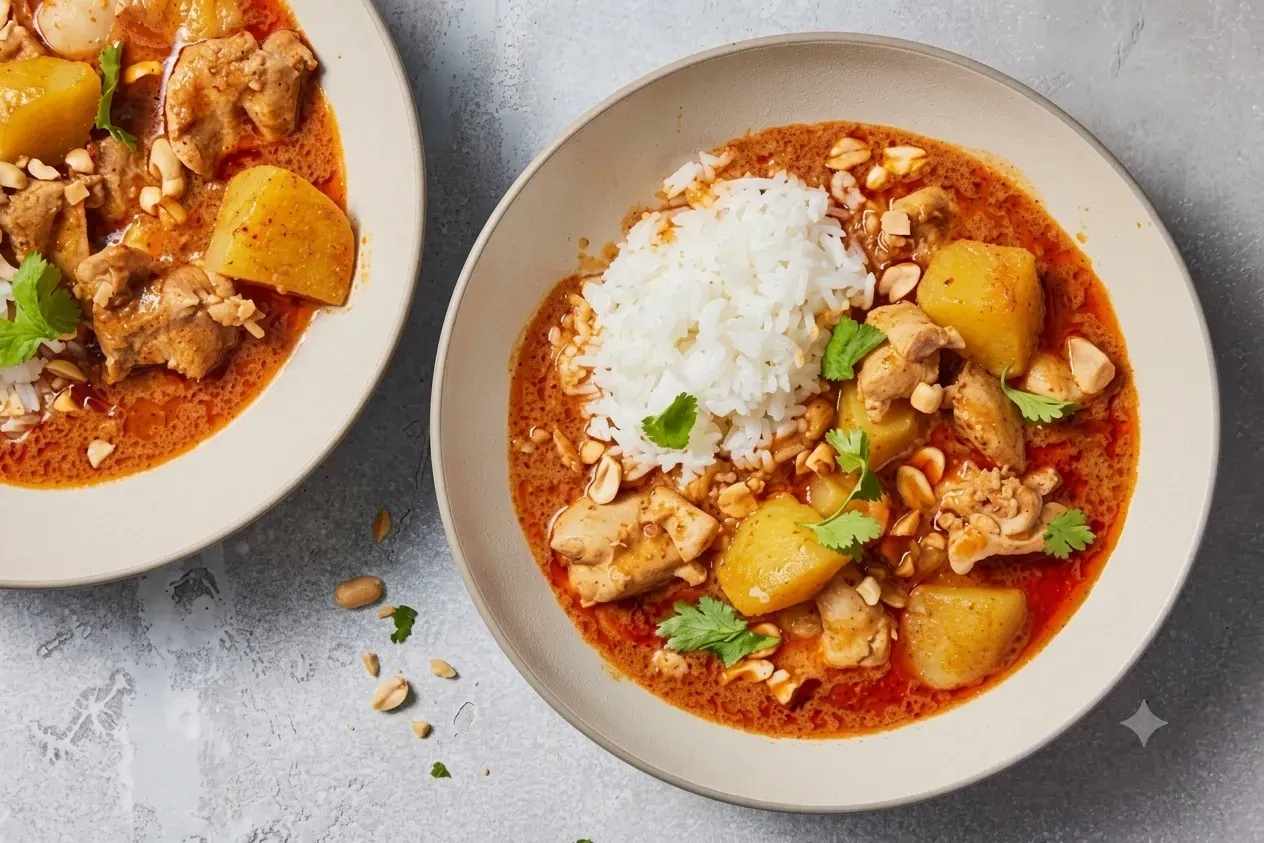 If you want popular Thai food or curry without the usual fire, this is the one to order first. Massaman leans milder and sweeter than most Thai curries, thanks to Muslim trading influence that brought peanuts, cinnamon and cardamom into the mix. Potatoes and tamarind round it out into something that tastes closer to a slow-cooked stew than a typical curry.
- Where: Southern Thailand origin, widely available nationwide
- Spice level: Mild
- Good for: Travellers who want flavour without heat
5. Som Tam
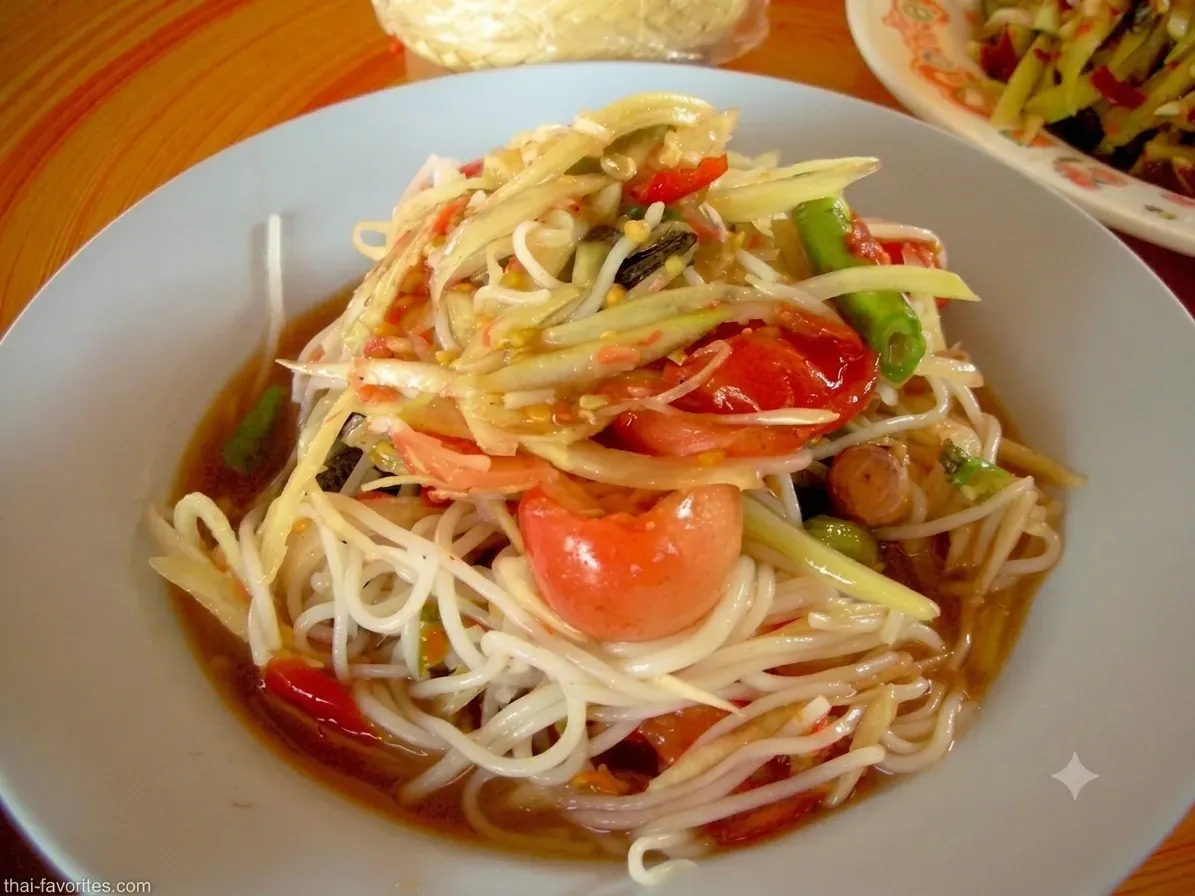 This salad doesn't ease you in gently, which is exactly what it's meant to do. Shredded green papaya is mixed with lime, fish sauce, chilli, peanuts, and dried shrimp, so every bite is sour, salty, sweet, and spicy at the same time. It started in Northeastern Thailand and is now found everywhere, though the spiciness can be very different depending on the region.
- Where: Isaan food stalls, common across the country
- Spice level: Hot, adjustable on request
- Tip: ask for "not spicy" if you're unsure
6. Khao Soi
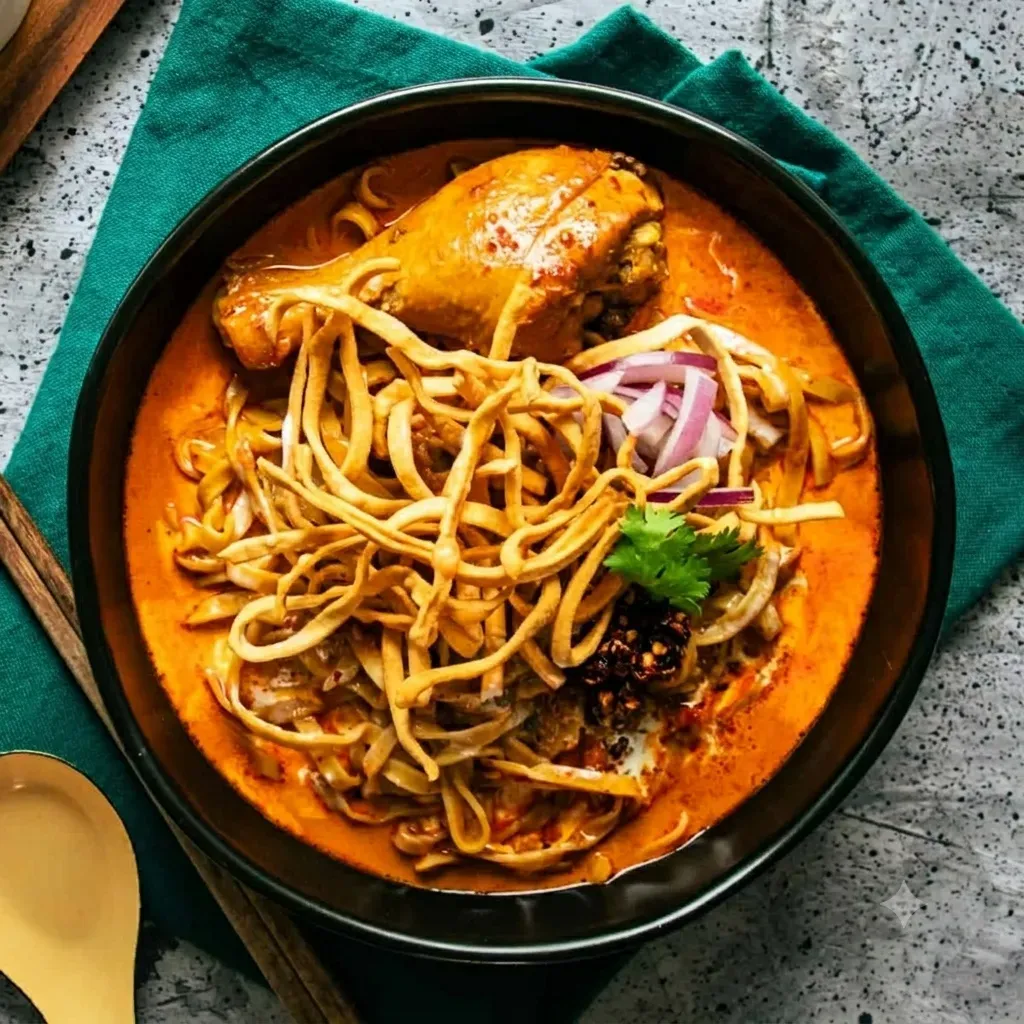 Here’s a local story you might enjoy: this dish comes from Yunnanese Muslim traders who travelled through northern Thailand centuries ago. That’s why its flavours are more like what you’d find near the Myanmar border than in Bangkok. It starts with boiled egg noodles, topped with crispy fried noodles, pickled greens, and chicken or beef, all served in a rich coconut curry broth. This food in Thailand has become Chiang Mai’s signature dish.
- Where: Chiang Mai speciality, harder to find elsewhere
- Spice level: Mild to medium
- Origin: Northern Thailand, Burmese influence
7. Moo Ping
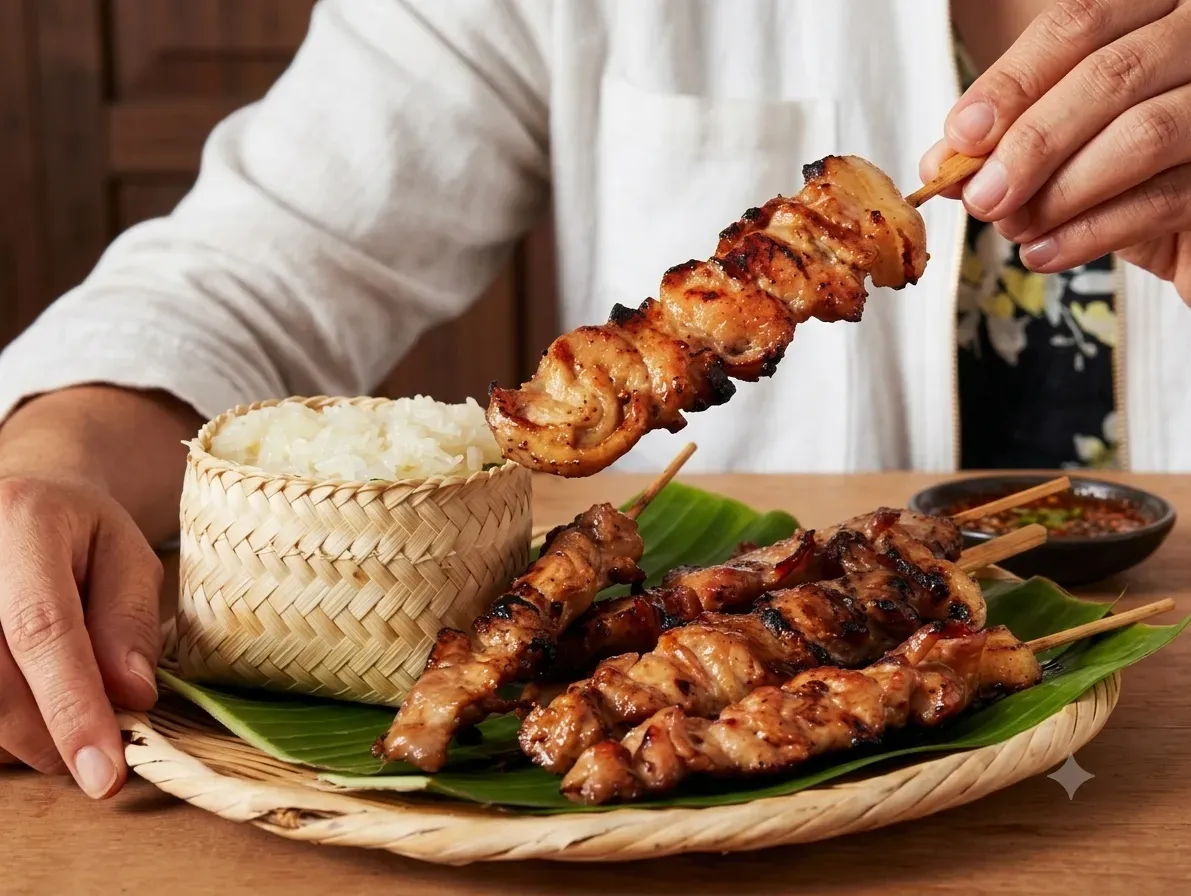 Half of Thailand seems to eat Moo Ping for breakfast, and once you try it, you'll understand why. These grilled pork skewers are soaked in a sweet and savoury glaze, then slowly cooked over charcoal until the edges are just a bit charred. They’re usually served with a small bag of sticky rice, turning this dish into a real grab-and-go breakfast instead of just a snack.
- Where: Morning markets, night markets
- Typical price: 10 to 20 THB per skewer
- Good for: Quick snacks between sightseeing
8. Pad Kra Pao
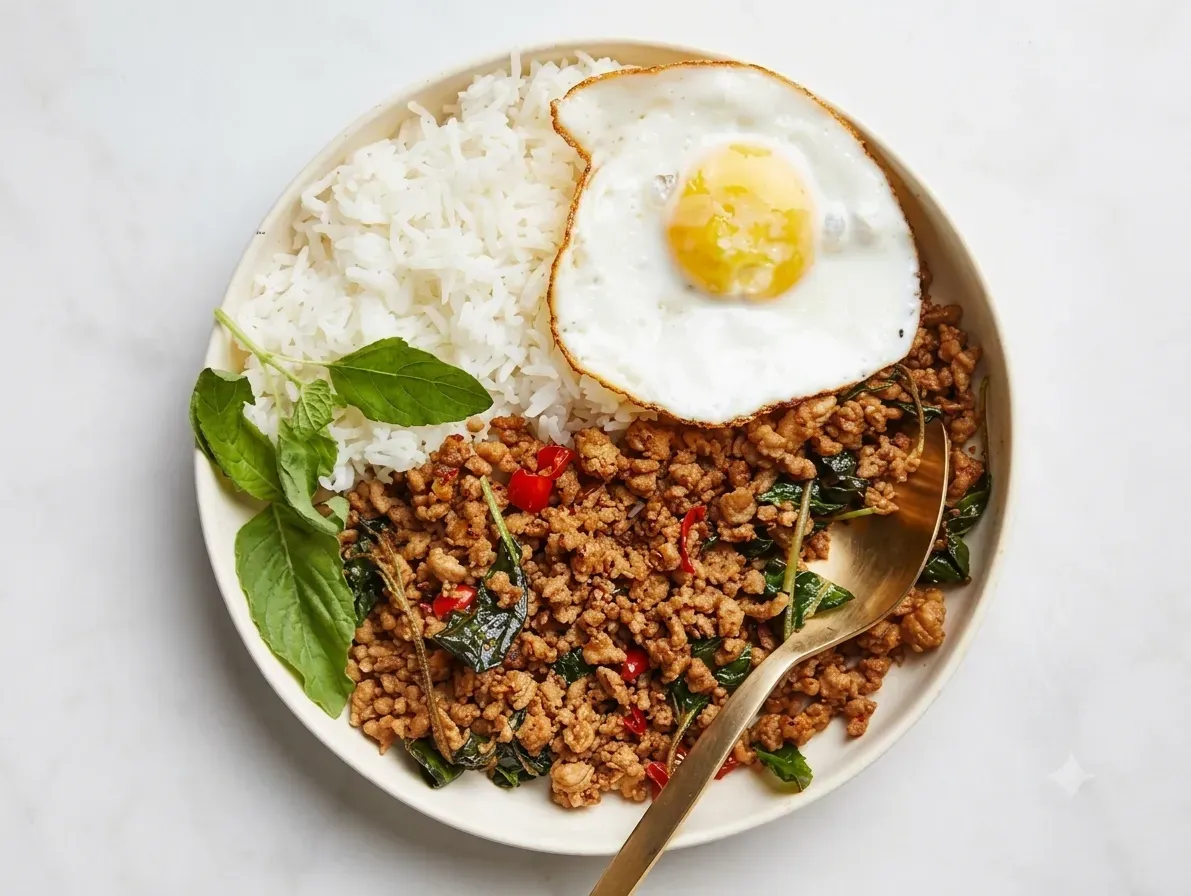 Ask any local what they eat most during the week, and this dish comes up more than anything else on this list. Minced pork or chicken is quickly stir-fried with garlic, chillies, and holy basil, then topped with a crispy fried egg. This popular Thai food is easy to make, quick to cook, and always satisfying, no matter how many times you have it.
- Where: Everywhere, from street carts to office canteens
- Spice level: Medium to hot
- Served with: Steamed rice, fried egg on top
9. Tom Kha Gai
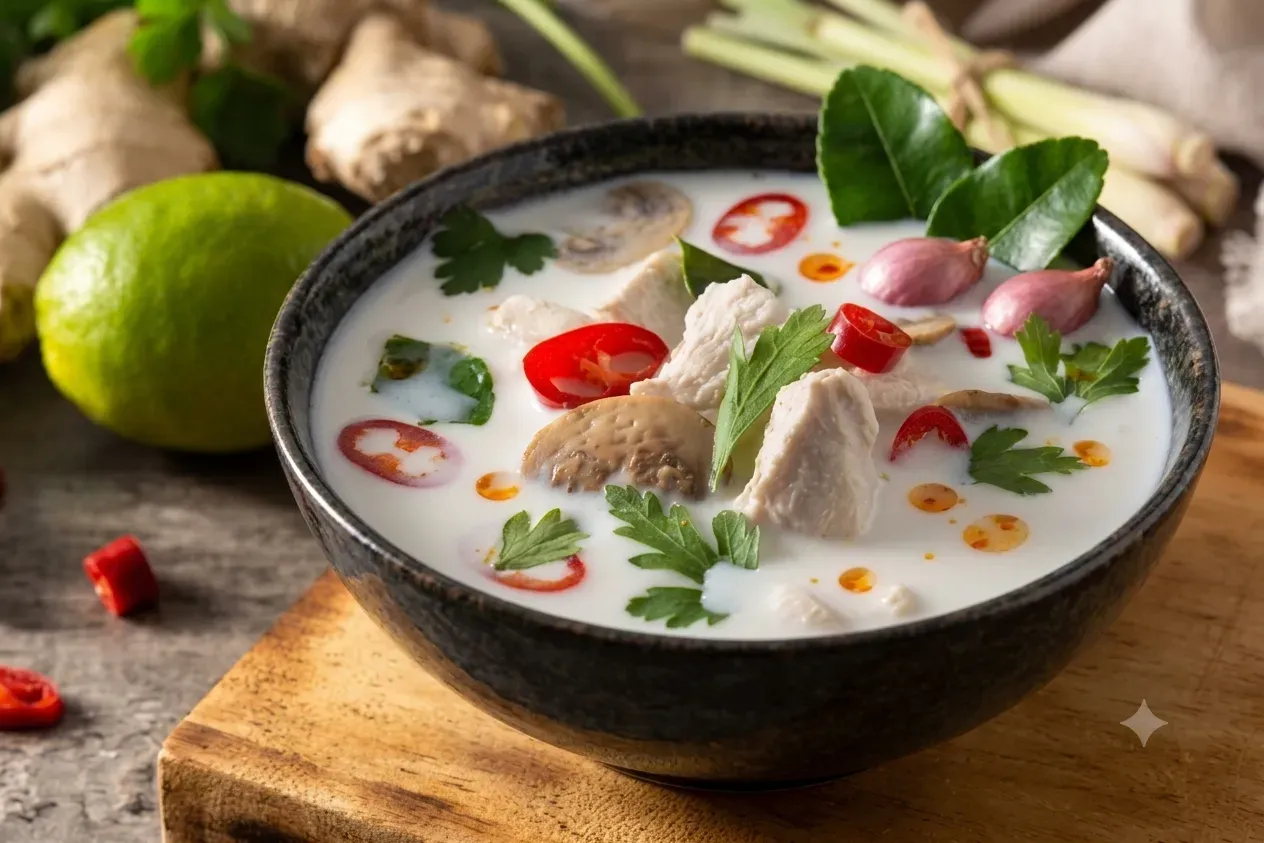 Think of this as tom yum's calmer sibling. Rather than going after sharp, sour heat, this coconut milk soup has a smooth, creamy broth with plenty of galangal and tender chicken. It still tastes distinctly Thai, just in a softer way, so it’s a great choice if you’re not into chilli yet.
- Where: Widely available, milder restaurants, especially
- Spice level: Mild
- Good for: sensitive stomachs, first-time visitors
10. Khao Man Gai
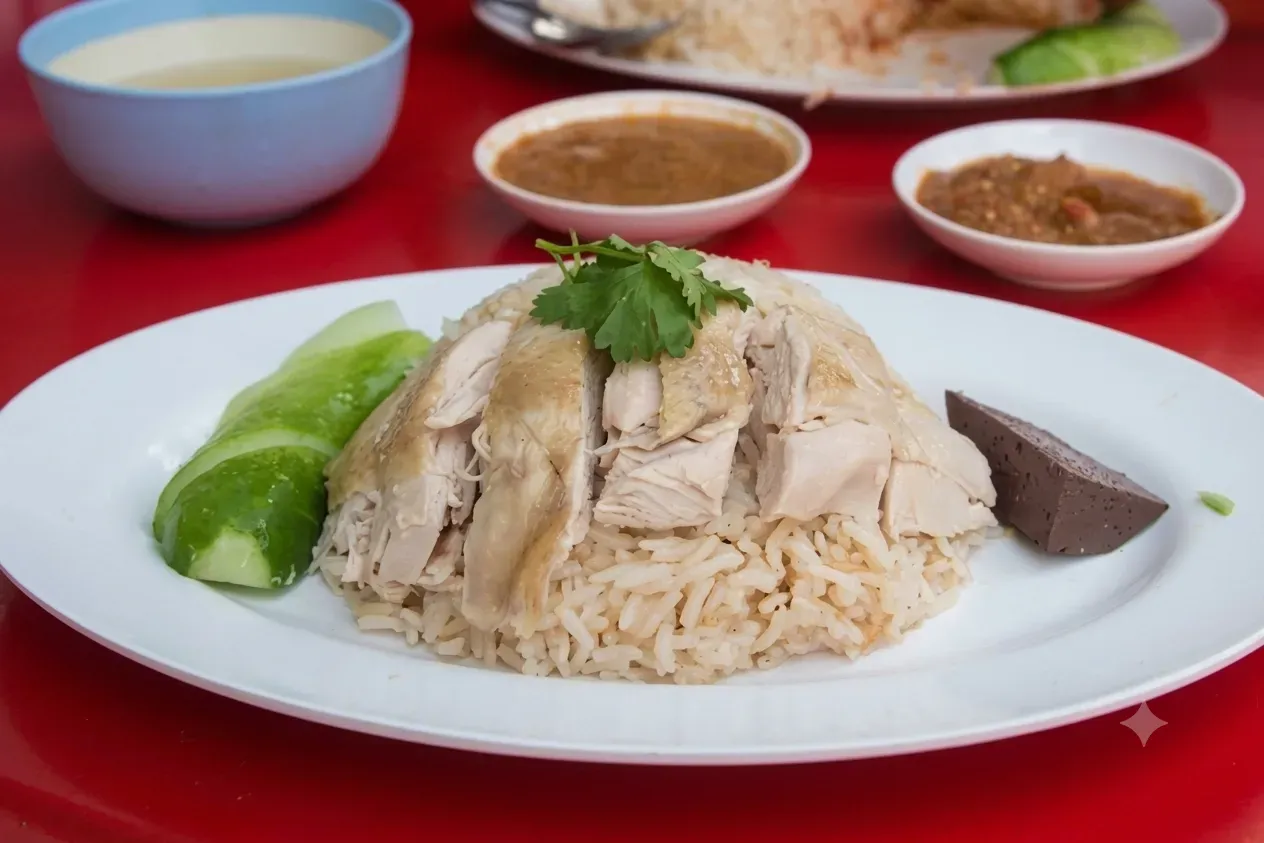 There's a reason this dish shows up on almost every "safe pick" list for nervous stomachs. It features poached chicken on cooked rice with chicken fat and garlic. Additionally, a light broth and a tangy ginger-chilli dipping sauce add more to it. It's simple without being boring, and reliable enough to order on a day you just don't want surprises.
- Where: Dedicated stalls across Bangkok
- Spice level: Mild; sauce adds heat if wanted
- Typical price: 40 to 60 THB
11. Mango Sticky Rice
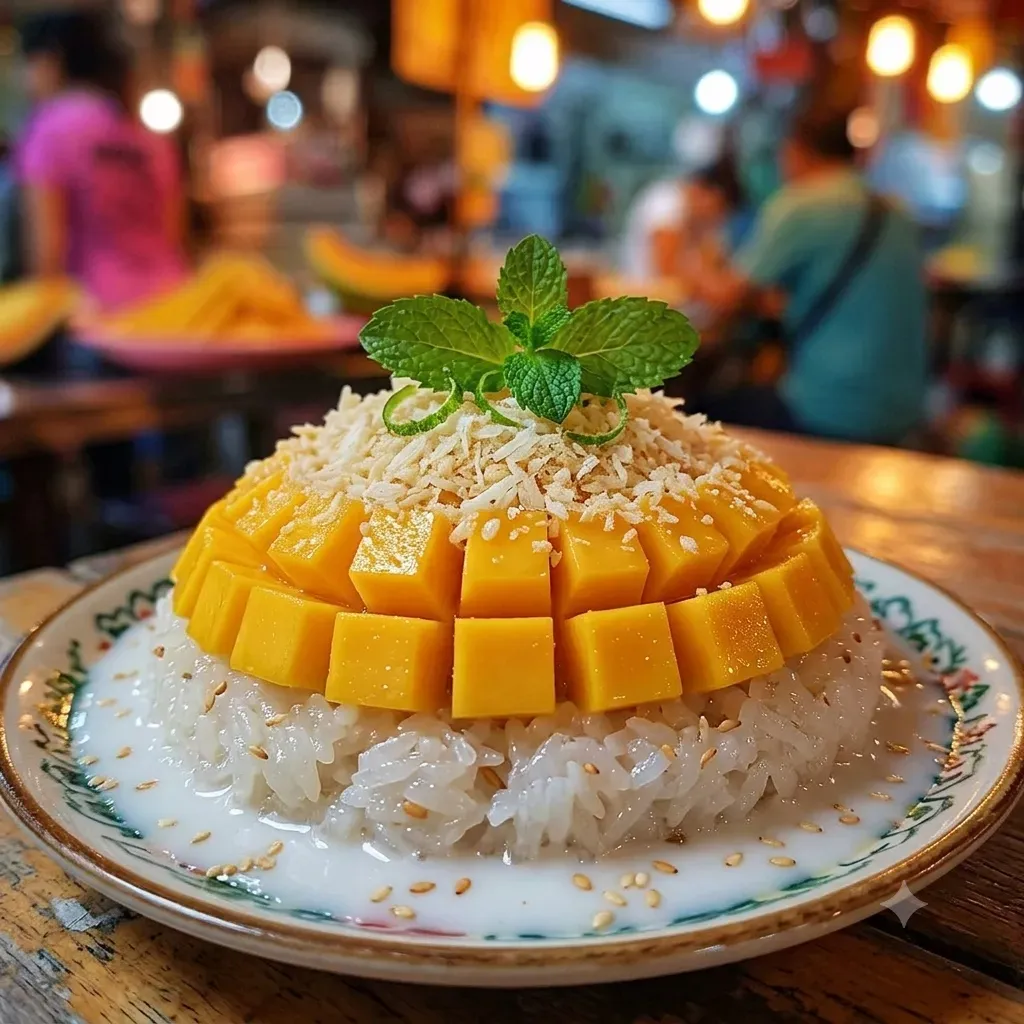 This is the dessert almost everyone ends up ordering twice. This sweet sticky rice in Thailand is often served with fresh mango slices, tasty coconut milk, and a little bit of toasted mung beans for a little crunch. It tastes like the simplest combination in the world, yet somehow no one gets tired of it. As one of the most popular Thai foods, mango sticky rice is a must-try during your visit.
- Where: Street stalls, dessert shops, most restaurants
- Typical price: 45 to 70 THB, higher in tourist zones
Note: Mango sticky rice in Thai is called "khao niew mamuang"
12. Larb
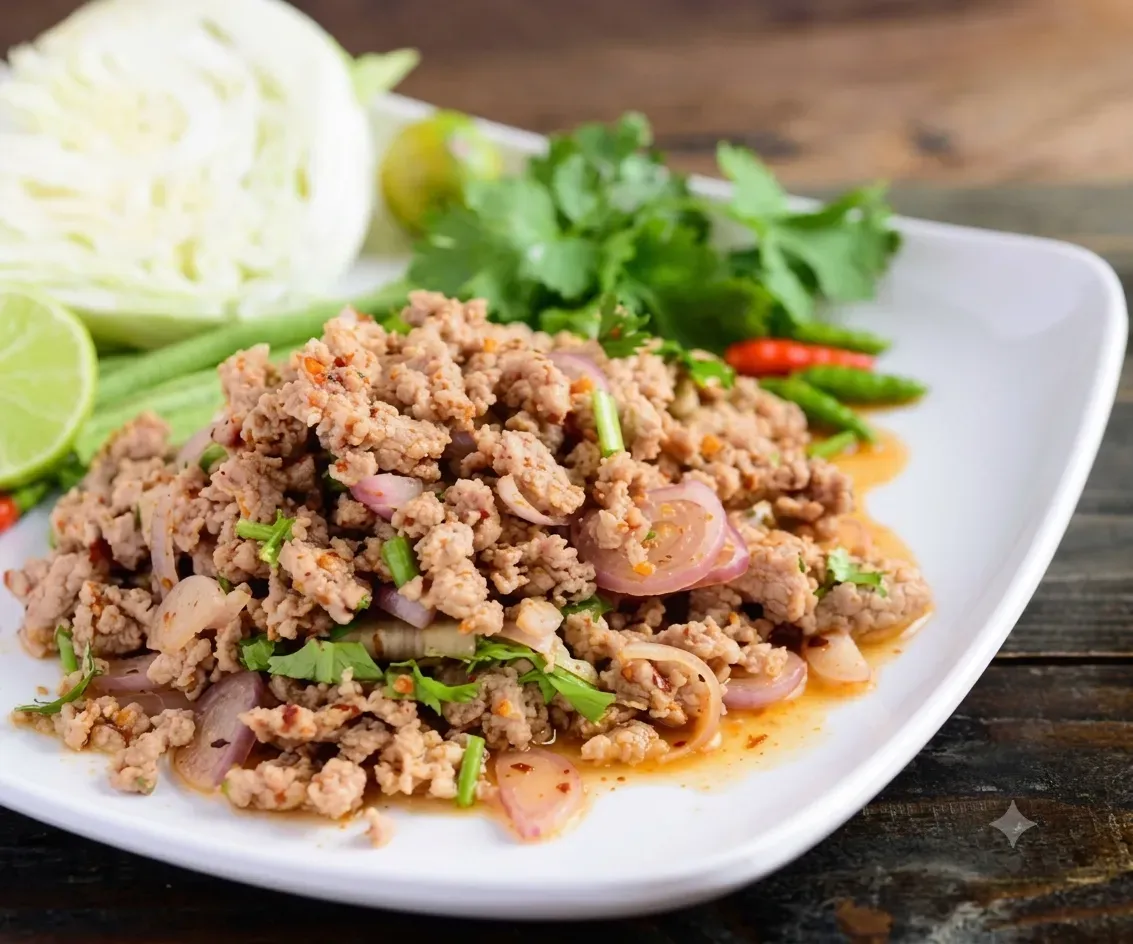 This one doesn't hold back, and it isn't trying to. Minced meat gets tossed with lime, fish sauce, chili flakes, roasted rice powder and a generous handful of fresh herbs, creating something sharp, tangy and genuinely bold. This food in Thailand comes from the Northeastern region originally, and it remains one of the boldest, most confident flavours on this entire list.
- Where: Northeastern food stalls, common nationwide
- Spice level: Hot
- Served with: Sticky rice, raw vegetables on the side
Thai Food Etiquette: What to Know Before You Eat
A few simple habits can help you eat more like a local instead of a tourist.
- For most Thai dishes, use a fork and spoon instead of chopsticks. Use the fork to push food onto the spoon, which you eat with.
- Chopsticks are mostly used for noodle soups and dishes with Chinese influences.
- Order food to share with everyone at the table, since Thai meals focus on variety rather than each person having their own plate.
- If you are full, leave a little food on your plate. Finishing everything might suggest you want another serving.
- If you want to control how spicy your food is, say "mai phet" for not spicy, and "phet nid noy" for a little spicy.
Thailand Street Food: Where and How to Eat It
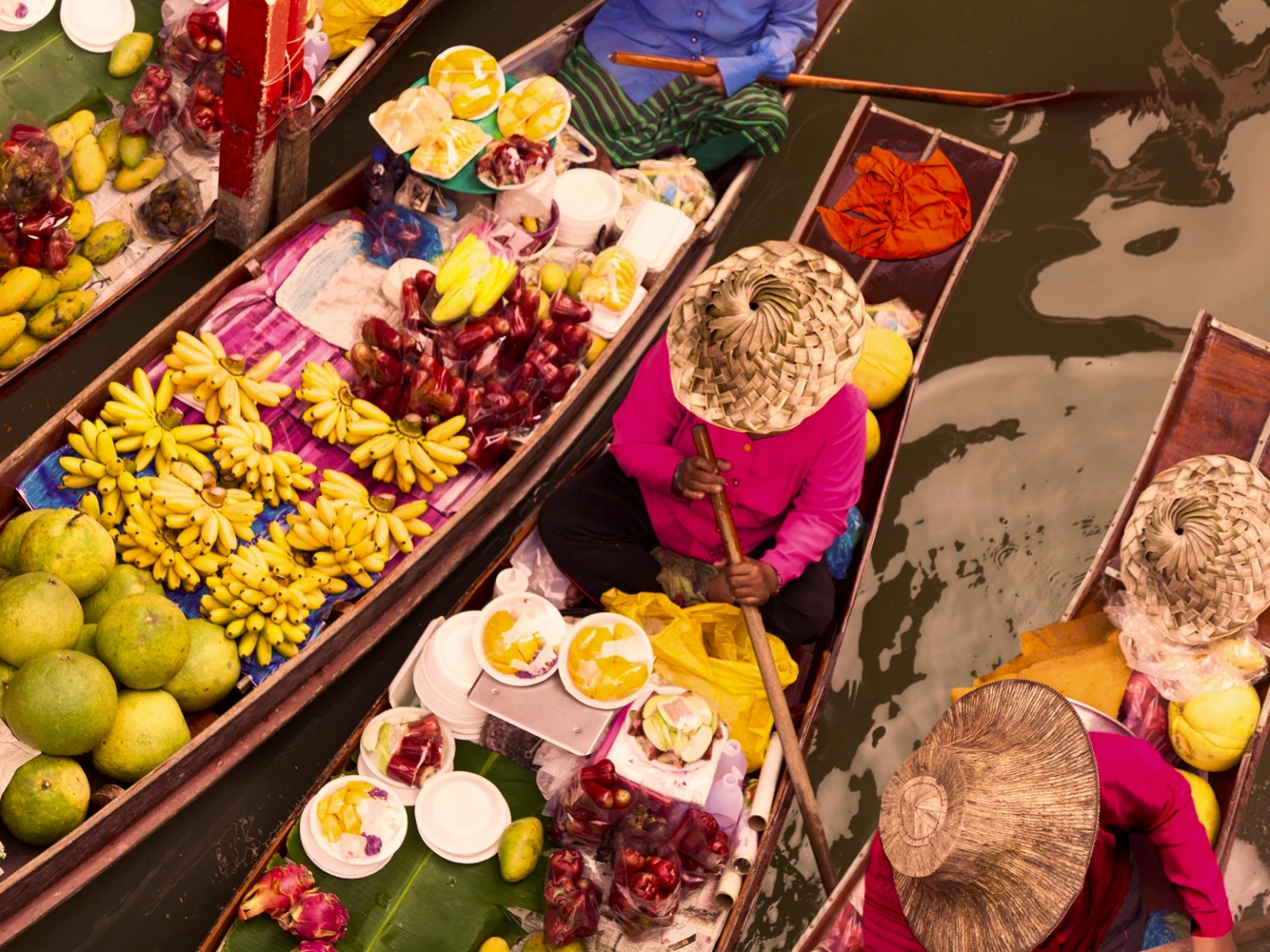
Street food isn't a backup plan in Thailand; it's often the best meal you'll have all day. Thailand's street food is a major attraction, with famous food markets and roadside stalls drawing as much attention as the cities they are found in. Also, knowing these areas by their names can be worthwhile if you want to plan your food stops properly .
Yaowarat (Bangkok Chinatown) | Roast duck, fresh seafood, and one of Thailand's busiest night food scenes. |
Chiang Mai Night Markets | Northern Thai specialities in a more relaxed setting than Bangkok. |
Street Stalls with Long Local Queues | A reliable sign of freshly prepared, high quality food loved by locals. |
Tribe Travel Tip: You can point at the dish rather than trying to pronounce it. Simply because most vendors are used to this, and it's faster than fumbling through a translation app.
Thailand Food Prices: What to Expect
Thailand food prices shift a lot depending on where you're standing, sometimes within the same street.
Setting | Typical Price Per Dish |
Local street stall, non-tourist area | 40 to 70 THB |
Tourist zone street stall | 100 to 180 THB |
Casual sit-down restaurant | 150 to 220 THB |
Before You Go
These 12 dishes are just the beginning of what food in Thailand has to offer, but they're a great place to start. Don't be afraid to try something new, and if you prefer milder flavours, simply ask for "not spicy." You'll often find the best meals at street stalls where locals are lining up. If you're planning a Thailand holiday, our advisors at Holiday Tribe can help you create an itinerary that includes the country's best food along with its top attractions.