

The French Alps run along the eastern edge of France, from Lake Geneva in the north down toward Provence in the south. The range holds Europe's highest peak (Mont Blanc, 4,808 metres), some of its oldest ski resorts, and a string of lakeside towns, mountain villages and small cities that each have their own character, food and reason to visit. This guide picks eight of them, arranges them in a route you could actually follow, and shows how to connect them without needing a car.
Key Takeaways
Key Information | Quick Answer |
Places covered | 8 French Alps destinations |
Best for | Mountains, lakes, villages, views, food and Alpine culture |
Best overall season | June to September for hiking and lakes. December to March for skiing |
Without a car | Train, local buses and cable cars connect the main destinations |
Best approach | Base yourself in Annecy or Chamonix and take day outings |
Short itinerary | 3 days covers the strongest highlights |
What Are the Best Places to Visit in the French Alps?
The eight destinations below are arranged as a travel sequence running roughly from the northern French Alps toward the south. The order follows a route you could realistically take, so each place leads naturally to the next rather than jumping across the map. Not all eight need to fit into one holiday. Pick the section that suits the time you have.
1. Chamonix
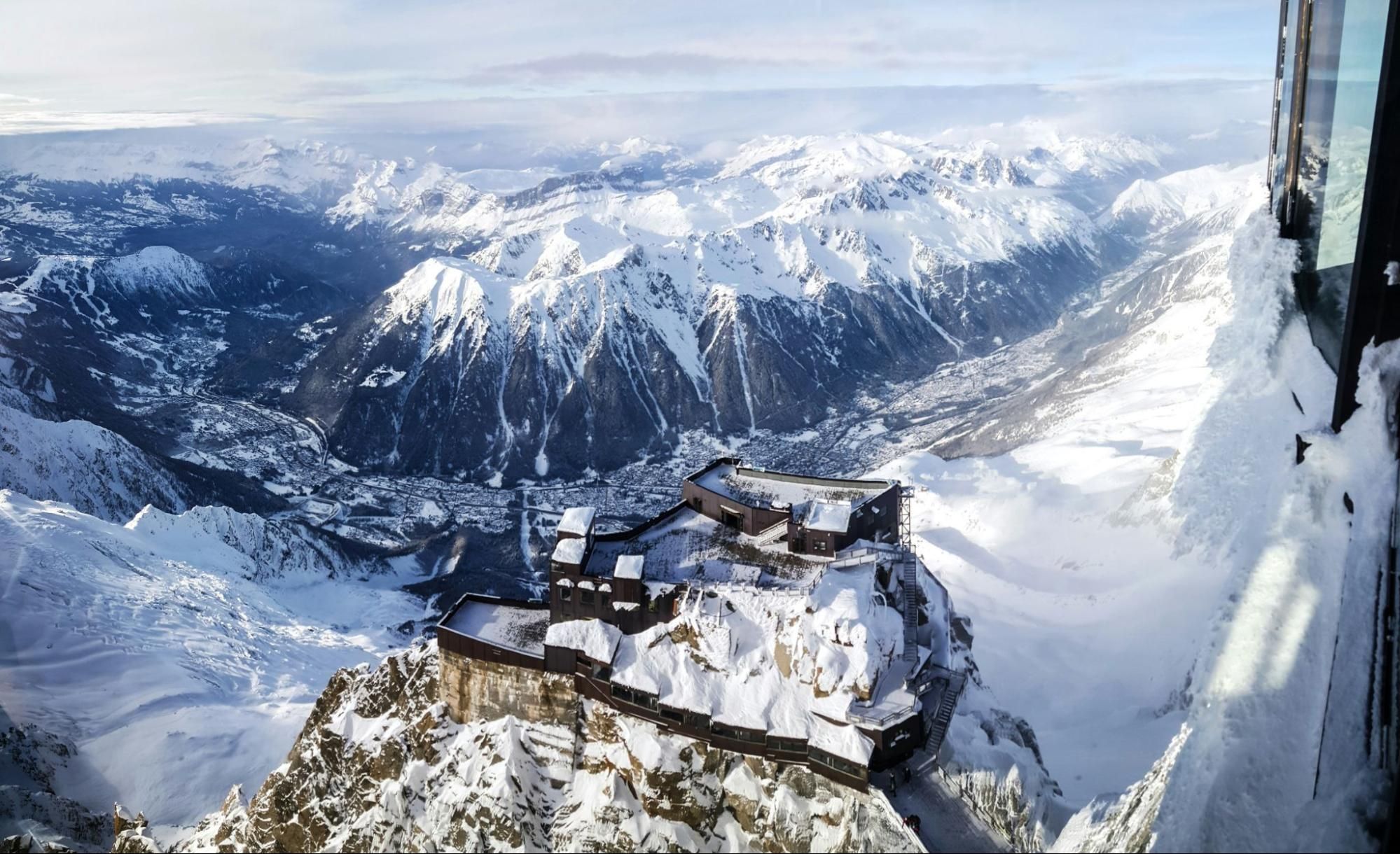 Chamonix sits directly below Mont Blanc and has been the centre of Alpine mountaineering since the first ascent in 1786. The town has a compact main street lined with gear shops, restaurants and cafes, and the Aiguille du Midi cable car takes you to 3,842 metres in 20 minutes. The view from the top, across the Mont Blanc massif and into three countries, is the single most visited high-altitude viewpoint in the Alps. Chamonix runs on two speeds: winter skiing and summer hiking, both world class.
Things to Do: Ride the Aiguille du Midi cable car, hike the Lac Blanc trail, visit the Mer de Glace glacier by rack railway, ski in winter
Best For: Mountain lovers, hikers, skiers and first-time Alpine visitors
Best Season: December to March for skiing. June to September for hiking and cable cars
2. Megeve
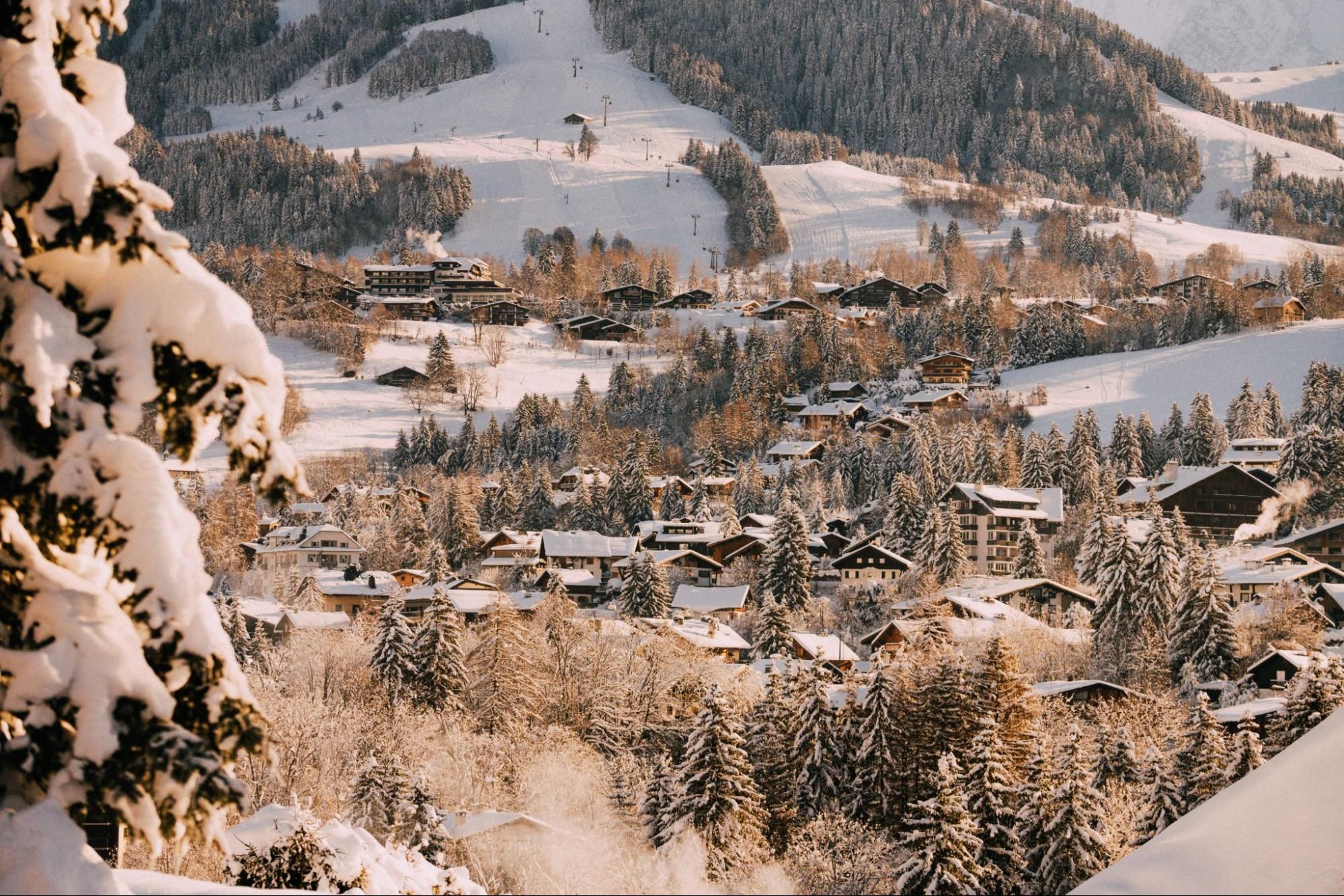 Megeve was built as a luxury ski alternative to Chamonix in the 1920s, and the village has kept that character since. The cobbled centre has no high-rise buildings, the restaurants lean toward Savoyard fine dining, and the slopes are gentler than Chamonix's. In summer, Megeve converts to a quieter walking and cycling base. The village hosts an excellent Saturday morning farmers' market with local cheeses, charcuterie and mountain honey.
Things to Do: Ski the four linked areas, walk the old village, eat tartiflette at a mountain restaurant, visit the Saturday market
Best For: Couples, food lovers and skiers who prefer a quieter, more polished resort
Best Season: December to March for skiing. July to September for walking and food
3. Annecy
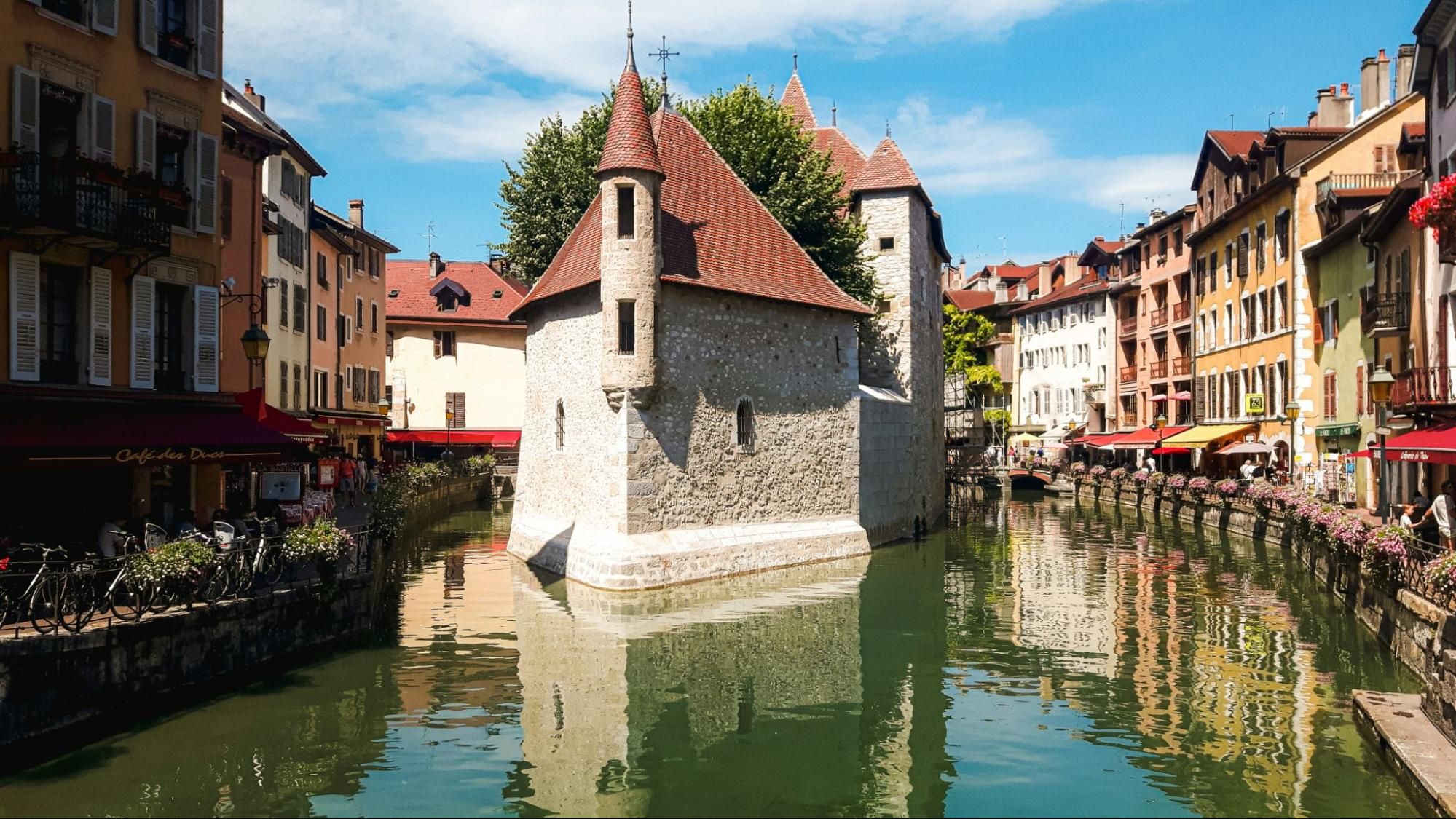 Often called the Venice of the Alps, Annecy earns the comparison without stretching it. The old town is a compact grid of canals, pastel-coloured buildings and covered passages that open onto Lake Annecy, one of the cleanest lakes in Europe. The Palais de l'Ile, a 12th-century island prison sitting in the middle of the Thiou canal, is the most photographed building in the town. The lake is swimmable in summer and the surrounding cycle path runs 40km around its shore.
Things to Do: Walk the old town, cycle or swim at the lake, visit the Palais de l'Ile, eat reblochon tartiflette
Best For: Couples, families, photographers and anyone wanting a lake-and-mountain combination
Best Season: May to September for the lake and warmth. December for Christmas markets
4. La Clusaz
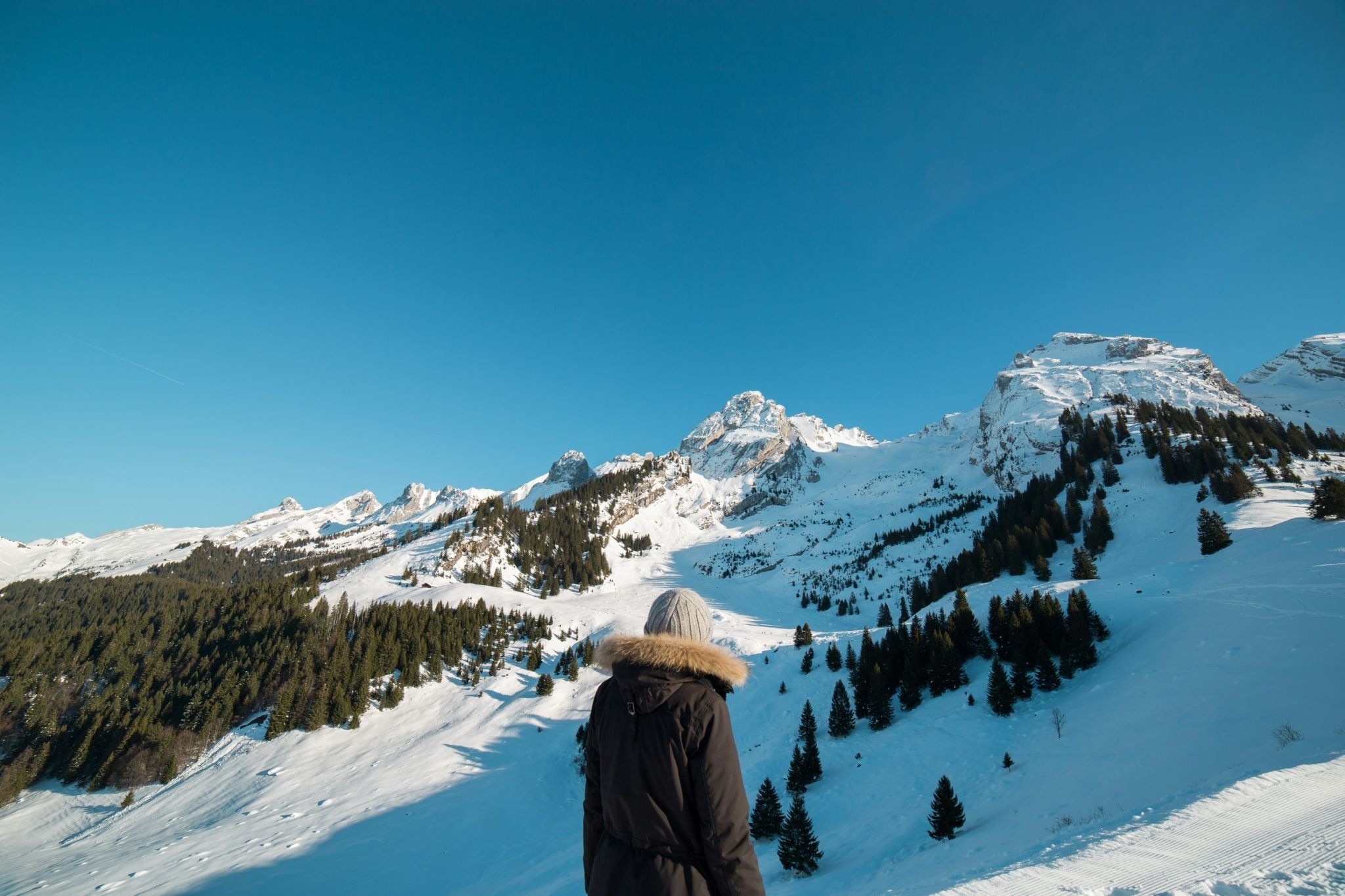 A working Alpine village about 30 minutes by bus from Annecy, La Clusaz has a strong local feel that larger resorts have lost. The Aravis mountain range sits behind the village, the reblochon cheese produced in the valley is among the best in France, and the ski area is large enough for a full week without repeating a run. In summer, the Col des Aravis pass opens for road cycling and the surrounding pastures fill with wildflowers.
Things to Do: Ski the Aravis slopes, visit a reblochon dairy farm, hike the Aravis ridgeline, cycle the Col des Aravis
Best For: Skiers who want a village atmosphere, cheese lovers and cyclists
Best Season: December to March for skiing. June to September for hiking and cycling
5. Chambery
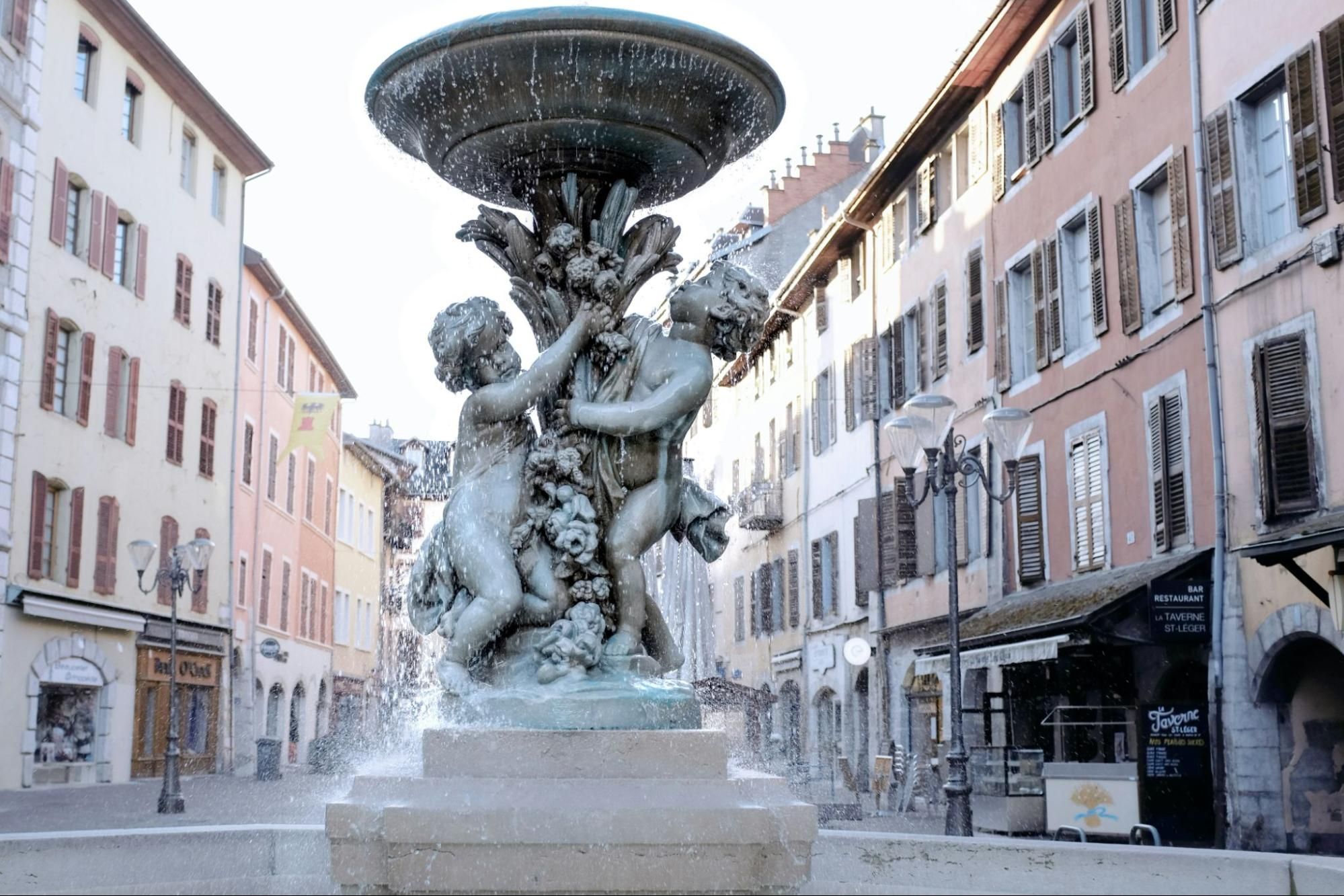 The historic capital of the Duchy of Savoy sits in the valley below the Chartreuse and Bauges mountain ranges. The old town has the Fontaine des Elephants (a 19th-century monument to a general who spent time in India), a covered food market, and the Chateau de Chambery where the Dukes of Savoy once governed. Chambery is a proper French city rather than a tourist resort, which gives it a different pace from the mountain towns above it.
Things to Do: Walk the old town, visit the chateau, eat at the covered market, use as a base for Chartreuse and Bauges hikes
Best For: Culture lovers, food lovers and travellers who want a city base with mountain access
Best Season: April to October for the city and hiking. The city works year-round
6. Grenoble
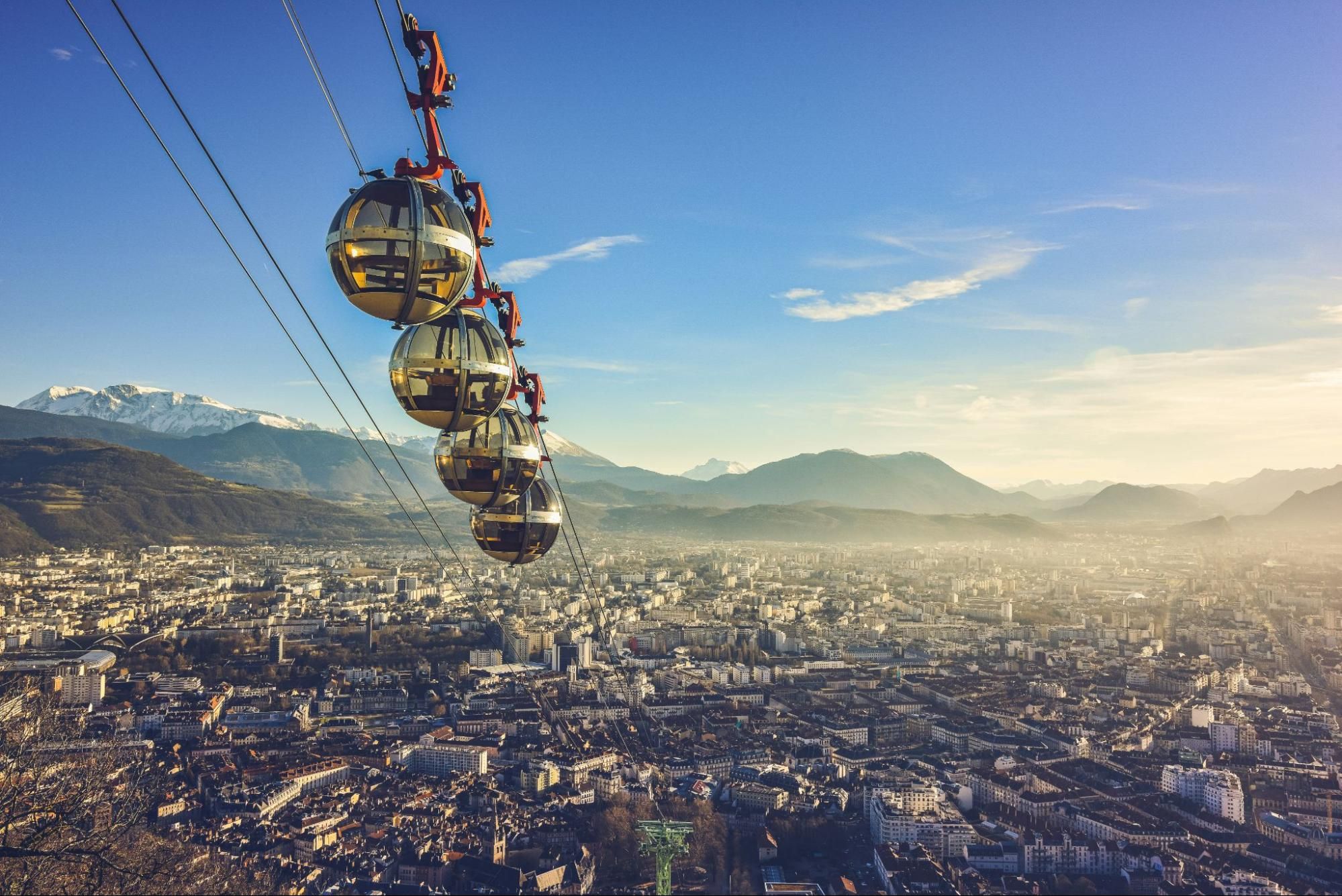 The self-styled "Capital of the Alps" sits at the confluence of the Drac and Isere rivers, surrounded by three mountain ranges. The Bastille cable car (les Bulles) lifts you from the city centre to a hilltop fortress in five minutes, and the view from the top puts the city, the rivers and the mountains into a single frame. Grenoble has a strong university population, good museums (the Musee de Grenoble has one of the best art collections outside Paris) and a lively evening scene in the old quarter.
Things to Do: Ride the Bastille cable car, visit the Musee de Grenoble, walk the old quarter, hike in the Chartreuse or Vercors
Best For: City lovers, art lovers and travellers who want urban culture alongside mountain access
Best Season: May to October for hiking and the city. December to March for nearby skiing
7. Les Deux Alpes
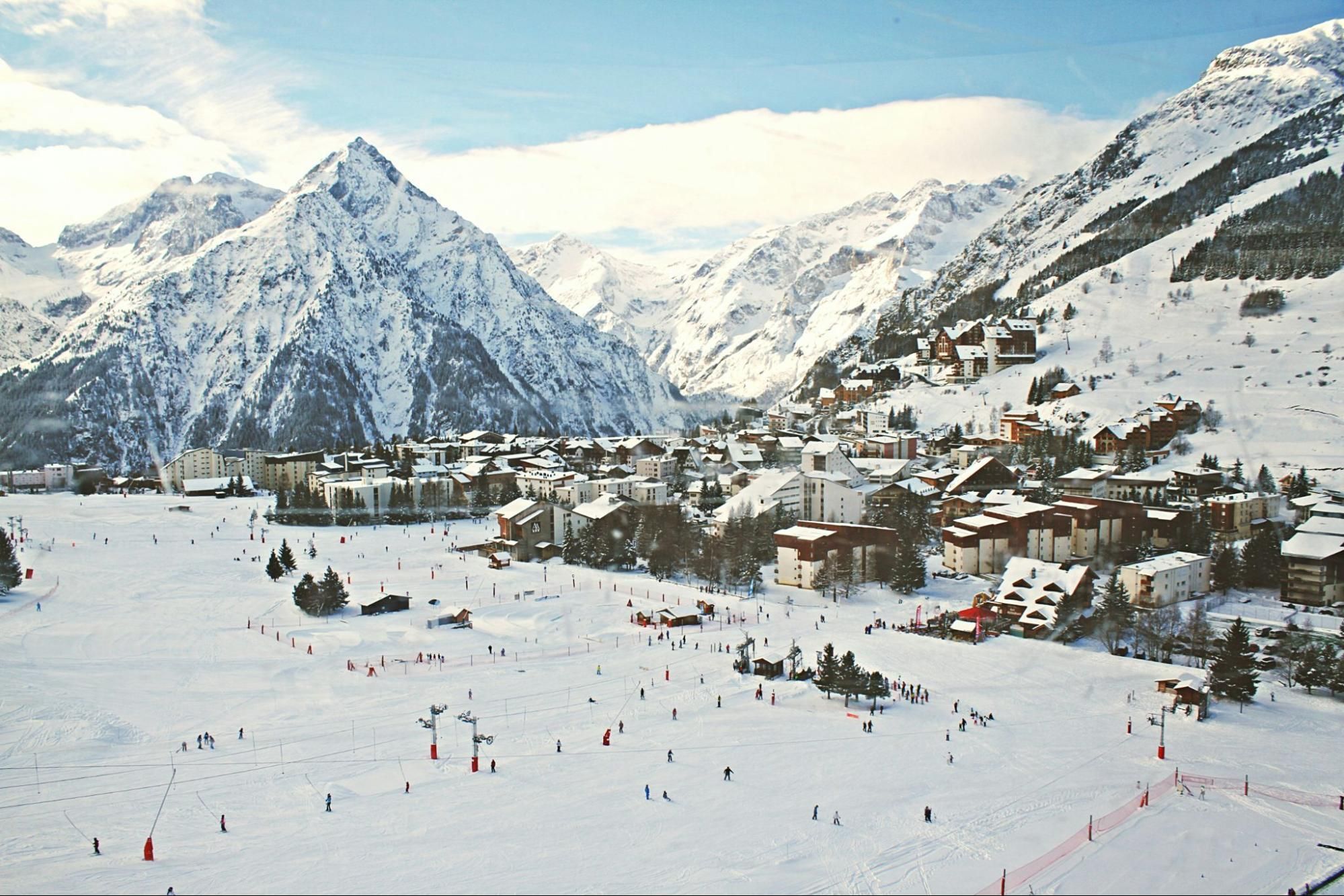 A high-altitude resort above Grenoble that offers one of the few summer ski areas in Europe, with glacier skiing available from June to August. The resort sits at 1,650 metres and the glacier reaches 3,600 metres. In winter, the ski area is large and suits intermediate to advanced skiers. Mountain biking in summer uses the ski lifts to access downhill trails. The resort atmosphere leans younger and more active than Megeve.
Things to Do: Ski the glacier (summer and winter), mountain bike on lift-accessed trails, hike to Lac du Plan, visit the ice cave
Best For: Skiers, snowboarders, mountain bikers and active travellers
Best Season: December to April for winter skiing. June to August for glacier skiing and mountain biking
8. Briancon
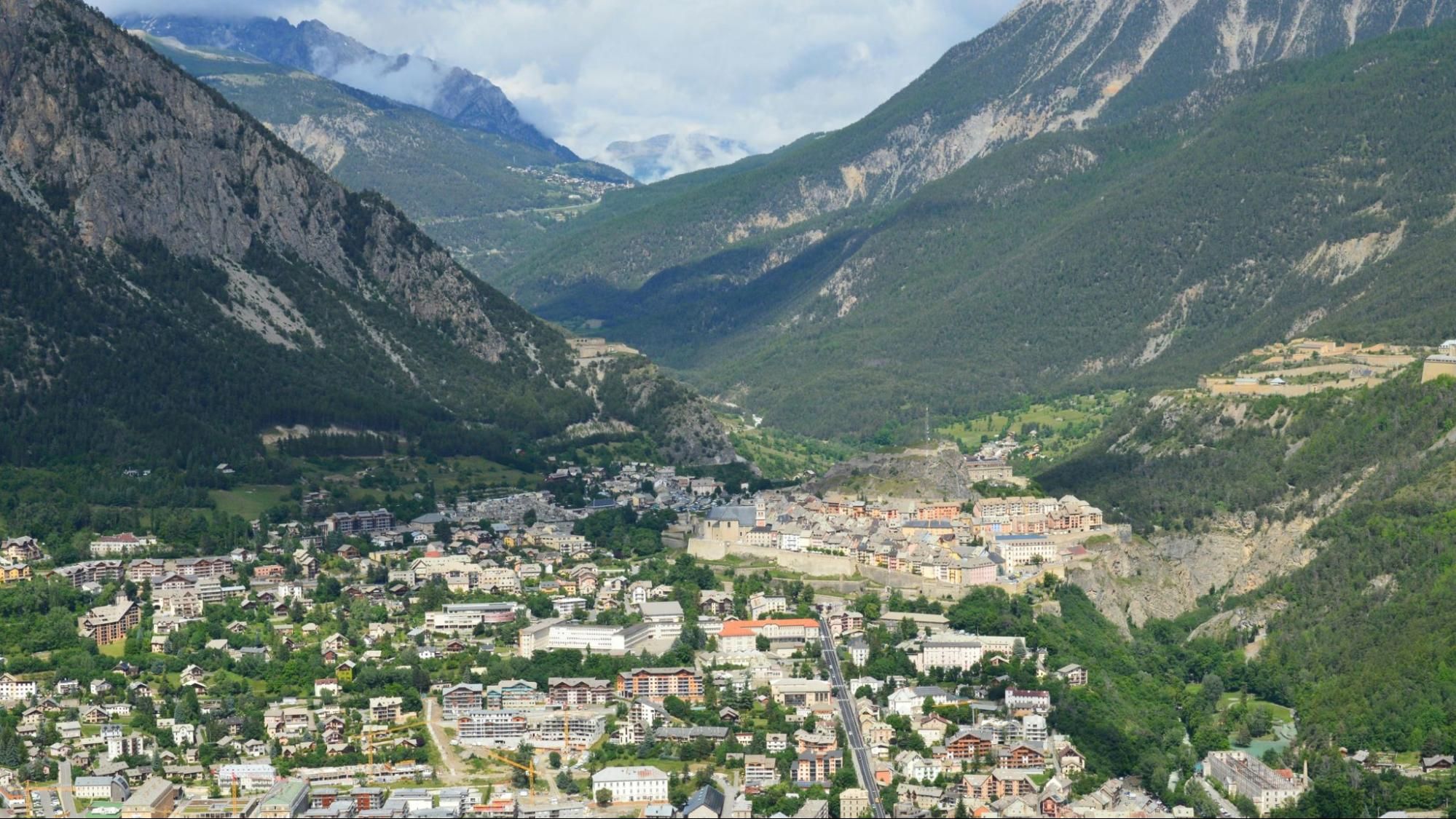 The highest city in France at 1,326 metres, Briancon sits at the gateway to the Ecrins National Park in the southern French Alps. The Vauban-fortified old town is a UNESCO World Heritage Site, built as a defensive stronghold in the 17th century with walls and gates that are still intact. The Serre Chevalier ski area starts from the edge of town. The southern position means more sunshine than the northern Alps, even in winter.
Things to Do: Walk the Vauban fortifications, ski Serre Chevalier, hike in the Ecrins National Park, cycle the Col du Galibier
Best For: History lovers, skiers, hikers and cyclists tackling Alpine passes
Best Season: June to September for hiking and cycling. December to March for skiing
How Can You Travel Around the French Alps Without a Car?
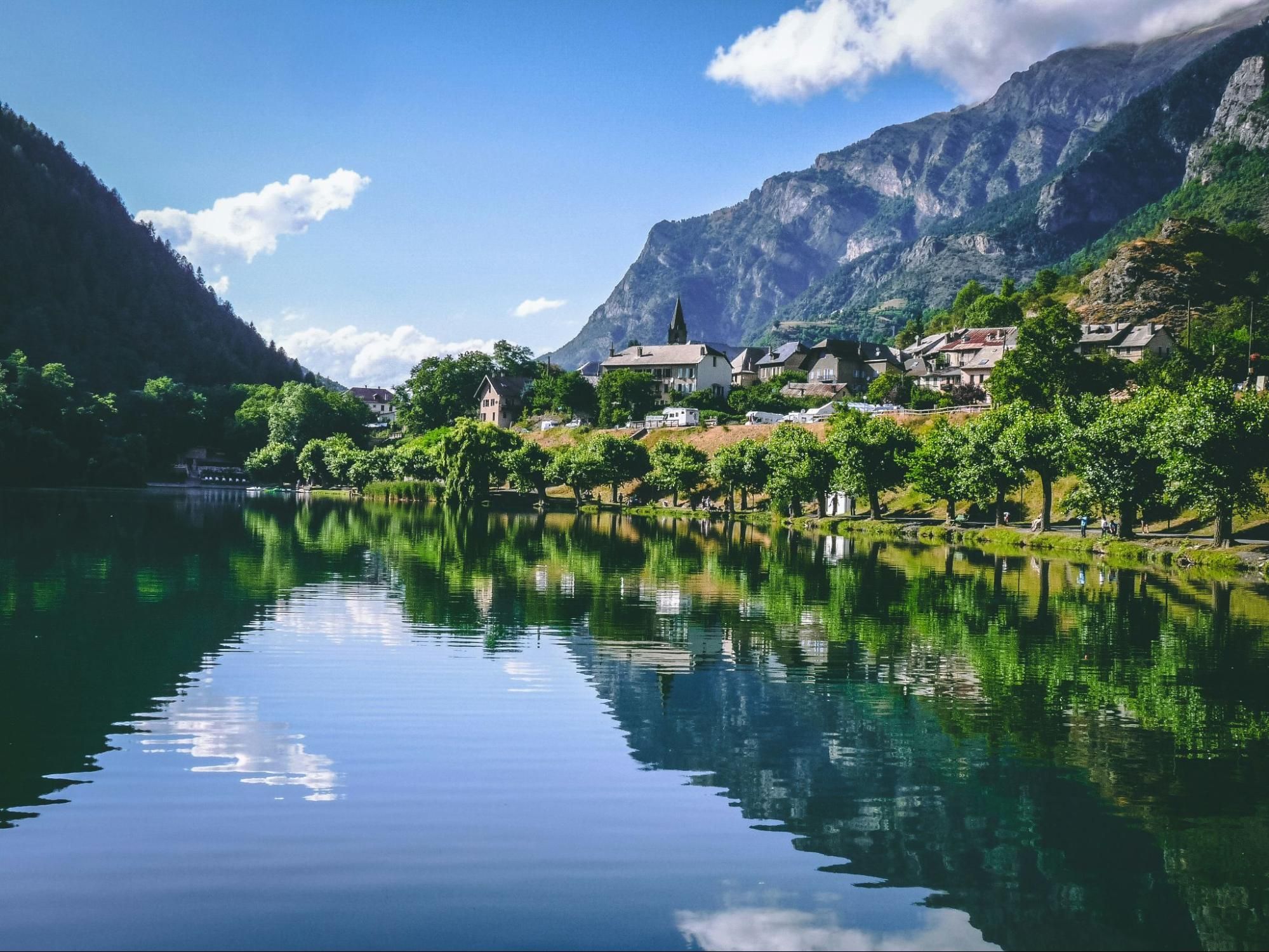 Walking and cycling are useful for getting around within a town or along a lakeside path, but they are not how you move between the main French Alps cities and villages. Trains, local buses and cable cars handle that.
- Train: SNCF TER regional trains connect Annecy, Chambery, Grenoble and Briancon. Chamonix is reached by train from Saint-Gervais (connecting from Annecy or Geneva)
- Local buses: Fill the gaps between train stations and smaller resorts. A direct bus runs from Annecy to La Clusaz (about 45 minutes). Chamonix has a free valley bus network
- Cable cars: Mountain access within resorts. The Aiguille du Midi (Chamonix), the Bastille (Grenoble) and the resort lifts at Les Deux Alpes all operate without a car
- Best approach: Base yourself in Annecy or Chamonix and take day outings by train or bus. Changing hotels every night across the Alps wastes time and energy
How Can You Spend 3 Days in the French Alps?
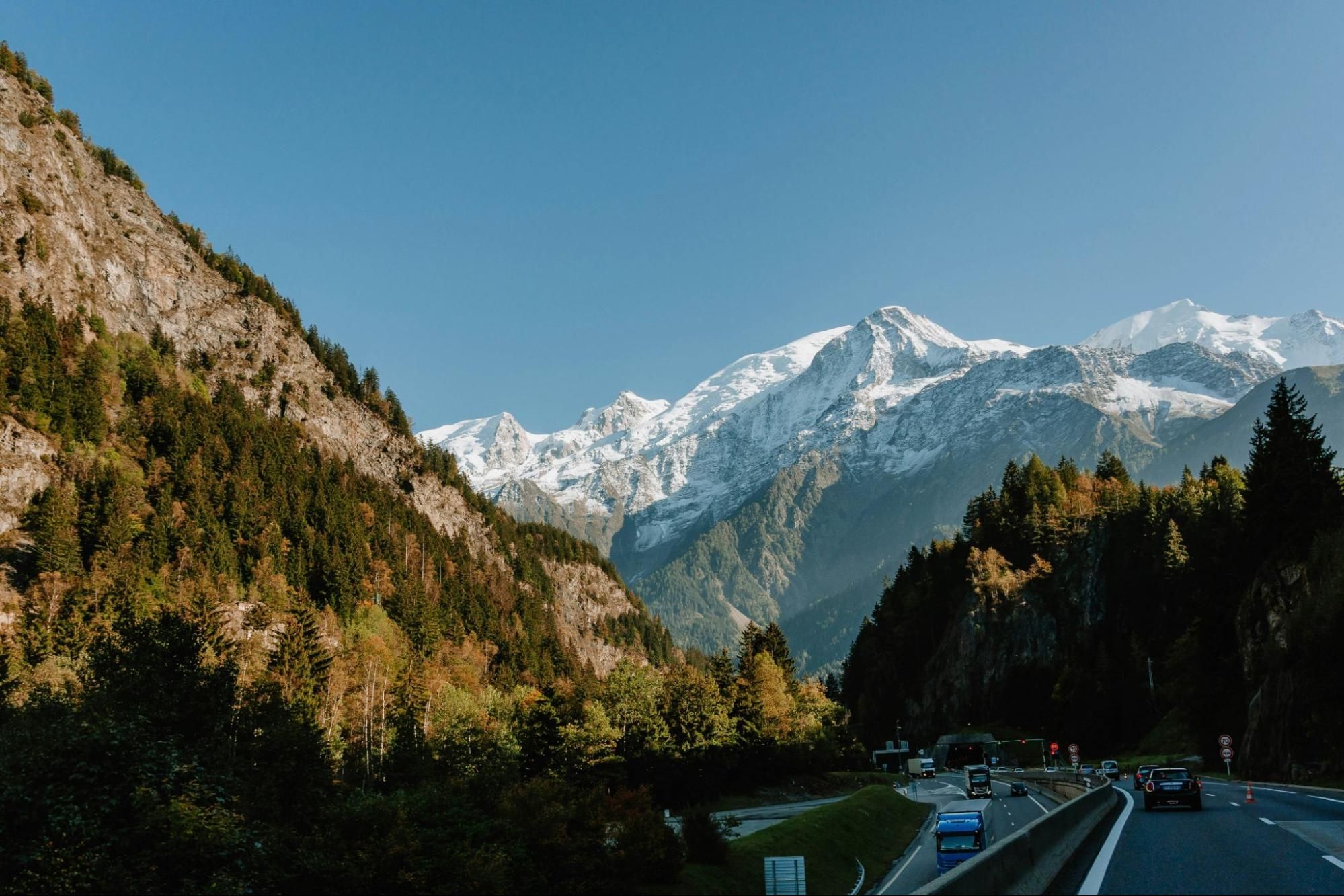 Three days covers the strongest highlights without trying to force all eight destinations into one holiday.
Day 1: Chamonix
- Morning: Ride the Aiguille du Midi cable car to 3,842 metres
- Afternoon: Take the rack railway to Mer de Glace or hike the Petit Balcon Sud trail
- Evening: Dinner in Chamonix's old town
Day 2: Annecy
- Morning: Train from Chamonix to Annecy (change at Saint-Gervais, approximately 2 to 2.5 hours). Walk the old town and canals
- Afternoon: Cycle or swim at Lake Annecy
- Evening: Dinner by the canal in the old town
Day 3: Grenoble or Chambery
- Morning: Train from Annecy to Grenoble (approximately 2 hours) or Chambery (approximately 1 hour)
- Afternoon: Bastille cable car in Grenoble or the chateau and food market in Chambery
- Evening: Return to Annecy or onward travel
Tribe Travel Tip: If the French Alps in December are what you are after, swap the lake and hiking activities for skiing at Chamonix and Christmas markets at Annecy. The same three-day structure works, with the cable cars and trains running year-round.
Conclusion
The French Alps hold more variety in a compact area than most mountain regions anywhere. Eight destinations, from Mont Blanc's peak to Briancon's fortified walls, cover skiing, lakes, old towns, mountain food, art, cycling and hiking without needing to drive between them. Three days gives a first-time visitor a strong introduction. A week lets the pace slow down.
Holiday Tribe builds the French Alps into structured France holiday packages with stays, transfers and itinerary planning sorted. Whether you want a Chamonix and Annecy combination, a wider Alpine route, or the Alps as part of a longer France holiday, a holiday advisor can put together a plan that fits.