

As soon as you step off the train at Little India MRT, everything feels different. The scent of jasmine, cardamom, and frying ghee fills the air. Tamil film songs play from open doors, and shopfronts shine with gold and marigold garlands. This is Little India Singapore, the most vibrant and authentic part of Singapore, where a cattle trail from the 1800s became the heart of the city's Tamil community. A walk here is part history lesson, part food crawl, part treasure hunt down old shophouse five-foot-ways. In just a few streets, you can see a fierce goddess, a colourful villa built by a sweet-maker, a 24-hour shopping maze, and some of the best Indian food in town. Put on your walking shoes and stroll through Serangoon Road.
Where Does the Walk Begin in Little India Singapore?
You're just north of the Civic District, with Chinatown to the south-west and Kampong Glam to the south-east. If you look up "Mini India" in Singapore, you’ll end up right here, since that nickname and Little India refer to the same place.
Serangoon Road will guide your morning walk. It’s one of Singapore’s oldest roads, and most interesting lanes branch off from it. The grid has barely shifted since the late 1800s, so you can wander between the main sights at a relaxed pace and finish by lunchtime.
What Will You Notice First Along Serangoon Road?
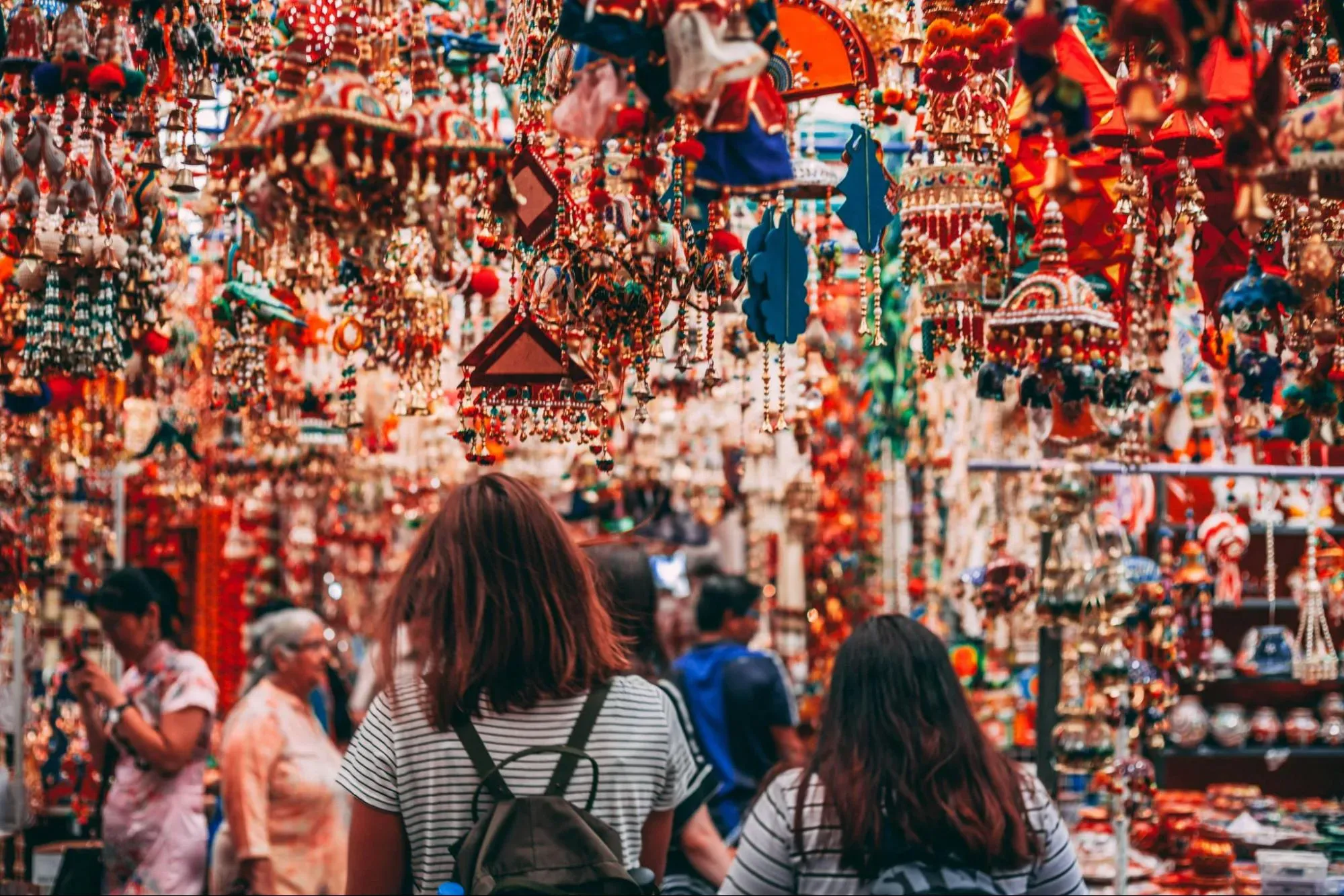
If you keep walking along the Serangoon Road, the street tells you its history without needing any plaques. Long ago, this land was low and swampy near the river. People used it for lime pits and brick kilns, then for raising cattle and water buffalo, before it turned into a trading hub. The road names still reflect this past: you cross Buffalo Road and Kerbau Road (kerbau means buffalo in Malay), and Belilios Road, named after a trader from Calcutta whose cattle business thrived here from the 1840s.
Tamil traders and cattlemen settled here, and by the early 1900s, the streets looked much like they do now. Walk down Campbell Lane and look up. A large mural by local artist Psyfool shows the old trades: garland making, the dhobi washerman, and parrot astrology, where a trained bird once picked your fortune from a deck of cards. People still ask what Little India Singapore is known for, and the real answer is right there on the street: gold, spice, flowers, faith, and film songs, all together.
Why Detour into the Indian Heritage Centre?
Campbell Lane is now a pedestrian street of Little India, Singapore. Walk to its end, where you'll see an angular building rising from the street. This is the Indian Heritage Centre at 5 Campbell Lane, and it is the quiet heart of the walk.
Launched by Prime Minister Lee Hsien Loong in 2015, it was the first museum in Southeast Asia focused on the heritage of the Indian and South Asian community. Its façade is inspired by the baoli, an Indian stepwell, and after dark it glows like a lantern over the lane.
Go inside, the entrance is free for Singapore citizens and residents, and visitors pay a small fee. The five galleries showcase South Asian migration from the 19th to the 21st century. Look out for the highlight: a 19th-century Chettinad doorway carved with about 5,000 tiny motifs. Spend twenty minutes here, and you'll see the rest of the walk in a new light because every garland seller, temple priest and biryani cook outside is suddenly part of the same long story. Just remember that it's closed on Mondays.
Why Stop at the Sri Veeramakaliamman Temple?
After a short walk, the crowd opens up, and you see a tower covered with painted gods. This is the Sri Veeramakaliamman Temple at 141 Serangoon Road, and it is worth slowing right down for.
The temple began as a small shrine in 1855, built by Tamil lime-kiln workers who named it Soonambu Kambam Kovil, or the "temple of the lime village." In 1881, a larger building was constructed, mainly by Bengali labourers. It is believed to be the first Hindu temple in Singapore dedicated to Kali, the fierce destroyer of evil. Local stories still recount about how, during the Second World War, people took shelter inside when bombs fell and came out unharmed. Even after many generations, people still visit the temple to seek blessings of the deity for safety, good health, and, following tradition, for children.
This temple is a place of worship, not just a museum exhibit. It feels especially lively during Navaratri and Deepavali, when the street outside comes alive with worshippers, oil lamps, and the sound of drumming. Remember to leave your shoes at the entrance, cover your shoulders, and enter quietly between the morning and evening prayers.
When you enter, you notice two moods at the same time. Kali stands fiercely at the centre of the temple, wearing a garland of skulls and fighting demons. Nearby, Parvati sits peacefully with her sons Ganesha and Murugan. Terror and tenderness appear together.
Which Little India Singapore Restaurants Should Pull You In?
At this point, you’re probably letting your hunger guide you, which is exactly how this neighbourhood works. The restaurants in Little India Singapore, especially along Serangoon and Race Course Roads, offer some of the best Indian food in Singapore, and you don’t need a reservation at any of them.
Try a banana-leaf meal, a South Indian tradition where rice is served on a fresh green leaf with sambar, rasam, vegetables, and pickle, and eaten with your right hand. The dish to chase is the fish head curry, a Singaporean Indian speciality. It is a whole fish head in tamarind gravy that locals still argue over.
Restaurant | Serving since | Known for |
Banana Leaf Apolo | 1974 | The Apolo fish head curry, served on a banana leaf |
Komala Vilas | 1947 | Pure-vegetarian dosai and South Indian set meals |
Ananda Bhavan | 1924 | Singapore's oldest Indian restaurant, vegetarian thali |
Restaurants like Banana Leaf Apolo have been serving customers since 1974. Whereas, Ananda Bhavan, which opened in 1924, is the oldest Indian restaurant in the country. If you are short on time and still hungry, head to the hawker stalls on the ground floor of Tekka Centre and join the longest queue for biryani.
Where Should the Walk End, Among one of the best Singapore Shopping Markets?
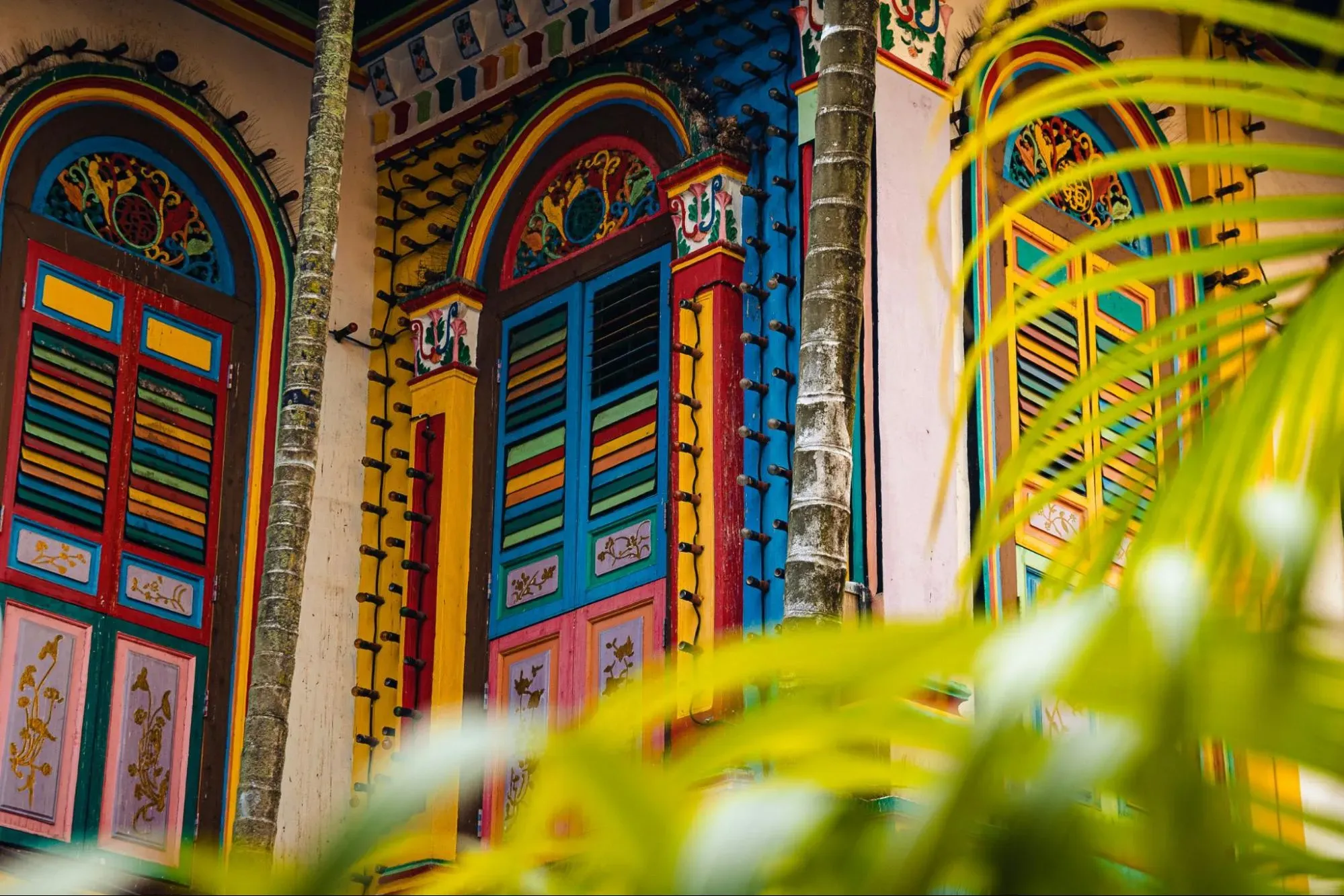
Walk the meal off among these shops because you won't find another Singapore shopping market quite like this. Here, the stalls are filled with gold, silk, spices, and incense, offering a lively alternative to the usual air-conditioned malls.
- Mustafa Centre: This family business began in 1971 and has grown into a 24-hour mega-store spread over two connected buildings. You’ll find everything here, from electronics and gold to last-minute luggage. If you visit after 10pm, you’ll notice a quieter, surreal late-night version of itself.
- Tekka Centre: Downstairs, there’s a wet market and a hawker hall. Upstairs, you’ll find saris and textiles.
- Little India Arcade: A row of tidy 1920s shophouses filled with bangles, henna artists, sweets, and spices.
Next, head down Kerbau Road for a surprise at the end: the House of Tan Teng Niah. This colourful villa was built in 1900 by a Chinese businessman and is now the last Chinese villa left in Little India. Step back and snap the brightest photo of your walk.
Tribe Travel Tip: Take a walk here on a weekday morning to enjoy the peace and the colours. Come back after dark to see the lights and try the food. On Sundays, the place fills up as the community comes together.
Walking Little India in Singapore With Holiday Tribe
Little India in Singapore is a treat for anyone who loves to explore. It's lively, full of scents, and has more to offer than you might notice on your first visit. If you prefer not to plan everything yourself, Holiday Tribe can include this walk as part of a larger Singapore holiday tailored to your interests. We’re holiday advisors, not agents, so we take care of hotels, transfers, sightseeing, and local experiences as a complete package. Flights and visas are added only if you want them. Our AI planning expert will set the pace to suit you. Just tell us your dates, and we’ll handle the rest.