

You’ve booked your holiday to Switzerland, and everyone tells you that you have to visit Jungfrau. Now you’re looking at the booking page, unsure what you’re actually paying for. That’s understandable, since the name covers a lot. Jungfrau is a mountain, a mountain-top station, and an entire holiday region, all with the same name. It’s common for first-time visitors to book the wrong thing or show up dressed for the wrong weather. This guide will clear things up. You’ll find a straightforward explanation of what Jungfrau really is, what the weather is like at the summit compared to the valley, the best time to visit, how to get there from Interlaken, and what a 2026 ticket costs. All the information comes from official Swiss sources, so you can plan with confidence.
What Exactly Is Jungfrau in Switzerland?
Most guides leave this out: when people mention Jungfrau, Switzerland, they might be talking about three different things. Mixing them up is the most common mistake for first-time visitors.
- Mt Jungfrau is Switzerland's well-known 4,158-metre peak and is called the maiden among the "Big Three," which also includes the Eiger (the ogre) and the Mönch (the monk). According to local folklore, the monk always stands between the ogre and the maiden.
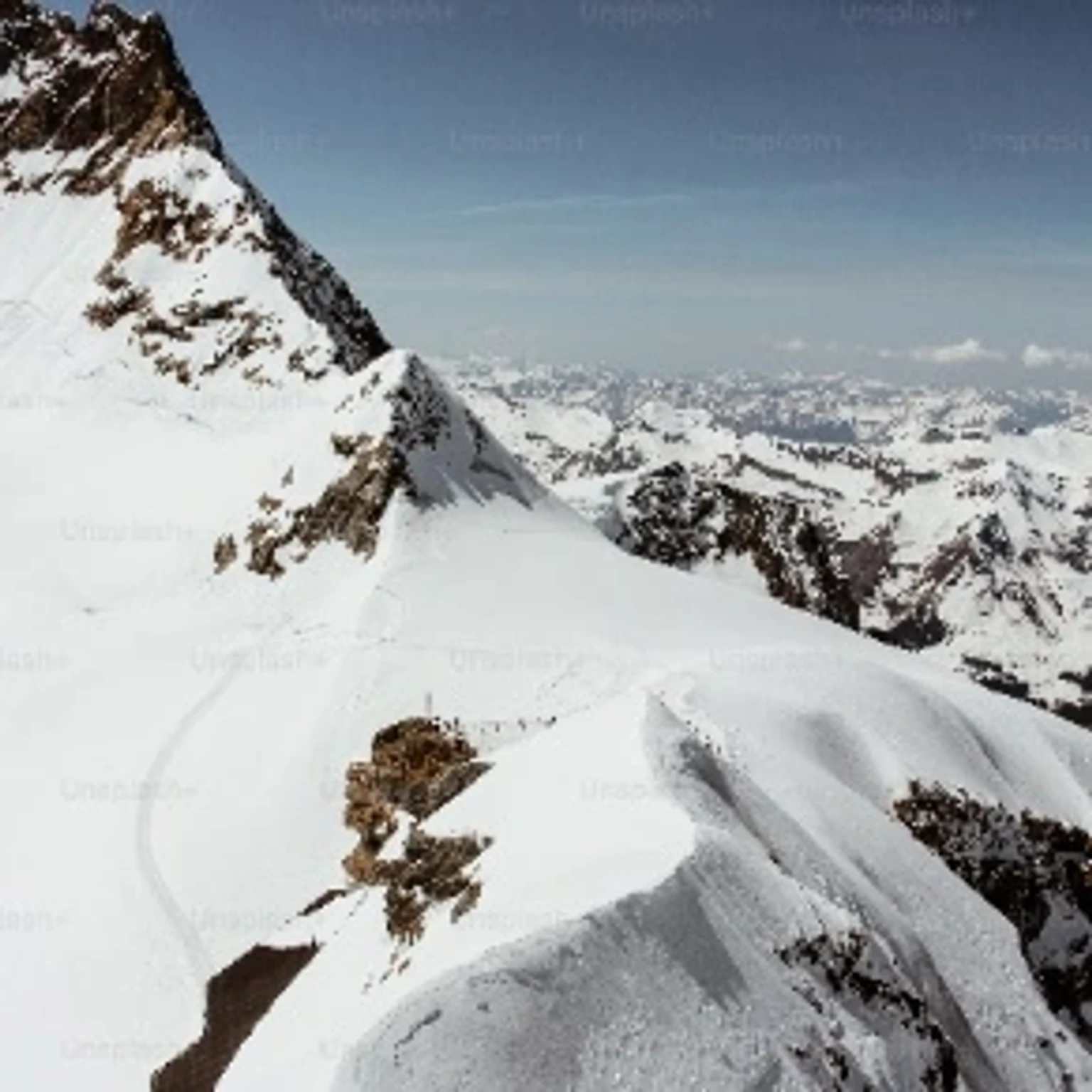
- Jungfraujoch is the glacier saddle at 3,454 metres where the train stops. This spot is called the "Top of Europe," and it is the place most visitors actually go.
- The Jungfrau Region refers to the holiday area that includes Interlaken, Grindelwald, and Lauterbrunnen.
You cannot climb Mt Jungfrau, the third-highest summit in the Bernese Alps, unless you are an experienced mountaineer with ropes. For most visitors, the destination is Jungfraujoch, which is 704 metres below the peak.
Term | What it is | Height |
Mt Jungfrau | The mountain summit | 4,158 m |
Jungfraujoch | The railway station and viewing complex | 3,454 m |
Jungfrau Region | The holiday area around Interlaken | Valley to summit |
What Is the Jungfrau Switzerland Weather Really Like?
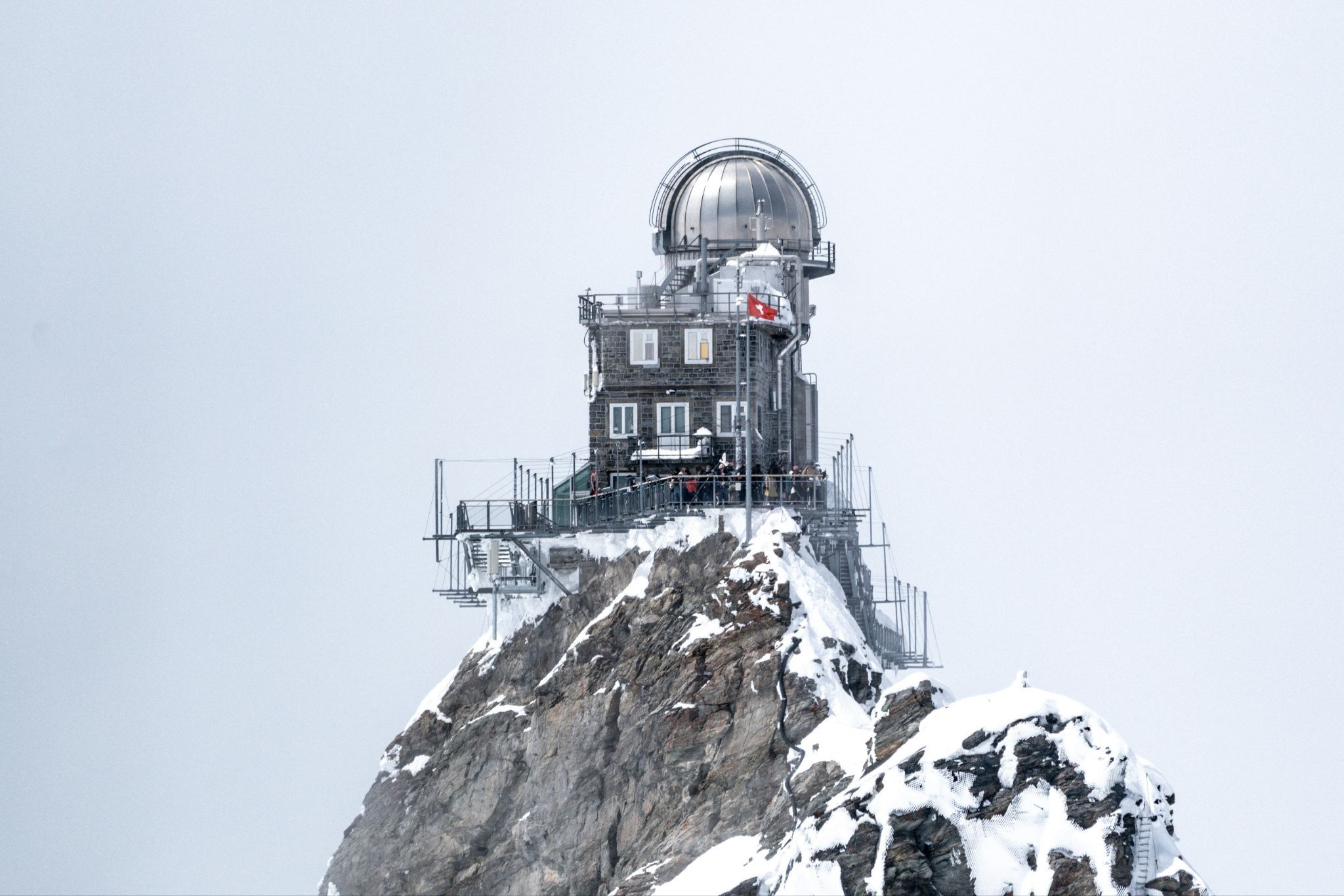
This is a common mistake when planning a holiday. Jungfrau Switzerland weather is very different from the valley below. For example, Interlaken might be a comfortable 20°C in July, but the Jungfraujoch can be close to freezing on the same day.
According to Jungfrau Railways, daytime temperatures at the summit are about minus 10°C in winter and around 3°C in summer. There is snow all year. So if you see someone say "Jungfrau Switzerland weather is mild in summer," they are talking about the valley, not the top.
Season | Summit temperature | What to expect |
Summer (Jun to Aug) | 0°C to 3°C | Best visibility, biggest crowds |
Autumn (Sep to Oct) | Around 0°C | Clearest air, thinner crowds |
Winter (Dec to Feb) | Minus 10°C to minus 16°C | Deep snow, coldest, quietest |
Spring (Mar to May) | Minus 7°C to minus 2°C | Variable, some cloudy days |
If you’re heading to Jungfrau in Switzerland, remember to dress for winter, no matter when you visit. Bring a jacket, gloves, closed shoes, and sunglasses, since the sun reflecting off the snow can be very strong.
When Is the Best Time to Visit Jungfrau, Switzerland?
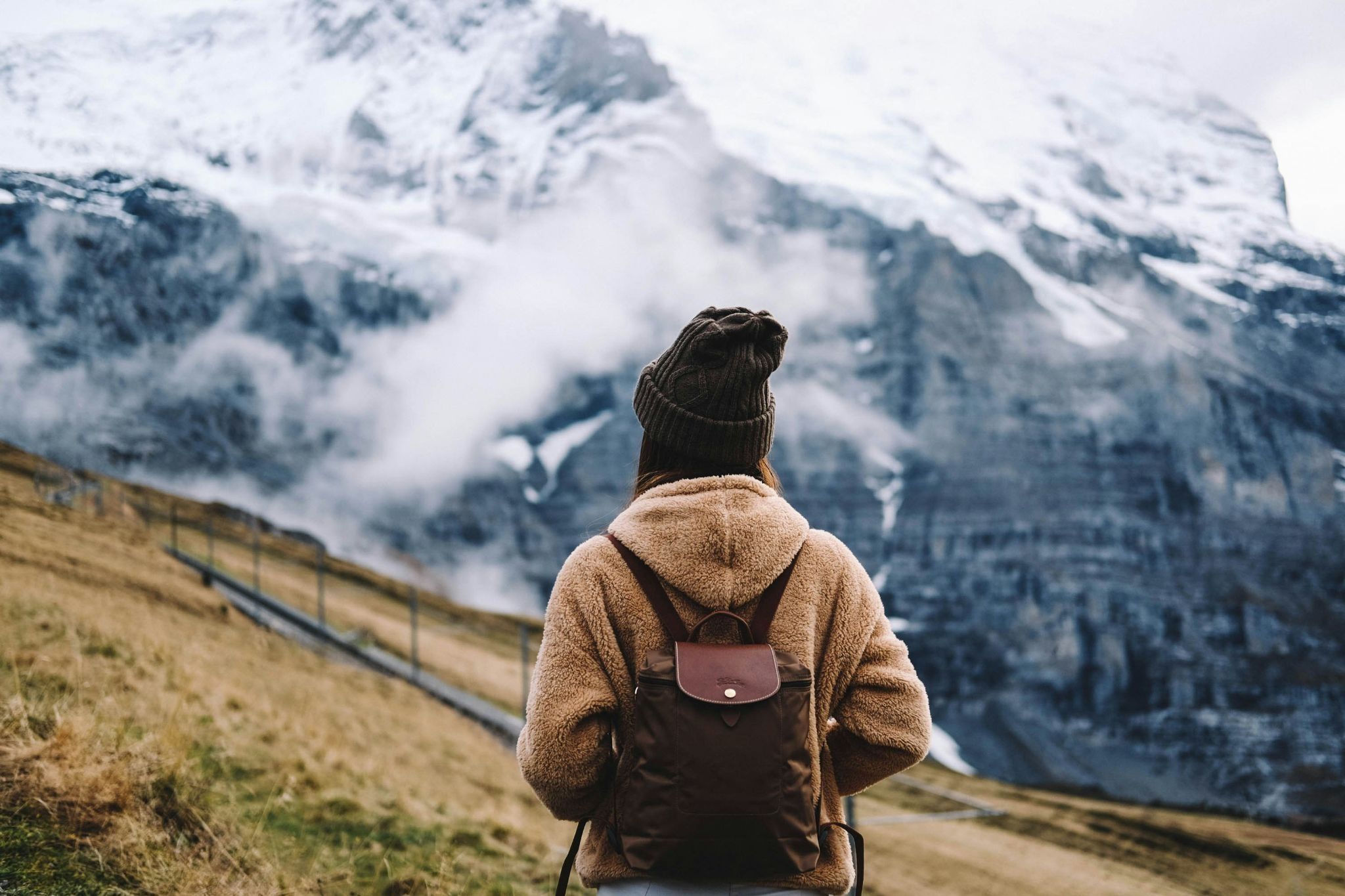
It really depends on what kind of experience you are looking for.
- From June to September, you’ll find the warmest and clearest days, and all attractions are open. Just keep in mind, this is also the busiest time of year.
- Late September to early October is a great time to visit if you want crisp air, clear views, and fewer crowds.
- If you visit between December and February, you’ll see beautiful snow-covered scenery and enjoy the smallest crowds, but be prepared for very cold weather.
It's helpful to check the live Jungfrau webcams on the morning of your visit. The views are a big part of the experience, and a whiteout at the top looks the same as it does from your hotel window.
How Do You Get to Jungfrau, Switzerland from Interlaken?
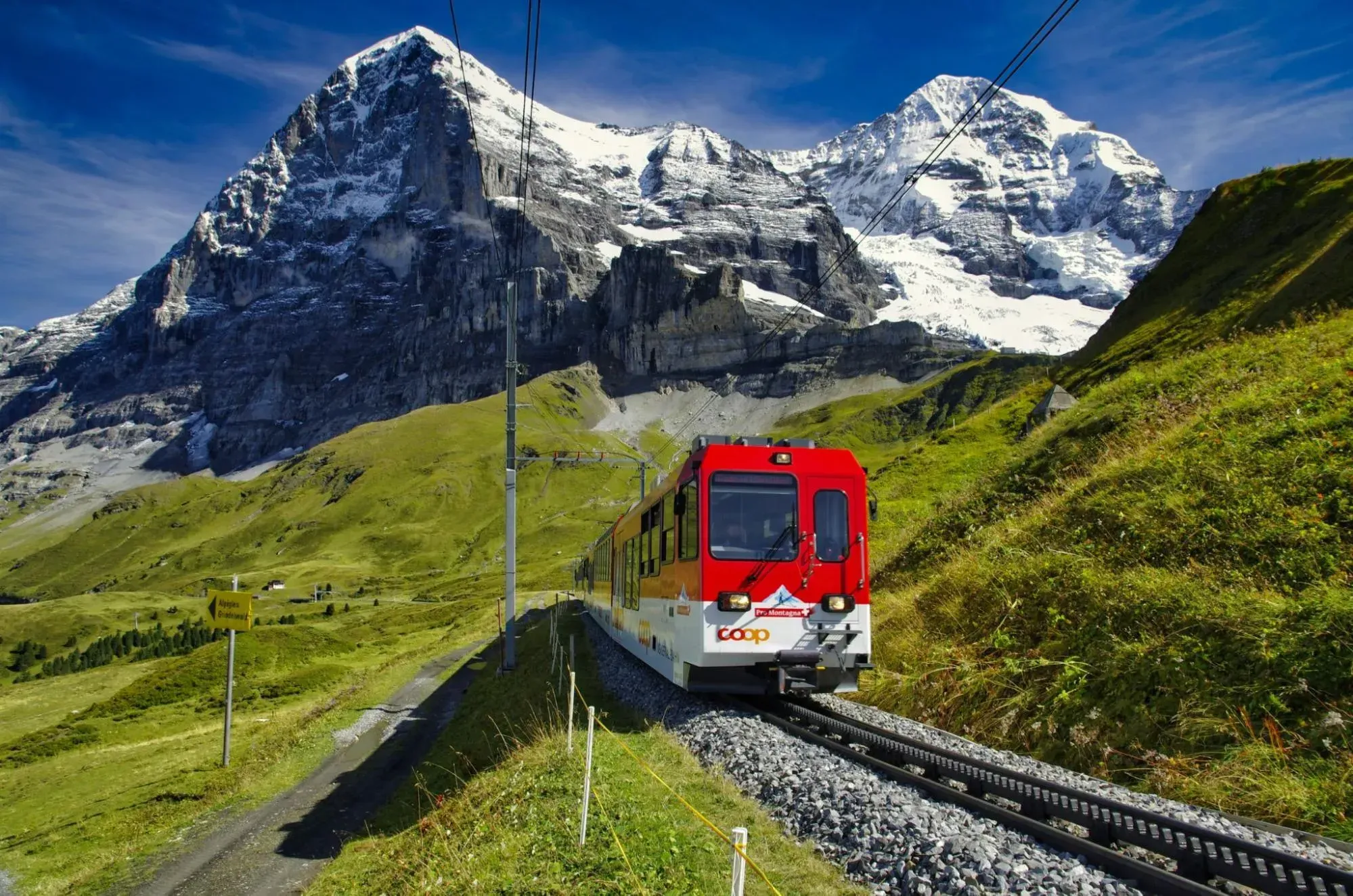
Interlaken sits between Lake Thun and Lake Brienz and serves as your starting point. Getting to Jungfrau is an experience in itself, and you have two main routes to choose from.
- The fast route: Take the train from Interlaken Ost to Grindelwald Terminal, then ride the Eiger Express gondola to Eigergletscher. From there, board the Jungfrau Railway to reach the summit. The Eiger Express takes just 15 minutes for its part of the journey.
- The classic route: Travel from Interlaken Ost to Lauterbrunnen, continue up to Wengen and Kleine Scheidegg, and then take the cogwheel train through the tunnel inside the Eiger.
Route from Interlaken Ost | Journey time | Best for |
Via Grindelwald + Eiger Express | About 1 hr 30 min | Speed and comfort |
Via Lauterbrunnen + Wengen | About 2 hr | Scenery and nostalgia |
Tribe Travel Tip: To visit the Interlaken Jungfraujoch Switzerland area, go up one route and come down another. This way, you get to see both valleys in just one day. Some mountain transport services stop for short periods each year for maintenance. In 2026, the Eiger Express will not run from 20 to 24 April and from 9 to 20 November. The railway lines to Kleine Scheidegg also have planned autumn closures on other dates. If you plan to visit in April, late October, or November, make sure to check the latest timetable before your holiday.
What Does a 2026 Jungfraujoch Ticket Cost?
The Jungfrau Switzerland summit is a top mountain destination. Its price reflects the impressive work of building a railway through solid rock, which has been running since 1912.
- In 2026, a round-trip from Interlaken Ost costs about CHF 224 during off-peak times and around CHF 261 in peak season (1 May to 31 October). These prices do not include any pass discounts or the CHF 10 seat reservation fee.
- If you have a Swiss Travel Pass, you get 25% off the summit fare, but it does not include the top section for free.
- The Swiss Half Fare Card costs CHF 185 and gives you a 50% discount on many national fares.
- Children younger than 6 can travel for free. Kids between 6 and 15 pay CHF 20, but they can also travel for free if they have a Junior Card or Children's Travelpass.
- Between 1 May and 31 October 2026, you must reserve a seat, which costs CHF 10 per person.
For first-time visitors, keep in mind that this price covers only land travel. International flights are not included, so plan your budget for both parts separately when visiting Jungfrau Switzerland.
What Is Actually Waiting for You at the Top?
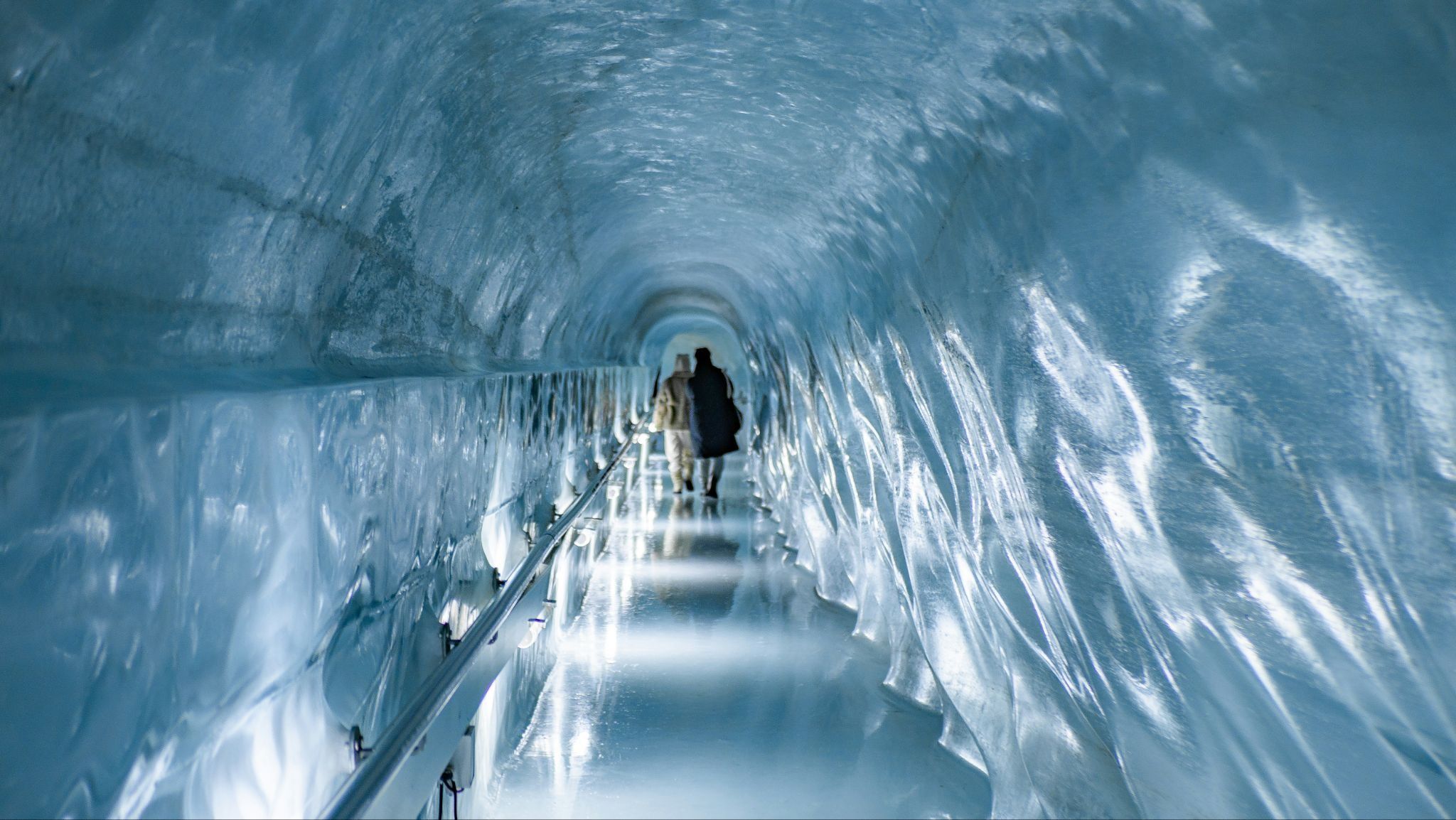
There is a lot to see and do, and most activities are included with your ticket once you arrive at the Jungfrau summit complex in Switzerland.
- You can visit the Sphinx Observatory, which sits at 3,571 metres and is accessible by an elevator that travels 108 metres in just 25 seconds.
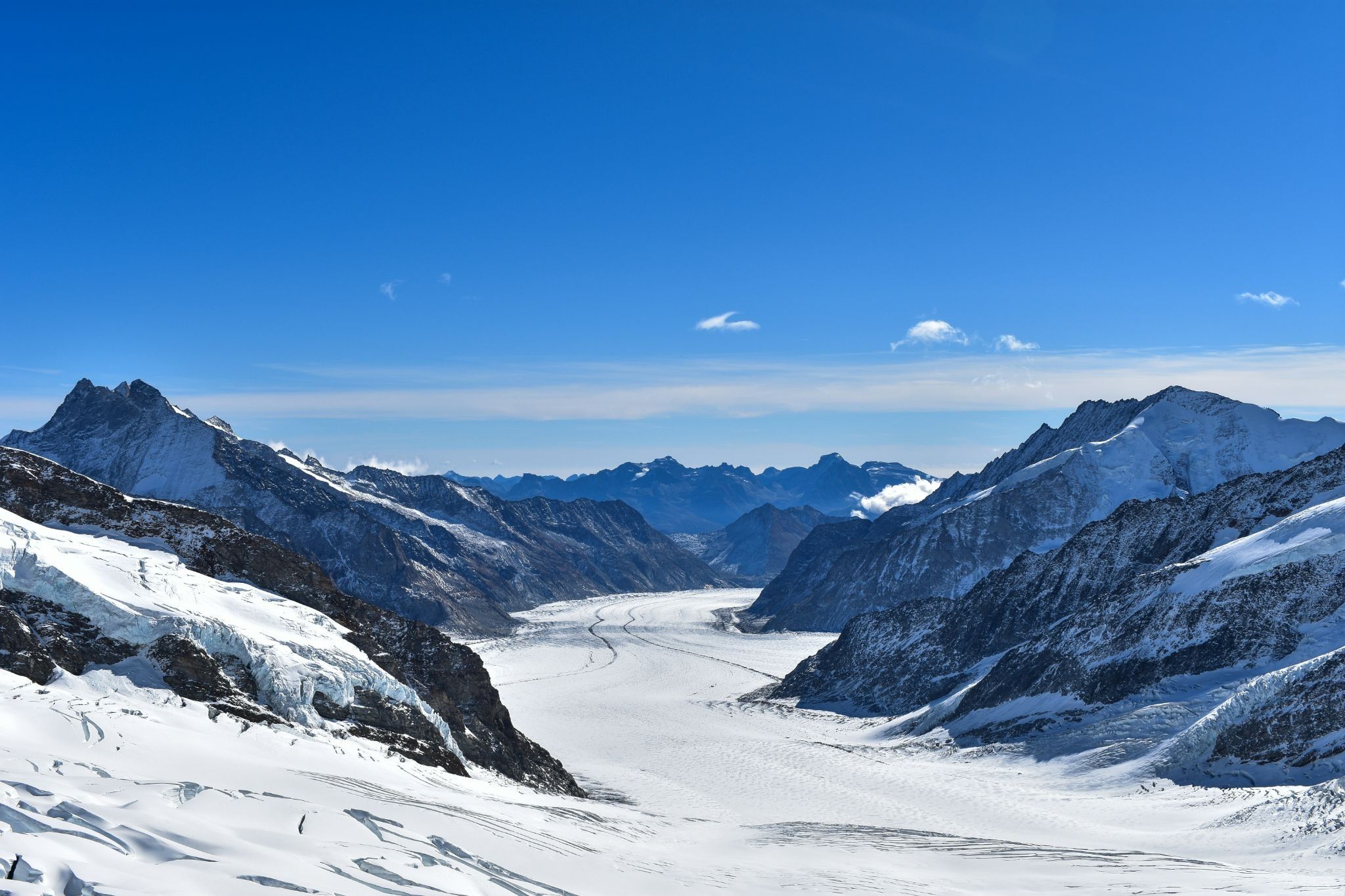
- From the terrace, you can see the Aletsch Glacier, which is the longest glacier in the Alps and a UNESCO World Heritage site.
- There is also the Ice Palace, featuring tunnels and sculptures carved right inside the glacier.
- The Alpine Sensation is a 250-metre walkway that shares the story of how the railway was built over 16 years.
- You can also visit Lindt Swiss Chocolate Heaven, which is the highest Lindt shop in the world.
- If you are visiting from India, you might enjoy the Bollywood Restaurant at the summit, which serves an Indian buffet during the season. Swiss fondue is also available elsewhere in the complex.
Take it easy when you reach the top. The air is thin at 3,454 metres, which can make some people feel lightheaded. Walk slowly and remember to drink water.
Tribe Travel Tip: Try to catch the earliest train possible. At Jungfrau in Switzerland, the morning air is clearest before the clouds roll in, and there are fewer people around. Plus, the Good Morning Ticket gives you 20% off the first departures. Getting up early really makes a difference here.
What to Pack for Jungfrau Switzerland
If you want to avoid trouble as a first-timer, pack for winter, even in July. At 3,454 metres, the Jungfrau Switzerland weather is almost always at or below freezing, so the shorts you wore in Interlaken won’t be enough up there. Wear layers, adding or removing them as you go higher.
Here’s what you should bring for the Jungfrau summit:
- A warm, windproof jacket: this is the most important thing to pack.
- Bring gloves, a hat, and a scarf, even if it’s summer.
- Wear closed, sturdy shoes with good grip because you’ll find snow on the ground year-round.
- Don’t forget sunglasses and high-SPF sunscreen; the sun at high altitude reflects off the snow and can be harsh.
- Pack a small backpack with water and a snack to help with any mild altitude-related effects.
Tribe Travel Tip: wear lighter clothes in the valley and keep your heavier layers in your bag until you reach the Eiger Express. This way, you’ll stay comfortable in Interlaken and be ready for the cold at the Jungfrau summit, without carrying a heavy coat all morning.
Ready to Experience Jungfrau Switzerland?
Jungfrau Switzerland is best enjoyed when you know what to expect before you arrive. The maiden peak, the Jungfraujoch summit, and the region itself are three separate things, and understanding the difference can make your visit much smoother. If you check the weather, catch an early train, and get the right ticket, you’re set for one of the best days in the Alps. If you want your getaway planned from start to finish, including the Interlaken route, seat reservations, and your full itinerary, Holiday Tribe can create a custom land holiday for any type of traveller. That way, you can focus on enjoying the mountain.