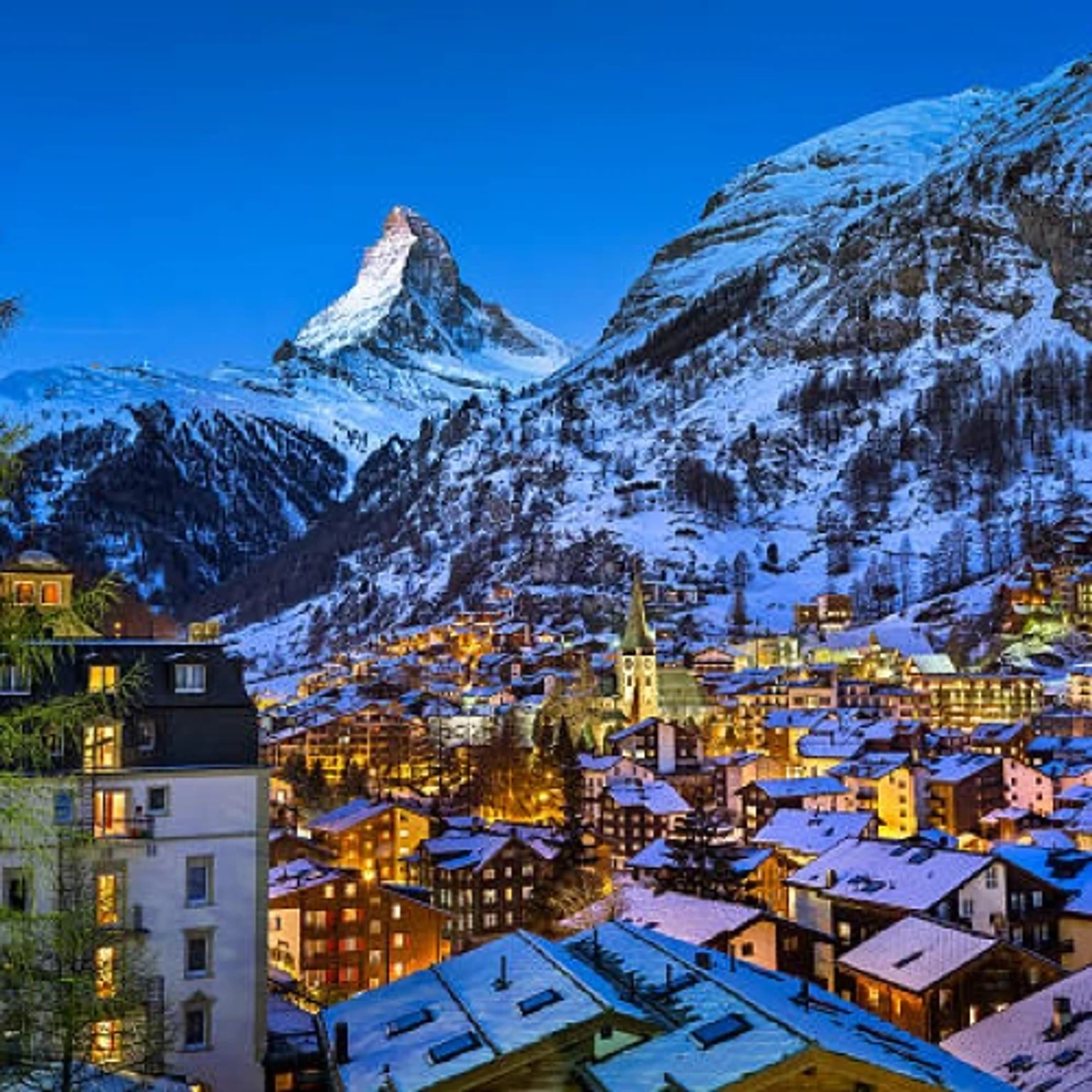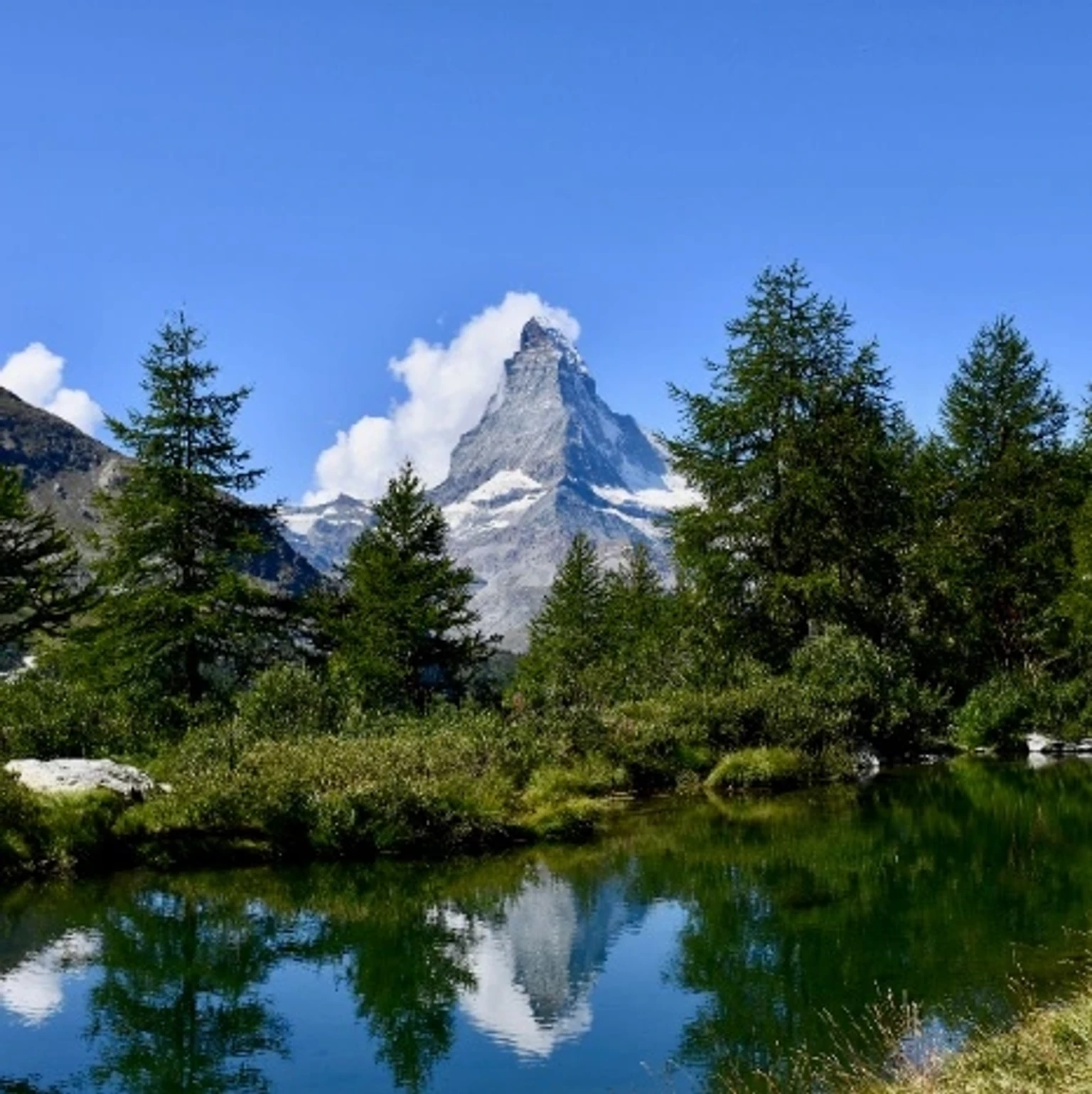


When most people visit Lucerne, Switzerland, they stay close to Chapel Bridge. That makes sense, but there is more to the city than what the brochures mention. Lucerne has another side with places that many tourists miss. You can find medieval paintings inside a bridge, a canvas so big you can stand inside it, and a castle just 15 minutes from the station that few people discover. You do not need extra time to see these spots. This guide tells you exactly where to look.
1. Spreuer Bridge
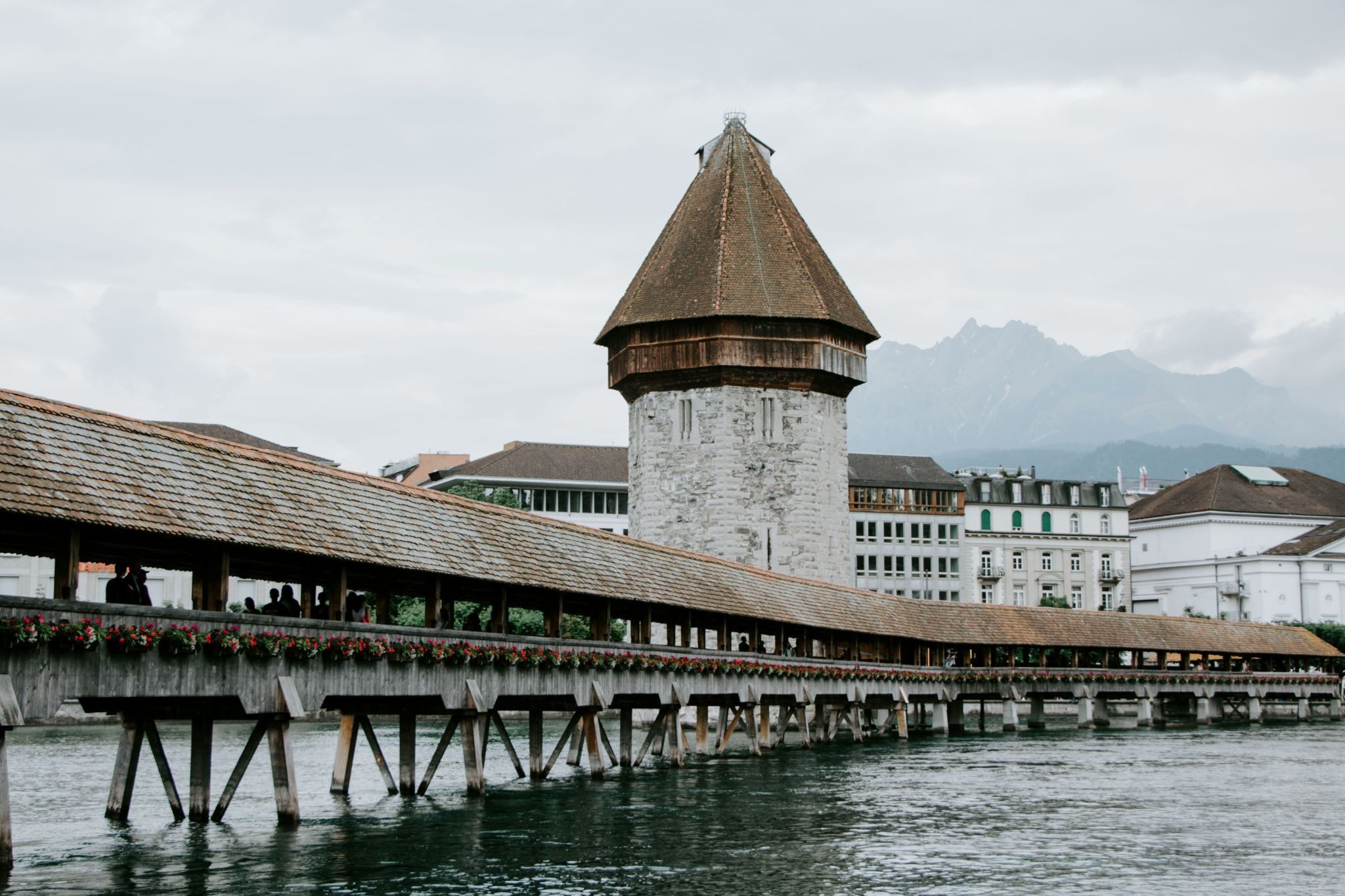
Lucerne, Switzerland is home to two wooden bridges, but the less-visited one has a more intriguing story. Downstream from Chapel Bridge, the Spreuer Bridge displays 45 triangular paintings that survived from 1616 to 1637, all created under the direction of painter Kaspar Meglinger. These paintings show the Dance of Death, with skeletons collecting the souls of monks, knights, nuns, and beggars, reminding everyone that death comes for all. The series was commissioned during a time of plague and war, and its message still feels powerful today.
- Entry: Free, open at all hours
- Best time to visit: Early morning for quiet and good light
2. Musegg Wall
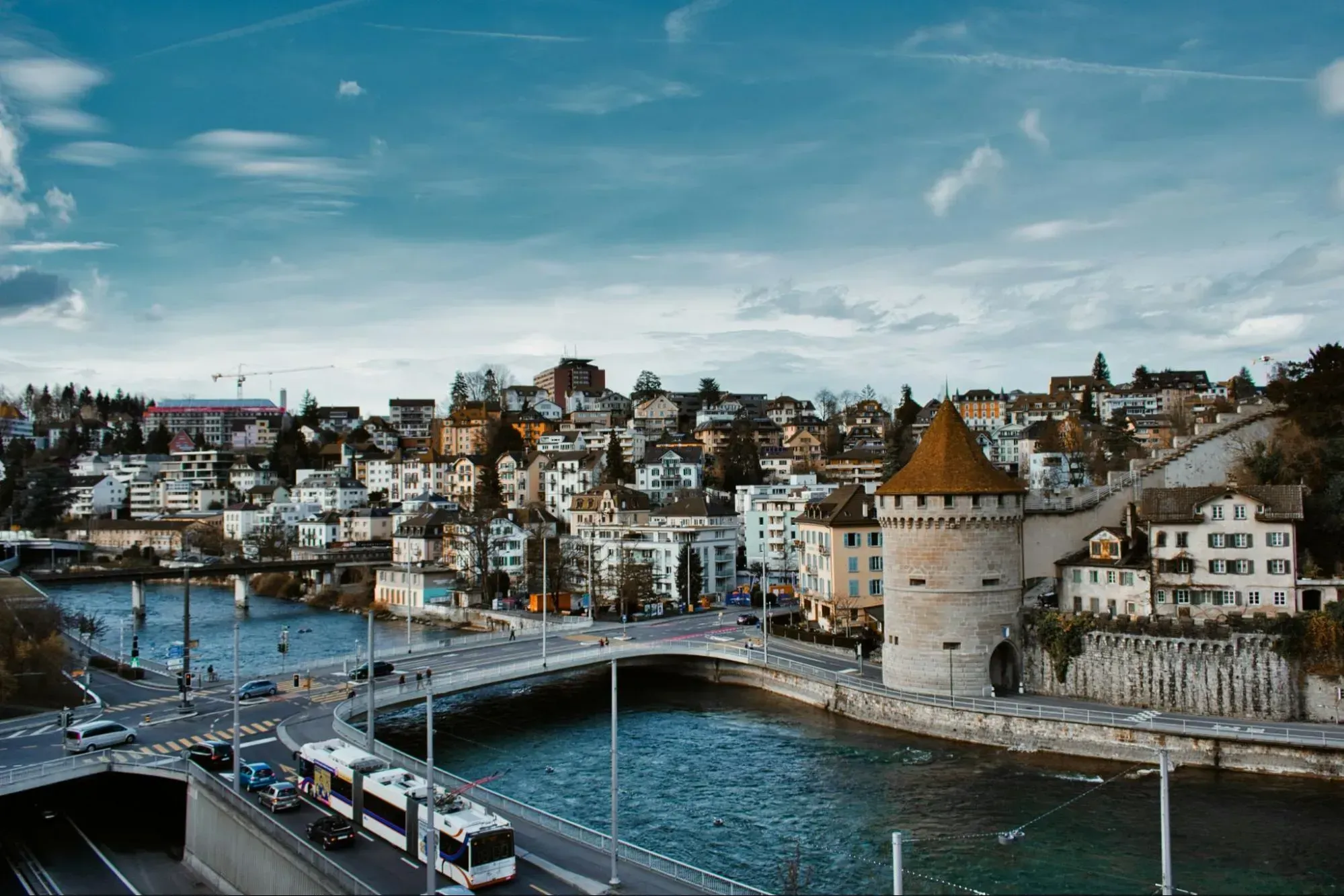
The Musegg Wall dates back to the 13th century, and at 870 metres, is the longest city wall still standing in Switzerland. Visitors can freely explore four of its nine towers. The Zytturm features a clock from 1535 that strikes the hour one minute before all other clocks in Lucerne, a tradition that has lasted for almost five hundred years. In 1701, lightning struck the Heu Tower (Hay Tower), causing a gunpowder explosion that destroyed it. The Pulver Tower, where the city had stored the remaining gunpowder as a precaution, survived the blast and now serves as a guild hall.
- Entry: Free
- Opening hours: April to November, 8:00 AM to 7:00 PM
Tribe Travel Tip: Try to be inside the Zytturm just before the hour. Hearing the bell ring from inside is a special experience in Lucerne, Switzerland, that most visitors miss.
3. Weinmarkt Square
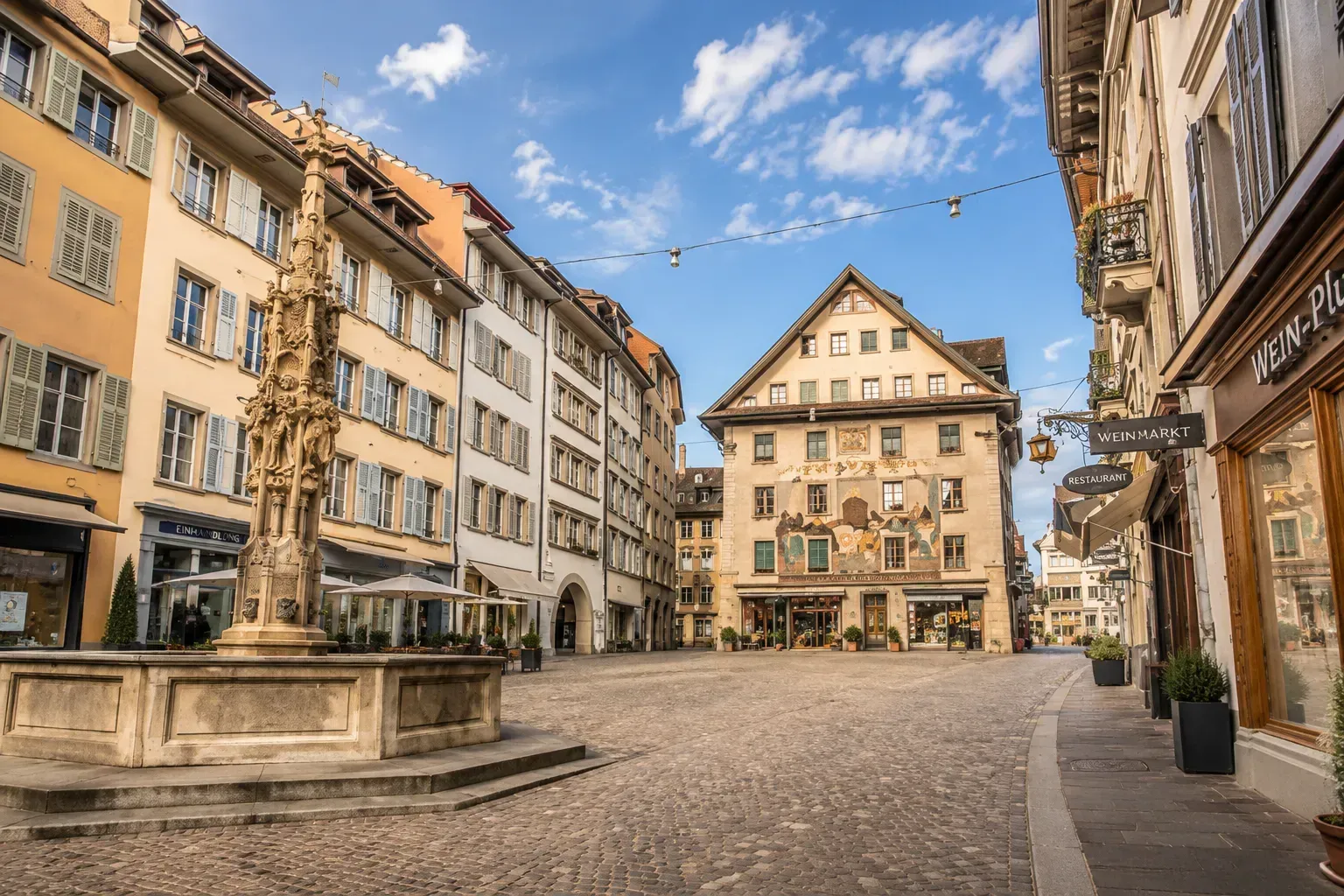
In 1332, the people of Lucerne, Switzerland took their oath of allegiance to the Swiss Confederation right here in Weinmarkt Square. This square was the city’s fish market until the mid-1500s. Today, it is surrounded by buildings decorated with frescoes, each telling its own story. The Weinmarkt fountain, built in 1481, is often called the most beautiful in Lucerne. Notice the blue shutters on one building; they spell out W-E-I-N-M-A-R-K-T. Most visitors walk right by without noticing.
- Entry: Free, open square
- Best time to visit: Weekday mornings, especially Tuesday and Saturday when the food market runs
4. Franciscan Church
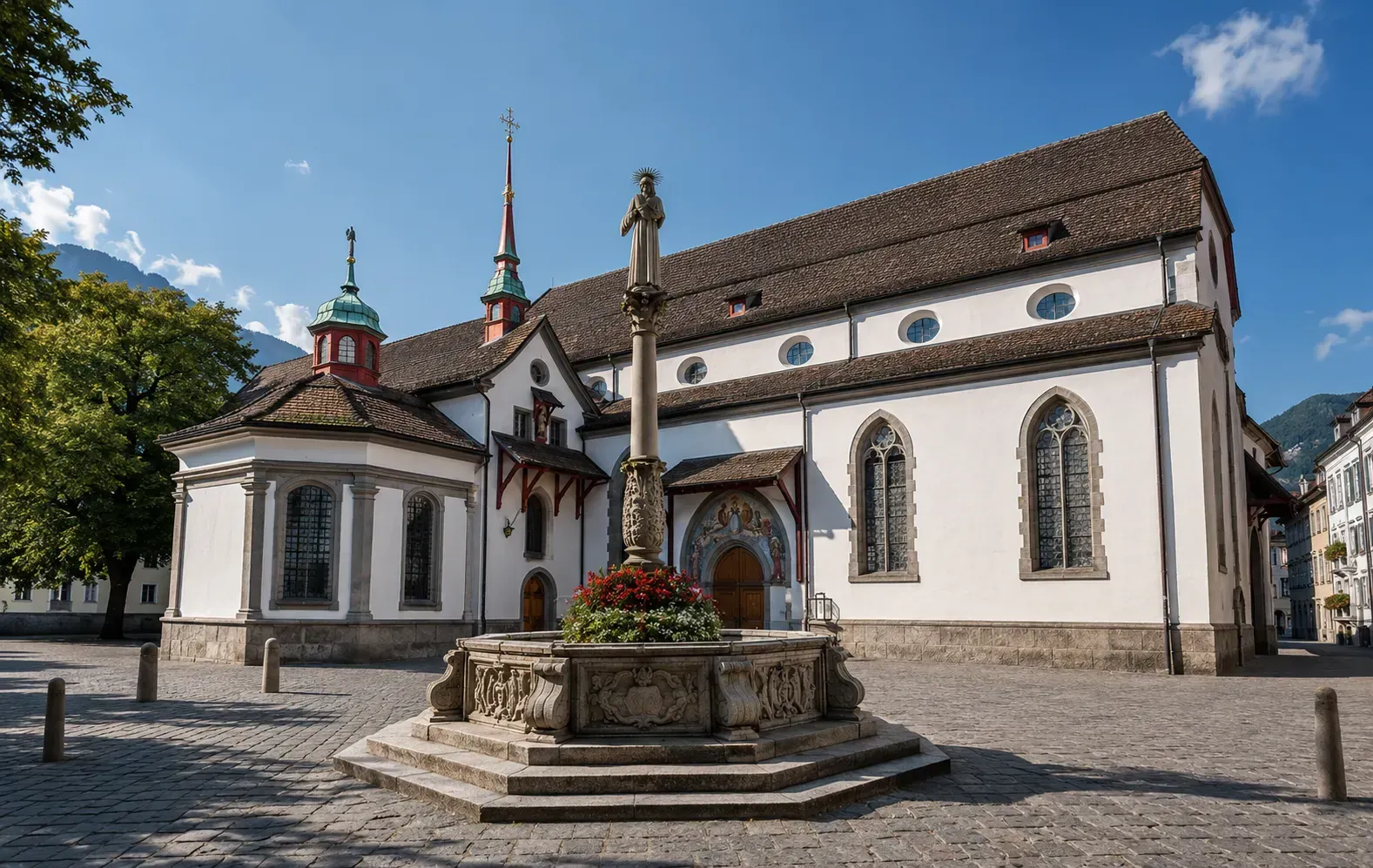
The Franciscan Church was built between 1270 and 1280 and stands right on the main pedestrian street in the old town of Lucerne, Switzerland. Every day, thousands of people pass by. Its simple exterior hides what’s inside: Switzerland’s most ornate pulpit, made in the 17th-century Mannerist style, as well as frescoed military flags and Gothic choir stalls. Anyone who steps inside will find it well worth the visit.
- Entry: Free
- Opening hours: Daily, 7:30 AM to 6:30 PM
5. Bourbaki Panorama
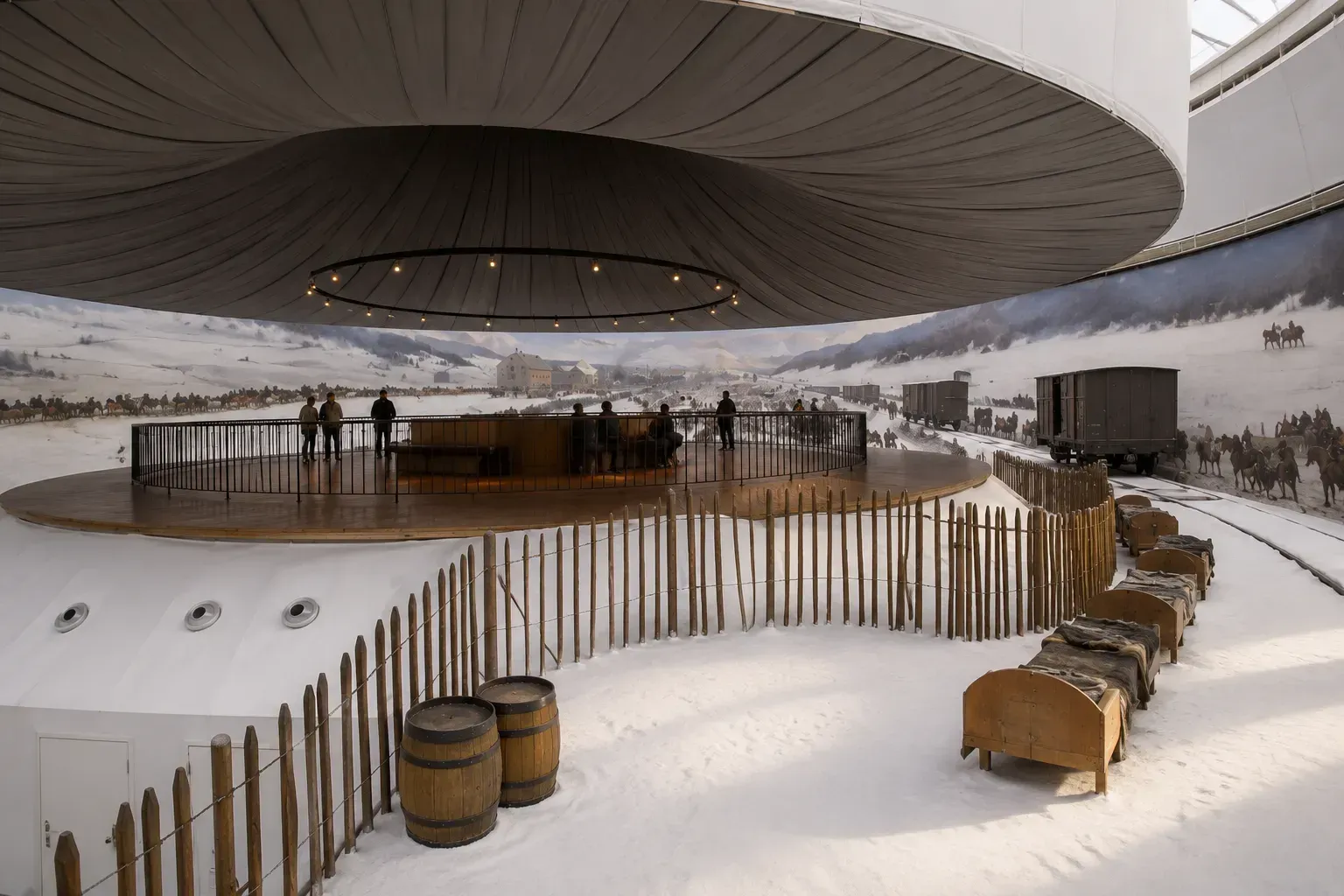
Most art in Lucerne, Switzerland hangs on walls, but this one is different. It surrounds you on all sides. Édouard Castres painted the Bourbaki Panorama in 1881 after witnessing the events himself as a Red Cross volunteer. The painting shows 87,000 French soldiers seeking refuge in Switzerland during the winter of 1871. The huge canvas, measuring 112 by 10 metres, circles a round building. In front of it, real props and figures create a 3D scene. When you step inside, the boundary between painting and real space seems to vanish.
- Entry: Paid admission; current prices at bourbakipanorama.ch
- Opening hours: Daily, 10:00 AM to 5:00 PM (November to March), 10:00 AM to 6:00 PM (April to October)
6. Glacier Garden
The glacier potholes here are about 20,000 years old, but fossilised shells and palm leaves show that a subtropical sea covered this spot 20 million years ago. The site was discovered in 1872 when someone tried to dig a wine cellar but had to stop immediately. The mirror labyrinth, built in 1896 and inspired by the Alhambra Palace in Spain, uses 90 mirrors to make its short corridors seem endless. With an underground cave trail and an observation tower overlooking Lake Lucerne, this place is one of the top things to do in Lucerne,Switzerland, for any traveller.
- Entry: Approximately CHF 22; free with the Swiss Travel Pass
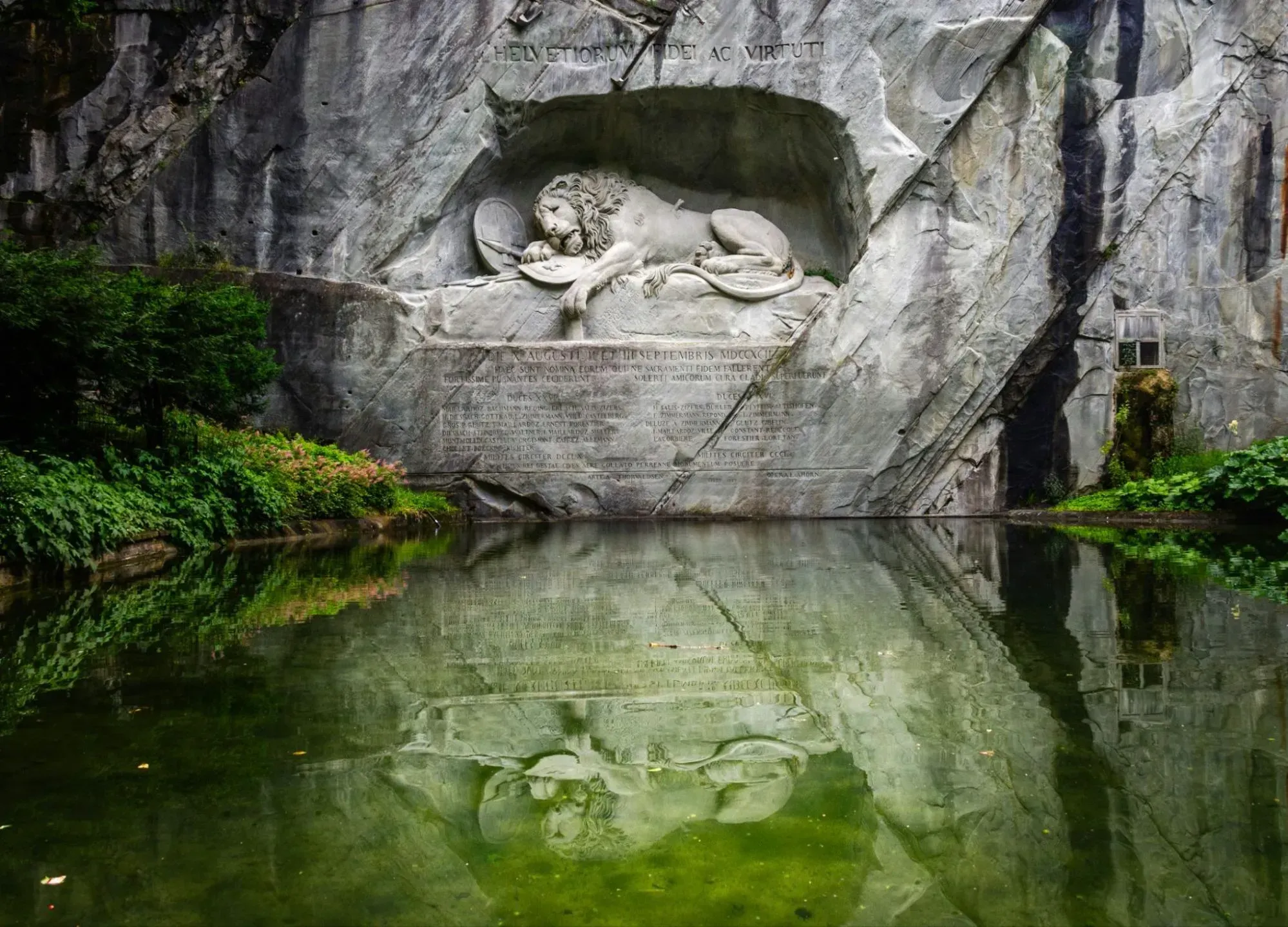
- Best combined with: The adjacent Lion Monument, which is free to visit
7. Richard Wagner Museum
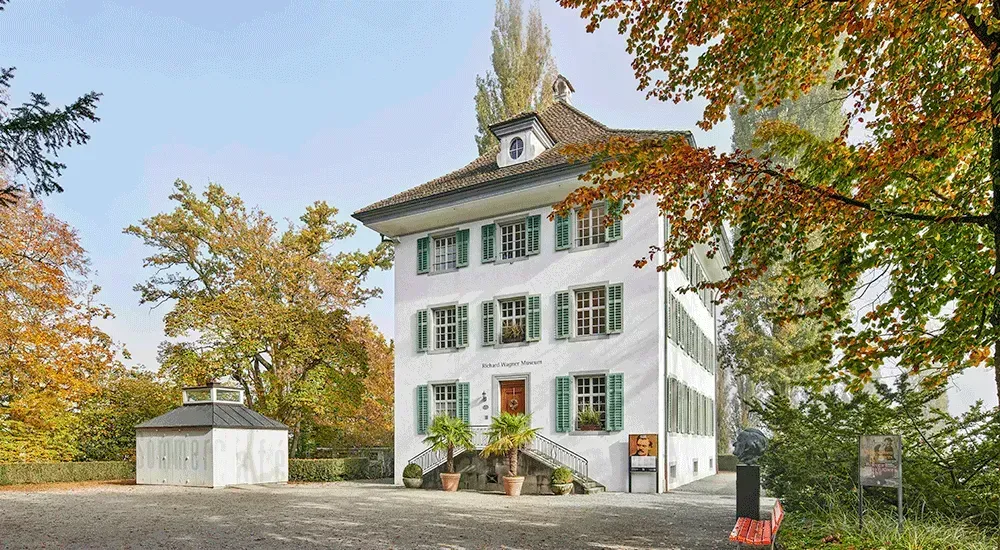 Image Source: Richard Wagner Museum Official Website
Wagner didn’t just visit Lucerne, Switzerland; he made it his home for six years. From 1866 to 1872, he worked at the Tribschen Landhaus on Lake Lucerne, where he composed parts of Der Ring des Nibelungen and surprised his wife Cosima with the premiere of the Siegfried Idyll for her birthday. His original Erard grand piano is still the centrepiece of the collection, and concerts continue to be held on it. Even the lakeside café in front of the museum is worth a visit.
- Entry: Paid admission; current prices at richard-wagner-museum.ch (audio guide in English included)
- Opening hours: Tuesday to Sunday, 11:00 AM to 5:00 PM; closed December to March
8. Rosengart Collection
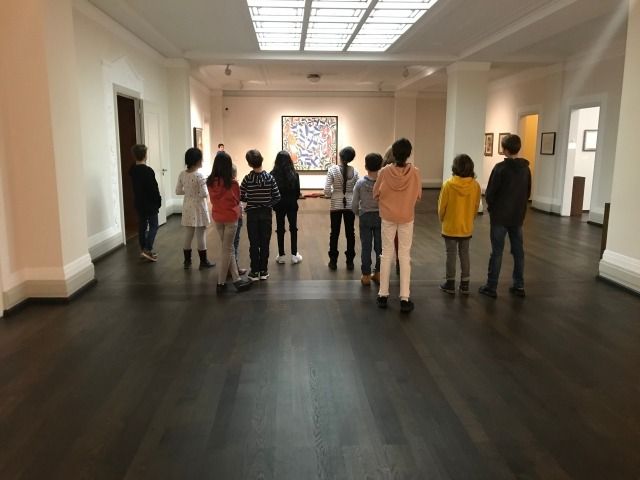 Image Source: Rosengart Collection Official Website
Many people who visit Lucerne, Switzerland don’t realize the city is home to one of Europe’s best private art collections. Art dealer Siegfried Rosengart and his daughter Angela gathered more than 300 pieces, thanks to their close relationships with artists. Picasso, for example, painted Angela’s portrait five times. The Paul Klee collection here is the largest in private hands apart from the artist’s own family. You’ll also find works by Monet, Matisse, Chagall, and Kandinsky spread across three floors of a former Swiss National Bank building near the main station.
- Entry: CHF 20; free with the Swiss Travel Pass
- Opening hours: Daily, 10:00 AM to 6:00 PM (April to October), 11:00 AM to 5:00 PM (November to March)
Tribe Travel Tip: Take a look at the short documentary film included here. In it, Angela Rosengart talks about Picasso, offering insights that can change the way you see his portraits.
9. Meggenhorn Castle
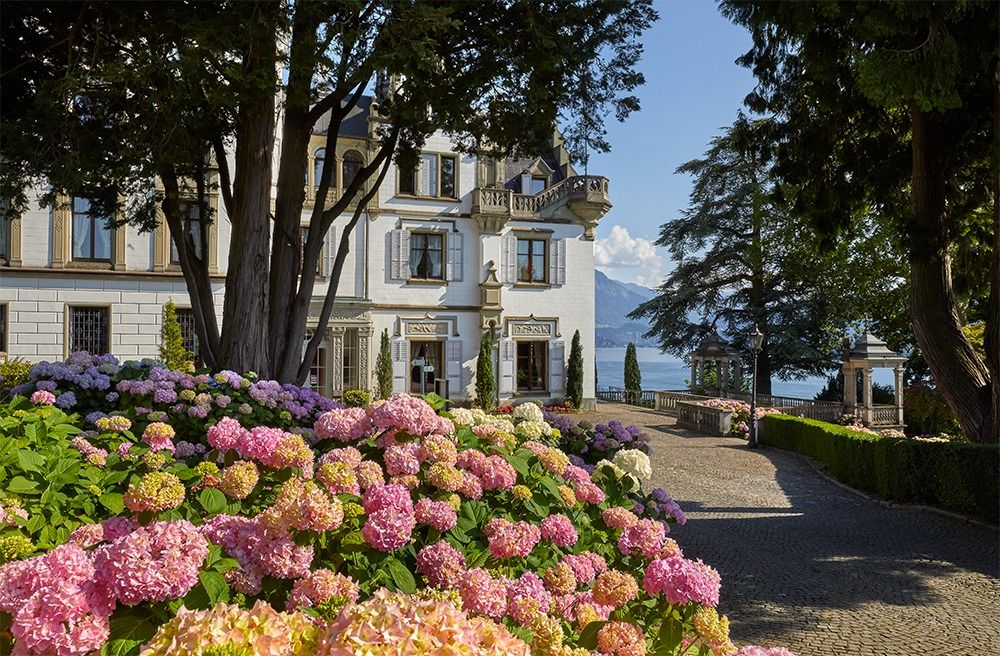 Image Source: Meggenhorn Castle Official Website
There is a castle near Lucerne, Switzerland, that most tourists never hear about. Meggenhorn Castle, built in 1868 in Meggen and inspired by France’s Château de Chambord, is recognised as a Swiss heritage site of national importance. The castle overlooks Lake Lucerne and offers sweeping views of the lake, Mount Pilatus, and Mount Rigi. Visitors can explore the grounds for free year-round, where they’ll find vineyards, farm animals, a children's playground, and paths leading down to the lake.
- Entry: Park is free; castle interior open Sundays only, 12:00 PM to 5:00 PM (April to October)
- How to get there: Bus 24 from central Lucerne, Switzerland (15 minutes) or by boat to Meggenhorn landing stage in summer
10. Dietschiberg
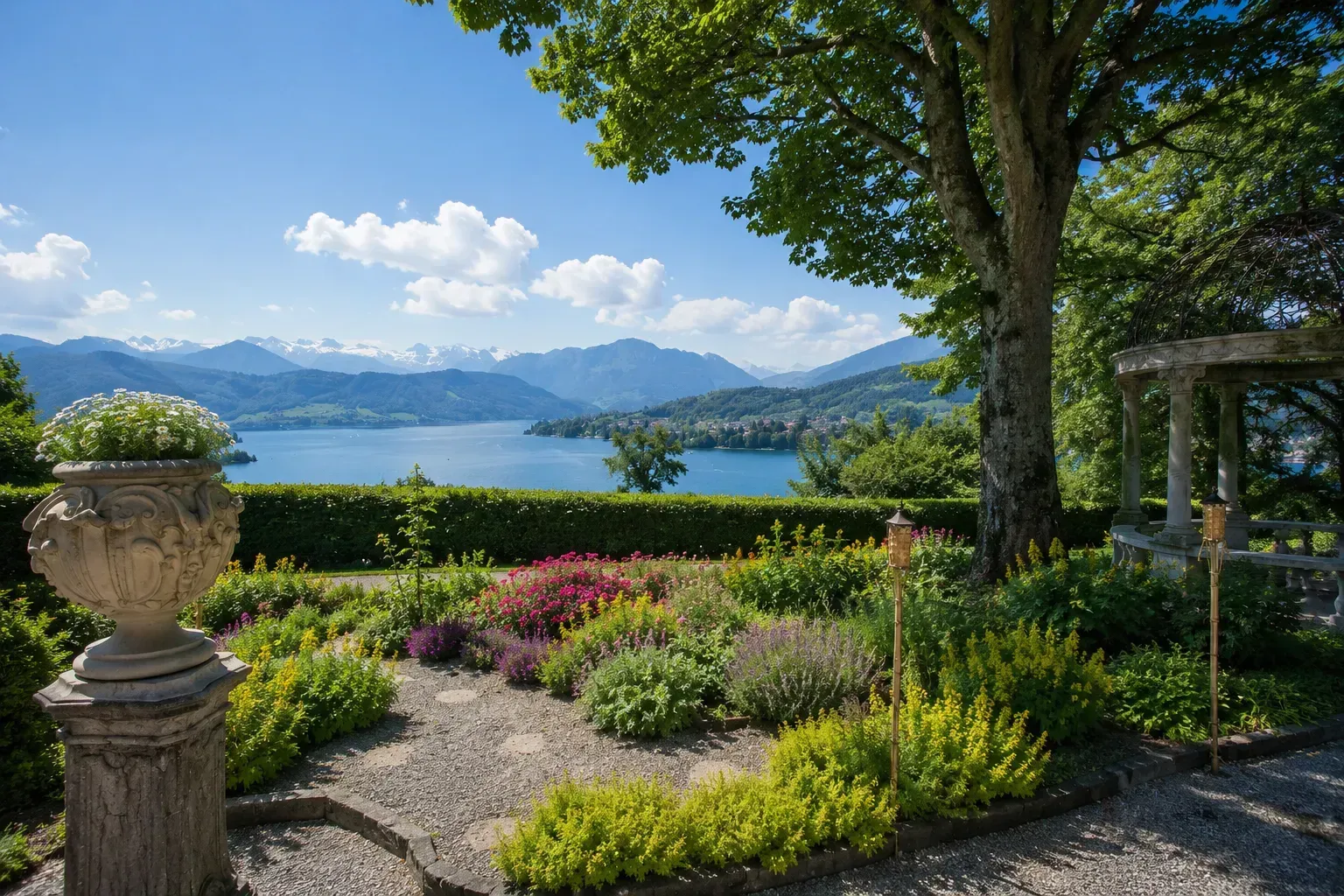
If you’re looking for free things to do in Lucerne, Dietschiberg is a hidden gem that locals don’t often mention. The walk from the main station takes about 55 minutes along clear paths, leading you through the forest and then out to sweeping views of Lake Lucerne and the Alps. Locals call this ridge "the little sister of Rigi," and you’ll likely have it to yourself, even during busy times. Be sure to bring water, as there aren’t any cafés along the way.
- Entry: Free, open year-round
- Best time to visit: Spring and early autumn for the clearest Alpine views
Discover the Best of Lucerne with the Right Plan
Lucerne, Switzerland, has something special for travellers who take their time and explore beyond the main streets. You might find a clock that chimes a minute early, a painting you can step into, or a hidden castle above the lake that few people discover. These moments are not just side trips; they are what make the journey memorable. If you are planning a holiday to Switzerland, Holiday Tribe's advisors can help you create a travel package that includes both the well-known sights and the hidden gems.