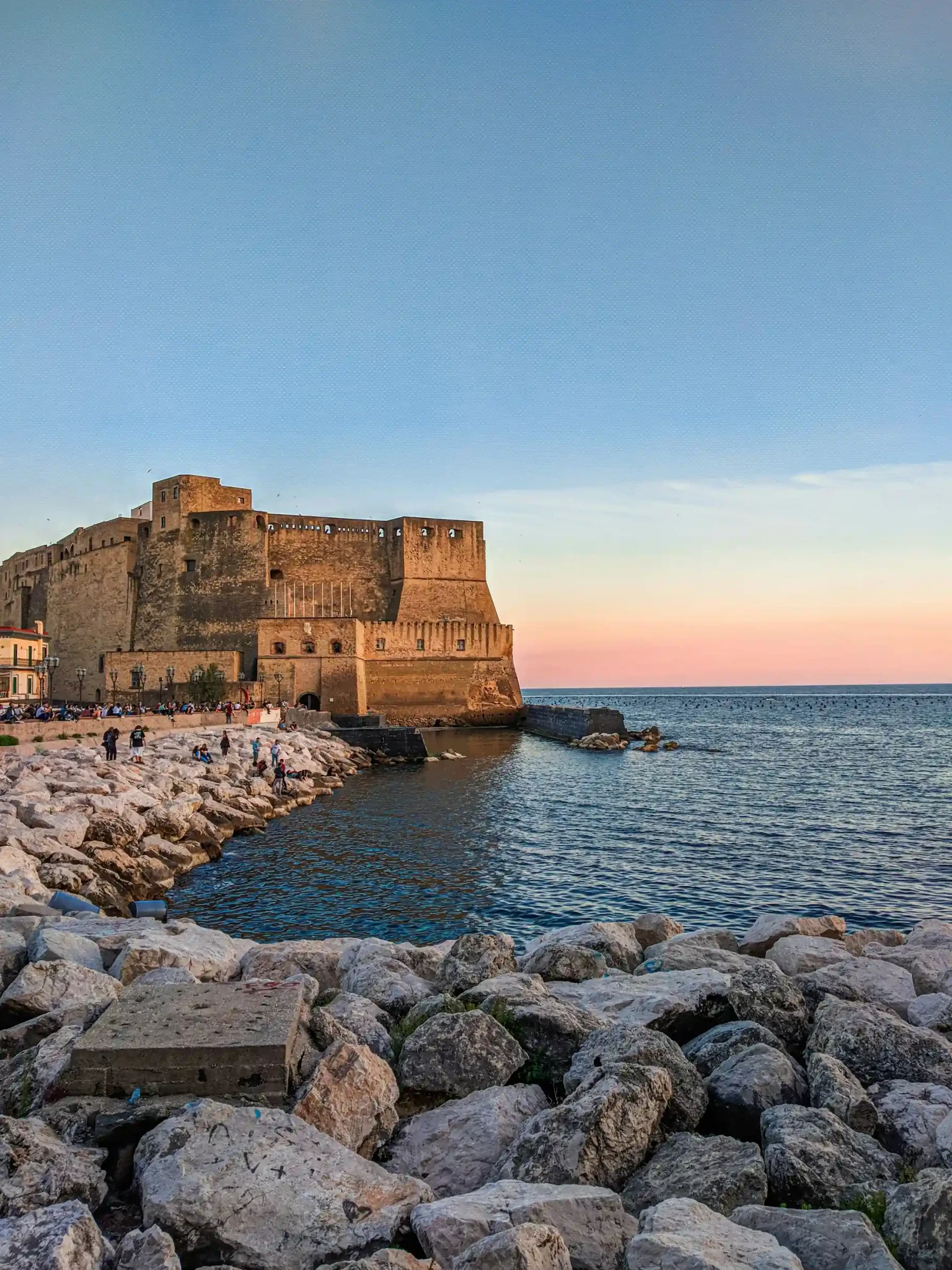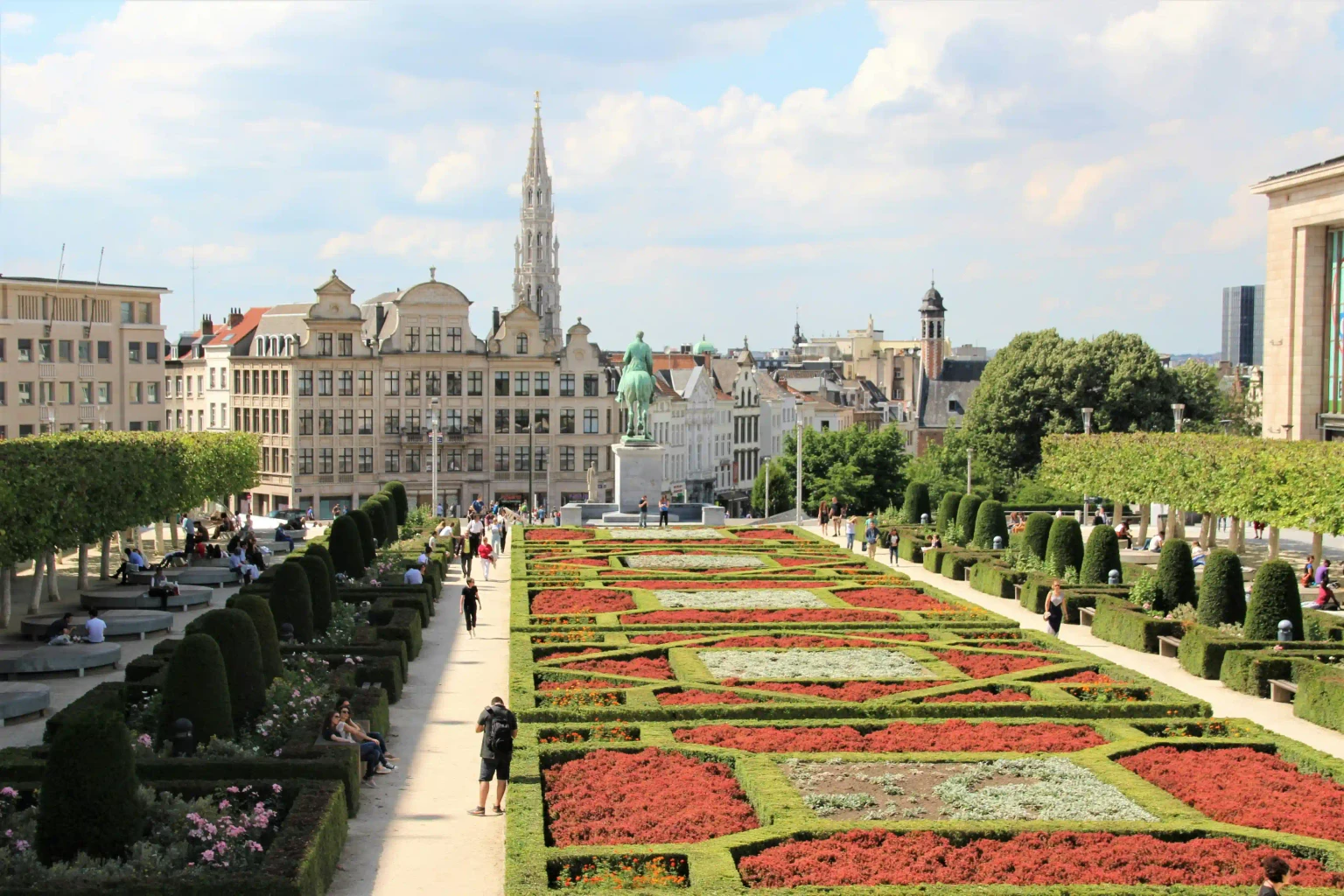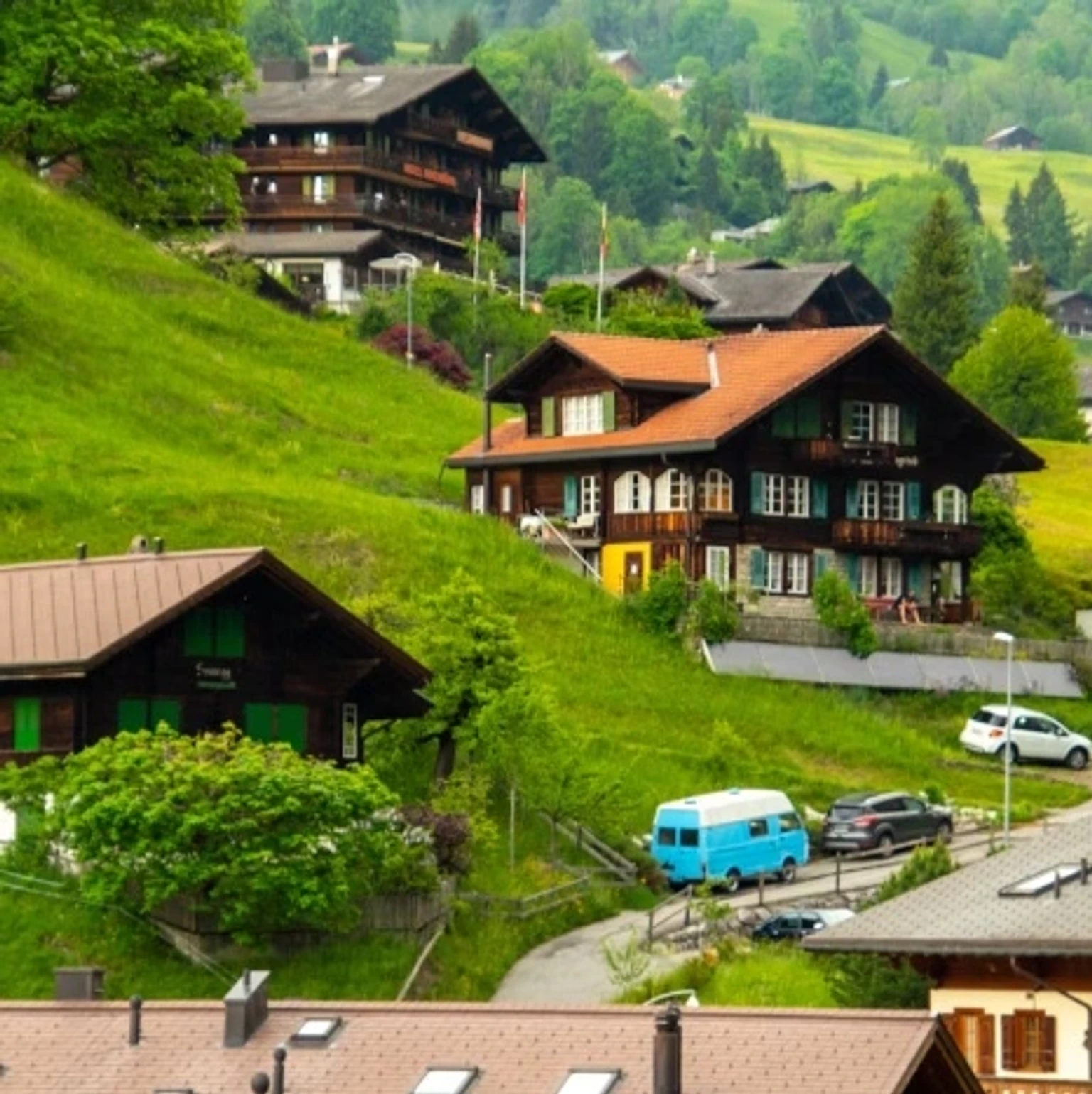


European food is not a single cuisine but a tapestry of flavours that shifts every few hundred kilometres. Cross a border and suddenly butter gives way to olive oil, bread takes on a new form, and lunch lasts for hours. This European food guide invites you to taste your way through Europe, from the pizza counters of Naples to the sweet custard tarts of Lisbon. Here you will find only the dishes worth savouring and the local rituals that help you order like a seasoned traveller. Some plates come with stories that are as rich as their flavours, and a few myths are ready to be set straight. If you are figuring out what to try in Europe before you fly, let this be your essential European food list, organised country by country.
What Makes European Food Change So Much from One Country to the Next?
In short, geography and history shaped European cooking long before chefs did. The European food map is shaped by the land itself.
- The olive line: People in southern Europe cook with olive oil, while those in the north use butter and cream. This difference shapes many of the region's traditional dishes.
- What grows locally: Rice grows in the wetlands of Spain, potatoes thrive in northern Germany, and wheat is common across France. Local crops led to the creation of regional specialities.
- Religion and thrift: Many famous European foods came from people making the best of hard times. For instance, Portugal's custard tarts were invented when monasteries used leftover egg yolks after the whites were used to starch clothing.
Once you understand these three factors, the rest of this European food guide will be much easier to follow.
Which European Countries Should be on Your Food Radar?
Each country in Europe has something special to offer anyone with an appetite. These are the European foods that are worth planning your entire day around.
Italy: Where Simple Ingredients Do the Heavy Lifting
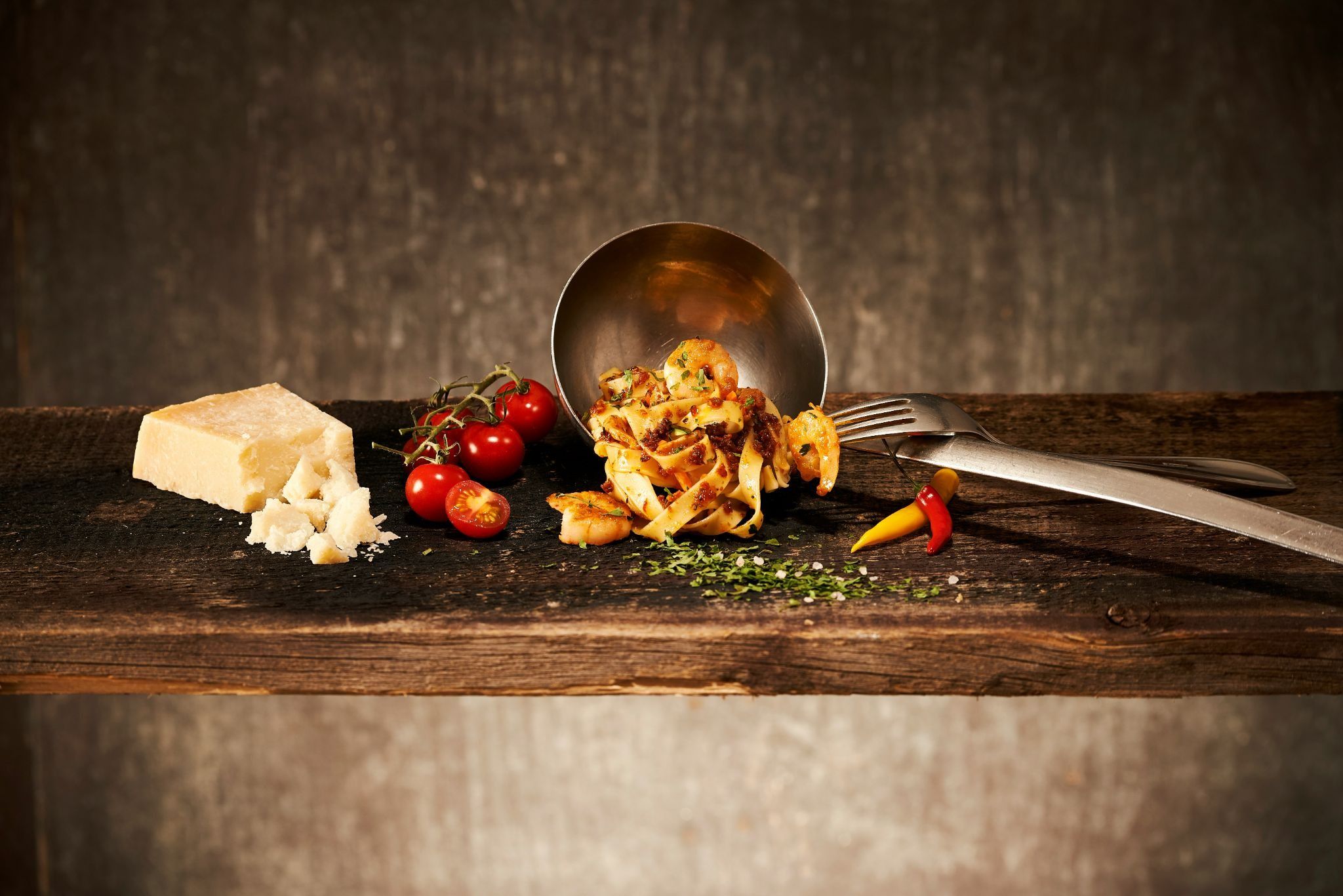
Italian cooking shows that using a few great ingredients is better than having many average ones. Pizza started in Naples, and the famous Margherita has a charming story about being created for Queen Margherita in 1889. Most historians now see that story as a legend, but the pizza itself is definitely real.
- Naples: Soft, blistered wood-fired Neapolitan pizza.
- Rome: Cacio e pepe and true carbonara, which uses egg, guanciale and pecorino, never cream.
- Sicily: Arancini and cannoli.
Be sure to leave space for tiramisu, which originated in Italy’s Veneto region in the 1960s. The name means "pick me up," thanks to the coffee in the recipe. Gelato is also worth trying. It’s not just Italian ice cream; it has less fat and less air, so the flavour is richer and the texture is denser.
France: Butter, Bread and the Art of Taking Your Time
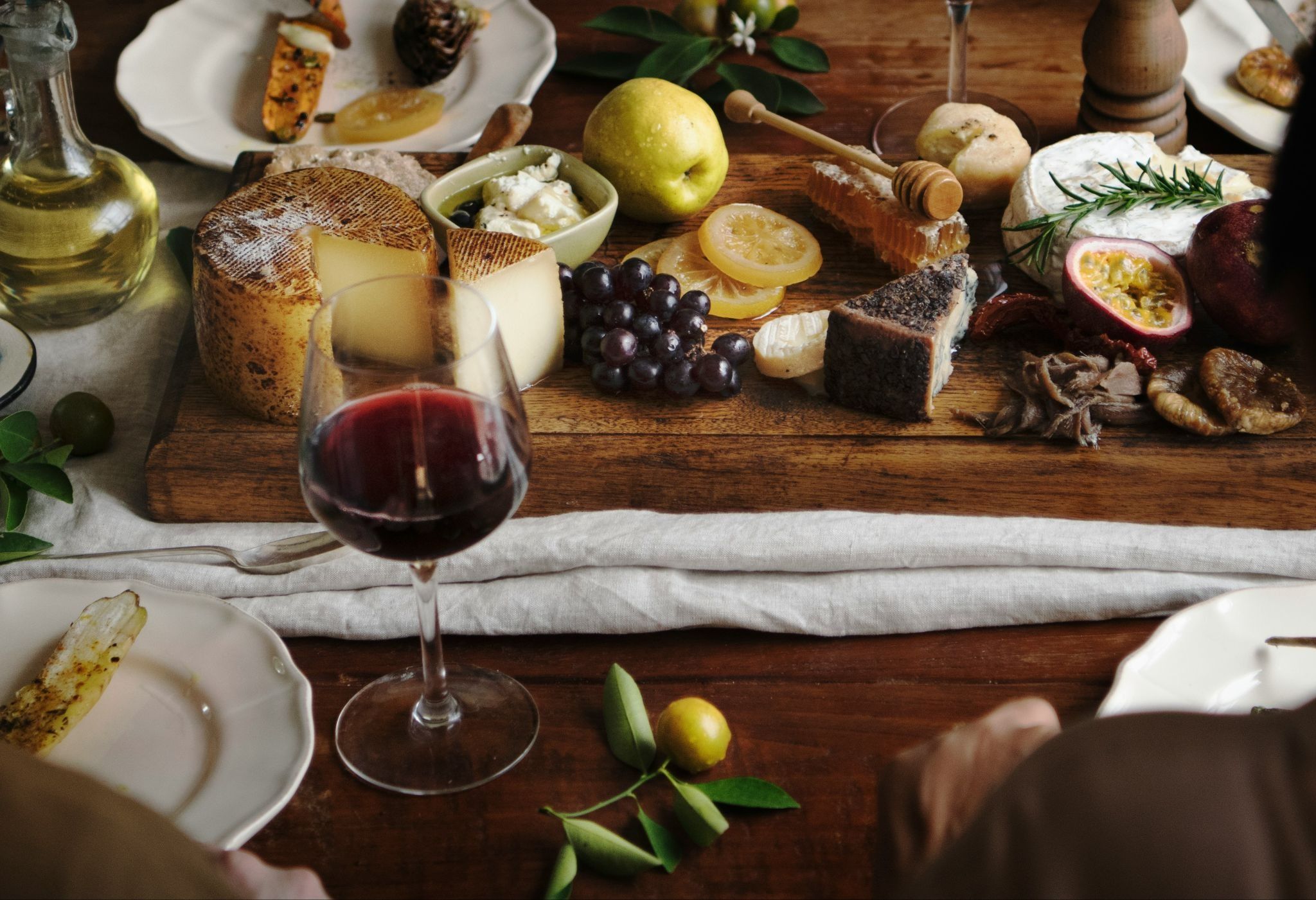
French food is all about technique and patience. The croissant seems very French, but it actually comes from the Austrian kipferl. It only became the flaky pastry we know today after Parisian bakers started using their special lamination method.
- A fresh baguette paired with regional cheeses is a classic, and France has hundreds of varieties to try.
- Slow-cooked dishes like ratatouille and coq au vin are beloved French classics.
- In Brittany, you can enjoy crêpes in both sweet and savoury styles, and delicate macarons are another French favourite.
If you are sure you will not feel weird about trying escargots in garlic butter, it is a unique experience.
Spain: Small Plates, Big Rice and Cured Ham
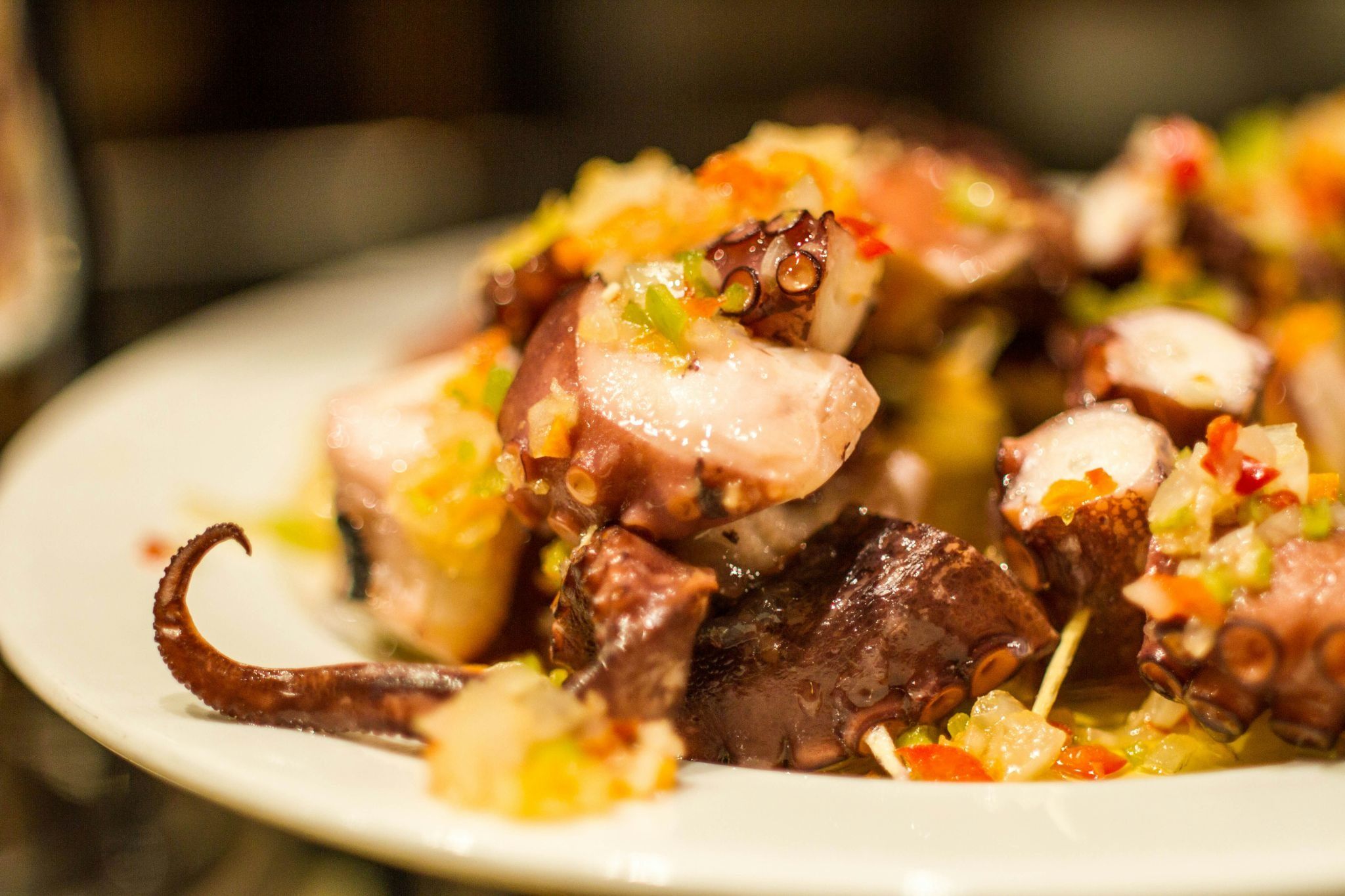
Meals in Spain are relaxed and social. Many people are surprised to learn that real paella Valenciana does not include seafood. The traditional version from farmers uses chicken, rabbit, snails, and beans.
- People enjoy tapas by visiting several bars for different small dishes, while in the Basque region, pintxos are the local speciality.
- Jamón ibérico is Spain's famous cured ham, and tortilla española is a hearty potato omelette.
- Churros with hot chocolate are a popular breakfast, while chilled gazpacho is enjoyed during the summer.
Greece: Grills, Olive Oil and Honey-Soaked Endings
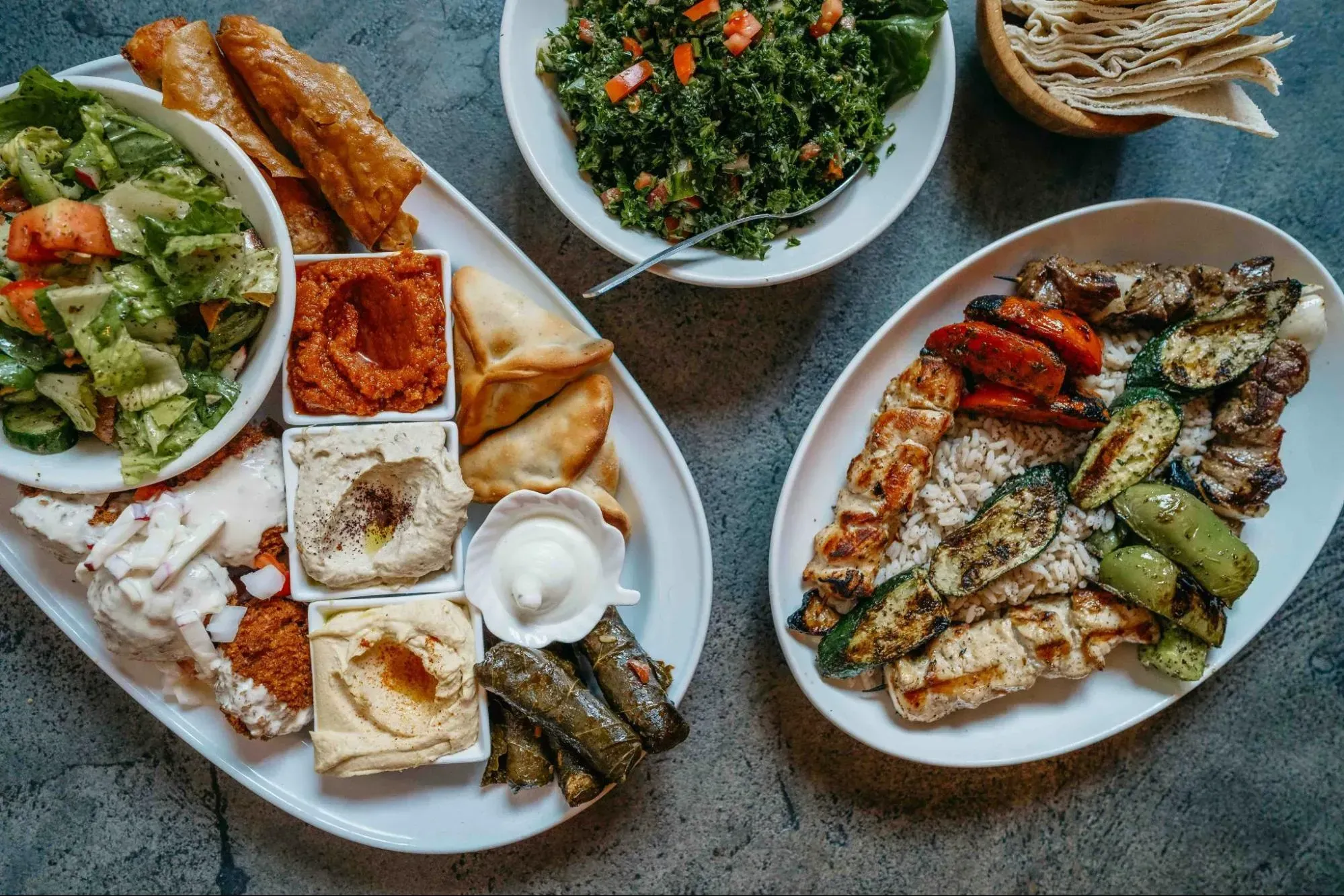
Greek food is fresh, full of herbs, and always generous. The classic Greek salad, horiatiki, skips the lettuce and uses tomatoes, cucumbers, onions, olives, and a thick slice of feta cheese.
- Souvlaki and gyros are best enjoyed hot off the street grill.
- Moussaka is made with layers of eggplant and spiced meat, all topped with creamy béchamel sauce.
- Spanakopita, cool tzatziki, and honey-soaked baklava are all favourites.
Germany and Austria: Sausages, Schnitzel and Serious Cake
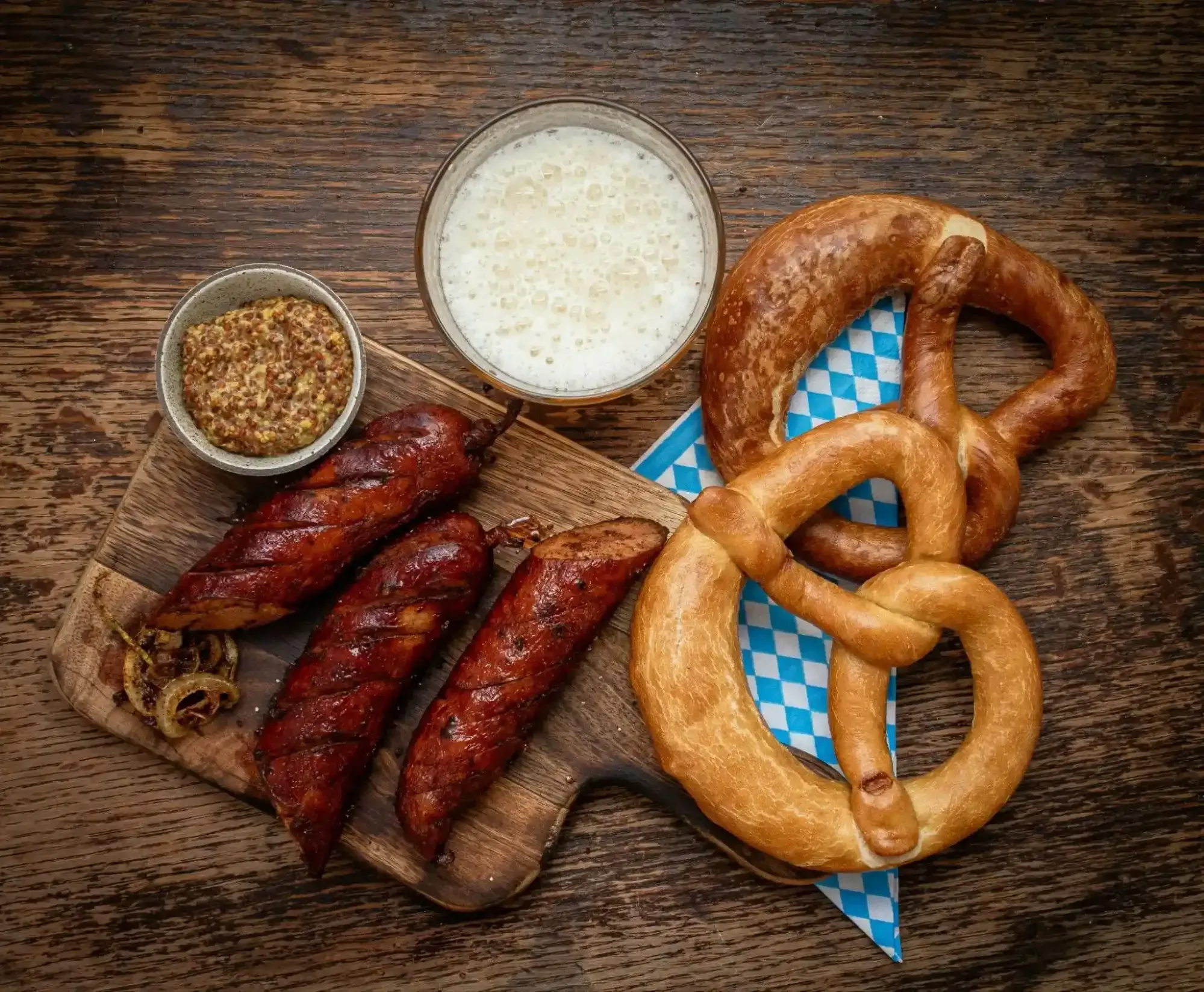
Hearty and comforting, this is European food for cold days. Berlin’s currywurst, for example, was created in 1949 by Herta Heuwer, who added curry powder to tomato sauce and served it with grilled sausage in the post-war city.
- You’ll also find pretzels, different types of bratwurst, and soft egg noodles known as spätzle.
- Wiener schnitzel is another favourite, a crisp veal cutlet from Vienna.
- For dessert, try Black Forest gateau or Sachertorte, especially in one of Vienna’s grand cafés.
Portugal: Custard Tarts and a Thousand Ways With Cod
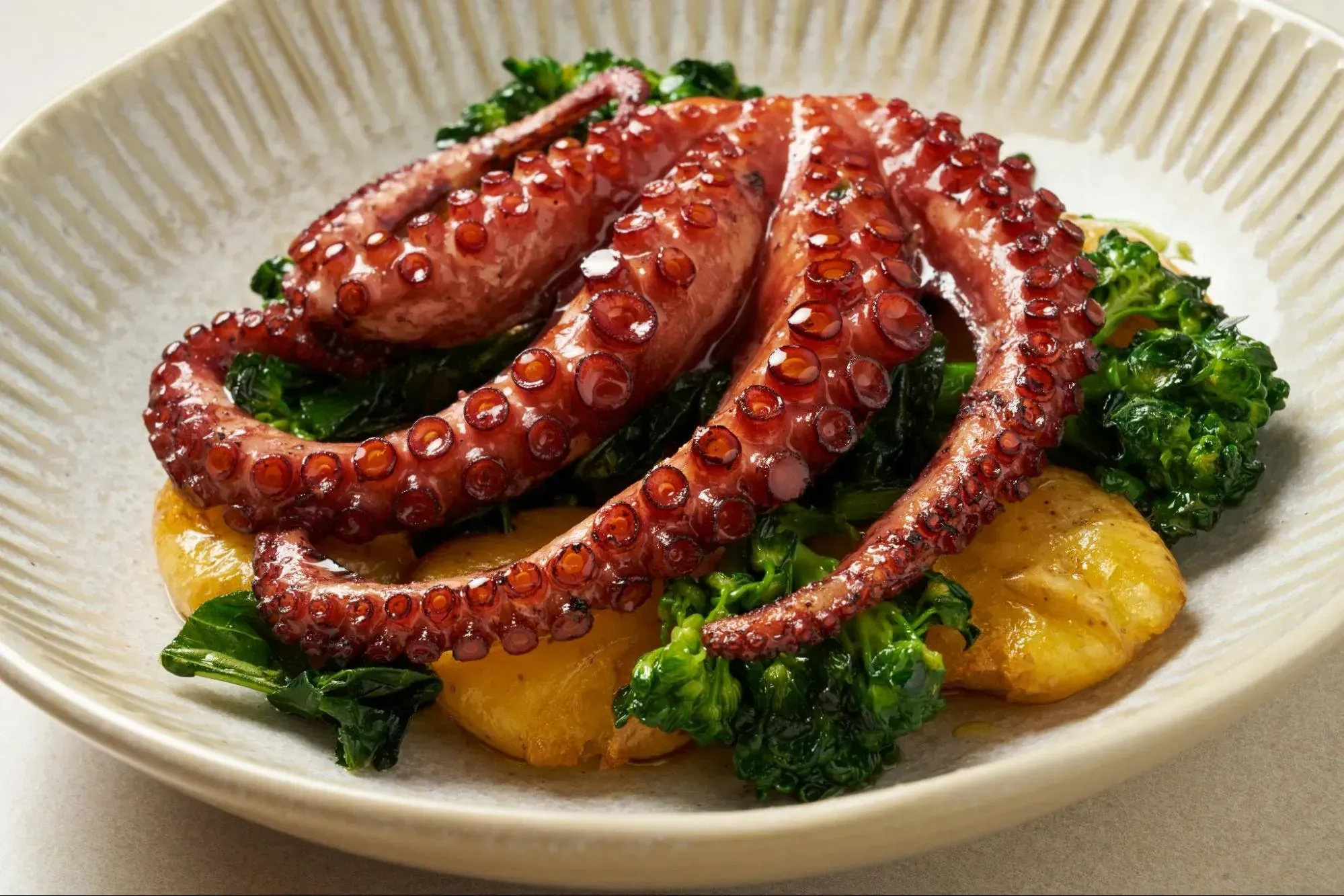
This is the coastal and soulful European food. The pastel de nata, a warm custard tart with a caramelised top, was first made by monks at the Jerónimos Monastery in Belém, Lisbon.
- Bacalhau, or salted cod, is so popular that people say there is a different recipe for each day of the year.
- Caldo verde is a simple and comforting soup made with kale and potatoes.
- Francesinha is a hearty layered sandwich from Porto, while spicy piri-piri chicken is another favourite dish.
Switzerland: Melted Cheese as a National Sport
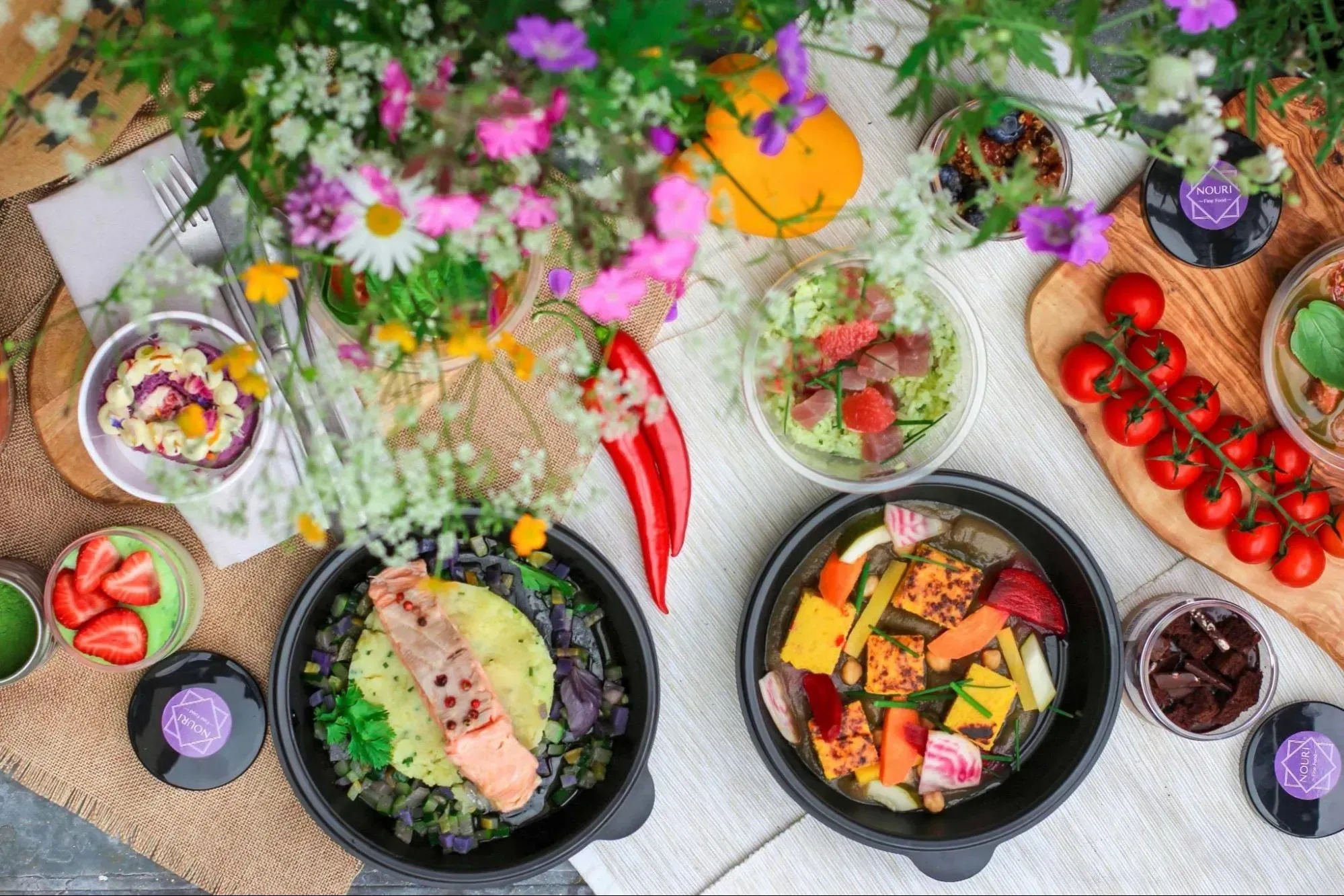
Swiss food often features cheese, potatoes, and chocolate.
- Fondue and raclette are classic dishes meant to be shared.
- Rösti is a crispy, golden potato cake.
- Bircher muesli was created around 1900 by Swiss doctor Maximilian Bircher-Benner as a healthy dish. Today, it is a popular breakfast around the world.
Belgium and the Netherlands: Waffles, Frites and Cheese Wheels
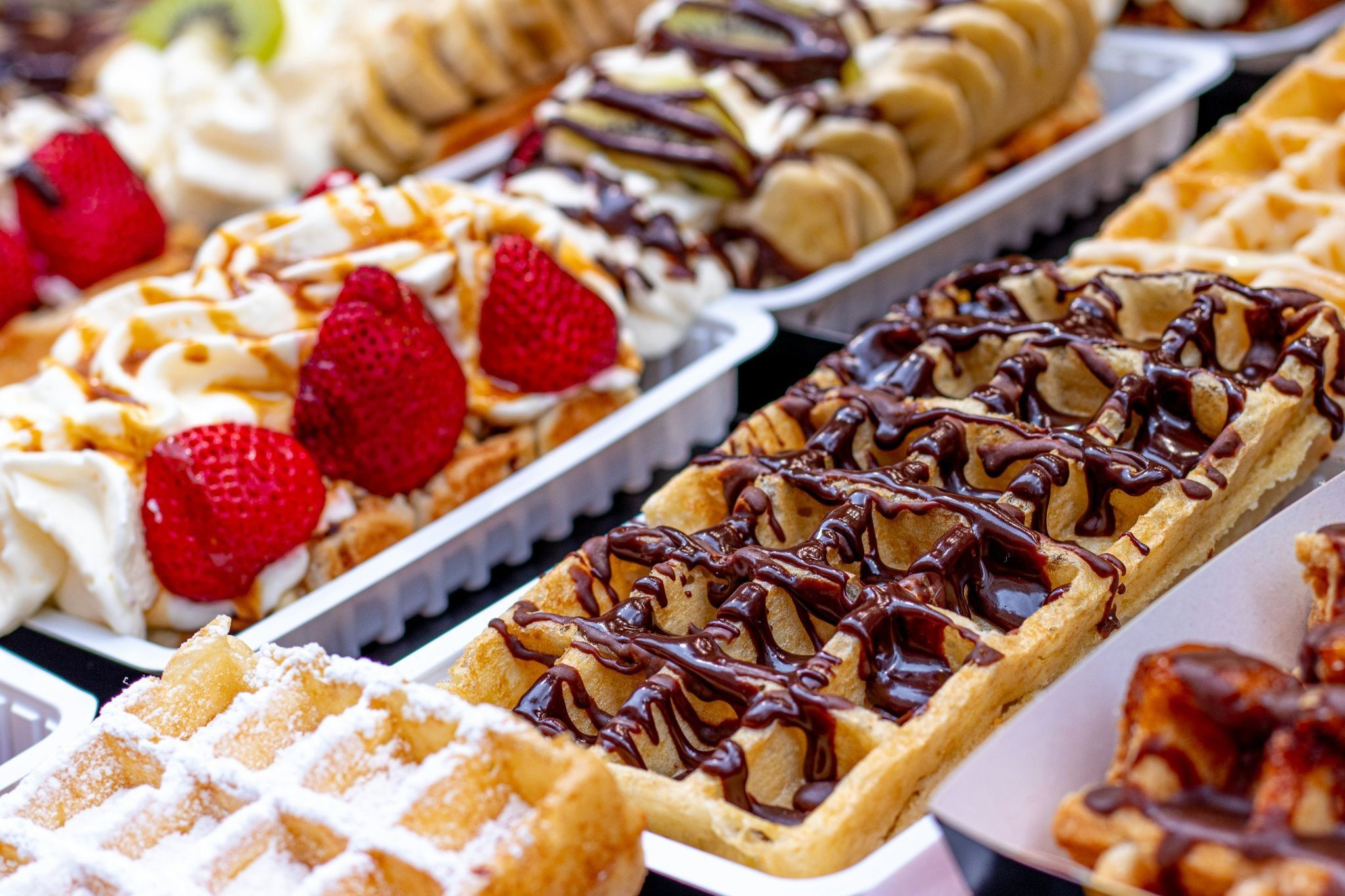 The Low Countries make a big impression for their size. Belgian frites are double-fried and usually come with mayonnaise. Locals are quick to point out they are Belgian, not French.
- Belgian waffles come in two main types: the light, airy Brussels style and the chewier, sweeter Liège style.
- Belgian pralines are filled chocolates that were invented in Brussels by Jean Neuhaus Jr in 1912.
- Dutch specialities include stroopwafels, gouda and edam cheese, and the popular snack called bitterballen.
Top 10 European Foods to Try at Least Once
If you’re looking for a quick list, these top 10 European foods show off the continent’s variety all in one place.
Dish | Country | What it is |
Pizza Napoletana | Italy | Soft, wood-fired Neapolitan pizza |
Croissant | France | Flaky laminated breakfast pastry |
Paella Valenciana | Spain | Saffron rice with chicken and rabbit |
Souvlaki | Greece | Grilled skewered meat in pita |
Currywurst | Germany | Sliced sausage in curried tomato sauce |
Pastel de nata | Portugal | Warm custard tart with a burnt top |
Fondue | Switzerland | Melted cheese for dipping bread |
Belgian waffle | Belgium | Crisp waffle, Brussels or Liège style |
Wiener schnitzel | Austria | Crisp breaded veal cutlet |
Stroopwafel | Netherlands | Thin waffle with a syrup filling |
Tribe Travel Tip: How to Order Like a Local, Not a Tourist
A few simple habits can make European food taste even better.
- If you’re in southern Europe, try eating later. In Spain and Greece, restaurants usually get busy after 8 pm. Arriving at 6 will make you stand out as a tourist.
- In Italy, skip the cappuccino after lunch. Locals usually drink milky coffee only in the morning, so it’s better to order an espresso later in the day.
- Look for a line of locals outside a pastel de nata shop or a frites stand. That’s usually the best sign that the food is worth trying.
- Ask about the local speciality. If you order the same dish everywhere, you might miss out on the foods that make each town unique.
Turn Your Food Bucket List into a European Holiday
European food is always on the move. One week you might be enjoying a warm pastel de nata in Lisbon, the next you could be twirling carbonara in Rome or lining up for frites in Brussels. Let this guide be your starting point, and let each town surprise you with its own unique flavours. When you are ready to turn these ideas into a real getaway, Holiday Tribe can help you plan and customise your Europe itinerary based on the places and foods you care about most. Our holiday advisors will help shape your route to match your travel style. With good planning, you can turn a list of dishes into a holiday you actually get to taste.