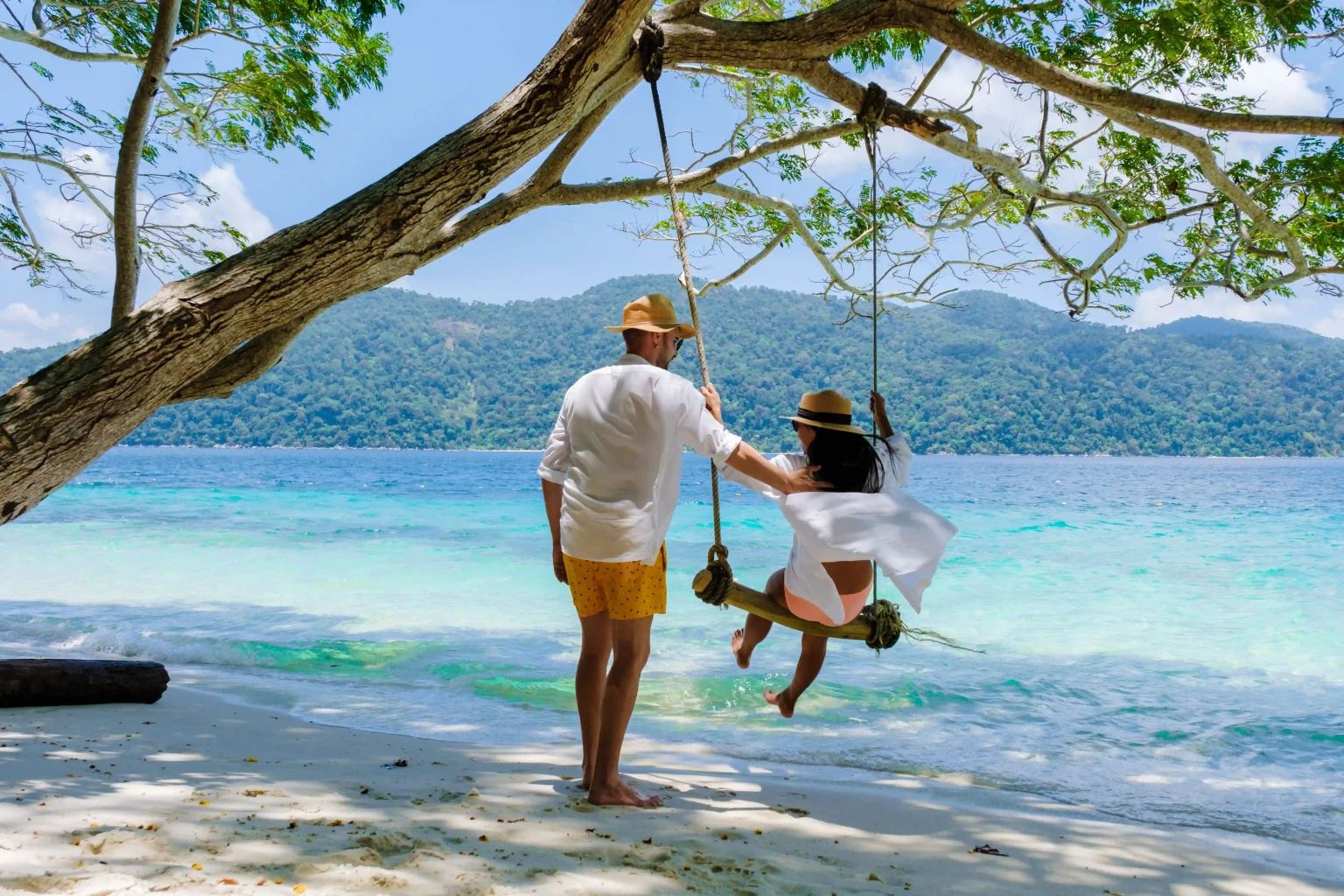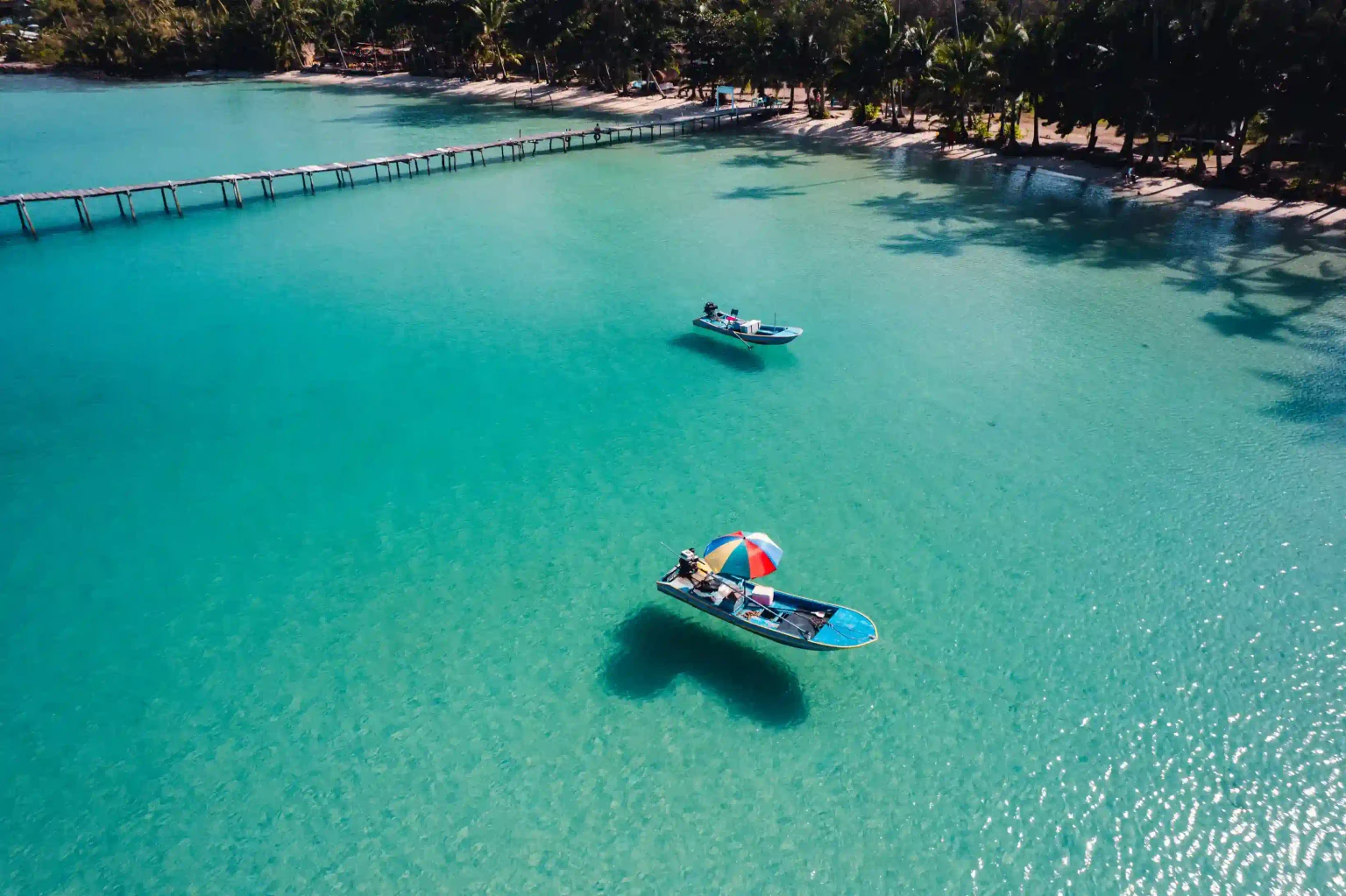


Manila has a way of pulling you in before you have even left the airport. Colonial forts sit a few streets away from glass skyscrapers, jeepneys weaving past rooftop bars, and a coastline that turns gold every evening along Manila Bay.
If you’re travelling here for the first time, it can be a bit hectic, but it is also exactly what makes this city worth the escape. This guide walks you through everything you need before you land, so you can spend less time figuring things out and more time appreciating the experience ahead.
Where Is Manila?
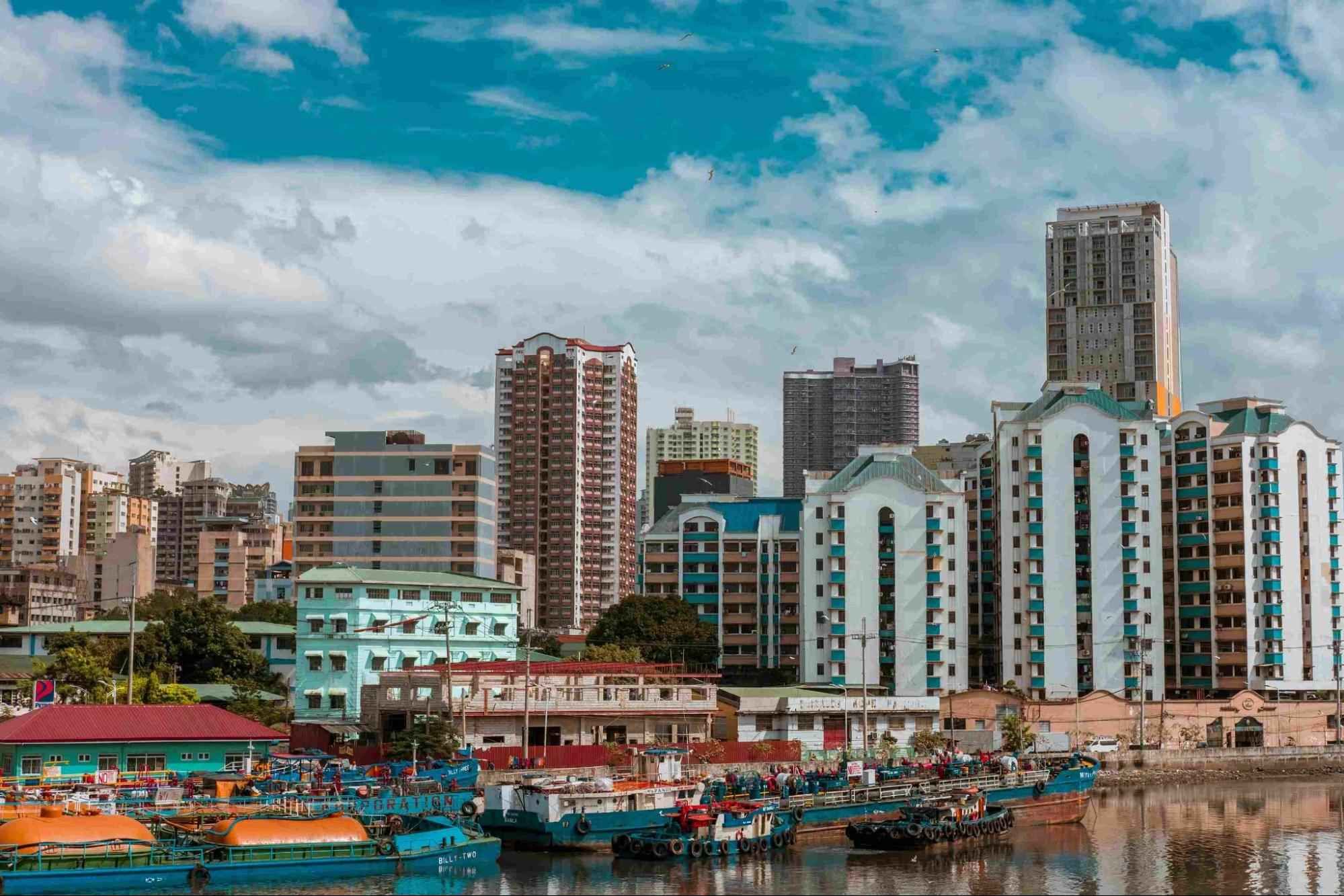 Manila is the capital of the Philippines, sitting on the western coast of Luzon, the country's largest island, right along the shores of Manila Bay. As a city in the Philippines, it functions as both a cultural anchor and a gateway; most international holidays to the archipelago begin here before travellers head to islands like Palawan or Cebu.
Manila itself is a maze of connected cities: Makati for business and shopping, Quezon City for a slow holiday, and the City of Manila's Intramuros district for a walk through Spanish history. Knowing this layout early will help you plan your stay around what interests you most, rather than getting bored as you go from city to city.
Tribe Travel Tip: Book a hotel in Makati or BGC (Bonifacio Global City) if you want easy access to restaurants and malls without long commutes.
How Do You Get to Manila? A Quick Look at the Airport
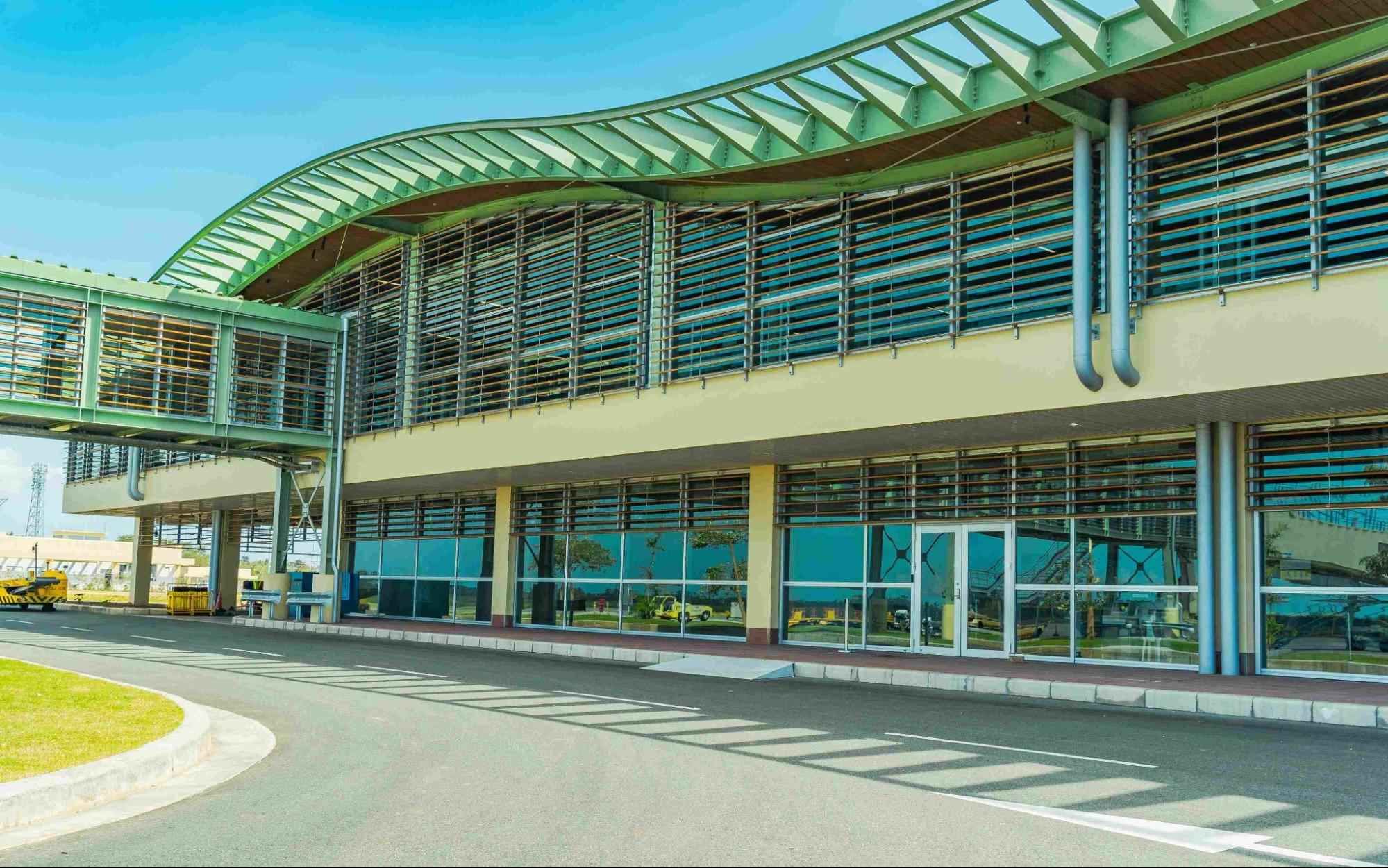 Most vacations to the Philippines begin at Ninoy Aquino International Airport, commonly called NAIA, the country's main international gateway. The Manila airport is split across four terminals that are not physically connected, so it’s better to confirm your terminal with your airline before you leave.
A free shuttle bus links the terminals, running roughly every 20 to 30 minutes, though driving between them can take 15 to 25 minutes depending on traffic. Once you land, you’ll find immigration queues that tend to be a bit slow, so put an extra hour in your travel time since Manila traffic can be a bit unpredictable.
Terminal 1 | International airlines |
Terminal 2 | Philippine Airlines |
Terminal 3 | Cebu Pacific, AirAsia, and other international carriers |
Terminal 4 | Smaller domestic carriers |
Tribe Travel Tip: terminal assignments have shifted recently, so always verify with your airline before booking.
What Is Manila's Weather Like Across the Year?
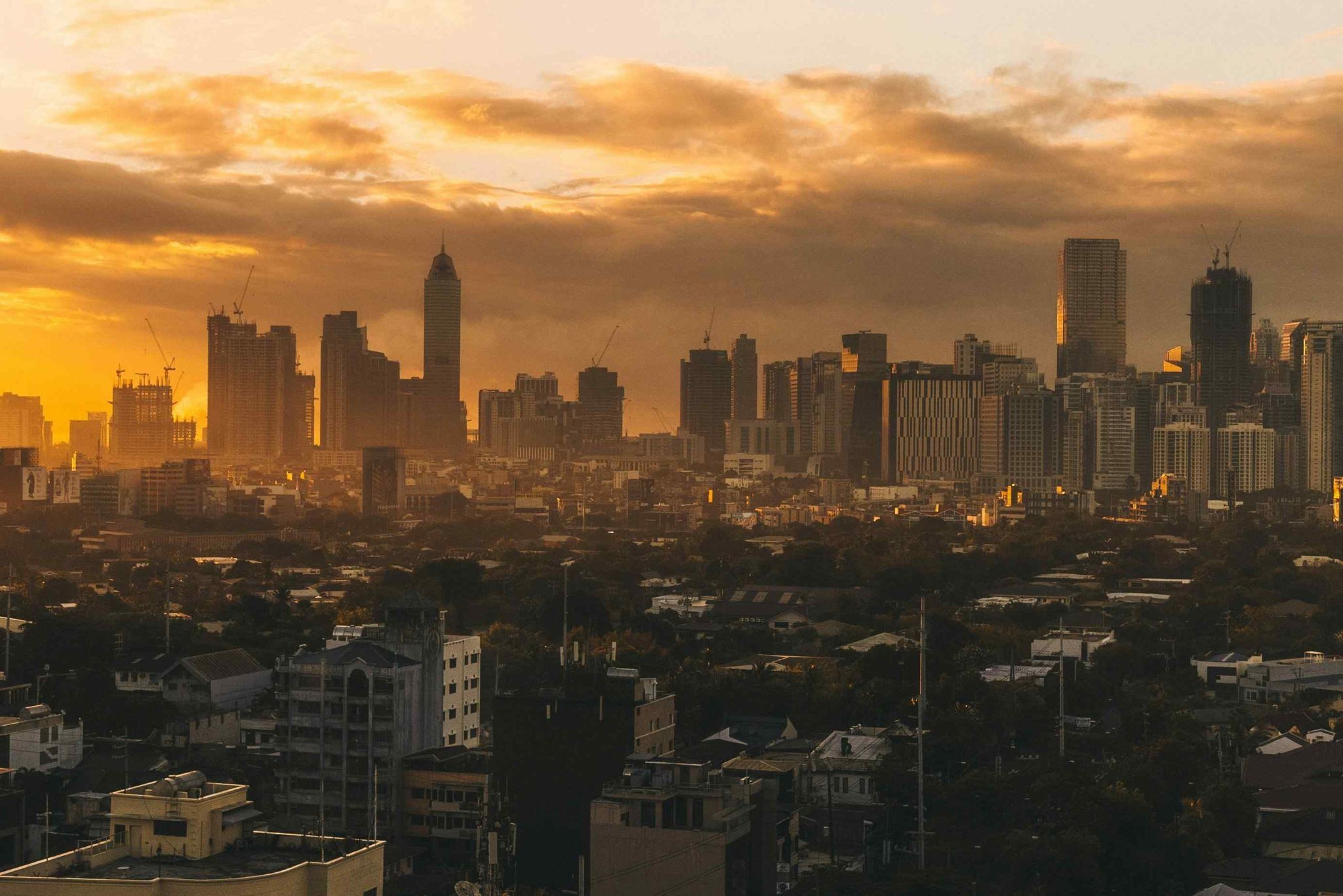
Manila's weather stays warm year-round since the city has a tropical climate. , but it does swing between a dry season and a wet one. The temperature in Manila usually ranges between 24°C and 35°C, with only small month-to-month shifts.
- January through April is the dry season, offering the clearest skies and the least rain.
- May through November brings the wet season, along with the occasional typhoon.
- December to February tends to be the most comfortable for walking tours.
Climate | Months | What you can expect |
Dry and cool | December to February | Mild heat, low humidity, best for sightseeing |
Dry and hot | March to May | High temperatures, strong sun |
Wet | June to November | Heavy rain, occasional typhoons |
Tribe Travel Tip: Pack a light rain jacket even in the dry months. Manila showers can appear out of nowhere.
What’s the Best Time to Visit Manila?
If you are flexible with dates, aim for late November through February. The temperature in Manila during these months stays warm but manageable, and you will avoid both peak heat and the heaviest rains, which makes it easier to fit in a full day of walking without needing constant breaks.
What Are the Best Manila Tourist Places for First-Timers?
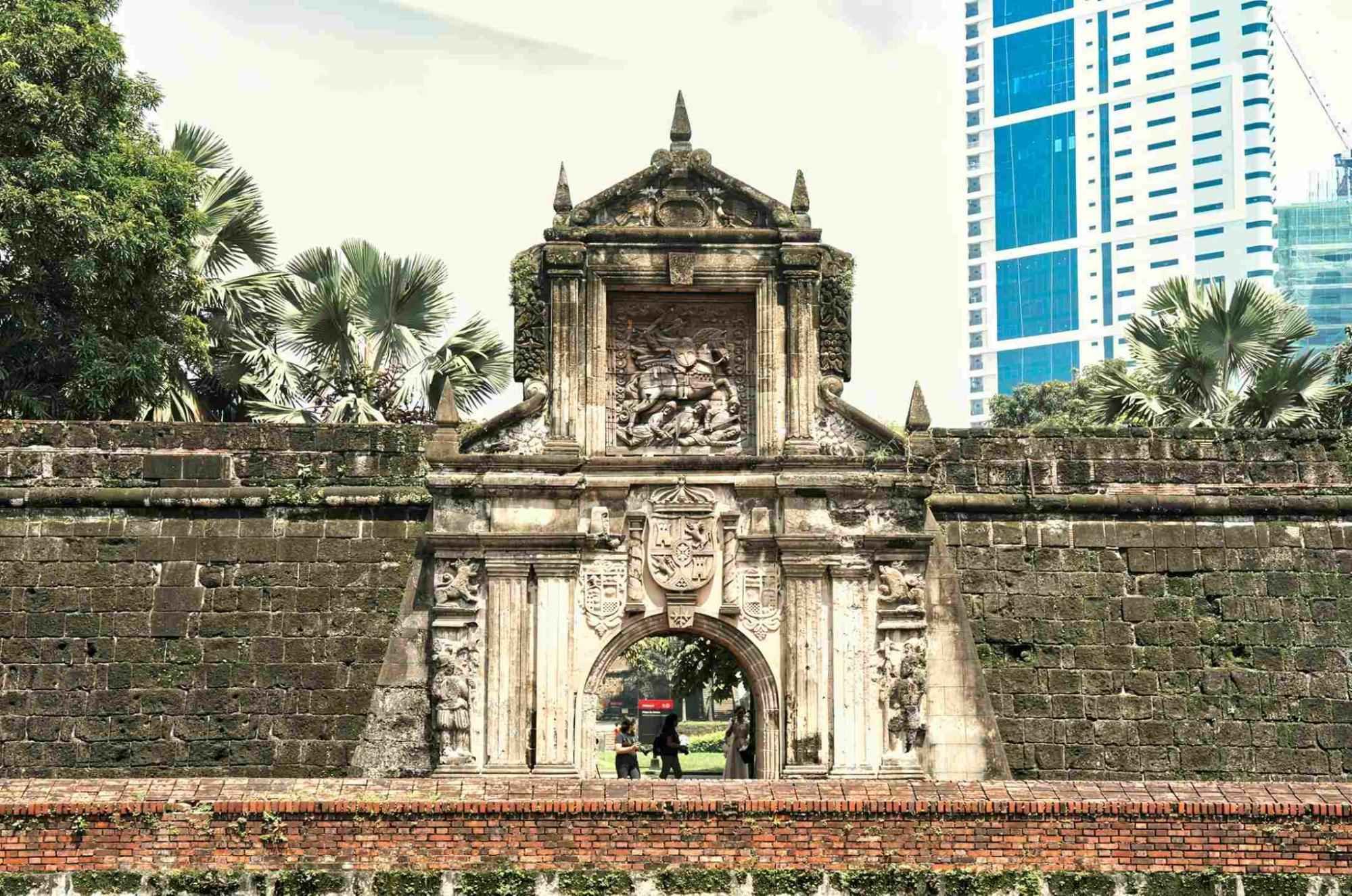 Manila attractions range from centuries-old forts to buzzing modern districts, so it helps to pick a handful rather than trying to cover everything. These Manila places to see will give you a real feel for the city without stretching your days too thin:
- Intramuros: This walled city was built during Spanish rule and is home to Fort Santiago and San Agustin Church
- Rizal Park: A wide green space honouring national hero Jose Rizal, ideal for your early morning walks
- National Museum Complex: Covers art, natural history, and anthropology across several buildings
- Manila Ocean Park: A family-friendly aquarium right along the bay
- Binondo: Recognised as one of the world's oldest Chinatowns, packed with food stalls.
Tribe Travel Tip: If you're looking for hidden gems in Manila , a sunset walk along Manila Bay's boardwalk is a memorable way to close out a day of sightseeing.
What Are the Top Things to Do in Manila, Philippines?
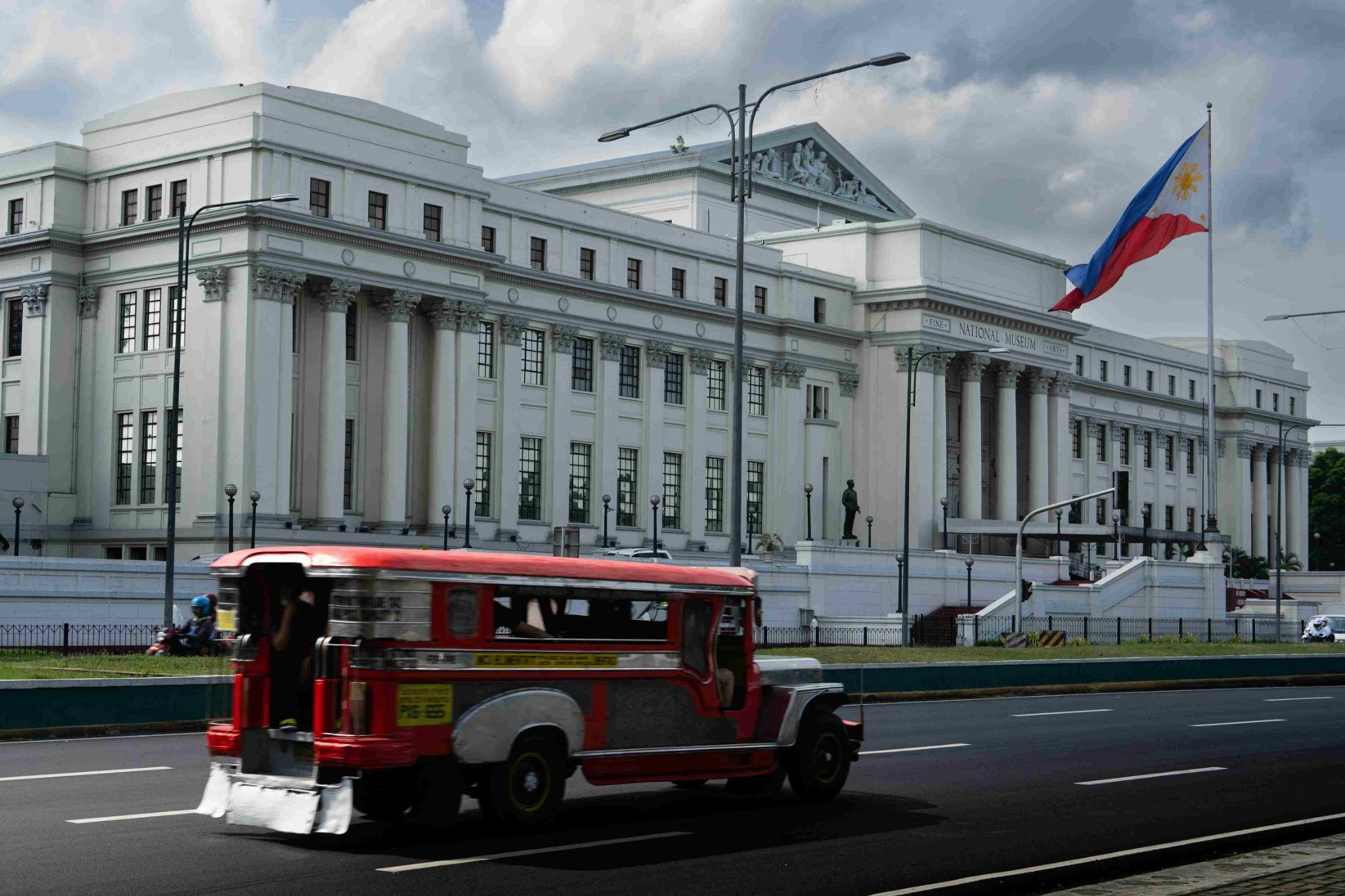
Beyond the landmark stops, there are plenty of things to do in Manila, Philippines, no matter what your vibe is:
- Take a Philippine food tour through Binondo or the Poblacion district.
- Learn local history with a guided walk through Intramuros.
- Spend an afternoon browsing the shops and food courts at SM Mall of Asia.
- Try a jeepney ride to experience how locals actually get around.
- Catch a sunset cruise along Manila Bay.
- Visit a local market for fresh produce and street snacks like isaw and taho.
Tribe Travel Tip: Mornings are cooler and less crowded, so schedule outdoor sightseeing before noon whenever you can.
Where Can You Experience Manila's Nightlife?
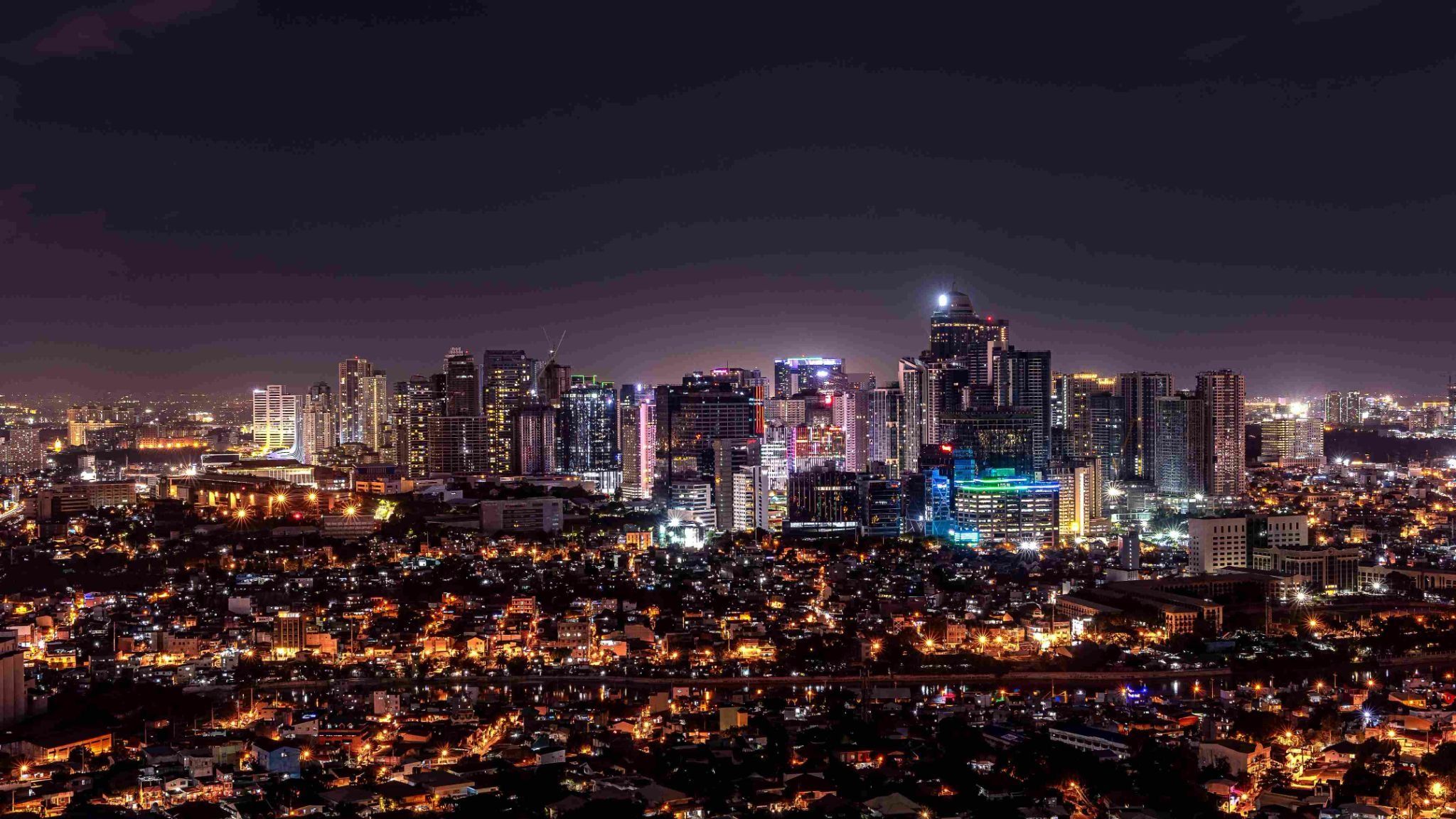
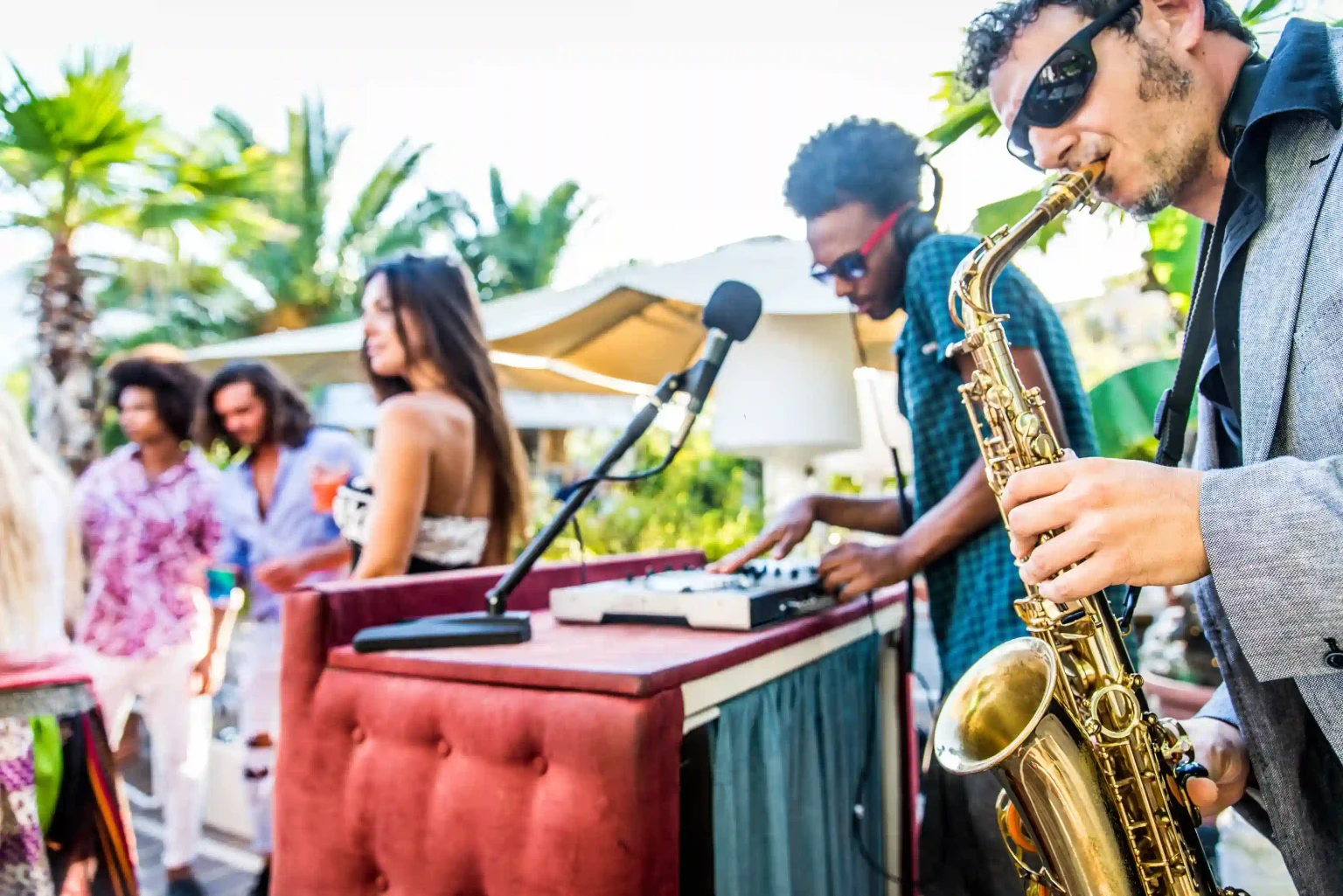
Manila nightlife picks up once the heat of the day fades, and the city offers everything from laid-back bars to late-night clubs.
- Poblacion in Makati has become the go-to strip for craft cocktails and live music.
- BGC leans toward polished rooftop lounges with skyline views.
- If you prefer something more local, karaoke bars, known here as videoke, are a fun way to spend an evening with your friends or family.
- Several restaurants along Manila Bay stay open late, letting you watch the sunset stretch into the evening.
- Live band bars around Malate also have a crowd of locals as well as visitors, especially on weekends when most spots stay open well past midnight.
Where Should You Stay? Hotels in Manila, Philippines
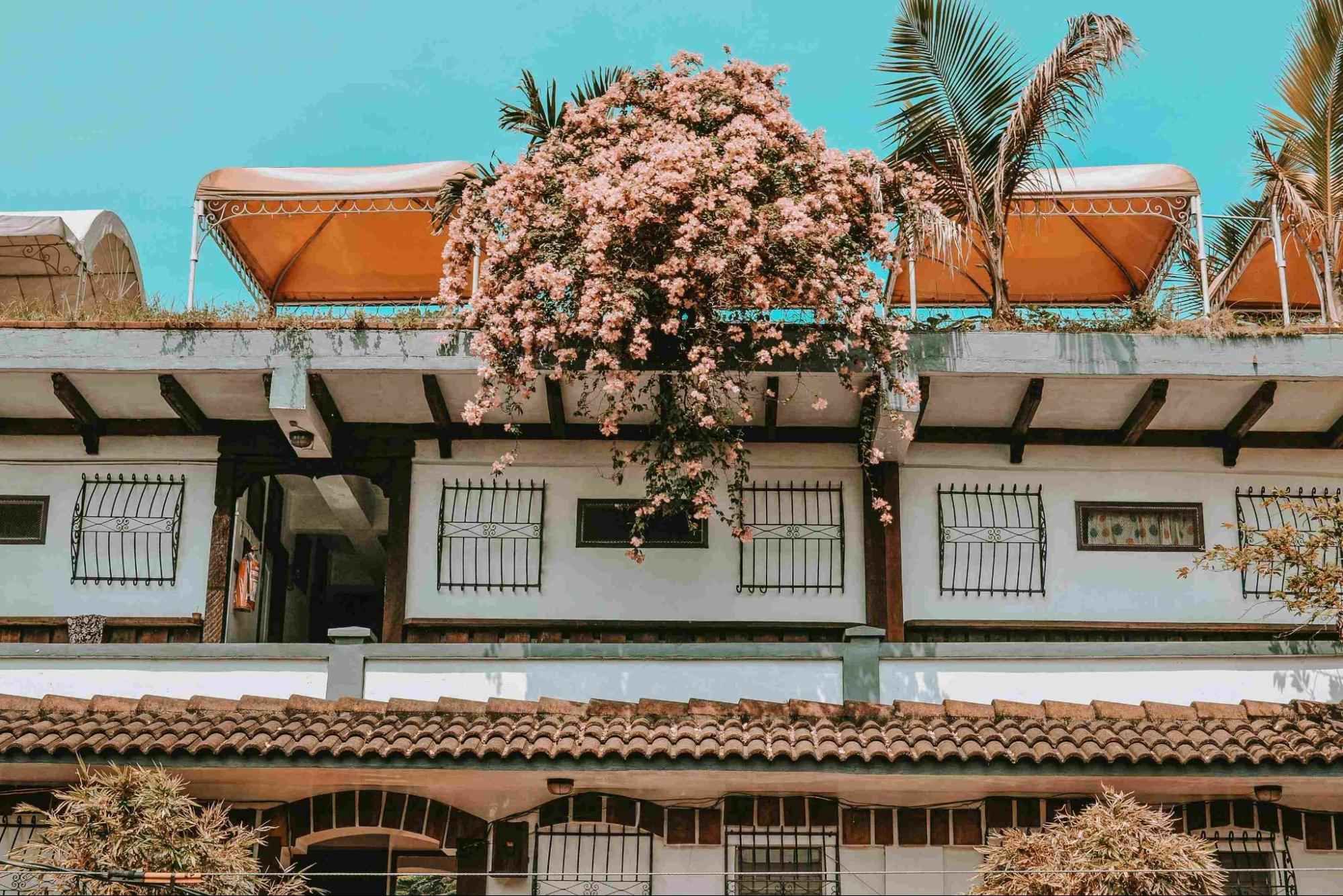
There’s a wide range of hotels in Manila, Philippines, that cater to every type of traveller, so whether you’re travelling with your family or on a romantic getaway, you’ll find your place.
Here’s a quick overview of places to stay in Manila along with who they are for:
Region | What they offer | Type of stay |
Makati | Business travelers, shopping, dining | Mid-range to luxury |
BGC | Modern skyline views, nightlife | Upscale |
Manila Bay area | Sunset views, easy access to Intramuros | Mid-range |
Ortigas | Quieter stays, still central | Mid - range |
Tribe Travel Tip: Whichever area you choose, booking a stay near a mall or transit hub tends to save you the most time, since Manila's roads can turn a short distance into a long afternoon during rush hour.
Do Indian Travellers Need a Visa for a Manila Vacation?
Indian passport holders can currently enter the Philippines visa-free for up to 14 days for tourism, as per the Bureau of Immigration's policy for Indian nationals.
You will still need to complete the Philippines eTravel arrival card through the official government portal before you land, along with a valid passport and a return ticket.
Since immigration policies can change, it is worth checking the official Philippine government portal closer to your departure date to confirm the latest rules for your vacation.
Wrapping Up Your Manila Vacation Plans
If you’re planning on coming to Manila, let the vibe decide your plans rather than keeping an uptight schedule. Between its layered history, warm weather most of the year, and a nightlife scene that runs late, there is enough here to fill several days without ever feeling repetitive.
At Holiday Tribe, we help you put together a Manila vacation that fits your pace, from picking the right hotel base to sorting out visa and arrival requirements, so you can focus on the city itself. Get in touch with our advisors to plan your Philippines holiday today.