


Rajasthan, being the largest state in India, is often remembered for its dry deserts, unrelenting heat, and locals travelling across the sands on camels. But that is only one side of the state. Beyond the desert landscapes lies Ranthambore, one of Rajasthan's most fascinating destinations, where dense forests meet ancient history and rich wildlife.
This place offers the chance to spot tigers, experience an exciting jungle safari, visit a 1,000-year-old fort overlooking the forest, watch crocodiles bask undisturbed around the lakes, and visit a temple that draws devotees from across the country.
In this guide, you will discover the best places to visit in Ranthambore, from its famous wildlife spots to historic landmarks and peaceful corners that are easy to overlook.
Why is Ranthambore so famous?
Ranthambore is in Rajasthan, and a special thing about this place is its wildlife. Most visitors to this place never leave before spending a day or two in the Ranthambore National Park, where you could spot many wild species quite often on a safari. Beyond the safari, there's a side to this place most first-timers don't see coming.
- Real tiger sightings: This is one of the few parks in India where spotting a tiger isn't just luck; it's genuinely common
- More than tigers: Leopards, marsh crocodiles, and a huge variety of birds all call this forest home
- A fort with real history: A 1,000-year-old fort stands right above the park, and most first-timers don't expect that
- Old ruins and temples: Scattered through the trees, giving the whole place an old Rajasthan feel you won't get from the safari alone
So it's not just a wildlife park. It's wildlife, history, and a bit of old Rajasthan charm, all rolled into one visit.
10 Best Places to Visit in Ranthambore
Here's the full rundown of what to see, in the order most travellers actually cover them.
1. Ranthambore National Park
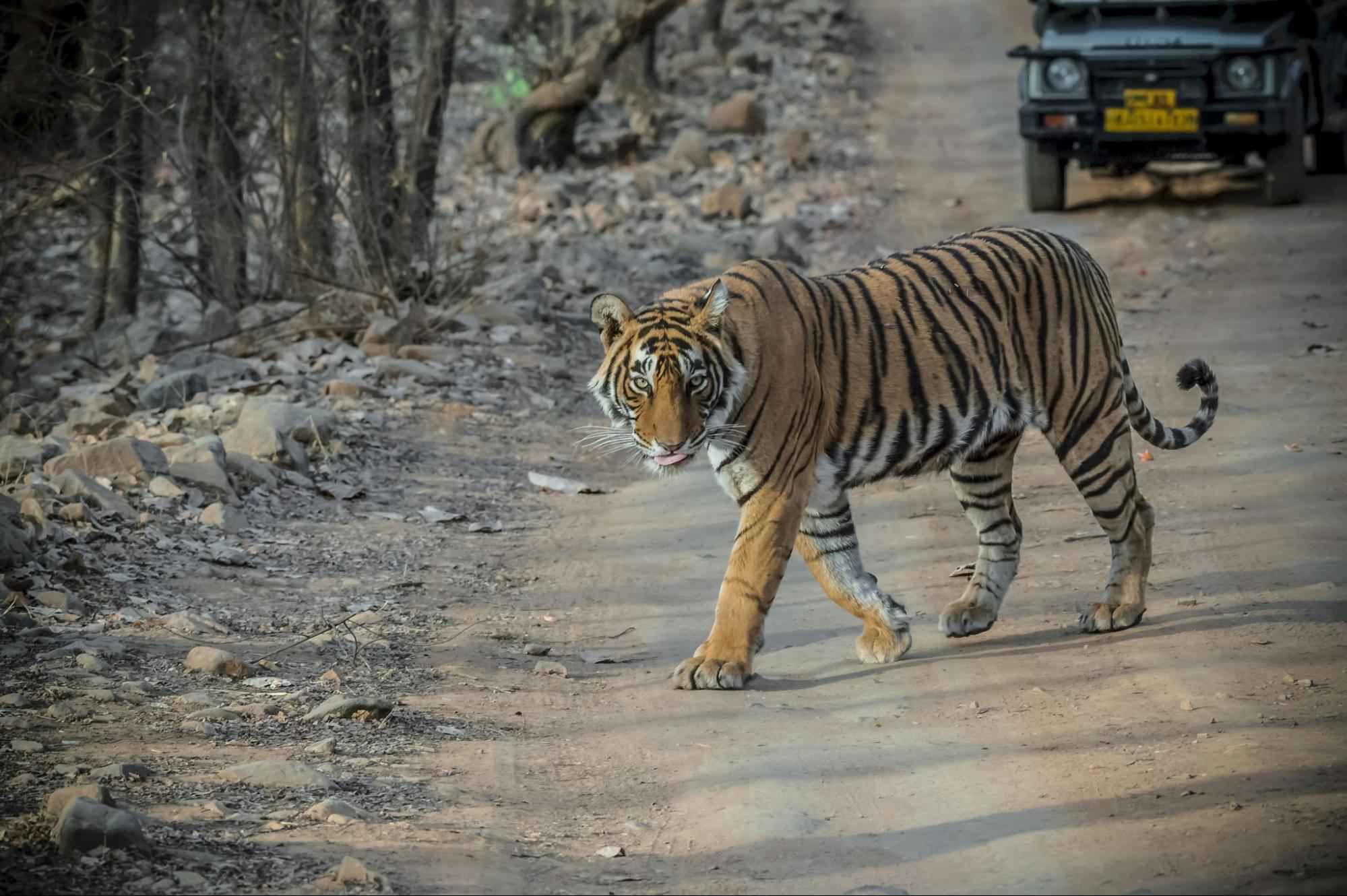
Many visitors choose this national park to begin their holiday in Ranthambore. It is spread across dense forest and open grassland; the park is home to Bengal tigers, leopards, crocodiles, and hundreds of bird species, all covered through jeep or canter safaris across different zones.
- Entry Fee: Around ₹150 for Indian nationals, ₹1,000 for foreign nationals, plus separate safari charges (verify current rates before booking)
- Best Time to Visit: October to June, with winter offering the most comfortable safari conditions
Tribe Travel Tip: Book your zone in advance. Some zones see far more tiger activity than others.
2. Ranthambore Fort
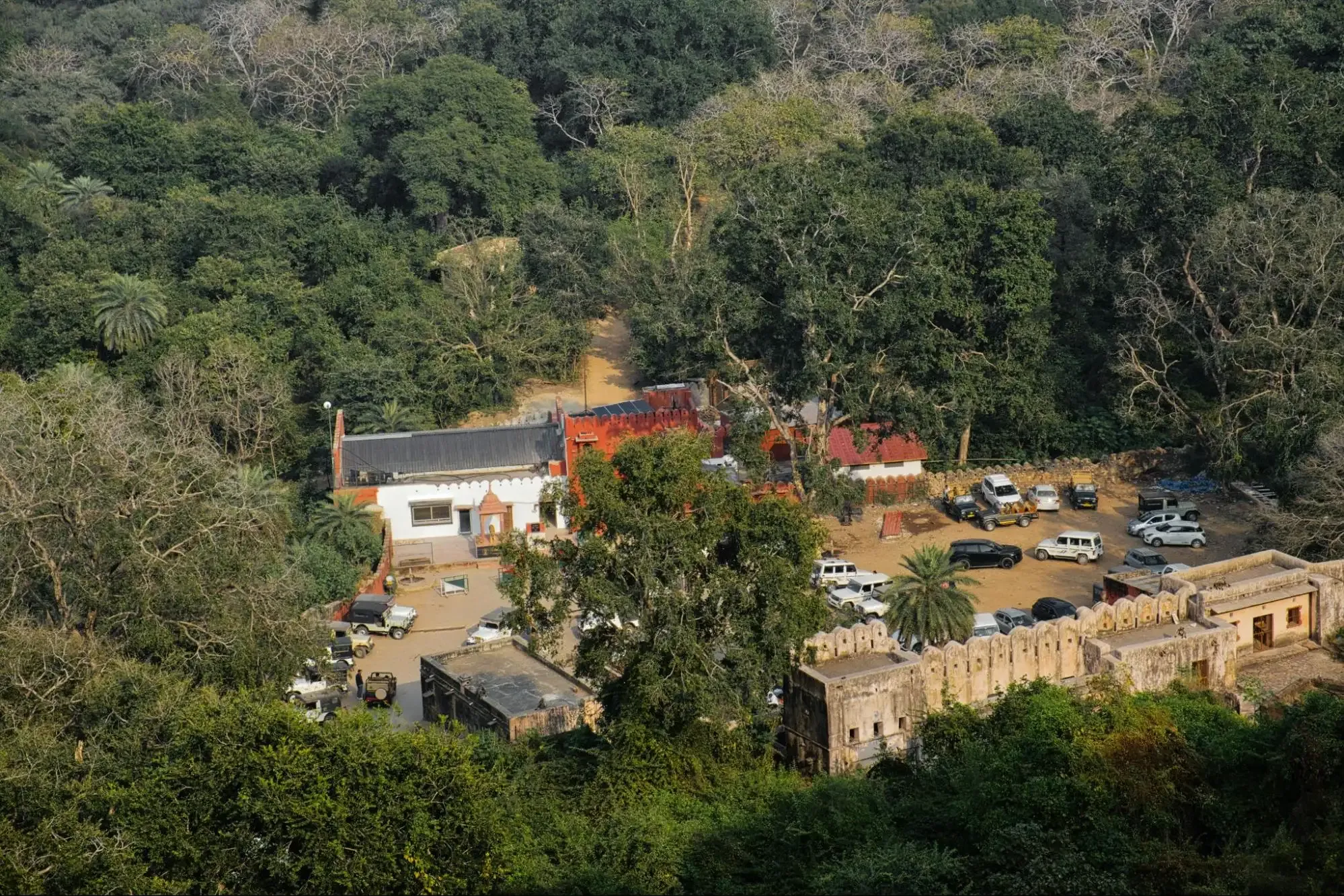
Perched on a hill above the park, this UNESCO-listed fort dates back to the 10th century and gives you a bird's-eye view of the entire forest below. Temples and old ruins are scattered throughout the grounds. So, this fort undoubtedly is one of the best places to visit in Ranthambore for history lovers.
- Entry Fee: Free
- Best Time to Visit: October to March
Tribe Travel Tip: Wear proper walking shoes. The climb up is worth it, but it's not a stroll.
3. Trinetra Ganesh Temple
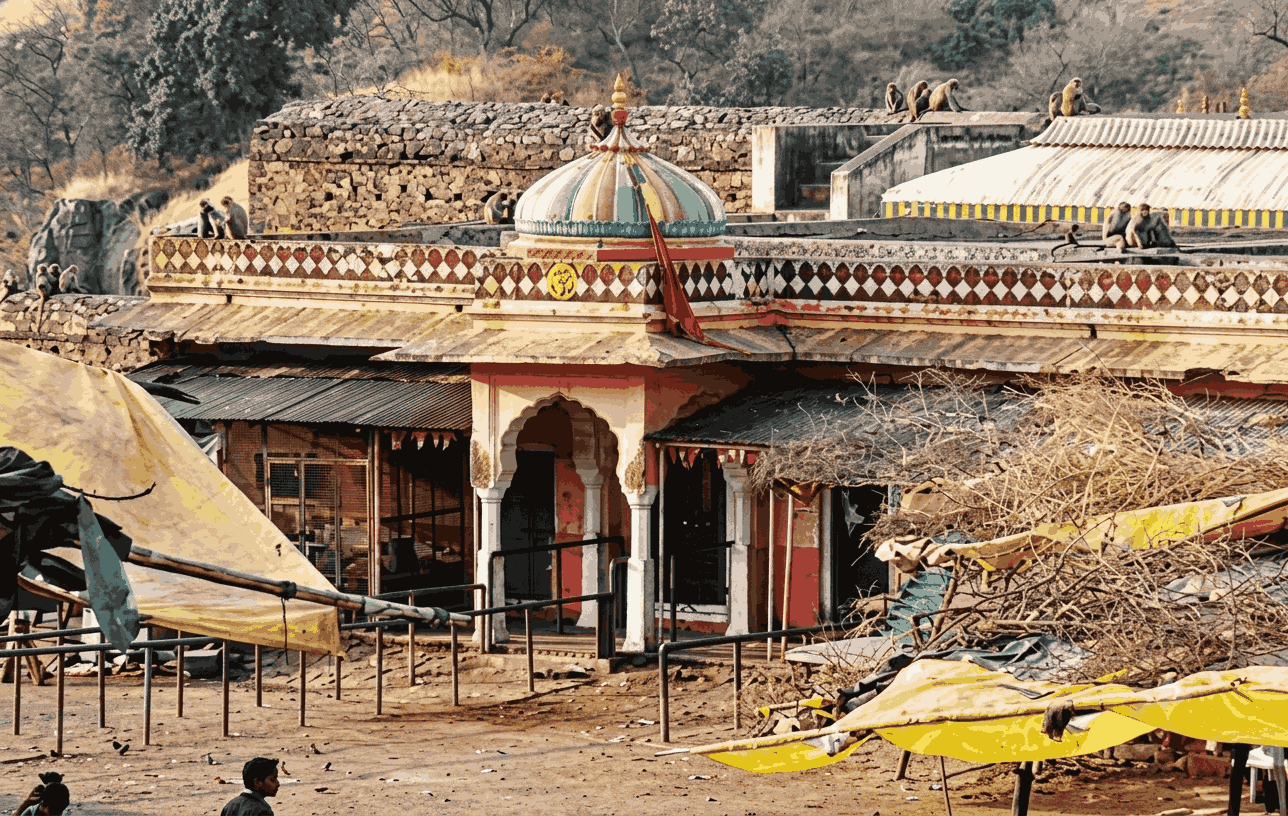
This temple houses a unique and rare three-eyed Ganesha idol, an unusual sight even by Rajasthan standards. According to local belief, visiting the temple brings good fortune.
- Entry Fee: Free
- Best Time to Visit: Year-round
Tribe Travel Tip: Go early morning or evening to skip the crowds.
4. Padam Talao
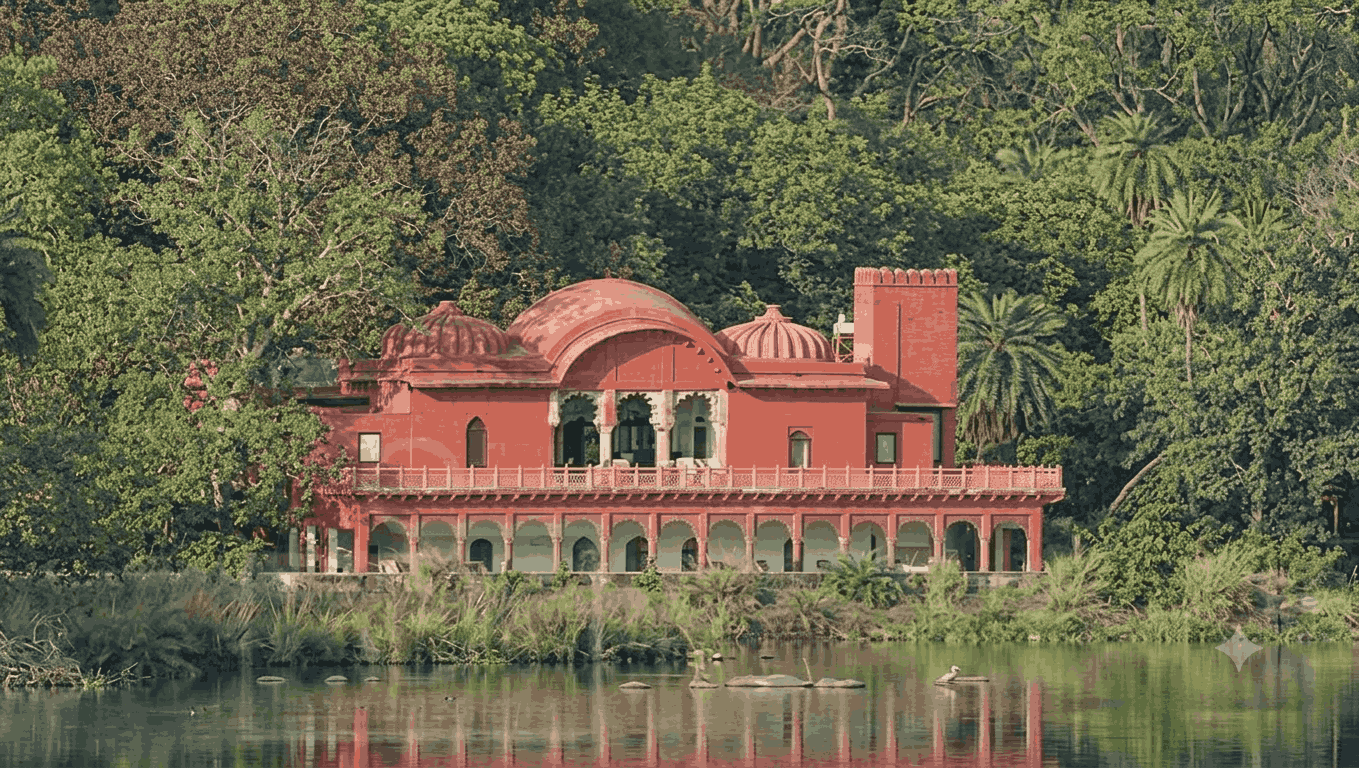
It is the largest lake inside the park, and arguably the most photographed too. Spotted deer often gather along its banks, while the old Jogi Mahal sits right on the edge, giving the whole scene an almost storybook feel.
- Entry Fee: Included in the national park safari
- Best Time to Visit: November to May
Tribe Travel Tip: Early morning safaris here often bring you closest to a tiger sighting.
5. Malik Talao
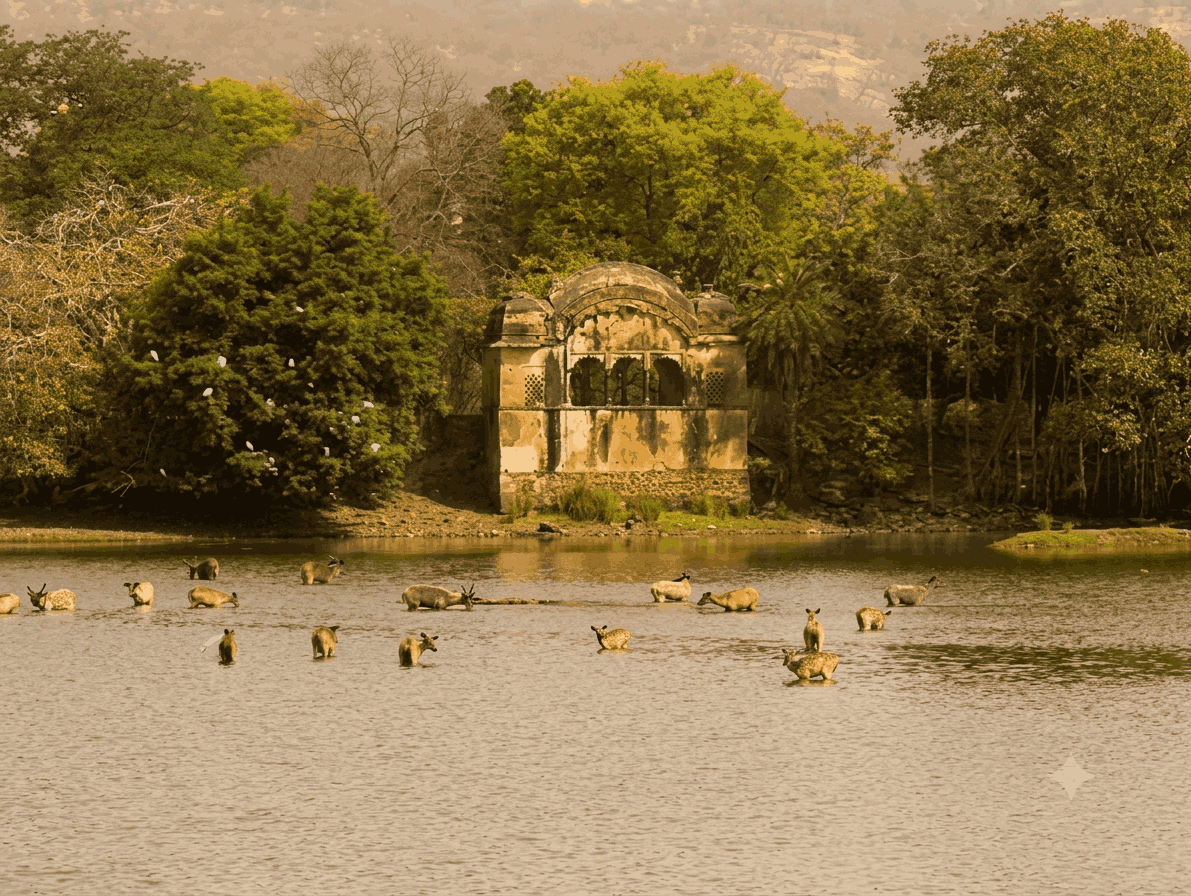
Smaller and quieter than Padam Talao, this lake is a genuine treat for birdwatchers. Herons, kingfishers, and marsh crocodiles are regulars here, and the whole area has a calm, unhurried feel to it. It is one of the most peaceful places to visit in Ranthambore.
- Entry Fee: Included in the national park safari
- Best Time to Visit: October to June
Tribe Travel Tip: Bring binoculars. Some of the best bird sightings happen at a distance.
6. Kachida Valley
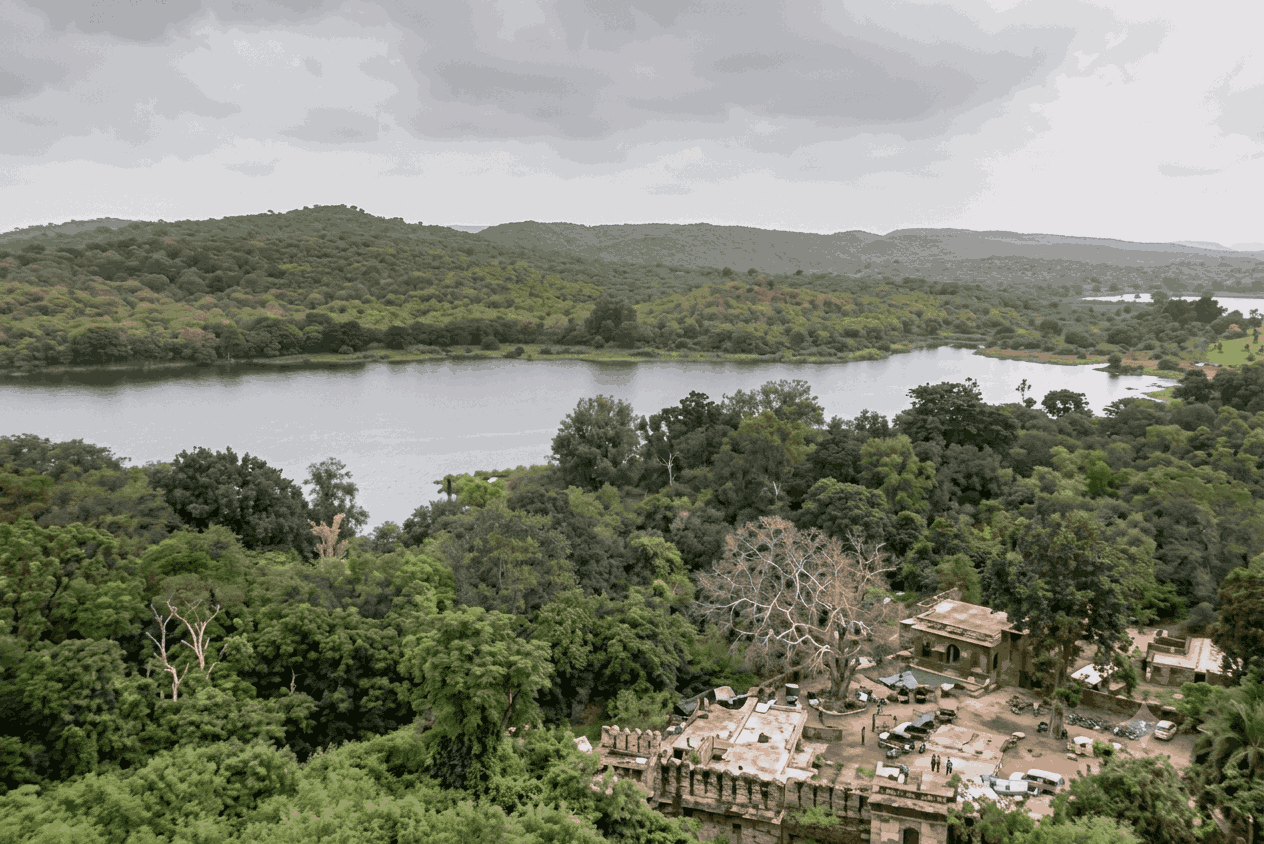
A rocky, less-visited stretch known more for leopards and sloth bears than tigers. The scattered boulders and thin forest cover give it a completely different feel from the rest of the park.
- Entry Fee: Included in the national park safari
- Best Time to Visit: October to March
Tribe Travel Tip: A jeep safari gets you the best views across the valley's open terrain.
7. Raj Bagh Ruins
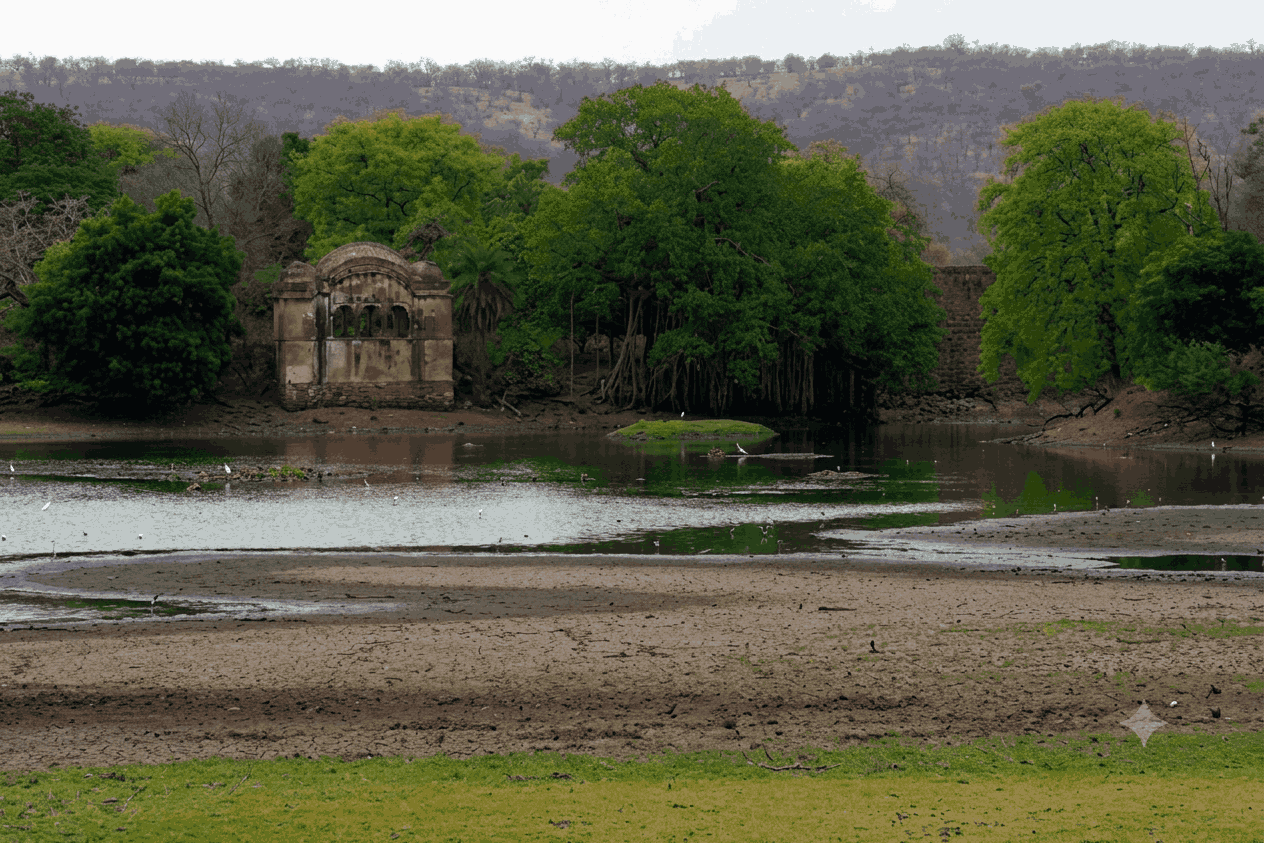
Old palace ruins sit right inside the core forest here, arches and domes half swallowed by the trees around them. It's one of the more atmospheric places to visit in Ranthambore, especially if you're into photography or history.
- Entry Fee: Included in the national park safari
- Best Time to Visit: November to April
Tribe Travel Tip: Morning safaris catch the ruins in soft, golden light.
8. Surwal Lake
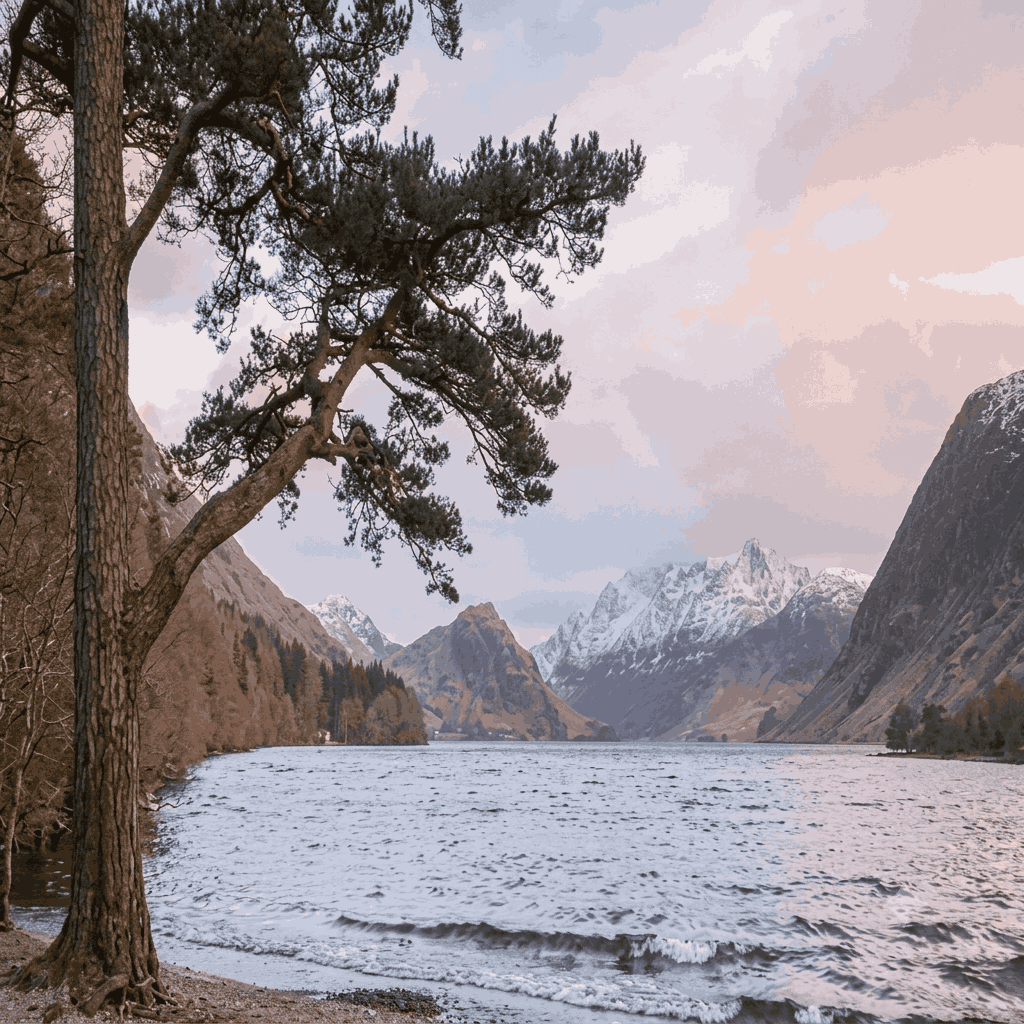
A quieter lake sitting just outside the core zone, and a genuine draw for birdwatchers when migratory species arrive in winter. The still water and green backdrop make it a favourite for photographers too.
- Entry Fee: Free
- Best Time to Visit: November to March
Tribe Travel Tip: Bring a zoom lens if birdwatching or photography is your thing.
9. Jogi Mahal
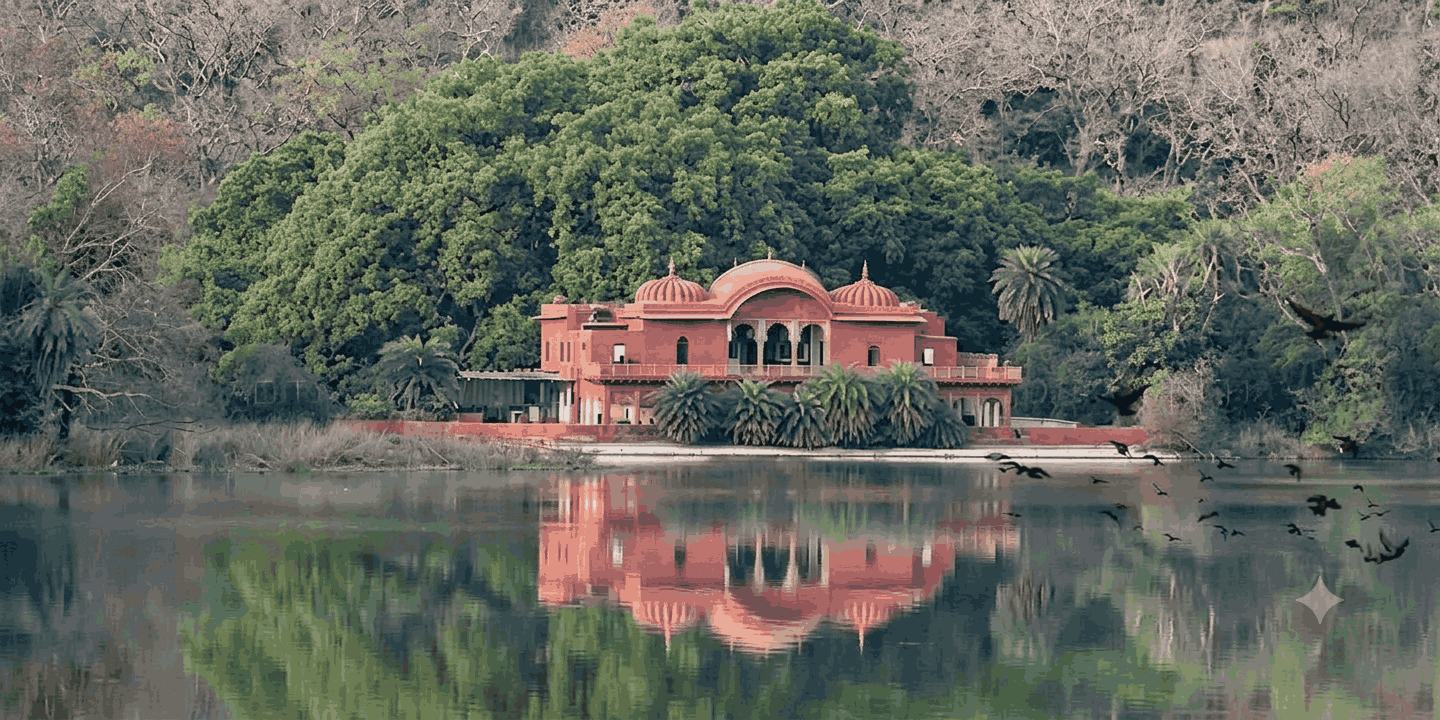
Once a royal hunting lodge, this old building now sits quietly near Padam Talao as a rest point for visitors. Right beside it grows one of the largest banyan trees in the country, worth a stop on its own, and it easily earns its spot among the best places to visit in Ranthambore.
- Entry Fee: Free (near Padam Talao)
- Best Time to Visit: October to March
10. Wild Dragon Adventure Park

The one non-wildlife stop on this list, and a good way to break up a few days of safaris. Think zorbing, ATV rides, and a few adventure activities thrown in, ideal if you're travelling with kids or just want a change of pace.
- Entry Fee: Around ₹400 per person (verify current rates)
- Best Time to Visit: Year-round
What Is the Best Time to Visit Ranthambore?
Timing actually changes what you'll see and how comfortable the safaris feel.
- October to March: Cooler weather, easiest safari conditions, and the busiest season
- April to June: Hotter, but tigers head to waterholes more often, which can mean better sightings
- July to September: The park largely closes for monsoon, so this isn't the window to plan around
Travel Tips for Visiting Ranthambore
- Book your safari slots well in advance, especially in peak winter months
- Stick to neutral, earthy clothing so you don't stand out to the animals
- Carry a hat, sunscreen, and sunglasses for open-jeep rides
- Follow park rules on waste and noise; both are taken seriously here
- Carry enough drinking water, particularly if you're visiting in summer
Plan Your Ranthambore Holiday with Holiday Tribe
Two or three days here is enough to cover the park, the fort, and a couple of lakes without rushing through any of them. Some travellers prefer to add it onto a longer Rajasthan route, and that works just as well.
However you like to plan, Holiday Tribe has an option for you. Pick a ready-to-go package with safaris already booked and sorted, or go with a fully customised itinerary built around the places to visit in Ranthambore that matter most to you. Either way, we'll take care of the details so you can just show up and enjoy it.