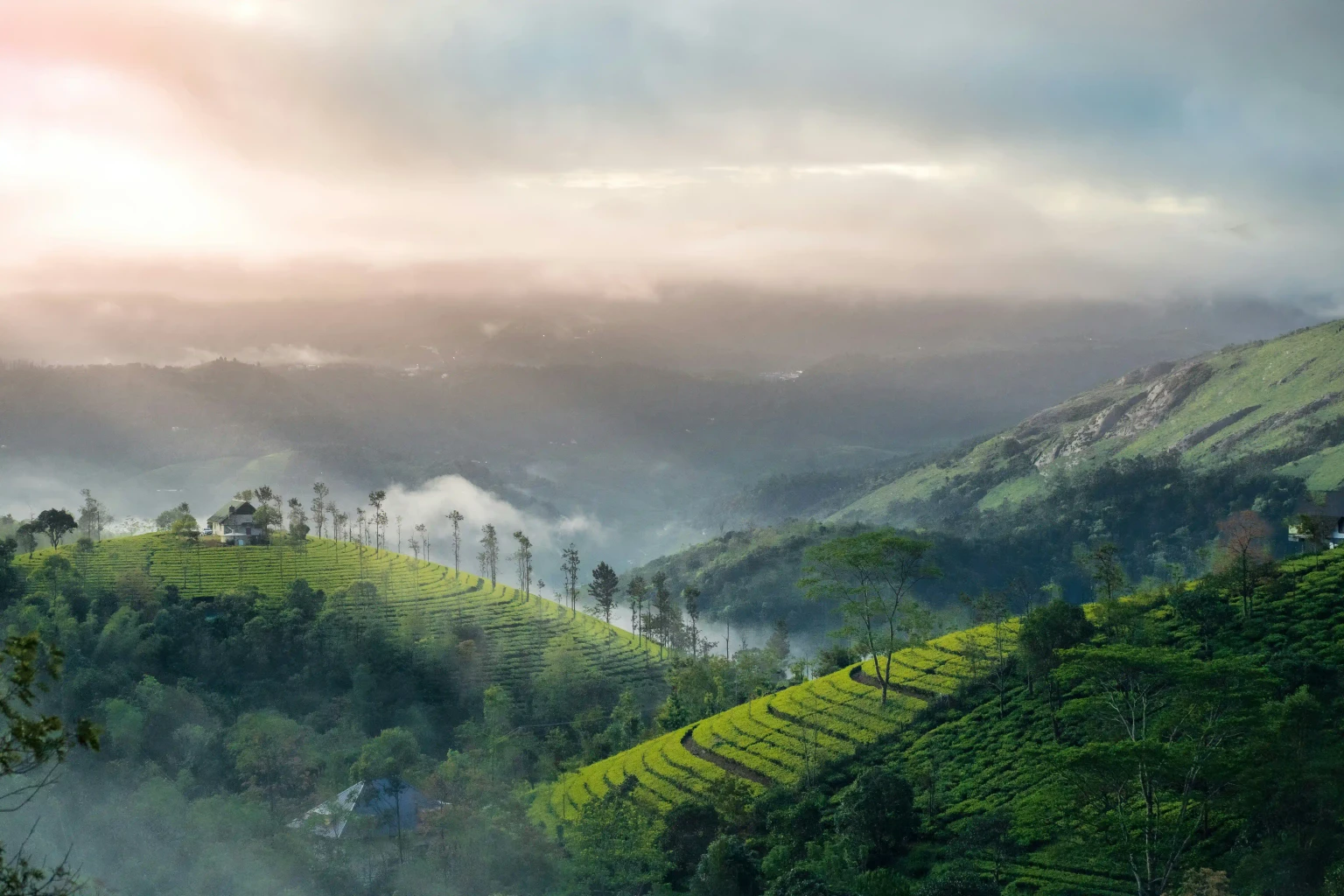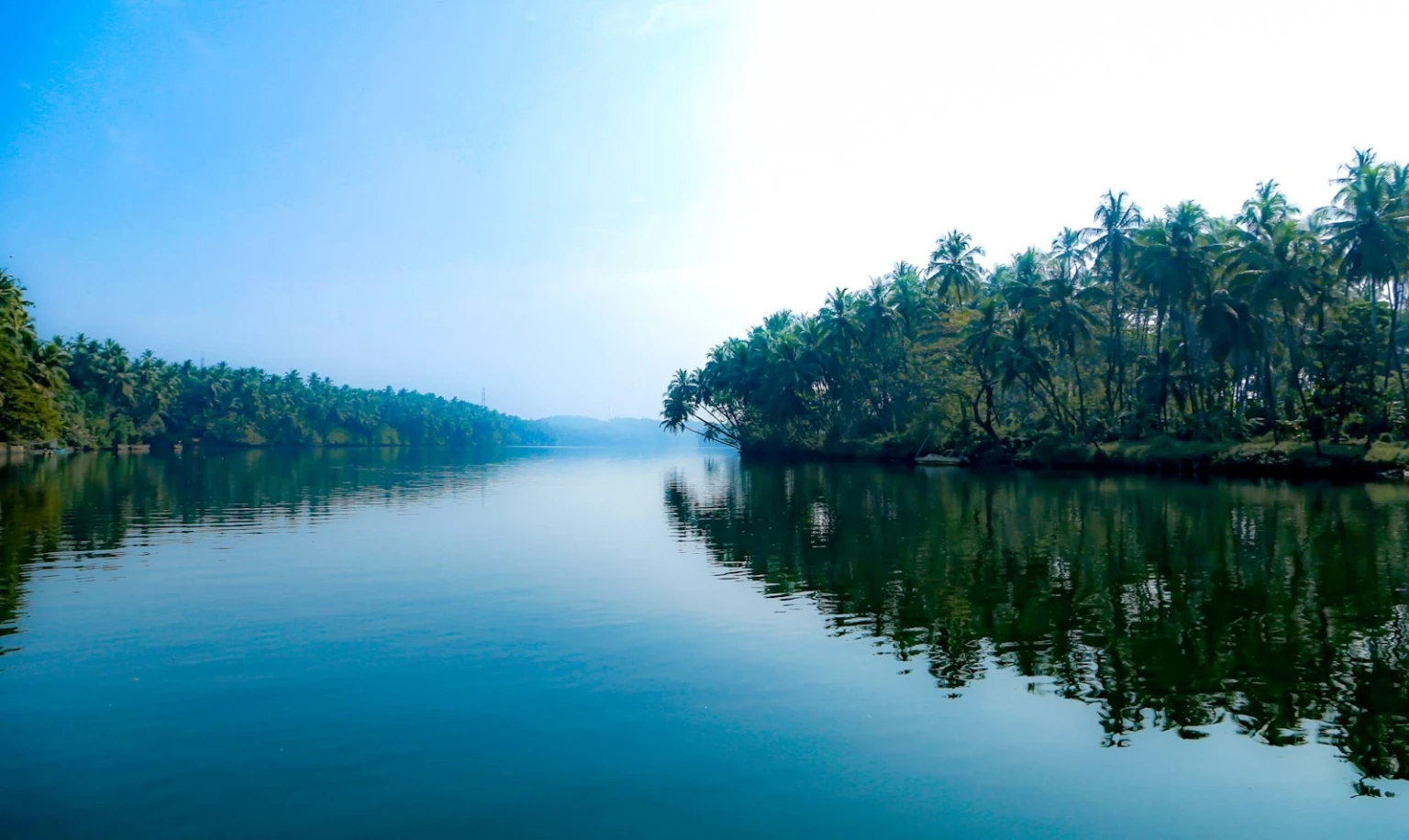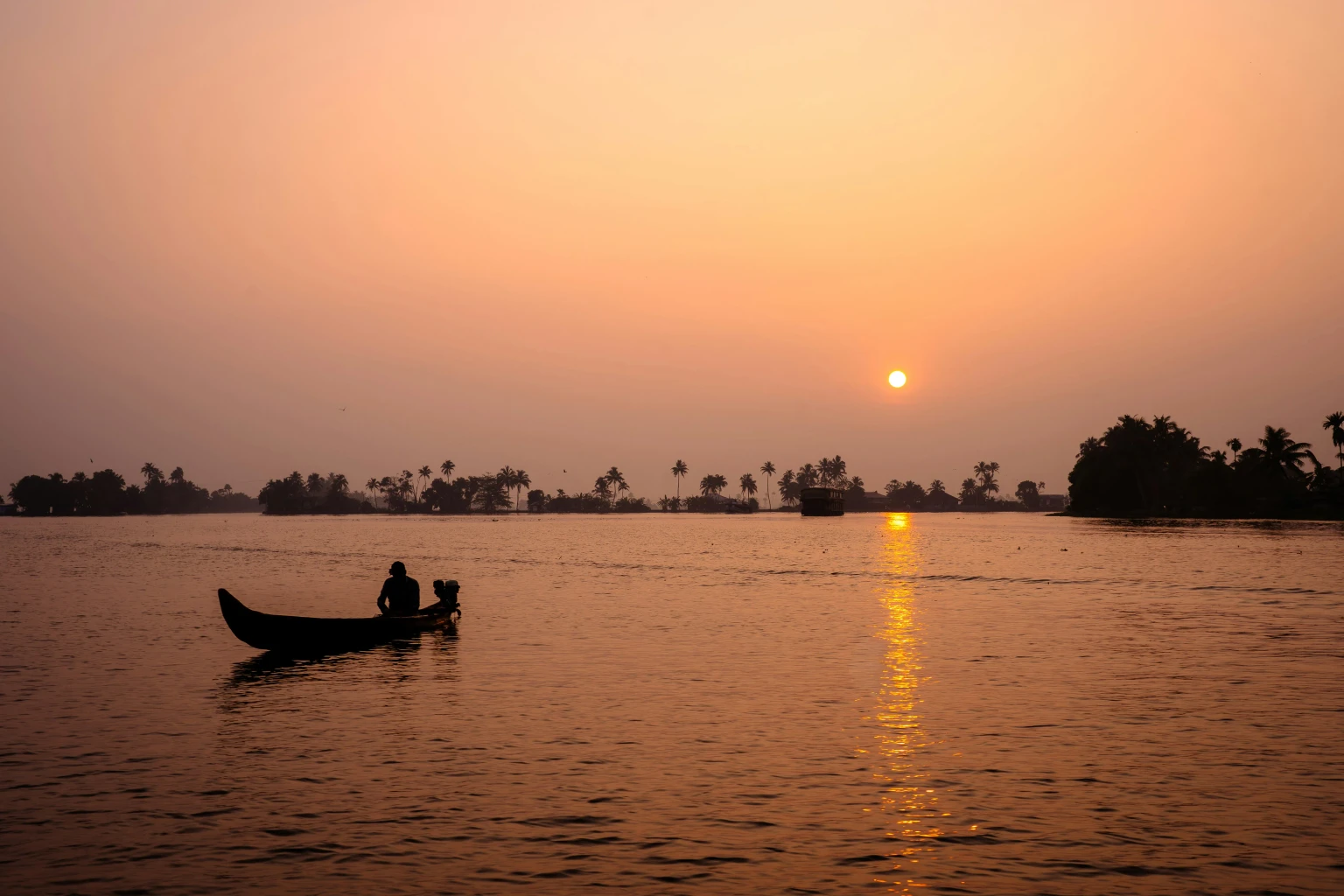


Rain often gets a bad name among holiday planners. You’ve booked your time off, saved up, and then someone tells you the Kerala monsoon means endless rain and closed attractions. But here’s the truth: the rains don’t ruin Kerala, they make it even better. During this season, the tea hills turn an unbelievable shade of green, waterfalls are at their most powerful, and hotel prices drop because the crowds have left. You will get wet, but that won’t ruin your getaway if you plan with the weather in mind. This guide will help you figure out when the rains start, the best places to visit, what makes the Ayurveda season special, and which festivals are worth planning your holiday around.
What Makes Monsoon in Kerala So Special?
Kerala is the first place in India to welcome the rains. When the southwest monsoon in Kerala reaches the coast, everyone feels relief after the hot summer. The monsoon rain in Kerala is not a cold, steady drizzle. Instead, it comes in warm, intense showers that often give way to clear, bright skies just a few hours later.
Here’s what you can expect during Kerala’s monsoon season:
- The landscapes are at their greenest, from the tea-covered hills of Munnar to the forests of Wayanad.
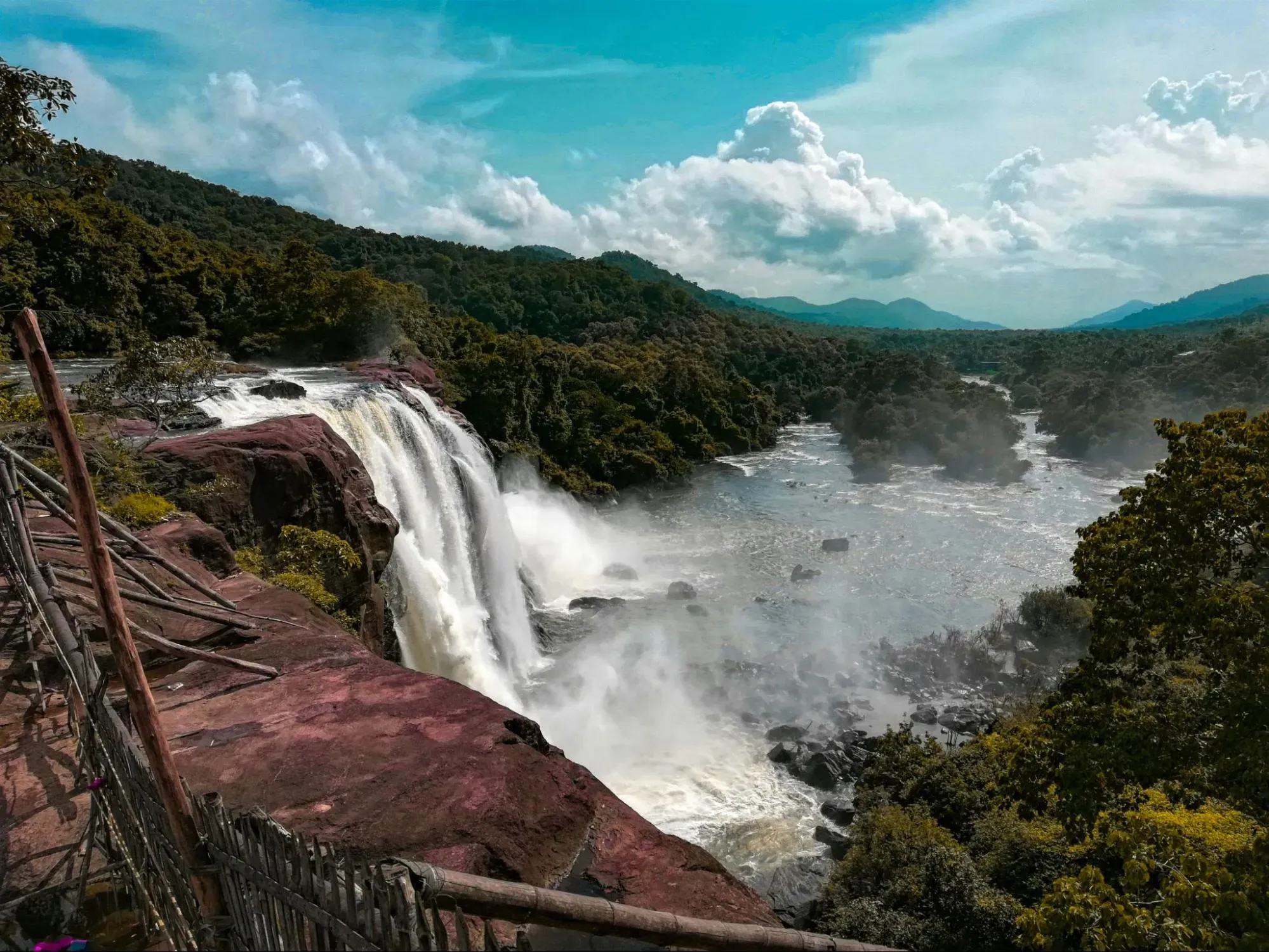
- Waterfalls and rivers are full and flowing at their strongest.
- There are fewer tourists, the backwaters are quieter, and you’ll often find better deals on places to stay.
- It’s also the traditional season for Ayurveda treatments, which Kerala is well known for.
Does it rain all day, every day? Not usually. Most days have some heavy showers, but there are also long dry periods, giving you plenty of time to enjoy the attractions.
When Does the Monsoon Start in Kerala?
Kerala is the first place in India to receive monsoon rains, so the arrival of the monsoon in Kerala signals the start of the season for the rest of the country. The southwest monsoon usually arrives around 1 June. Before that, Kerala experiences pre-monsoon in late May, which helps cool things down.
In 2026, the rains arrived a little later than usual. The India Meteorological Department announced the start of the monsoon on 4 June 2026, which is three days after the typical date but still within the normal range. So if you were asking when the monsoon starts in Kerala in 2026, that is your answer.
After the monsoon reaches Kerala, it lasts for about four months. June and July bring over 60% of the season’s rain, and July is usually the wettest month.
What Are the Monsoon Months in Kerala?
The monsoon months in Kerala really come in two waves. First, there is a strong downpour, followed by a softer, lighter phase.
Period | Months | What to expect |
Pre-monsoon | Late May | Humid days, scattered thunderstorms |
Southwest monsoon (main) | June to September | Heaviest, steadiest rain; July wettest |
Northeast monsoon | October to November | Lighter, patchier showers, mainly in the south |
What Is the Northeast Monsoon in Kerala?
This gentler encore is called the northeast monsoon, or Thulavarsham, in Kerala. It arrives in October and November as the southwest winds pull back. The winds change direction, gather moisture from the Bay of Bengal, and bring lighter, scattered showers, mainly to southern Kerala.
The showers are much patchier than during the main monsoon, so from October onwards, Kerala feels like a sweet spot. The landscape stays green and a bit moody, but the heavy rains have eased. Many travellers find this the most comfortable monsoon time in Kerala.
Is Monsoon a Good Time to Visit Kerala?
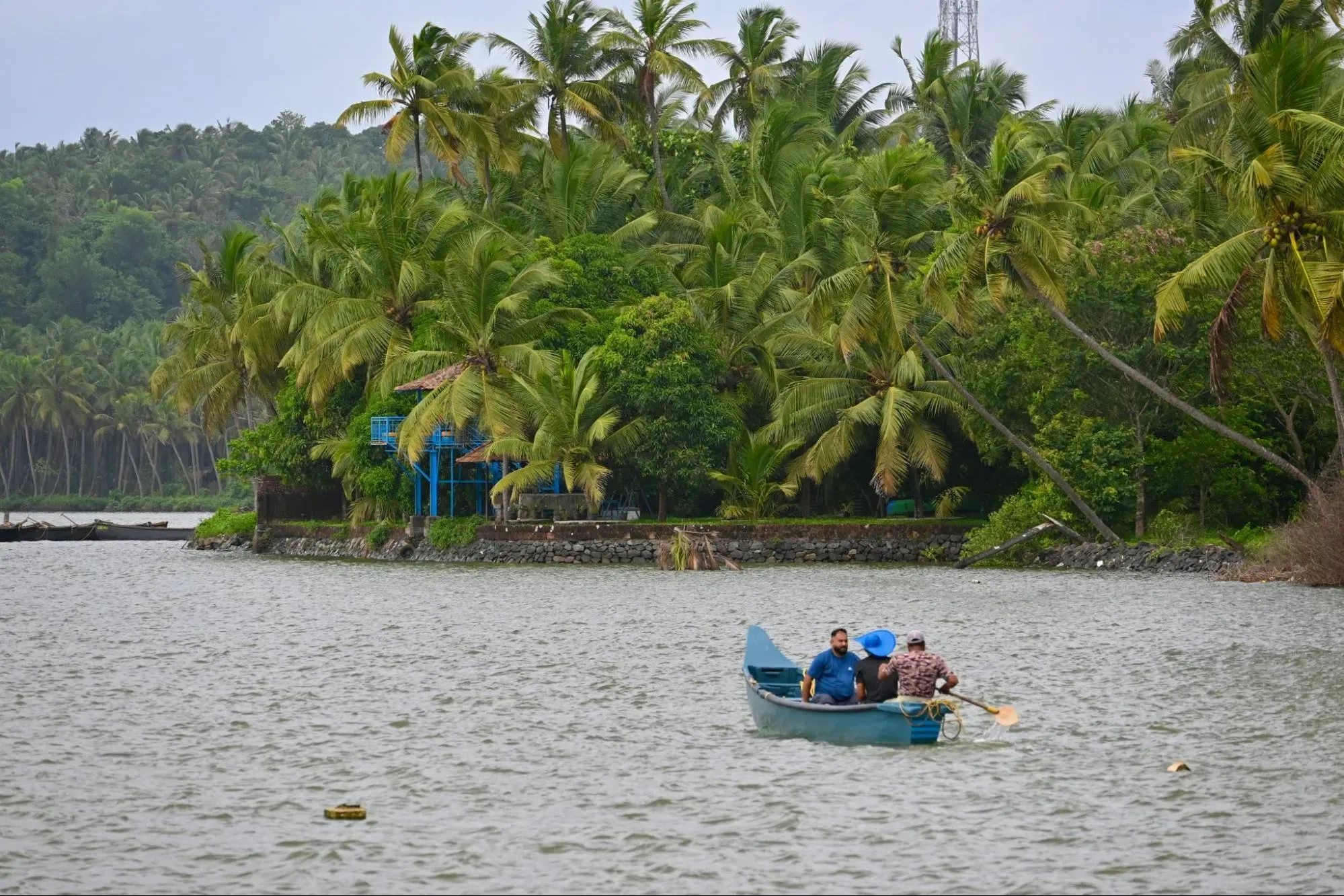
The main question is this. Monsoon tourism in Kerala has become popular for good reason, but it is a better fit for some travellers than others.
Great for | Less ideal for |
Couples and honeymooners wanting quiet, misty, atmospheric days | Beach-only holidays with lots of swimming and sunbathing |
Ayurveda and wellness seekers | Travellers who dislike any rain disruption |
Photographers and nature lovers | Packed, back-to-back sightseeing schedules |
Value seekers, since it is the low season for tariffs | High-altitude trekkers during the peak downpours |
During the peak monsoon, the sea gets rough, so it’s not the best time for long swims. But if you love green hills, full waterfalls, peaceful backwaters, and true calm, this season is hard to beat. We welcome all kinds of travellers, and our honest advice is simple: visit for the atmosphere, not for a beach tan.
What Are the Best Places to Visit in Kerala During Monsoon?
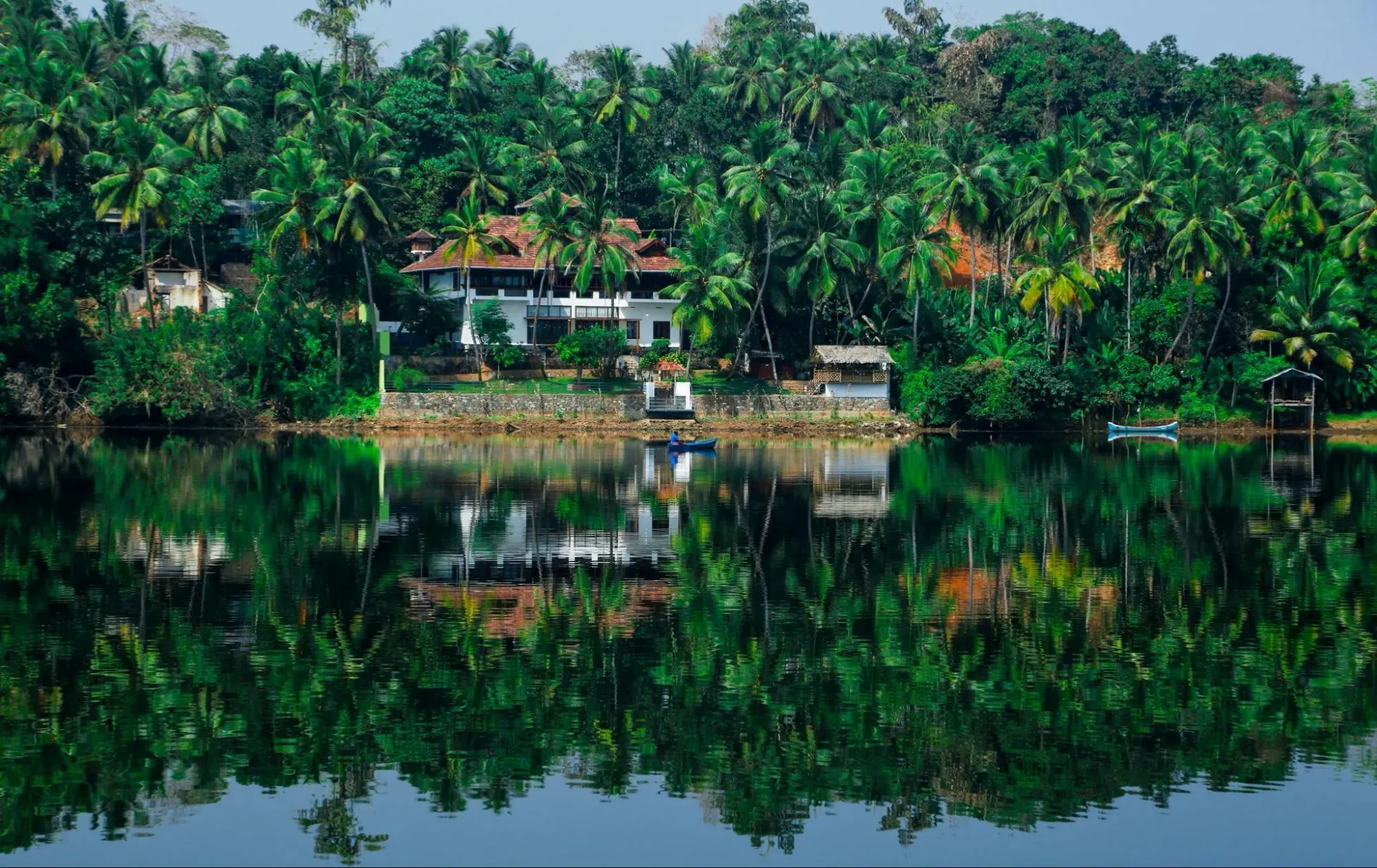
If you are planning a holiday to Kerala, the hills, waterfalls, and backwaters are the best places in Kerala to visit during the monsoon.
Destination | Why it shines in the rains |
Munnar | Tea hills wrapped in cloud, cool air, waterfalls along the ghat roads |
Athirappilly | Kerala's largest waterfall, the "Niagara of India", thunders at full force |
Wayanad | Misty forests, coffee estates and swollen jungle streams (stay on the Vythiri and Kalpetta side) |
Alleppey | Backwaters brimming full; a houseboat under grey skies is pure calm |
Thekkady (Periyar) | Spice plantations at their most fragrant, wildlife around the lake |
Varkala | A moody clifftop coast, dramatic without the swimming |
Here are some tips to help you make the most of the rain instead of letting it get in your way:
- After heavy rain, hill roads in Munnar and Wayanad might close for a short time. Check local updates before you start your journey.
- Try not to drive on ghat roads at night.
- Leeches often show up on wet forest walks. Bring some salt or repellent, and tuck your trousers into your socks.
- When booking a houseboat, choose a trusted operator who will anchor safely if the weather turns rough.
Tribe Travel Tip: Bring a light rain jacket instead of an umbrella. In Kerala, the rain often blows sideways with the wind, and a jacket lets you keep your hands free for the fun stuff, like holding chai, your camera, or grabbing handrails on slippery steps.
Why Is Monsoon the Season for Ayurveda in Kerala?
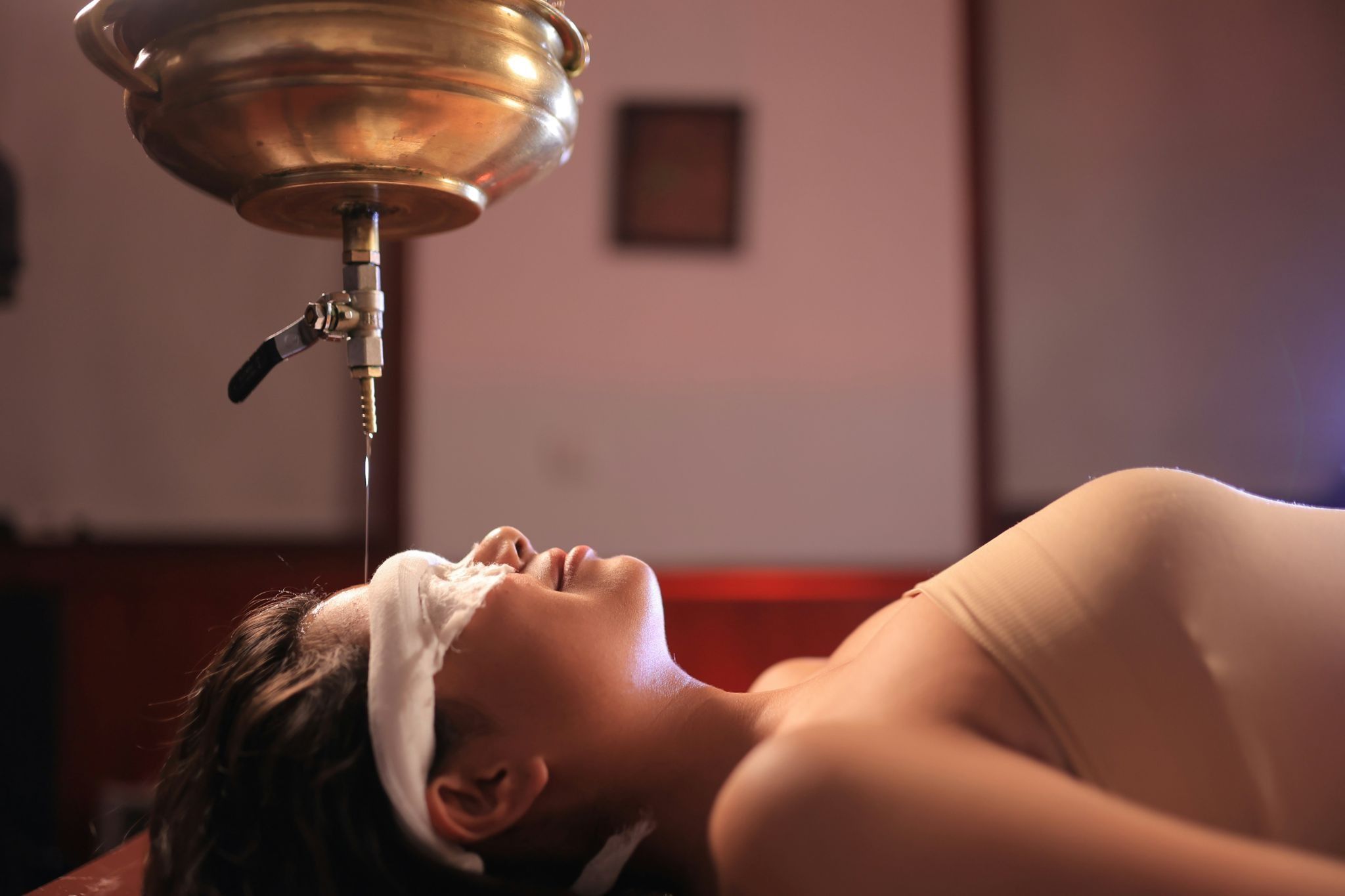
Many wellness travellers come to Kerala during the monsoon for Ayurveda. Here, the rainy season is seen as the best time for healing, and this tradition even has its own name and calendar.
Karkidakam, a Malayalam month from mid-July to mid-August, is known for Karkidaka Chikitsa. People believe the cool, humid air helps the body absorb herbal oils and treatments more easily. Many families also make Karkidaka Kanji, a special rice gruel with njavara rice, coconut milk, and herbs, throughout the month.
This month is also called Ramayana Masam, a time when families read the Ramayana together at home. Visiting during the monsoon lets you experience both wellness and peaceful cultural traditions. If you have a health condition or are pregnant, make sure to consult a qualified Ayurveda doctor before starting any treatment.
Which Monsoon Festivals Should You Plan Around?
Some of Kerala's biggest events happen during the rainy season, so choosing the right time to visit is important.
- Nehru Trophy Boat Race: Kerala’s famous snake boat race takes place on Punnamada Lake in Alleppey. In 2026, it will be held on 22 August. Teams of about 100 oarsmen row long chundan vallams, some stretching over 100 feet, while traditional boat songs play.
- Onam: This is Kerala’s biggest harvest festival. In 2026, Thiruvonam, the main day, is on 26 August, and the ten-day celebration begins in the middle of the month. The highlight is the Onasadya, a vegetarian feast with over two dozen dishes served on a banana leaf.
Both events happen late in the season, making August an especially lively time to visit, even with the rain.
Should You Say Yes to Kerala in the Rains?
If you’re after sunny beaches and lots of sightseeing, it’s best to visit during the dry season. But if you want to see Kerala at its greenest and most peaceful, the monsoon in Kerala is a wonderful time to come. You’ll find lush hills, flowing waterfalls, calm backwaters, and a wellness tradition that thrives in the rain, all with fewer crowds.
The key is to plan with someone who understands the season. At Holiday Tribe, we create travel packages that keep your days flexible, choose great places to stay, and make sure your plans are ready for rain. That way, even a rainy forecast can add to the experience instead of causing stress.