

The best time to visit Australia really depends on which part of the country you want to see. Australia is huge, and places like Sydney’s beaches, Uluru’s red sands, and Queensland’s reefs can all have different weather at the same time. Your ideal travel time depends on where you’re going and what you want to do. You might enjoy a summer Christmas in Melbourne or a warm, sunny winter on the Great Barrier Reef; both are possible here. This guide will walk you through the seasons, weather, festivals, and the best months for each region, so you can plan your holiday with confidence.
Why Are Australia's Seasons the Other Way Round?
The first thing to remember is that Australia is in the Southern Hemisphere, so its seasons are the opposite of those in India and most of the Northern Hemisphere. While people in India are shivering in December and January, Australians are having barbecues on the beach. When the far north is hot in June, many in southern Australia are reaching for jackets.
This one fact is the main thing to consider when deciding the best time to visit Australia. Here’s a quick summary.
Season | Months | What it feels like |
Summer | December to February | Hot and busy in the south and east; wet in the tropical north |
Autumn | March to May | Mild and settled, fewer crowds; the dry season begins up north |
Winter | June to August | Cool in the south; warm, dry and peak season in the north and on the reef |
Spring | September to November | Warming up, wildflowers, a strong all-round pick |
If you are visiting for the first time, spring and autumn are usually the best seasons to visit Australia. During these months, the weather is pleasant in most parts of the country.
What Is the Best Time to Visit Australia, Season by Season?
Wondering when is the best time to visit Australia? Here’s what each season has to offer.
Summer (December to February)

This is generally the peak season across much of southern Australia. In many big cities, summer temperatures range from about 20°C to 37°C. The beaches look stunning, and there are plenty of events happening. Sydney’s New Year’s Eve fireworks over the Harbour Bridge and the Boxing Day cricket Test in Melbourne are classic summer highlights. Keep in mind, though, that this is the most expensive and crowded time of year, and the tropical north experiences its wet season.
Autumn (March to May)

March is a quiet favourite for many travellers. The heat starts to fade, the crowds get smaller, and conditions become drier across the Top End, while the Red Centre becomes more comfortable for sightseeing. It is also harvest time in wine regions such as the Barossa and the Yarra Valley. With warm days and lower prices, March is often considered one of the best periods to visit Australia if you are looking for good value.
Winter (June to August)
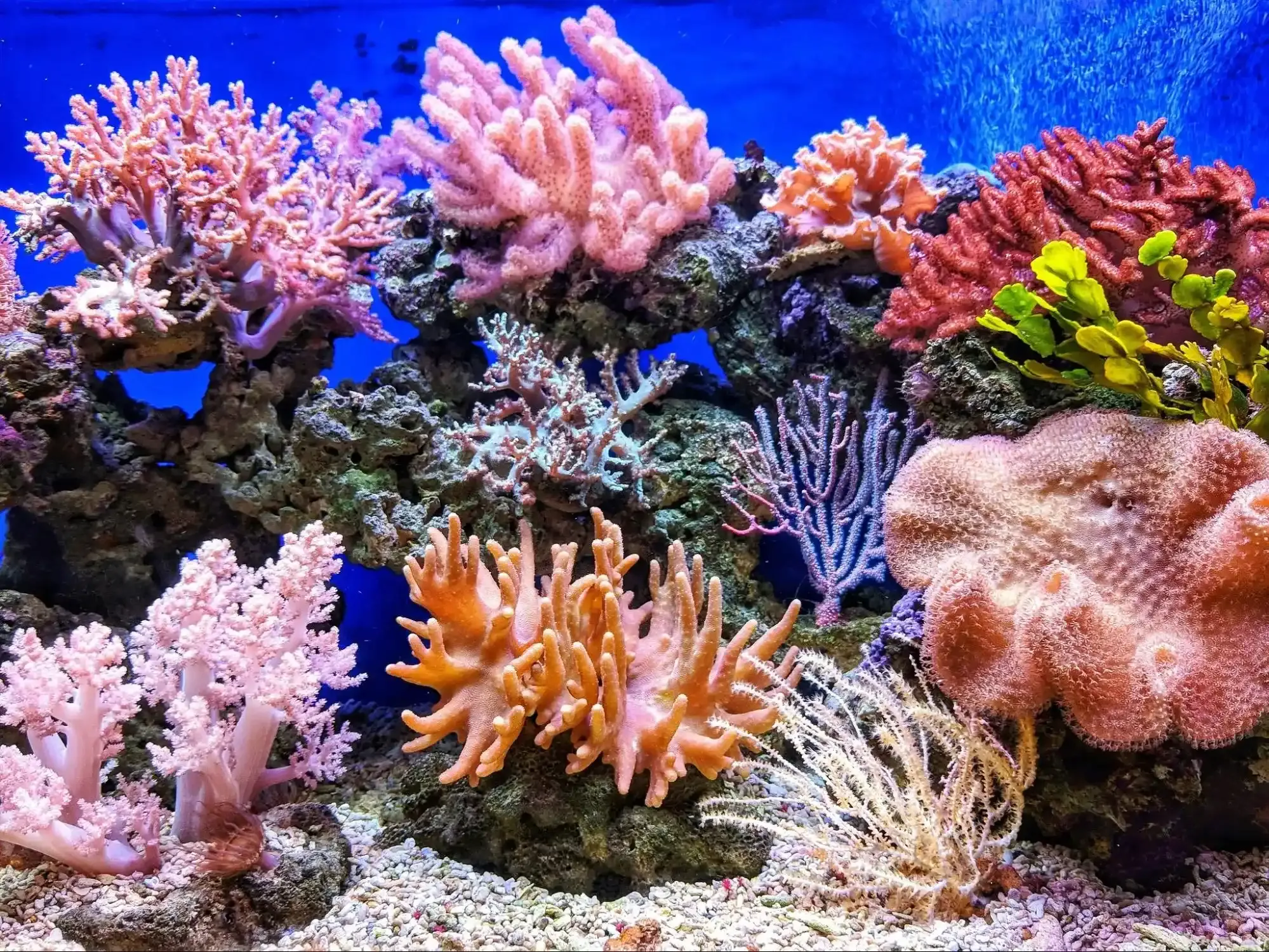
Winter in Australia brings some surprises. Melbourne and Sydney get cooler, and snow falls in the Australian Alps. Meanwhile, it’s the perfect time to visit the north, the Outback, and the Great Barrier Reef, where the days are clear and warm. In Hobart, the Dark Mofo festival celebrates the winter solstice, and whales start to appear along the coast.
Spring (September to November)
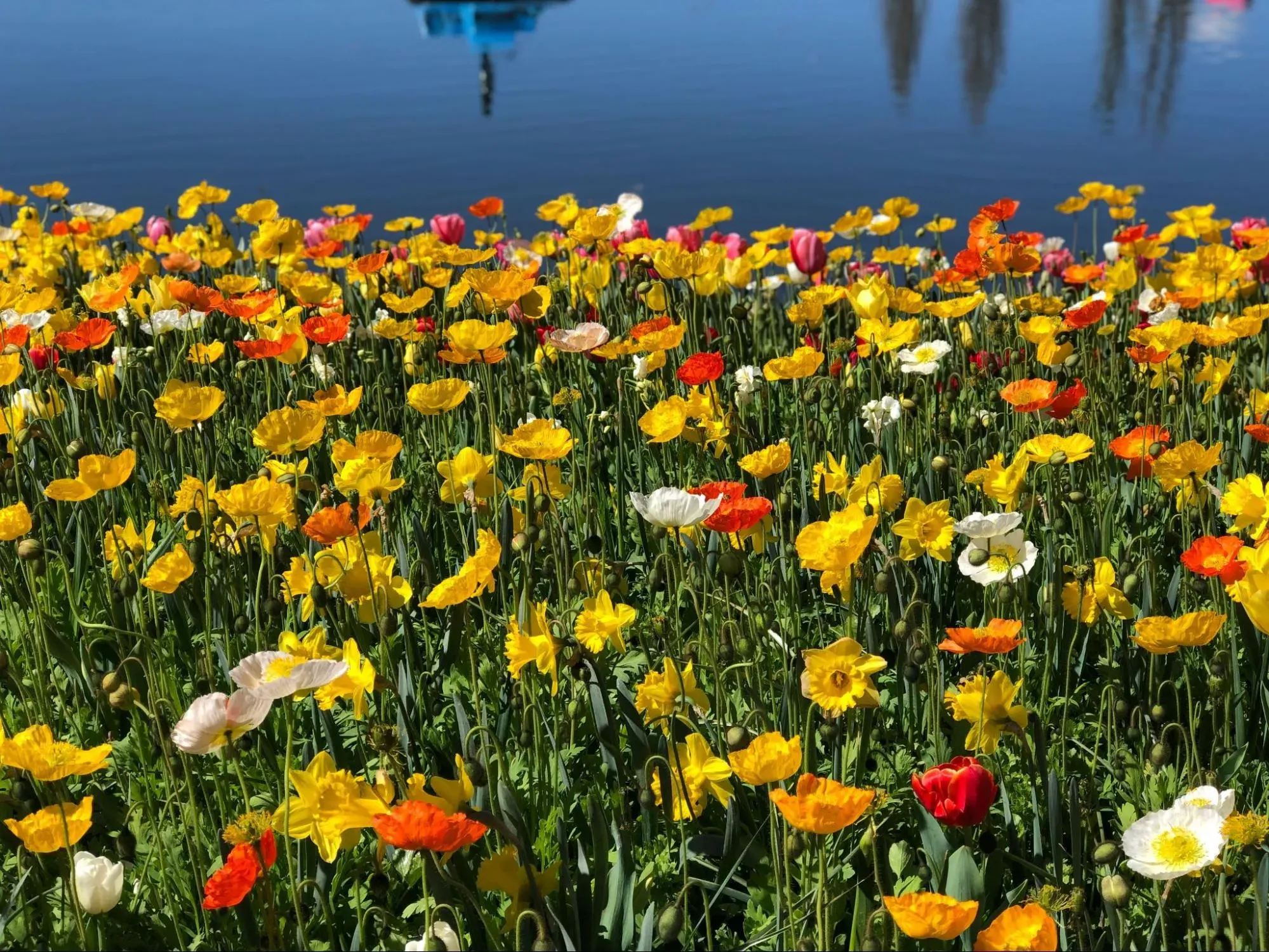
In Western Australia, wildflowers cover the ground, and young animals like kangaroos and other marsupials begin to leave their mothers’ pouches. Across the country, the weather becomes milder. Spring is often the ideal time to visit Australia because it offers so much flexibility.
What Is the Best Time to Visit Australia by Region?
Being such a large country, the best time to visit Australia can vary depending on the area you travel to.
Region or highlight | Best months | Why |
Sydney, Melbourne, southern beaches | December to February | Warm seas, long days, beach weather |
Great Barrier Reef and Tropical North (Cairns) | June to August | Dry, clear water, dwarf minke whales |
Red Centre, Uluru and the Outback | May to September | Pleasant days near 20°C; summer can top 45°C |
Tasmania | December to March | Mild summer, ideal for hiking |
Western Australia (wildflowers, Ningaloo) | September to November | Blooms and wildlife; whale sharks earlier, March to July |
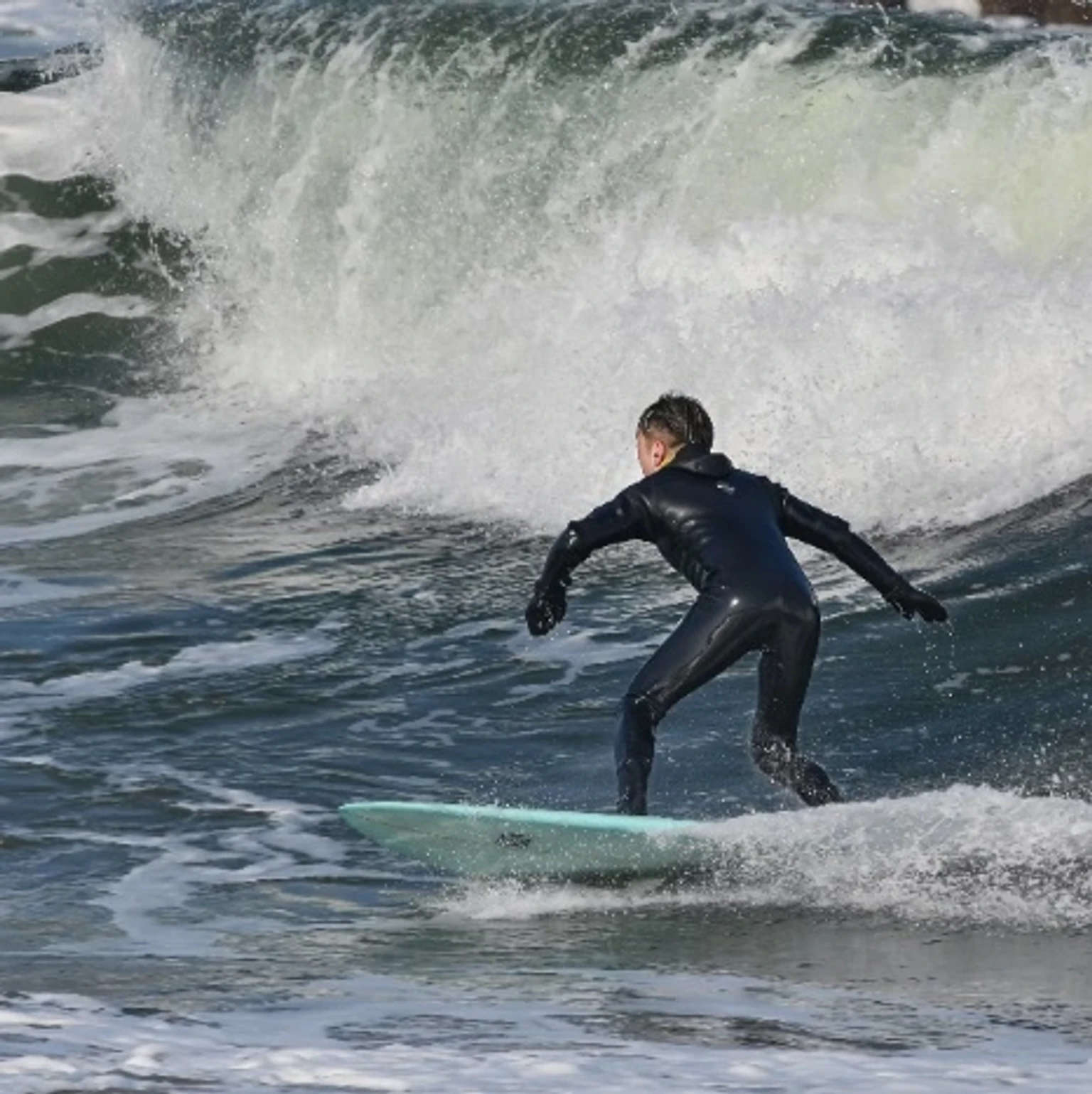
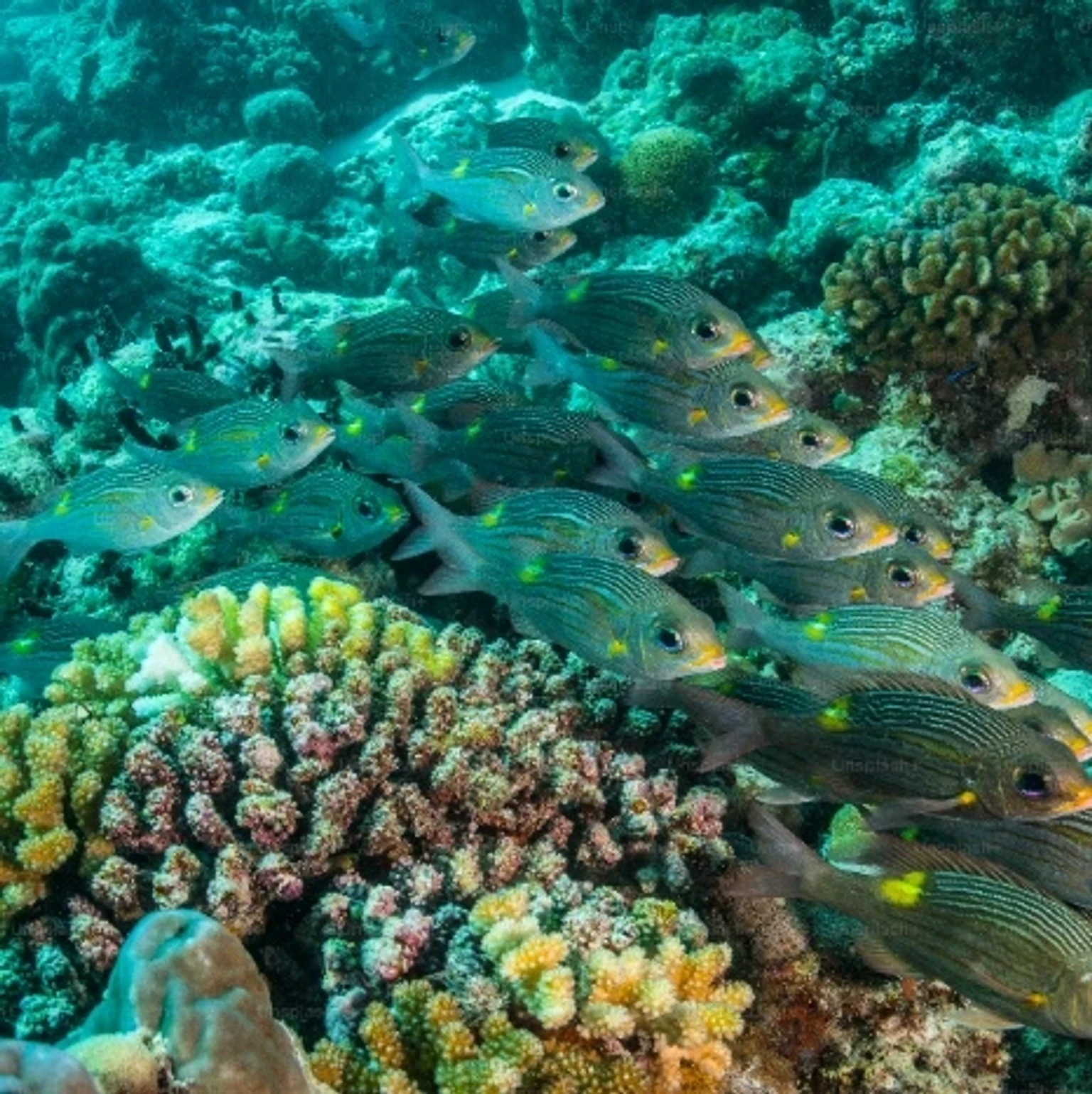
If you want to visit beaches, the southern summer is the best time for warm water in Sydney, the Gold Coast, and Melbourne. For the reef, plan your holiday during the dry winter months from June to August, when the water is clearest, and there is less risk from stingers. Winter also brings a special experience at the reef, as it is the only place in the world where you can swim with dwarf minke whales. If you are heading to Uluru, the best time to visit Australia's Red Centre is between May and September, when daytime temperatures are around 20°C and nights are cool. Starting in May, improving conditions make many parts of Kakadu and the Top End more accessible.
Which Festivals and Wildlife Moments Are Worth Timing Your Visit Around?
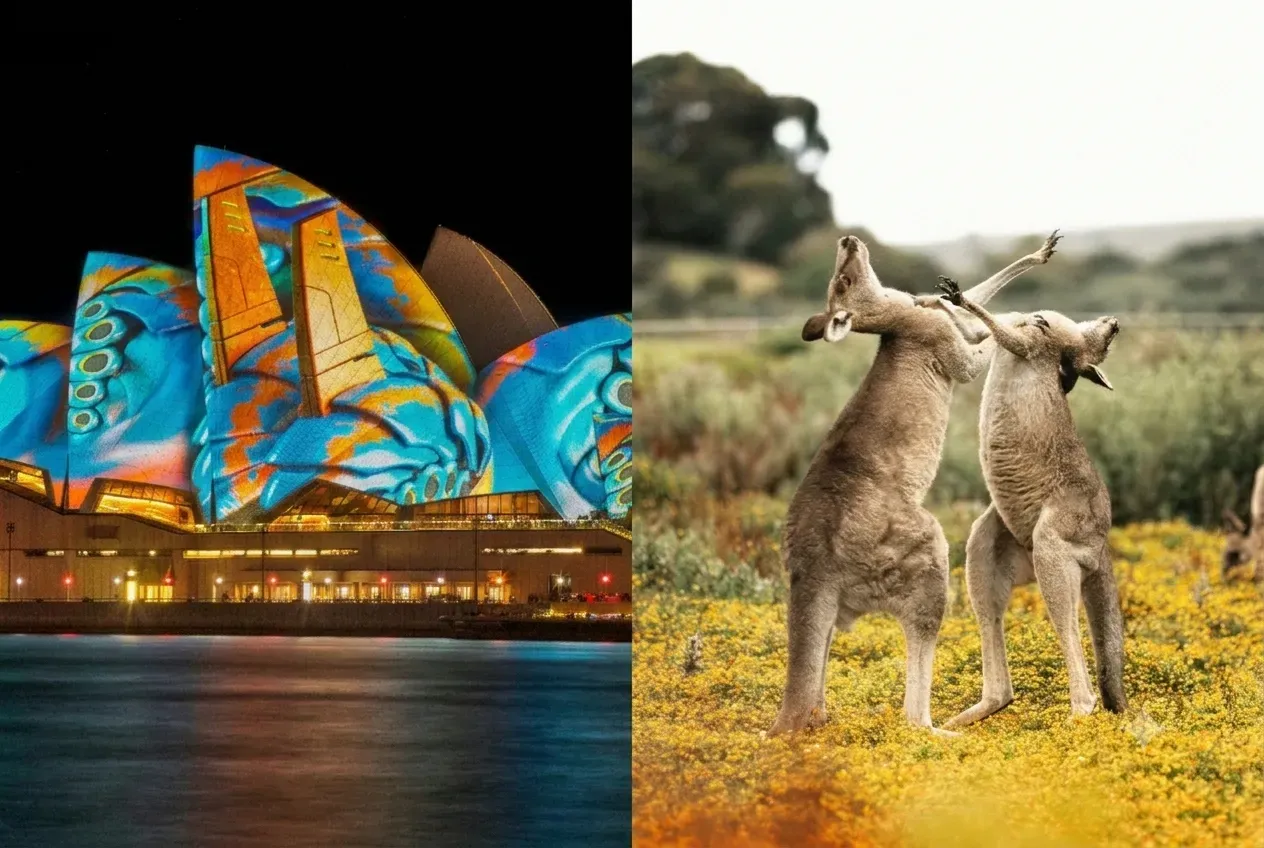
Many of Australia’s biggest events happen in winter and spring. This is great if you want to enjoy good weather in the north while also catching a major event in the south.
- Every winter, Vivid Sydney lights up the harbour with colourful projections on the Opera House sails.
- The Australian Open brings top Grand Slam tennis and hot January weather to Melbourne.
- The Melbourne Cup, known as the race that stops the nation, takes place on the first Tuesday of November each year. In 2026, that’s 3 November.
- Whale season is a quieter highlight. From about May to November, tens of thousands of humpback whales travel along the east coast’s "humpback highway." The best time to see mothers and calves breaching is during the calmer southbound months from August to November.
These dates might help you decide the best time to visit Australia, so be sure to check them before booking your flights and hotels.
When Should You Avoid Certain Parts of Australia?
Here are a few honest warnings. The tropical north, which includes Cairns and Darwin, has a wet season from November to April. During this time, you can expect heavy rain, high humidity, and the risk of cyclones. There are also box jellyfish and Irukandji in the water. Reef operators offer full-body stinger suits, but swimming in the ocean off northern beaches is often limited during these months.
The Outback is not ideal for sightseeing in summer, as temperatures often go above 45°C and the flies are famously persistent. If you prefer fewer crowds and better prices, try to avoid the December to January school holidays in the south. These factors do not mean you should not visit. They just help you choose the best time to visit Australia based on your plans.
Tribe Travel Tip: If you have just one chance to visit and want to see Sydney, the reef, and Uluru without facing extreme weather, try to go during April to May or September to October. These months offer the best of Australia: mild weather in the south, dry conditions in the north, and smaller crowds.
Ready to Experience Australia at Its Best?
A bit of planning goes a long way in Australia. If you time your holiday well, you could enjoy a summer Christmas on the beach, a mild winter by the reef, and cool desert mornings at Uluru, all in one country. The best time to visit Australia depends on the kind of holiday you want, not just a single perfect month.
That’s where Holiday Tribe can help. We’re holiday advisors, not travel agents, and we work with you to plan land-only packages for Australia that match the best season, region, and pace for you. We take care of hotels, transfers, and sightseeing. Just let us know when you want to travel, and we’ll help you create a holiday that truly fits.