

When people search for 'Georgia country,' they usually mean the nation in the Caucasus, not the U.S. state, and it’s easy to see why. Georgia sits at the crossroads of Eastern Europe and Western Asia, which is why many travellers ask if Georgia is in Europe at all. Geographically, it spans both continents, but culturally, in sports and in politics, it feels European. This is where wine was first made over 8,000 years ago, where monasteries perch on cliffs, and where you can swim in the Black Sea and stand under glaciers all in one week. Here are the 12 best places to visit in Georgia, Europe, along with practical tips to help you plan your holiday.
Georgia Country Culture: Wine, Feasts and Song
To truly get to know Georgia in Europe, you need to share a meal there. The traditional feast, called a supra, is led by a toastmaster known as the tamada. Wine is often made in qvevri, which are clay vessels shaped like eggs and buried underground. UNESCO recognised this ancient winemaking method in 2013, polyphonic singing in 2008, and the unique three-script Georgian alphabet in 2016. Georgia's country culture is also famous for its strong sense of hospitality, rooted in the belief that every guest is a gift from God. Remember this, because much of the joy in Georgia is found around the table.
The 12 Best Places to Visit in Georgia, Europe
Tbilisi
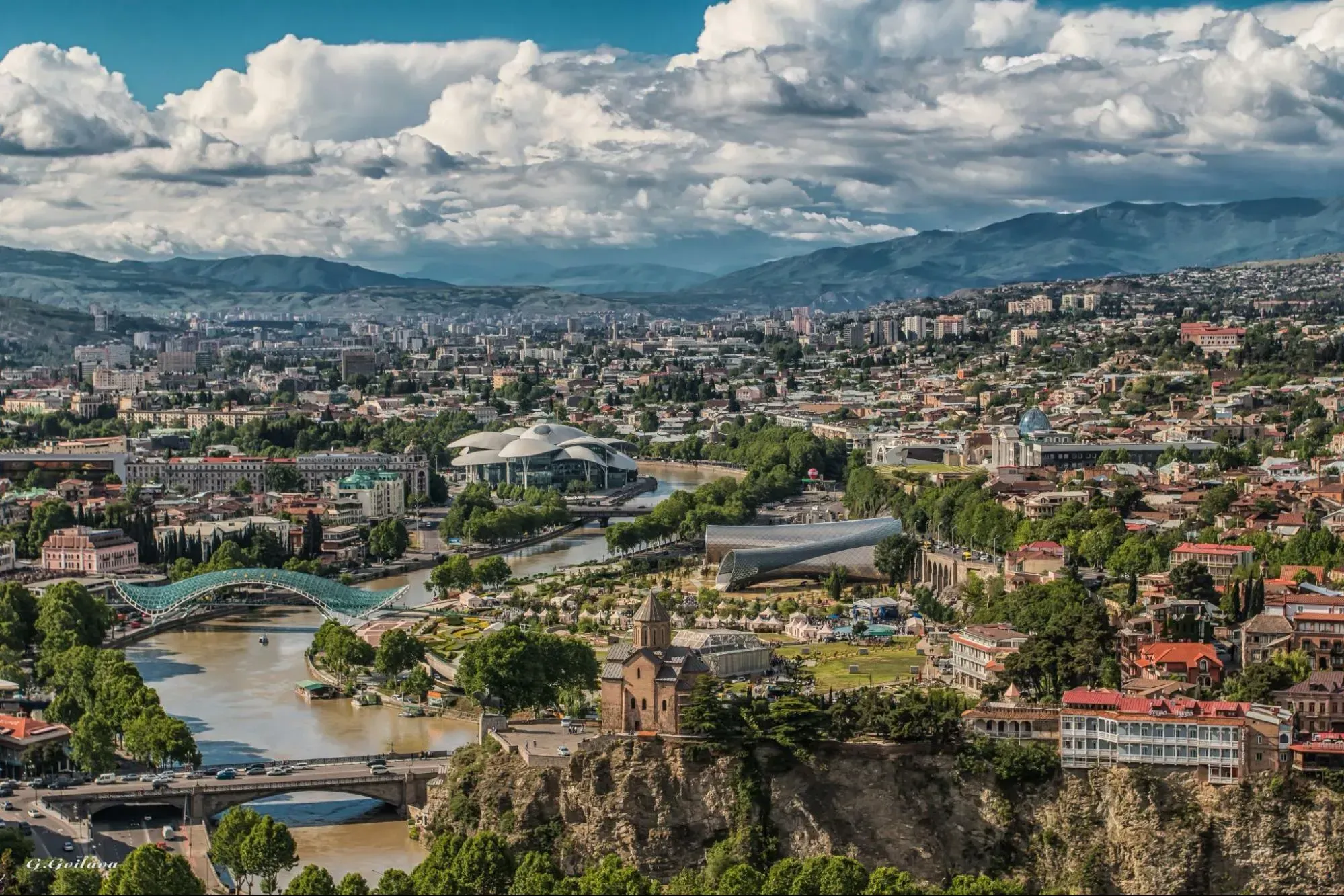
Tbilisi gets its name from the Georgian word for "warm," inspired by the hot springs that King Vakhtang Gorgasali reportedly discovered in the 5th century, when his hunting falcon landed in one. You can relax in the domed Abanotubani sulphur baths, take a ride up to Narikala Fortress, and unwind in the Old Town's wine bars.
- Best for: First-timers, history, nightlife
- Plan it: Spend two or three days here. The sulphur baths are just a short walk below Narikala. Shared baths are affordable, but private rooms cost more per hour. Try to visit during the week to skip the weekend crowds.
Mtskheta
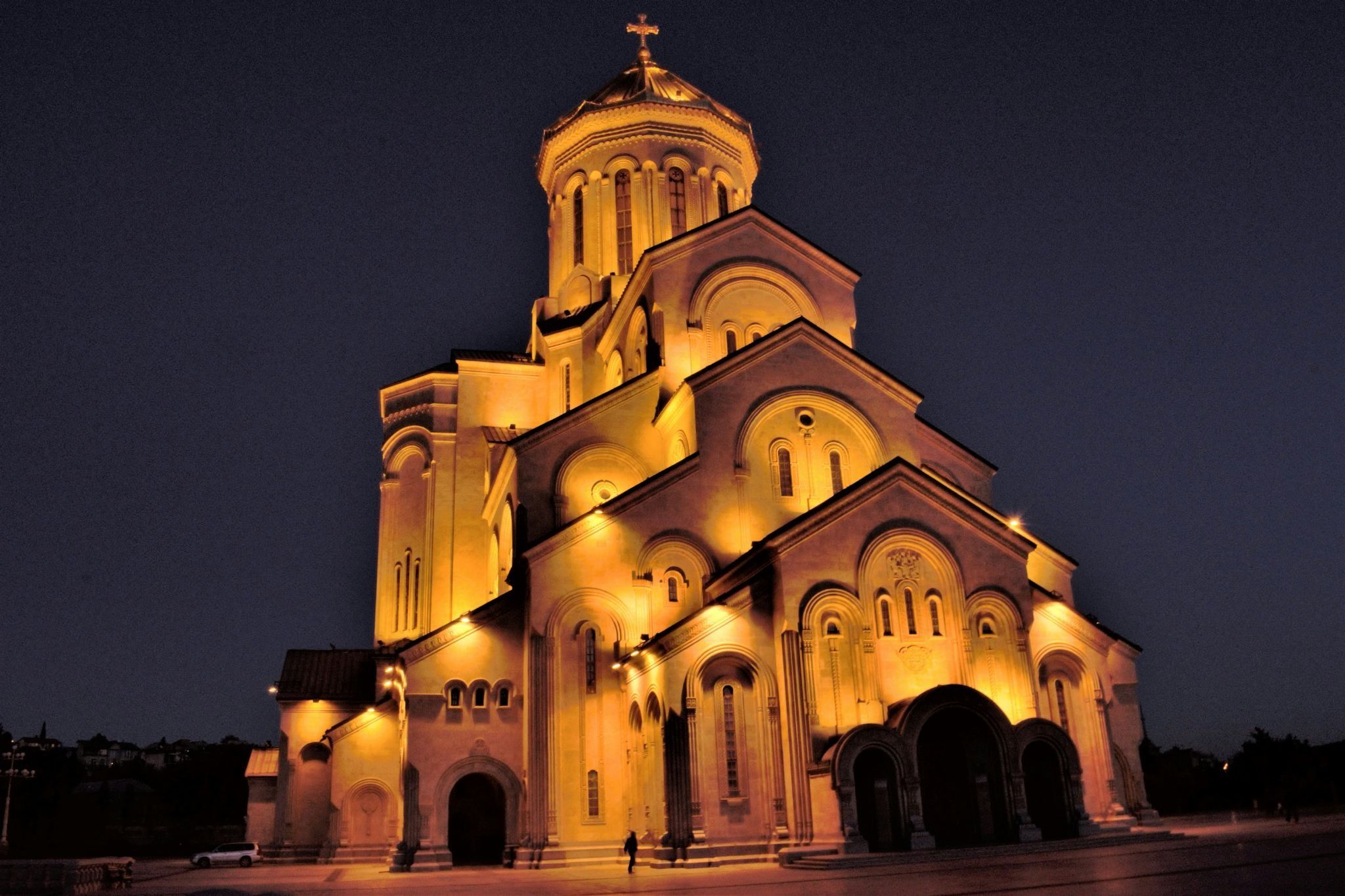
This ancient city is the former capital and spiritual heart of Georgia, Europe. Georgia adopted Christianity here in 337 AD, making it one of the first countries to do so. The Svetitskhoveli Cathedral and the hilltop Jvari Monastery are both part of the UNESCO-listed Historical Monuments of Mtskheta.
- Best for: A half-day from Tbilisi, history lovers
- Plan it: It takes just 30 minutes to get here from Tbilisi, making it a simple half-day holiday. You can catch marshrutka from Didube station. Plan to spend 2 to 3 hours. Start at Jvari for the best view of the valley, then visit the cathedral. The mornings are usually the most peaceful.
Kazbegi (Stepantsminda)
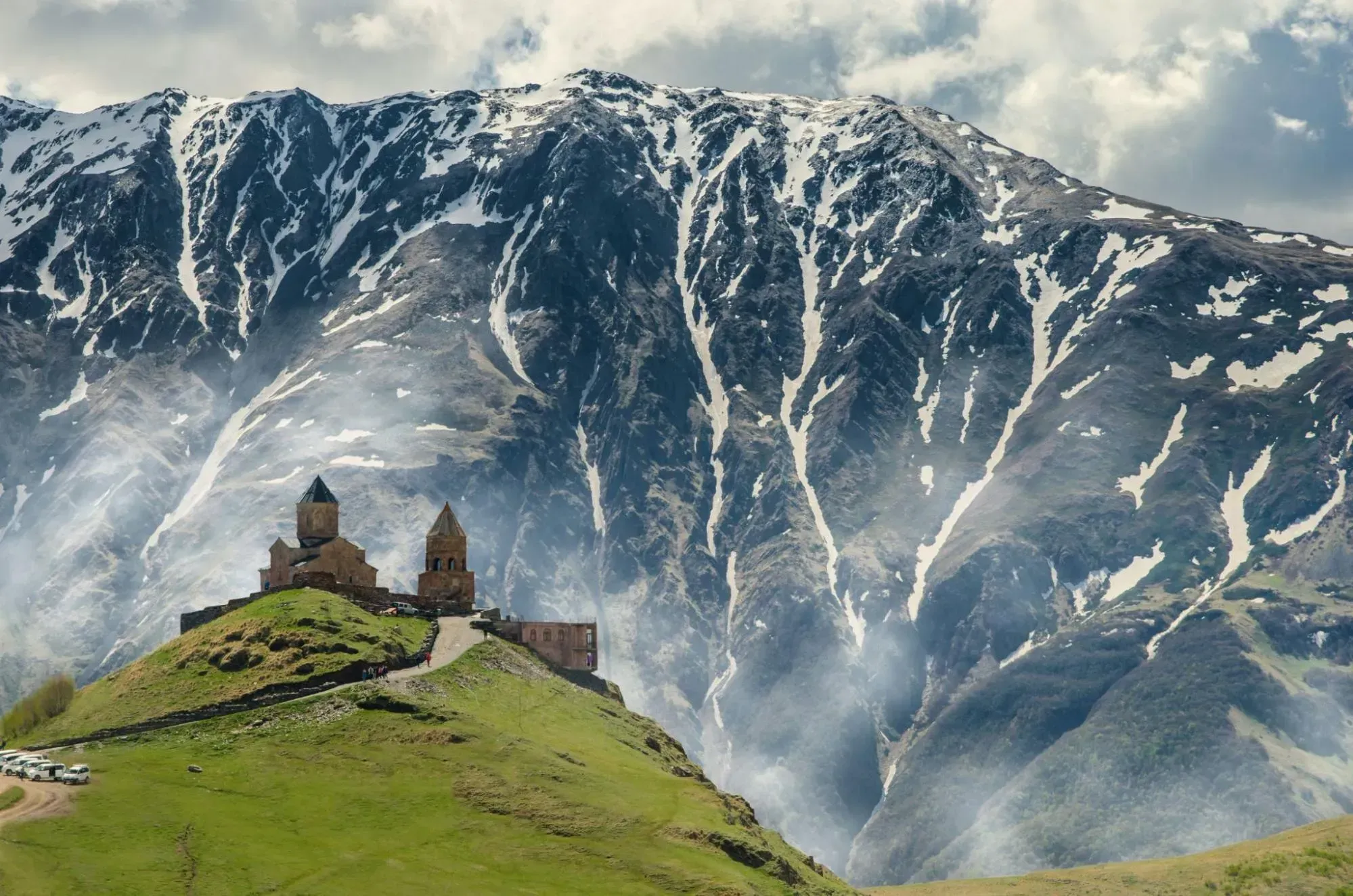
This is the classic postcard view. The Gergeti Trinity Church, built in the 14th century, stands by itself at 2,170 metres below Mount Kazbek, which towers above 5,000 metres. According to local folklore, Amirani, the Georgian version of Prometheus, was chained near the summit for stealing fire for people.
- Best for: Mountains, photography, day hikes
- Plan it: You can get here from Tbilisi by taking the Georgian Military Highway. Marshrutkas leave from Didube. It’s best to stay overnight so you can enjoy clear skies in the morning. The church is a steep hike that takes two to three hours, or you can take a 4x4 taxi and get there in about 30 minutes. Be sure to pack warm clothes.
Sighnaghi and Kakheti
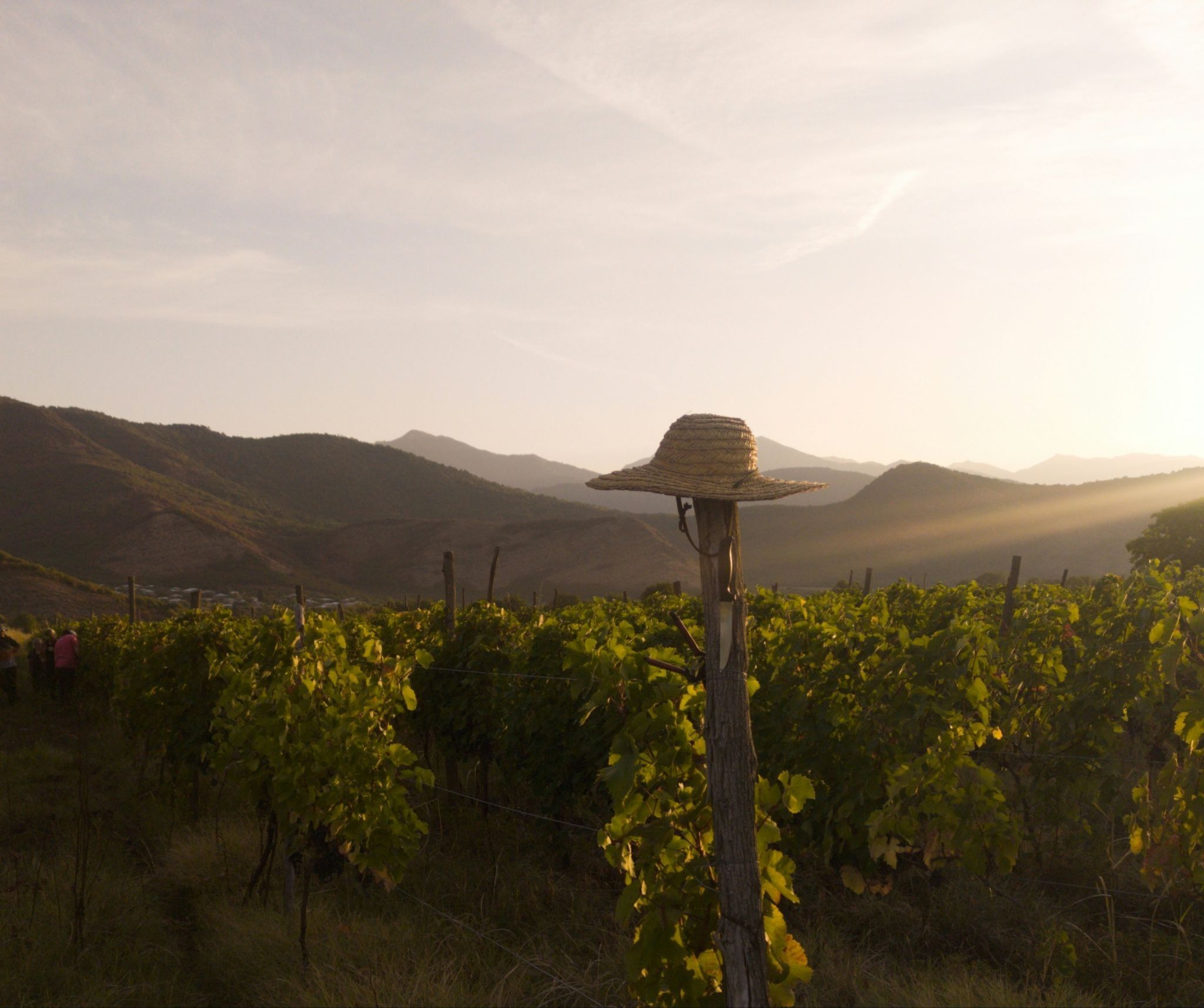
Kakheti is known for its wine, and the hilltop town of Sighnaghi is its romantic centre. Called the City of Love, Sighnaghi has a wedding house known for fast, hassle-free registration. The Alazani Valley stretches below, filled with family-run wineries and home to Bodbe Monastery, where St Nino is buried.
- Best for: Couples, honeymooners, wine
- Plan it: The region is about 75 km east of Tbilisi, which takes around two hours to reach by car. You can visit in a single day, but staying overnight lets you really enjoy the wine. Be sure to book a winery ahead of time. The best time to visit is during the autumn harvest, from September to October.
Batumi
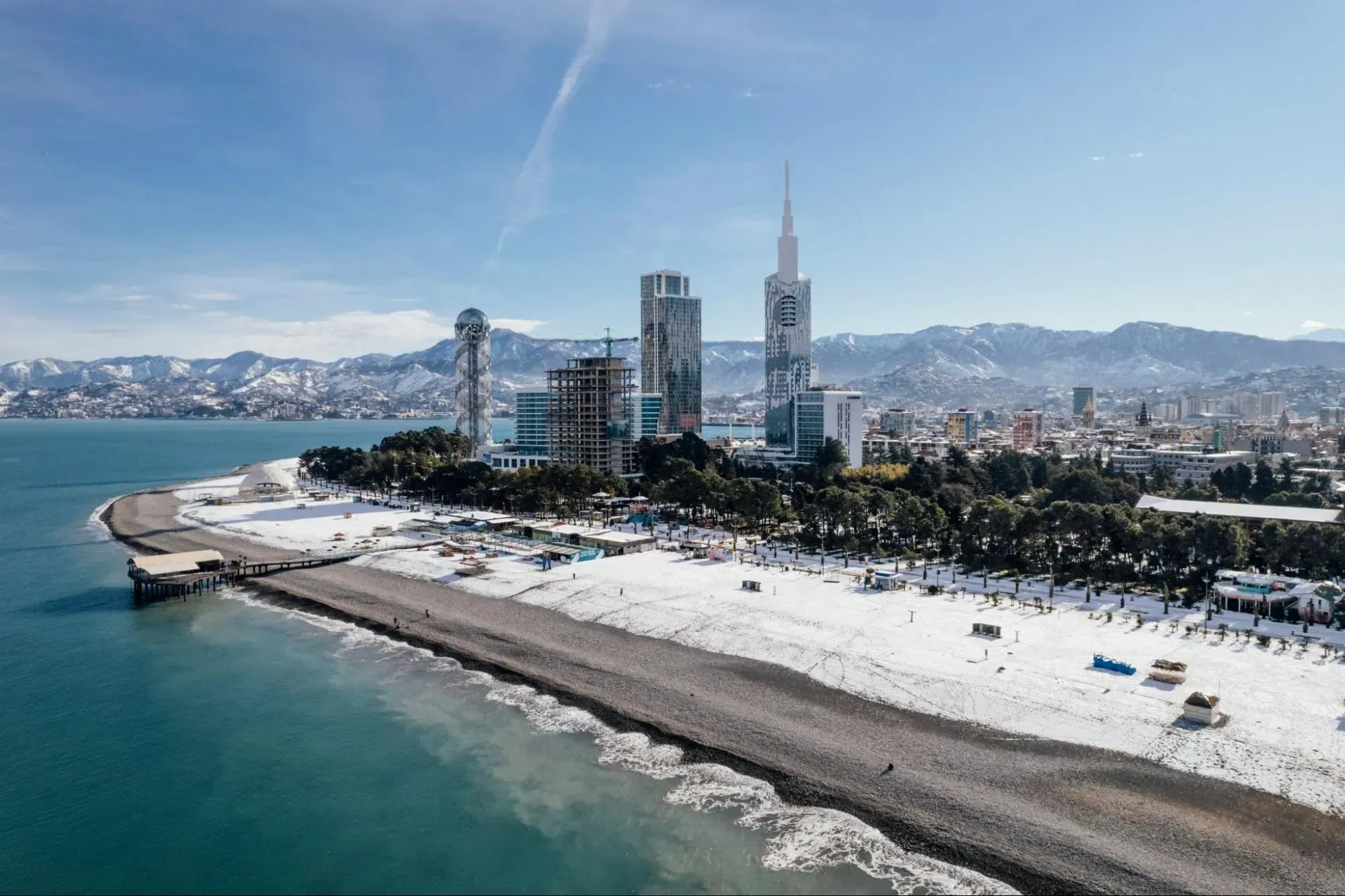
Batumi sits on the Black Sea and is known as a summer hotspot. The city has a humid, subtropical climate, a palm-lined boulevard, and a skyline filled with glass towers. Its most famous landmark is the moving Ali and Nino statue by the sea, while the Batumi Botanical Garden just to the north is considered one of the best in the area.
- Best for: Beach days, summer, nightlife
- Plan it: You can get there from Tbilisi by high-speed train in just over five hours, by car in about four and a half hours, or with a short flight. Two days is enough for a visit. Plan your holiday between June and September, since many seafront places close during the winter.
Mestia and Ushguli (Svaneti)
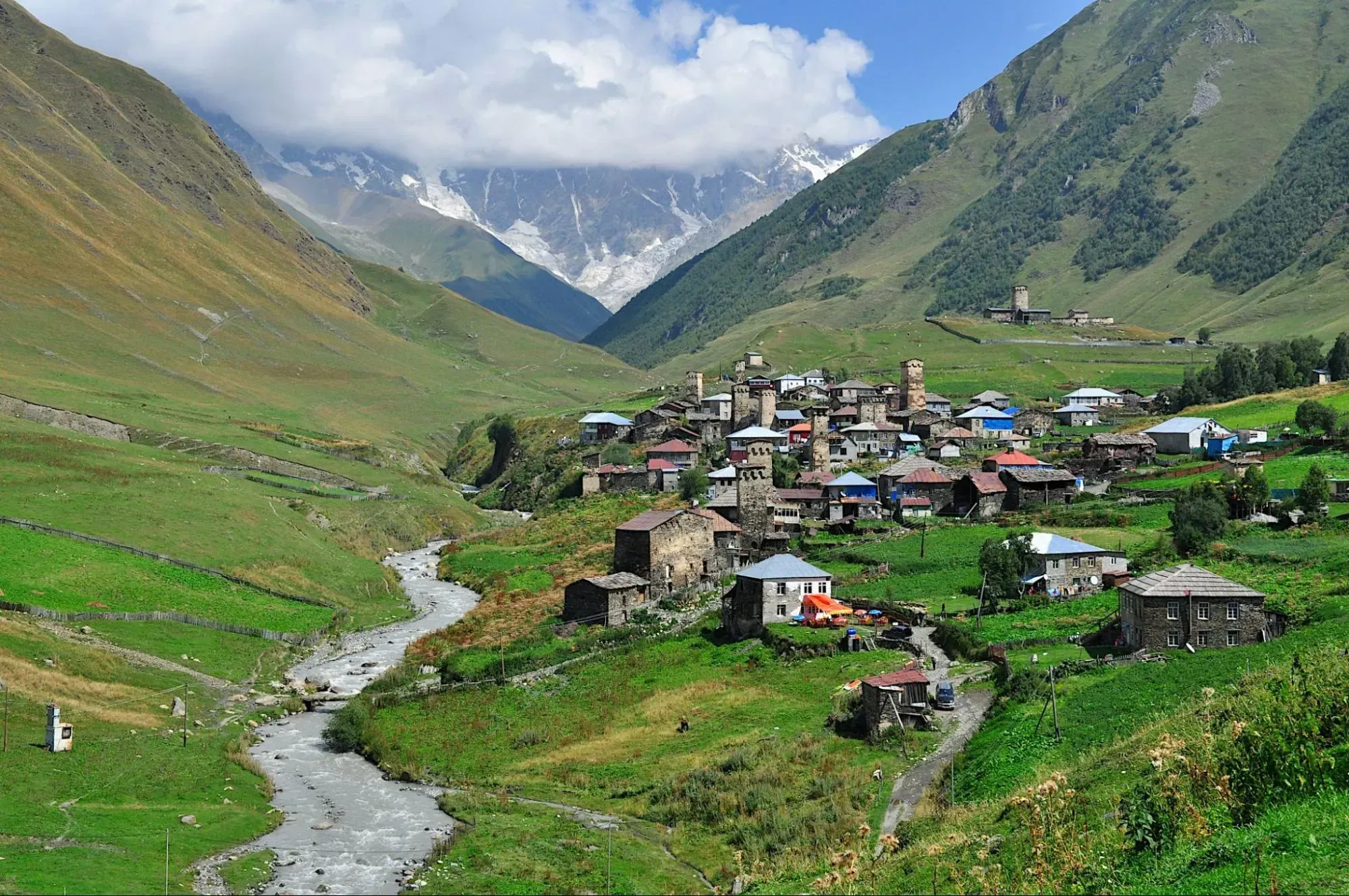
Svaneti stands out for its dramatic mountain scenery. The villages are filled with medieval stone tower-houses, and Ushguli sits at about 2,100 metres, making it one of the highest permanently inhabited villages in Europe. Upper Svaneti is recognised by UNESCO, and the trek from Mestia to Ushguli is a well-known route.
- Best for: Trekkers, off-grid travellers
- Plan it: Most people take the train from Tbilisi to Zugdidi, then catch a marshrutka to Mestia, which takes about three hours. You can also fly to Mestia on a small plane. Ushguli is a couple of hours from Mestia by 4x4. Plan to spend three to four days in Svaneti, and keep in mind that roads may close in winter.
Kutaisi
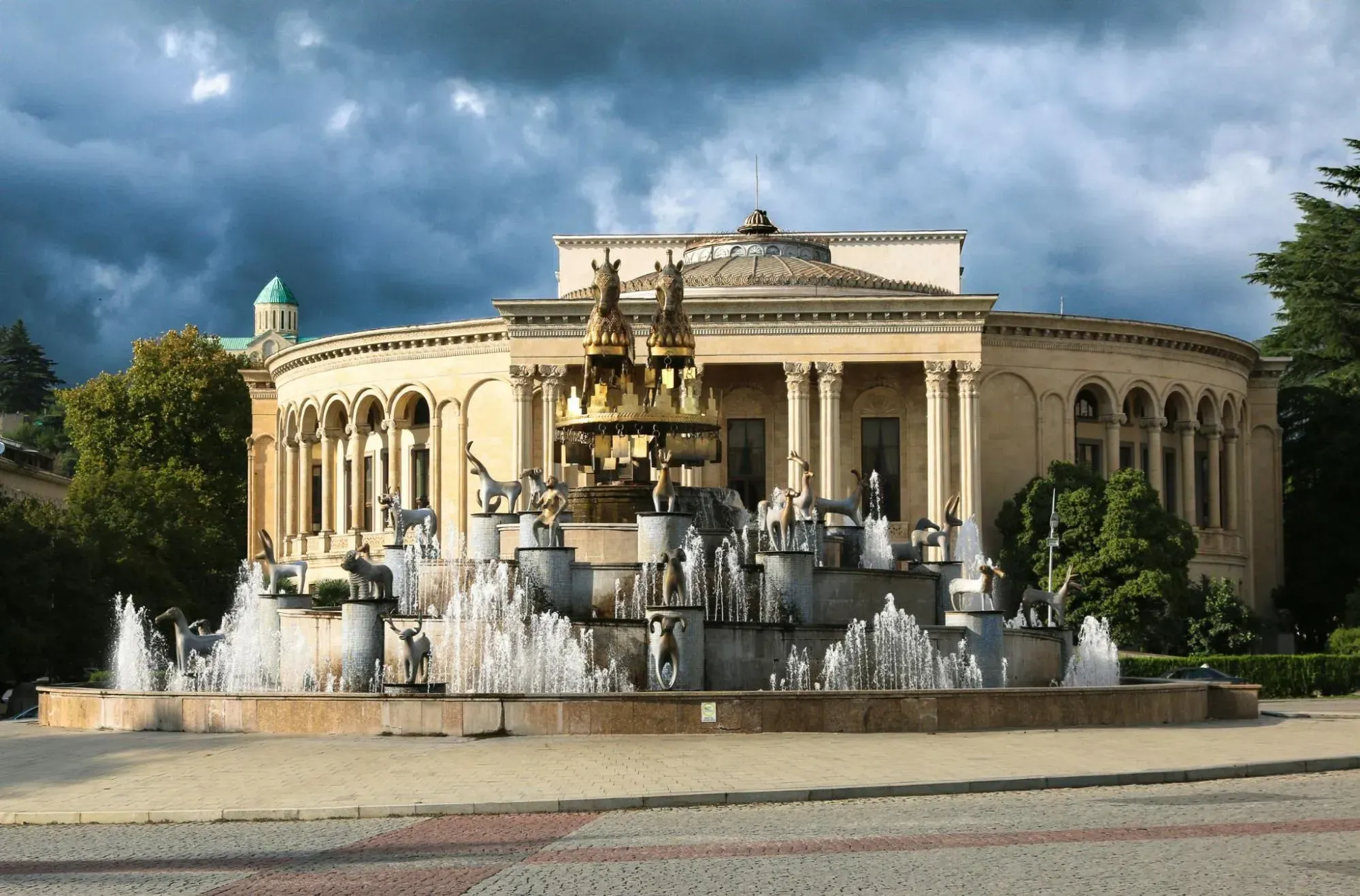
Kutaisi, once the royal capital, welcomes you to western Georgia. Just outside the city, you can visit the UNESCO-listed Gelati Monastery. Prometheus Cave, Martvili Canyon, and Okatse Canyon are also only a short drive away.
- Best for: Nature day outings, value travellers
- Plan it: Kutaisi's airport offers many affordable international flights, making it a convenient place to start your holiday. Plan to stay here for one or two nights. The canyons are most enjoyable from late spring to autumn. The cave stays cool all year, so remember to pack an extra layer.
Gudauri
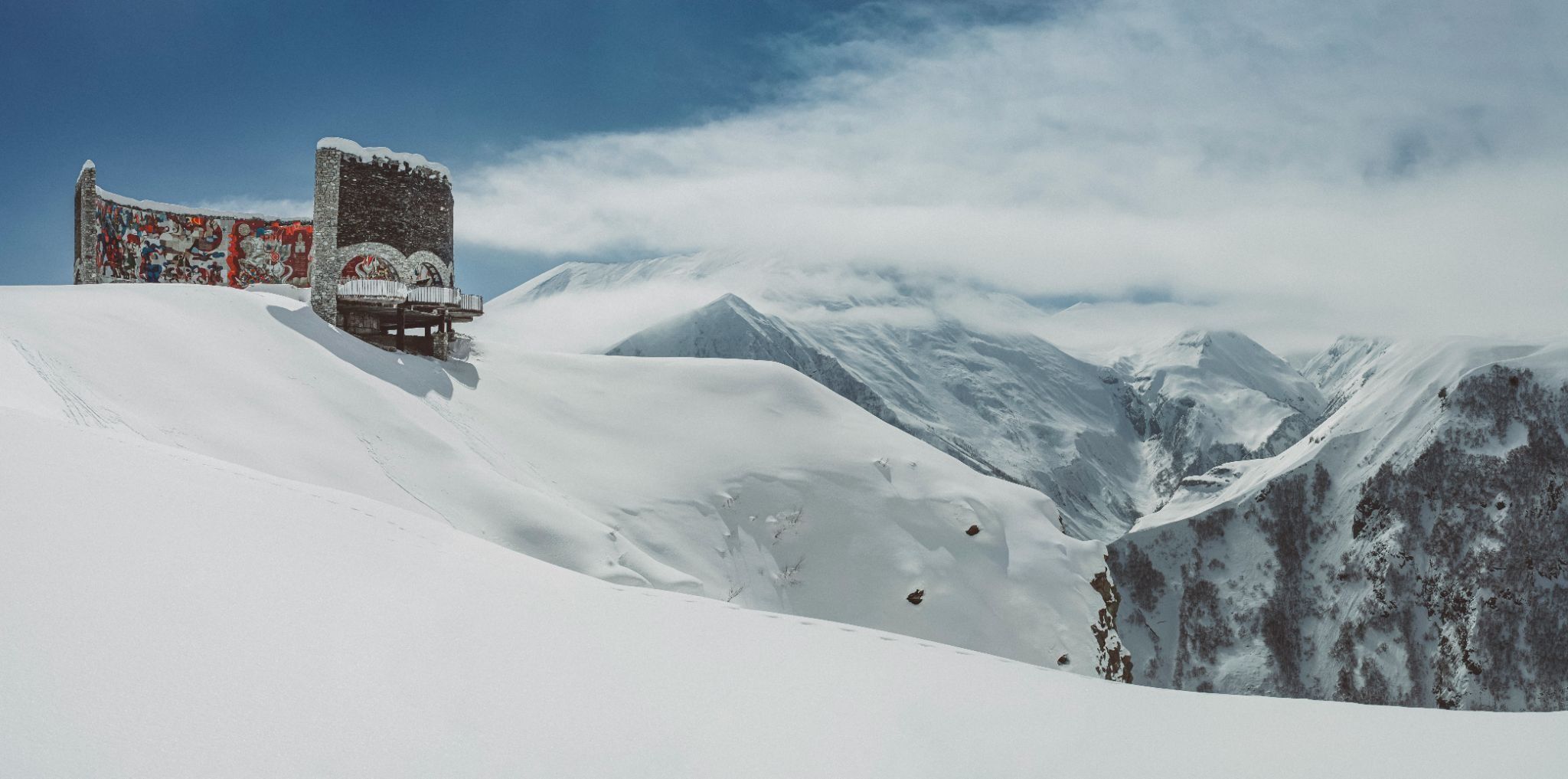
When it snows, Gudauri turns into Georgia’s top ski resort, famous for its wide off-piste runs and high-altitude freeride areas. Close by, the Russia-Georgia Friendship Monument, a colourful mosaic arch over a deep valley, is also worth visiting.
- Best for: Skiers, snowboarders, winter travellers
- Plan it: It takes about two hours to get here from Tbilisi by the Military Highway, and there are daily marshrutkas with transfers. The ski season usually lasts from December to April. In summer, this place is a great spot for paragliding. It's easier to rent gear locally than to bring your own.
Borjomi
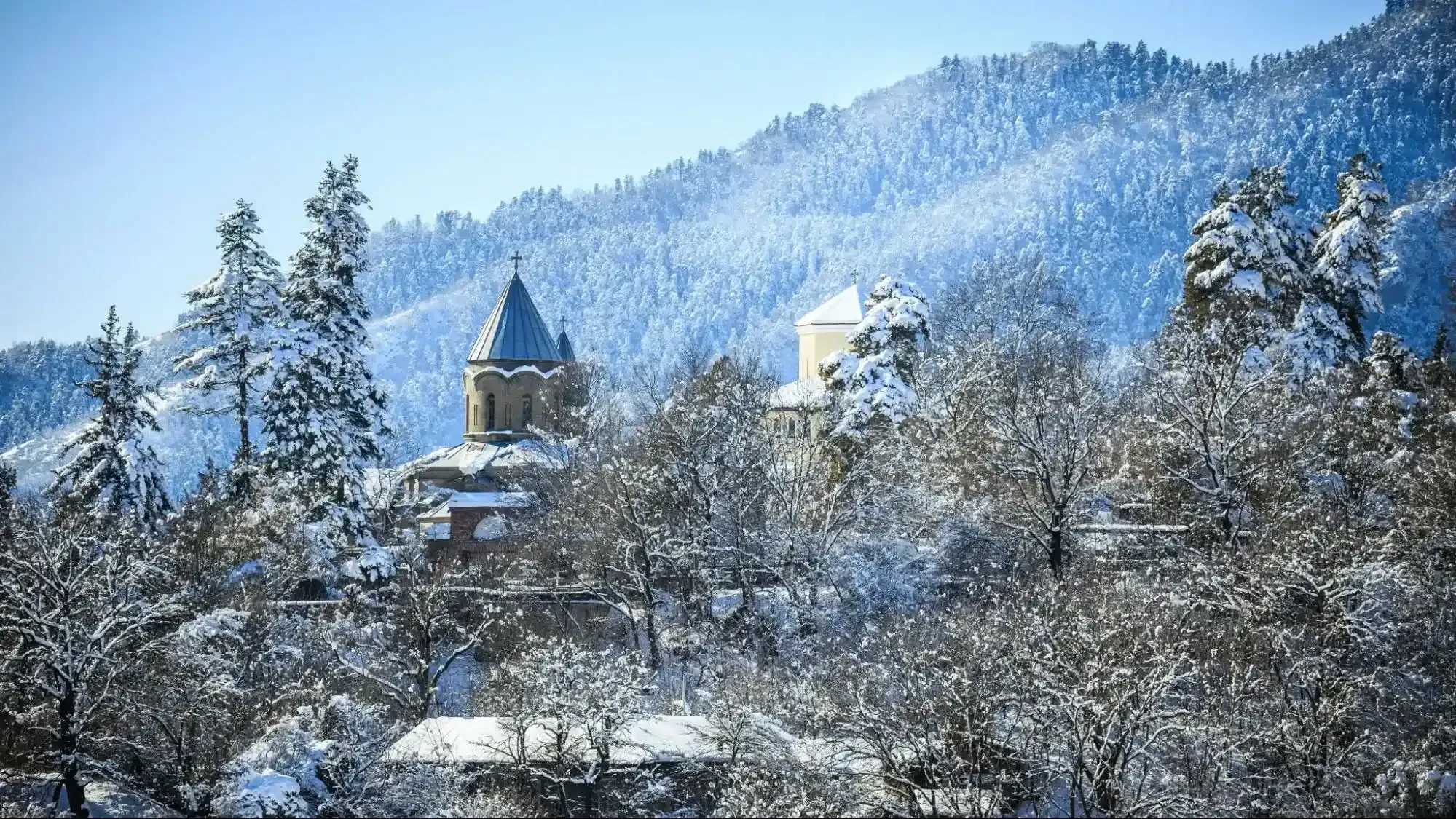
Borjomi is famous for its mineral water, which has been sold throughout the former Soviet world for more than a hundred years. This forested spa town also serves as the gateway to Borjomi-Kharagauli National Park, one of the largest protected areas in the Caucasus with many marked trails.
- Best for: Wellness, families, forest walks
- Plan it: Borjomi is 160 km west of Tbilisi. It takes about 2 to 3 hours to get there by car. The train is the cheapest way and takes around 4 hours, while a private transfer is the fastest at about 2 hours. Plan to spend a day, try the spring water in Central Park, and enjoy a walk along the park trail.
Vardzia
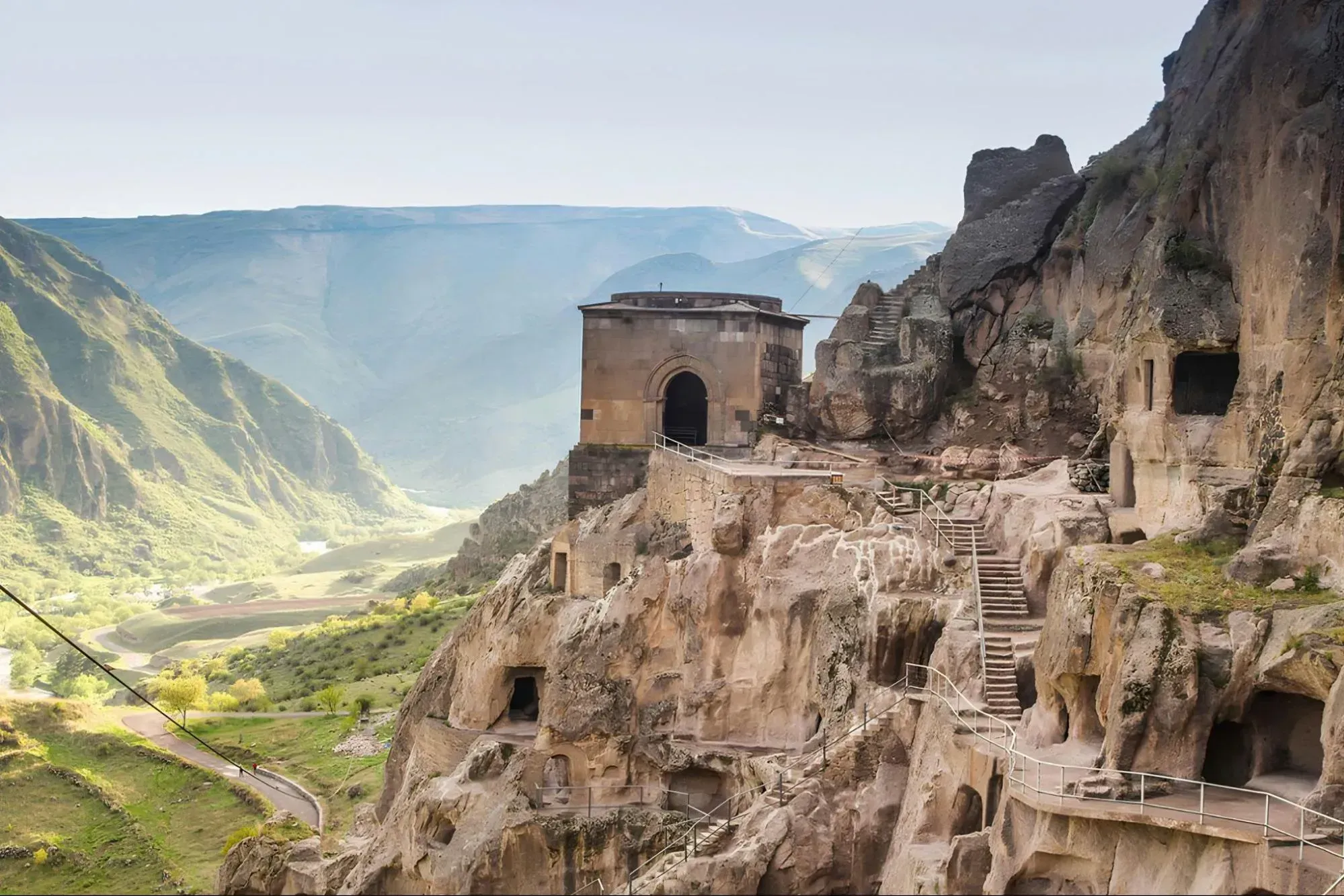
Vardzia was carved into a cliff in the 12th century during Queen Tamar’s reign and once had more than 6,000 rooms on several levels. The name comes from a story about young Tamar, who got lost in the caves and called out, "ak var dzia," which means "here I am, uncle."
- Best for: History buffs, offbeat routes
- Plan it: This place is in the far south, about five hours from Tbilisi. It’s best to stay in Akhaltsikhe or Borjomi. The road is paved, so you don’t need a 4x4. You can visit Rabati Fortress and Khertvisi on the same trip, and plan to spend about two hours at the site.
Uplistsikhe
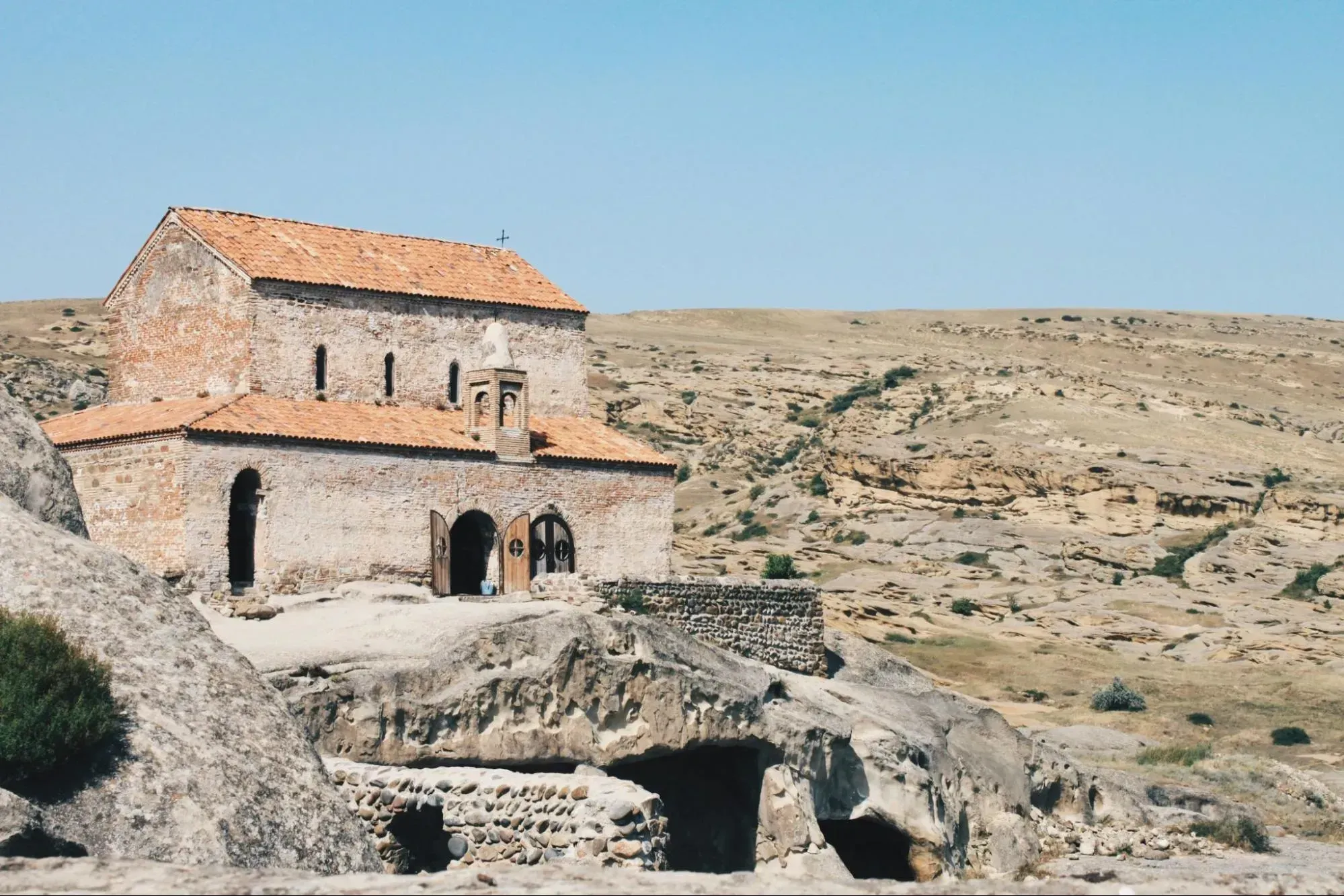
Uplistsikhe, which means "Lord of the Fortress," is located near Gori and is one of the oldest urban settlements in Georgia, Europe. Its rock-cut halls and wine cellars date back to the first millennium BC.
- Best for: Ancient history, archaeology fans
- Plan it: This spot is about 10 km from Gori and around an hour from Tbilisi, so it makes for an easy day trip. You can also visit Gori's Stalin museum while you're here. Be sure to wear shoes with good grip, since the rocks can be slippery, and bring water and a hat if you come in summer.
Davit Gareja
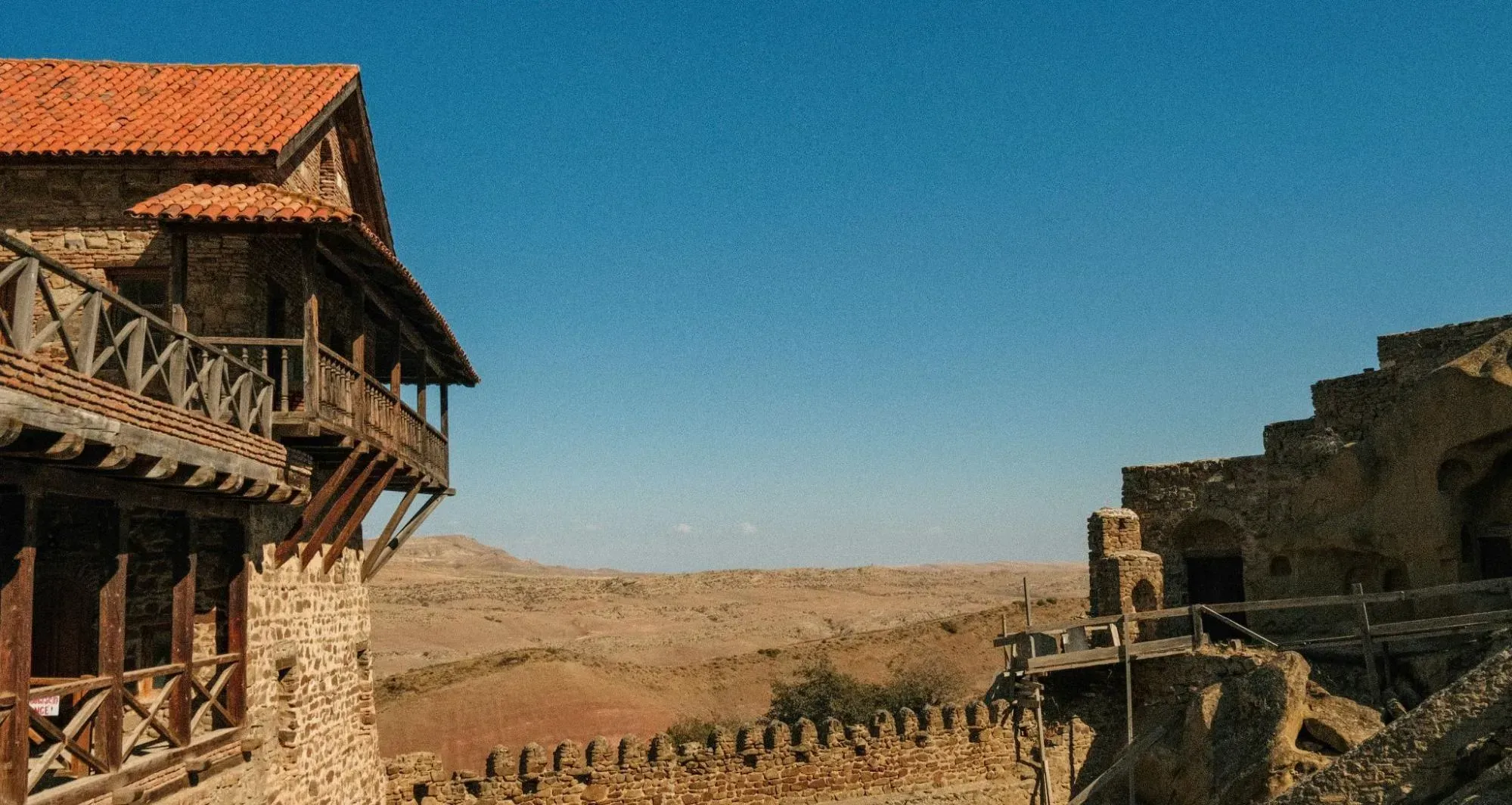
Near the semi-desert border with Azerbaijan, the 6th-century Davit Gareja monastery complex stands at what seems like the edge of the world. Its cells and frescoes are carved into the ochre hillsides.
- Best for: Solitude, frescoes, big skies
- Plan it:It takes about two hours to reach this spot southeast of Tbilisi, making it a good day trip. Check the current border situation before visiting the upper Udabno caves, as access can change. In spring, you’ll see wildflowers. Summer is very hot, and there’s no shade, so plan to arrive early.
Georgia’s Weather and the Best Time to Visit
Georgia, in Europe, offers a surprising variety of climates within a short drive. The coast is humid and subtropical, the centre and east are more continental, and the high Caucasus mountains are alpine. Spring and autumn are great for most visitors, summer is perfect for the beach and mountain passes, and winter is ideal for skiing.
Season | What it's like | Best for |
Spring (Apr-Jun) | Mild, green, wildflowers | Cities, hiking, wine country |
Summer (Jul-Aug) | Hot lowlands, warm coast | Batumi, Svaneti, mountains |
Autumn (Sep-Oct) | Cool, harvest season | Kakheti wine, photography |
Winter (Nov-Mar) | Snowy highlands | Gudauri skiing, Tbilisi |
Plan Your Perfect Georgia Getaway
From the sulphur steam baths in Tbilisi to the quiet caves of Vardzia, Georgia in Europe is perfect for travellers who want more than just ticking off sights. The country is rich in history, offers great value, and remains pleasantly uncrowded. If you prefer to have your route, hotels, transfers, and wine stops arranged for you, Holiday Tribe creates custom land-only Europe getaways so you can just get there and enjoy your holiday.