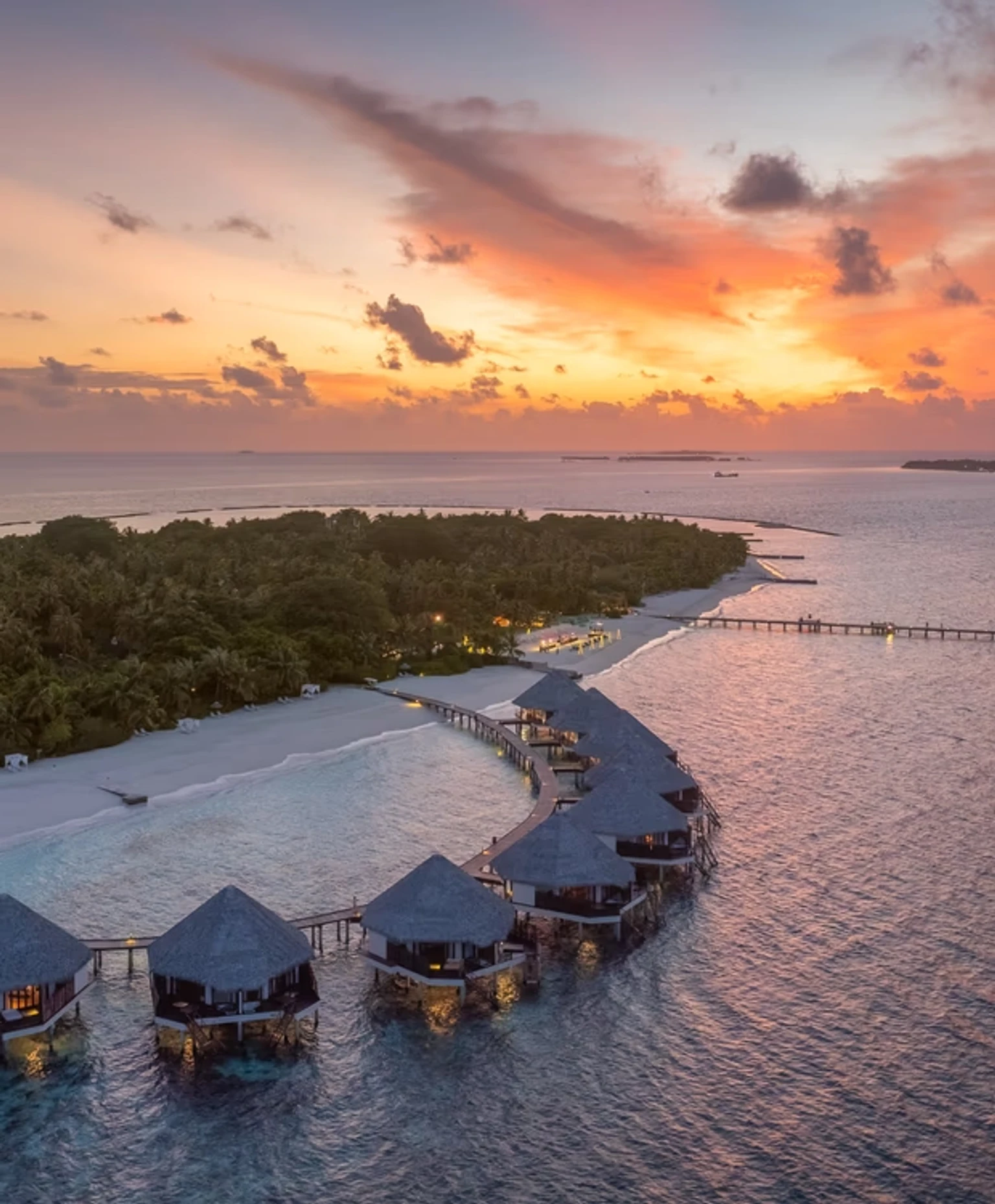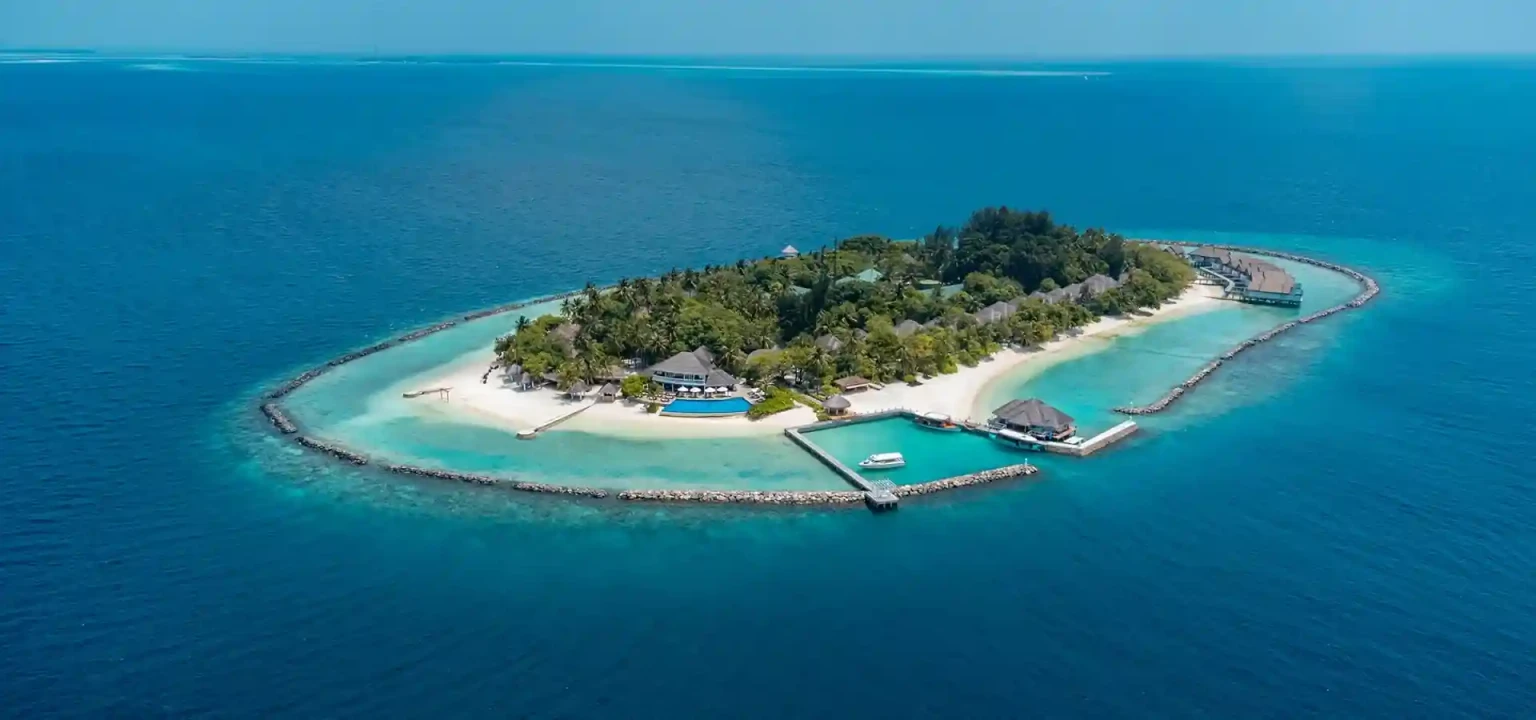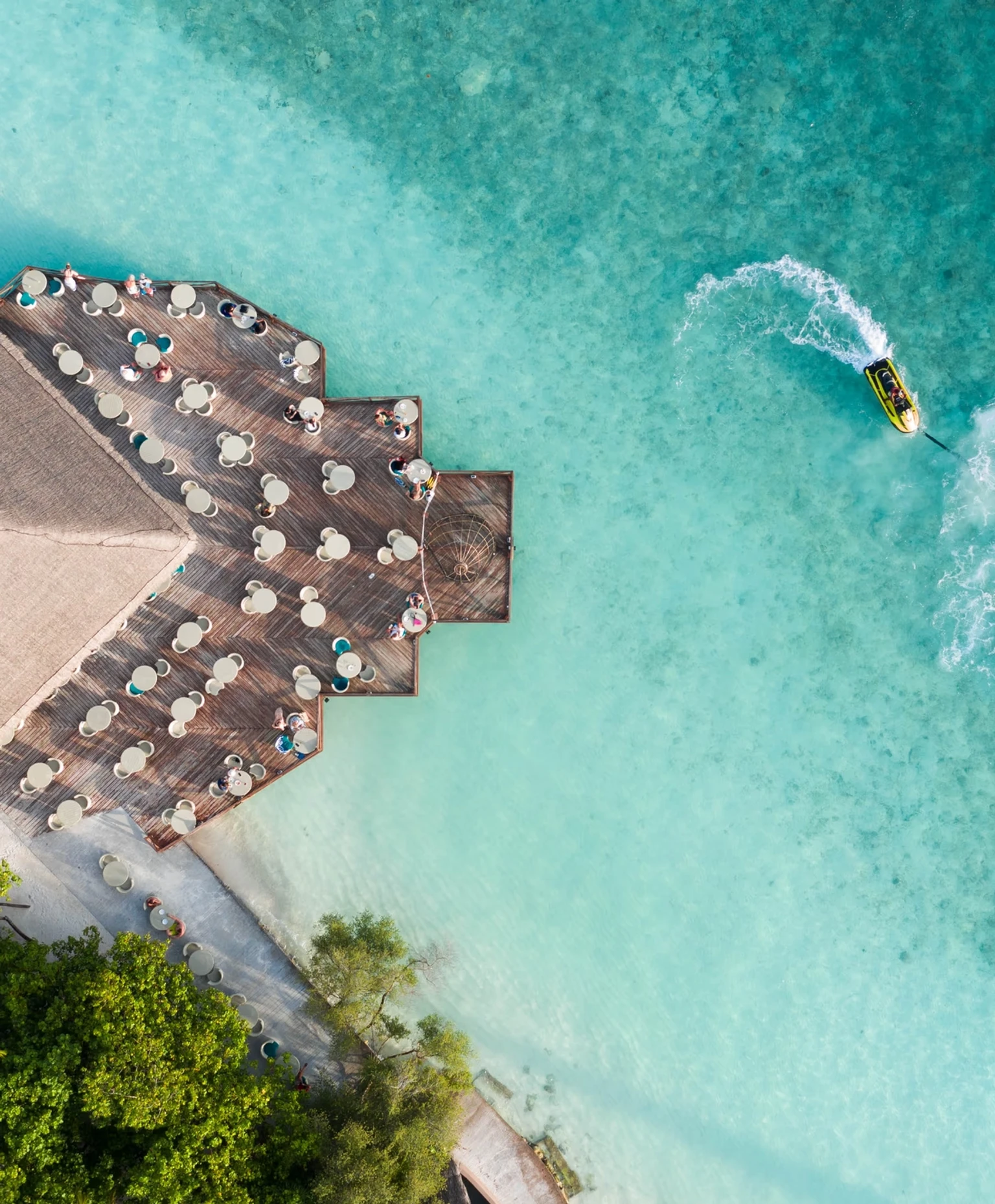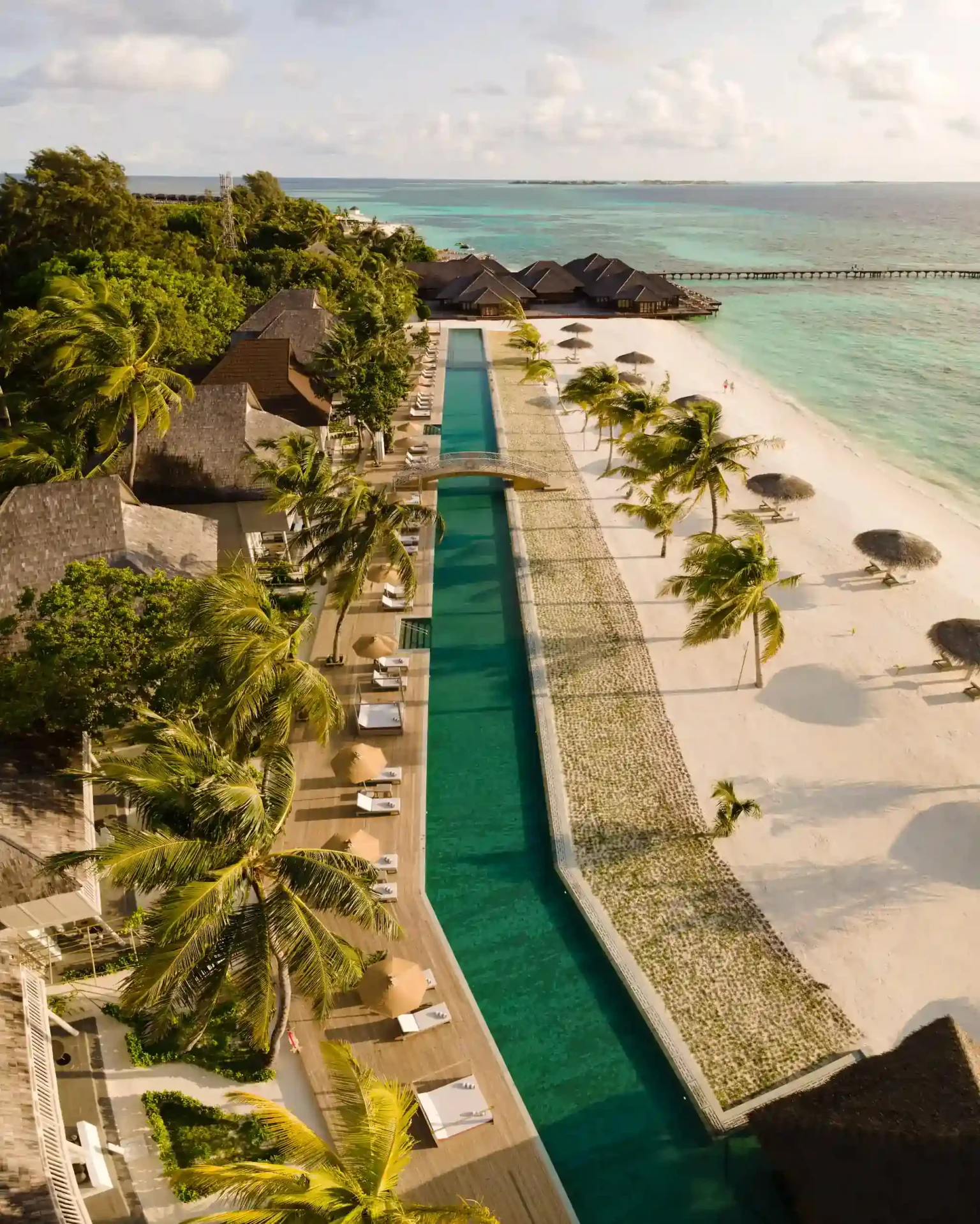


Waking up, sliding open a glass door, and seeing the Indian Ocean right at your doorstep is just a typical morning in Maldives. With nearly 1,200 islands and 26 atolls, the water is so clear it can embarrass your camera. But here is something most people do not mention: timing matters. The best time to visit the Maldives can make all the difference. Arrive in the right season, and you will enjoy calm seas and endless sunshine. Arrive at the wrong time, and you might end up watching the rain from your daybed. This Maldives travel guide covers everything you need to know, from the weather and visa tips for Indians to navigating the airport, finding the best resorts and atolls, exploring the food, and discovering what to do once you are here. Let us help you plan your holiday.
Why do so many Indian tourists keep choosing the Maldives?
It’s simple: the Maldives is close, easy to reach, and looks like a dream. Indian tourists have kept coming for years because it just makes sense. The flight is short, visas are free, and there’s no jet lag. You can leave Mumbai after breakfast and relax in your overwater villa by tea time. The Maldives is also the flattest country in the world, rising only about two and a half metres above sea level at its highest point, so it feels like the whole place is floating. Each resort sits on its own island, and often your hotel is the only thing there. That’s the real draw and that's why the Maldives stays a favourite for Indian travellers.
When is the best time to visit the Maldives?
The Maldives has two main seasons, both shaped by the monsoon. If you understand them, you can plan the perfect holiday.
What is the Maldives' weather like month by month?
The weather is mild year-round, with temperatures usually between 27°C and 31°C. The main changes are in the rainfall and sea conditions.
Season | Months | Maldives Weather | Crowds and Price |
Dry (north-east monsoon) | December to April | Sunny, calm, low humidity | Busiest and priciest, Dec to Feb |
Shoulder | April to May, Oct to Nov | Mostly dry, the odd shower | Best balance of weather and value |
Wet (south-west monsoon) | May to November | Short, sharp showers and wind | Quietest, lowest rates |
The best time to visit the Maldives for plenty of sunshine is from December to April. Still, don’t overlook the wet season. Rain usually falls in short bursts and then clears up, so you can expect six or seven hours of sun most days. Plus, it’s usually more affordable during this time.
Which season fits your holiday?
The best time to visit the Maldives depends on what you want to do there.
- For perfect beach days or a romantic honeymoon, visit between December and April. The weather is calm and clear, just like a postcard.
- If you want better deals and fewer crowds, go from May to November. Prices drop and the beaches are much quieter.
- For diving, the dry season offers the best visibility. During the wet season, though, the reefs thrive and attract bigger fish.
- Surfing is best from May to October, when the waves pick up on the eastern atolls.
When can you swim with manta rays and whale sharks?
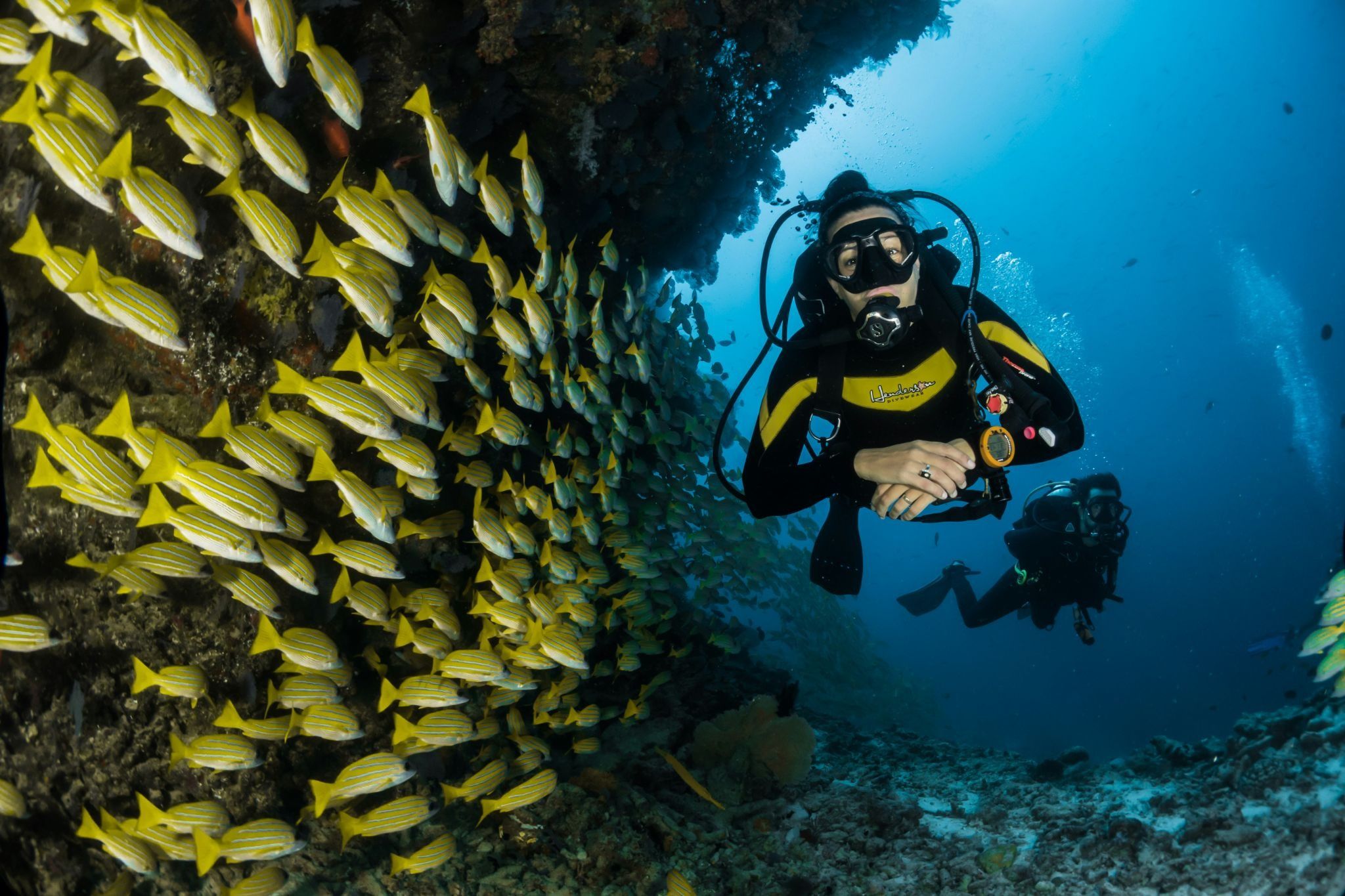
You might be surprised, but the months people call the off-season are actually amazing for ocean lovers. During the wet season, plankton blooms attract manta rays and whale sharks. From May to November, Hanifaru Bay in the UNESCO-listed Baa Atoll hosts one of the world’s biggest manta gatherings. If you want to see whale sharks any time of year, the best place to visit in the Maldives is the South Ari Atoll.
Do Indians need a visa for the Maldives?
You don’t have to wait in embassy lines, fill out forms ahead of time, or pay any fees. Indian travellers receive a free 30-day visa on arrival in the Maldives, stamped right when you land.
The only thing you need to do is fill out the IMUGA Traveller Declaration.
- Fill out the form online within 96 hours before your flight, and make sure to use the official IMUGA government website. It’s free, so stay away from any sites that ask for money.
- Bring a passport that’s valid for your whole holiday. Six months of validity is safest. You’ll also need a return ticket and a confirmed booking at a resort or hotel.
- If you want to stay longer, you can apply to extend your 30-day visa through Maldives Immigration. The final decision is up to them.
Worried about paperwork for your first holiday? Don’t be. The IMUGA is the only form you need, and it takes about ten minutes to finish. This easy process is one reason Indian travellers like the Maldives visa.
How do you reach the Maldives airport and get around?
This is the detail most guides skip, yet it shapes the entire mood of your first day.
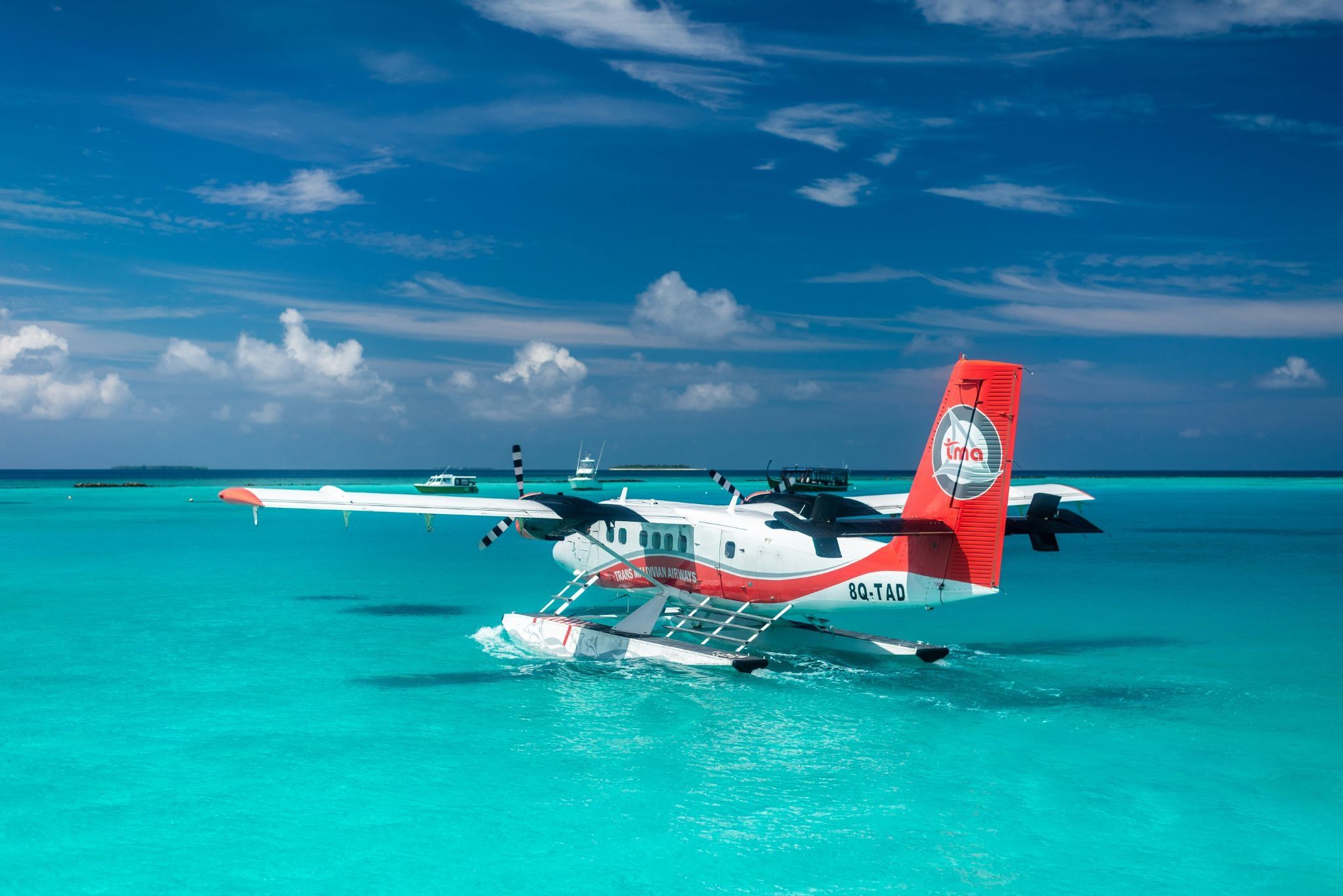
Most people arrive at Velana International Airport (MLE), which is just outside the capital, Malé. The Maldives airport is on its own island, and you can fly there directly from cities like Delhi, Mumbai, Bengaluru, and Kochi, usually in less than five hours. Here’s where it gets interesting: you won’t drive to your hotel, you’ll float there.
Transfer | Best For | Good to Know |
Speedboat | Nearby atolls | 20 to 90 minutes, runs day or night |
Seaplane | Mid-distance atolls | Daylight only, jaw-dropping views, costs more |
Domestic flight + speedboat | Far atolls | For the remote resorts |
Taking the seaplane is an experience on its own. It flies low over the atolls, and you might even notice the pilots flying barefoot. Keep in mind, though, that seaplanes only operate during daylight hours. If your flight arrives late at the Maldives airport, you may need to spend the night near Malé and catch your transfer at sunrise.
Where should you stay in the Maldives?
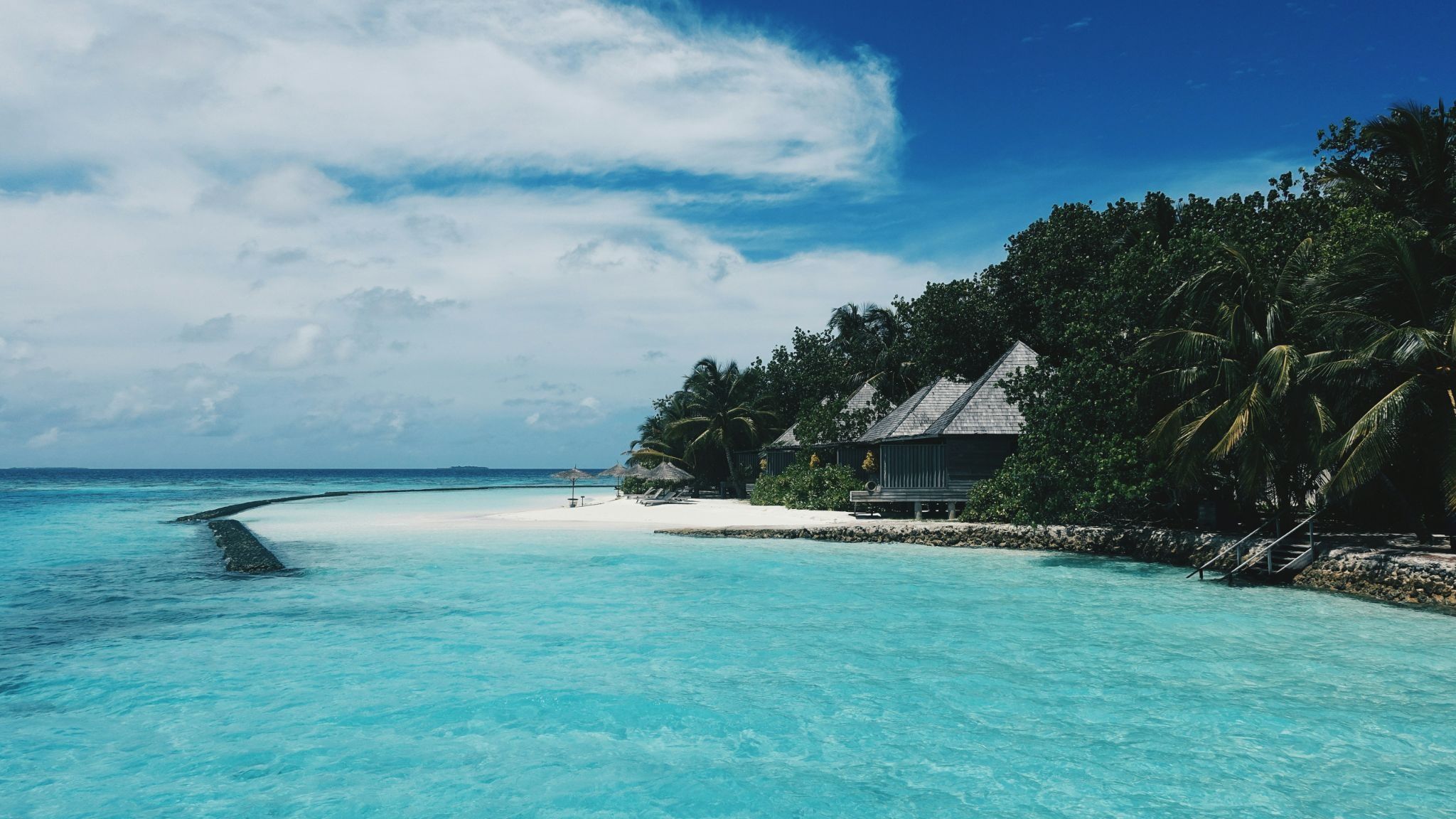
The Maldives resort model is distinctive and highly effective: each island hosts a single resort. Guests typically remain on the island throughout their stay, which is central to the experience.
Resort islands offer privacy, luxury, overwater villas, and direct access to a house reef. Local islands and guesthouses provide a more affordable option, allowing guests to stay among Maldivians. These islands do not serve alcohol, and modest dress is expected away from tourist beaches, offering an authentic experience.
A common saying is that Maldives resorts are less like hotels and more like having your own private island for a week. This description is accurate.
Should you stay in an overwater villa or a beach villa?
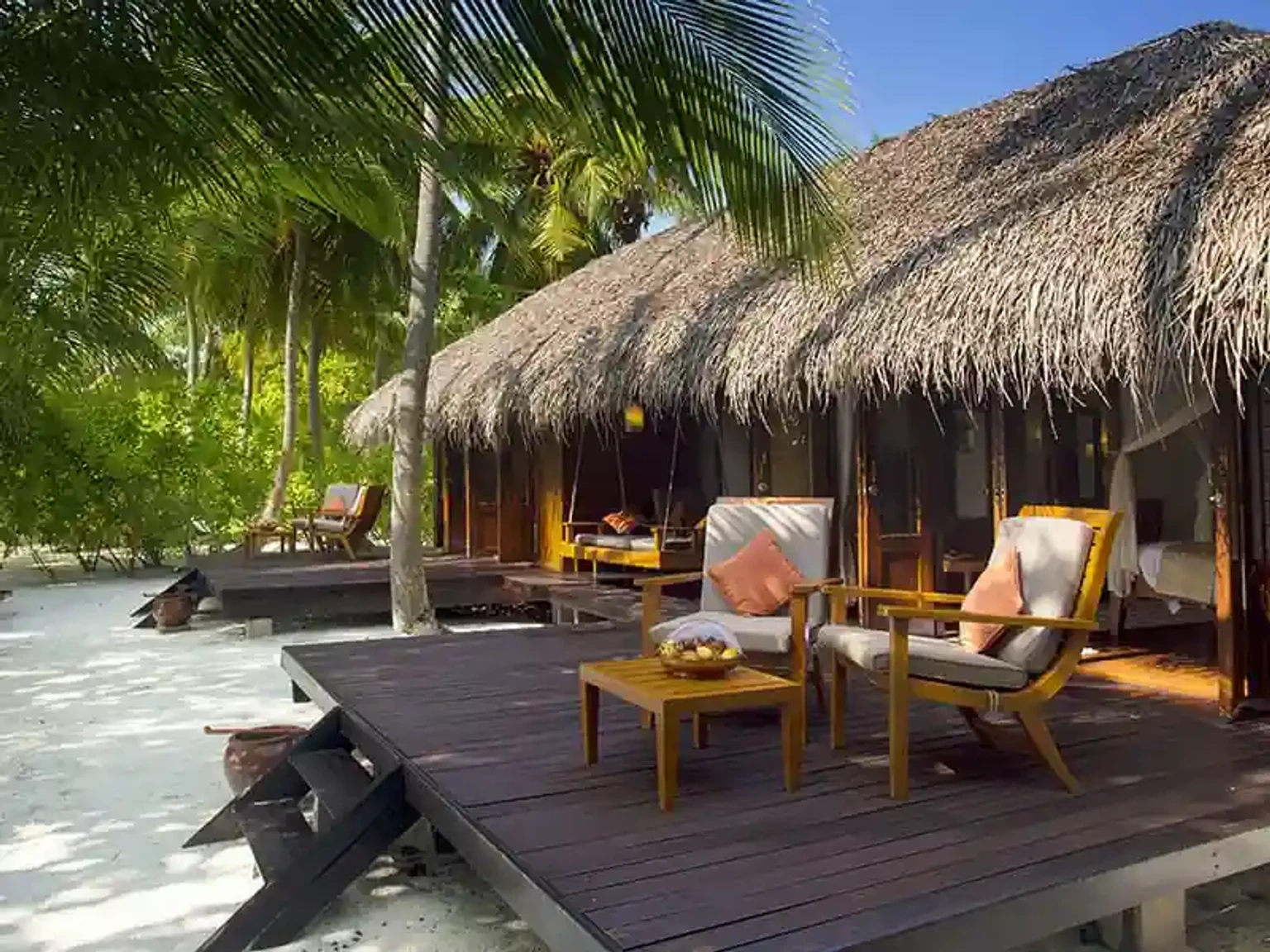
The eternal Maldives question. Overwater villas are famous for their direct lagoon access, glass floors, total privacy, and the chance to watch the sunrise from your bed. They are perfect for a honeymoon, but not always the best choice if you have young children because of the open water. Beach villas, on the other hand, put the sand right at your doorstep, offer more shade and space, and make it easier to come and go with kids. They also tend to be a bit more affordable. The best part is that many resorts let you split your stay, so you can spend a few nights on the beach and a few nights over the water. This way, you do not have to pick just one.
Which Maldives resorts are the best to stay in?
The Maldives is made up of private islands, so choosing your resort is like choosing your entire holiday. Here are five of the very best.
1. Soneva Jani
This is the resort people choose for a special holiday. Overwater villas stretch along a curved lagoon, most with private pools, and the top suites feature a water slide from the bedroom right into the sea. It’s all about barefoot, no-news, no-shoes luxury, with an open-air cinema and a resident astronomer at the observatory.
Location: Noonu Atoll, about 40 minutes by seaplane from the Maldives airport.
2. Soneva Fushi
This is the original barefoot-luxury island, opened in 1995, and it remains the standard. The villas are large and set by the jungle on the beach, not over the water, with sand everywhere you go. It’s right next to Hanifaru Bay, famous for manta rays. The atmosphere is quiet, natural, and great for families.
Location: Baa Atoll, reached by a domestic flight to Dharavandhoo and a 12-minute speedboat ride.
3. One&Only Reethi Rah
This is the best choice if you want space and simple travel. The island is large, with plenty of room to explore, spacious villas, and elegant evenings where you can dress up for dinner. There’s no need for a seaplane, so you’ll be relaxing on the sand in no time.
Location: North Malé Atoll, reached by private yacht from the airport.
4. Cheval Blanc Randheli
This is the quiet, flexible option. LVMH’s flagship resort is all about design, with clean lines and subtle French style spread across five islands. It’s glamorous but peaceful, making it a top choice for honeymoons.
Location: Noonu Atoll, about 80 to 90 minutes by seaplane from Malé.
5. Waldorf Astoria Maldives Ithaafushi
This three-island resort is easy to reach during the day, with no need to wait for a seaplane. There are several restaurants, spacious villas, and a real sense of arrival, all while staying close enough for late arrivals.
Location: South Malé Atoll, just a short speedboat ride from the Maldives airport.
Which atolls are the best places to visit in Maldives?
The Maldives is more than just a single destination. Imagine 26 atolls, each with its own unique charm. Choosing the perfect one is part of the adventure, so here are the top spots in the Maldives, tailored to what you seek.
Atoll/Area | Known For | Good to Know |
North and South Malé Atoll | Closest to the airport, quick speedboat hops | Great for short holidays and first-timers |
Baa Atoll | UNESCO Biosphere, mantas at Hanifaru Bay | Manta season roughly May to November |
Ari Atoll (especially South Ari) | Whale sharks all year, top diving | Further out, often a seaplane |
Vaavu Atoll | Shark snorkelling, quiet reefs | Close-ish, a diver's favourite |
Addu Atoll | The deep south, WWII history, cycling routes | Reached by domestic flight |
Raa, Noonu and Lhaviyani | Newer, glossy luxury Maldives resorts | Seaplane or domestic flight plus boat |
If you are short on time, stay near Malé to avoid long transfers. For the best marine life, head to Baa or South Ari, which are top spots for underwater experiences in the Maldives.
Is the Maldives good for a honeymoon?
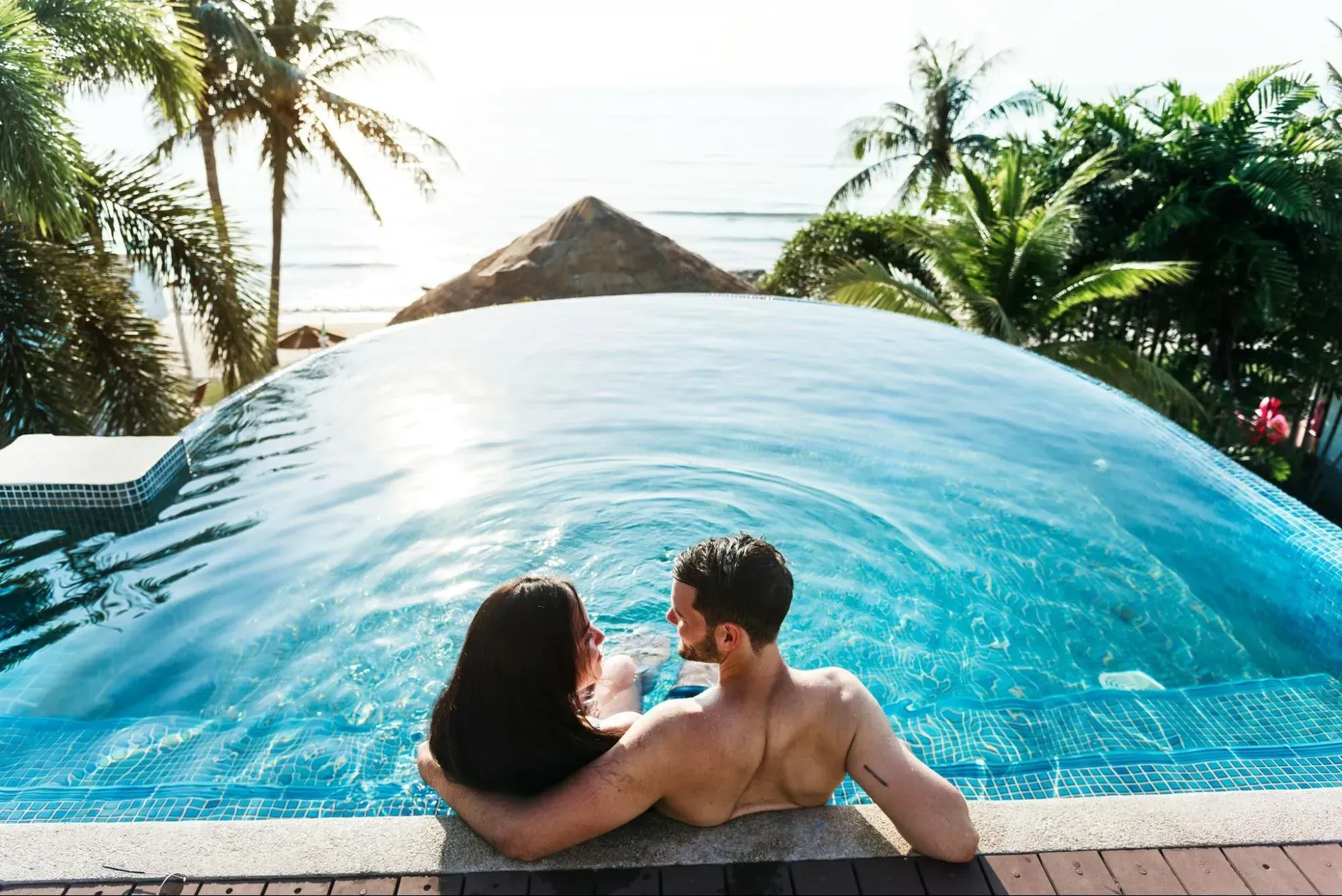
A honeymoon in the Maldives promises pure magic. Imagine waking up in an overwater villa, sunlight dancing through a glass floor, and stepping straight into the turquoise lagoon from your private deck. For a memorable holiday, pick a resort with a vibrant house reef so you can snorkel with colourful fish just steps from your room, enjoy a secluded picnic on a sunlit sandbank, and unwind at a spa above the gentle waves. Let the resort know you’re celebrating; many will add romantic surprises like a candlelit beach dinner or a secret treat in your villa. The most popular time for couples is between December and April, when the sea is at its most tranquil.
Is the Maldives family-friendly?
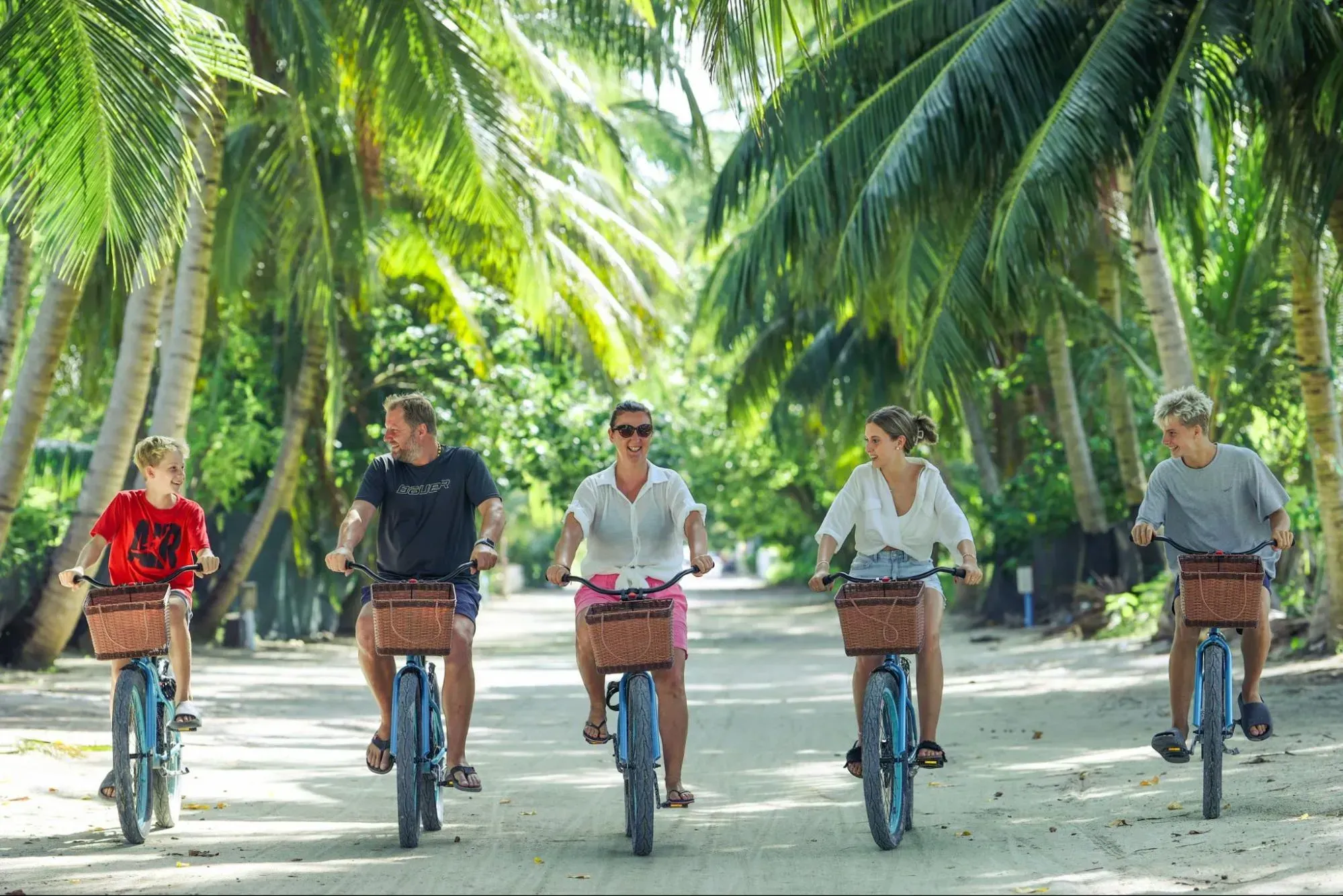
Yes, even though the Maldives is known for honeymoons, many resorts are great for families. You’ll find kids’ clubs, shallow lagoons perfect for first-time snorkelers, and family villas or connecting rooms. If you have young children, choose a beach villa instead of an overwater one for extra peace of mind near the water. There’s also a budget benefit, since children under two don’t have to pay the green tax. Choose a resort with a calm lagoon and a house reef, and your kids will want to be in the sea all day long.
What are the best things to do in the Maldives?
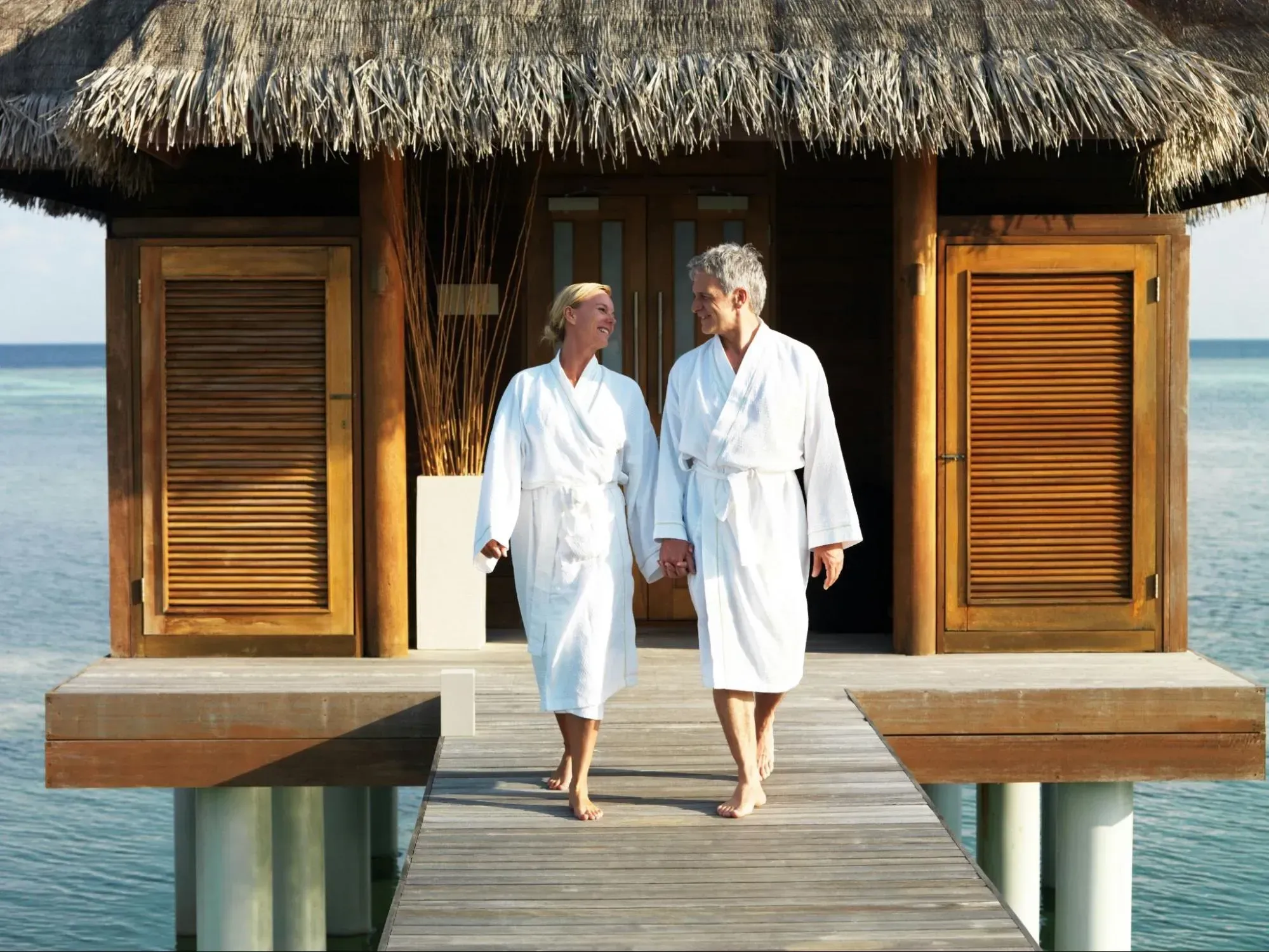
The Maldives offers much more than its reputation for relaxation. While many top attractions are underwater, there are plenty of other things to do in Maldives that are worth trying. Here are some highlights:
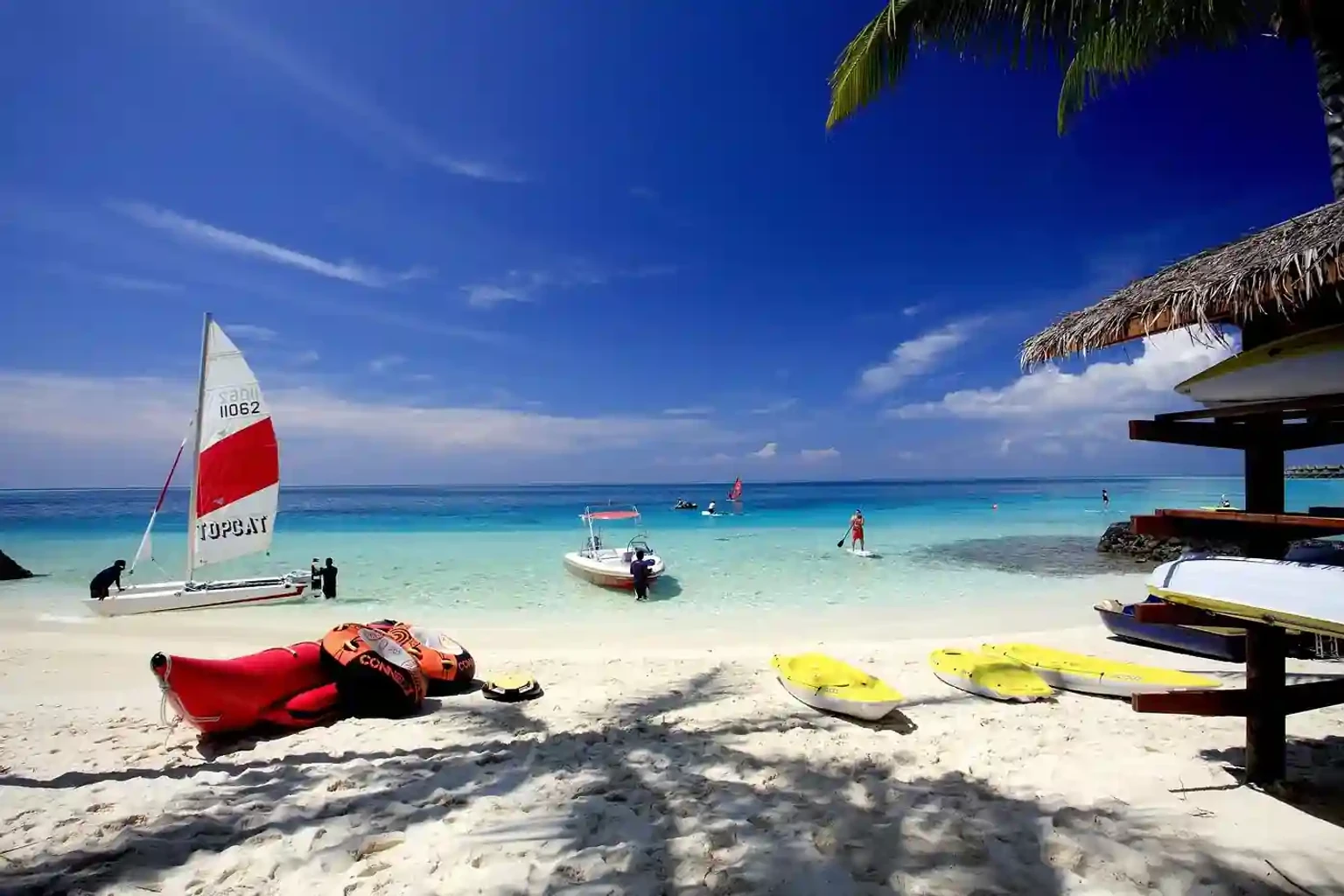
- Snorkel or dive at the house reef, which is often just a short walk from your villa.
- Swim with manta rays and whale sharks when the season is right.
- Look for the Sea of Stars, where bioluminescent plankton light up the shallow waters in electric blue at night, especially near Vaadhoo.
- Experience being marooned on a sandbank, where you are left alone on a small strip of sand with a picnic hamper.
- Take a sunset dolphin cruise on a traditional dhoni boat.
- Dine underwater at Ithaa, the Conrad Rangali restaurant known as the world’s first all-glass undersea dining room.
- Spend an hour in Malé, the small and bustling capital, to visit the fish market and experience a taste of local life.
What should you eat in the Maldives?
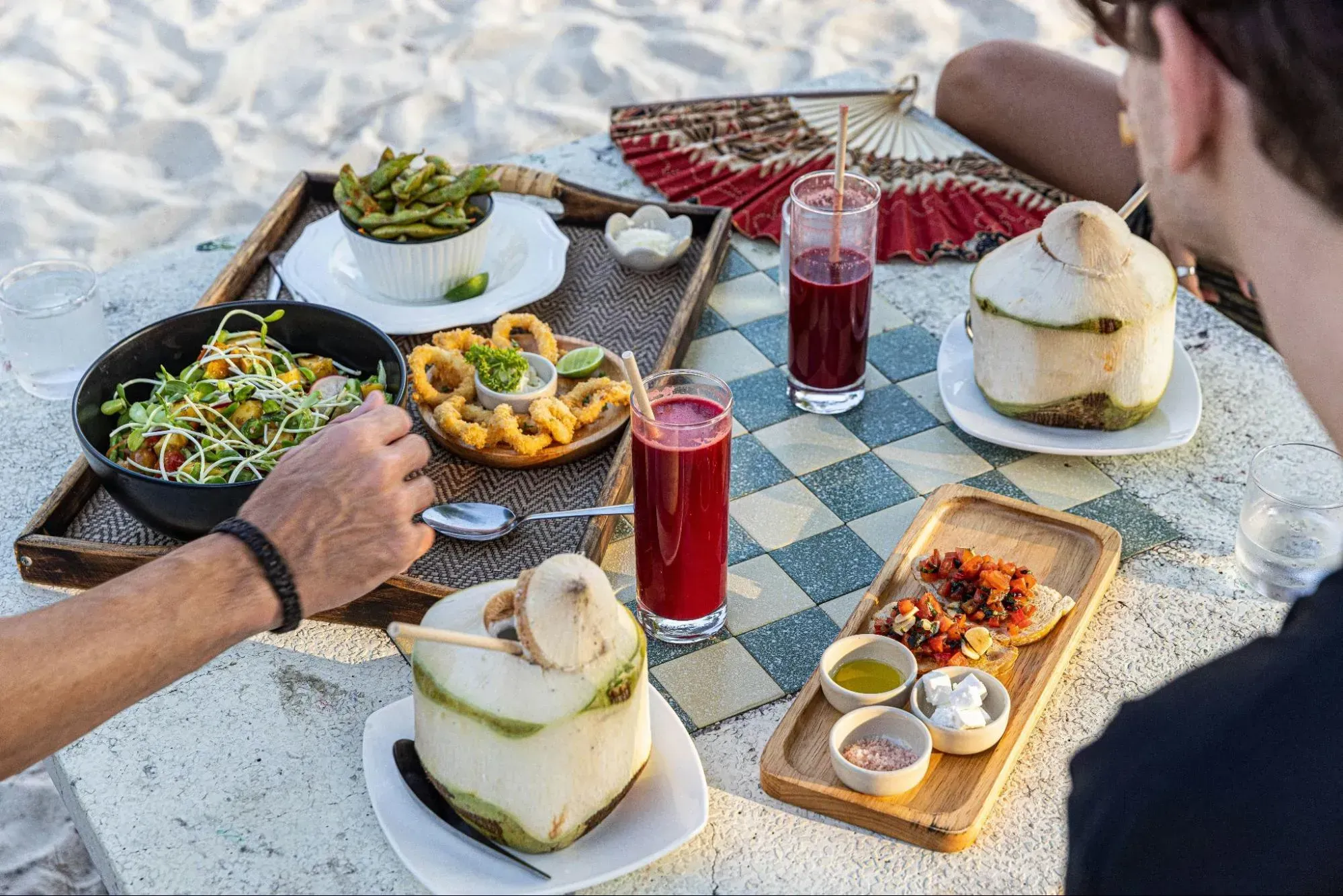
Maldivian food is built around two main ingredients: tuna and coconut. The flavors are fresher and more vibrant than what you might find at a typical buffet.
Mas huni is made with smoked tuna, grated coconut, onion, and chilli, all eaten with warm roshi flatbread. It is the national dish and a true breakfast of champions.
Garudhiya is a clear tuna broth served over rice, with lime and chilli on the side.
Hedhikaa are the popular 'short eats'- small fried snacks that are perfect to enjoy with sweet, milky tea.
Bis keemiya is a Maldivian version of the samosa, usually filled with tuna and cabbage.
Do you notice a pattern? Fish appears in almost every dish, since the islands have very little agriculture. Pork is not served, and alcohol is only available on resort islands, not on the local ones.
What should you know about Maldivian culture?
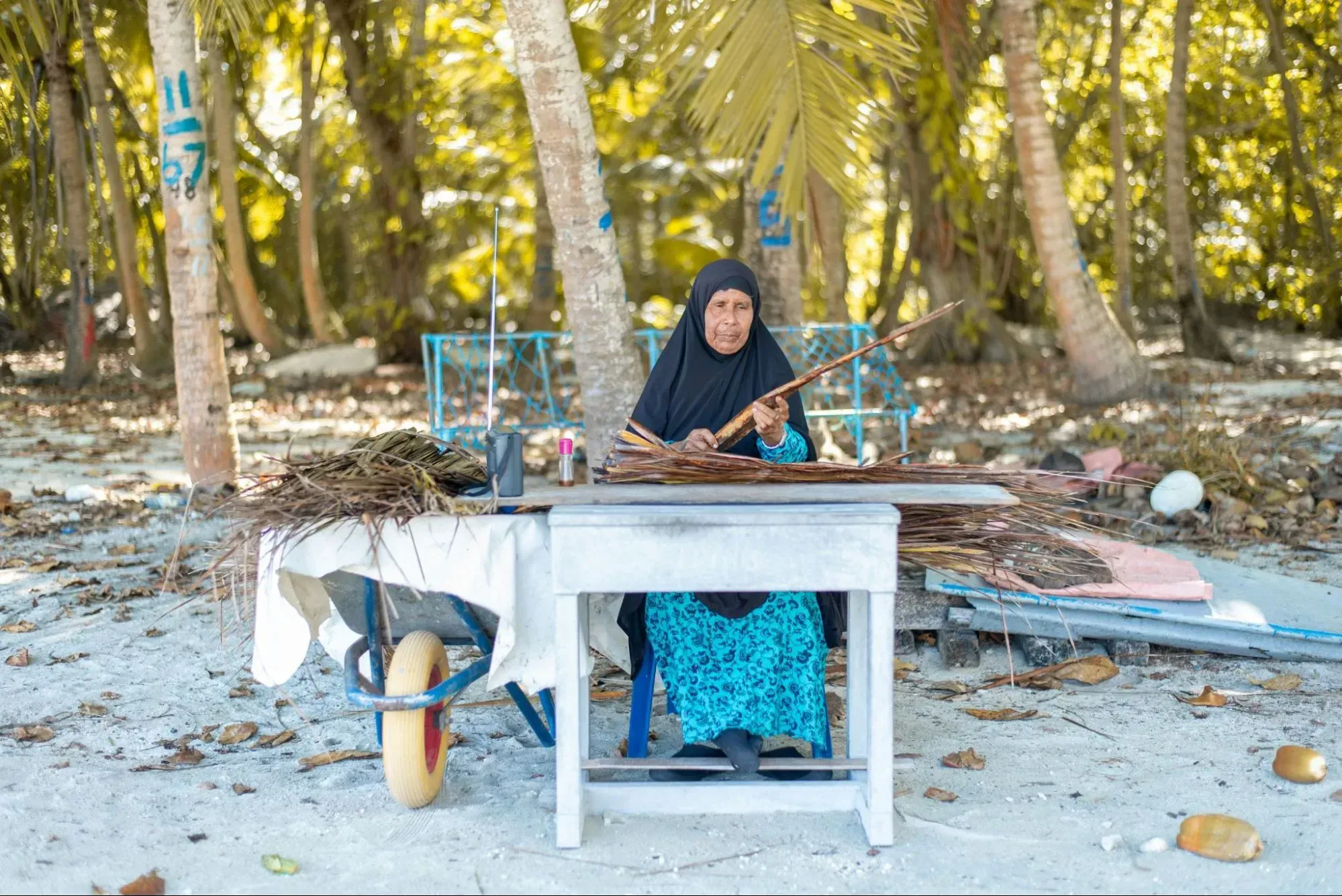
Here are a few things that make this place special. They also make great trivia for your next dinner conversation.
- The islands used to use shells as money. For centuries, cowrie shells were the currency here, and the Maldives was the main supplier, trading them as far as Africa.
- People here speak Dhivehi, which is written in a script called Thaana that goes from right to left. To say "thank you", use the word shukuriyaa. Give it a try, locals love it.
- The weekend here falls on Friday and Saturday instead of Saturday and Sunday. This means the working week runs from Sunday to Thursday, which is helpful to know if you need to visit a bank.
- When you leave the resorts, modest clothing is important. On local islands, make sure to cover your shoulders and knees when you are not on the tourist beach.
What should you buy in the Maldives?
Forget about fridge magnets, the real treasures here are handmade. The classic Maldivian craft is lacquerware, called liye laajehun, which includes glossy, hand-turned wooden boxes and vases. Thundu kunaa, the finely woven reed mats, are made using a skill passed down for centuries and make wonderful keepsakes. You can also find crafts made from coconut and shells. If you want to bring home a taste of the Maldives, look for local tuna products like smoked Maldive fish. A single cowrie shell is a simple but meaningful souvenir, reminding you of the days when these shells were used as money. Most of these items are available in resort boutiques, but you’ll find better prices in Malé if you have time to visit the capital.
What should you pack for the Maldives?
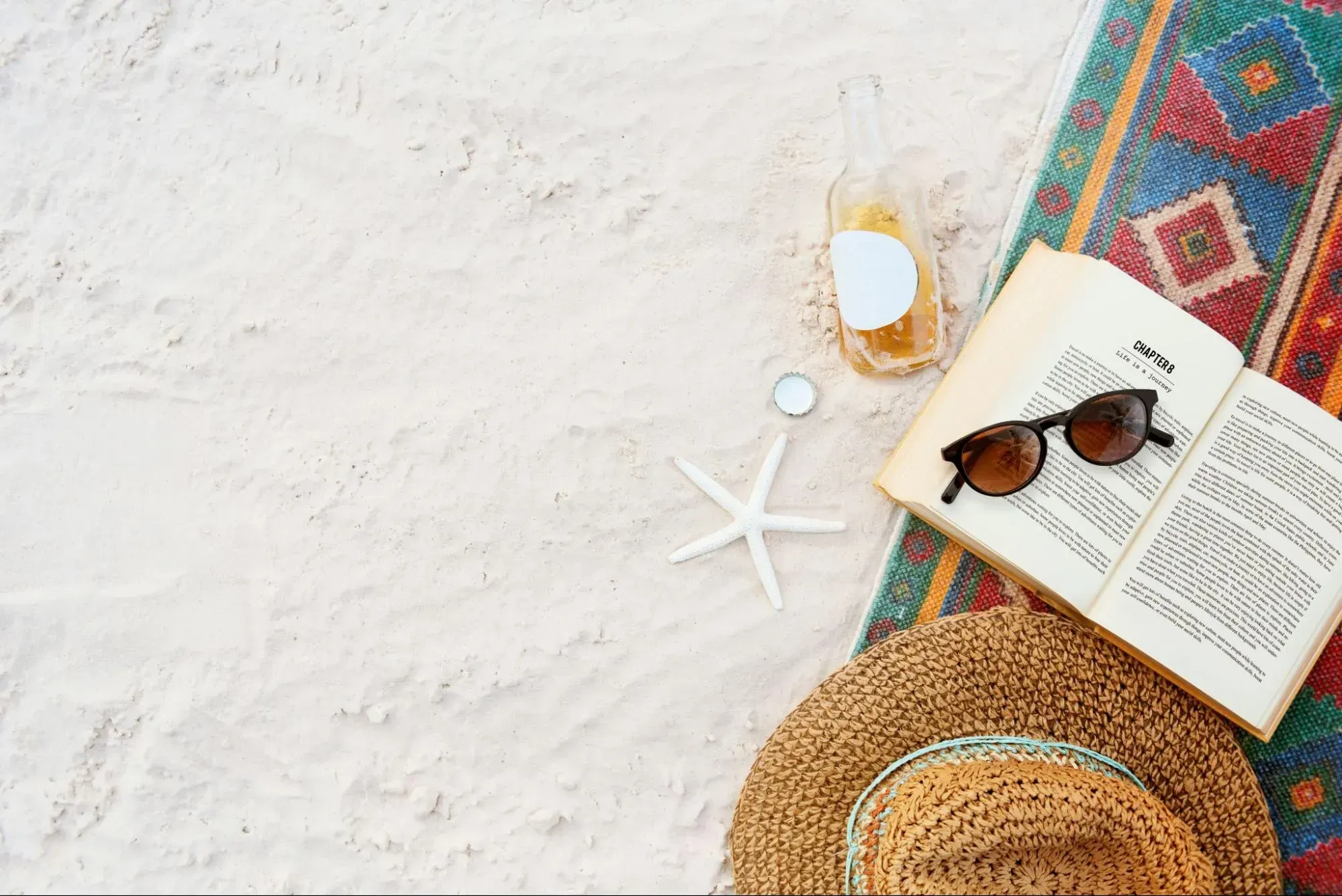
Pack light and smart; you probably won't wear half the clothes you bring. Here are the essentials:
- Bring reef-safe sunscreen. Many resorts ban regular sunscreen to protect coral, so make sure to pack your own and reapply it often.
- Pack light cotton or linen clothes, a few sets of swimwear, and flip-flops you won't mind losing.
- Bring a sarong or cover-up, especially if you plan to visit a local island.
- A dry bag and an underwater camera or GoPro are great to have, since exploring the reef is a highlight.
- Don't forget sunglasses, a hat, and after-sun lotion. The sun is strong here, even when it's cloudy.
- If you're visiting during the wet season, pack a light rain jacket.
- Bring motion-sickness tablets in case your speedboat transfer gets bumpy.
- Pack a universal adapter, as many resorts in the Maldives use UK-style three-pin sockets.
- Bring a reusable water bottle. Most resorts offer free refills of filtered water.
What will it cost, and what are the taxes?
Let’s start with money. The Maldivian rufiyaa (MVR) is the local currency, but you probably won’t need it much. Resorts usually price everything in US dollars, and you can use your card almost everywhere. It’s just a good idea to have a few dollars on hand for tips.
So, how much does it cost? The Maldives has options for all types of travellers, so prices vary a lot. The rates below are for rooms only, and they go up during the peak season from December to February.
Stay Type | Indicative rate per night |
Local island guesthouse | From around US$40 to US$150 |
Mid-range resort | Around US$300 to US$800 |
Luxury overwater resort | Around US$1,000 to US$3,000 |
Ultra-luxury (Soneva Jani, Cheval Blanc) | US$3,000 and beyond |
Resort pricing shifts by season and year, so make sure to check the particular resort’s official website before planning.
Before adding flights, a land-only stay for two people over four to five nights usually starts at about US$1,500 for a guesthouse, US$3,000 to US$6,000 for a comfortable resort, and from around US$8,000 for an overwater villa. Extras include a return seaplane transfer (about US$350 to US$600 per person), a green tax (US$12 per person per night at resorts), 17% TGST, and a 10% service charge. The room rate is just the beginning, so make sure to ask for the total price, including transfers and taxes, before you book.
Tribe Travel Tips
- Try to schedule your transfers during daylight hours. If you arrive late at the Maldives airport and need a seaplane, you might have to spend the night near Malé.
- Bring some US dollars as well as local rufiyaa. US dollars are useful for tipping.
- Choose an island that fits your holiday. Honeymooners usually prefer a quiet setting, while families often look for a kids' club and a shallow lagoon.
- Travel during the shoulder season for better value. April to May and October to November usually offer good weather without the high prices of peak season.
Read the Maldives Travel Tips blog to know more tips that will help you plan your Maldives holiday.
Plan Your Maldives Holiday
Choose the right month, pick an atoll that fits your style, and arrange your transfer early. Once you do that, you can relax and enjoy sunsets and snorkelling. While everyone talks about the best time to visit, the real magic is in the details, like finding the perfect house reef, the right villa, or a quiet sandbank just for you. At Holiday Tribe, we create Maldives holidays focused on these details. Our planning tool helps match you with the best resort, season, and transfers for your holiday. When you are ready to turn this guide into your own adventure, our team is here to help you plan.