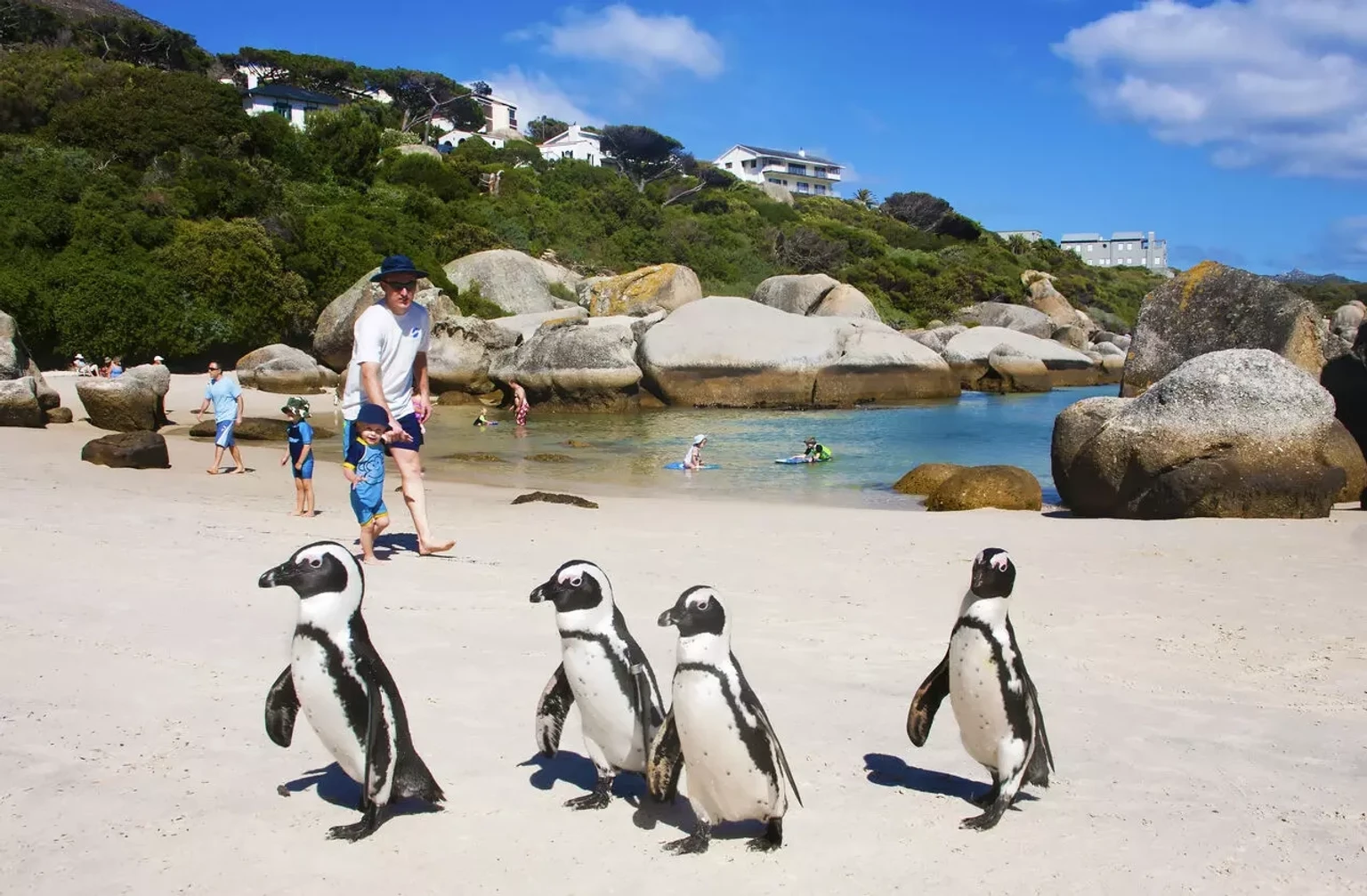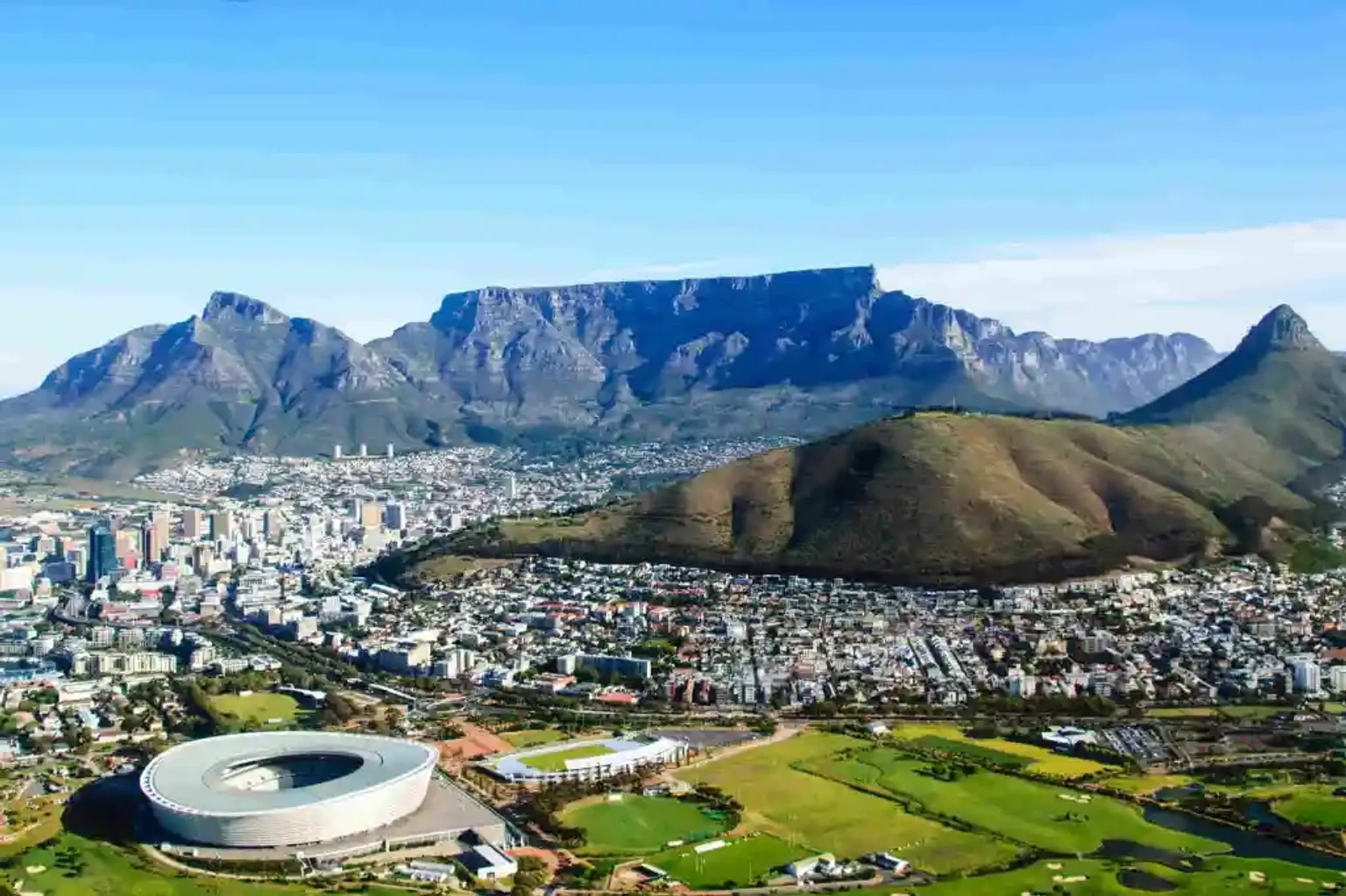


Cape Town is a popular destination in South Africa, famous for its coastline, rich culture, and landmarks like Table Mountain and the V&A Waterfront. The city also protects important historical sites. Robben Island, found in Table Bay, is one of the most significant. Once a place of imprisonment and isolation, it now welcomes visitors as the Robben Island Museum.
This guide includes Robben Island's history, details about prison tours, visitor information, ticket options, and practical tips to help you plan your visit.
Why Is Robben Island History Still Important Today?
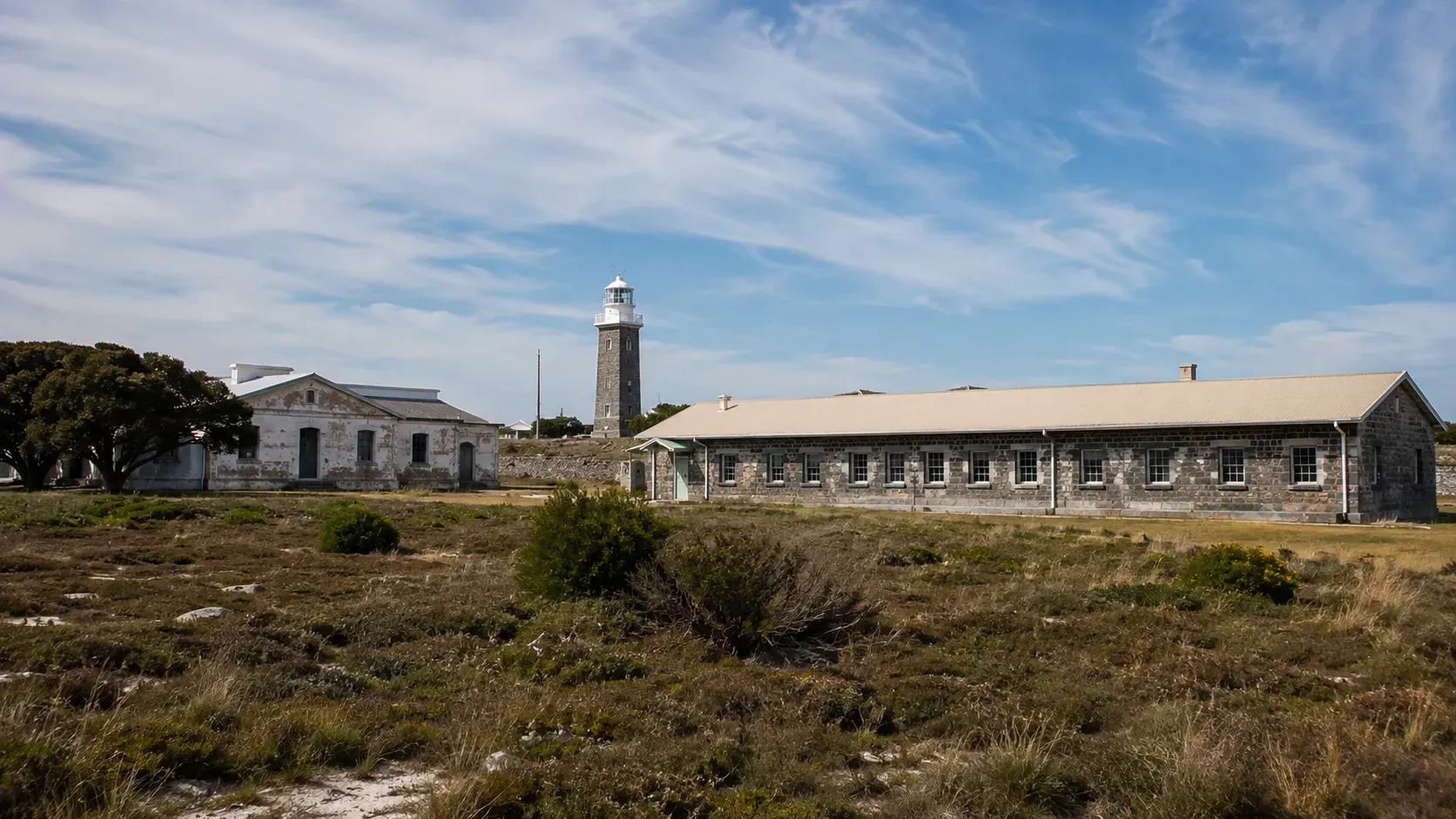
The Robben Island history stretches back more than 500 years. The island's name comes from the Dutch word for seal (rob), and it has served multiple purposes depending on who held power in the Cape at any given time.
- 17th century: The Dutch East India Company used the island as a place of banishment for political leaders and opponents from the region, including chiefs from Batavia and the Cape
- 18th to 19th centuries: British colonial authorities converted the island into a leper colony, and it also served as a mental hospital and animal quarantine station for much of this period
- 1961 to 1991: The apartheid government converted Robben Island into a maximum-security prison, holding South Africa's most prominent political opponents, including ANC and PAC members
- 1991: The last prisoners were released
- 1997: The island opened as a Robben Island Museum and national monument
- 1999: UNESCO recognised it as a World Heritage Site
Period | Use | Key Events |
17th century | Place of banishment | Dutch colonial political exiles |
18th to 19th century | Leper colony and mental hospital | British colonial administration |
1961 to 1991 | Maximum-security prison | Apartheid-era political prisoners |
1991 | Prison closed | Last prisoners released |
1997 | Opened as a museum | National monument declared |
1999 | UNESCO World Heritage Site | International recognition |
What Makes the Robben Island Jail and Nelson Mandela's Cell So Significant?
The Robben Island jail operated as a maximum-security prison for 30 years, from 1961 to 1991. During this period, it held many of South Africa's most significant political figures, including Walter Sisulu, Govan Mbeki, Ahmed Kathrada, and Robert Sobukwe.
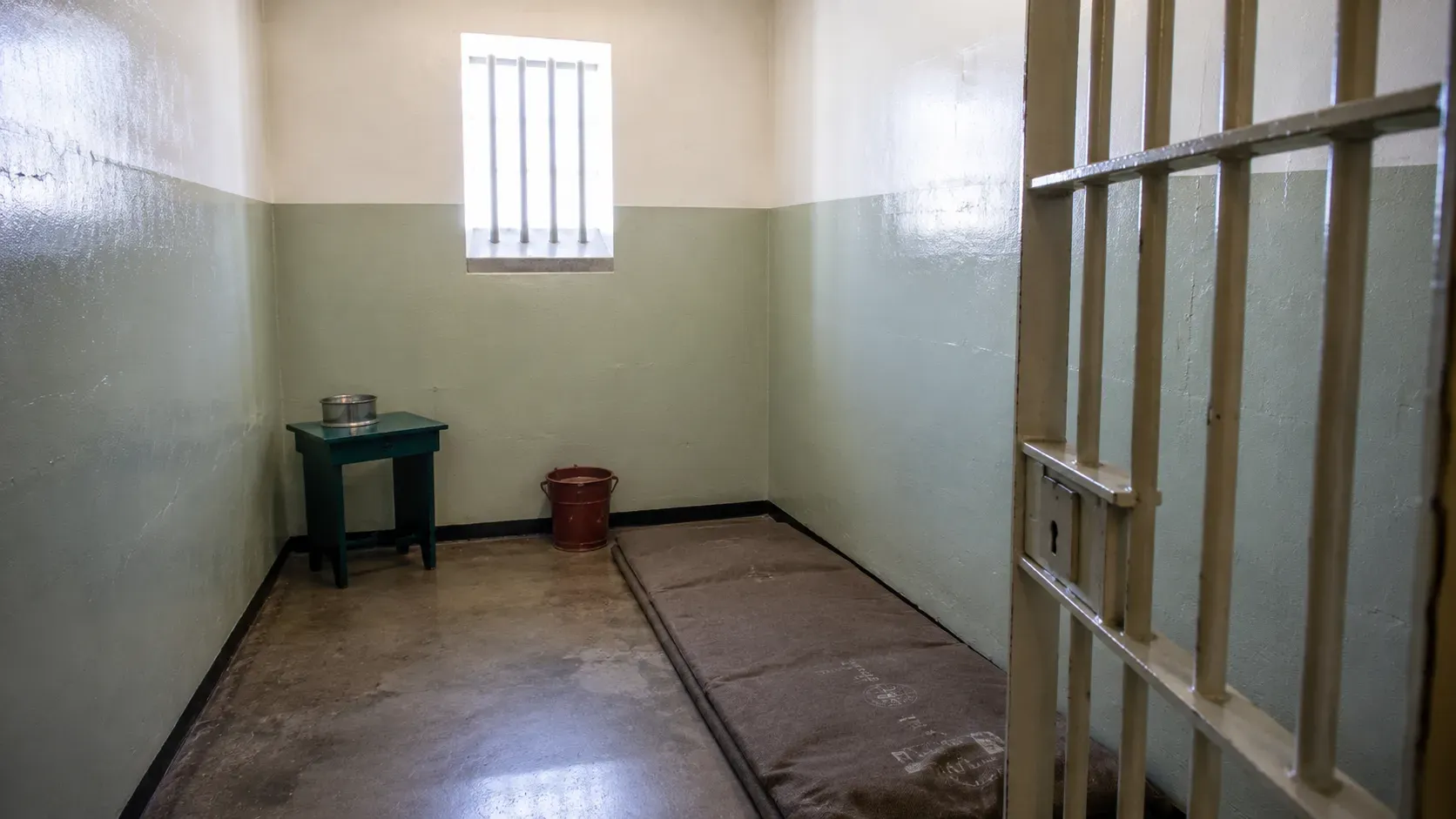
Nelson Mandela’s Robben Island imprisonment accounted for 18 of his 27 years in captivity. His cell in Section B was about 2.4 metres by 2.1 metres. Today, it looks just as it did during his time there, with a sleeping mat on the floor, a bucket for a toilet, and a small desk. This cell is one of the main stops on the Robben Island tour and can be seen from the doorway with your guide.
One of the most remarkable things about the Robben Island jail years was what the prisoners achieved together. They shared knowledge, passed books between cells, and studied through correspondence. This effort became known as the "Robben Island University." Many prisoners left the island with university degrees.
Nelson Mandela's imprisonment on Robben Island ended on 31 March 1982, when he was transferred to Pollsmoor Prison in Cape Town. He was not released from Victor Verster Prison until 11 February 1990.
Detail | Information |
Nelson Mandela's years on Robben Island | 18 (of 27 total years in prison) |
Cell location | Section B, Maximum Security Prison |
Cell dimensions | Approximately 2.4m x 2.1m |
Cell contents | Sleeping mat, bucket, small desk |
Other notable prisoners | Walter Sisulu, Govan Mbeki, Ahmed Kathrada, Robert Sobukwe |
What Can You Expect at the Robben Island Museum?
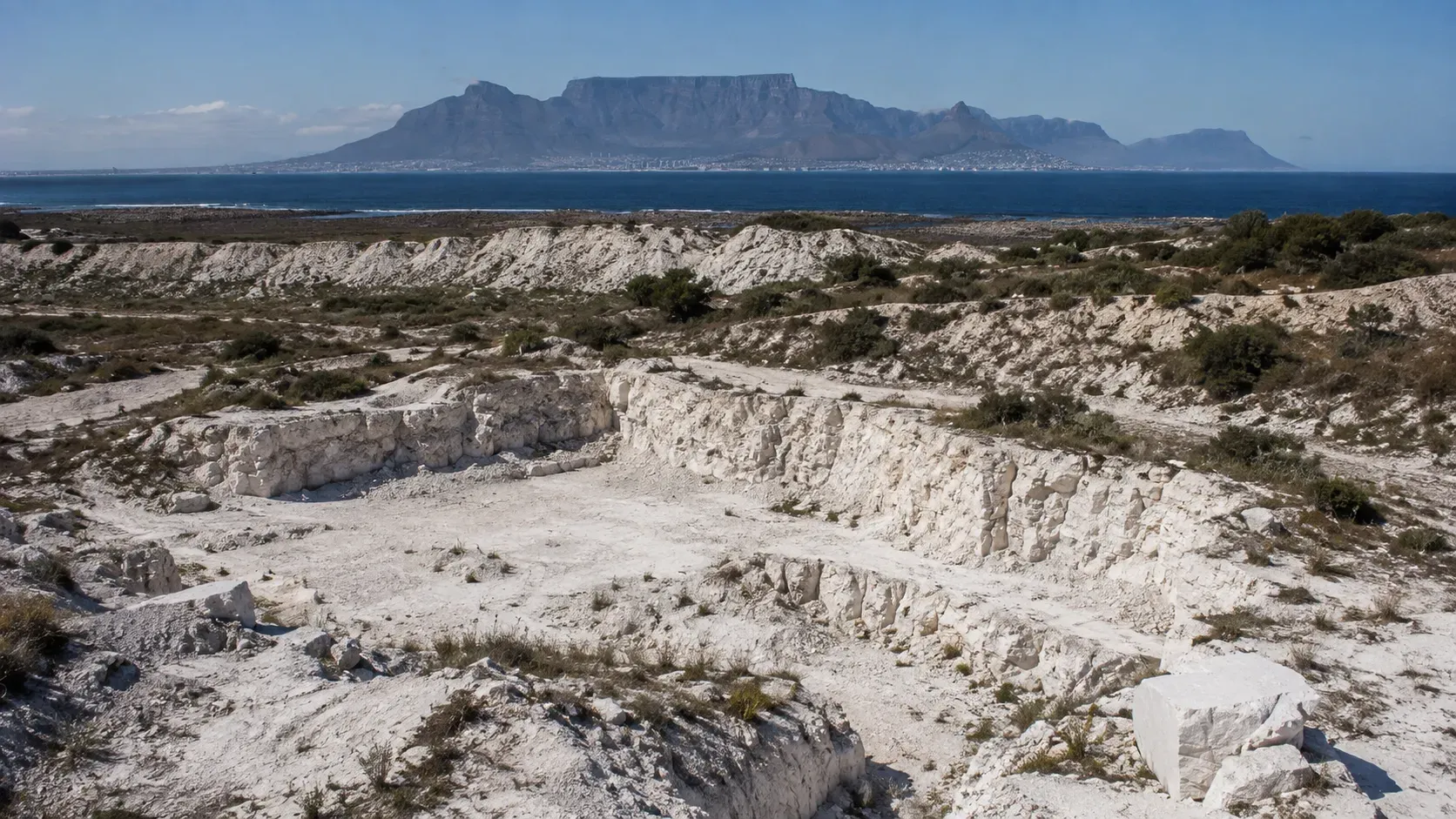
The Robben Island Museum was set up in 1997 by the Department of Arts and Culture. It is run by the Robben Island Museum (RIM), which manages, maintains, and presents the island as a national estate and World Heritage Site.
The Robben Island Museum is not a single building. It covers the entire island, including multiple sites:
- The maximum-security prison: The centrepiece of the visit, including Section B, where the site associated with Nelson Mandela's Robben Island imprisonment can be viewed.
- The lime quarry: Where prisoners were forced to do hard labour; the reflected glare from the white lime damaged the eyesight of many prisoners, including Mandela, permanently
- The village: Former wardens' residences and administrative buildings
- The natural environment: The island is also home to a colony of African penguins and diverse bird life, visible from the bus tour
One thing that makes the Robben Island Museum special is its guides. Many of them are former political prisoners who were once held in the Robben Island jail. Their stories are firsthand and powerful, offering insights you won't find anywhere else.
Detail | Information |
Established | 1997 |
UNESCO designation | 1999 |
Managed by | Robben Island Museum (RIM), a public entity |
Sites covered | Maximum-security prison, lime quarry, village, ecology |
Guide background | Many are former political prisoners |
Is the Robben Island Tour Worth Adding to Your Cape Town Holiday?
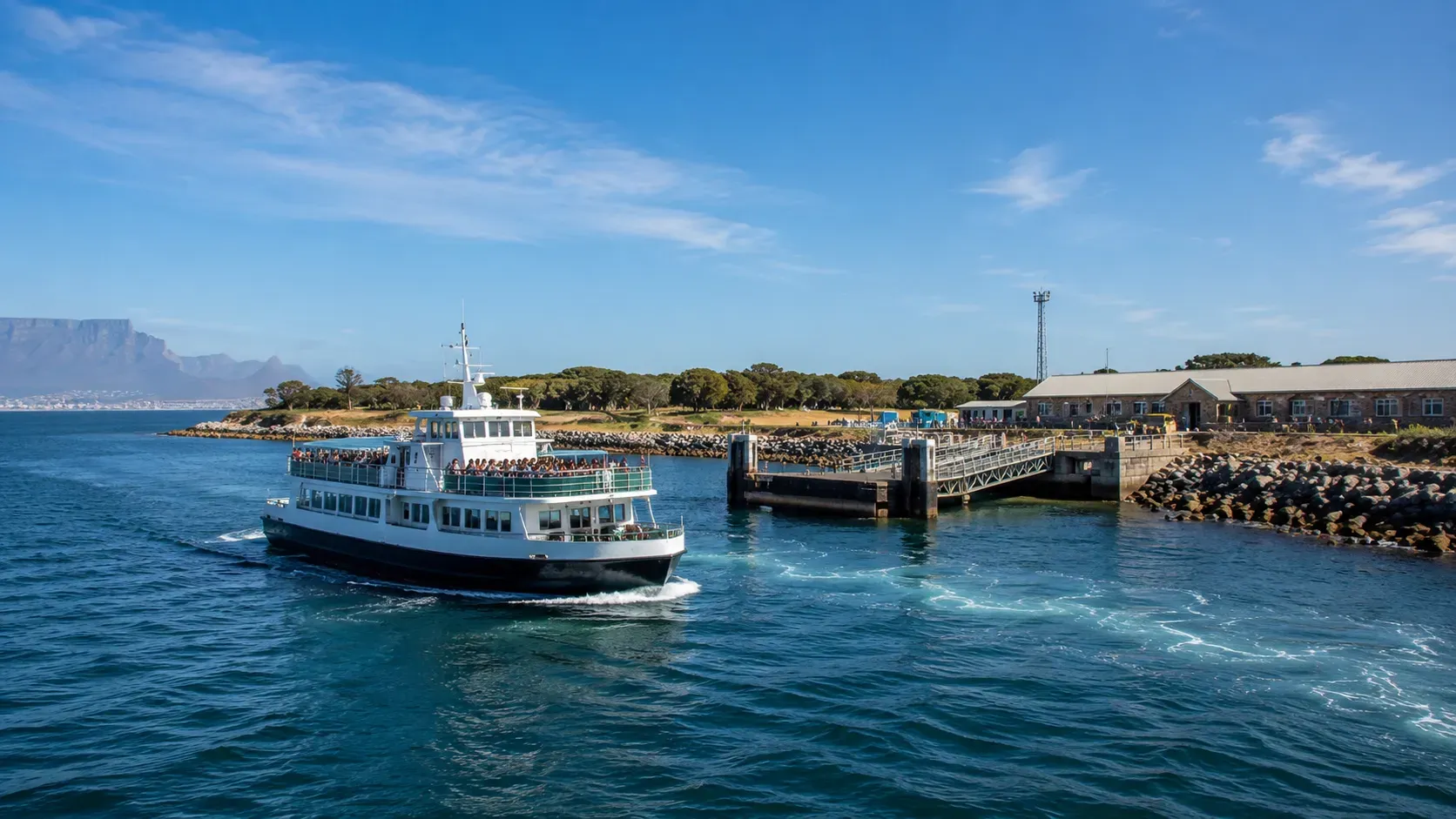
The Robben Island tour starts at the Nelson Mandela Gateway in the Clock Tower area of the V&A Waterfront in Cape Town. The Gateway building is also a museum with exhibits about South Africa's political history. Plan to spend 15 to 20 minutes exploring it before your ferry leaves.
Tour times (2026, per Robben Island Museum): 09:00, 11:00, 13:00, and 15:00 daily. Additional tours may be added during peak demand periods.
What is included in the Robben Island tour:
- Return ferry crossing from the V&A Waterfront to Murray's Bay Harbour on the island's east coast
- Guided bus tour of the island's historical sites, including the lime quarry and key buildings
- Walking tour of the maximum-security prison, including Nelson Mandela’s Robben Island cell in Section B, led by a former political prisoner
Duration: The whole tour takes about 3.5 to 4 hours, including the ferry ride back and forth. The ferry usually takes around 30 minutes each way, but it can take up to an hour if the sea is rough or the boat is slower.
Ticket prices (2026, approximately):
Visitor Type | Price (2026) | Notes |
International adults | R600 | Includes return ferry + full tour |
International children (under 18) | R310 | Valid ID required at check-in |
South African adults | R400 | Valid ID required at check-in |
South African children (under 18) | R210 | Valid ID required |
Tribe Travel Tip: Prices are subject to change. Confirm current rates at the official website of Robben Island Museum.
You need to book your Robben Island tour tickets in advance. The Robben Island Museum suggests booking 2 to 4 weeks in advance if you plan to visit during the busy season, from September to April. Tours depend on the weather and sea conditions and may be cancelled at short notice.
Departure Times | Total Duration | What's Included | Ticket Price (Intl.) | Booking |
09:00, 11:00, 13:00, 15:00 | 3.5 to 4 hours | Ferry, bus tour, prison walk | R600 per adult | robben-island.org.za |
What Happens if Your Ferry Is Cancelled?
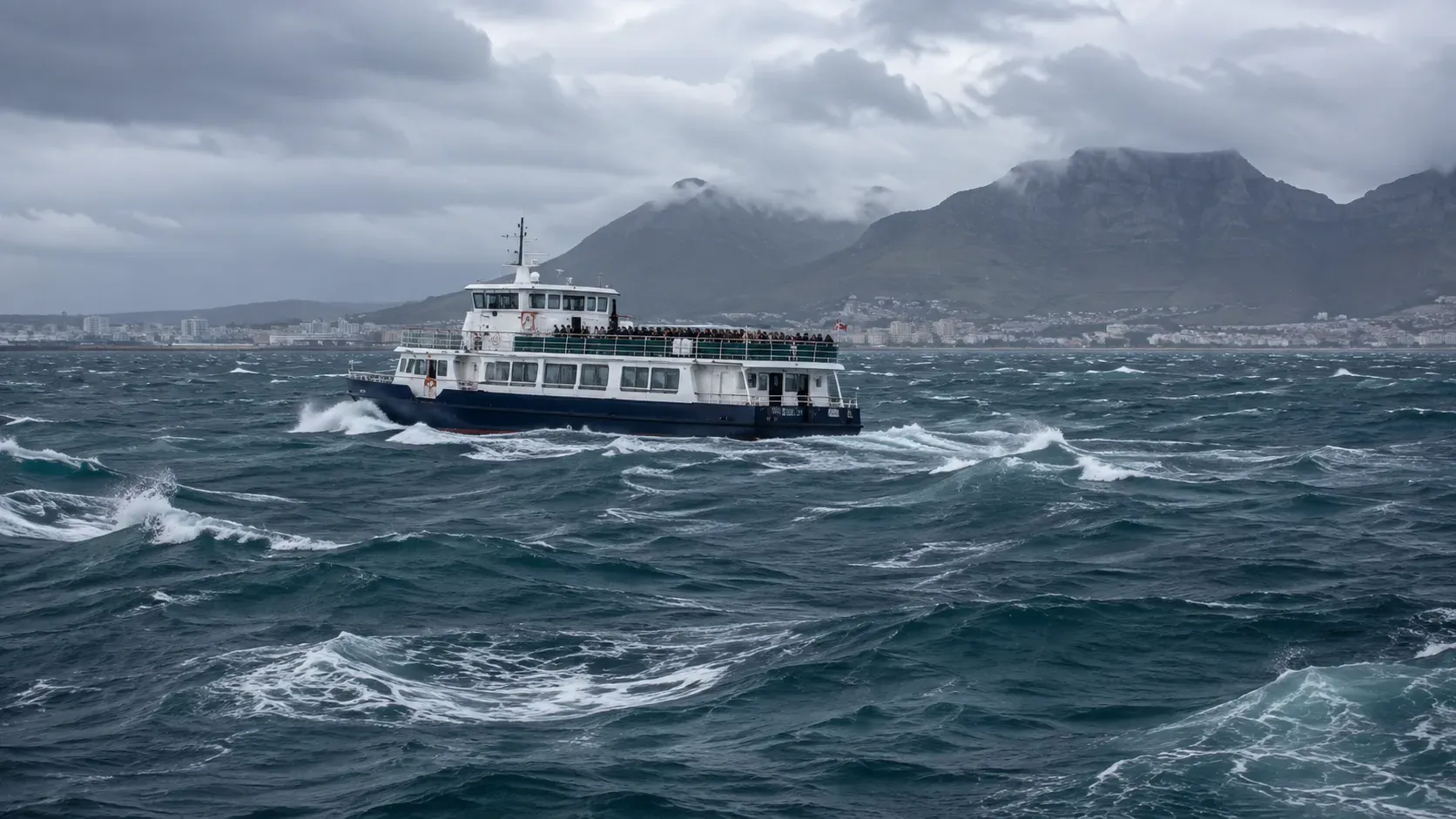
Weather in Table Bay can sometimes disrupt ferry rides, especially in winter. If your ferry is cancelled, the Robben Island Museum will follow its official cancellation and rebooking policies and will contact you using the details you provided when booking.
- Ferry cancellations are usually related to sea conditions.
- Visitors may be offered rebooking or refund options.
- Check your email for service updates before leaving for the terminal.
- Confirm current policies when booking your Robben Island tour.
How Do You Reach Robben Island From Cape Town?
To visit Robben Island from Cape Town, you start at the Nelson Mandela Gateway in the Clock Tower area of the V&A Waterfront in Cape Town. Everyone boards the ferry here, so it's a good idea to plan your route ahead of time for a smoother getaway.
- MyCiTi Bus Routes 107 and 108 connect central Cape Town to the V&A Waterfront.
- Taxi and ride-hailing services operate throughout the city.
- Paid parking is available within the Waterfront complex.
- Arrive at least 30 minutes before departure to check in and board your Robben Island visit.
What Should You Know Before You Visit Robben Island Cape Town?
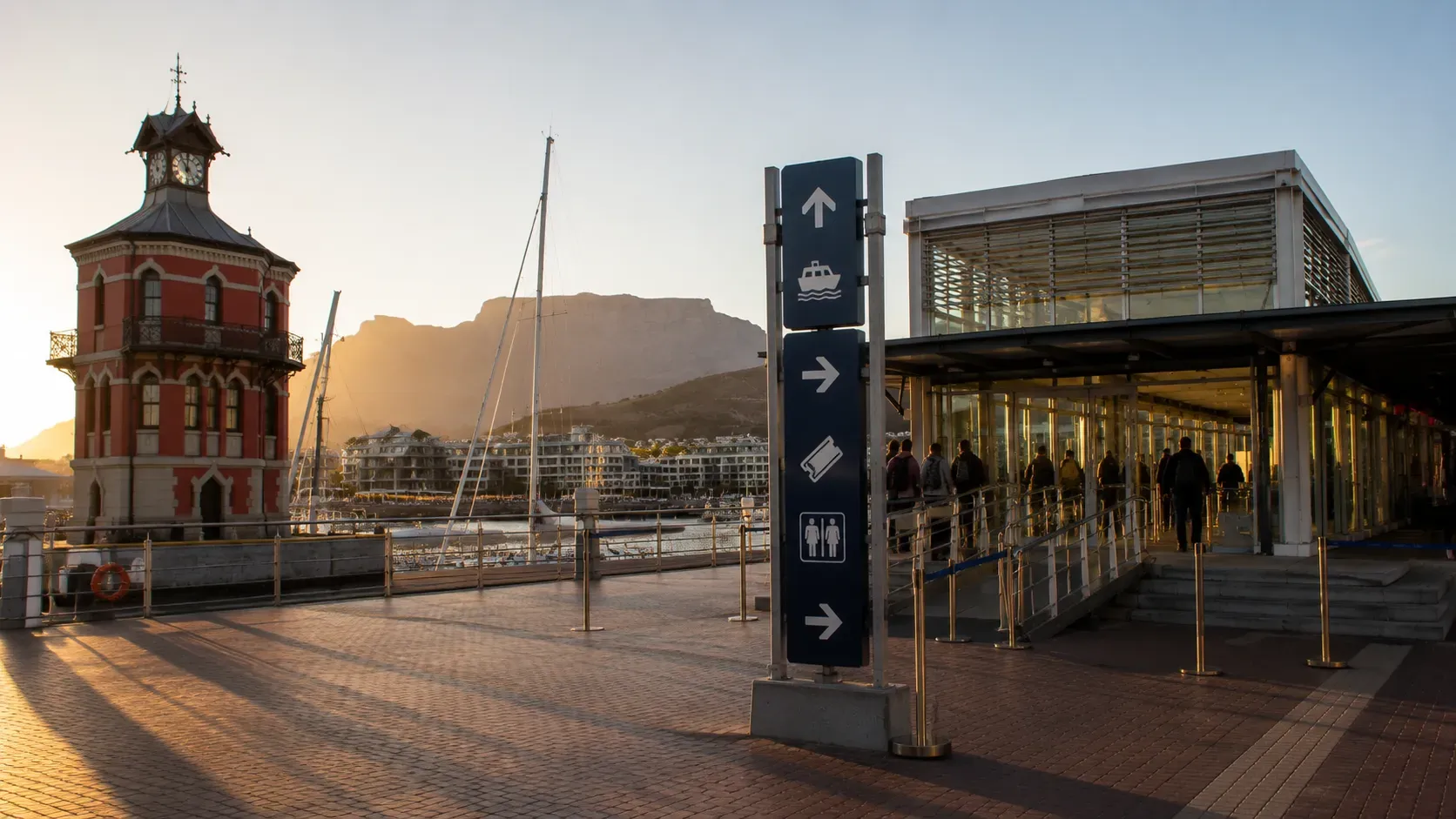
Visit Robben Island Cape Town begins at the Nelson Mandela Gateway at the V&A Waterfront; this is the only permitted departure point. Private boats are not allowed to land on the island. There is no other way to access Robben Island.
How to book:
- Book directly at the official Robben Island Museum website; this is the only official ticketing channel
- Do not purchase from unauthorised resellers; tickets from unofficial sources carry the risk of invalidity
- Cancellations require 48 hours' notice and are subject to an administration fee (per the official FAQ)
Getting to the Nelson Mandela Gateway:
- MyCiTi Bus Routes 107 and 108 connect the Cape Town CBD to the V&A Waterfront
- Taxi and Uber services operate to the Waterfront from across Cape Town
- The Clock Tower precinct, where the Gateway is located, is clearly signposted within the Waterfront
What to bring:
- Passport or ID for check-in at the Gateway
- Comfortable, closed shoes suitable for outdoor walking; parts of the tour cover uneven ground
- Seasickness medication if you are prone to motion sickness; take it one hour before boarding (per the official Robben Island Museum FAQ)
- Layers: The island can be significantly windier and cooler than Cape Town, particularly in the morning
Best time to visit Robben Island Cape Town: Winter months (June to August) see Atlantic swells exceeding 2 metres, which regularly result in Robben Island tour cancellations. Summer visits between November and April offer the most reliable ferry crossings and the clearest conditions.
Detail | Information |
Departure point | Nelson Mandela Gateway, V&A Waterfront, Cape Town |
Getting there | MyCiTi Bus 107/108 or taxi/Uber |
What to bring | ID, closed shoes, seasickness medication, warm layers |
Cancellation policy | 48 hours' notice required; admin fee applies |
Best season | November to April (fewest weather cancellations) |
Final Takeaway
Visiting Robben Island is much more than just seeing an old prison. You'll explore the preserved prison buildings, see Nelson Mandela's Robben Island cell, visit the lime quarry, and hear powerful stories from your guides. Each part of the Robben Island tour helps you better understand South Africa's history. Book your tour in advance and try to visit between November and April to make the most of your Robben Island experience in Cape Town.
If you're planning a holiday to Cape Town, South Africa, Holiday Tribe’s holiday advisors can help you build an itinerary that matches your interests, or you can choose from our ready-made packages.