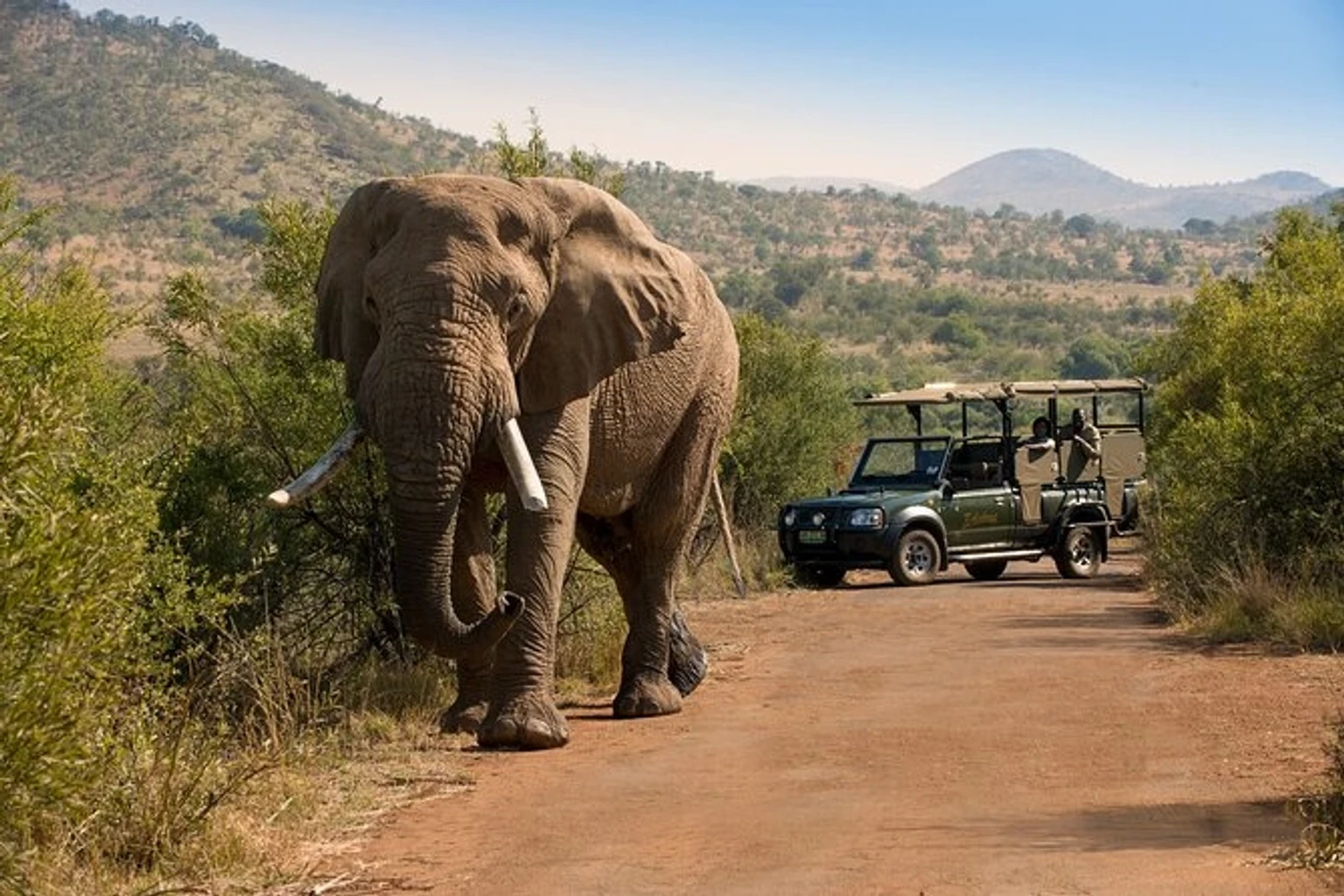


Close your eyes for a second and imagine golden grass swaying under an orange sky, a herd of elephants ambling toward a waterhole, and the distant call of a lion echoing across the bush. That is what a holiday to Kruger National Park South Africa feels like, and it is exactly why this park sits on so many travel bucket lists. Whether you are dreaming of your first Big Five sighting or simply want a break from city life, this guide will walk you through everything you need to know before you go, from the best time to visit to where you should stay and how many days to plan for your adventure.
Why Visit Kruger National Park in South Africa?
There is a reason Kruger National Park often comes up first when people talk about wildlife safaris. It is one of Africa’s largest and oldest game reserves, covering nearly 20,000 square kilometres in the northeast of South Africa.
Kruger is special not just because of its size. The park has a wide range of landscapes, from open savannah to river forests, each with its own mix of wildlife. There are nearly 150 mammal species and hundreds of bird species here.
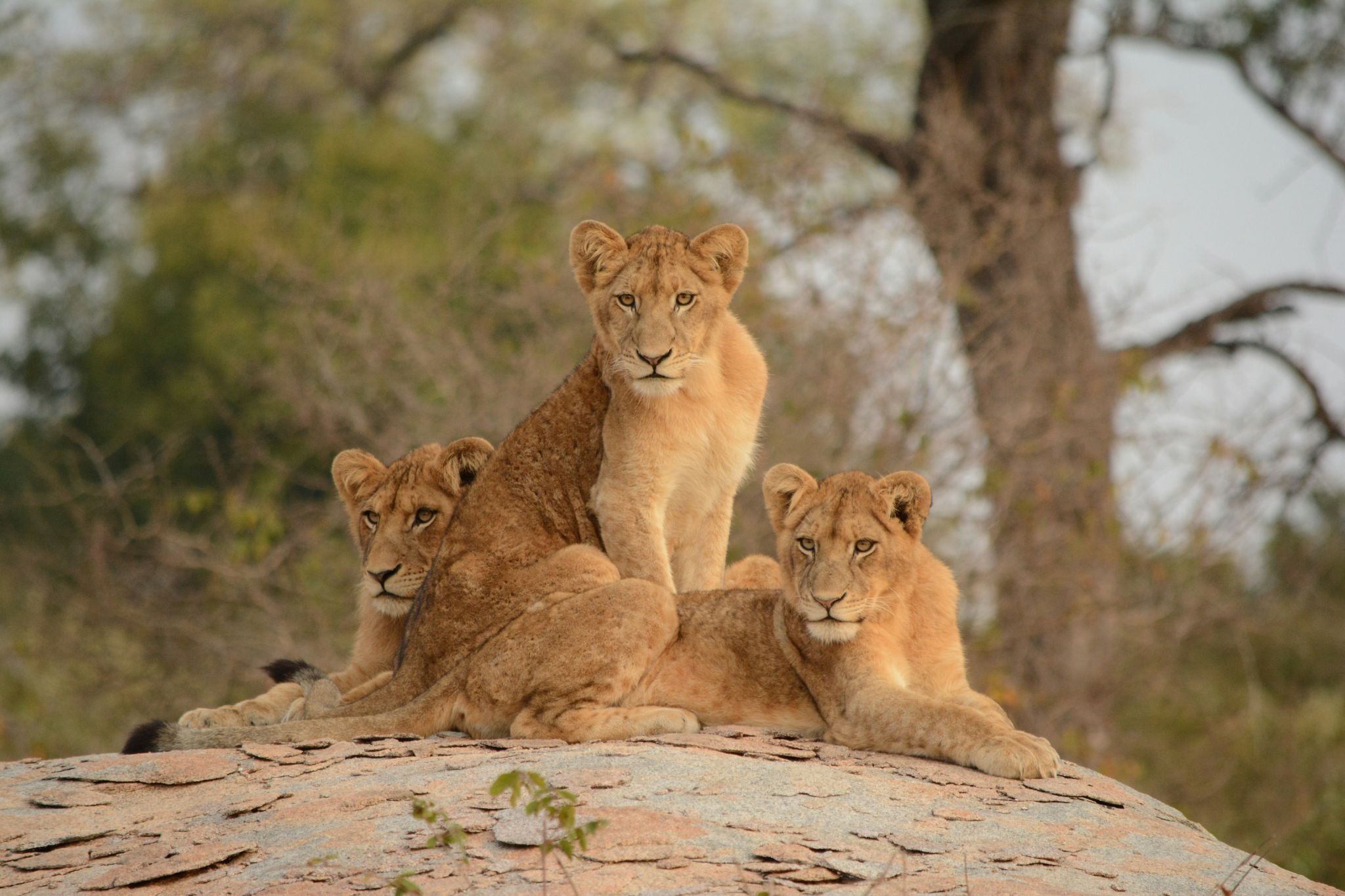
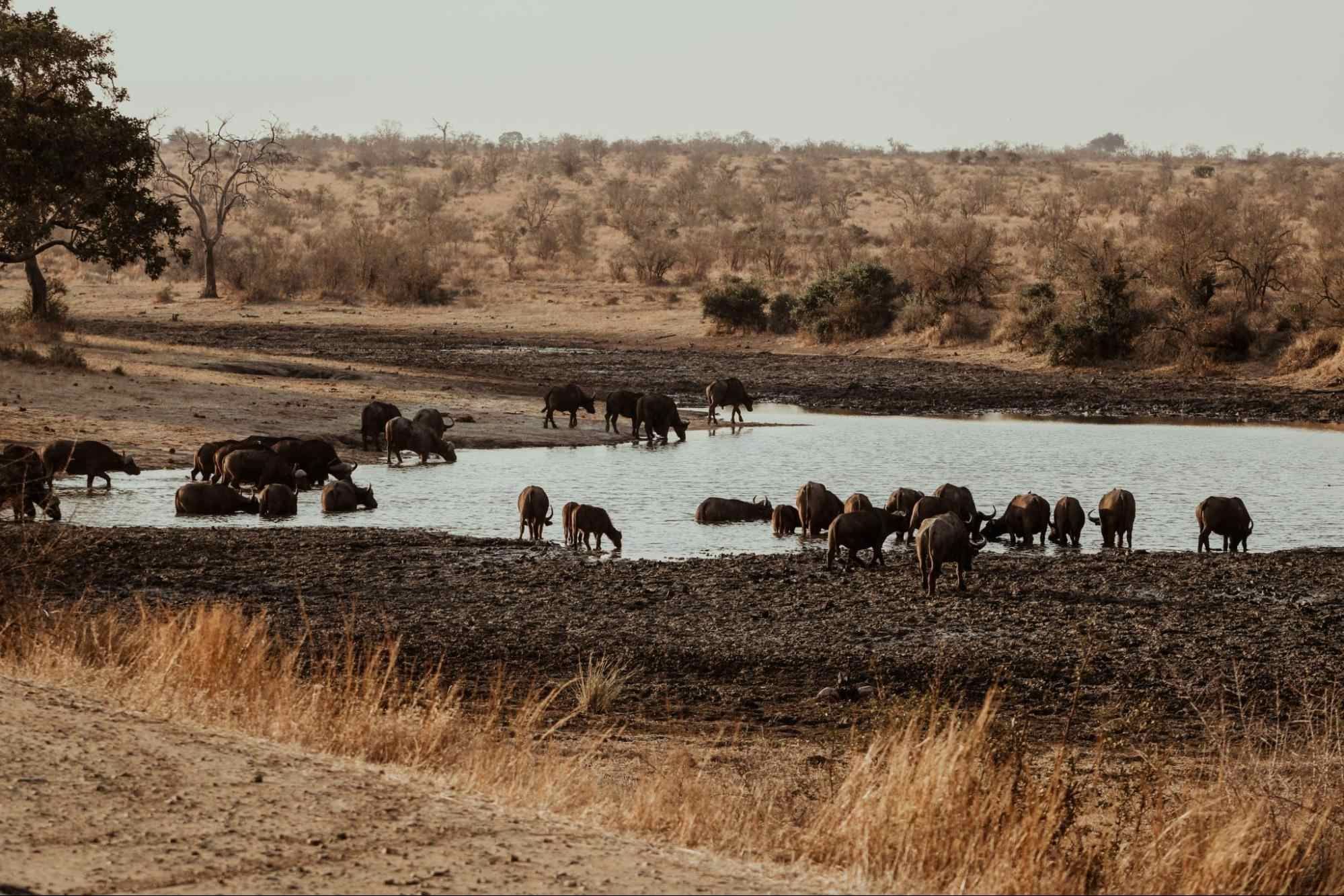
Of course, the biggest attraction is the Big Five. Kruger is home to an estimated 12,000 elephants, 2,000+ white rhinos, 27,000+ buffalos, more than 3000 lions, and around 1,200 leopards. Spotting all five in one holiday is not guaranteed, but your chances here are better than almost anywhere else in Africa.
For first-time safari travellers, Kruger also has a big practical advantage. Unlike some private reserves that require you to book through a lodge, Kruger is a public national park with well-maintained roads, clear signage, and rest camps that make it easy to explore, whether you are on a guided safari in South Africa Kruger National Park style or driving yourself.
Tribe Travel Tip: If this is your first safari, try not to worry about seeing the Big Five right away. Nature has its own timing, and some of the best moments happen when you least expect them.
Best Time to Visit Kruger National Park in South Africa
Although Kruger is a year-round destination, the time you choose to visit does change the experience quite a bit.
Dry season (May to September)
- This is winter in South Africa and is often seen as the best time to visit Kruger for game viewing.
- The bush becomes thinner, plants die back, and animals gather at rivers and waterholes, making them much easier to see.
- Days are warm and pleasant, but early-morning game drives can be cold. Be sure to pack a jacket.
Green season (November to April)
- This is the wet summer season, so you’ll see the landscape turn lush and green, birdlife explode with migratory species.
- Many animals also give birth during these months, so you will likely see newborn impalas, wildebeest, and more.
- The downside is that the thick vegetation can make it harder to spot wildlife.
Shoulder season (April, October)
- These months fall between the main seasons and are a bit of a hidden gem.
- In April, the rains are ending, so the bush is still green but starting to thin. In October, the heat arrives before the rains, and animals gather around the last water sources.
- You get good game viewing and fewer crowds, since these months are outside the main South African school holidays.
Here’s a quick overview of what you can expect to find in your visit to Kruger National Park South Africa in all the seasons:
Season | Months | Highlights |
Dry (Winter) | May to September | Best game viewing, cool evenings, sparse vegetation |
Green (Summer) | November to April | Lush scenery, birdwatching, newborn animals, occasional storms |
Shoulder | April, October | Fewer crowds, good balance of weather and sightings |
Tribe Travel Tip: If seeing wildlife is your top goal, plan your vacation between July and September.
How to Get from Johannesburg to Kruger National Park
Most holidays to Kruger start in Johannesburg, which has South Africa’s busiest international airport. From there, you have several ways to reach Kruger National Park.
- Self-drive: Renting a car in Johannesburg and driving yourself is popular, especially if you want to stop along the scenic Panorama Route. Depending on which gate you choose, the drive takes about four to six hours.
- Flights: If you want to skip the drive, you can take a domestic flight from Johannesburg to airports near Kruger, such as Skukuza, Kruger Mpumalanga International, and Hoedspruit. The flight takes about an hour, which saves a lot of time if your holiday is short.
- Shuttle services: Private shuttles run between Johannesburg and different points near the park. This is a comfortable option if you do not want to drive or have to fly.
- Organized tours: Many travellers prefer booking a Johannesburg Kruger National Park tour that bundles transport, accommodation, and game drives into a single package, which takes away the hassle of planning entirely.
Tribe Travel Tip: If you do not have much time, flying saves you a full day of travel each way. You can use that time for more game drives.
Should You Choose a Guided Safari or Self-Drive?
This is one of the make-or-break decisions you will take when planning your holiday, so choose carefully.
Advantages of guided safaris
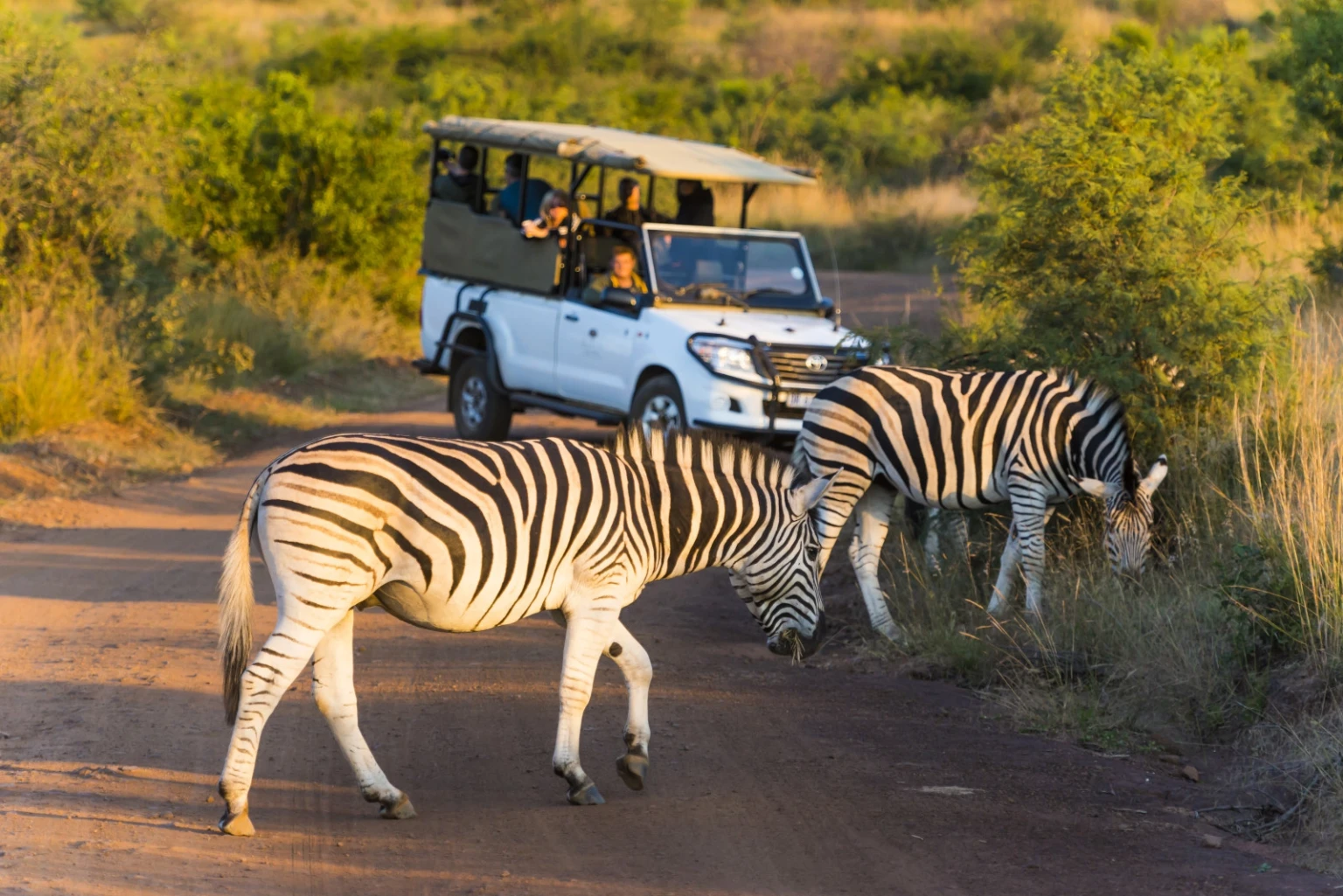
On a guided safari in Kruger, an experienced ranger drives you, knows where to find animals, and explains what you see along the way.
Guides also handle all the logistics, so you do not have to worry. This is a great choice if you want expert advice and do not want to think about navigation or park rules.
Advantages of self-driving
Self-driving gives you complete flexibility. You choose when to stop, how long to stay at each sighting, and which routes to take.
What Works Best for a First Timer
If you are nervous about spotting wildlife on your own or unfamiliar with driving in South Africa, a Johannesburg Kruger National Park tour or guided safari is the easier, more relaxed choice.
Where to Stay in Kruger National Park?
Kruger has two main types of accommodation, and where you stay can shape your whole holiday experience.
Rest camps vs private lodges
Rest camps are run by South African National Parks and tend to be more affordable, with self-catering options, shops, and restaurants on site.
Private lodges, often in reserves bordering Kruger, offer a more luxurious, all-inclusive experience with guided game drives included.
Why Skukuza Rest Camp is popular
Among the rest camps, Skukuza rest camp accommodation stands out as the largest and most well-equipped option in the entire park.
Sitting on the banks of the Sabie River, it has a shop, multiple restaurants, a swimming pool, a fuel station, and even a small medical clinic.
It also sits right in prime Big Five territory, so you do not need to travel far for excellent game viewing.
Tips for Booking Accommodations
Book well ahead, especially if your holiday falls during South Africa's school holidays or the peak of the dry season.Rest camps fill up quickly, and popular options like Skukuza rest camp accommodation can be sold out months in advance.
Tribe Travel Tip: If your budget allows, splitting your stay between a rest camp in the south and one further north gives you a broad taste of Kruger’s varied landscapes.
Choosing the Right Gate: Is Crocodile Bridge a Good Option?
 With nine entrance gates scattered across Kruger, picking the right one matters more than you realise.
- Location and accessibility
Crocodile Bridge South Africa sits in the far easternmost corner of the park, close to the Mozambican border, along the banks of the Crocodile River. It is a quieter, less crowded entry point compared to the busier southern gates.
- Wildlife sightings
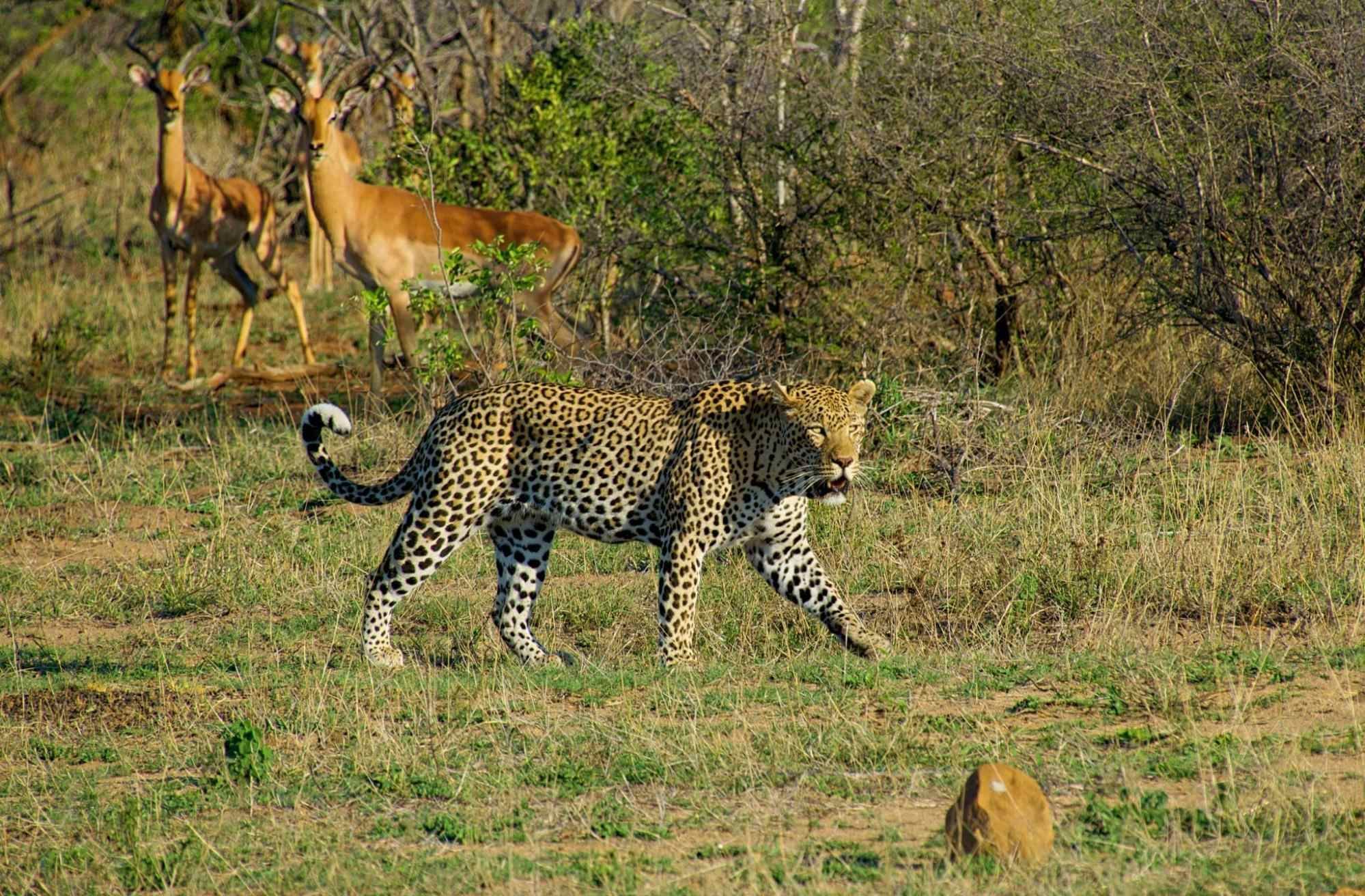
This area is known for its impressive lion population, thanks to the open grassland, locally known as the Southern Circle, which supports several prides. It is also a good spot for buffalo and general plains game.
Should You Use This Entrance?
Crocodile Bridge South Africa works well if you are coming from the Lower Sabie or Komatipoort direction, or if you simply want a calmer start to your holiday away from the busier crowds near Skukuza.
How Many Days Should You Spend in Kruger?
 The right length for your holiday will depend on how deep you want to go into the park.
- 2-day safari
A quick two-day visit will let you experience the southern region, which has the highest game density, but you will not have time to explore further.
- 3-day safari
A 3 day Kruger safari from Johannesburg is generally a good balance for most first-timers. You’ll have enough time for several game drives while still fitting Kruger into a shorter overall holiday.
4-day safari
If you can spare the extra day, a 4 day Kruger safari from Johannesburg will let you venture into central Kruger, where you can enjoy quieter roads and a wider variety of landscapes.
Essential Tips for First-Time Visitors
You generally won’t have a lot of things you need to remember because a little will go a long way here.
Park rules - If you plan on self-driving
Stick to marked roads and posted speed limits.
Never get out of your vehicle outside designated areas.
Be back at your camp gate before it closes for the night.
What to pack
Neutral coloured clothing (avoid bright colours and white)
A warm jacket for early morning drives, even in summer
Binoculars, sunscreen, and a good camera or phone zoom lens
Safari etiquette
Remember to stay quiet during sightings, no matter how excited you get.
Stay patient and let the animals come to you rather than rushing between spots.
Booking tips
Reserve your accommodation and any guided game drives well in advance; the peak of the dry season keeps everything busy.
Safety advice
Malaria can be an issue while you’re in Kruger National Park, so remember to have a discussion with your doctor regarding prevention tips.
Keep a first-aid kit handy if you’re planning on self-driving.
Conclusion
Kruger will leave you with patience more than anything else. One day you will see three of the Big Five before breakfast; other days you will spend hours watching a herd of impala and nothing more, and both are part of your adventure.
Once you have sorted out your season, your gate, and your camp, the rest is really just about showing up and letting the bush do its thing.
If you want help figuring out which gates or camps best fit your holiday or want a customised plan for your South Africa vacation, advisors at Holiday Tribe can help put that together for you.