

Many castles in Europe were built for defence, but a few look as if they came straight out of a storybook. These are the ones that make you stop and stare. Here’s a guide to eight fairytale-like castles in Europe, with pointed turrets, calm moats, and towers rising from the rocks. Some you’ll recognise right away. Others are hidden treasures in Slovakia, Albania, and Portugal that don’t often appear on the usual lists of the best castles in Europe, making them even more special. For each castle, you’ll find out where it is, why it’s worth visiting, what to see inside, and the best time to go, so you can turn your daydream into a real holiday.
What Makes a Castle Look Like a Fairytale?
It’s not about age or size. What gives a castle that fairytale look is its shape and surroundings: slender towers, a hilltop perch or water reflecting the walls, and colours that seem painted on. Some of the coolest castles in Europe are 19th-century creations made to look medieval, while others are genuine medieval fortresses that have stood since the 1100s.
1. Neuschwanstein, Germany
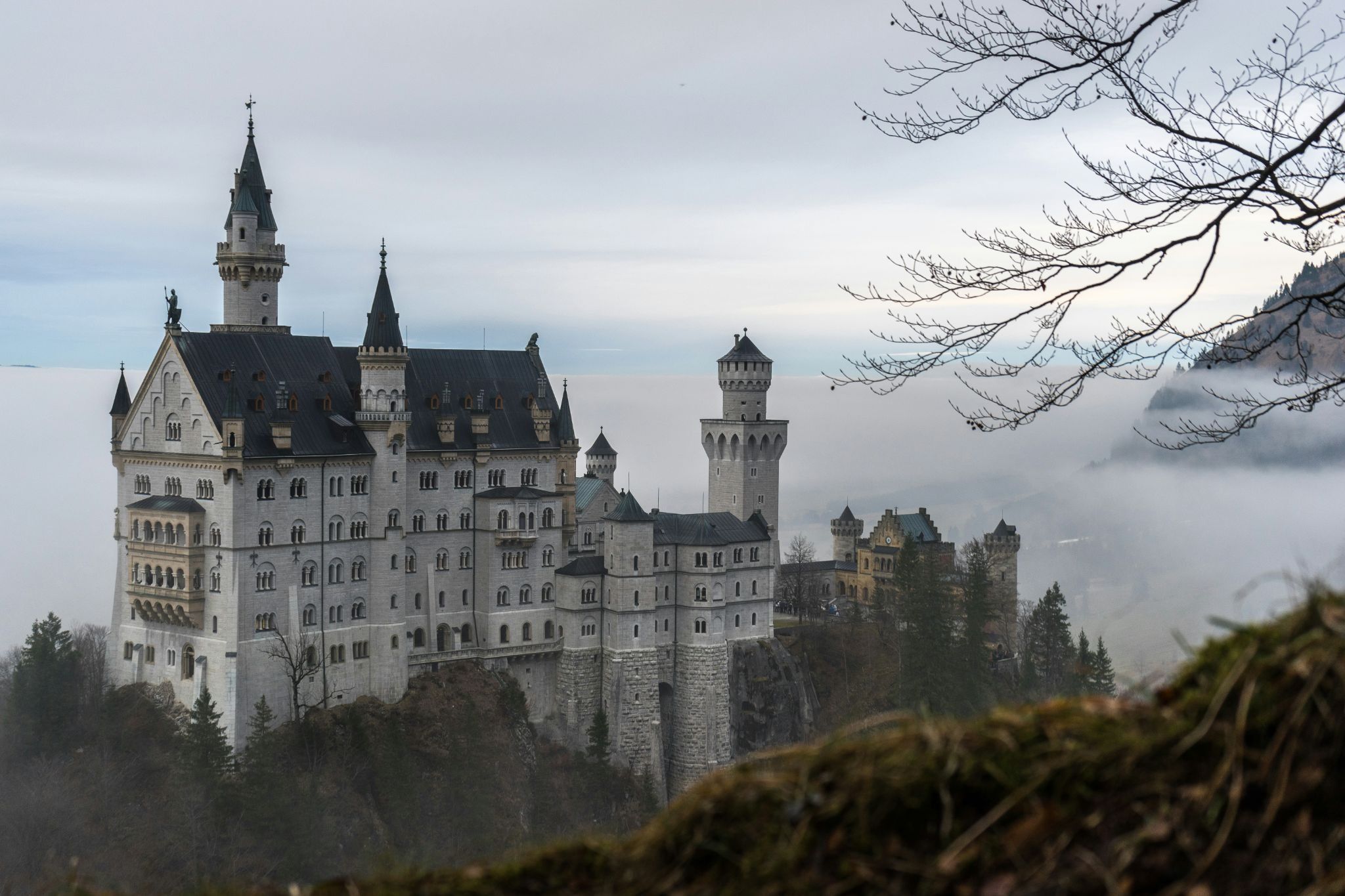
If any building showed the world what a fairytale castle looks like, it’s Neuschwanstein. It’s one of the most famous castles in Europe and inspired the Disney castles in Sleeping Beauty and Cinderella.
- Location: Neuschwanstein sits on a ridge above Hohenschwangau, near Füssen in the Bavarian Alps, close to Austria.
- Fairytale factor: Built for King Ludwig II starting in 1869, this Romantic castle stands 65 metres tall and is listed by Guinness as the tallest castle in the world.
- Don’t miss: The view from Marienbrücke, also known as Mary’s Bridge, offers the classic postcard angle that inspired Walt Disney.
- Best time to visit: Late spring or early autumn brings clear air. Winter snow is magical, but tickets should be booked well in advance.
- Good to know: You can only visit the interiors on a guided tour with timed tickets. Ludwig died in 1886 before the castle was finished, and it was added to the UNESCO list in 2025.
2. Pena Palace, Portugal
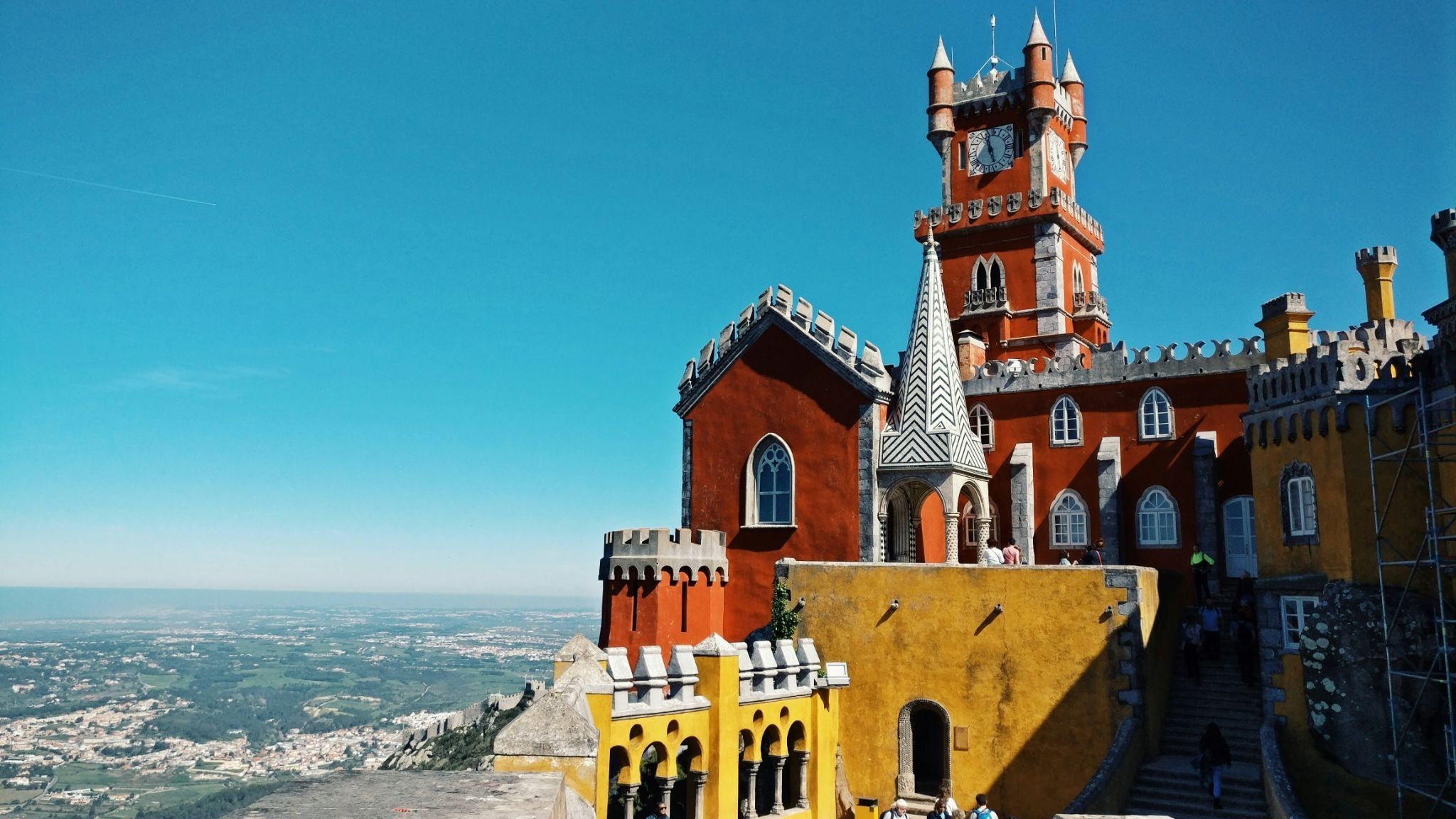
Portugal had its own fantasy palace long before Neuschwanstein. Perched above Sintra in striking red and yellow, Pena shows that European palaces can be just as whimsical as the region’s castles.
- Location: On a hilltop in the Serra de Sintra, around 40 minutes from Lisbon.
- Fairytale factor: A mix of Neo-Gothic, Manueline, Moorish, and Renaissance styles, built for King Ferdinand II starting in 1838, about thirty years before Neuschwanstein.
- Don't miss: The mythological Triton Arch and the 85-hectare Pena Park, full of winding, hidden paths.
- Best time to visit: Winter into early spring, when the camellias flower. Try to arrive at opening or later in the afternoon, since this is one of the busiest palaces in Europe.
- Good to know: This has been a UNESCO site since 1995. Buy timed tickets and take the 434 bus from Sintra station to get there.
3. Corvin Castle Hunedoara, Romania
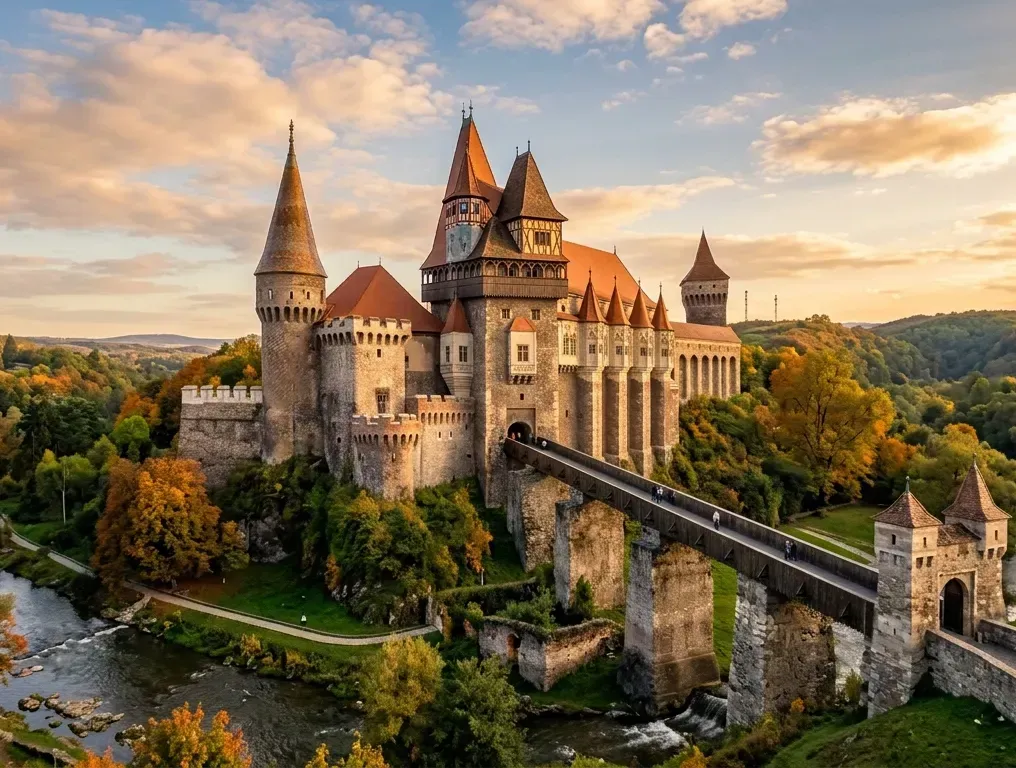
Corvin Castle in Hunedoara, Romania is one of the largest and most atmospheric castles in Europe. It has colourful roofs, tall towers, and a wooden bridge that leads to a real drawbridge, just like you’d expect from a medieval fortress.
- Location: Hunedoara, in the heart of Transylvania, central Romania.
- Fairytale factor: This Gothic-Renaissance castle was built by John Hunyadi in the 1440s and stands on a rocky hill above the Zlaști River.
- Don’t miss: The Knights' Hall, the family crest showing a raven with a ring, and the deep well in the courtyard, which has a dark legend about a prisoner.
- Best time to visit: Spring and autumn for mild weather and thinner crowds.
- Good to know: Plan to spend 2 to 3 hours here. The castle is often linked to Dracula stories, but the Vlad the Impaler connection is mostly a myth.
4. Orava Castle, Slovakia
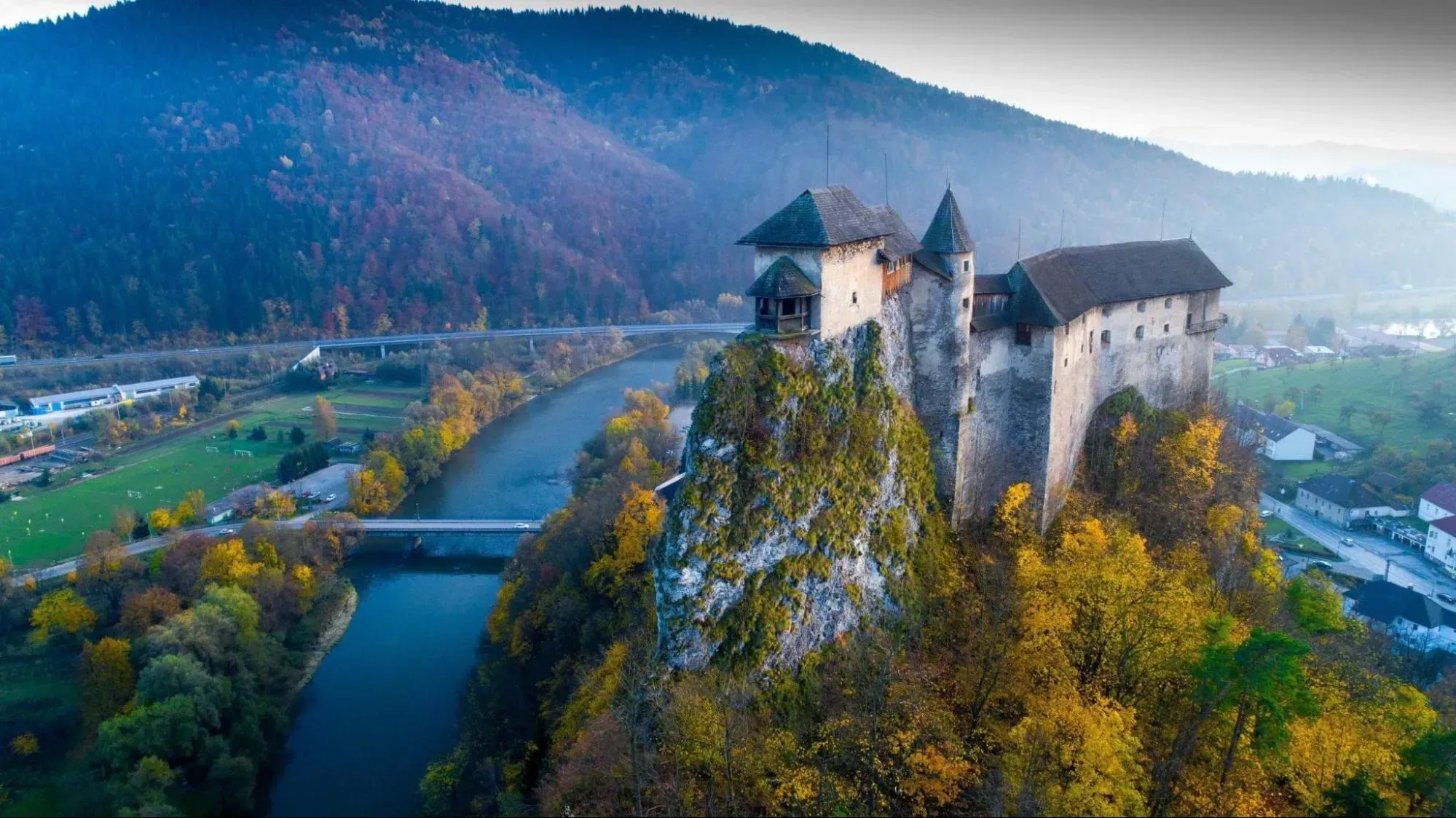
Few castles in Europe can match this one for height. Orava Castle in Slovakia rises in three levels on a steep cliff, and it was the vampire’s lair in the great Dracula film.
- Location: Above the village of Oravský Podzámok in northern Slovakia, overlooking the Orava River.
- Fairytale factor: The castle sits on a 112-metre cliff, was first documented in 1267, and has been rebuilt over centuries into its current Gothic silhouette.
- Don't miss: The climb to the citadel at the very top or a visit to the castle chapel.
- Best time to visit: Late spring through early autumn. In summer, you can join guided tours after dark.
- Good to know: F.W. Murnau's silent film Nosferatu (1922) was filmed here. The castle is about two and a half hours by car from Bratislava.
5. Egeskov Castle, Denmark
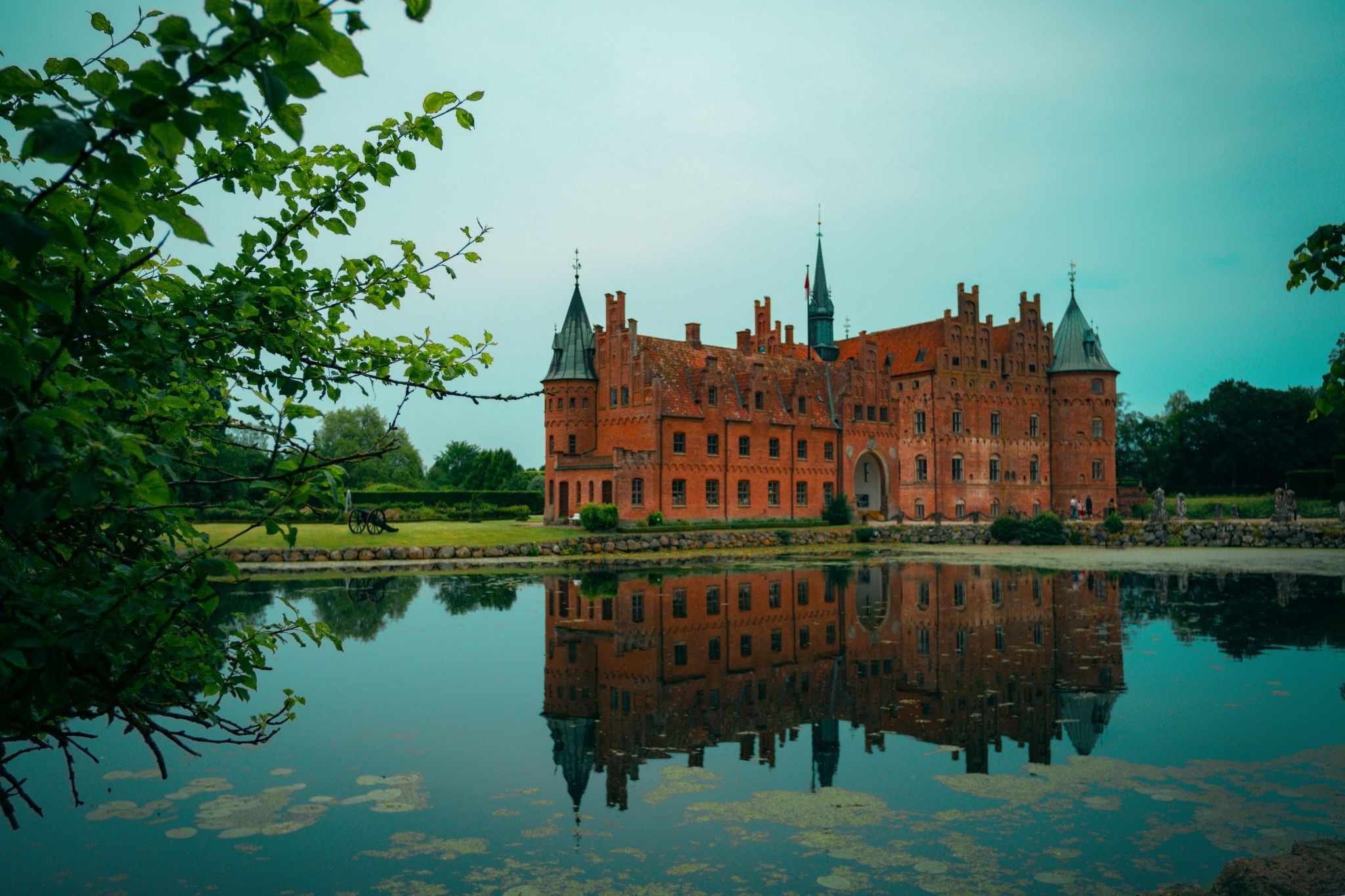
Some water castles in Europe reflect so clearly that they seem to have twins. Egeskov Castle in Denmark is the best example, just a short drive from Odense, the birthplace of Hans Christian Andersen. That connection feels just right.
- Location: The castle is on Funen island, near Kværndrup, and about two hours from Copenhagen.
- Fairytale factor: This is Europe’s best-preserved Renaissance water castle, completed in 1554 on oak piles set deep in a lake.
- Don’t miss: Wander through the hedge mazes, try the treetop walk, and see Titania’s Palace, a beautiful dolls’ house.
- Best time to visit: Summer is ideal, when the gardens are at their best. The season usually lasts from spring to late autumn.
- Good to know: The castle is still a family home, so only some areas are open to visitors. There’s also a Christmas market on certain weekends.
6. Gravensteen Castle, Belgium
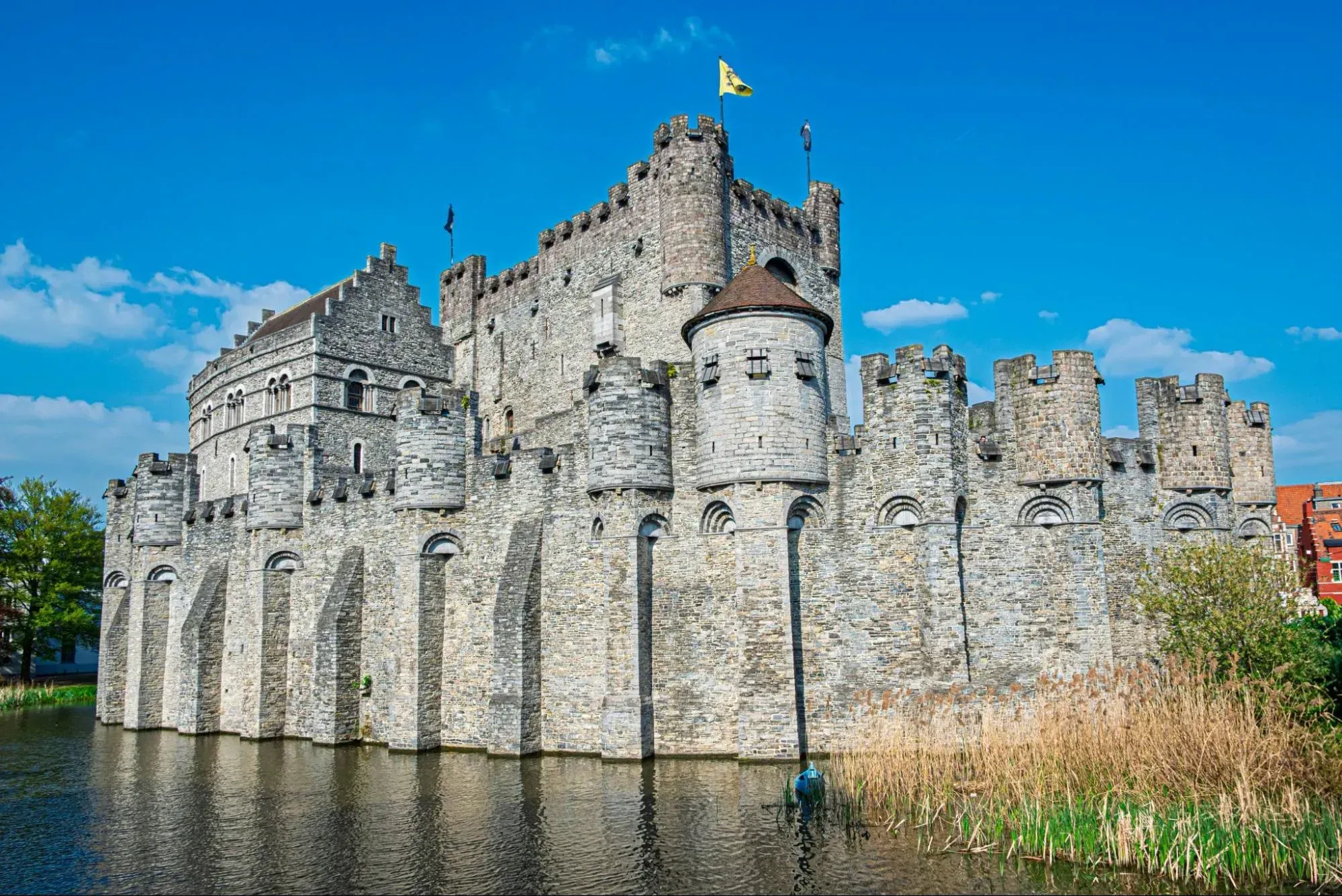
Most medieval castles in Europe are found in the countryside. Gravensteen Castle in Belgium is different, with its moated stone fortress set right in the heart of Ghent. Here, you can walk from a café terrace straight into the 12th century.
- Location: Right in the centre of Ghent, East Flanders.
- Fairytale factor: The "Castle of the Counts" was built in 1180 by Philip of Alsace. It was inspired by crusader castles and features a moat and a 30-metre keep.
- Don't miss: Walk along the ramparts for rooftop views over Ghent, and check out the small but gruesome torture museum.
- Best time to visit: Any season works well. You can also explore Ghent's canals and medieval guildhouses while you're here.
- Good to know: The castle is an easy walk or tram ride from Gent Sint-Pieters station.
7. Kruja Castle, Albania
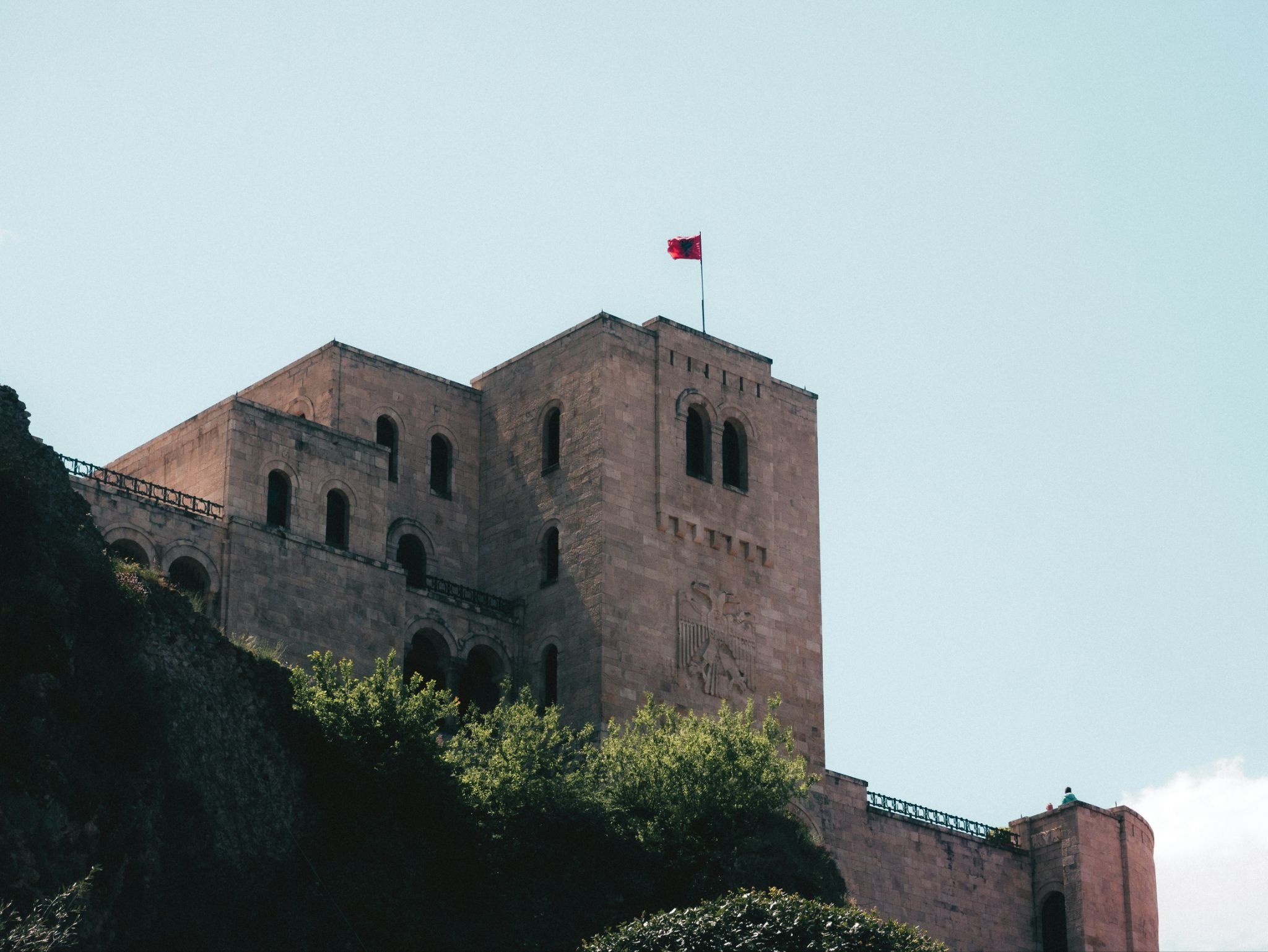
If you’re looking for rewarding old castles in Europe away from the usual tourist spots, visit Albania. Kruja Castle stands on a ridge overlooking the Adriatic and is tied to the story of the country’s greatest hero.
- Location: Krujë, a town about 40 minutes north of Tirana and around 550 metres above sea level.
- Fairytale factor: This stone citadel on a hilltop is where Skanderbeg defended against three Ottoman sieges in the 1400s.
- Don't miss: The Skanderbeg Museum, the Ethnographic Museum set in an old Ottoman house, and the restored bazaar you pass on the way up.
- Best time to visit: Spring and autumn offer the most comfortable weather for walking.
- Good to know: It’s an easy half-day trip from Tirana. The castle is even pictured on Albania’s 5,000 lekë note.
8. Buda Castle, Hungary
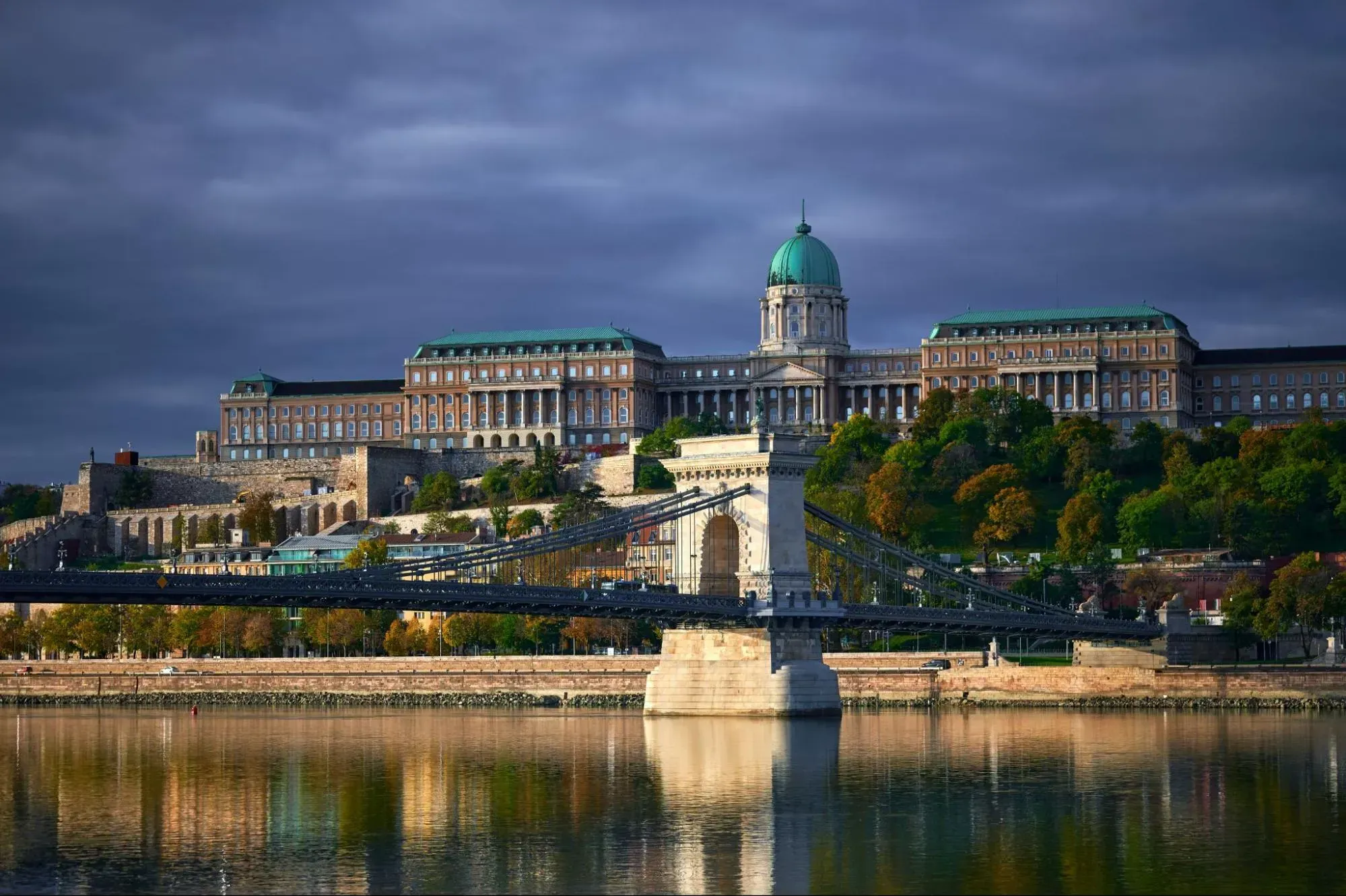
Finish your visit with the best city view. The Budapest castle stands on Castle Hill above the Danube, and right next to it is the Fisherman's Bastion. Its seven white turrets look like something from a fairytale.
- Location: Castle Hill, on the Buda side of Budapest.
- Fairytale factor: The royal palace dates back to the 13th century, and the nearby Fisherman's Bastion, built between 1895 and 1902, adds storybook charm.
- Don't miss: Watch the sunrise from the Bastion terraces, see the colourful roof of Matthias Church, and visit the Hungarian National Gallery inside the palace.
- Best time to visit: Spring or autumn, especially early in the morning before the Bastion gets crowded.
- Good to know: This has been a UNESCO site since 1987. You can take the Castle Hill Funicular up or walk from the Chain Bridge.
Tribe Travel Tip: The castles are located in eight different European countries, so it makes sense to choose two or three that are close together and plan a relaxed holiday instead of trying to see them all at once. Neuschwanstein goes well with the Alpine towns in Bavaria, Pena is near Lisbon, and Orava fits with Slovakia's Tatra region. Be sure to book timed entry tickets for the most popular interiors ahead of time. Our itineraries cover hotels, transfers, and castle visits, but you can arrange your own flights to fit your plans.
Ready to Visit the Most Beautiful Castles in Europe?
From the Alpine castle that inspired Disney to a fortress perched on a Slovakian cliff and a colourful palace in Portugal, great castles of Europe are much more diverse than you might expect. The best part is that you can actually visit these fairytale places, and with a bit of planning, you can make the most of your holiday. That’s where Holiday Tribe can help. We’re holiday advisors who create custom, land-only itineraries based on the places you want to see. Our AI travel planner suggests a route, and then a real expert reviews every detail. Let us know which castles in Europe you want to visit, and we’ll take care of the rest at holidaytribe.ai.