

Set on a rocky mountain in central Italy, San Marino feels like a place where time stopped a long time ago. Stone towers rise straight out of the cliffside, narrow lanes wind between old workshops, and the view from the top stretches all the way to the Adriatic Sea. This tiny republic has stood on its own for over seventeen centuries, and a day here offers a rare mix of mountain views, medieval charm, and a sense of stepping into another era. Whether you are adding it to a longer Italy escape or making it the main event of your vacation, here is everything you need to plan your visit well.
Is San Marino the Oldest Country in Europe?
 Founded in 301 AD, San Marino is recognised as the oldest republic still standing in the world, and one of the oldest states of any kind in Europe. According to local legend, a stonemason named Marinus fled religious persecution under Emperor Diocletian and settled on Mount Titano, forming a small community of free citizens. That community never stopped governing itself, not through the fall of Rome, not through the Napoleonic Wars, and not through two World Wars.
What keeps this story interesting is how San Marino managed to stay independent. When Napoleon's army swept through Italy, he actually offered San Marino more land. The republic politely declined, choosing to keep its size rather than its safety. That same steady, self-assured attitude still shapes the place today, from its own currency arrangement to its centuries-old system of two co-heads of state called Captains Regent.
Tribe Travel Tip: Look out for the twin Captains Regent ceremony dates online before you visit. The changeover includes parades and traditional costumes worth planning your day around.
Where Is San Marino Located?
If you are wondering where San Marino is, it sits on central Italy's Adriatic side. The republic sits in the Apennine hills, close to the border of the Emilia-Romagna and Marche regions, and it is completely landlocked, with Italy wrapped around it on every side. The historic capital, also called the City of San Marino, sits atop Mount Titano at roughly 740 metres, while smaller towns like Borgo Maggiore and Serravalle spread across the lower slopes.
Despite its size of about 61 square kilometres, San Marino is only around 10 kilometres from the Adriatic coast and roughly 20 kilometres from the seaside city of Rimini. That closeness to Italy's beach towns makes it an easy addition to a coastal Italy vacation.
How Do You Reach San Marino? Which Airport Should You Use?
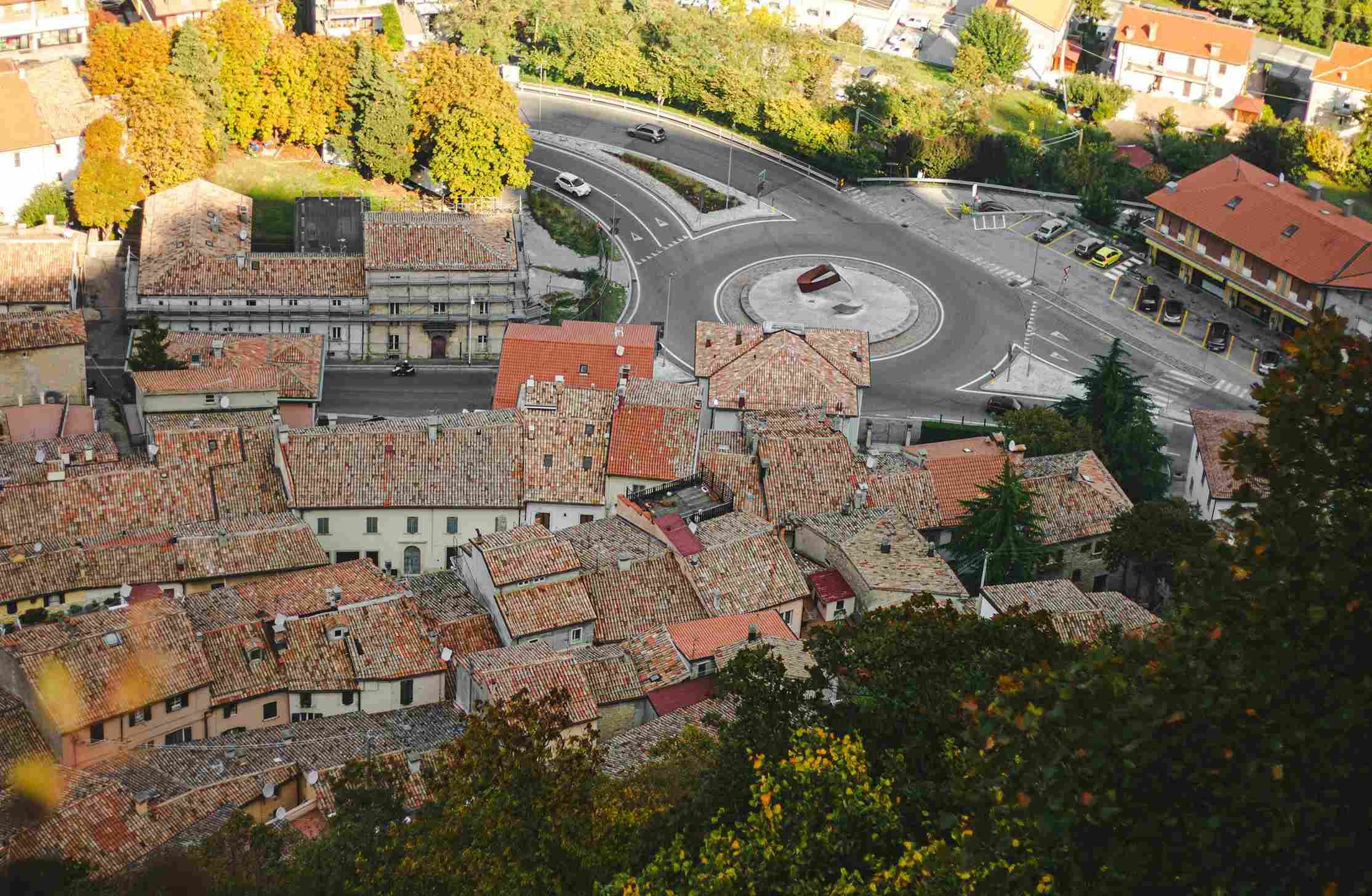 San Marino has no airport of its own, so every San Marino, Italy airport search actually points you toward nearby Italian hubs. The most convenient is Federico Fellini International Airport in Rimini, roughly 25 to 30 kilometres away, which also carries San Marino's name on its official signage. Bologna and Ancona airports work as backup options if you cannot find a convenient Rimini connection. Here's everything you need to know about San Marino's airports:
From | Mode | Approx. Time |
Rimini Airport (RMI) | Direct taxi or transfer | About 30 minutes |
Rimini city centre | Bus to Borgo Maggiore, then cable car | About 45-60 minutes |
Bologna Airport (BLQ) | Car or train plus bus | By car:1.5-2 hours By train + bus: 2.5–3 hours |
Ancona Airport (AOI) | Car or train plus bus | By car: 1.5-2 hours By train + bus: 2.5–3 hours |
Once you are in Borgo Maggiore, the cable car up to the historic centre takes only a couple of minutes and drops you right at the edge of the old town, saving you a steep uphill walk.
Tribe Travel Tip: If you are coming from Rimini by public transport, check the Bonelli Bus timetable in advance since services thin out in the evening and on Sundays.
What Are the Best Things to Do and See in San Marino, Italy?
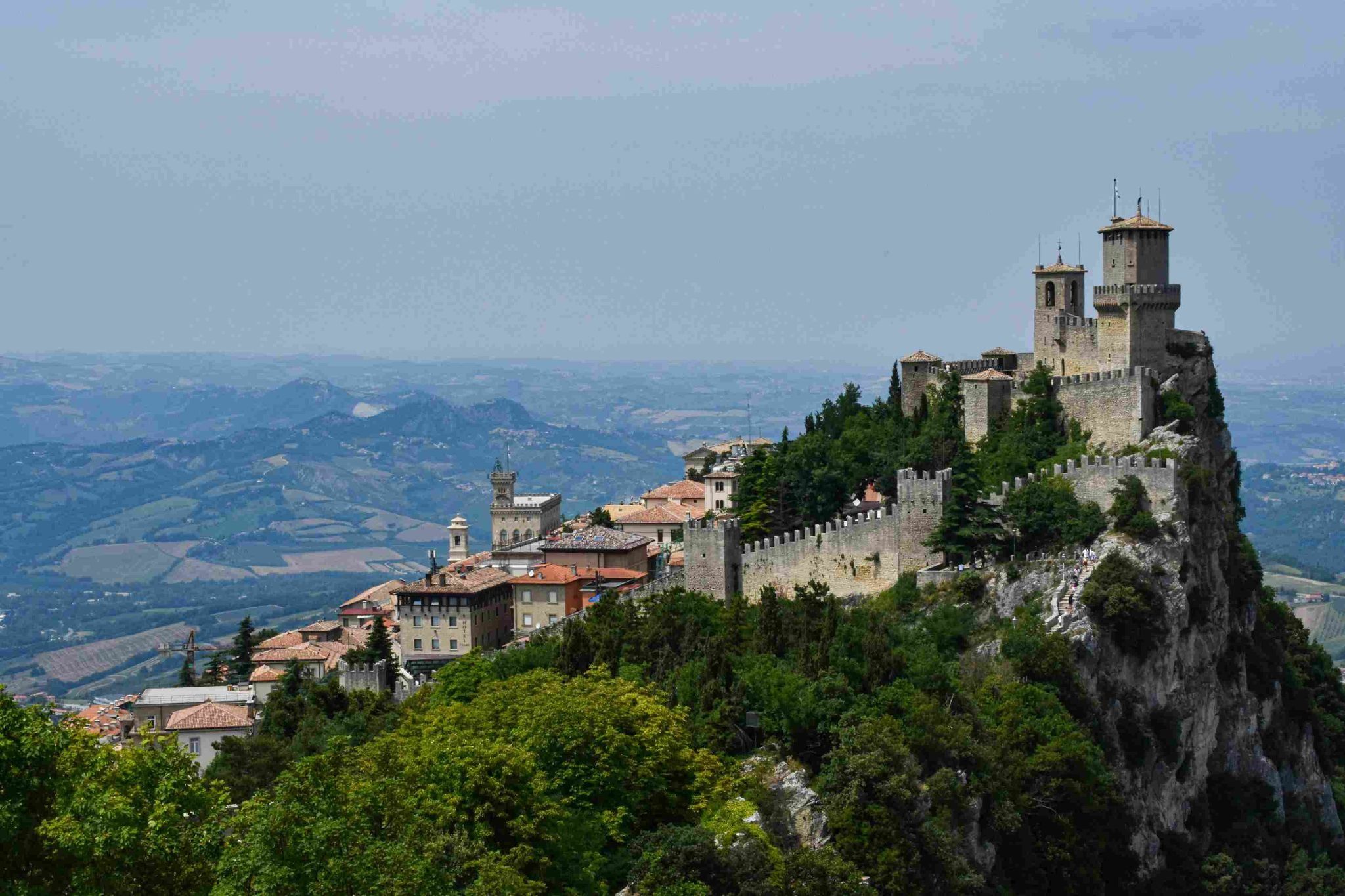 This is where San Marino earns its keep. Despite covering just 61 square kilometres, the historic centre is packed with things to do in San Marino, Italy, and you can cover most of it comfortably on foot in a single day.
- The Three Towers (Guaita, Cesta and Montale) – Medieval fortresses perched along Mount Titano's ridge, connected by the scenic Witches' Path. Guaita is the oldest, dating to the 11th century, while Cesta houses a museum of ancient weapons.
- Piazza della Libertà – The republic's main square, home to the Palazzo Pubblico government building and the Statue of Liberty.
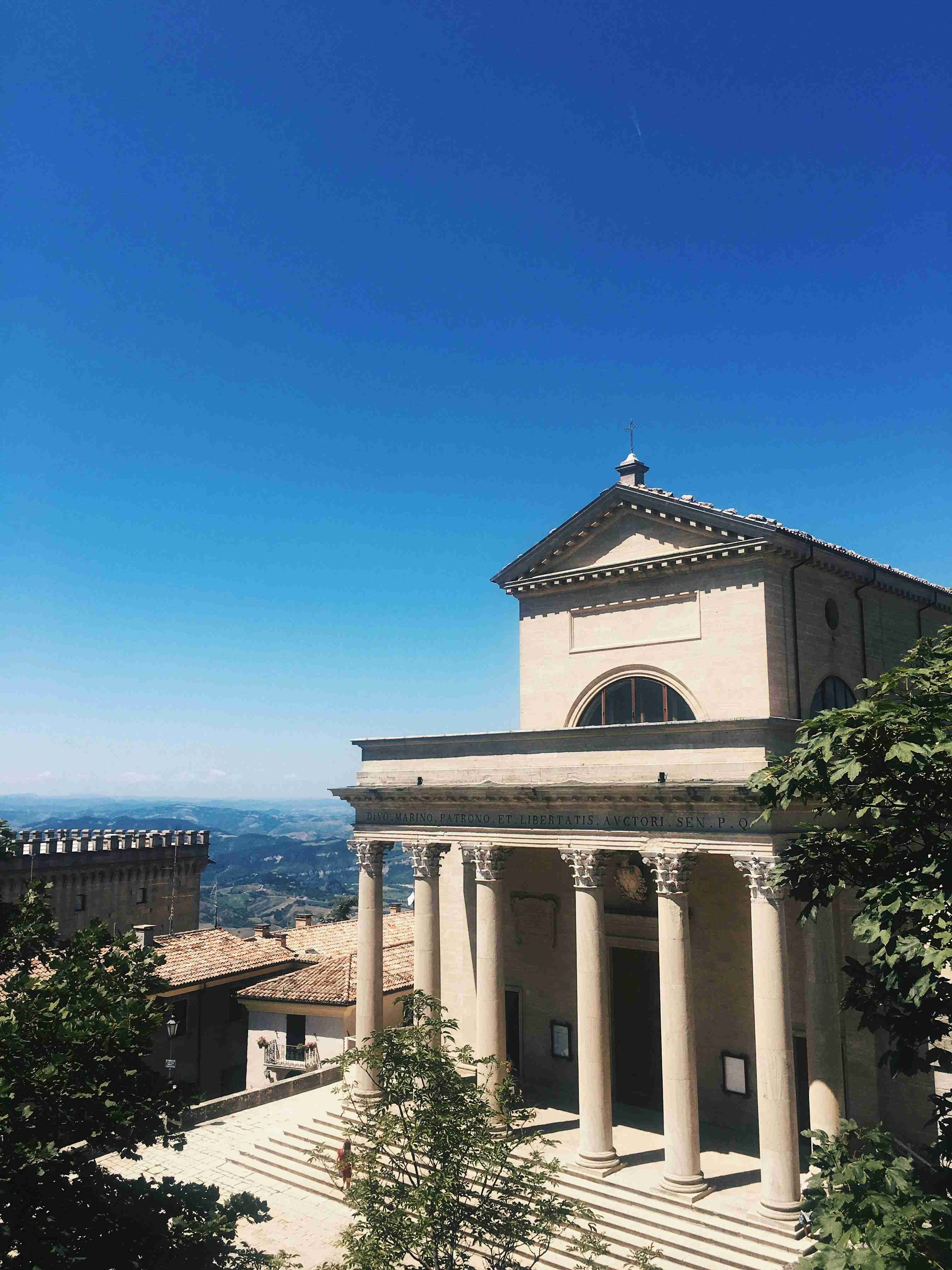
- Basilica di San Marino – A neoclassical church dedicated to the republic's founder, right in the centre of the old town.
- State Museum and National Gallery – Compact museums covering everything from local archaeology to art from across the region.
- Cable car from Borgo Maggiore – A short, scenic ride connecting the lower town to the historic centre, with sweeping valley views along the way.
Landmark | Best for | Time Needed |
Three Towers | Views and history | 1.5-2 hours |
Piazza della Libertà | Photos and people-watching | 30-45 minutes |
Basilica di San Marino | Architecture | 20-30 minutes |
State Museum | Local history and art | 45-60 minutes |
Among San Marino, Italy's most photographed attractions, the Witches' Path between Guaita and Cesta towers deserves a slow walk rather than a quick pass-through. Sunset lights up the stone in a warm glow, and on a clear evening you can see all the way to the Croatian coastline across the Adriatic.
Tribe Travel Tip: Buy the combined ticket for the Two Towers and state museums at the first ticket counter you reach. It works out cheaper than paying for each site separately.
Can You Visit Beaches Near San Marino, Italy?
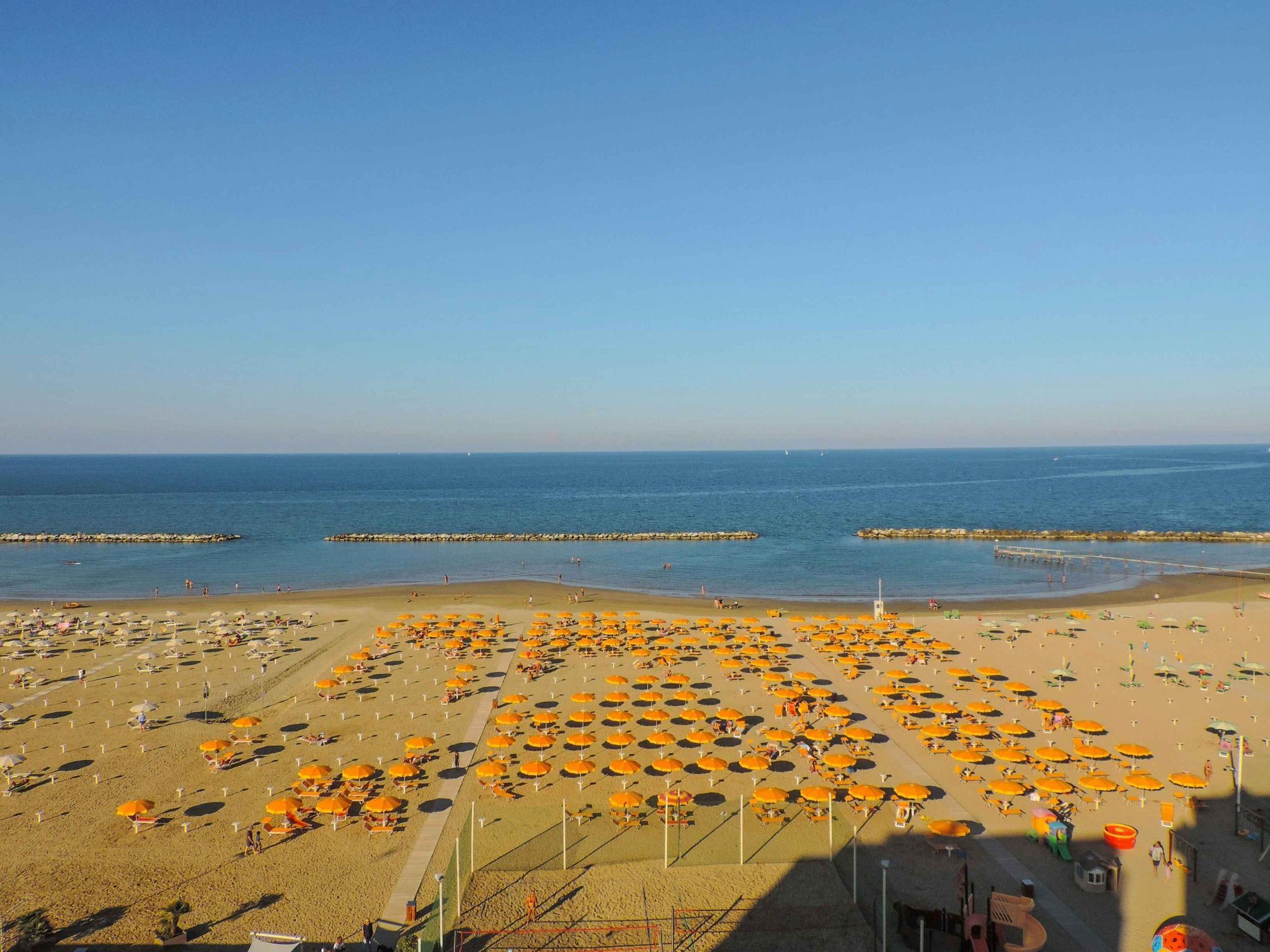 San Marino itself has no coastline, so anyone searching for San Marino, Italy beaches is really asking about the Adriatic towns nearby. The good news is that some of Italy's most popular beach resorts sit less than half an hour from the republic's base.
- Rimini – Around 20 kilometres away, with 15 kilometres of sandy beach, beach clubs and a lively promenade.
- Riccione – A short drive further south, known for wide beaches, boutique shopping and a more polished resort feel.
- Cattolica – A calmer, shallower stretch of coast that suits families with young children.
- Bellaria-Igea Marina – A quieter alternative for travellers who want sand and sea without the crowds.
Pairing a morning at the Three Towers with an afternoon on the coast makes for one of the easiest combinations in the region, and most of these towns are reachable by car or local bus in well under an hour from San Marino's historic centre.
Where Should You Stay? Best Hotels in San Marino, Italy
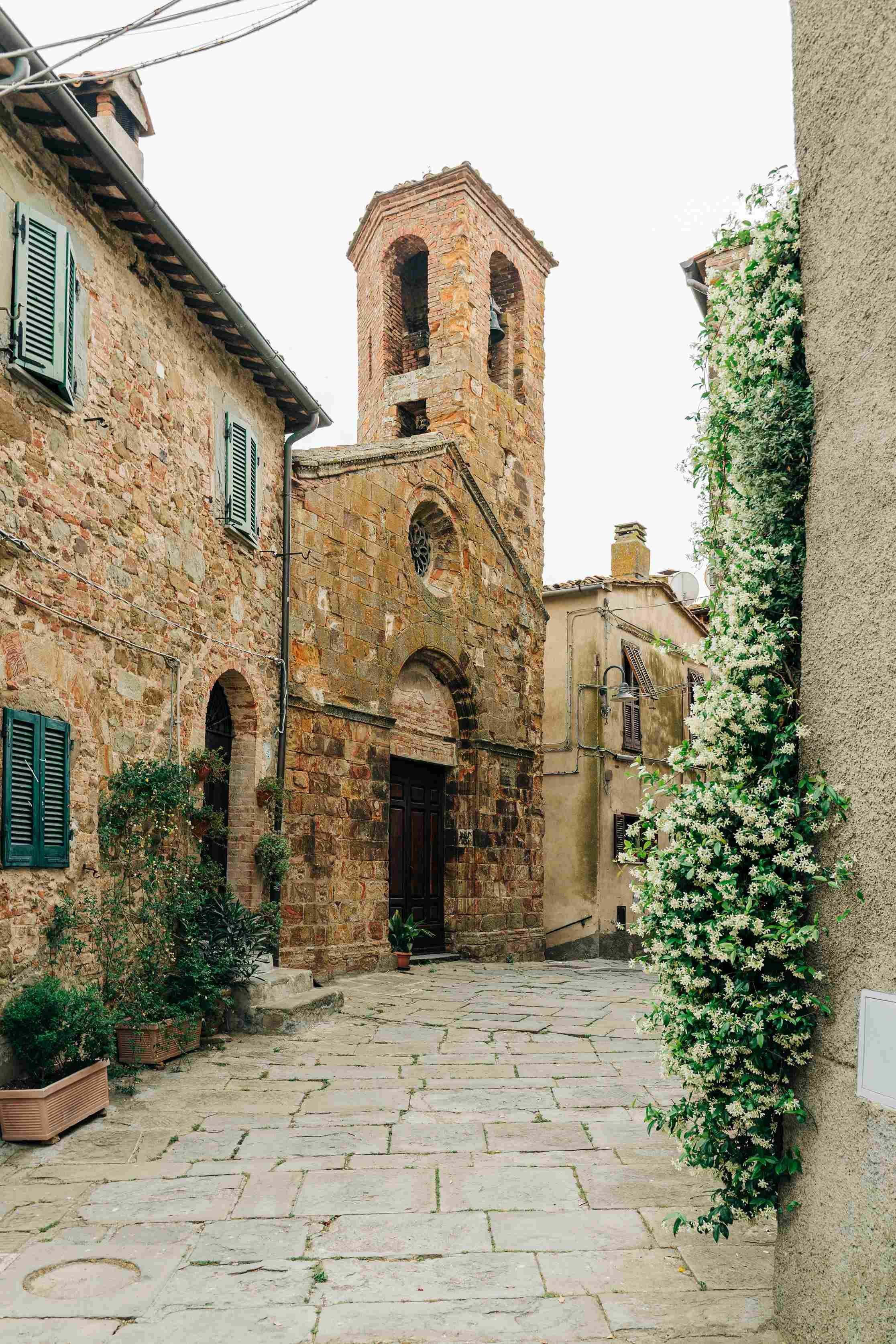 For a short overnight stay, hotels in San Marino, Italy cluster almost entirely around the historic centre, which keeps everything from towers to restaurants within walking distance.
Area | Good for | Vibe |
Historic Centre (near Piazza della Libertà) | First-time visitors | Central, walkable, close to every landmark |
Contrada del Collegio | Couples and longer stays | Quiet lanes, panoramic hotel terraces |
Borgo Maggiore | Value-friendly stays | Lower town, close to the cable car station |
Hotels in San Marino, Italy such as Hotel Titano and Grand Hotel San Marino sit right inside the old walls with views over the Montefeltro valley, while smaller family-run properties like Hotel La Grotta and Hotel Cesare offer a simpler, more local stay just steps from the main square. Parking is limited within the pedestrian core, so many hotels offer discounted access to the public car parks just outside the gates.
Tribe Travel Tip: Book a room facing the valley rather than the street if you want to watch the sunset from your balcony without leaving the hotel.
What Currency Does San Marino Use?
San Marino's currency is the euro, even though the republic is not a European Union member and sits outside the eurozone in the technical sense. Under a special monetary agreement with the EU, San Marino uses the euro as legal tender. It even mints its own limited-run euro coins, each stamped with local symbols like the Three Towers or Mount Titano.
For your holiday, this means straightforward money planning if you are already carrying euros for the rest of your Italy adventure. Cards are widely accepted at shops and restaurants in the historic centre, though it is worth keeping some cash on hand for smaller souvenir stalls and the funicular.
Do You Need a Visa to Visit San Marino?
San Marino has no border checks or entry stamps of its own, since you can only reach it by crossing through Italy. For Indian travellers, this means you need a valid Italy Schengen holiday visa, which automatically covers entry into San Marino, with no separate paperwork needed on either side of the open border. Apply for your Italy tourist visa well before your travel dates through the official Italian visa channels, and keep your hotel bookings and travel dates ready for the application.
Conclusion
San Marino may be tiny on the map, but it holds one of Europe's longest unbroken stories, told through stone towers, quiet squares and views that stretch all the way to the sea. Combine it with a few days on Italy's Adriatic coast, and you get history and coastline in one smooth, easy vacation. If you would like help putting together your Italy escape, Holiday Tribe can build a custom Italy travel plan around San Marino and its coastal neighbours, covering stays, transfers and visa assistance from start to finish. Get in touch to start planning your holiday today.