

Here’s the truth about Switzerland’s weather: there isn’t one perfect time to visit, just the best time for what you want to do. In one part of the country, you can swim in lakes and enjoy long July evenings, while just a few hours away, a mountain village might be covered in snow. That variety is what makes Switzerland special. The country has four distinct seasons, shaped by the Alps, the Atlantic, and its elevation. If you plan your holiday well, you’ll find open hiking trails, running ski lifts, and amazing views. If you don’t, you might end up looking at fog instead of mountains. This guide will help you understand Switzerland’s weather, season by season and month by month, for both the mountains and the cities you’re most likely to visit.
What Is Switzerland Weather Actually Like?
Switzerland fits a surprising variety of climates into a small area. The national average temperature is about 5.8°C, but that number does not tell the whole story. In July, lowland cities might be warm and green, while a glacier just an hour away stays frozen.
Three main factors shape Switzerland’s weather:
- The Alps often trap, block, and redirect weather.
- The Atlantic Ocean brings in mild and changeable weather fronts.
- Altitude cools the air by about 6°C for every 1,000 metres you go up.
Why Altitude Changes Everything
Many first-time visitors do not realise this. You might start your morning in a T-shirt by a lake, but need a jacket by lunchtime on a mountain. Packing layers is essential here. It is the best way to handle Switzerland’s weather, since the temperature depends more on your location than the time of year.
What Is the Weather in Switzerland Season by Season?
Switzerland experiences all four seasons, and each one offers something special for different types of travellers.
Spring (March to May)
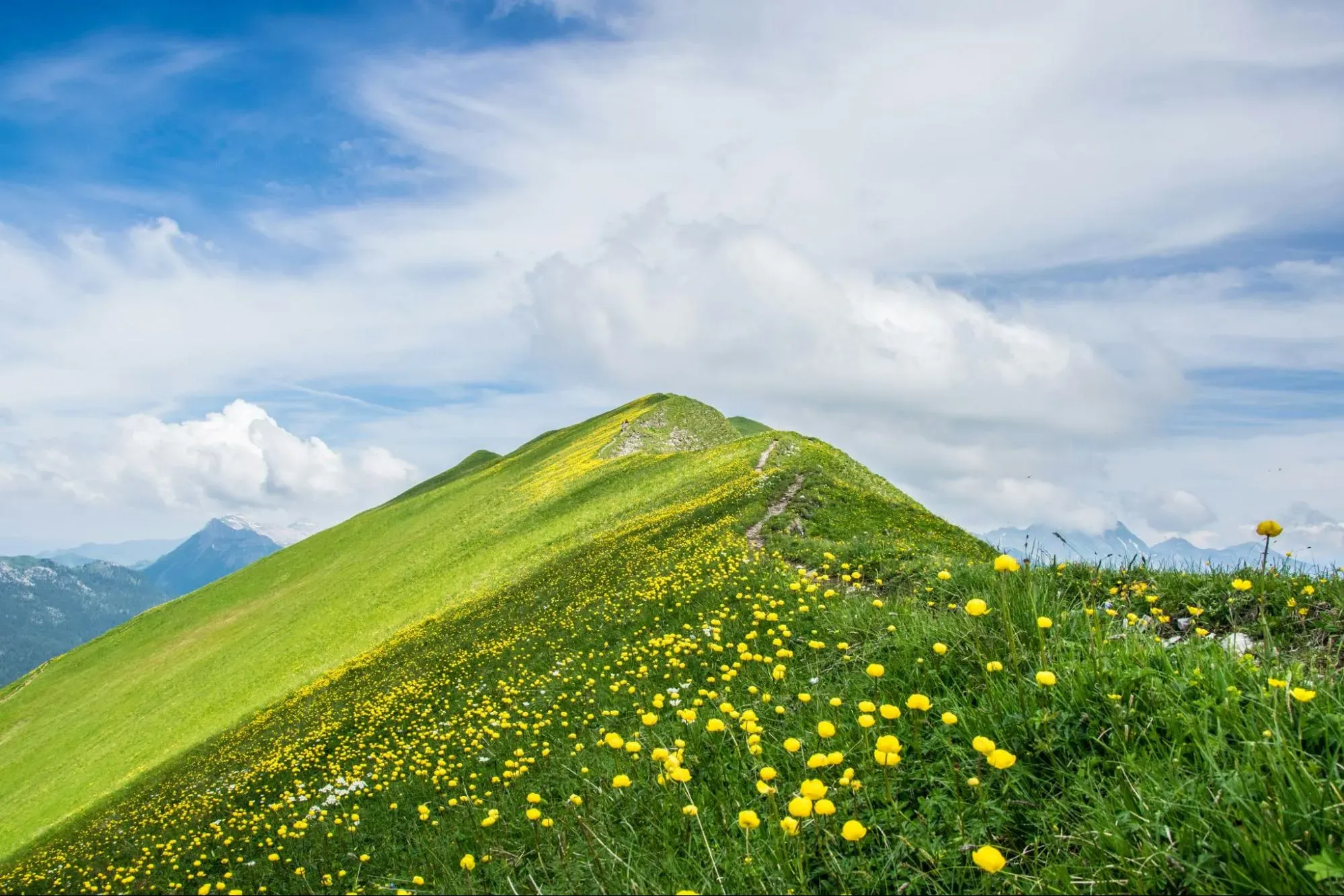
Spring brings the big thaw. Valleys become green, wildflowers start to bloom, and there are still not many tourists. In the lowlands, temperatures rise from single digits in March to the mid-teens by May. Switzerland weather in March can bring snow to higher villages, while Switzerland weather in May is usually mild and bright, though it can still be cool or rainy at times.
Summer (June to August)
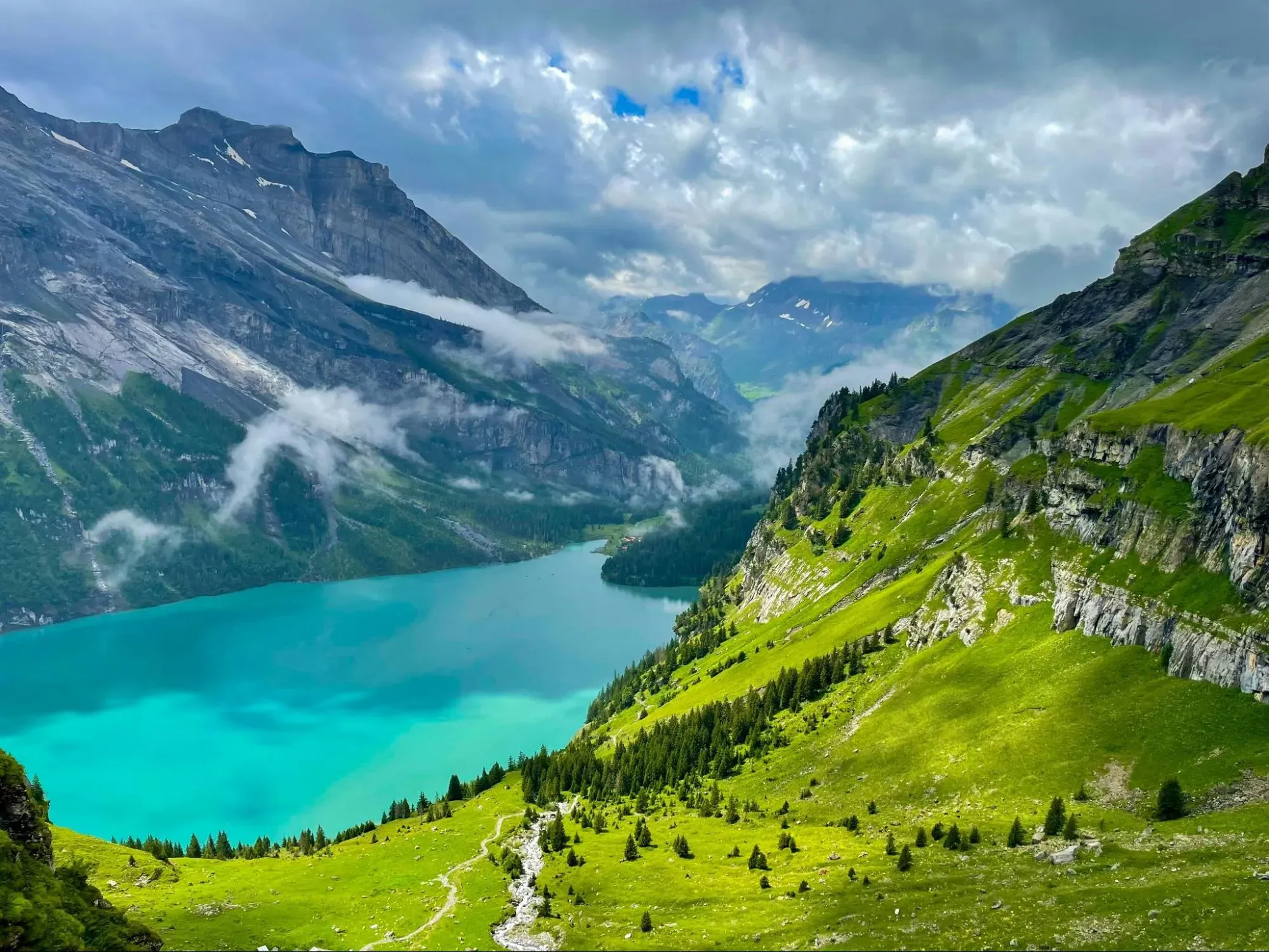
Summer is the busiest time to visit, and it’s easy to see why. The days are long, lakes are warm enough for swimming, and the high mountain passes are open. Switzerland weather in June marks the start of hiking season, Switzerland weather in July is warm, and Switzerland weather in August stays warm but often brings more afternoon thunderstorms.
In the lowlands, temperatures usually reach 24 to 26°C, but heatwaves can push them above 30°C. July is often the wettest month in many areas, so it’s a good idea to bring a light rain jacket.
Autumn (September to November)
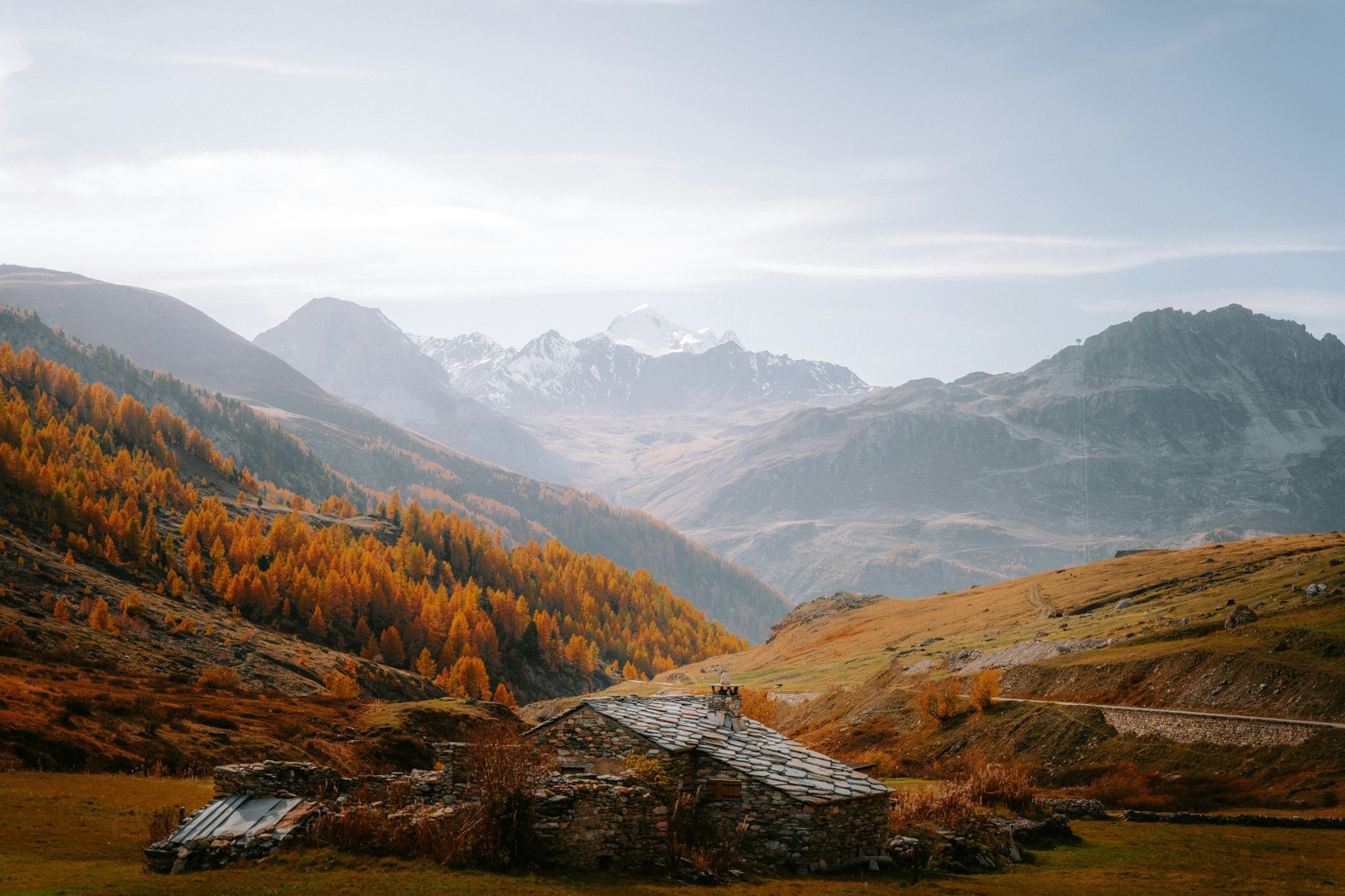
Autumn is one of Switzerland’s hidden gems. Weather in Switzerland in September is often warm, calm, and clear, making it perfect for hiking without the summer crowds. Switzerland weather in October is cool, and the leaves turn golden. Switzerland weather in November makes the lowlands become grey and damp as winter gets closer.
Winter (December to February)
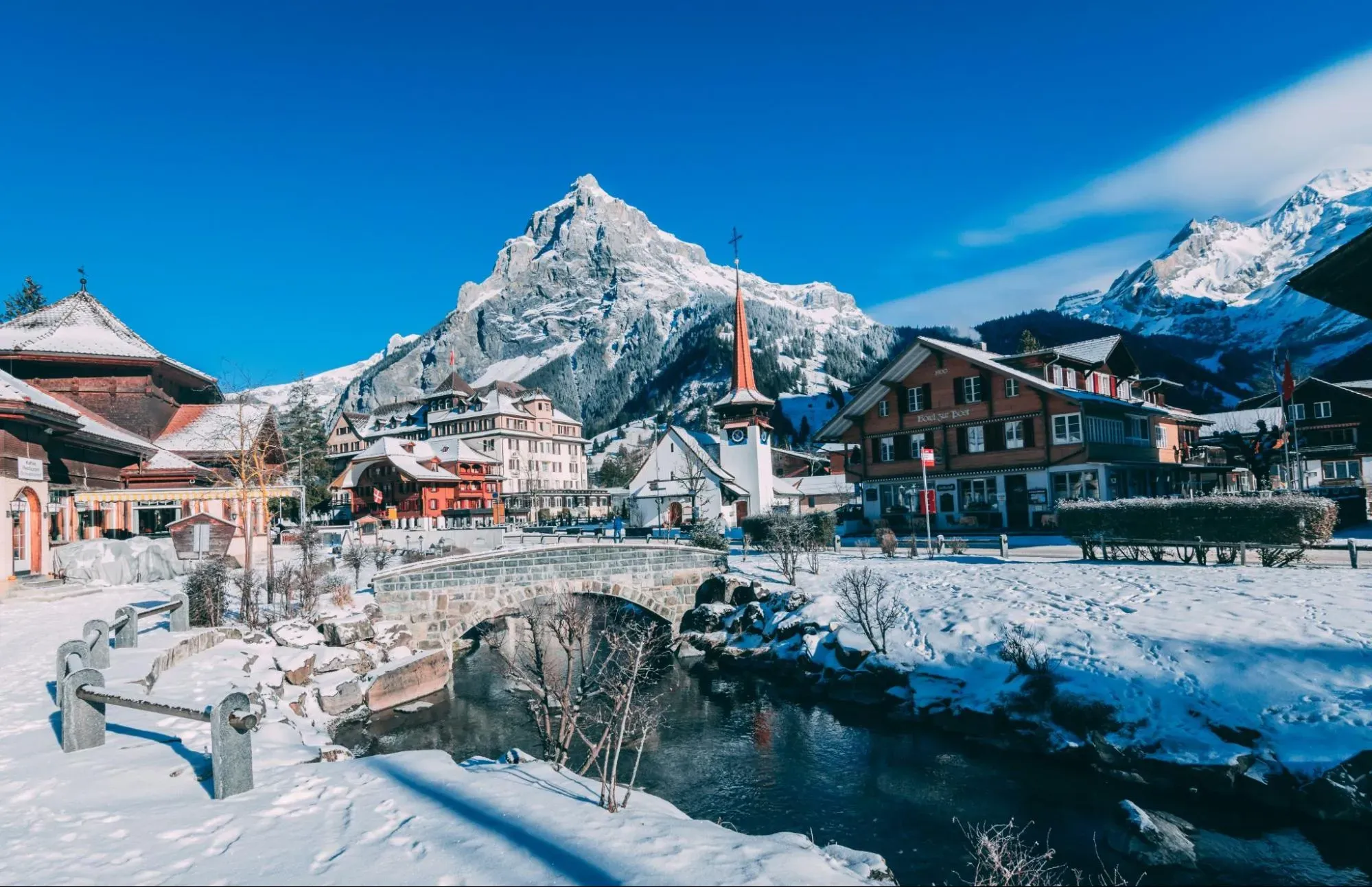
Winter in Switzerland looks like a postcard, with snow-covered villages and lively ski slopes. Switzerland weather in December brings festive markets and plenty of mountain snow, while January is the coldest month across the country. In the lowland cities, cold fog is common, but the mountains often enjoy sunshine above the clouds.
How Does Switzerland Weather Change Month by Month?
This is a quick guide for lowland areas, using central and plateau cities as examples. The mountains are much colder.
Month | Typical Low | Typical High | Good For |
March | 1°C | 10°C | Early spring, low crowds |
May | 8°C | 18°C | Blossoms, mild hiking |
June | 12°C | 22°C | Start of hiking season |
July | 14°C | 25°C | Lakes, warmest weather |
August | 14°C | 24°C | Summer, some storms |
September | 10°C | 20°C | Clear skies, foliage begins |
October | 8°C | 15°C | Autumn colours |
November | 3°C | 9°C | Quiet, grey, pre-winter |
December | 0°C | 5°C | Markets, mountain snow |
What Is the Weather Like in the Mountains: Titlis, Zermatt, Grindelwald and Interlaken?
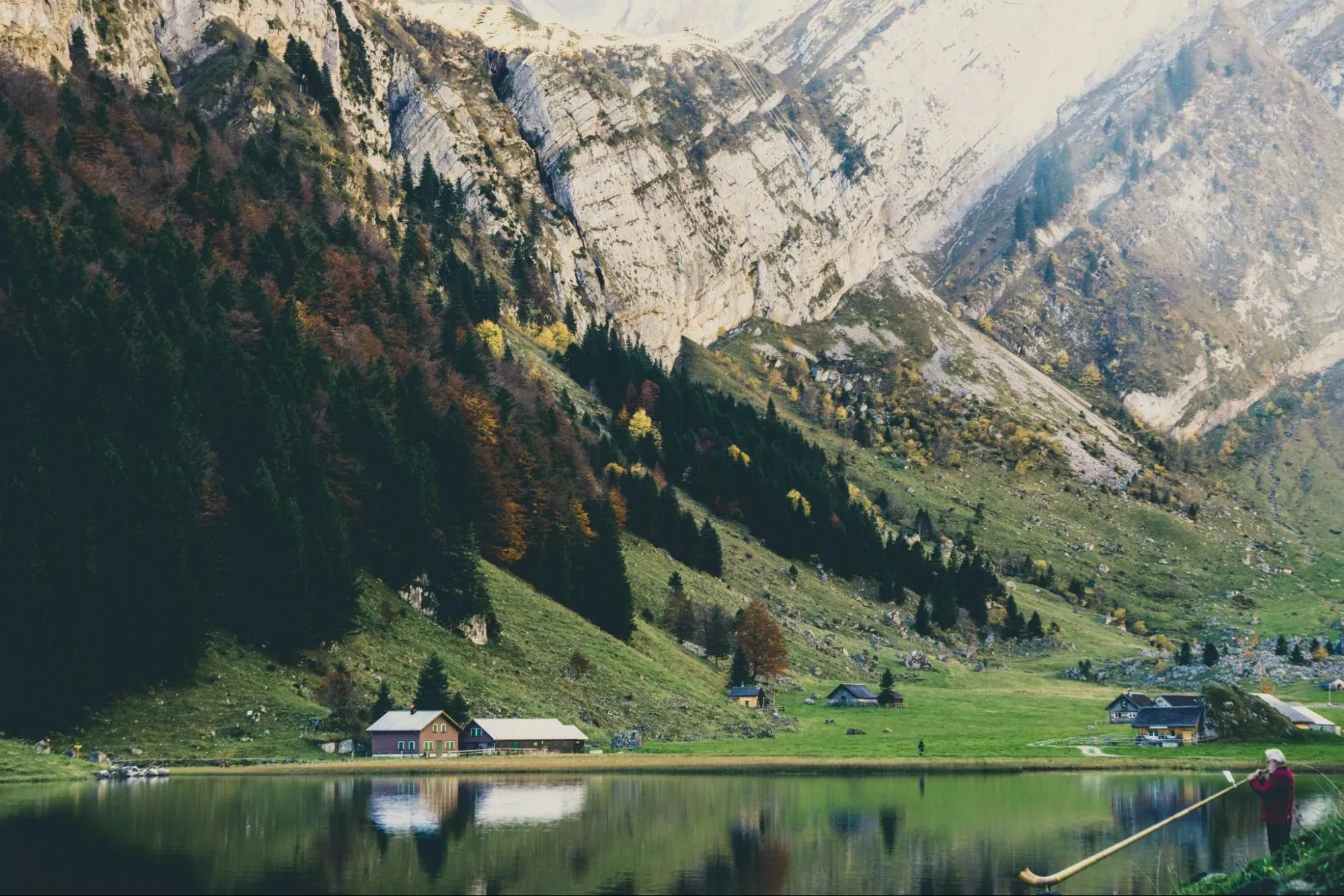
As you go higher into the mountains, temperatures fall quickly. This is when Switzerland’s weather becomes much more dramatic.
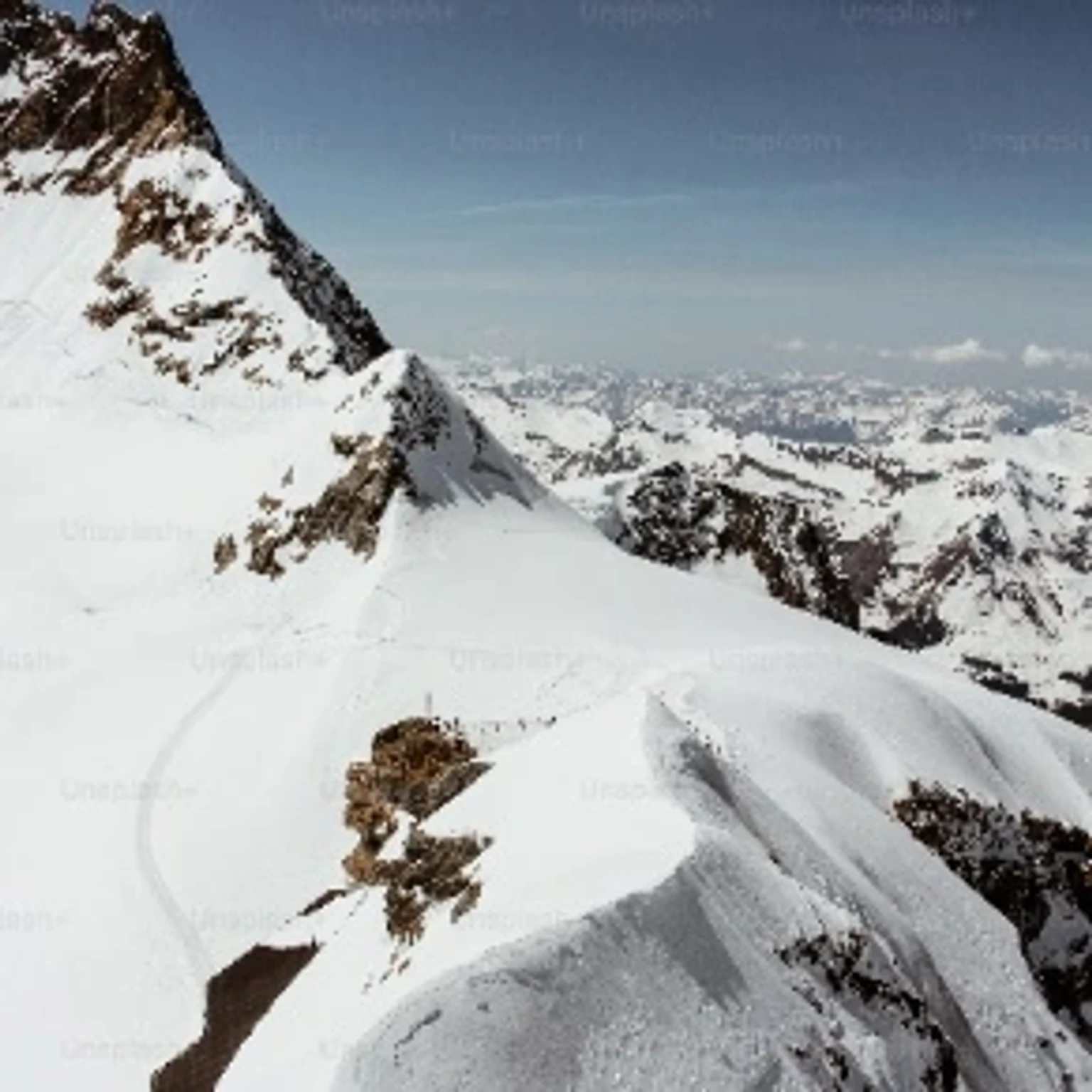
- Titlis Switzerland weather: At 3,238 metres, the glacier is covered in snow all year. Even in summer, temperatures are usually between 5 and 15°C, while winter is much colder. It’s best to bring warm clothes no matter when you visit.
- Zermatt Switzerland weather: Zermatt, at the base of the Matterhorn, has temperatures from about -3°C in January to around 14°C in July. You can ski here for most of the year.
- Grindelwald Switzerland weather: This village in the Bernese Oberland has temperatures from about -4°C in January to around 17°C in July. Winters bring lots of snow, while summers are green and full of life.
- Interlaken Switzerland weather: Interlaken, located between two lakes, has milder weather. Summer temperatures reach the low twenties, while winters are cold and snowy. Sometimes, warm Foehn winds can quickly raise temperatures and melt the snow.
What Is the Weather Like in Swiss Cities: Lucerne, Bern and Basel?
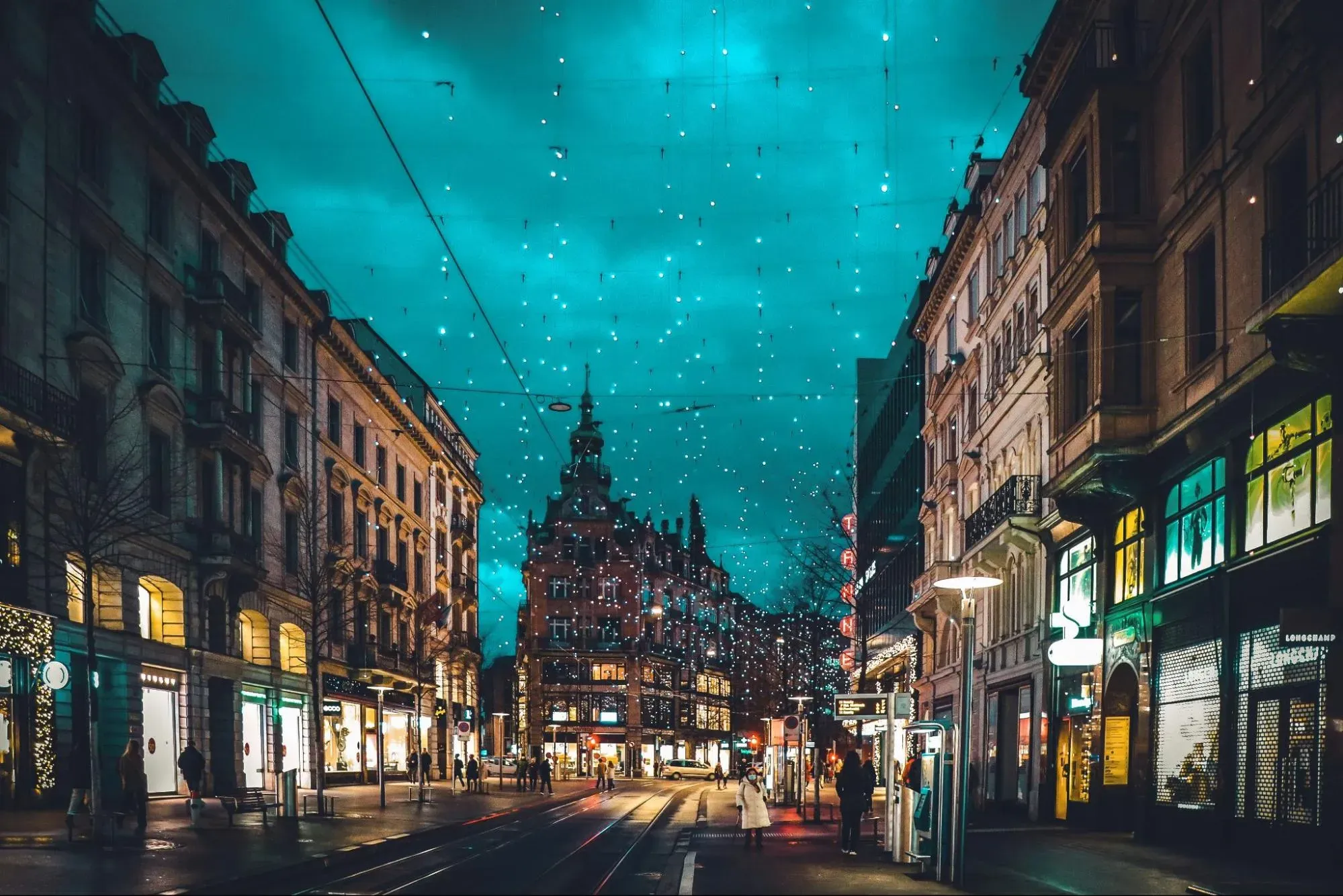
Lowland cities tend to be warmer, have more greenery, and are generally easier for first-time visitors.
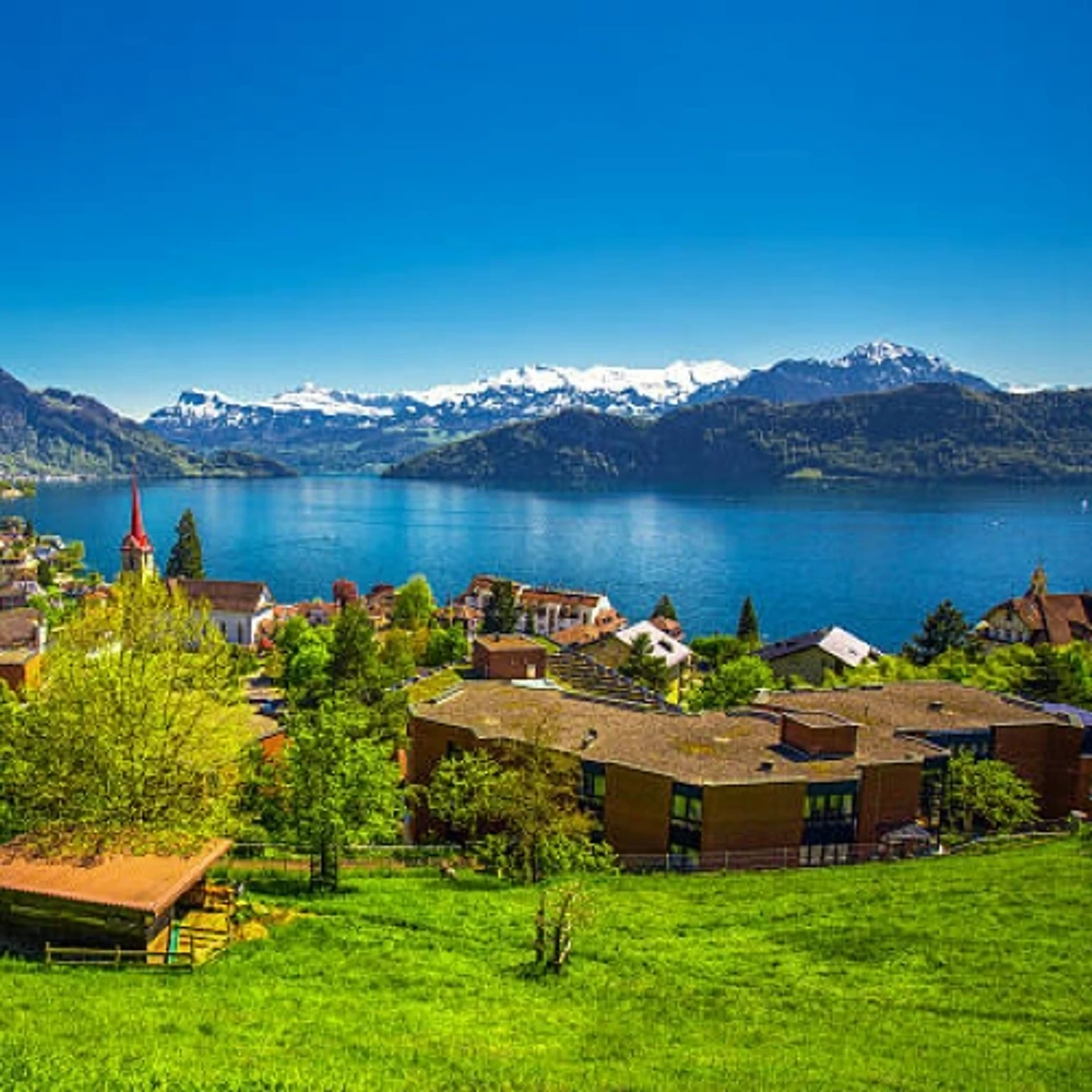
- Lucerne Switzerland weather: Lucerne has cold winters and warm summers. In July, temperatures average about 20°C. Winters are often cold and grey, and sometimes foehn winds blow in from the Alps.
- Bern Switzerland weather: In Bern, temperatures are close to freezing in January and reach about 19°C in July. Rain falls fairly evenly throughout the year.
- Basel Switzerland weather: Basel, located in the Rhine valley, is a bit warmer than the plateau cities. However, winters are still cold and often cloudy.
Which Festivals Should Shape Your Timing?
Many Swiss festivals follow the seasons, and some are especially worth planning your holiday around.
- Basel Fasnacht (February or March): This is Switzerland's biggest carnival, kicking off at 4am with lantern parades. It’s recognised by UNESCO and free for everyone to enjoy.
- Sechseläuten, Zurich (third Monday of April): A giant snowman effigy called the Böögg is burned to chase away winter. According to local tradition, the quicker its firework-filled head explodes, the better the summer will be. It’s a charmingly unscientific way to predict the weather.
- Montreux Jazz Festival (early July): This world-famous music festival takes place by the lake and offers both free and ticketed performances.
- Alpabzug or Désalpe (September to October): Cattle come down from their summer pastures, decorated with flower headdresses and large bells. It’s one of the Alps’ most authentic traditions, and you can often watch for free.
Tribe Travel Tip: When booking mountain tours like Titlis or Jungfraujoch, try to keep your plans flexible. The weather can change quickly in the mountains, so a clear morning is always better than a cloudy afternoon, even if you booked in advance. If you plan with a Holiday Tribe advisor, we make sure to leave room in your schedule so you do not miss out on the view if the summit is foggy.
When Should You Go to Switzerland?
There isn’t one perfect time to visit, just the perfect time for you. If you want warm lakes and open trails, plan for June to September. If you’re after snow and ski runs, visit between December and February. For fewer crowds and better prices, spring and autumn are great choices. Switzerland’s weather is always changing, which is why it’s a good fit for couples, families, and first-time international travellers.
Planning your holiday around the season makes all the difference in Switzerland, and having some expert advice can really help. At Holiday Tribe, our advisors help you pick the best season for your interests and build a land-only package that fits your schedule and pace. If you want someone to handle the weather, routes, and timing for you, we’re here to help at holidaytribe.ai.