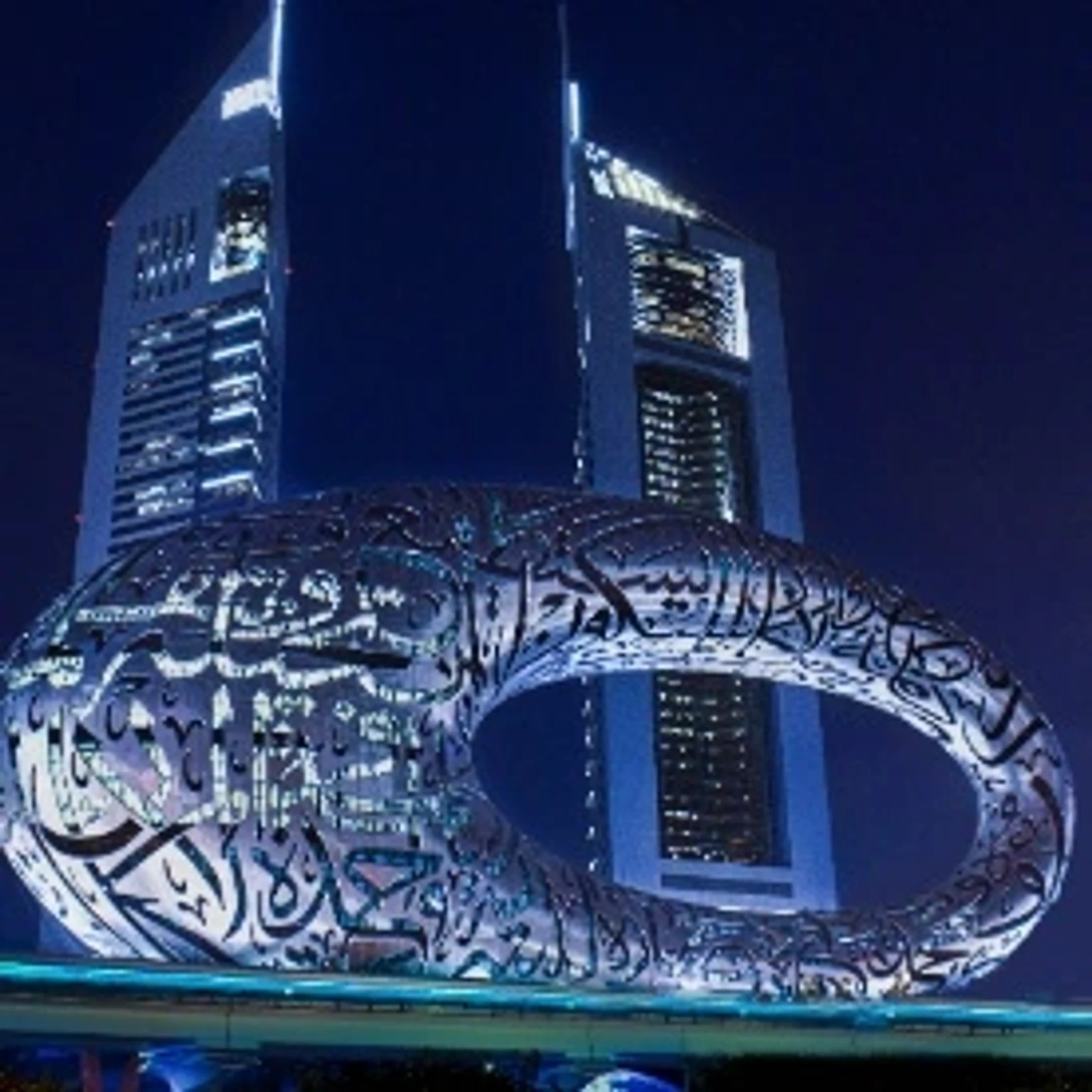


Dubai stands out for its modern skyline, historic neighbourhoods, and diverse communities, all of which have helped create one of the Middle East's most varied dining scenes. Along with traditional Emirati recipes, you’ll find flavours from the Arab world, South Asia, and more, giving each neighbourhood its own character. Dubai's famous food brings together these influences through classic dishes, street food, and regional specialities found all over the city.
This guide highlights must-try Emirati dishes, Dubai street food, vegetarian options, Indian food in Dubai, and what to expect to pay for meals, making it easier to plan where and what to eat.
What Makes Dubai Food Culture Unique?
Dubai's food culture sits at the crossroads of tradition and migration. Three main influences shape what you find on the plate: Emirati heritage, the wider Arab and Persian Gulf region, and decades of South Asian, Levantine, and global communities settling in the city.
Dubai's traditional food centres on rice, lamb, chicken, dried lemon (loomi), and aromatic spices. Before the city's modern development, seafood was equally central to the Emirati diet, a legacy still visible in coastal dishes today.
The scale of Dubai's famous food options is significant. According to the Dubai Economy and Tourism Department, over 13,000 licensed food and beverage outlets operate across the city. Halal is the standard at almost all restaurants; non-halal sections are available only at select licensed venues.
Defining flavours in Dubai food culture:
- Saffron: Used in rice, sweets, and beverages; brings colour and a mild floral warmth
- Dried lime (loomi): Boiled and dried lime that adds a tangy, slightly smoky note to stews and rice
- Cardamom: Found in coffee (qahwa), desserts, and spice blends
- Rose water: Used in sweets, drinks, and rice dishes for a light floral finish
- Sumac: A sour, brick-red spice used as a finishing touch on salads and grilled dishes
What Are the Famous Foods in Dubai You Should Try?
Dubai's famous food goes beyond international restaurants. For the most authentic experience, start with Emirati dishes enjoyed the same way for centuries.
Al Machboos
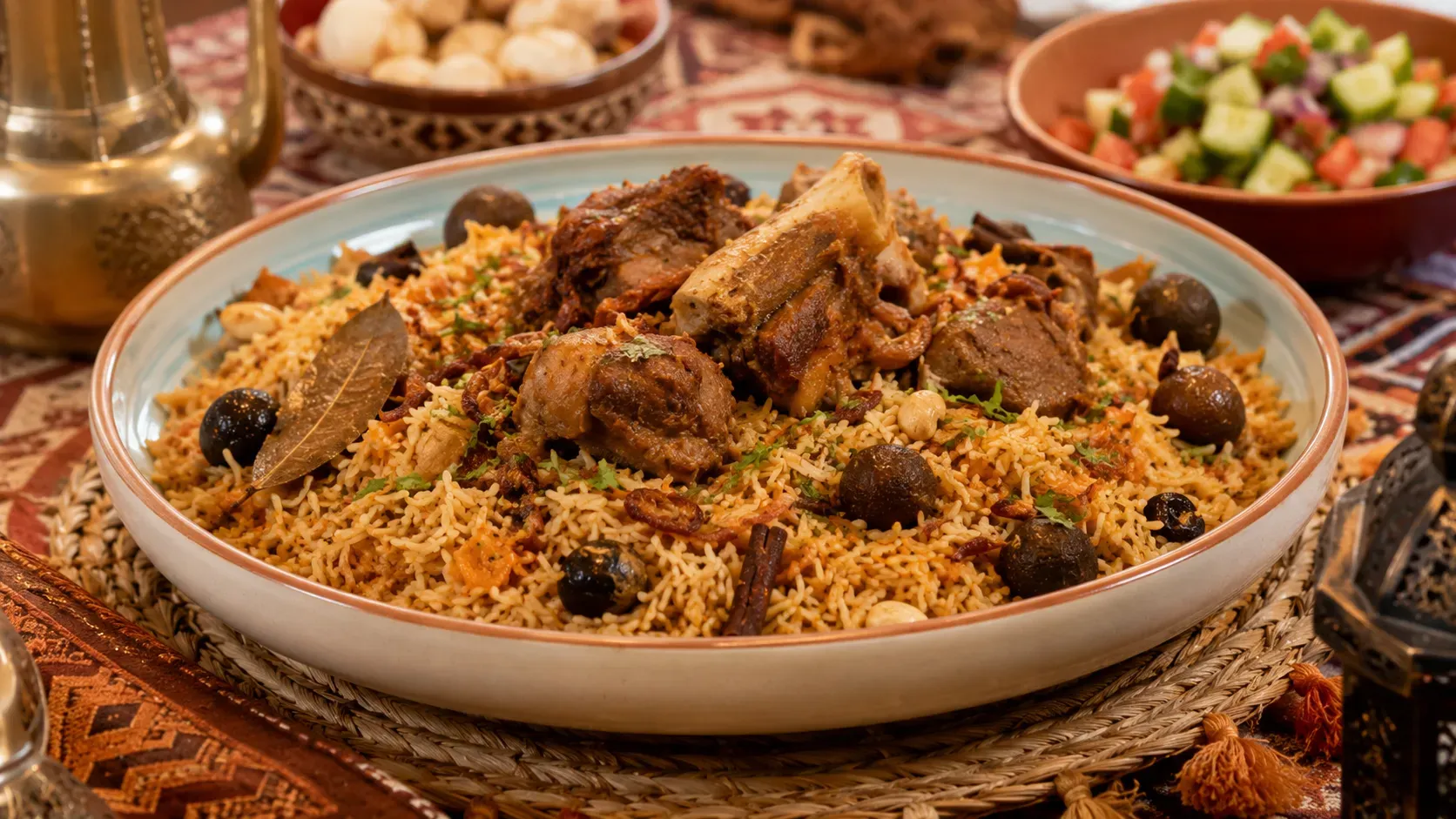
Al Machboos is one of the UAE's most well-known traditional rice dishes, made with lamb or chicken, dried lime (loomi), and a spice blend called bezar. The loomi gives the rice a distinctive, slightly sour note that sets it apart from other spiced rice dishes across the region.
It’s best enjoyed with a side of raita (yoghurt with cucumber) to balance the warmth of the spices. If you eat one dish of Dubai traditional food, make it this one.
Al Harees
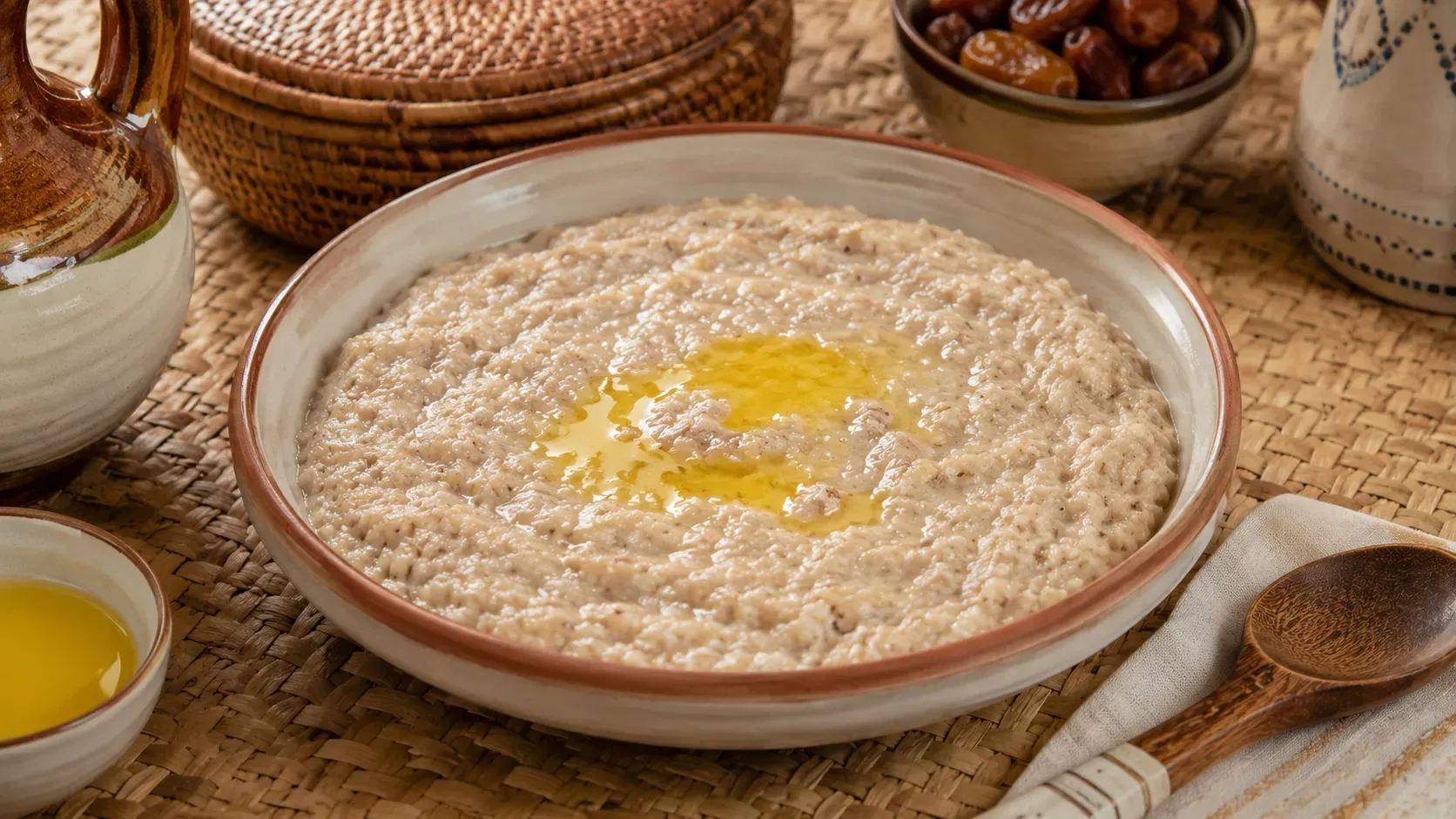
Al Harees is one of the oldest dishes in Emirati cooking. It is made from whole-wheat grain and meat, slow-cooked together for several hours, then pounded into a smooth, porridge-like texture. The result is mild, dense, and deeply satisfying.
Al Harees is one of the most traditional Dubai foods. It’s usually served during Ramadan, Eid, and weddings, but you can also find it at some restaurants throughout the year.
Mandi
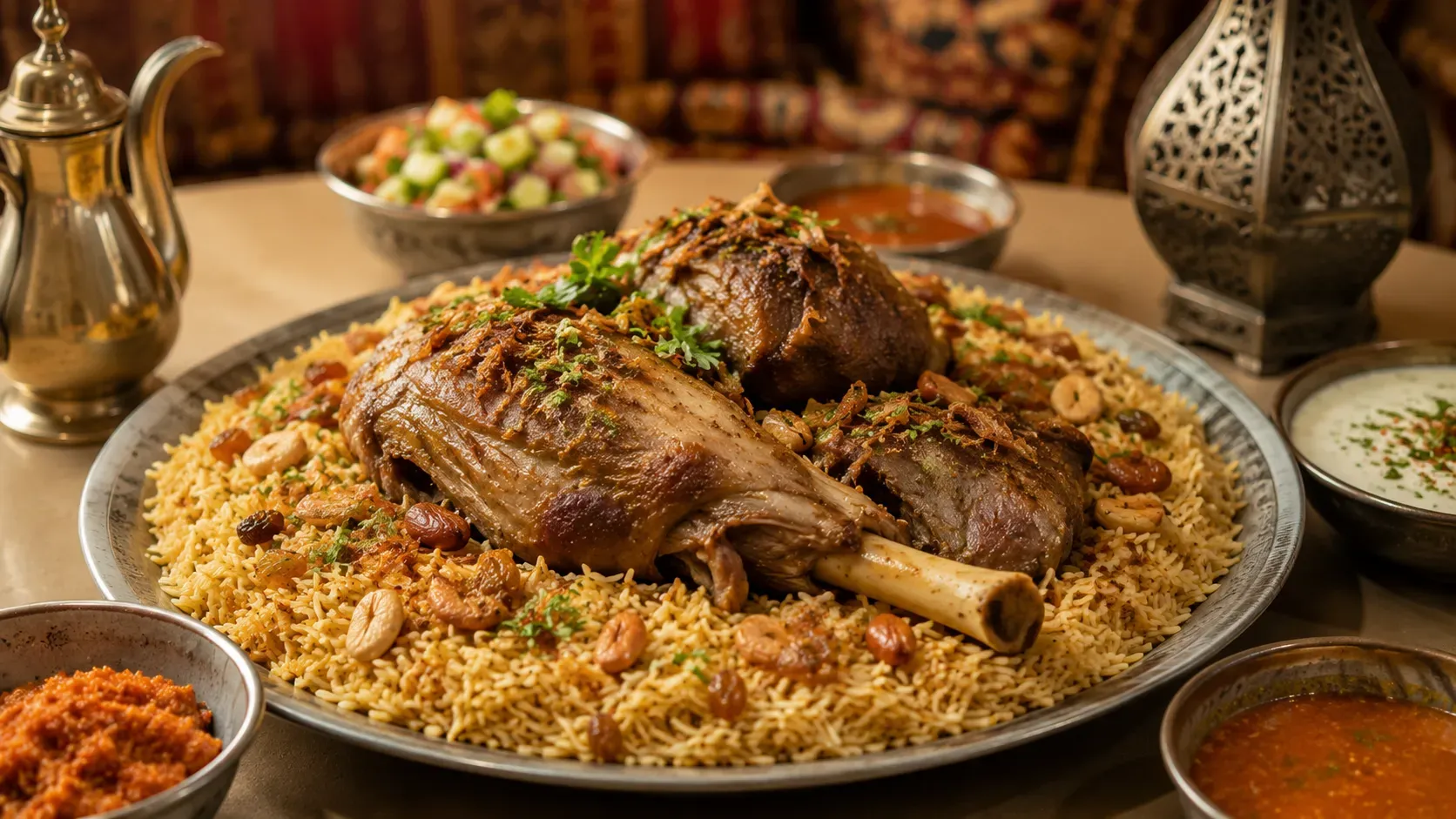
Mandi is slow-cooked lamb or chicken with spiced rice. Traditionally, the meat is cooked in a tandoor or an underground pit, giving it a tender texture and a light, smoky quality. The rice is cooked in the meat broth, absorbing all the flavour from the spices and fat.
Many visitors consider Mandi one of the best foods in Dubai because of its rich flavour and generous portions. For the best experience, try it at a Mandi restaurant in Deira or Bur Dubai.
Luqaimat
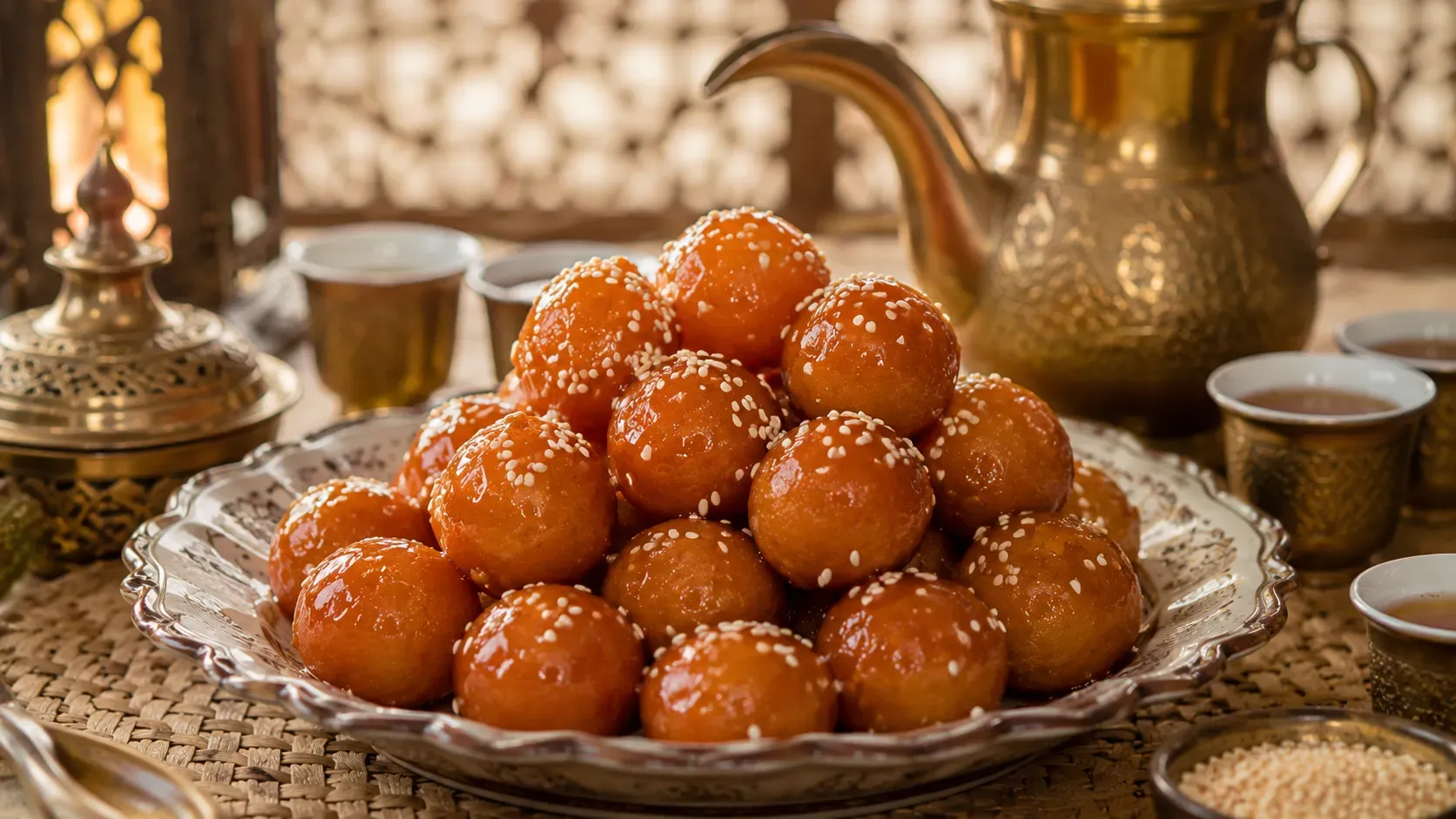
Luqaimat are small, deep-fried dumplings made with flour, yeast, saffron, and cardamom. They’re served warm with date syrup or honey, crisp on the outside and soft on the inside. They are among the most recognisable pieces of Dubai's famous food at street events and traditional cafes during Ramadan.
Dish | Key Ingredients | Best Occasion to Eat |
Al Machboos | Rice, lamb or chicken, loomi, bezar spice | Everyday meals, family gatherings |
Al Harees | Wheat, lamb, salt, ghee | Ramadan, Eid, weddings |
Mandi | Lamb or chicken, spiced rice, tandoor smoke | Lunch, large group meals |
Luqaimat | Flour, saffron, cardamom, date syrup | Ramadan evenings, street events |
Which Dubai Street Food Is Worth Trying?
You can find Dubai street food at casual eateries, food counters, and neighbourhood spots all over the city. Often, the best food in Dubai isn’t in hotels but at local bakeries, food stalls, and counters in older neighbourhoods.
Shawarma
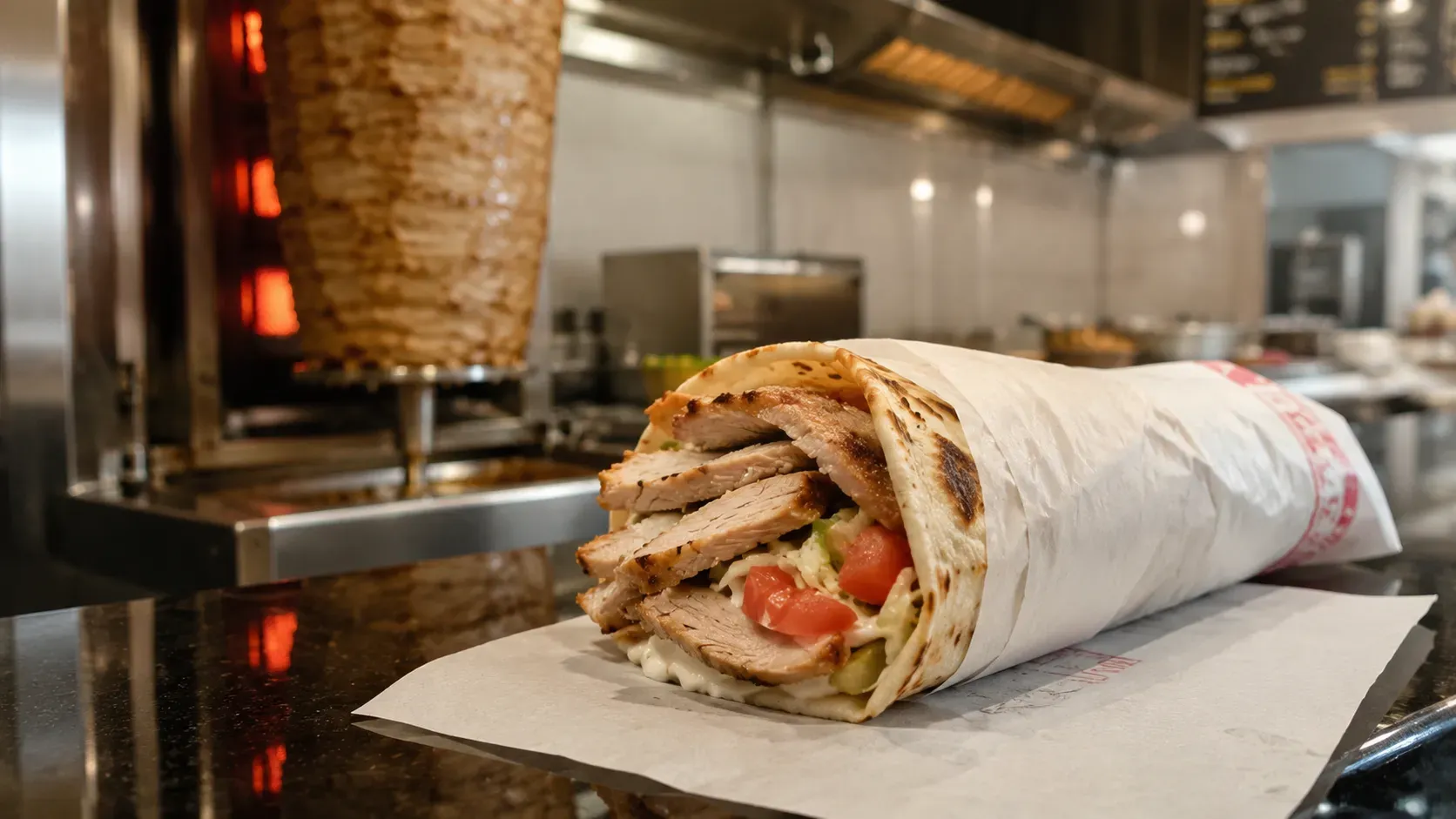
Shawarma is marinated meat, usually chicken or lamb, slow-roasted on a vertical spit and shaved off to order. It is wrapped in flatbread with tahini, garlic sauce, pickled vegetables, and fresh tomatoes. Chicken shawarma with garlic sauce is the most popular version. Among all Dubai street food, shawarma has the widest reach, found in every neighbourhood across the city.
Falafel
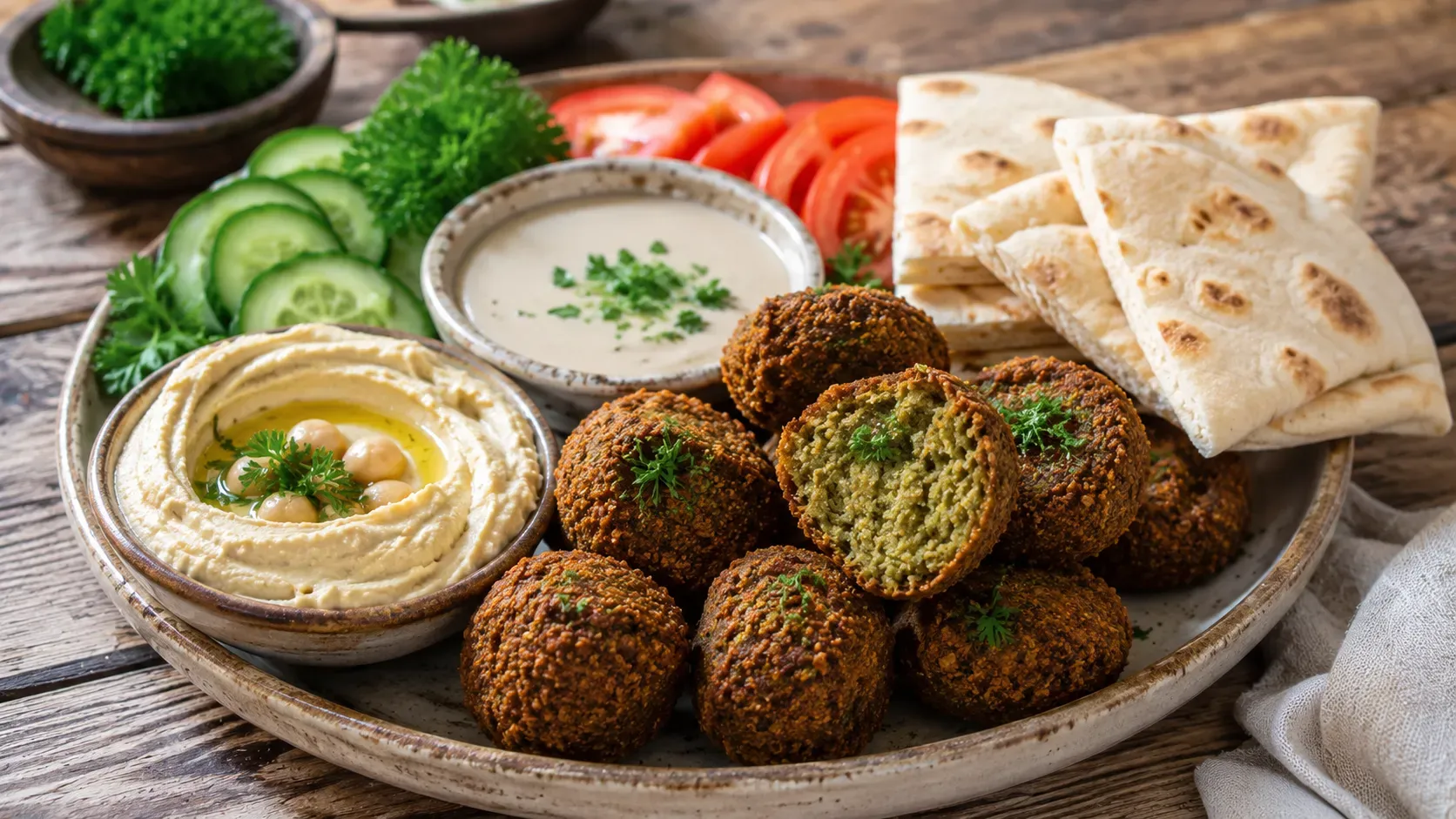
Falafel is a deep-fried patty made from ground chickpeas or fava beans mixed with herbs and spices. They’re served in flatbread with hummus, tahini, and salad. Naturally vegan and filling, falafel is easy to find at most casual food counters in Dubai.
Manakish
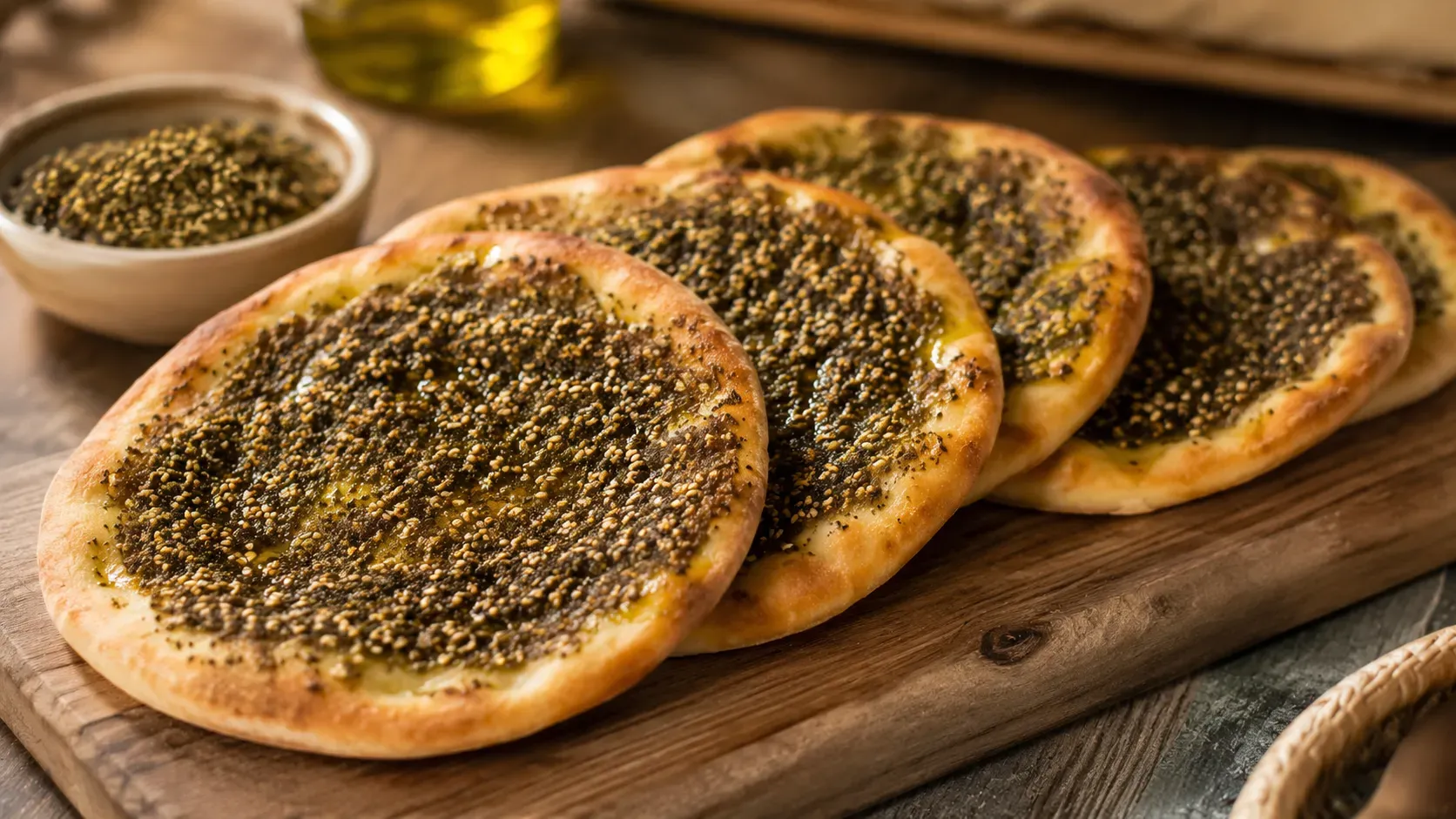
Manakish is a warm flatbread topped with zaatar (a dried herb blend with sesame seeds and olive oil) or labneh (thick, strained yoghurt). It is the standard Dubai street food breakfast, eaten at Lebanese bakeries and neighbourhood cafes. Best ordered fresh from a wood-fired oven.
Knafeh
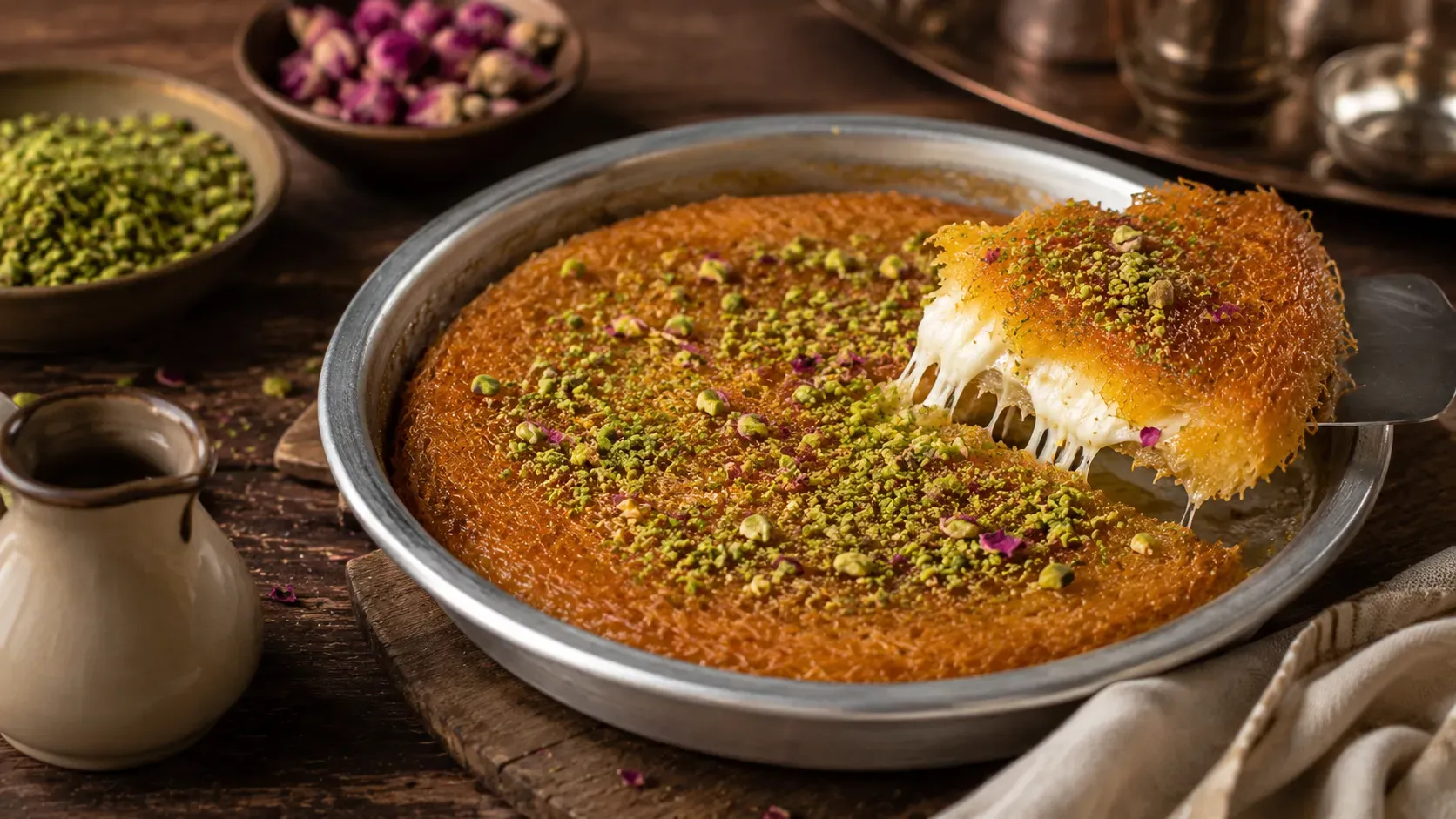
Knafeh is a dessert made with shredded phyllo pastry and soft white cheese, baked until golden and soaked in rose blossom syrup. It’s topped with crushed pistachios and served warm, offering a mix of crunchy, stretchy, and sweet textures. Many consider it the best food in Dubai for fans of Middle Eastern sweets, and you’ll find it sold by weight at dessert shops across Dubai.
Best areas for Dubai street food:
- Deira: Old Dubai's trading district, dense with shawarma counters, falafel shops, and Lebanese bakeries
- Al Fahidi: Close to the Dubai Museum; small cafes and traditional snack spots in a quieter setting
- Bur Dubai: Mix of Emirati street eats and South Asian food counters; very busy at lunch
- Karama: One of the most food-dense areas in the city; falafel, manakish, and street sweets at almost every corner.
What Are the Best Dubai Food Vegetarian Options?
Dubai's vegetarian food options are more plentiful than many visitors expect, thanks to the strong influence of Levantine and South Asian cuisines in both casual and upscale restaurants.
Core vegetarian picks in Dubai:
- Hummus: Chickpea dip blended with tahini, lemon, and olive oil; on almost every menu throughout Dubai
- Baba Ganoush: Smoked eggplant with onion and olive oil; served as a starter or alongside bread
- Tabbouleh: Finely chopped parsley, tomato, and bulgur wheat with lemon juice; light and fresh
- Fattoush: A salad of mixed greens, radish, and cucumber with toasted pita and a tangy lemon dressing
- Falafel: Naturally vegan; found at almost every price point from street counters to sit-down restaurants
- Shirin Polo: Saffron basmati rice cooked with carrots, raisins, and nuts; a Persian dish widely served in Dubai
Most Lebanese and Emirati restaurants serve a wide range of vegetarian mezze starters, which can make a filling meal on their own. Mezze dishes are usually shared at the table. Across Dubai's famous food landscape, vegetarian mezze is one of the easiest and most enjoyable ways to eat, even if you don’t have a specific restaurant in mind.
Vegetarian-friendly areas and cuisine types in Dubai:
- Karama and Bur Dubai: South Indian and Sri Lankan restaurants with full vegetarian thali menus
- Al Barsha and Jumeirah: Lebanese restaurants with strong mezze menus suitable for vegetarians
- Downtown Dubai: Several dedicated vegetarian and vegan restaurants alongside hotel dining options
- Deira: Persian and Levantine spots with falafel, hummus, and salad-based menus
Where Can You Find Indian Food in Dubai?
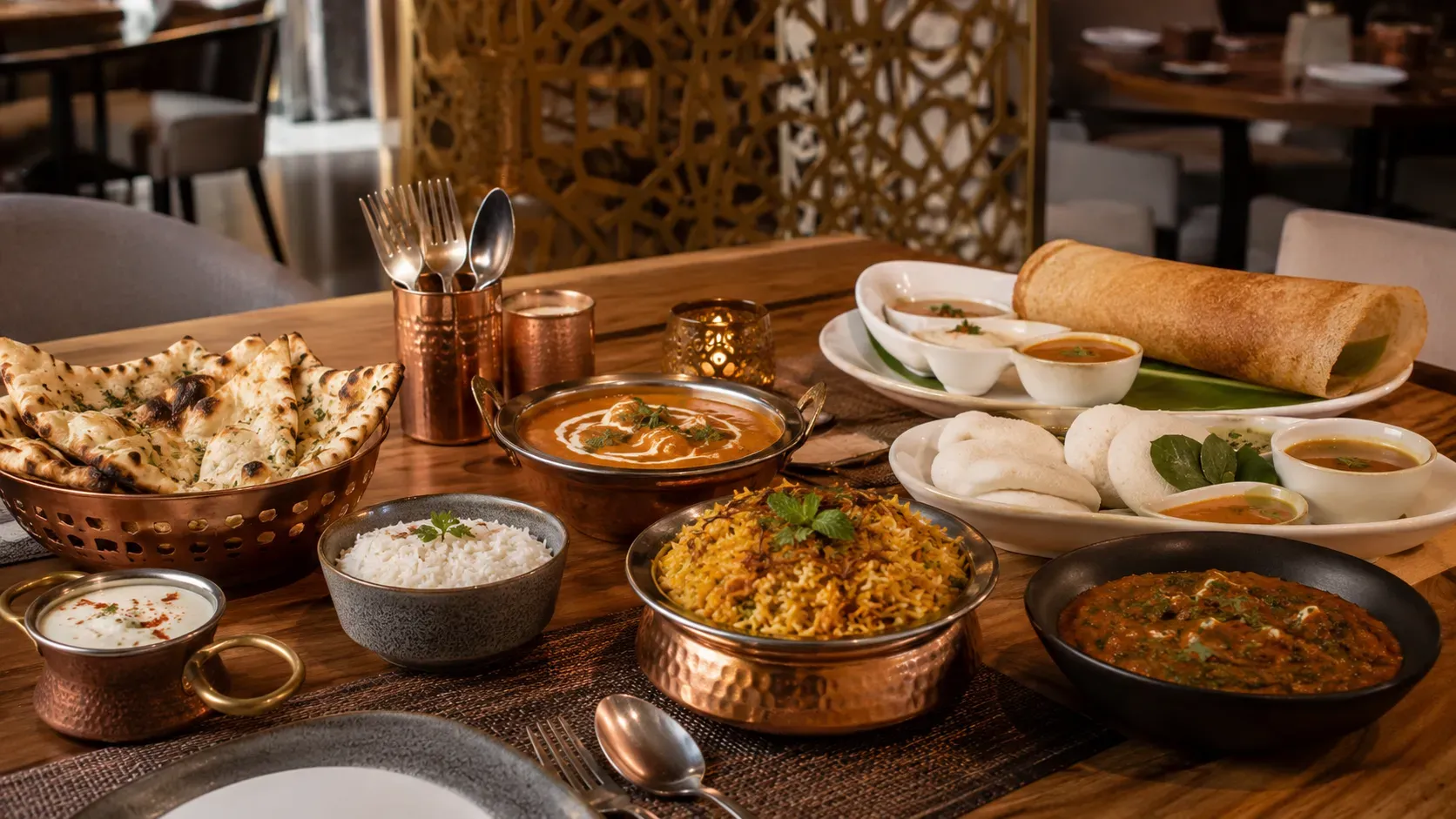
Dubai has a large Indian community, so Indian food in Dubai is easy to find throughout the city. You’ll see every regional style, from North Indian curries to South Indian tiffin breakfasts.
Deira and the streets around Bur Dubai are the best places to start. Indian food in Dubai restaurants here sits side by side: curry houses, biryani spots, and South Indian dosa restaurants all close together.
Key dishes to try at Indian restaurants in Dubai:
- Biryani: Fragrant layered rice with marinated meat; available in Hyderabadi, Lucknowi, and Malabar styles across different restaurants
- Dosa and idli: South Indian breakfast staples made from fermented rice and lentil batter, found at South Indian casual restaurants across Bur Dubai and Karama
- Butter chicken and dal makhani: North Indian classics, rich and slow-cooked; widely served and easy to find
Indian food in Dubai fits every price point. You can get a generous thali meal at a casual spot, or try a more refined version at upscale Indian restaurants in hotels and Downtown.
Indian food by neighbourhood:
- Deira: Most concentrated area for Indian food; casual, high-volume, reliable for biryani and curry
- Bur Dubai: South Indian food is particularly strong here; dosa joints and Kerala-style seafood restaurants
- Downtown Dubai: Premium Indian restaurants in hotels; better presentation, higher prices, reservation recommended
What Is the Cost of Food in Dubai?
The cost of food in Dubai mostly depends on where and how you choose to eat.
Dubai street food and local canteen meals in Dubai usually cost between AED 10 and AED 35 per person. Mid-range restaurants range from AED 60 to AED 150, while fine dining starts at AED 250 and can be much higher for tasting menus.
Category | Avg Price Per Person (AED) | Avg Price Per Person (INR) | Examples |
Street food and canteens | AED 10 to AED 35 | ₹230 to ₹800 | Shawarma, falafel, manakish |
Casual mid-range | AED 60 to AED 150 | ₹1,380 to ₹3,450 | Lebanese restaurants, Indian curry houses |
Upscale dining | AED 150 to AED 250 | ₹3,450 to ₹5,750 | Emirati restaurants, hotel dining rooms |
Fine dining | AED 250 and above | ₹5,750 and above | Michelin Guide Dubai 2025 listed venues |
Tipping isn’t required, but most people leave 10 to 15 per cent at sit-down restaurants. Several famous Dubai food venues at the premium end appear in the Michelin Guide Dubai 2025; reservations are required well in advance.
Dubai food vegetarian mezze meals are usually on the lower end of the mid-range. Because these dishes are often shared starters, you can put together a filling meal for less than the cost of ordering a main course.
Practical eating tips:
- Cards and contactless payments are widely accepted, though carrying some cash can be useful at smaller local food counters.
- Eat during busy service hours, typically 12 PM to 2 PM for lunch and 7 PM to 10 PM for dinner, for the freshest food.
- Confirm restaurant hours before visiting, as timings can change during Ramadan and public holidays.
- For Dubai's famous food at the fine dining level, check the Michelin Guide Dubai 2025 for verified listings before booking.
- Understanding the cost of food in Dubai helps you plan your meals and avoid unexpected costs.
Final Takeaway
Dubai’s dining scene is among the most diverse in the Middle East, and it rewards those who move beyond hotel menus. From slow-cooked Emirati rice dishes to late-night shawarma and South Indian breakfasts, Dubai's famous food offers something for every taste and budget in every neighbourhood.
Try shawarma in Deira, enjoy Lebanese mezze in Al Barsha, or have Mandi in Bur Dubai. Each neighbourhood brings its own flavour to Dubai’s food scene.
If you’re planning a holiday to Dubai and want a custom itinerary with the best places to stay and eat, Holiday Tribe’s advisors can help with every detail.