

Not many cities offer as much as Barcelona, Spain. Here, you’ll find Gaudí’s unique buildings, a lively medieval old town, ten city beaches, and a food scene focused on small plates and long, relaxed lunches. If you’re planning a holiday, this guide will help you with the essentials: the top 12 things to do, the best times to visit, and a few local habits to make your stay easier.
In short, you can see the main sights in two to four days. Spring and early autumn have the nicest weather. The best way to plan your days is to visit one major Gaudí site in the morning and then relax by the sea. These are the 12 experiences you shouldn’t miss.
What Are the Top 12 Things to Do in Barcelona, Spain?
1. See the Newly Completed Sagrada Família
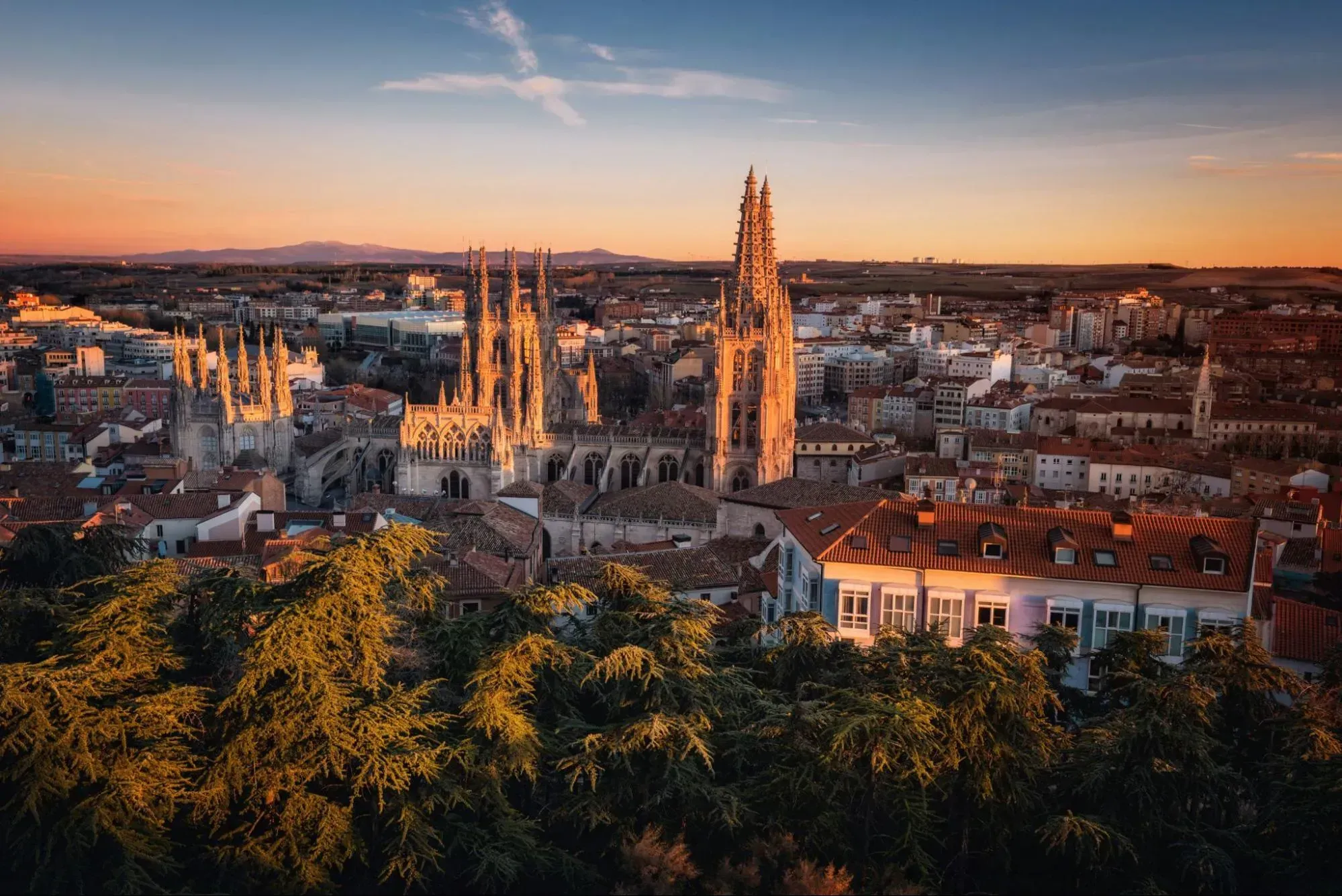
Gaudí's basilica remains a primary attraction in Barcelona, Spain, with 2026 marking a significant milestone. The exterior was structurally completed on 20 February 2026, following the installation of the upper arm of the cross on the Tower of Jesus Christ. Now standing at 172.5 metres, it is the tallest church in the world. Pope Leo XIV inaugurated the basilica on 10 June 2026, exactly one hundred years after Gaudí's death. Entry is by timed ticket only; booking a morning slot is recommended to avoid crowds and enjoy optimal lighting.
- Best for: Architecture lovers and first-time visitors
- Good to know: Entry is by timed ticket only; book a morning slot before the light and queues build
2. Wander Through Park Güell
Gaudí's mosaic garden on Carmel Hill was originally designed as a housing estate and opened as a city park in 1926. It became a UNESCO World Heritage Site in 1984. Highlights include El Drac, the colourful salamander on the main stairway, the winding bench with views over the city, and the Hypostyle Hall with its 86 columns. The main area uses timed entry and allows about 1,400 visitors per hour, so visiting early or late in the day is usually quieter. You can also walk in the nearby woodland for free.
- Best for: Gaudí fans, families and photographers
- Good to know: The monumental zone runs on timed entry, capped at around 1,400 visitors an hour; early or late slots are calmer, and the surrounding woodland is free
3. Stand in Front of Casa Batlló and La Pedrera
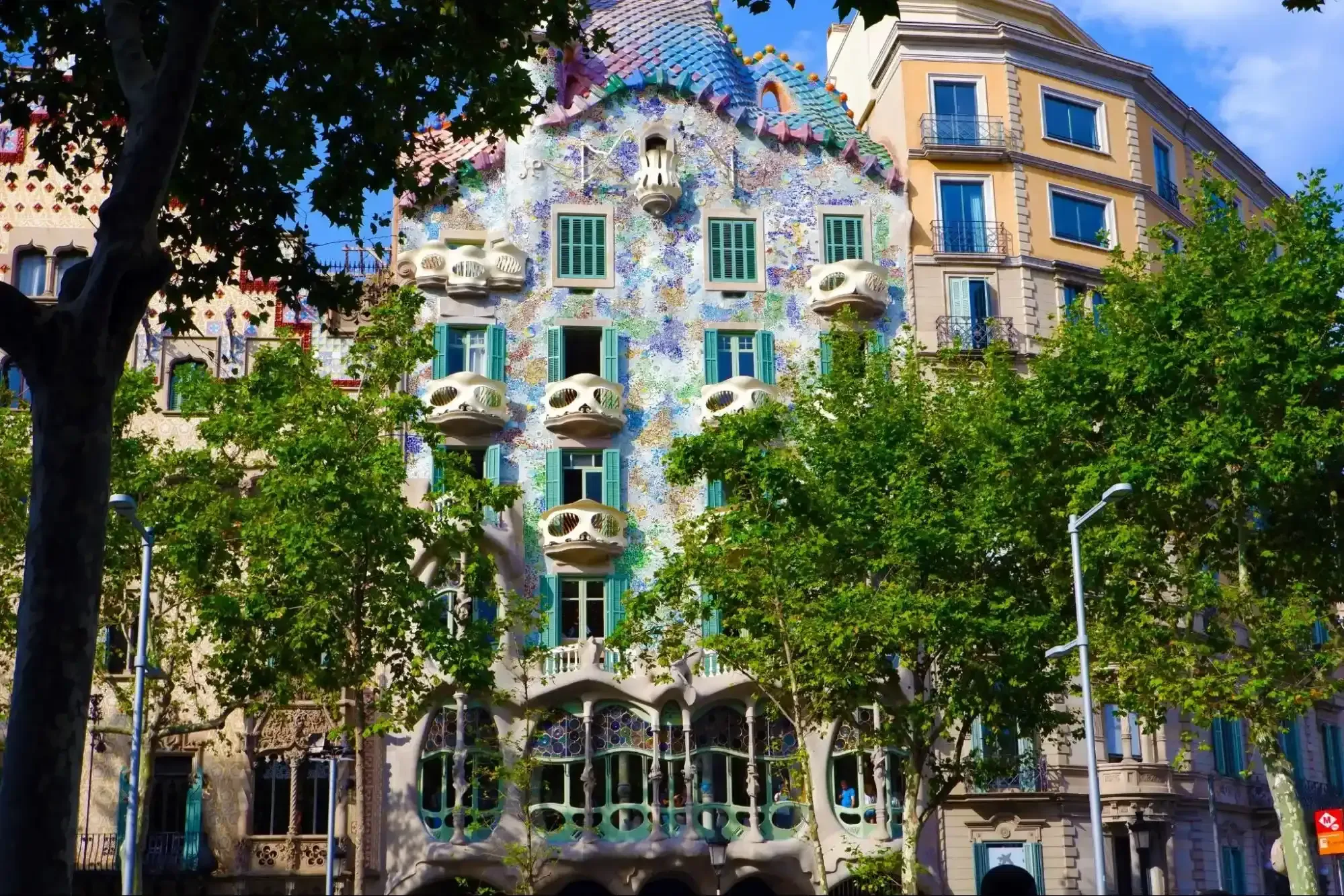
There are two more Gaudí houses just a short walk apart on Passeig de Gràcia. Casa Batlló stands out with its blue-green tiled facade and balconies that look like bones. La Pedrera, also known as Casa Milà, features a wavy stone exterior and a rooftop dotted with chimney sculptures. Both are among the most photographed tourist attractions in Barcelona. If you only have time to visit one, Casa Batlló's evening tours offer a more theatrical experience.
- Best for: Architecture lovers and couples
- Good to know: If you go inside only one, Casa Batlló's evening visits are the more theatrical
4. Roam the Gothic Quarter
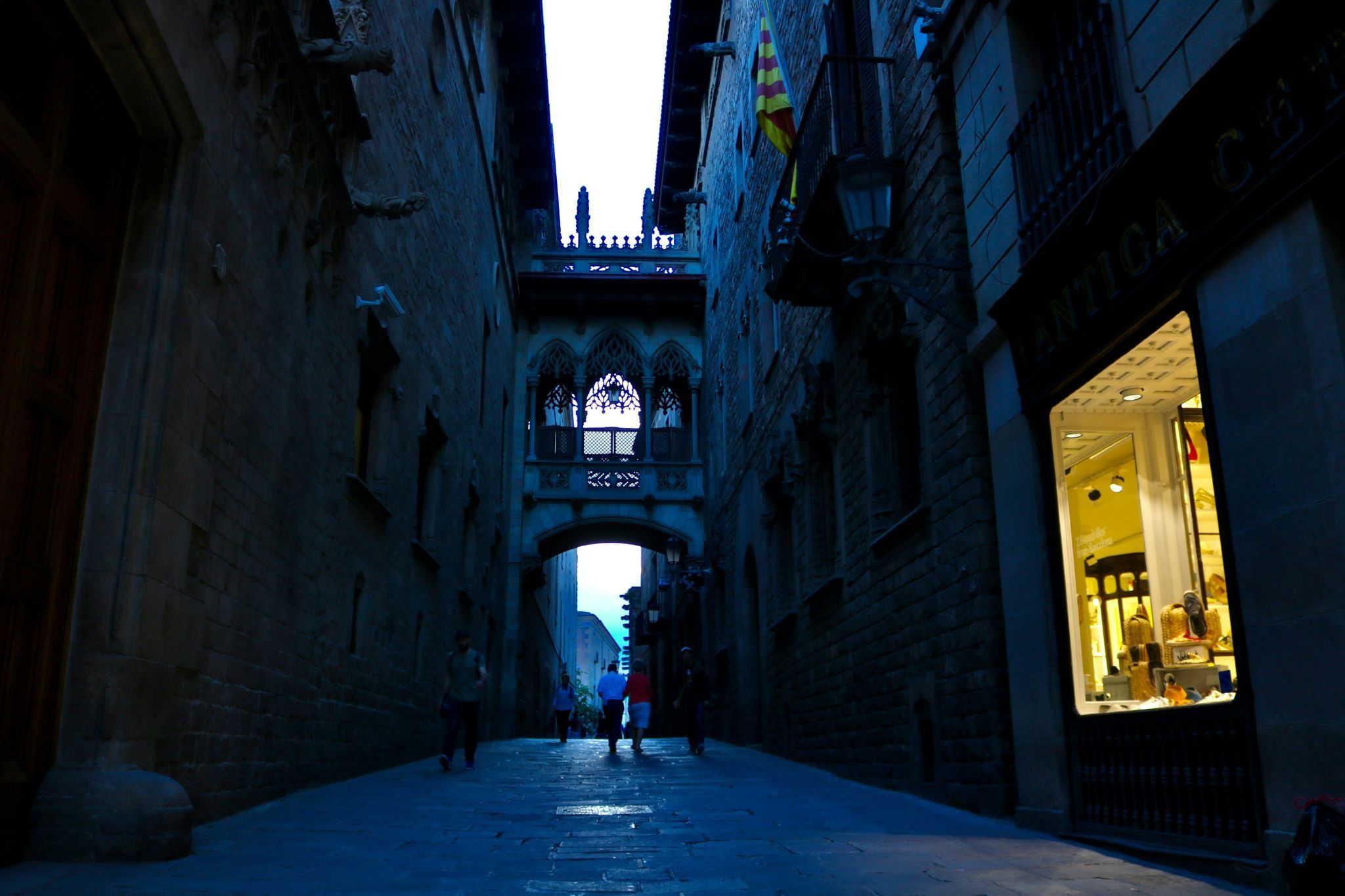
The Barri Gòtic is the medieval heart of the city, full of winding lanes, hidden squares, and pieces of old Roman walls. The Barcelona Cathedral stands at its centre, while the side streets are home to small shops and peaceful courtyards. This is the kind of place you should explore without a set plan. Visit early in the morning for quiet photos, or come after dark when the stone streets seem to shine.
- Best for: History fans and slow walkers
- Good to know: Go early morning for empty photos or after dark when the stone lanes glow; keep bags closed
5. Walk La Rambla and Eat at La Boqueria
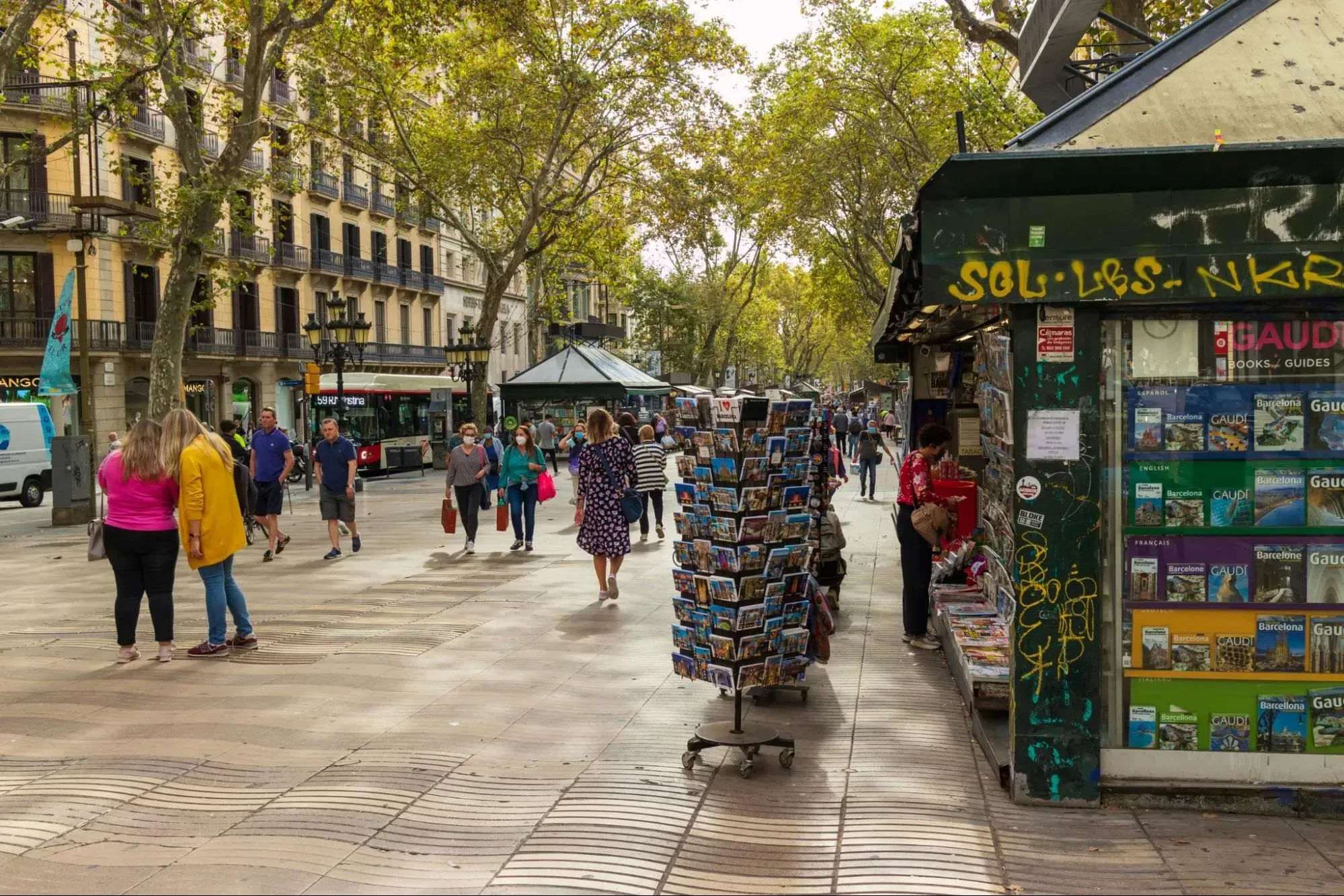
La Rambla is a well-known, tree-lined street, and about halfway along you'll find La Boqueria, also called the Mercat de Sant Josep. There has been a market here since the 13th century, and now over 300 stalls offer some of the city's freshest meats, seafood, cold cuts, and produce. If you want to visit like a local, try to go before the crowds arrive, and order a vermut or tinto de verano instead of sangria, which is mostly for tourists.
- Best for: Food lovers and first-timers
- Good to know: Go before it fills up in the late morning, order a vermut rather than tourist sangria, and note the market closes on Sundays
6. Slow Down on the City Beaches
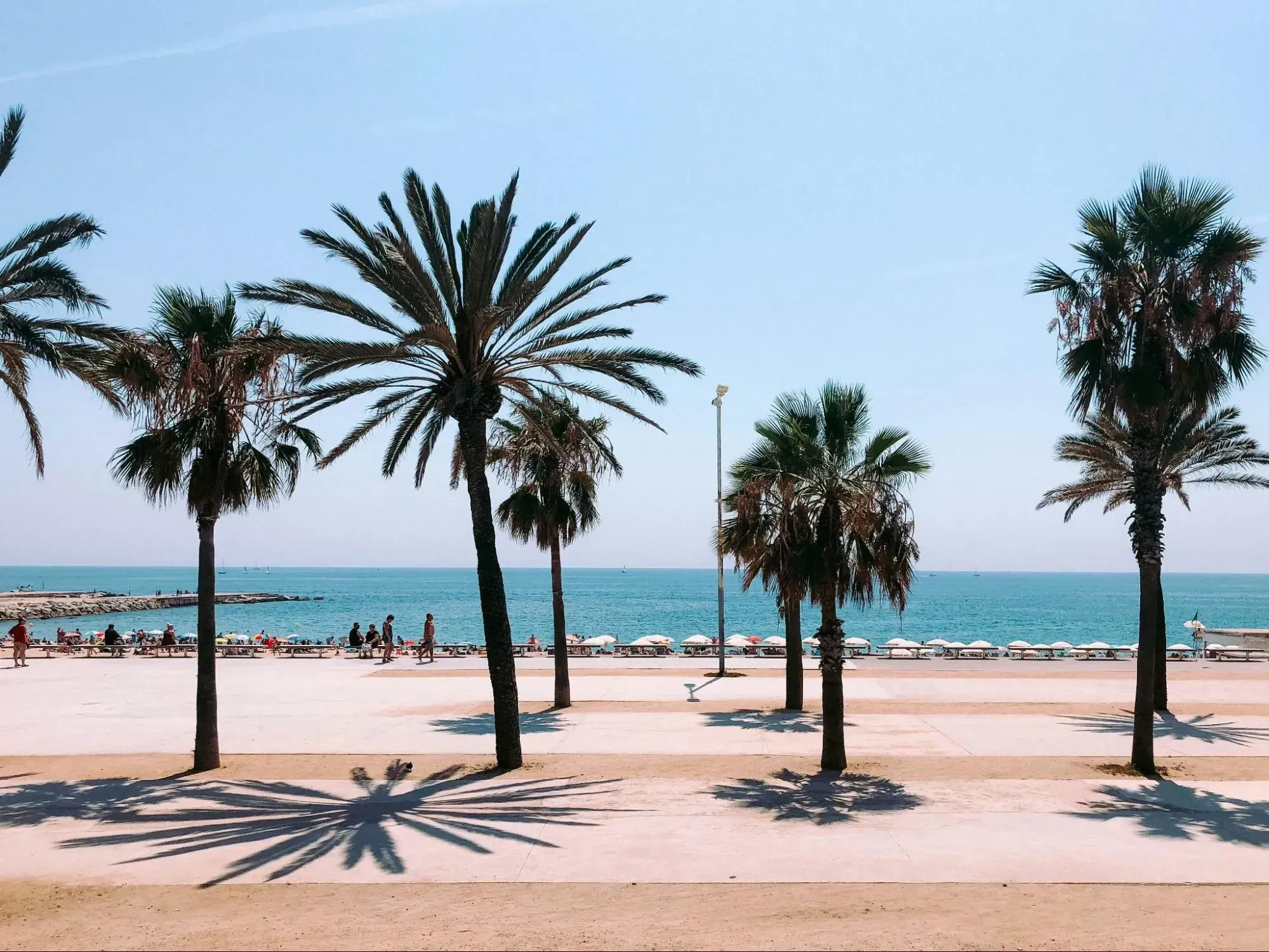
The beaches in Barcelona are special because you can reach real sandy shores just by taking the metro from the old town. The coastline stretches for about 4.2 kilometres and includes ten beaches linked by a promenade. You’ll find bathrooms, showers, and lifeguards from May to September. Barceloneta is the liveliest and most crowded, while Bogatell and Nova Icària are cleaner, quieter, and popular with locals. Most of these beaches were built for the 1992 Olympics. Remember to watch your bag when you go for a swim.
- Best for: Relaxing, families and summer days
- Good to know: Take Metro L4 (yellow line); keep an eye on your bag while swimming
7. Climb Montjuïc for Views and the Magic Fountain
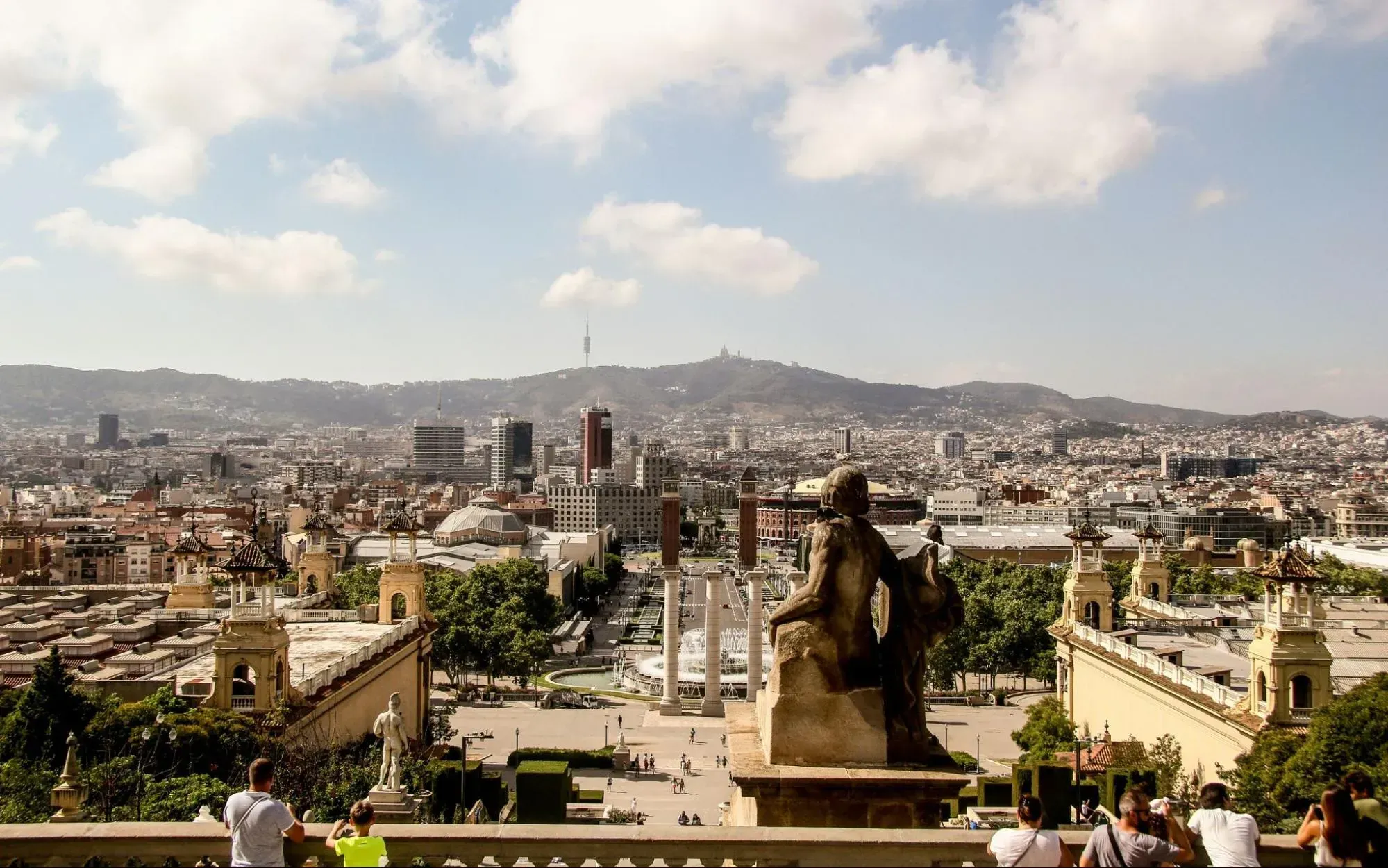
On the hill above the port, you’ll find a castle, gardens, the MNAC art museum inside the impressive Palau Nacional, and the 1992 Olympic stadium. You can take a cable car to avoid the climb. In the evening, the Magic Fountain puts on a free light and music show on certain nights, so be sure to check the schedule before you go.
- Best for: Panoramic views and museums
- Good to know: The Magic Fountain runs a free light and music show on select evenings only, so check the schedule first
8. Eat Tapas the Catalan Way
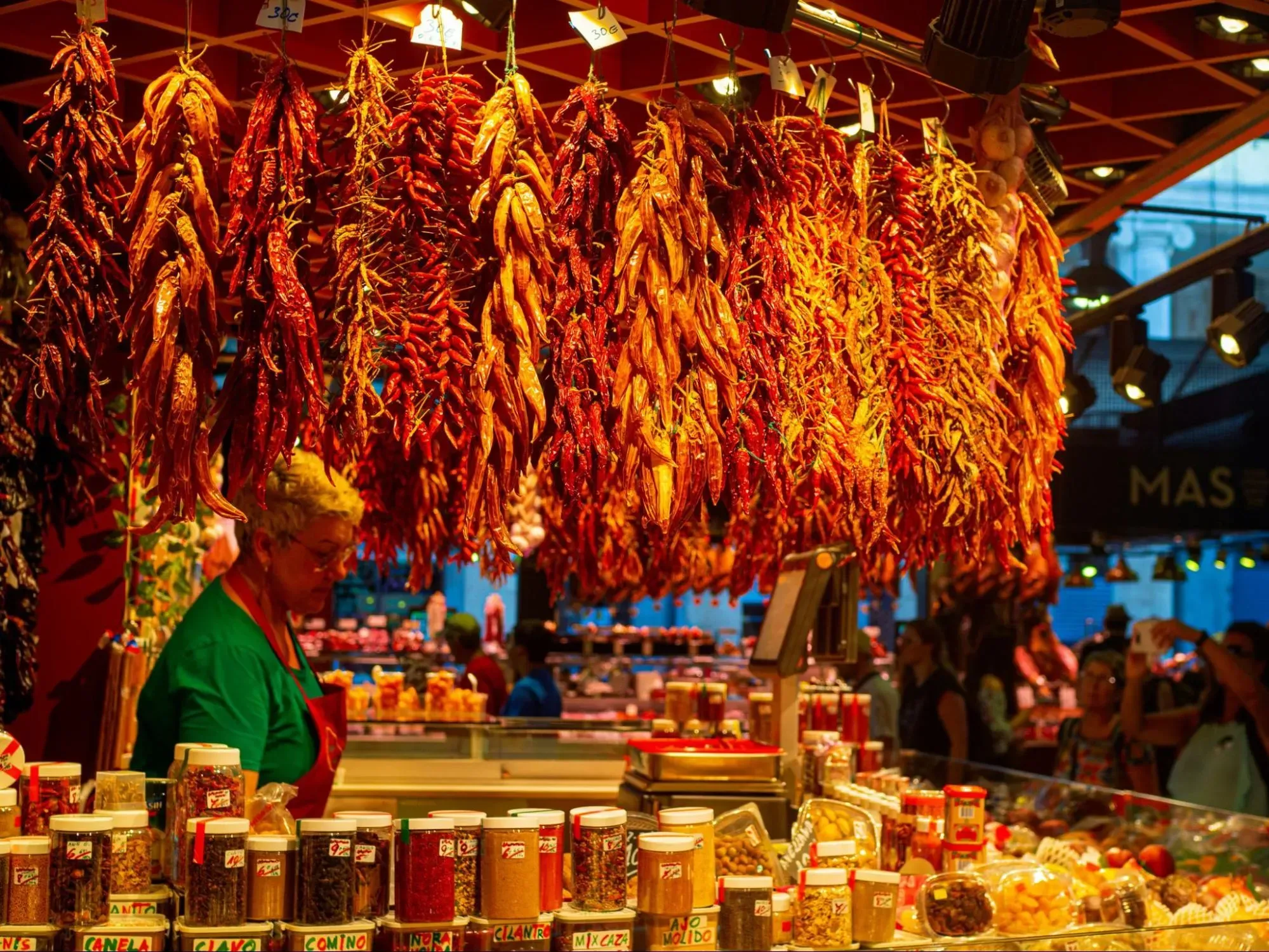
Food is one of the main reasons to visit Barcelona. The best restaurants in Barcelona include everything from classic tapas bars with tiled walls to Michelin-starred spots, but the local favourites are simple: pa amb tomàquet (bread rubbed with tomato), patatas bravas, croquetas, and jamón ibérico. Dinner usually starts after 9pm, so plan to eat later than you might at home. Instead of ordering one large main dish, try a few small plates to share.
- Best for: Everyone, at every price point
- Good to know: Dinner rarely starts before 9pm; order a few small plates to share rather than one big main
9. See Early Picasso in El Born
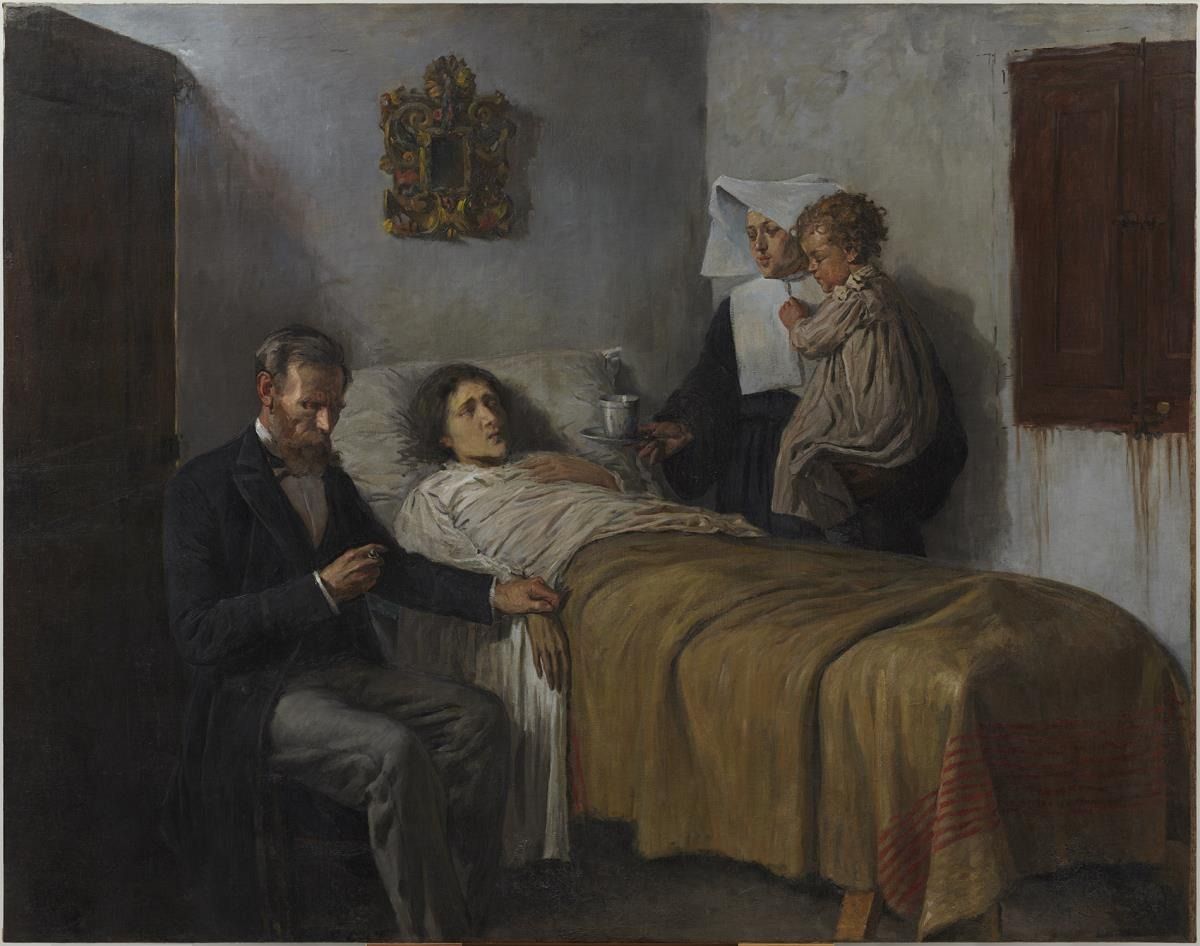
Image Source: Museu Picasso Official Website
The Museu Picasso is located in a group of connected medieval palaces in the El Born area and has one of the best collections of Picasso’s early work. You can see how he painted before he became famous, which makes the visit special. Some evenings offer free entry, so check the official website and reserve your spot early, as tickets sell out quickly.
- Best for: Art lovers
- Good to know: There are free-entry slots on certain evenings; check the official site and book ahead, as it sells out
10. Do the FC Barcelona and Spotify Camp Nou Tour
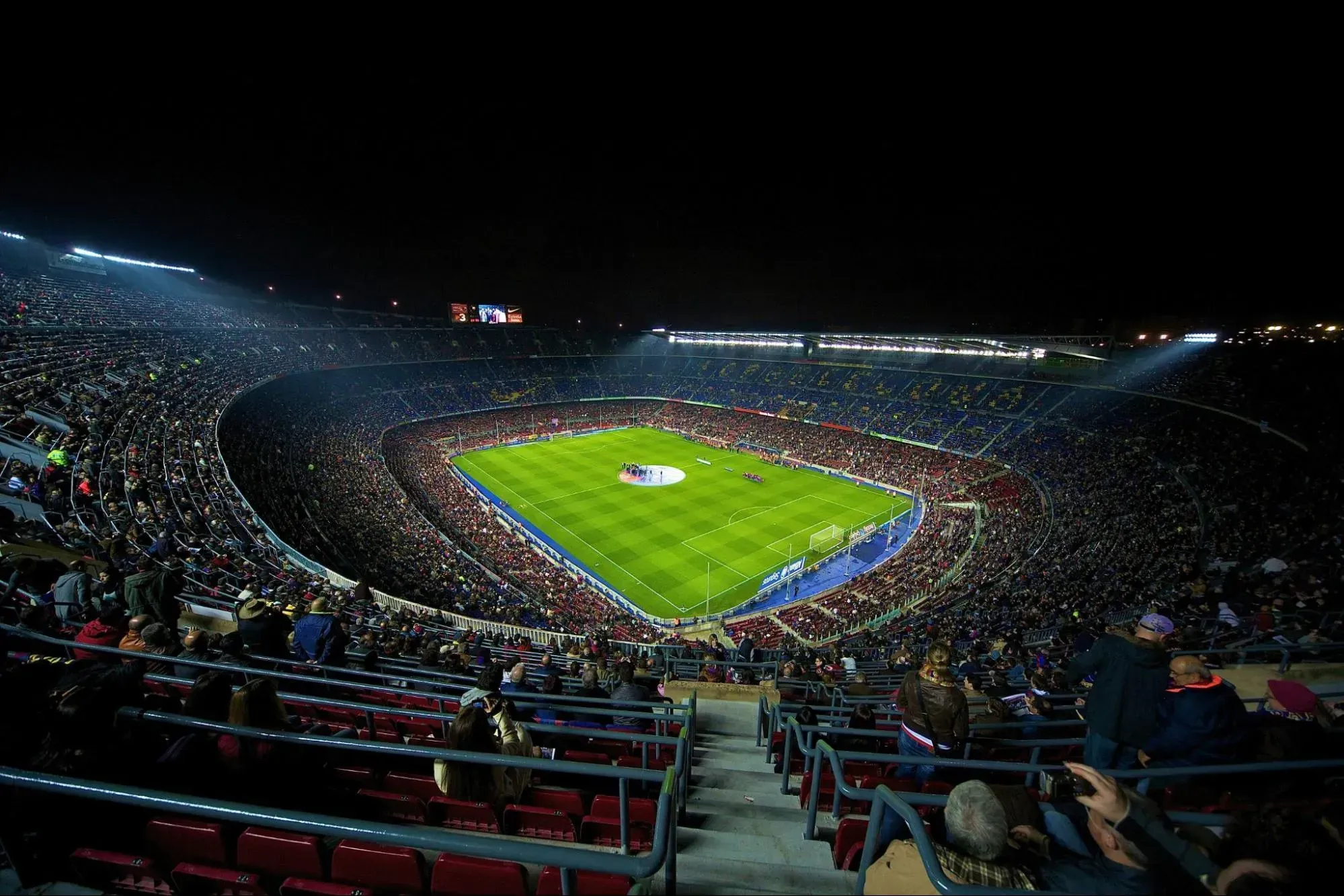
For football fans, visiting here feels like a pilgrimage. The Spotify Camp Nou reopened on 22 November 2025 after more than two years of rebuilding, and FC Barcelona celebrated with a 4-0 win over Athletic Club. The renovation, including a new roof, will be fully finished by 2026, and the stadium’s capacity will reach about 105,000. The stadium tour and club museum are some of the most visited places in Barcelona, so it’s a good idea to book ahead, especially around match days.
- Best for: Football fans and families
- Good to know: Capacity is still limited during the works, so pre-book around the match schedule
11. From Flagship Stores to Small Boutiques 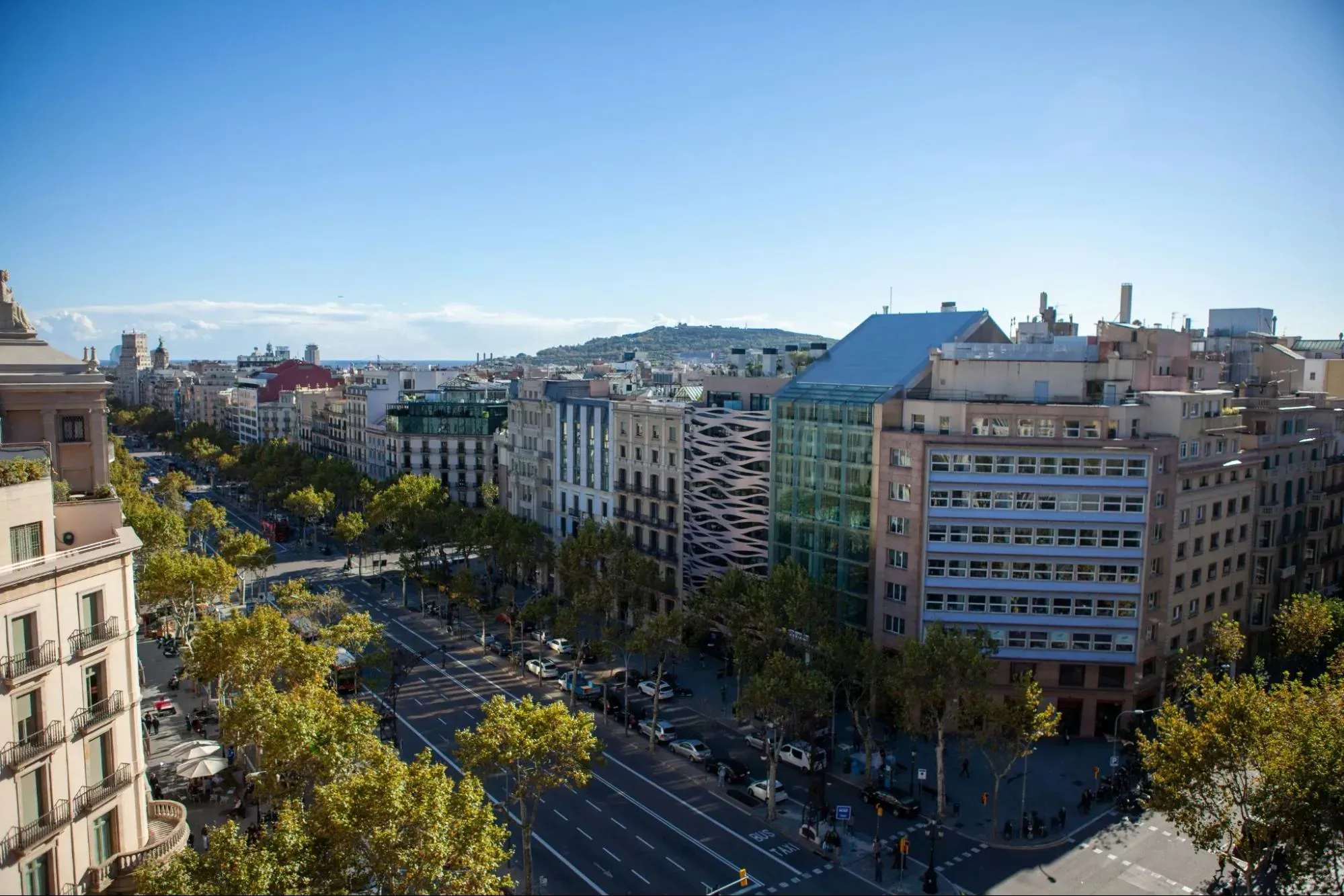
Shopping in Barcelona is easy to navigate. Passeig de Gràcia is the main street for designer stores, right next to the famous Gaudí houses. El Born and Gràcia are great for finding independent brands and craft shops, while Portal de l'Àngel is the place for high-street shopping. Most shops are open until 8 or 9pm, but many close on Sundays unless you’re in the tourist areas.
- Best for: Shoppers, from luxury to independent labels
- Good to know: Most stores stay open until 8 or 9pm, and many close on Sundays outside the tourist core
12. Take a Day Out of the City
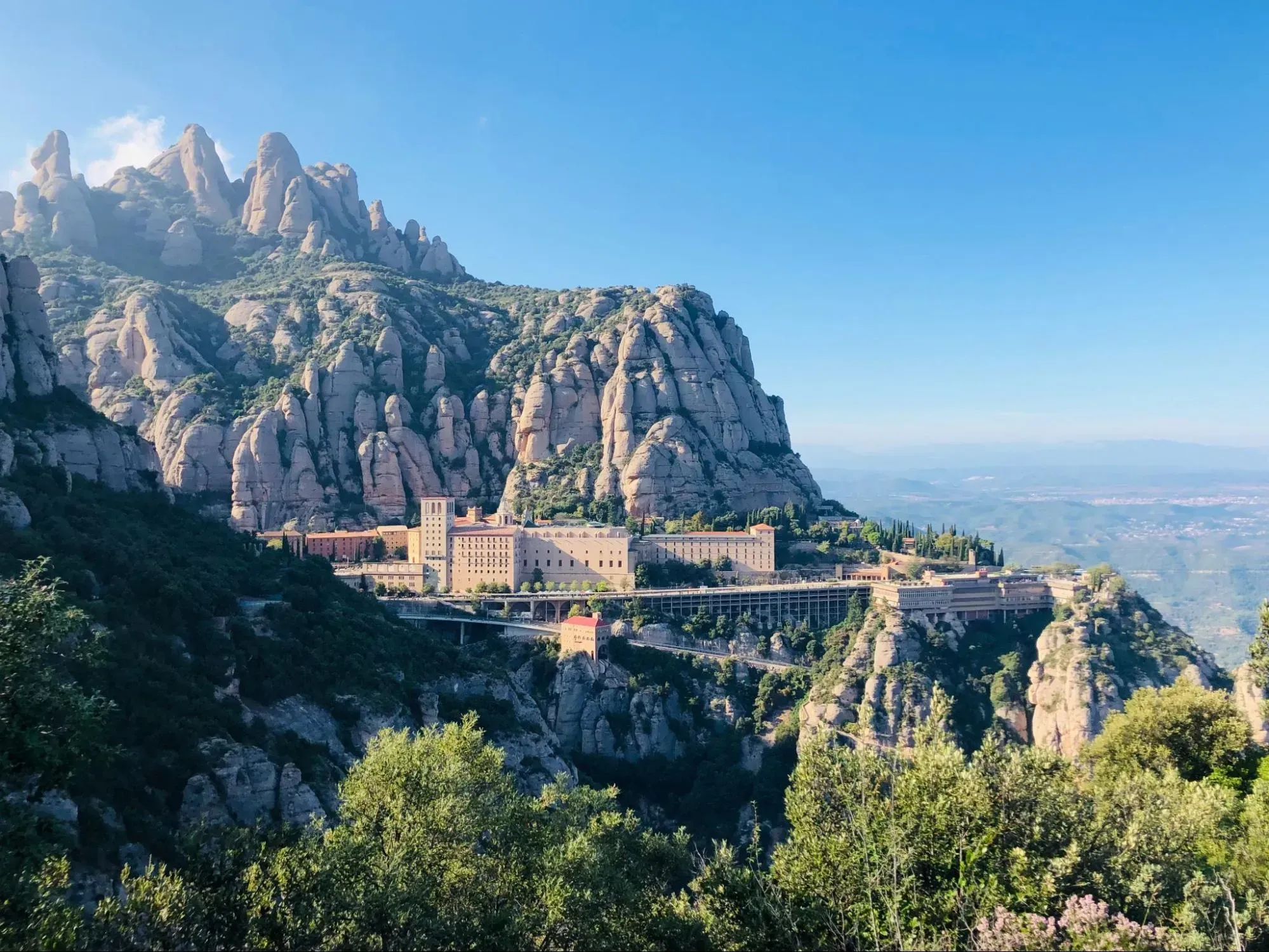
If you have a free day, there’s plenty to visit nearby. You can reach Montserrat’s mountain monastery in about an hour by train and cable car. Sitges is a charming seaside town just down the coast, and Girona offers medieval walls and streets that look like a movie set. All three are easy to visit by train, so you can return to the city the same day.
- Best for: Repeat visitors and nature lovers
- Good to know: All three are easy returns by train, so you keep your base in the city
Tribe Travel Tip: Get your timed tickets for the Sagrada Família and Park Güell a few days in advance, since the best times fill up quickly. Try visiting one major Gaudí site in the morning, then spend your afternoon at the beach or exploring a market. Be sure to keep your valuables secure on La Rambla and at the beaches, as pickpockets are common in those areas.
Experience the Best of Barcelona, Spain
Barcelona, Spain, is best enjoyed at a relaxed pace, letting you experience more by wandering than by rushing through a checklist. In two or three days, you can see Gaudí’s work, wander the Gothic lanes, enjoy a long lunch, and spend an afternoon by the sea, with time left to simply watch the city go by. Try to visit in spring or early autumn, book tickets for the main attractions ahead of time, and leave room in your plans to stroll through the smaller streets. If you prefer someone else to handle the details, Holiday Tribe creates and customises land-only holiday plans for Barcelona, Spain, and the Catalan coast. We match hotels, transfers, and experiences to your travel style. Our AI travel planner puts together a first draft in minutes, and then a human advisor makes sure everything fits your needs.