

Most people visiting Florence, Italy, for the first time have a list of museums to see: the Uffizi, the Accademia, and of course, David. These are all worth visiting. But Florence also has another side, found in its streets, markets, hills, and even behind small arched openings in palace walls. Some of the best things to do in Florence are free and don’t require waiting in line. This guide skips the museum tickets and shares ten experiences that reveal how locals really live: where they eat lunch, watch the sunset, and shop, pray, and rub a bronze snout for luck for generations. If you want to experience the real Florence, not just the famous tourist spots, this is a good place to start.
1. Climb to the Top of Brunelleschi's Dome
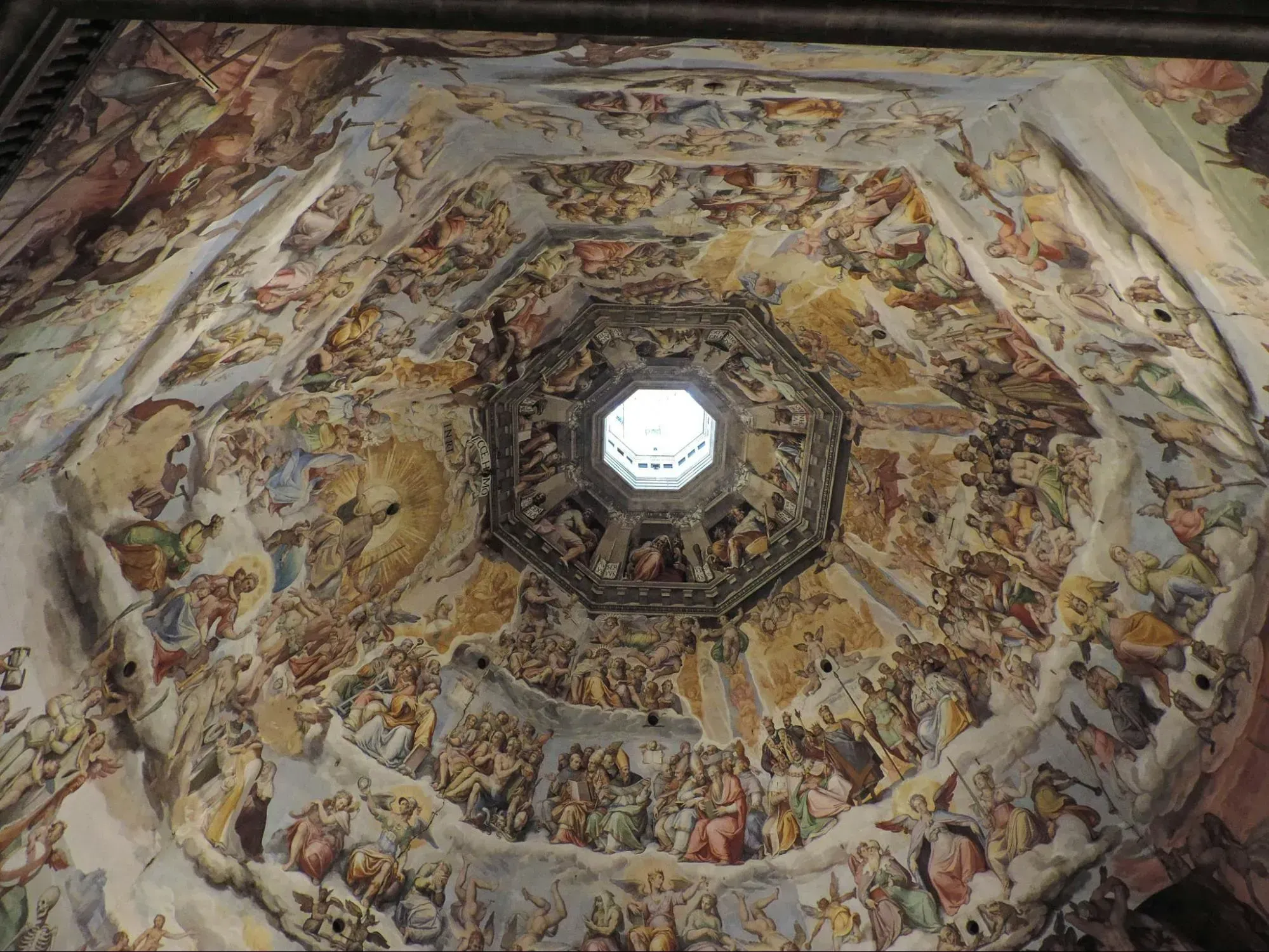
To truly experience Florence, you need to see it from above. Brunelleschi's dome, completed in 1436, remains the largest brick dome ever built. It was constructed without wooden scaffolding, using over four million bricks arranged in a self-supporting herringbone pattern. Climbing the 463 steps between the dome's two shells is a steady, narrow journey, but at the top, the entire city stretches out before you. Try to go early in the morning, when it is quietest.
- Where: Piazza del Duomo, in the centre of Florence, Italy
- Good to know: 463 steps, no lift, and timed tickets must be booked ahead
2. Catch the Sunset at Piazzale Michelangelo
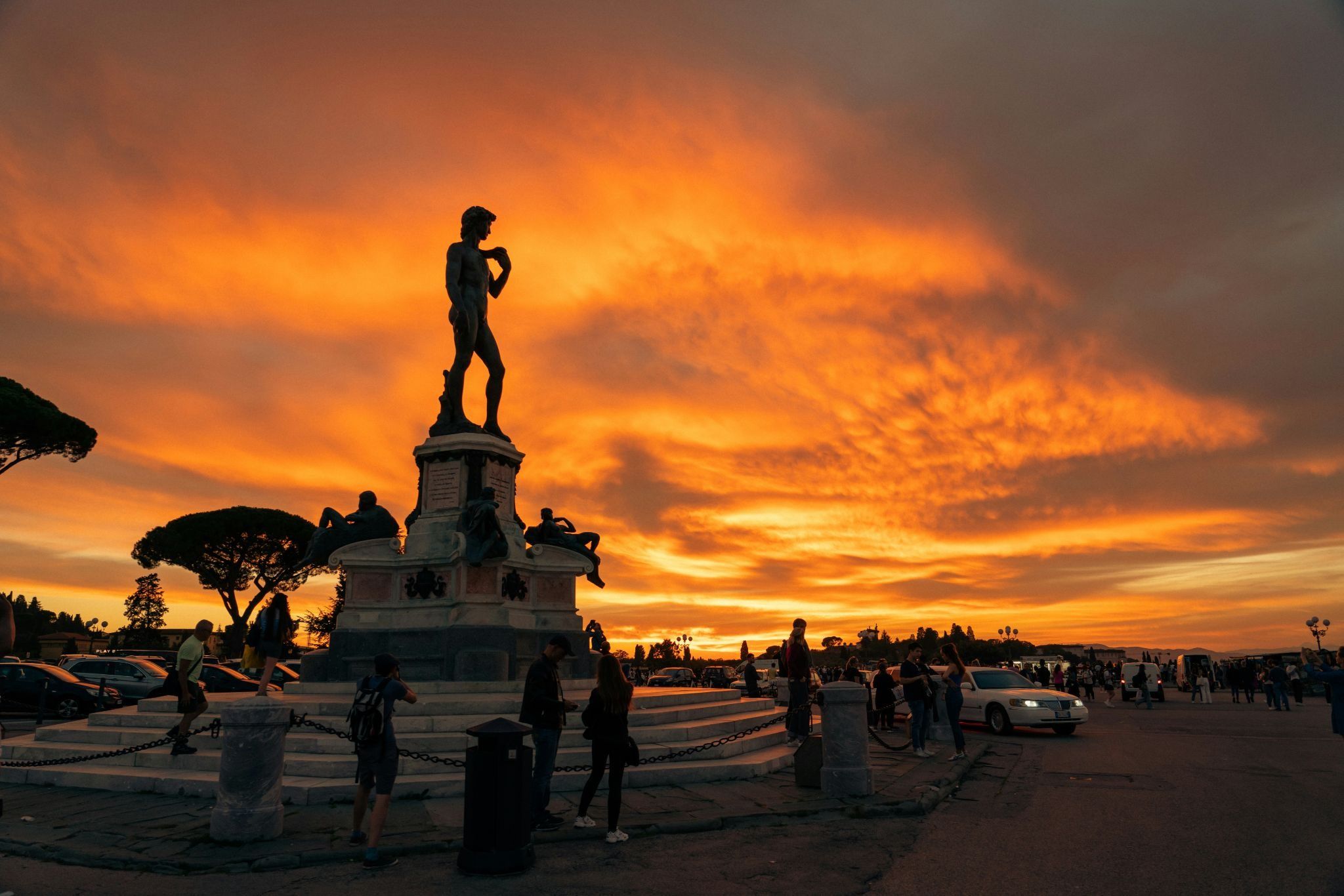
If you ask a local where to find the best free view in Florence, Italy, they will send you across the river and up the hill to Piazzale Michelangelo. This terrace was designed in 1869 by architect Giuseppe Poggi, and a bronze replica of David stands overlooking the city. Try to visit just before sunset, when the Duomo, the Arno, and the Tuscan hills glow with golden light. The spot gets crowded from April to October, so it’s best to arrive early and find a good place to sit.
- Where: The south bank of the Arno, about a 20-minute uphill walk
- Good to know: It’s free to visit, open all day and night, and you don’t need a ticket
3. Hear Gregorian Chant at One of the Oldest Churches in Florence Italy
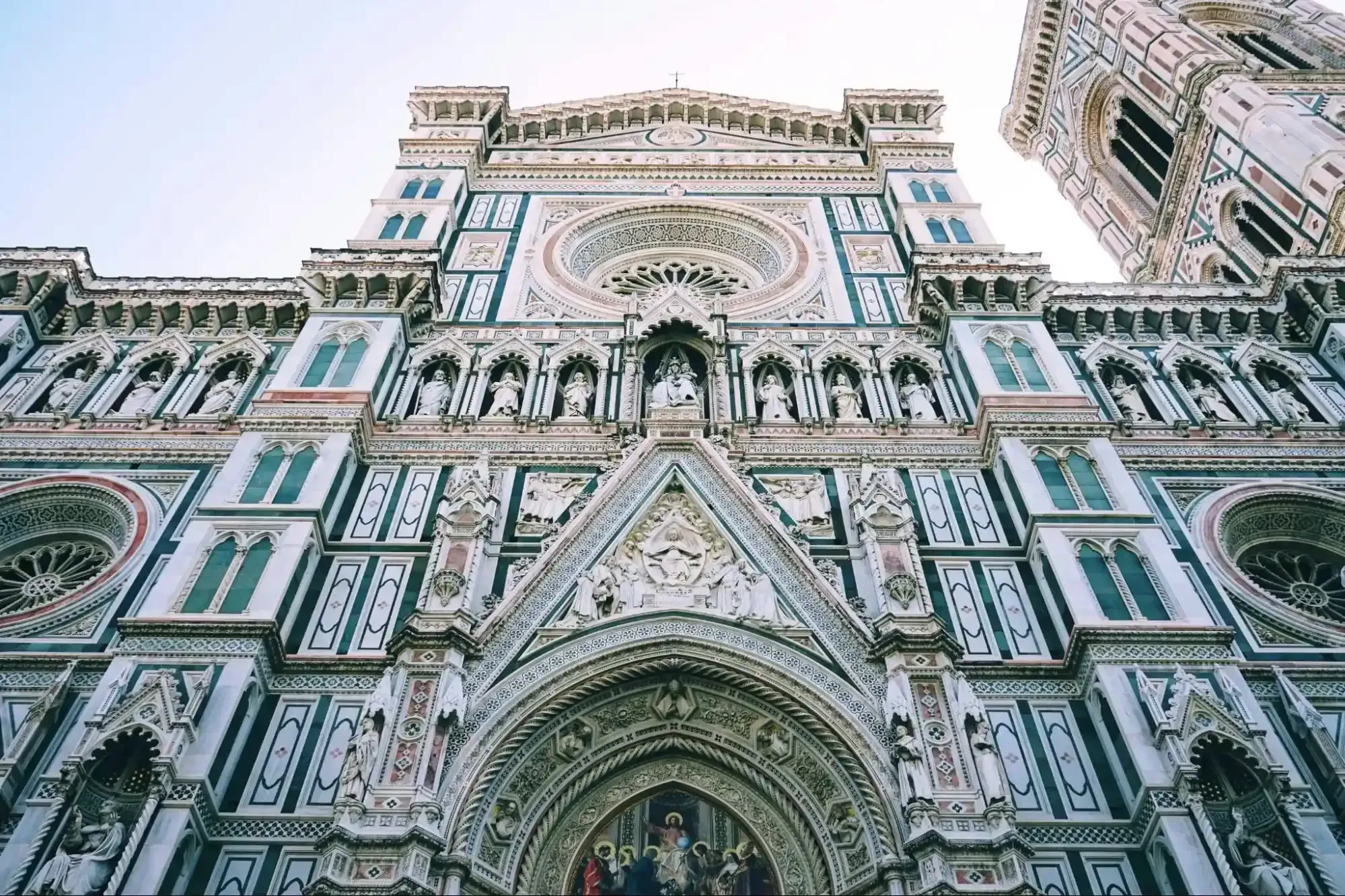
San Miniato al Monte is just an eight-minute walk uphill from the Piazzale. It is one of the most beautiful and oldest churches in Florence, dating back to around 1018. The church’s green and white marble facade is a classic example of Romanesque style, and the view from its steps is even more impressive than the one from the Piazzale. The most memorable experience happens at vespers, when Olivetan monks sing Gregorian chants as the daylight fades. Behind the church, you’ll find the cemetery where Carlo Lorenzini, the author of Pinocchio, is buried.
- Where: The hilltop just above Piazzale Michelangelo
- Good to know: Free entry, modest dress required, midday closure
4. Eat Lampredotto Like a Florentine
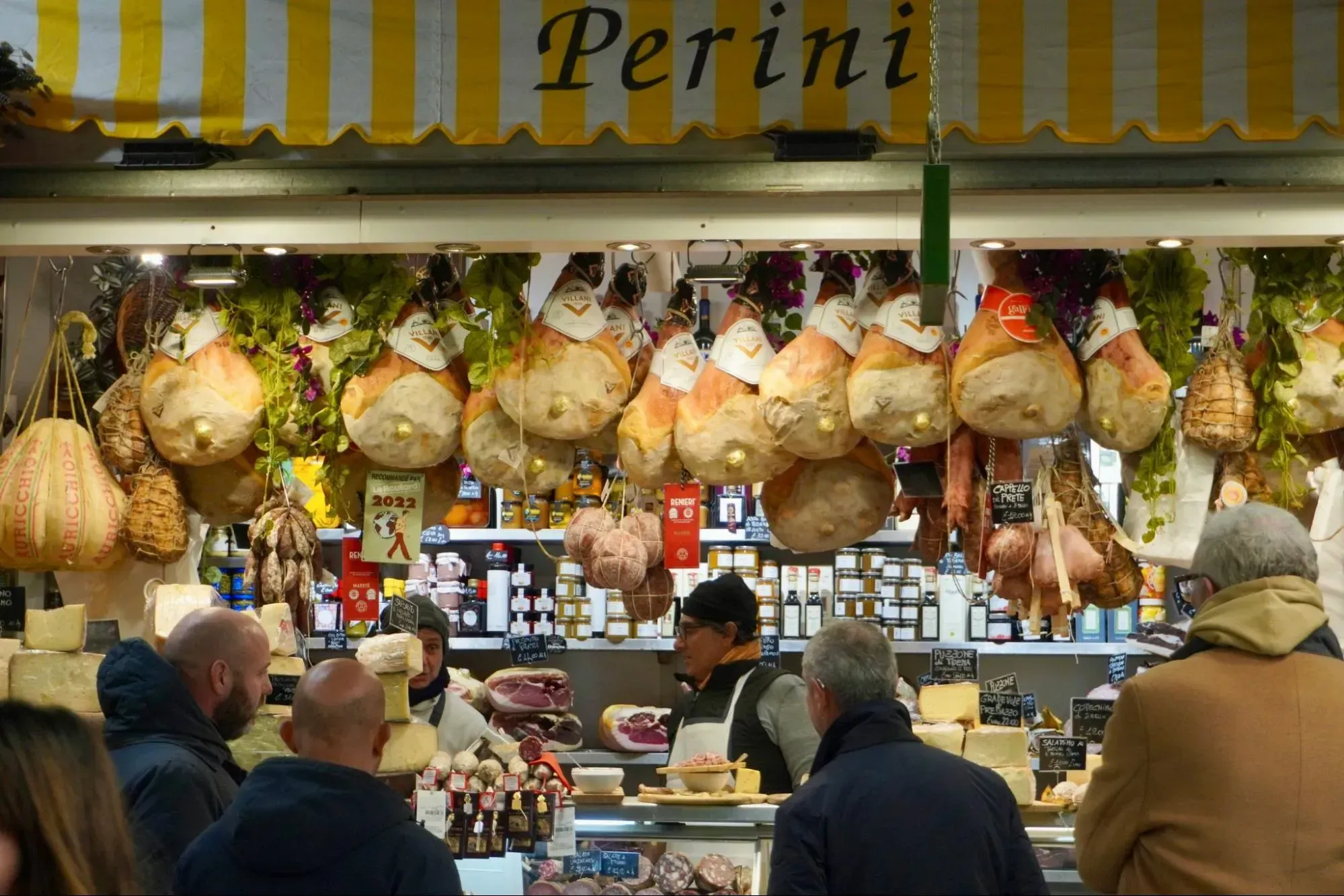 Lampredotto is Florence’s most straightforward lunch, costing just five euros and never trying to impress. This slow-cooked tripe sandwich has its roots in cucina povera, the traditional cooking of working people who transformed the cow’s fourth stomach into a dish that locals still line up for. You can order one from a trippaio cart at the Mercato Centrale or near the Mercato Nuovo. If you want the full experience, ask for it bagnato so the top of the bun gets dipped in the flavourful broth. There’s usually a jar of spicy oil on the counter, too.
- Where: The Mercato Centrale and street carts in the centre of Florence, Italy
5. Taste Gelato Where It Was Invented
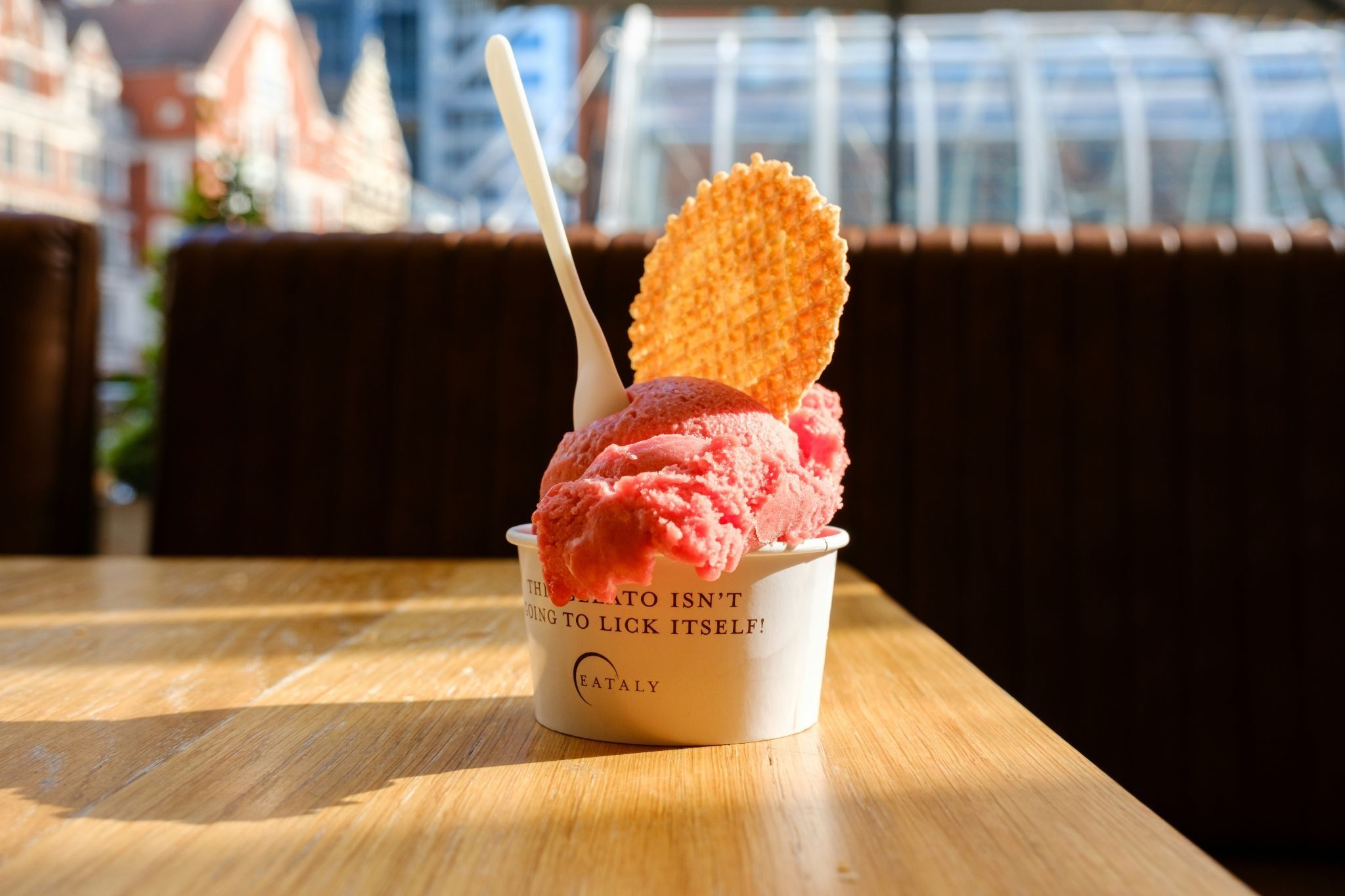
Florence, Italy is often considered the birthplace of gelato. The story begins in the 1560s with architect Bernardo Buontalenti, who created a frozen dessert made from milk, eggs, sugar, and citrus for the Medici court. You can still find his recipe, crema Buontalenti, on menus today. Locals have one tip: skip the shops with tall, brightly coloured gelato displays. Authentic gelato is kept low and flat in covered metal tubs. La Carraia, Vivoli, and Gelateria dei Neri are some of the city’s classic favourites.
- Where: Gelaterie across the centre and the Oltrarno
6. Spot the Wine Windows
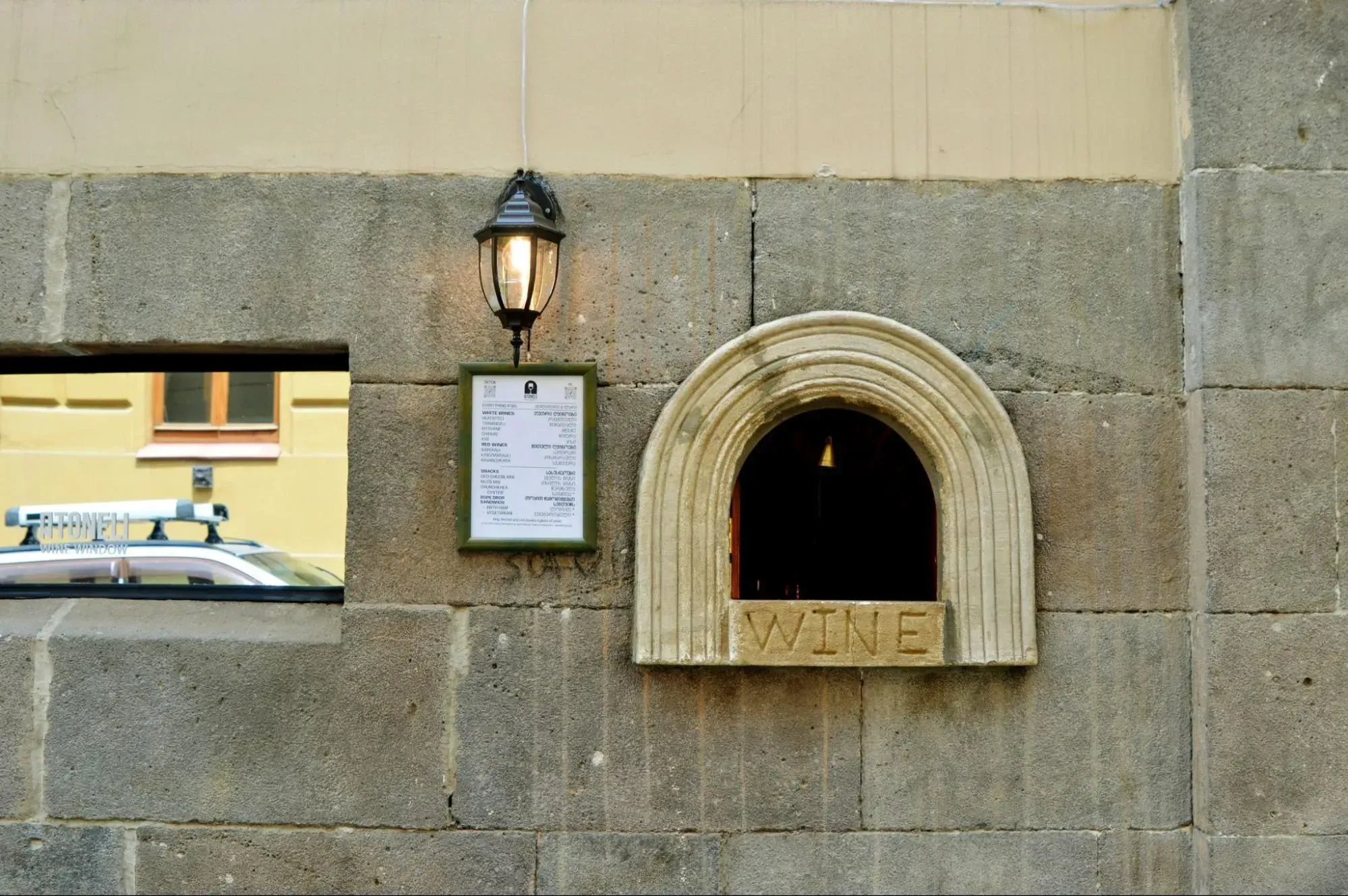
If you pay attention as you walk around Florence, you might notice small arched openings at hip height in the walls of old palaces. These are called buchette del vino, or wine windows, and there are still about 180 of them in the city. They were first used in the 1550s, when Duke Cosimo I allowed noble families to sell their own wine directly from their cellars through these wall openings. The windows became useful again during the plague in the 1630s, making it possible to trade without direct contact. Today, a few are open again, and some even serve coffee and gelato through the hatch.
- Where: Palace facades across the historic centre
7. Rub the Boar's Nose at Mercato Nuovo
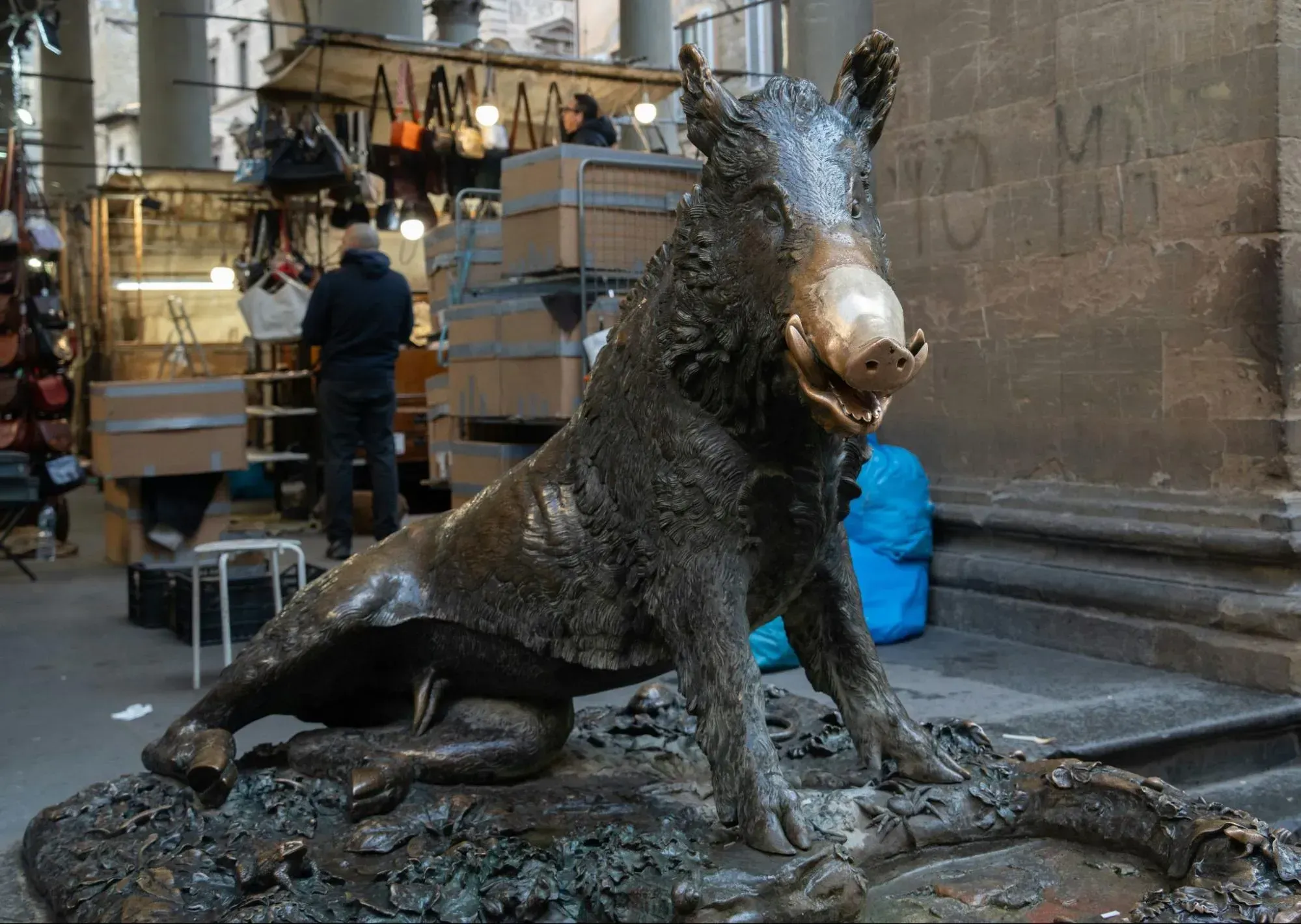
Il Porcellino, a bronze boar made by Pietro Tacca in the 1630s, sits under the Loggia del Mercato Nuovo. The tradition is classic Florence: rub his snout, put a coin in his mouth, and see if it drops through the grate below. If it does, legend says you’ll come back to the city someday. So many people have touched his nose that it shines. Today, the loggia is filled with stalls selling leather goods and souvenirs.
- Where: the Loggia del Mercato Nuovo, near Ponte Vecchio
- Good to know: This is a copy; the original bronze sits in the Bardini Museum
8. Cross to the Oltrarno and Watch Artisans at Work
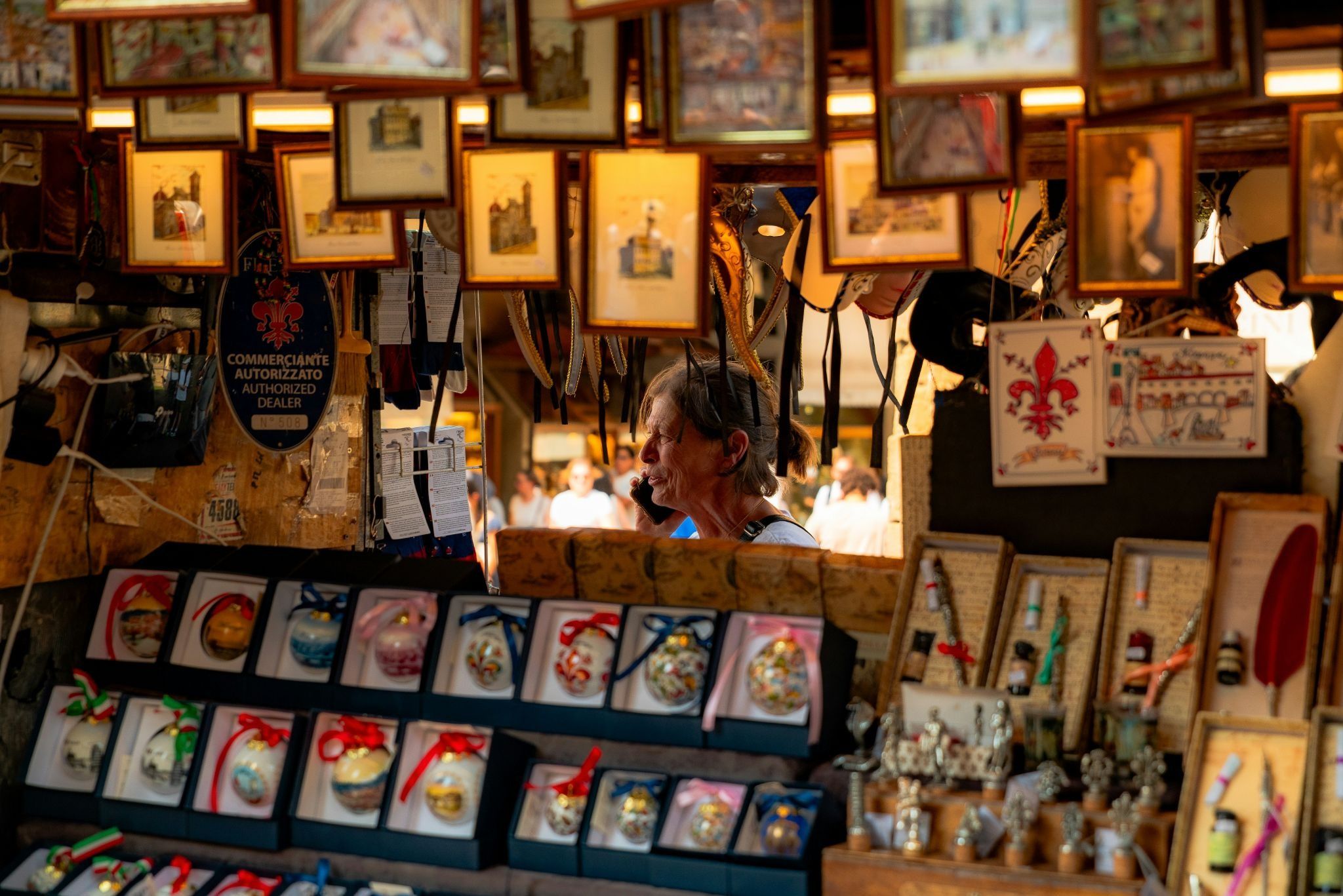
When you cross the Arno River into the Oltrarno, you’ll notice that life in Florence slows down. Here, craftspeople still make leather goods, gold jewellery, marbled paper, and gilded frames in small studios, often leaving their doors open. In the neighbourhoods of Santo Spirito and San Frediano, you can watch trades that have been passed down for generations. Near Santa Croce, the Scuola del Cuoio leather school was founded by Franciscan monks after World War II to teach orphaned boys a trade, and artisans continue to work there today.
- Where: Across the river, around Santo Spirito and San Frediano
9. Wander the Florence Italy Streets and Cross Ponte Vecchio
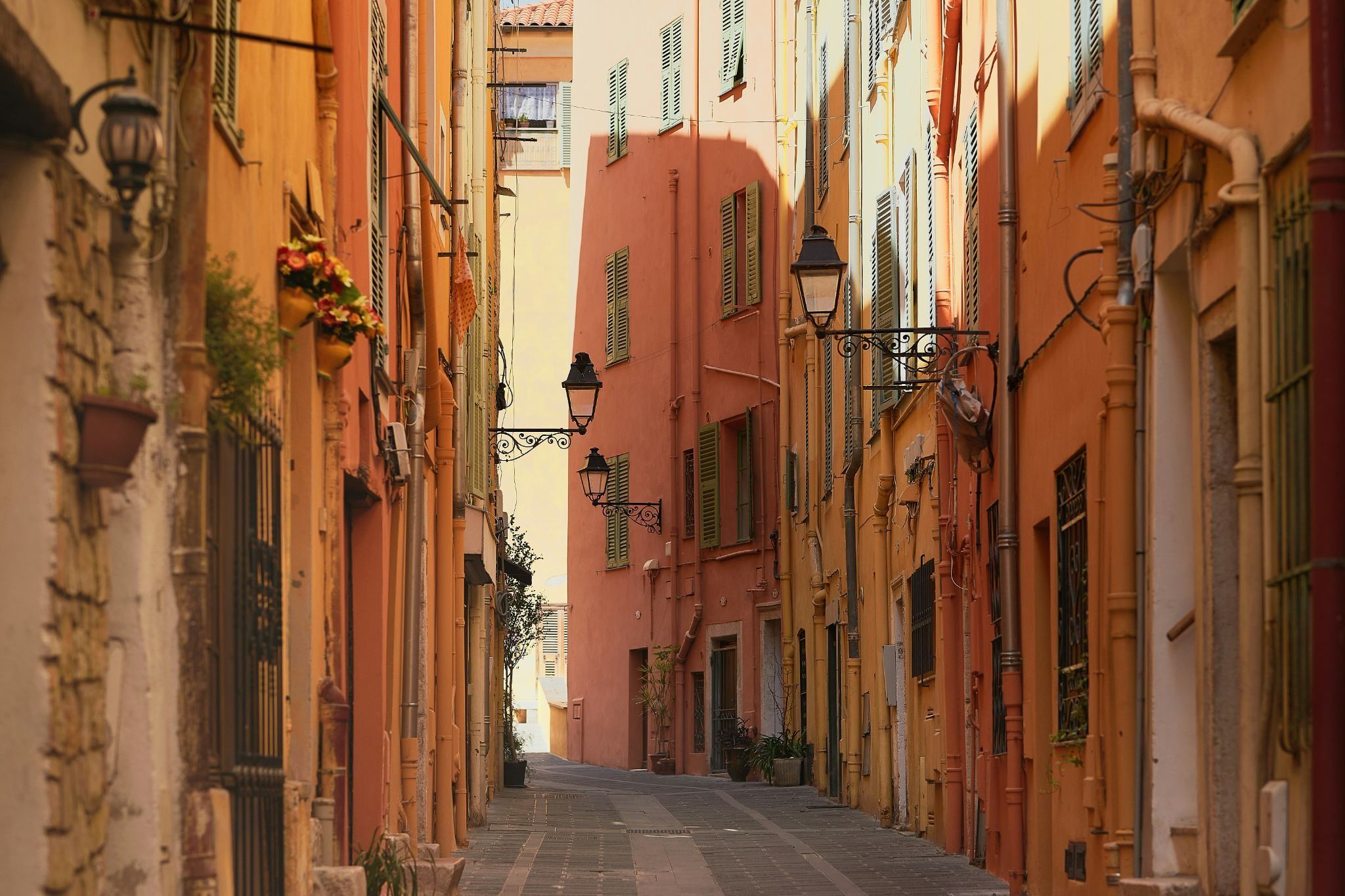
Some of the best things to do in Florence Italy involve no plan at all. The city’s streets are perfect for strolling, with narrow lanes that open up to lively piazzas and the famous dome suddenly coming into view at the end of an alley. While the medieval Ponte Vecchio, lined with goldsmiths since the 16th century, is the most popular bridge to cross, you’ll get the best photo of it from the next bridge over, Ponte Santa Trinita.
- Where: The historic core of Florence, Italy
10. Shop the Big Names at The Mall, Florence Italy's Luxury Outlet

If you feel like treating yourself while in Florence, many shoppers recommend The Mall, a luxury outlet in Leccio about an hour away in the Tuscan hills. Since opening in 2001, it has brought together brands like Gucci, Prada, Ferragamo, and Saint Laurent in a landscaped village of stores, offering past-season items at prices much lower than city boutiques. You can get there easily by direct bus from near Santa Maria Novella station, and non-EU visitors can claim VAT refunds right on site.
- Where: Leccio, Reggello, around an hour from central Florence, Italy
A Final Word on Florence, Italy
The famous galleries are always there, and they deserve their reputation. But what you remember most about Florence, Italy, is often the everyday moments: eating a tripe sandwich while standing, hearing a chant from a hilltop church, or dropping a coin for luck under a 400-year-old boar statue. These are the Florence tourist spots that turn your visit into a memory. At Holiday Tribe, we are holiday advisors, not just a booking site. We design land-only Italy holidays based on how you want to spend your time. Let us know your pace and interests, and we will take care of the rest.