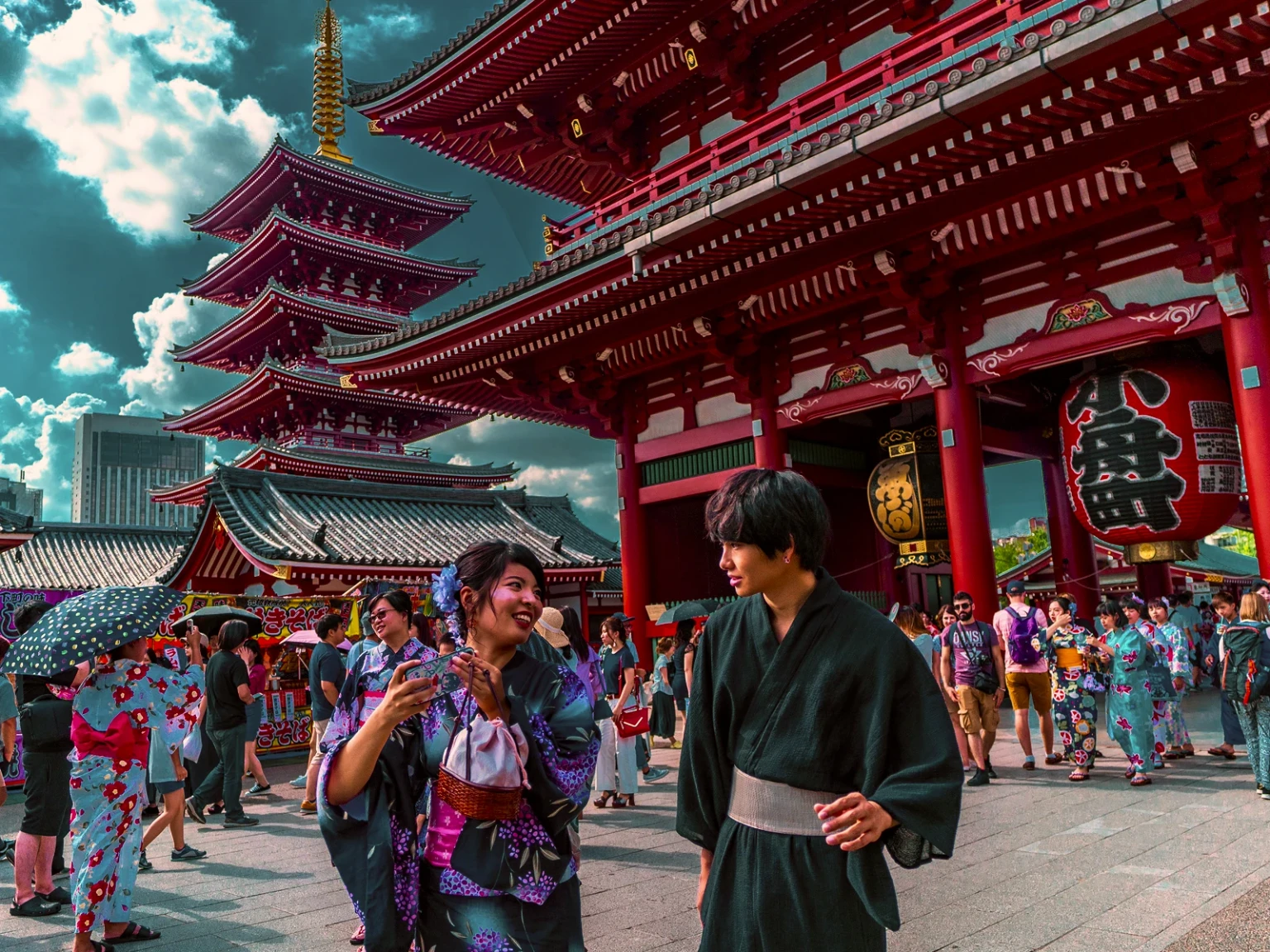


Kyoto served as Japan's imperial capital for over 1,000 years and is still one of the country's most important cultural cities. It's famous for its ancient temples, traditional neighbourhoods, historic markets, seasonal gardens, and 17 UNESCO World Heritage Sites that reflect Japan's rich heritage. Alongside these landmarks, Kyoto offers lively shopping streets, local food markets, and scenic walking areas that can easily fill several days. The things to do in Kyoto range from visiting shrines to wandering preserved districts and enjoying local cuisine.
This guide shares the best things to do in Kyoto, with details on main sights, entry info, how to get around, and helpful planning tips.
Why Is Kyoto Worth Your Time?
Kyoto was Japan's imperial capital from 794 to 1868, which is why it has so many temples, shrines, palaces, and old streets. The city has 17 UNESCO World Heritage Sites and about 2,000 temples and shrines. There are so many things to do in Kyoto that no two visitors have the same experience.
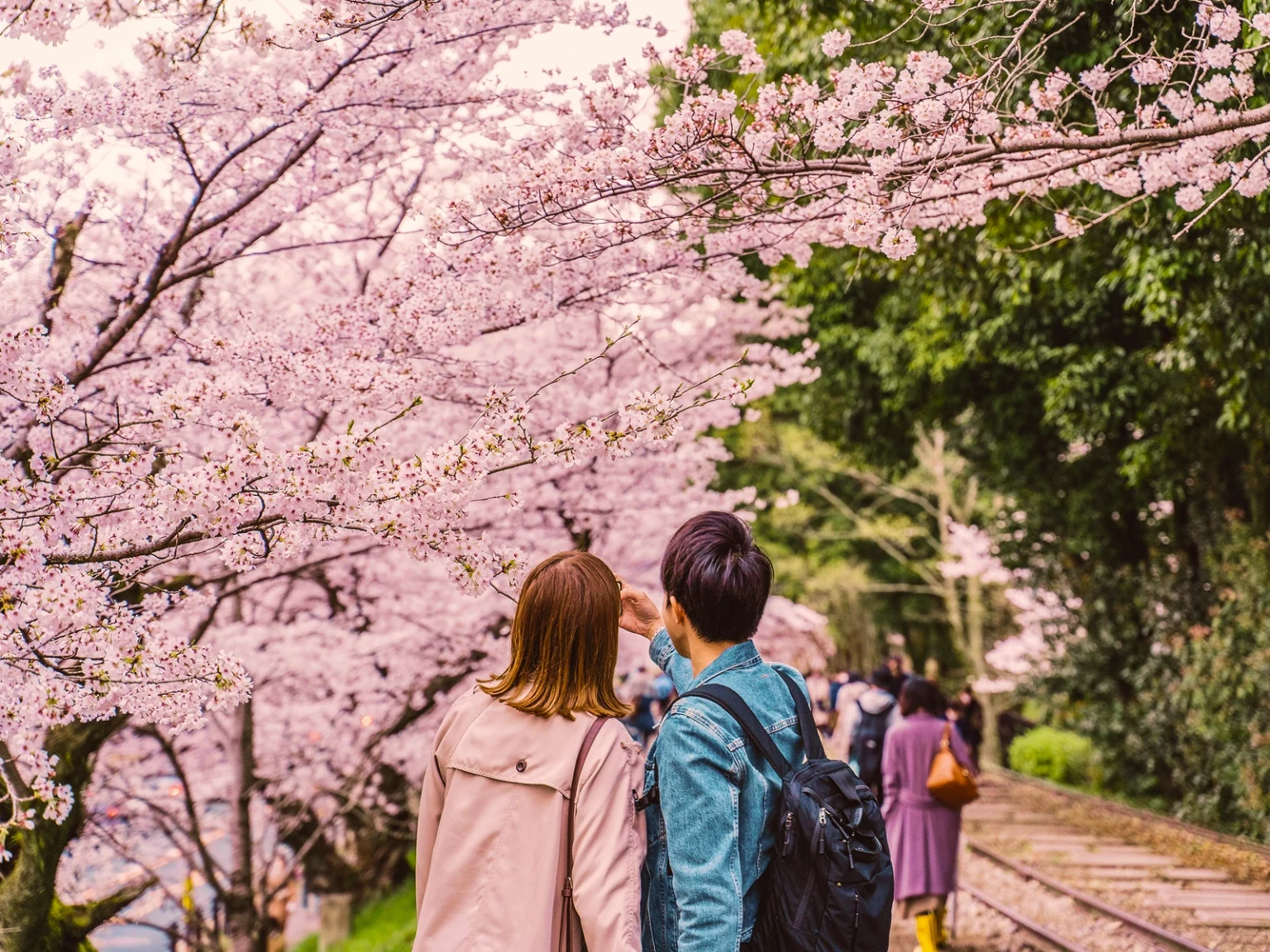
If it’s your first time in Kyoto, plan to stay for 3 to 5 days. Staying in central areas like Sanjo, Kawaramachi, or Gion will save you time on travel. The must-do things in Kyoto can change a lot depending on the season; cherry blossoms in March feel very different from a quiet weekday in November, so timing matters.
Detail | Information |
UNESCO World Heritage Sites | 17 |
Temples and Shrines | 2,000+ |
Recommended Stay | 3 to 5 days |
Busiest Seasons | Late March to early April (cherry blossom), October to November (autumn) |
Best Time for Fewer Crowds | Weekday mornings, December to February |
What Are the Top Things to Do in Kyoto?
The top things to do in Kyoto listed below are chosen because they’re worth your time. They’re grouped so you can visit nearby places on the same day.
Here’s a quick overview:
- Walk the trails at Fushimi Inari Taisha.
- Walk through Higashiyama District
- Spend time in Gion and the Geisha District.
- Sample food at Nishiki Market
- Visit Yasaka Shrine
- Shop along Shinkyogoku Shopping Street
- Spend a morning or afternoon in Arashiyama.
- See Nijo Castle
Things to do in Kyoto covered below include free sites, paid attractions, and neighbourhood walks. Each section gives you access info and tips on the best time to go.
1. Walk the Trails at Fushimi Inari Taisha
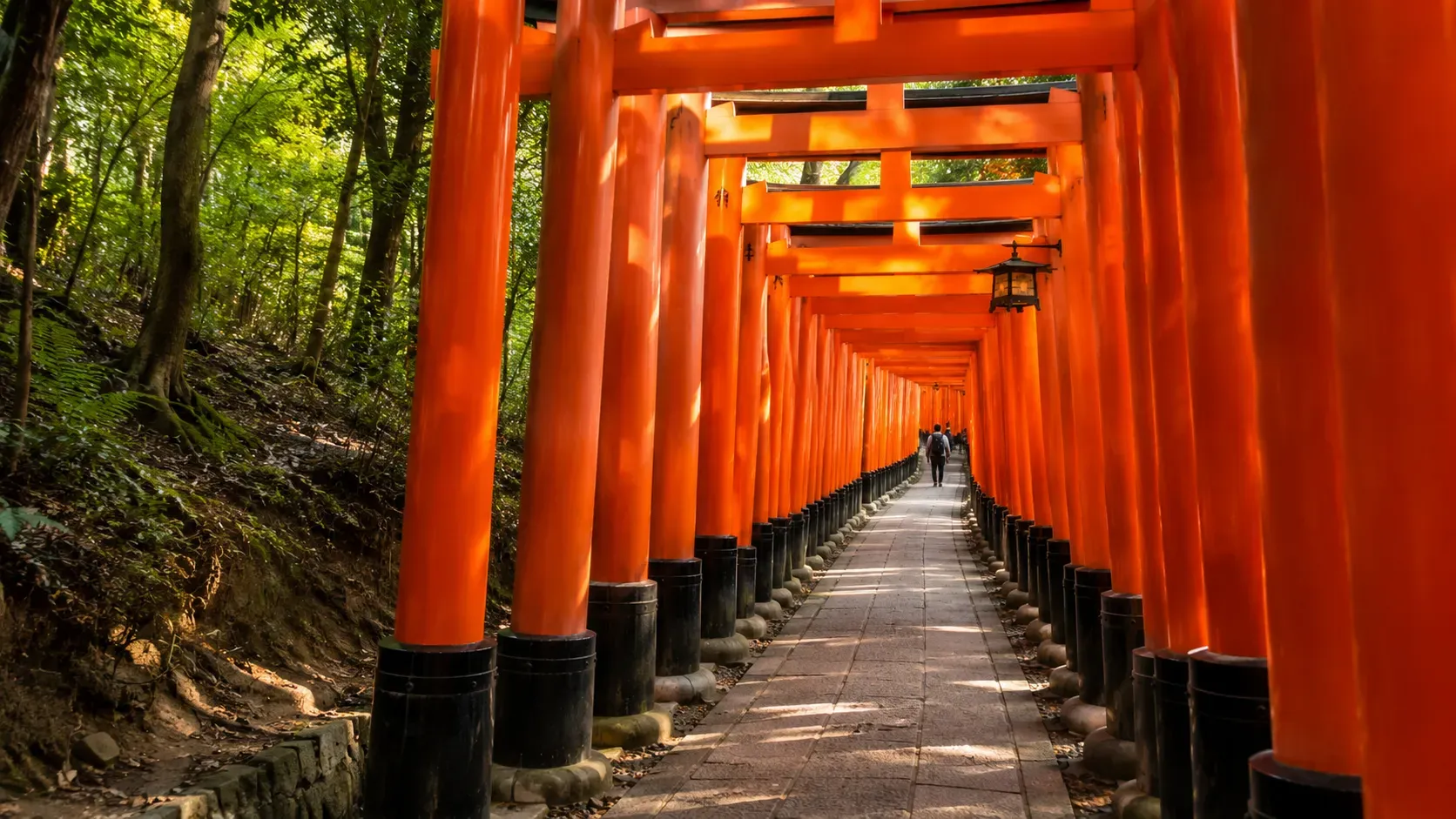
Fushimi Inari Taisha is one of the oldest shrines in Japan, founded in 711 CE. It is dedicated to Inari, the Shinto deity of rice, harvests, and business success. The shrine sits at the base of Mount Inari in southern Kyoto and is best known for the thousands of vermilion torii gates that line its mountain trails.
The main trail is 4 km long and takes about 2 to 3 hours to walk the whole loop. Many people go as far as the Yotsutsuji Intersection, about halfway up, for a great view of Kyoto. The trail beyond this point is quieter and less crowded. As a must-do thing in Kyoto, this site works for all fitness levels; even a 30- to 45-minute walk through the lower Senbon Torii section is worth it.
While many things to do in Kyoto charge an entry fee, Fushimi Inari Taisha is free to visit.
Detail | Information |
Entry | Free |
Hours | Open 24 hours, every day |
Getting There | JR Nara Line from Kyoto Station to Inari Station; 5 minutes, ¥150 one way |
Best Time to Visit | 6am to 8am for fewest crowds |
Tribe Travel Tip: The trail has stone steps and inclines throughout; wear comfortable, closed-toe shoes with grip.
2. Walk Through Higashiyama District
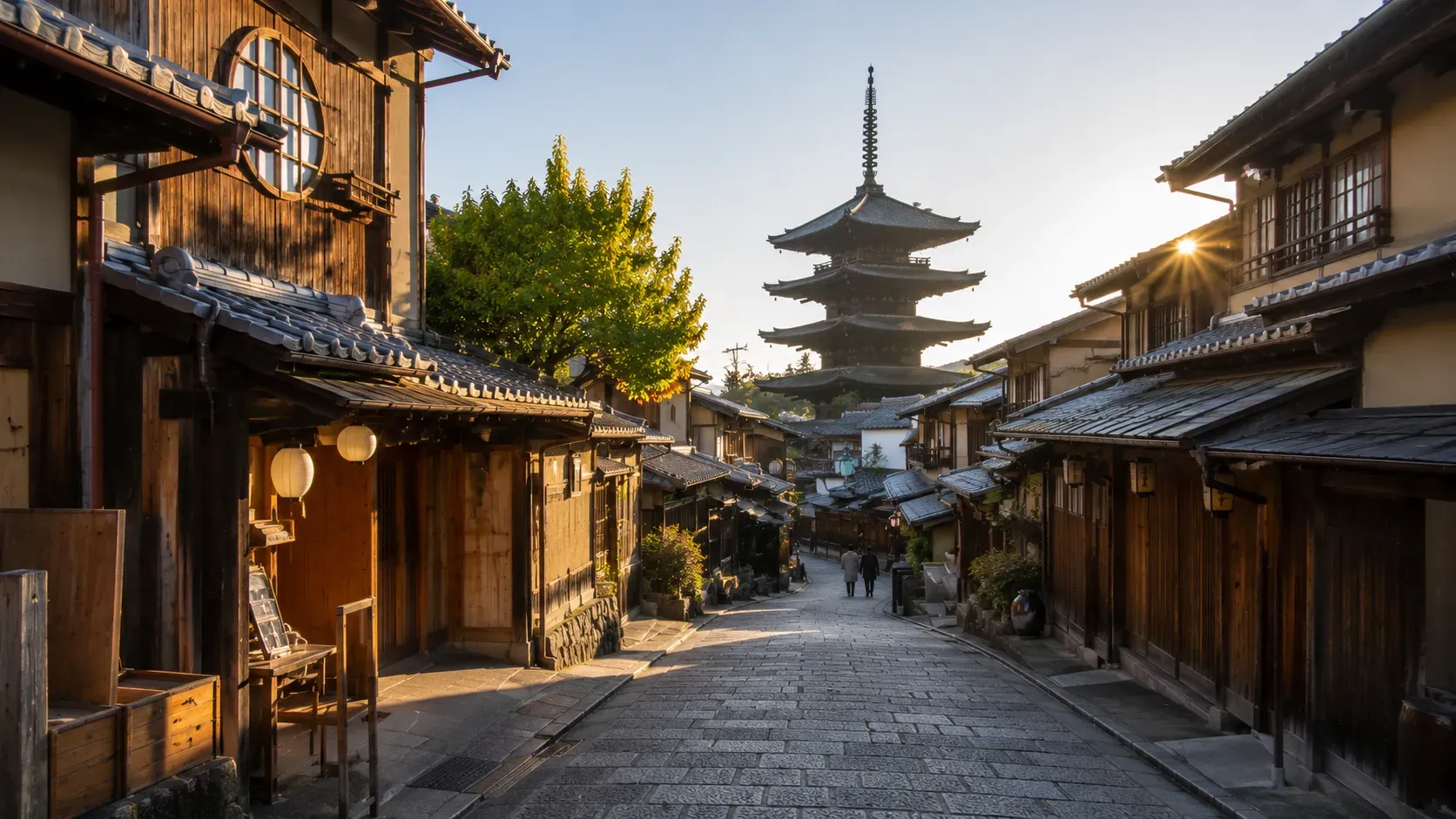
Higashiyama District runs along the eastern hills of Kyoto near Kiyomizu-dera Temple. It is one of the city's best-preserved historic neighbourhoods, lined with traditional machiya (wooden townhouses), small craft shops, and stone-paved lanes that connect some of Kyoto's most visited sites.
The main route passes through Sannen-zaka and Ninen-zaka before continuing toward the Yasaka Pagoda. This is one of Kyoto's most photographed streets. Walking the full length takes around 30 to 40 minutes at a slow pace, longer if you stop at shops or temples.
Walking through Higashiyama District is free. Individual attractions within the area charge separately:
- Kiyomizu-dera Temple: ¥500 per adult (verify current fees at Kiyomizu-dera Temple’s official website before visiting)
- Yasaka Pagoda: exterior viewing free, inner access occasionally open for a small fee
- Kimono rental: available from multiple shops along the main street; one- to two-hour sessions typically from ¥3,000 to ¥6,000
This is one of the top things to do in Kyoto for first-time visitors. If you go before 9am, you’ll find the streets much quieter.
3. Spend Time in Gion and the Geisha District
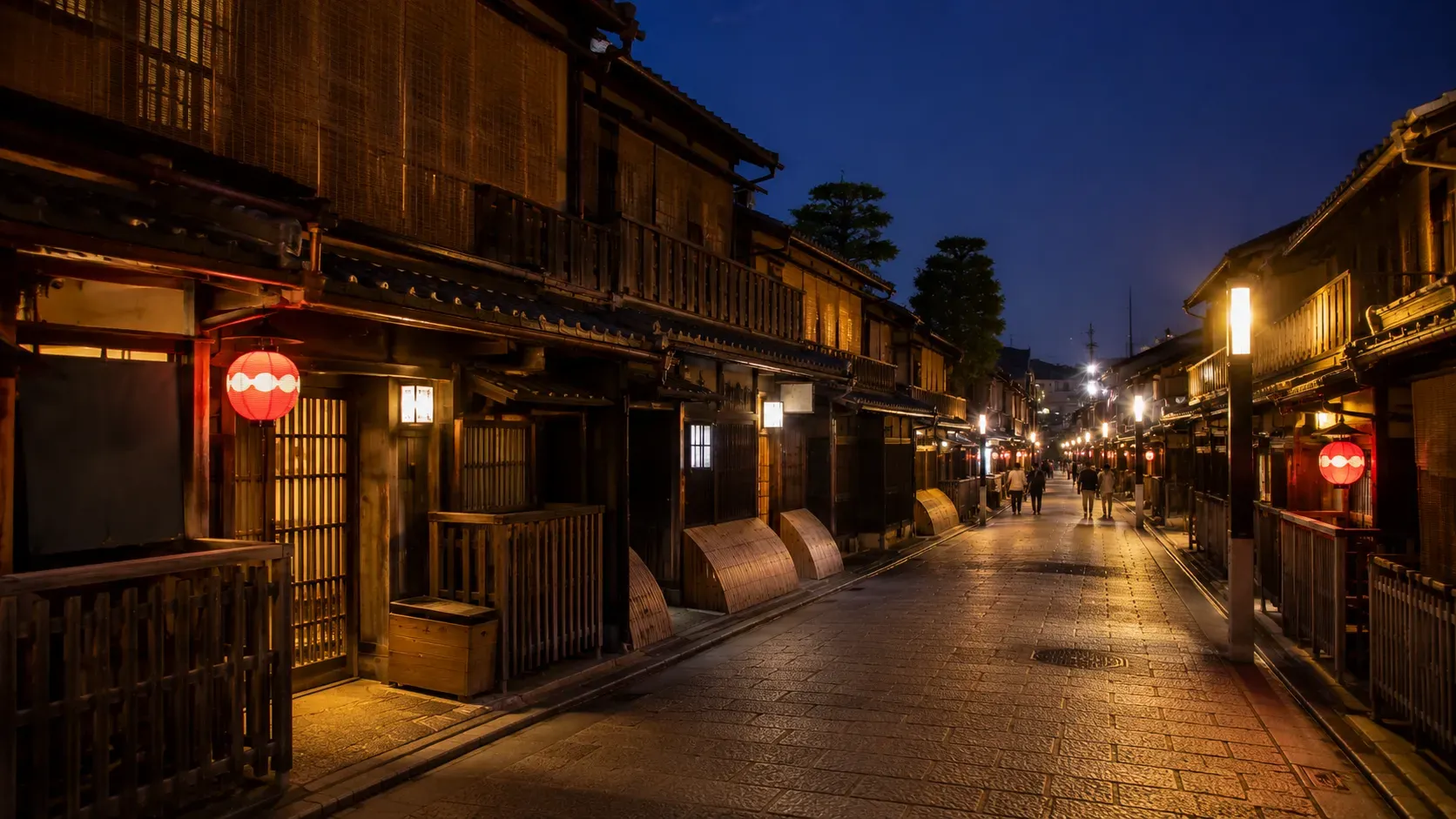
Gion is Kyoto's most well-known Geisha District. Geisha and their apprentices, known as maiko, still work in the tea houses and traditional restaurants along Hanamikoji Street today. The wooden machiya lining these streets have been here for centuries and are some of the best-preserved examples of traditional Kyoto architecture.
The Geisha District in Gion is best in the evening. Around 6pm, lanterns light up, the crowds thin out, and the atmosphere changes. Early evenings on weekdays are usually the quietest.
Photography rules in Gion are strict:
- Private streets and residential lanes have no-photography signs that must be respected.
- Photographing geisha or maiko without permission is not permitted.
- Several areas have been closed to photography entirely in recent years due to overcrowding.
Some of the best things to do in Kyoto are taking an evening walk along Hanamikoji Street or joining a small-group walking tour of the district. Things to do in Kyoto in Gion do not require any entry fees; the neighbourhood is free to walk through.
4. Sample Food at Nishiki Market
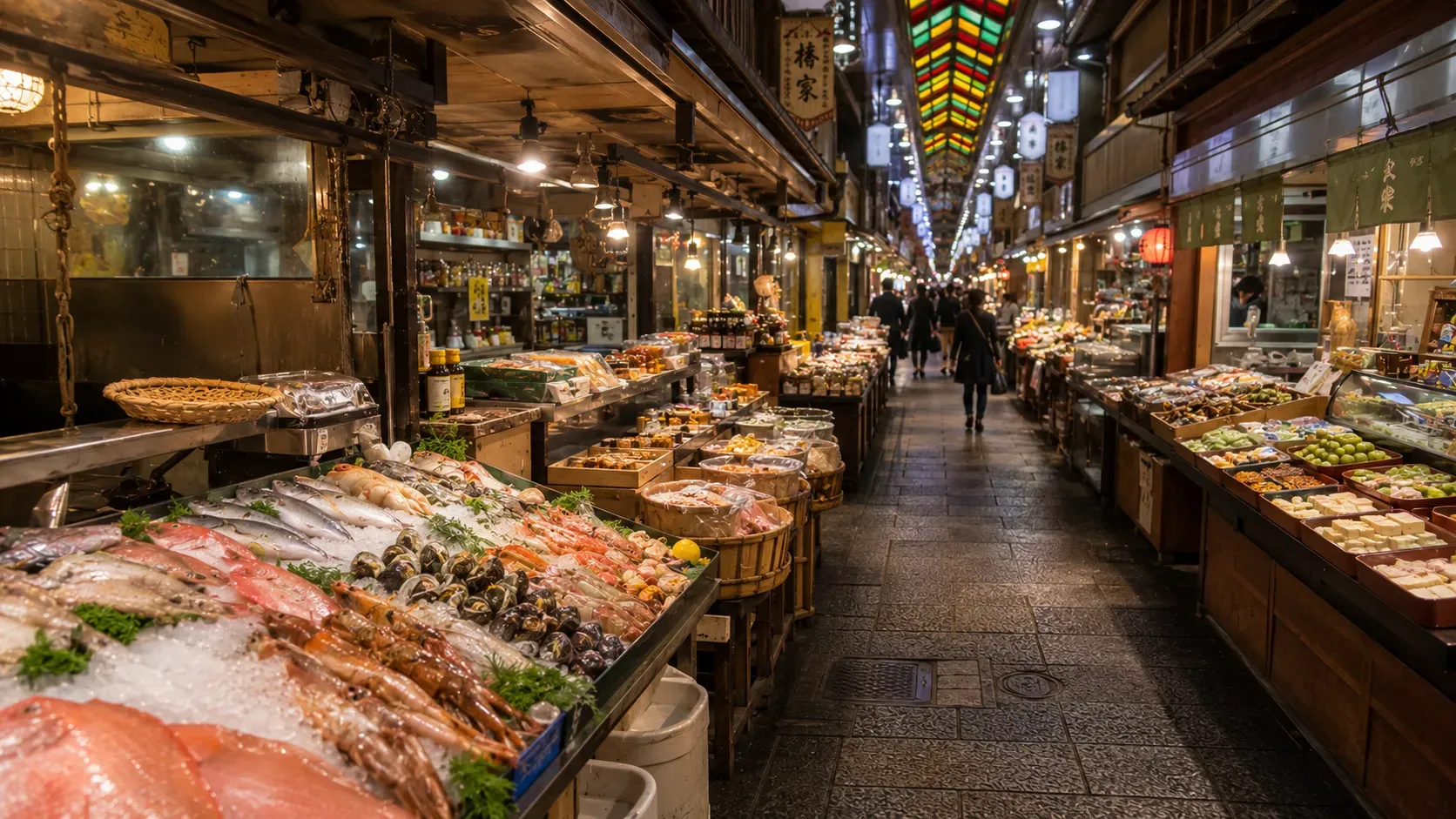
Nishiki Market is a 400-metre covered market street in central Kyoto. It runs parallel to Shijo Street, between Teramachi and Nishikikoji, and has served as a food market for several centuries. Locally, it is called "Kyoto's Kitchen."
Over 100 stalls line both sides of the narrow lane, selling fresh produce, pickled vegetables, grilled skewers, seafood on sticks, matcha sweets, tofu, and Kyoto-specific food products not found elsewhere in Japan.
The best time to visit Nishiki Market is in the morning, when the stalls are full and the crowds are smaller. By midday on weekends, it can get very crowded and hard to walk through.
A few things to know before you visit:
- Eating while walking is not customary in Japan; most stalls have a small standing space where you can finish your food before moving on.
- Cash is widely used at market stalls, though some now accept cards.
- Nishiki Market connects directly to Shinkyogoku Shopping Street at the Teramachi end; the two are easy to combine in a single outing.
Things to do in Kyoto are centred around food. If you’re interested in Kyoto’s food scene, you’ll probably end up at this market sooner or later.
5. Visit Yasaka Shrine
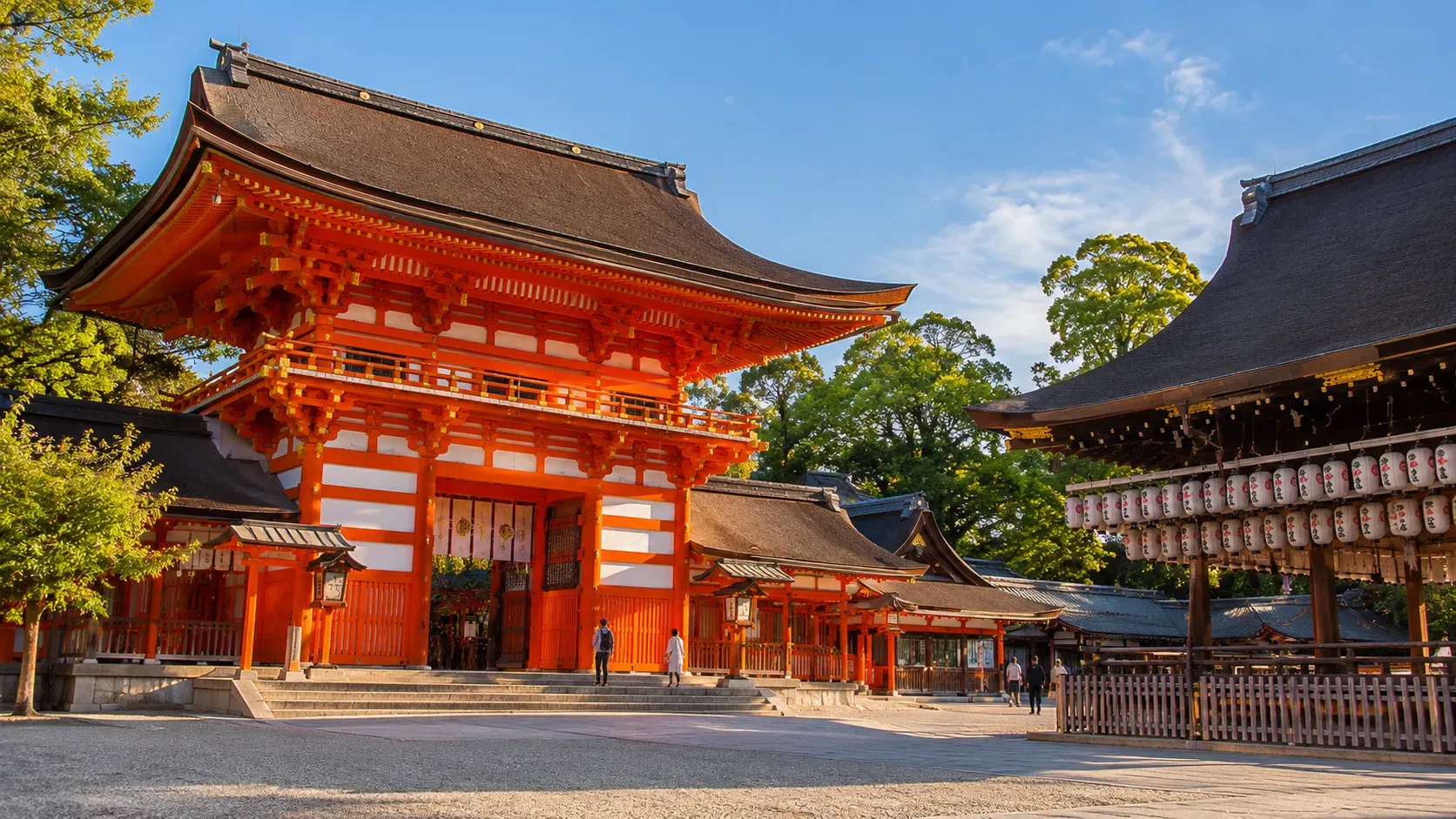
Yasaka Shrine sits at the eastern edge of Gion, at the foot of the Higashiyama hills. It has stood here for over 1,300 years and remains an active place of worship for Kyoto residents. The shrine is closely connected to the Gion Matsuri festival, held every July and one of Japan's largest traditional festivals.
Yasaka Shrine is free to enter and open 24 hours a day. Visiting in the evening feels different from the daytime; the stone lanterns at the gate are lit, and the grounds are much calmer.
Yasaka Shrine is a great stop between the Geisha District in Gion and the start of Higashiyama District. All three are close together, so you can easily visit them in one day.
- From Gion: 5-minute walk south along Hanamikoji to Yasaka Shrine
- To Higashiyama: 5-minute walk east from the shrine toward Maruyama Park and then into Sannen-zaka
- Best time: Early morning or after 6pm for the quietest visit
6. Shop and Walk Along Shinkyogoku Shopping Street
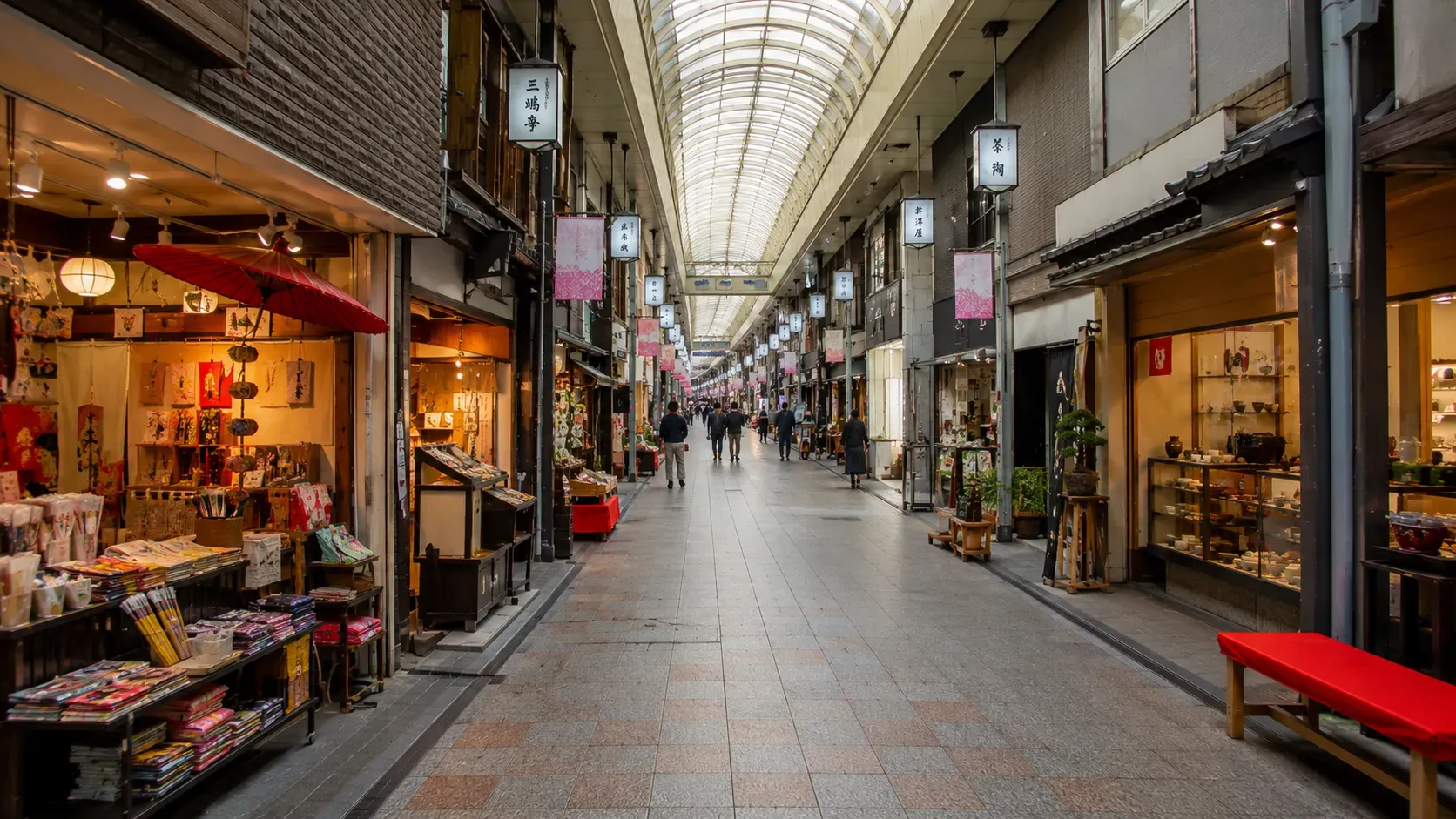
Shinkyogoku Shopping Street is a covered shopping arcade in central Kyoto, running parallel to Teramachi Street. It has served as a shopping area since the Meiji era and remains one of the city's main places to buy everyday goods, souvenirs, and food.
The arcade is wide, covered, and easy to walk through no matter the weather. Shops sell kitchen goods, traditional crafts, matcha treats, cosmetics, clothes, and local Kyoto foods. It’s a good place to find gifts that really reflect Kyoto’s food and craft culture, not just general souvenirs.
Shinkyogoku Shopping Street connects to Nishiki Market at its southern end, so you can easily visit both in one morning or afternoon. The things to do in Kyoto, Japan, across the central shopping district can take two to three hours.
- Hours: Most shops open 10am to 8pm; individual hours vary
- Entry: Free
- Location: Parallel to Teramachi Street, Nakagyo-ku, Kyoto
7. Spend a Morning or Afternoon in Arashiyama
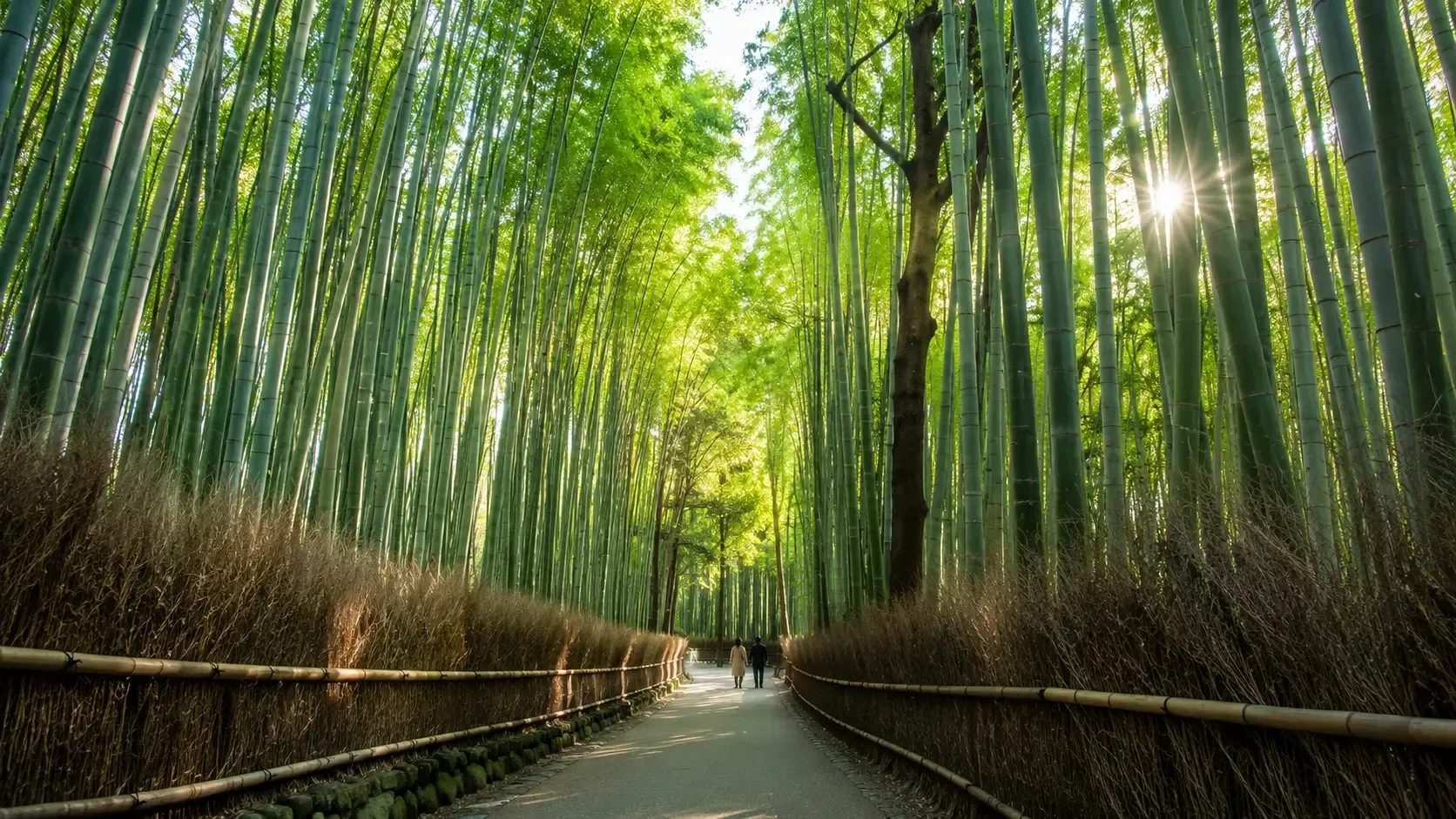
Arashiyama is a beautiful area in western Kyoto, known for the Bamboo Grove, Tenryu-ji Temple, and Togetsukyo Bridge over the Katsura River. It’s more relaxed than central Kyoto and is best enjoyed if you spend at least half a day there instead of rushing through.
Things to do in Kyoto in the Arashiyama area include:
- Bamboo Grove: A short 10 to 15-minute walk through tall bamboo; free to access; most photogenic in early morning before 8am
- Tenryu-ji Temple: UNESCO World Heritage Site; garden admission ¥500 , garden + buildings ¥800; one of Kyoto's most important Zen temples
- Togetsukyo Bridge: Free to walk across; the riverside views on either side are some of the most photographed in Arashiyama.
- Sagano Scenic Railway: Runs along the Hozugawa Gorge; seasonal, check schedules in advance
- River boat hire: Flat-bottomed boat rental available near Togetsukyo Bridge
The best things to do in Kyoto in this area are best experienced on a weekday morning, since weekends can get crowded with local tourists.
Getting there: Hankyu Arashiyama Line to Arashiyama Station, or JR Sagano Line to Saga-Arashiyama Station.
8. See Nijo Castle
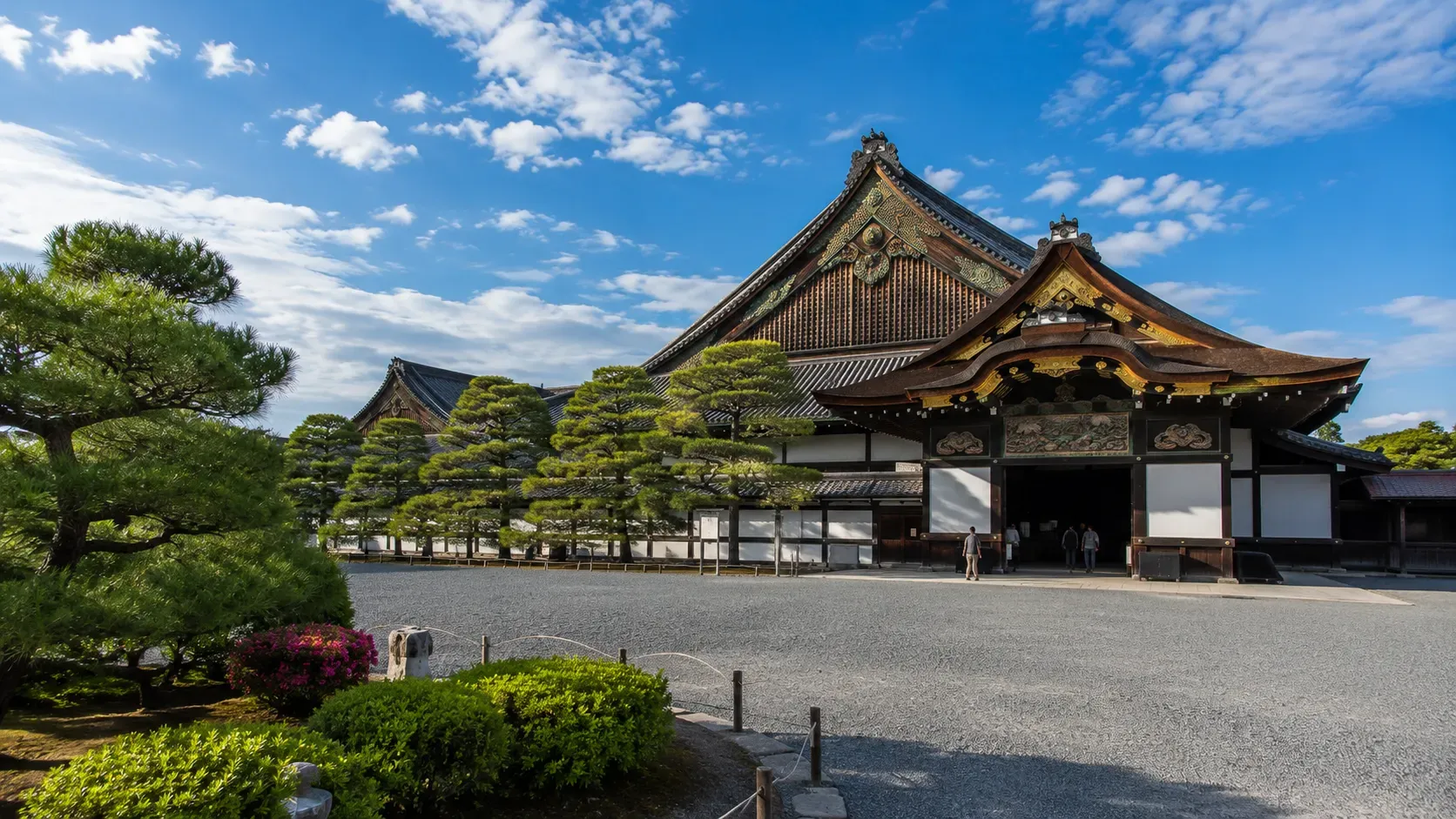
Nijo Castle was built in 1603 as the Kyoto residence of Tokugawa Ieyasu, the founder of the Edo shogunate. It is listed as a UNESCO World Heritage Site. The grounds cover 275,000 square metres and include the Ninomaru Palace, the Honmaru Palace, and formal gardens. The Honmaru Palace requires advance online reservation and an additional fee; check the official website to book before visiting.
The Ninomaru Palace is notable for its "nightingale floors," wooden corridor floors designed to make a high-pitched squeak when walked on, an intentional security feature to detect intruders during the shogunate period.
If you’re interested in Japanese history or traditional palace architecture, Nijo Castle is a must-do thing in Kyoto.
- Entry: Admission fees vary depending on the areas you visit. Check the official Nijo Castle website for the latest ticket options before your visit.
- Hours: 8:45am to 5pm daily, last entry at 4pm
- Getting there: Subway Tozai Line to Nijojo-mae Station; 5-minute walk to the castle entrance.
- Time needed: 1.5 to 2 hours to cover the palace and gardens at a comfortable pace
Things to do in Kyoto near Nijo Castle: you can also visit Nijo Jinya, a merchant house with hidden passages, or take a short walk to Nishiki Market or the central shopping district if you’re heading back into the city.
What Practical Tips Help When Visiting Kyoto?
A few practical tips before you arrive make it easier to plan and manage the top things to do in Kyoto.
- Get an IC card: ICOCA, Suica, and Pasmo cards all work on Kyoto's trains, buses, and Subway. Load credit before you travel and tap in and out at barriers. This saves time at ticket machines and is accepted at most convenience stores too.
- Start early: Places like Fushimi Inari Taisha, Higashiyama District, and Gion are much quieter before 9am. Getting there when they open is the best way to enjoy the things to do in Kyoto without the crowds.
- Carry cash: Many smaller temples, market stalls, and local restaurants in Kyoto are cash-only. Having yen on hand avoids being caught short at the counter.
- Group by area: Nishiki Market and Shinkyogoku Shopping Street are right next to each other, so you can visit both in one getaway. Yasaka Shrine, Higashiyama District, and Gion are also close together and make a good half-day outing.
- Book accommodation early: Cherry blossom season (late March to early April) and autumn (October to November) fill up central Kyoto months ahead. The closer to these seasons you book, the more limited accommodation options become.
Final Takeaway
Things to do in Kyoto span a wide range, and the city rewards those who approach it by area rather than trying to cross it repeatedly in one day. From the free trails at Fushimi Inari Taisha to the food stalls at Nishiki Market and the evening streets of the Geisha District, there’s enough to keep you coming back.
The best things to do in Kyoto take time. Most places are worth more than just a quick photo, and the quiet moments, like early mornings at shrines, evenings in Gion, or slow walks in Arashiyama, are often the ones you’ll remember most.
If you’re planning a holiday to Japan and want a custom Kyoto itinerary, Holiday Tribe’s travel advisors can help you plan each day in detail.