

Nightlife in Hoi An, Vietnam is different from what you might expect. There are no huge clubs or wild beach parties, but what you find here is even more special. Picture a 400-year-old trading port where the streetlights dim, thousands of silk lanterns glow over the river, and a woman rows you out to set a paper candle drifting downstream. This is just a typical Tuesday in Hoi An. Evenings here are slow, warm, and quietly magical, mixing food, light, and tradition. There are plenty of riverside bars and beach spots for anyone who likes to stay out late. If you are looking for places to visit in Hoi An after dark, these eight experiences are where to start
Does Hoi An have good nightlife?
Yes, but not in a way you might think. If you’re looking for bottle service and a DJ at 2 am, Hoi An might not be the right place. But if you like walking through lantern-lit streets, enjoying delicious food, and watching candles float by, this is one of the best towns in Vietnam at night. Hoi An city is about the mood, not wild parties. Once you understand that, you’ll have a great night.
What is Hoi An famous for in Vietnam?
Hoi An is a UNESCO World Heritage site and was once a busy trading port. Today, it still looks much like it did in the 16th and 17th centuries. The town has more than 800 protected heritage buildings. Many visitors come for the quick and skilled tailors, colourful silk lanterns, and surprisingly good food for such a small town. The Japanese Bridge in Hoi An, built by Japanese merchants in the 1590s, is the most famous landmark and even appears on the 20,000 dong note. After two years of careful restoration, the bridge reopened in August 2024. One recent change: in June 2025, Quang Nam province merged with Da Nang, so Hoi An is now officially part of Greater Da Nang. The Ancient Town is still the same, but the address has changed.
What are the Best Things to Do in Hoi An, Vietnam at Night?
Here are eight ways you might spend an evening, listed in the order a good night usually goes.
1. Wander the lantern-lit ancient town
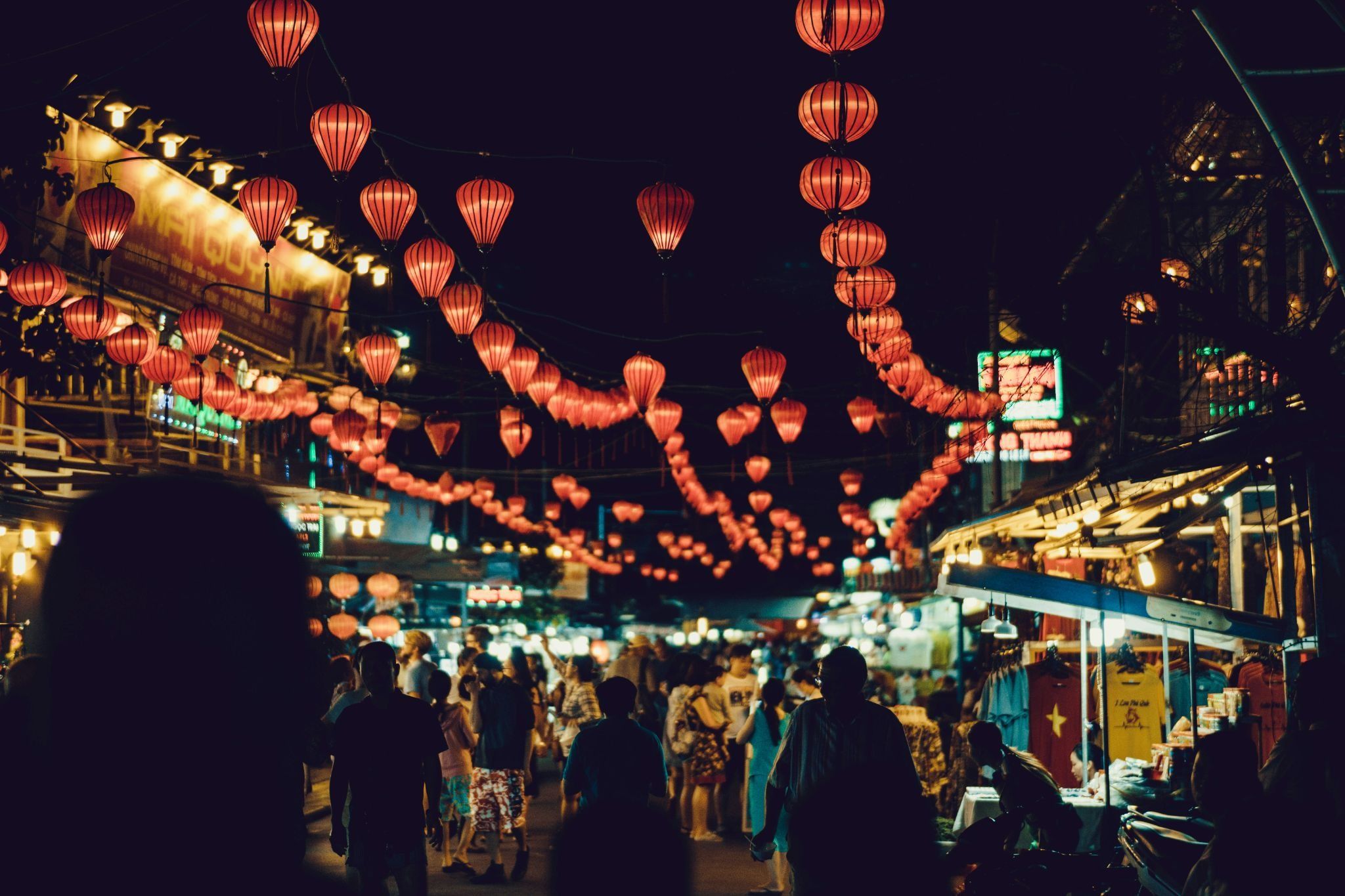
At about 5:30pm, lanterns begin to shine and Hoi An Ancient Town changes from a quiet daytime spot into a magical place. With cars kept off the main streets, you can stroll past yellow shophouses, tailors, and tea stalls as the Japanese Bridge lights up over the canal. Visiting is free and it’s one of the best things to do in Hoi An at night.
2. Browse the Hoi An night market
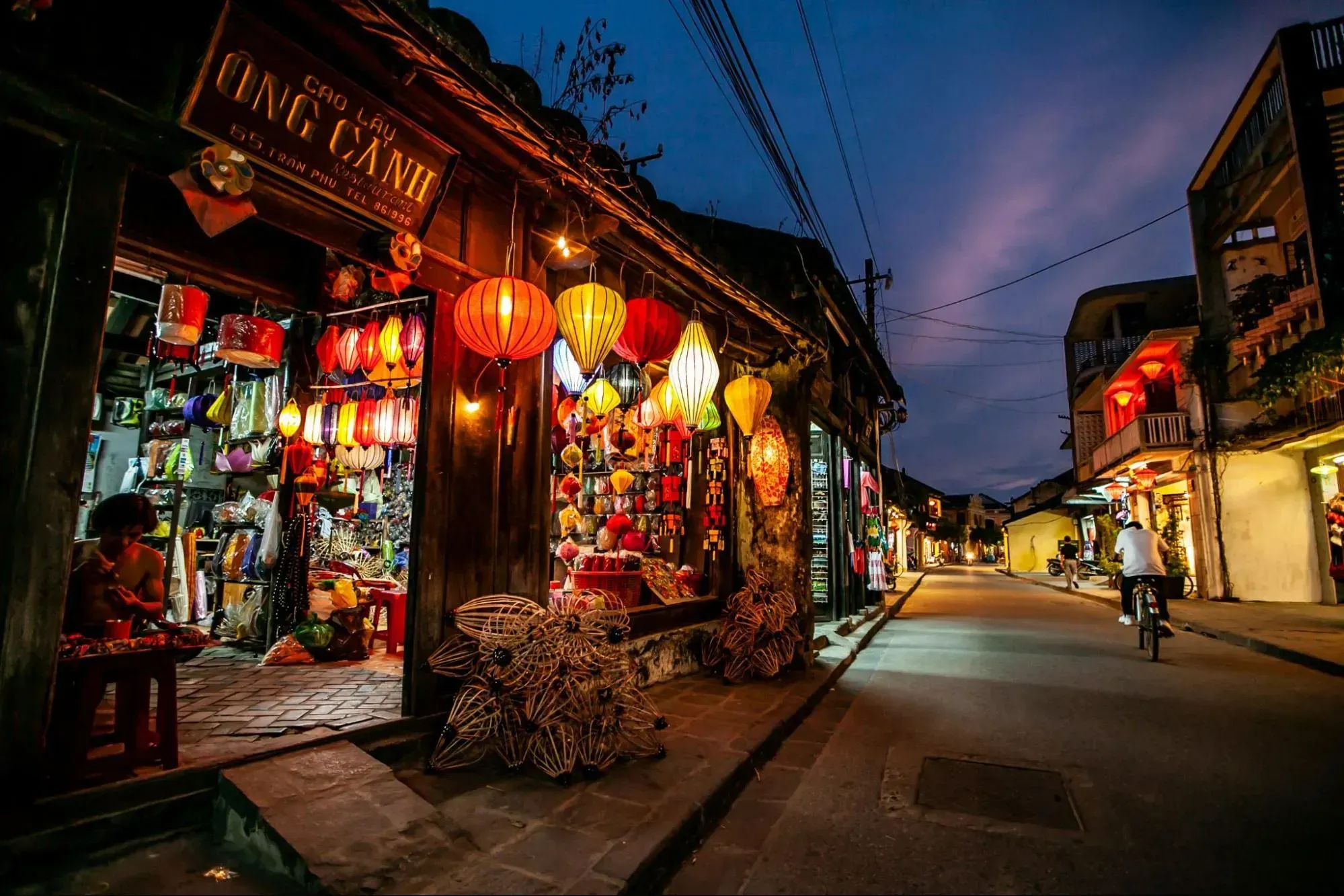
If you visit An Hoi islet, you’ll come across the Hoi An night market on Nguyen Hoang Street. Around 50 stalls offer handmade lanterns, street food, trinkets, and plenty of grilled snacks. You can buy a folding silk lantern as a souvenir, sample different treats as you walk, and try bargaining with the vendors. It’s a great place for first-time visitors to explore.
3. Float a lantern on the Hoai River
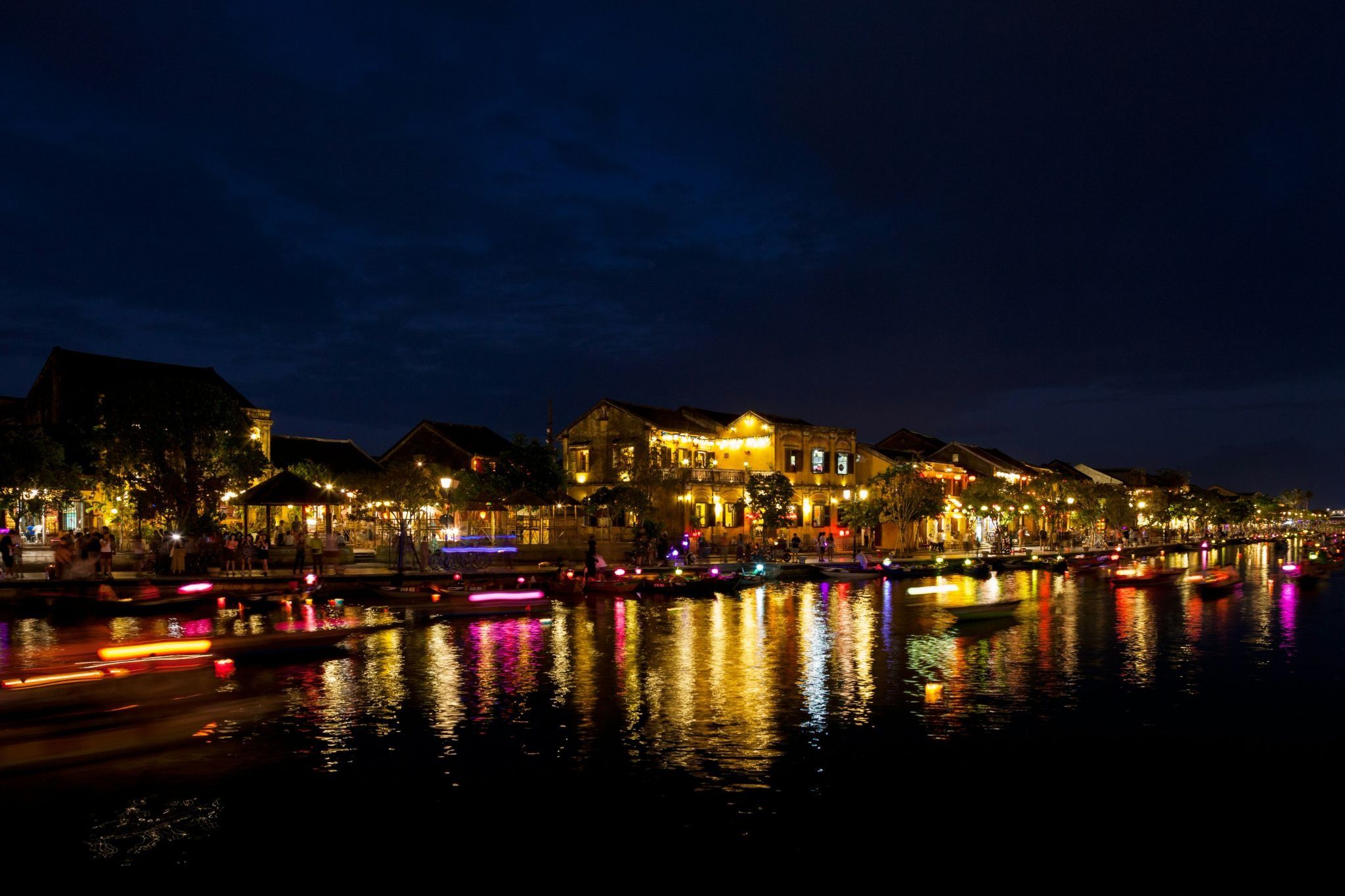
This is what brings people here. You pay a local rower for a short ride, step into a wooden sampan on the Hoai River, and set a candle lantern on the water. It might look like just a photo opportunity, but it means more. The floating lantern is a wish, tied to ancestor worship. Be sure to agree on the price before you get in.
4. Catch the Hoi An memories show
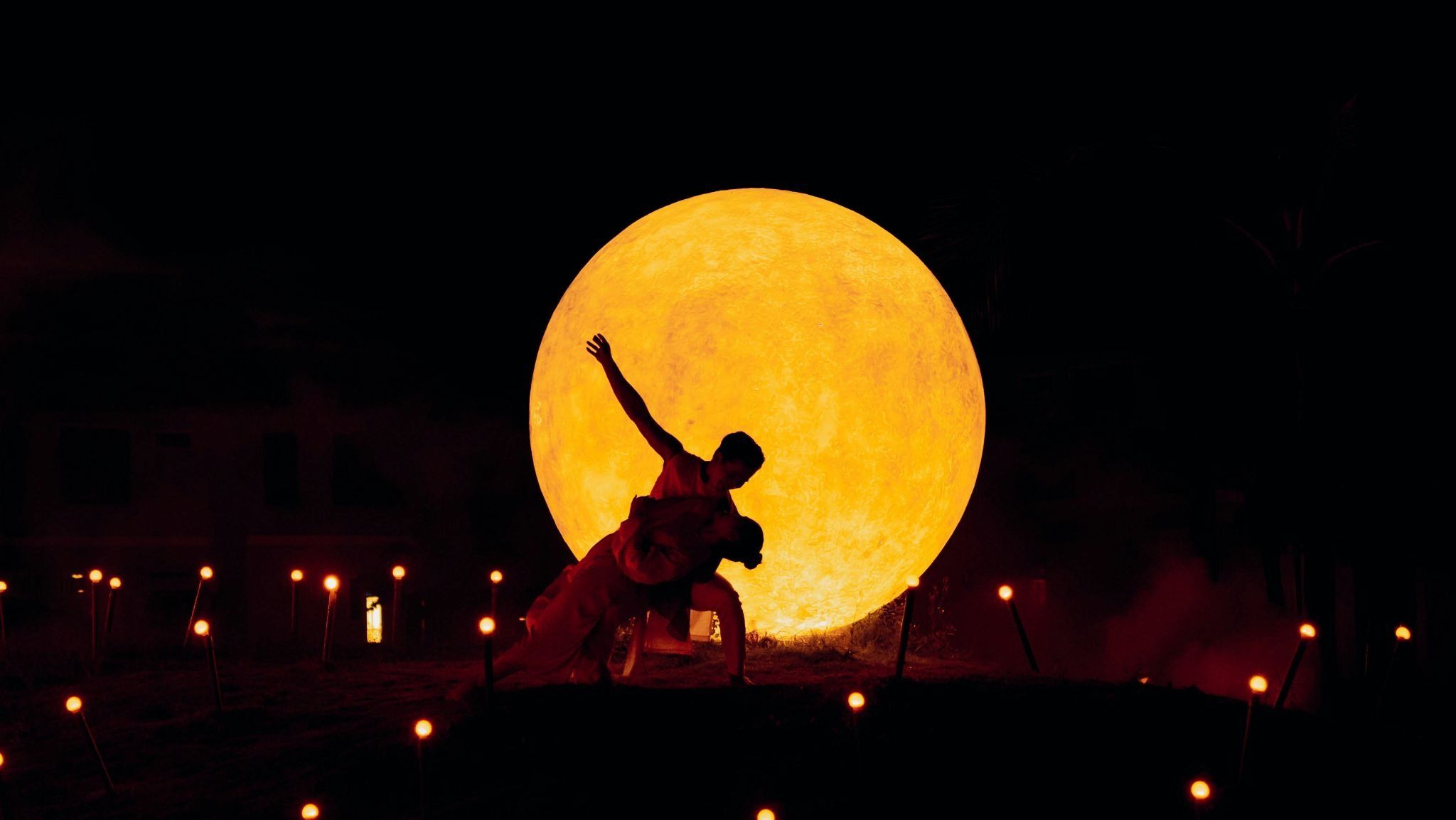
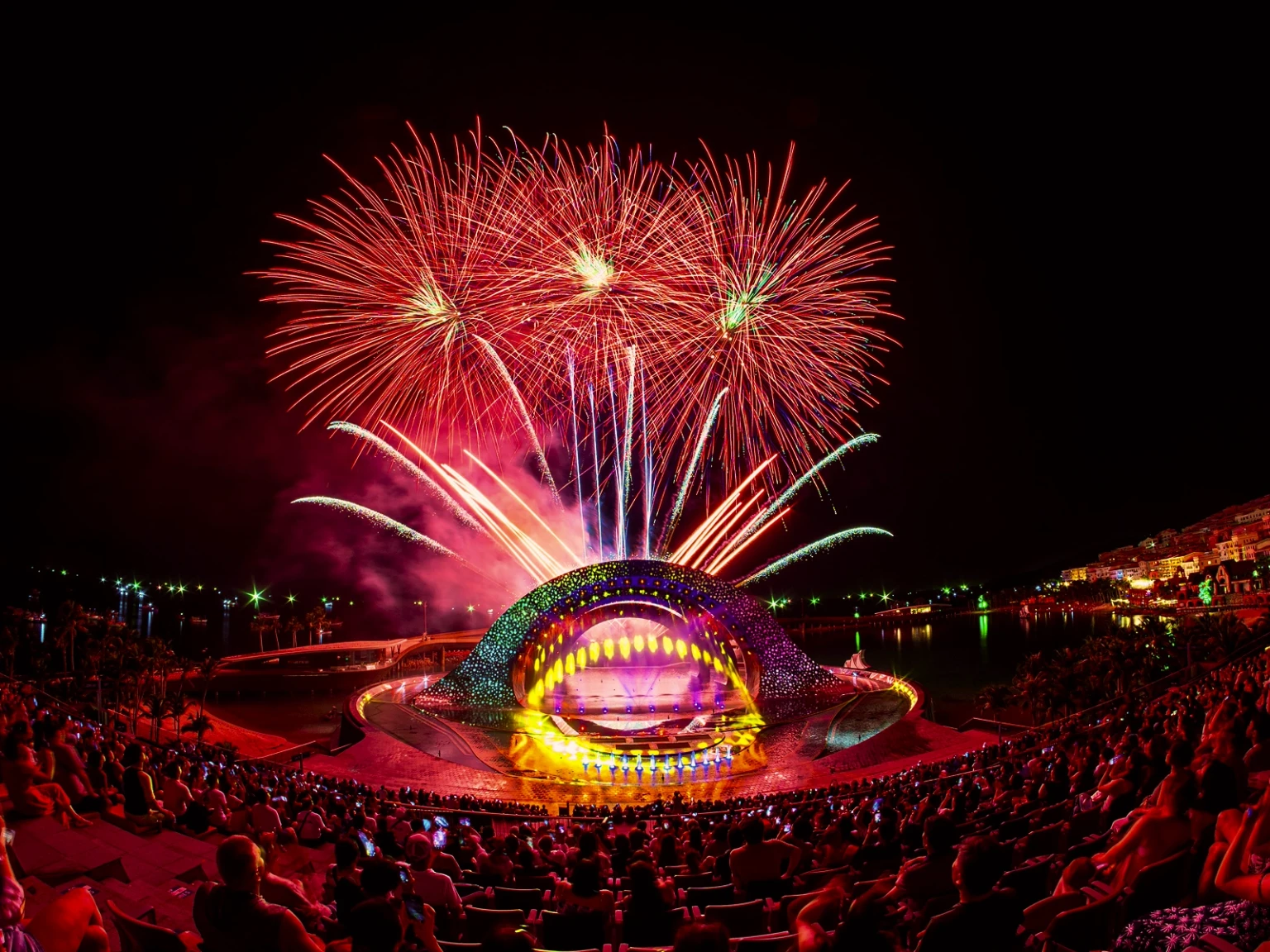
If you want to see something truly impressive, don’t miss this show. It takes place at Hoi An Memories Land on a huge 25,000 square metre stage and features more than 500 performers. Through light, music, and dance, the show brings 400 years of local history to life. The new version began in January 2025. You can see it most evenings except Tuesdays, from around 7:30 to 8:45pm. This is the one ticketed night out here that really feels special.
5. Eat your way through the night
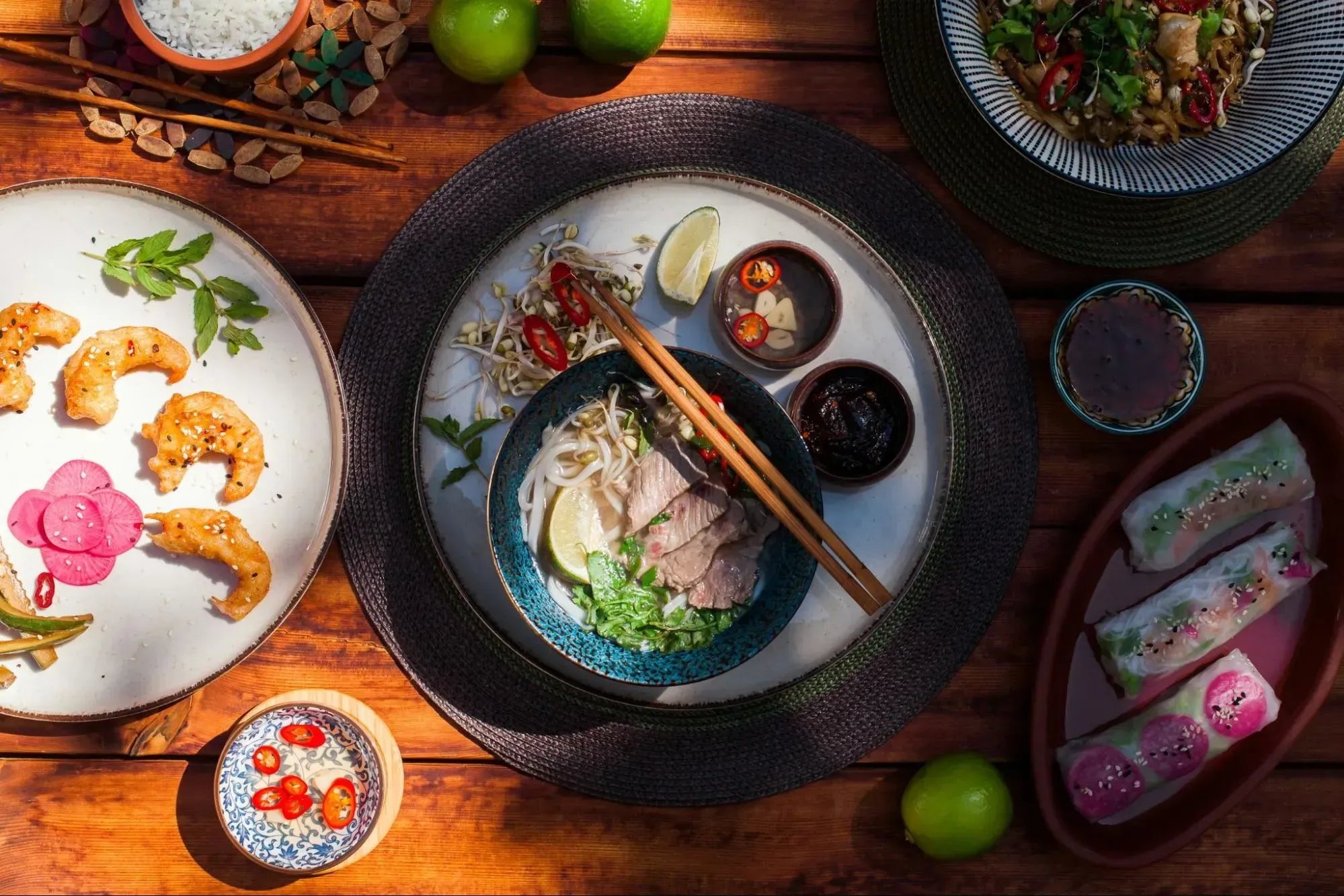
Hoi An is a real treat for anyone who loves food. Be sure to try the local trio: cao lau, which are smoky chewy noodles with char siu pork made with special well water; white rose dumplings, delicate parcels filled with prawn; and the banh mi that put this town on the map. Finish your meal with a bowl of Mot herbal tea on Tran Phu Street, served with a lotus flower on top. Just this food experience makes the holiday worth it.
6. Play bai choi and find live music
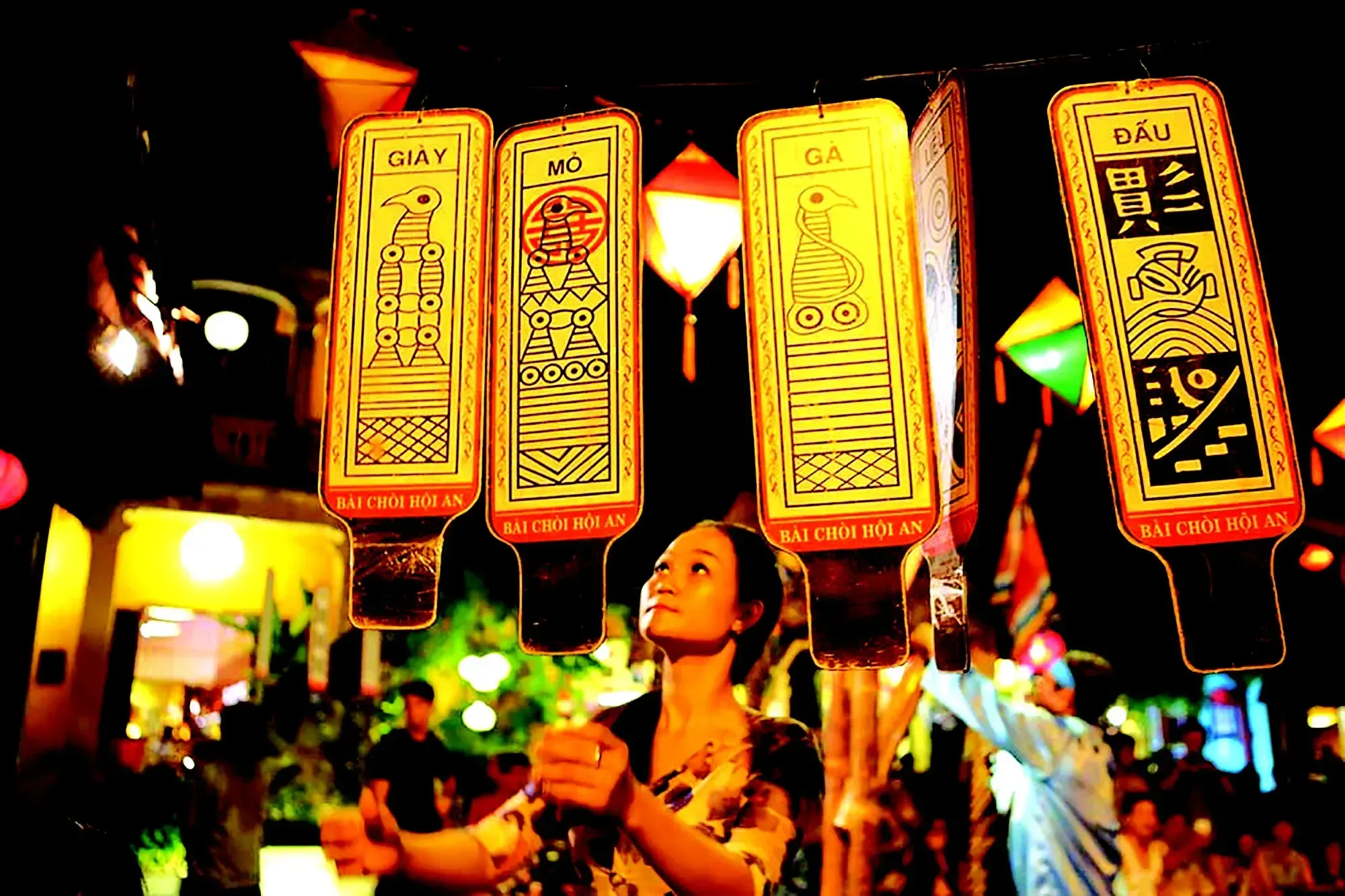 Image Source: Nguoi Lao Dong Newspaper
On most nights near the bridge, you can hear bai choi, a folk bingo game that is sung and recognised by UNESCO as heritage. It is actually more fun than you might think. Singers call out the numbers, the crowd cheers, and along the river, buskers play everything from Vietnamese folk songs to Western hits.
7. Sip a drink at a riverside or rooftop bar

If you want a more relaxed way to spend your evening, Hoi An has a quiet row of riverside bars, rooftop lounges, and wine spots where you can see lanterns. The calm atmosphere sets it apart and makes it special.
8. Head to An Bang beach after dark
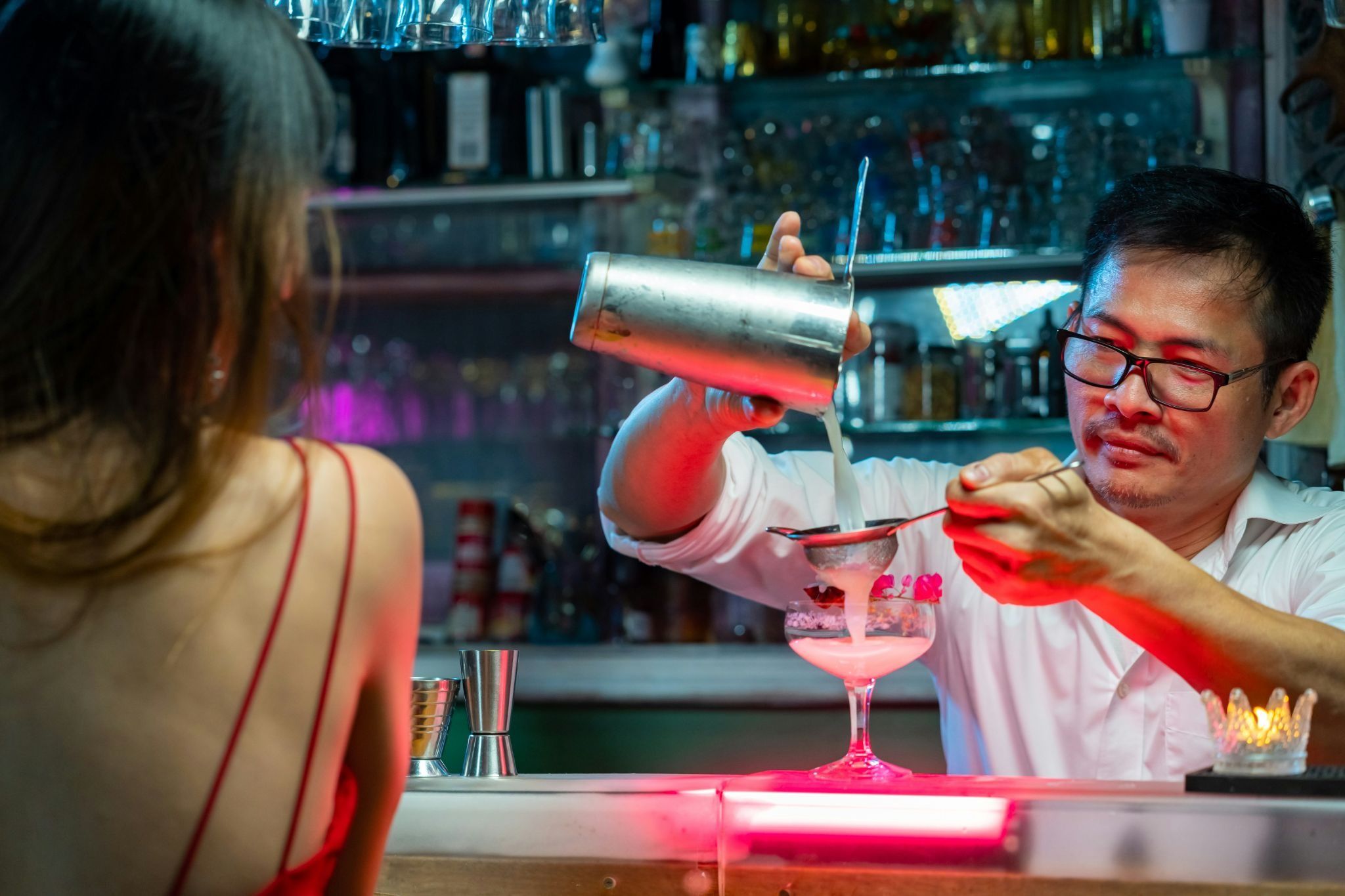
When the Old Town gets quiet, most people make their way about 10 to 15 minutes out to An Bang Beach. The beach bars and kitchens here stay open later, making it the top spot in Hoi An for a lively bar scene right on the sand.
When is the best night to visit? The Full Moon Lantern Festival
If you can, try to visit Hoi An during the lantern festival. It takes place on the 14th day of each lunar month, just before the full moon. From about 6pm to 10pm, the Old Town switches off its electric lights and motorbikes are kept out. Lanterns and candles light up the streets, and between 7 and 9pm, the river is filled with floating lights. The biggest celebration is Nguyen Tieu, which is the first full moon after Tet. But even if you miss the festival, you can still see lanterns every night, so don’t worry.
Is Vietnam nightlife like Thailand?
No, and it’s good to remember that before you book. Thailand is full of energy, from the wild nights on Khao San Road in Bangkok to the lively clubs in Phuket and the famous Koh Phangan Full Moon Party. Vietnam is more relaxed, and Hoi An is especially peaceful.
Craving a loud Vietnamese night? Head to Bui Vien in Ho Chi Minh City or the lively streets of Phu Quoc. For a more enchanting vibe, Hoi An sets the mood.
Tribe Travel Tips
- Lanterns begin to glow at about 5:30pm. Arrive before sunset so you can watch the colours shift as evening falls.
- The Old Town becomes quiet earlier than most people expect. Explore the town first, then head to the beach bars afterwards.
- Bring some cash with you for the market, boat rides, and lanterns.
- Full-moon nights have a magical feeling, but they can be crowded. On other nights, it’s quieter and just as beautiful.
- See the floating lantern as a wish, not just something to toss away. Release it gently into the water.
Plan Your Hoi An Nights with Holiday Tribe
The best way to enjoy Hoi An’s nightlife is to slow down, savour great food, and let the lanterns create the perfect atmosphere. When you visit at just the right time, your night here will be unforgettable. At Holiday Tribe, we help you plan your evenings in Hoi An and in Vietnam by focusing on what matters most: the season, full-moon dates, and your preferred pace. Whether you’re on a honeymoon, a family holiday, or visiting Vietnam for the first time, tell us how you like to travel and we’ll make sure Hoi An matches your style.