

You have visited Tokyo. You have explored Kyoto. Somewhere between the temples and the ramen bowls, you probably saw a photo of a bus driving between walls of snow so high they block out the sky. That is the Alpine Route in Japan, and it really is just as amazing as it looks. The Tateyama Kurobe Alpine Route is not just a hike or a single cable car ride. It is a full mountain crossing through the Northern Japan Alps, covering 37.2 kilometres. Along the way, you will use six different types of transport, see a volcanic lake, visit a dam that took seven years to build, and enjoy views from 2,450 metres up. Most travellers don't know it exists, or they think it is too complicated to plan. Neither is true. Once you learn about it, this is the kind of visit that can change your whole Japan itinerary.
What Actually Is the Alpine Route in Japan?
The Alpine Route in Japan, officially called the Tateyama Kurobe Alpine Route, links Toyama Prefecture on the Sea of Japan coast with Nagano Prefecture on the eastern side of the Northern Alps.
The route stretches for 37.2 kilometres. Almost all of it lies within Chubu Sangaku National Park.
What sets this route apart from other mountain experiences in Japan is:
- Only public transportation is allowed on the route. This helps protect the environment and manage the number of visitors. Private vehicles are not permitted.
- Mount Tateyama is one of Japan's three sacred mountains, together with Mount Fuji and Mount Haku.
- The route was finished in 1971 after years of engineering, including drilling tunnels under 3,000-metre peaks.
Priests have been climbing these peaks since the 8th century. Now, with good shoes and a Tateyama Kurobe pass, you can follow in their footsteps.
The Alpine Route Japan Map: Stop by Stop
This is how you can use the Alpine Route Japan guide when traveling from Toyama in the west to Nagano in the east:
Stop | Transport | Time | Elevation |
Tateyama Station | Toyama Chiho Railway (from Toyama) | 65 min | 475m |
Bijodaira | Tateyama Cable Car | 7 min | 977m |
Murodo (highest point) | Tateyama Highland Bus | 50 min | 2,450m |
Daikanbo | Tateyama Tunnel Electric Bus | 10 min | 2,316m |
Kurobedaira | Tateyama Ropeway | 7 min | 1,828m |
Kurobe Dam | Kurobe Cable Car | 5 min | 1,450m |
Ogizawa (end) | Kanden Tunnel Electric Bus | 16 min | 1,433m |
A few things worth knowing before you plan:
- The Tateyama Ropeway runs between Daikanbo and Kurobedaira. At 1.7 km, it is the longest unsupported single-span ropeway in Japan.
- The Tateyama Tunnel Electric Bus operates at 2,450 metres, making it Japan's highest electric bus service. It replaced Japan's last trolleybus from the 2025 season.
- You can travel the route in either direction. Most people go from Toyama to Nagano, but going east to west works just as well.
- The whole route usually takes about 6 to 7 hours. However, each part can take longer due to waiting and queues, so allow extra time.
What Season Should You Visit the Alpine Route in Japan?
This is the key question. Your experience on the Japan alpine route will change a lot depending on the time of year you visit. The route is open from April 15 to November 30 and is inaccessible during the winter.
Here is the honest breakdown:
Season | Dates | What You Get | Who Should Go |
Spring | Mid-April to June | Snow walls up to 20m, fresh snowpack, cool air | Snow wall seekers, photographers |
Summer | July to September | Alpine flowers, mild temperatures, hiking trails open | Hikers, first-timers, families |
Autumn | Late September to November | Foliage above the clouds, fewer crowds than spring | Couples, photographers, calm-pace travellers |
- For the snow walls specifically: From when the route opens until mid-June, you can see snow walls on top of Murodo that can be as tall as 20 metres. May is when they are at their highest, but it is also the busiest time of year.
- For autumn: The autumn colours are usually at their best around Murodo and Daikanbo from late September to early October. After that, the colours move down the slopes from late October to early November.
Tribe Travel Tip: If you want great views without the crowds, visit in the first half of October. The Alpine Route in Japan is quieter in autumn, the light changes, and your photos will stand out from the usual spring shots.
What Are the Key Stops Along the Alpine Route?
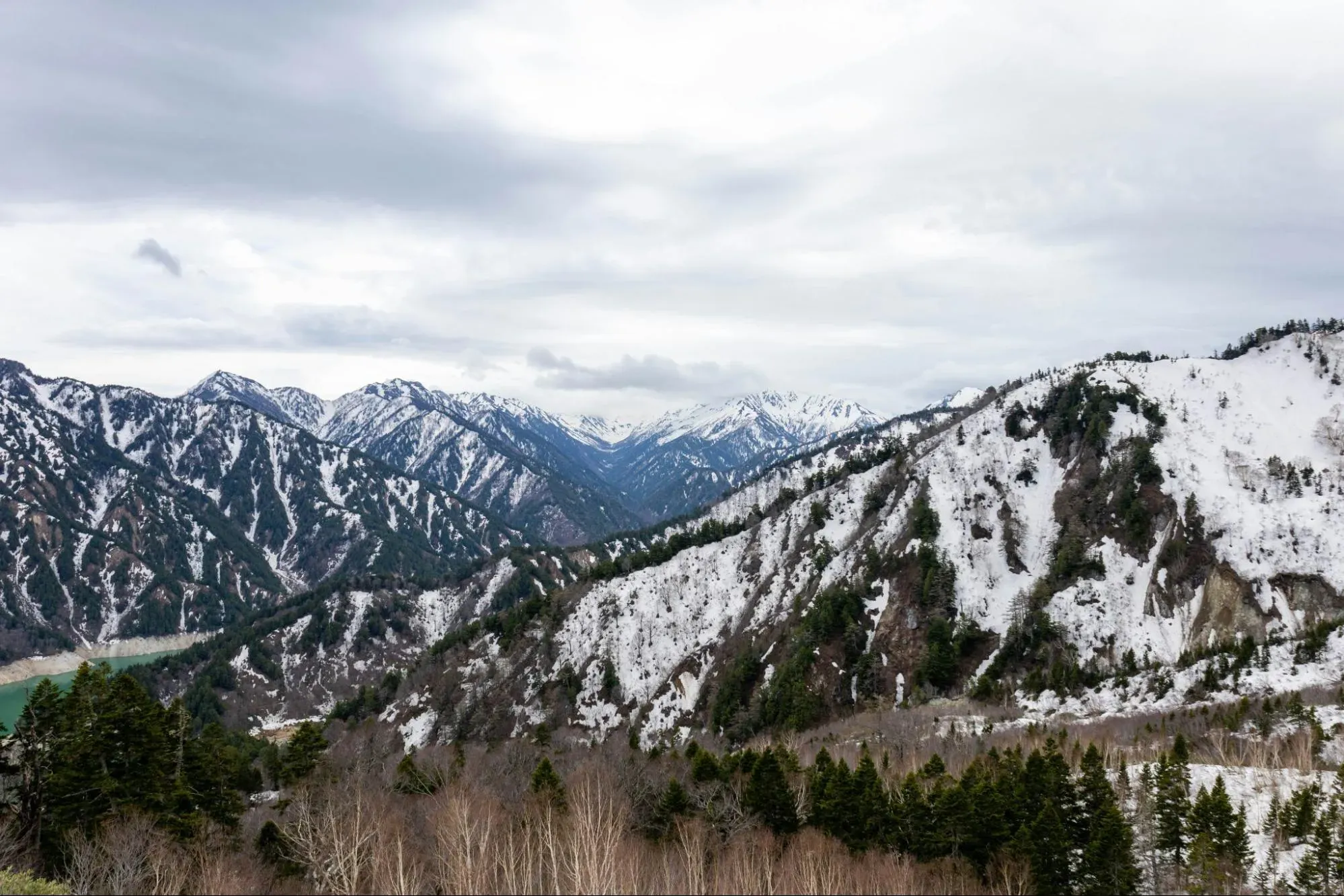
The Japan Alpine Route guide includes many places, but these are the stops that are truly worth your visit.
Murodo
Murodo sits 2,450 metres above sea level and is the highest spot on the Tateyama Kurobe Alpine Route. From here, you get amazing views of the Tateyama Mountain Range.
You’ll find a bus terminal, a restaurant, and more hiking trails than you could fit into one day. From Murodo, you can:
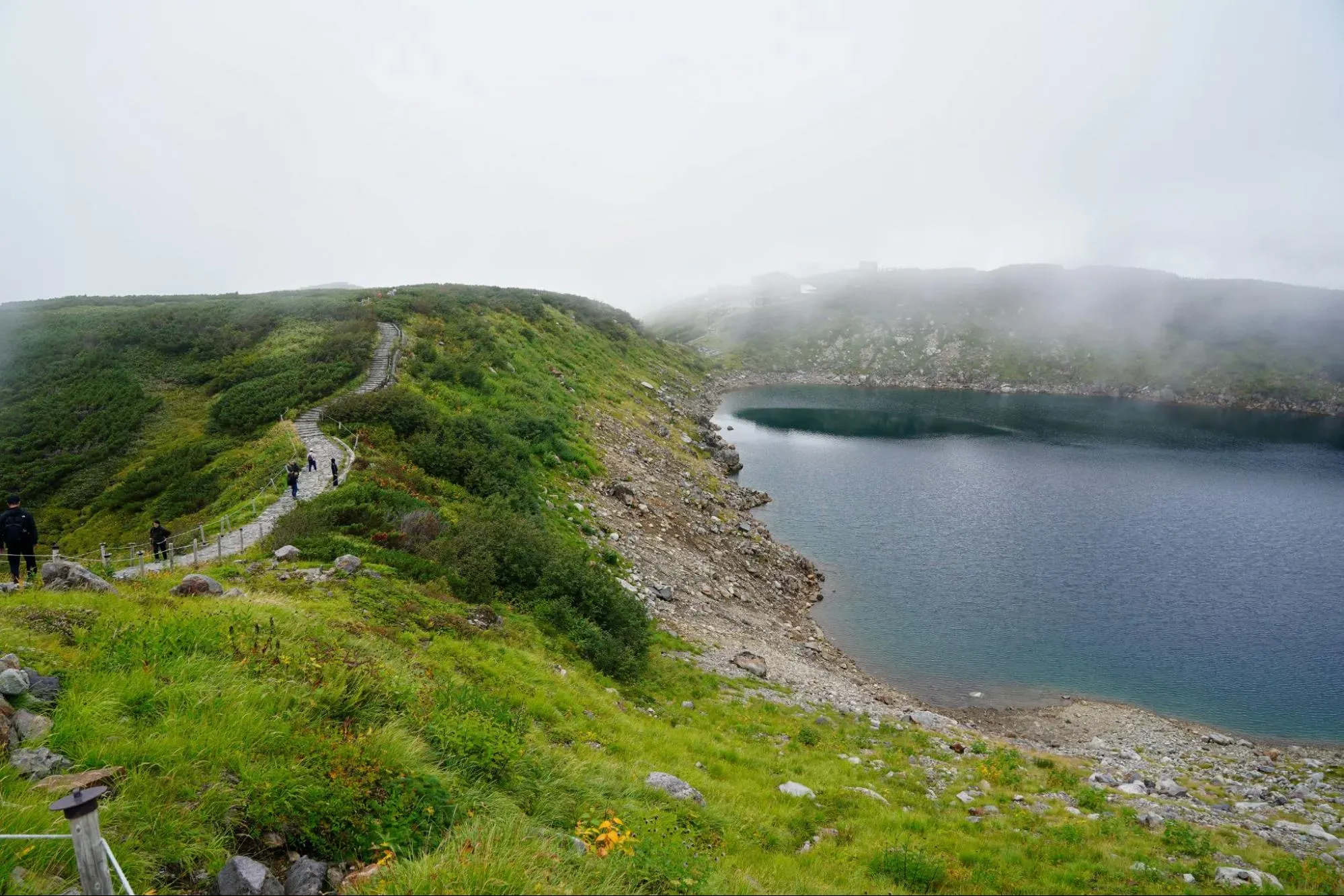
- Take a one-hour walk around Mikurigaike Pond. The trail is flat, easy to access, and truly beautiful.
- Visit Jigokudani, also known as Hell Valley, where you’ll see steaming volcanic vents in a landscape that feels otherworldly. Sometimes trails close because of volcanic gas, so check the conditions before you go.
- Climb to the top of Mt. Oyama at 3,003 metres, a hike that takes about three and a half hours. At the summit, you’ll find Oyama Shrine, where visitors can receive a blessing and warm sake from a priest.
Mikurigaike Pond
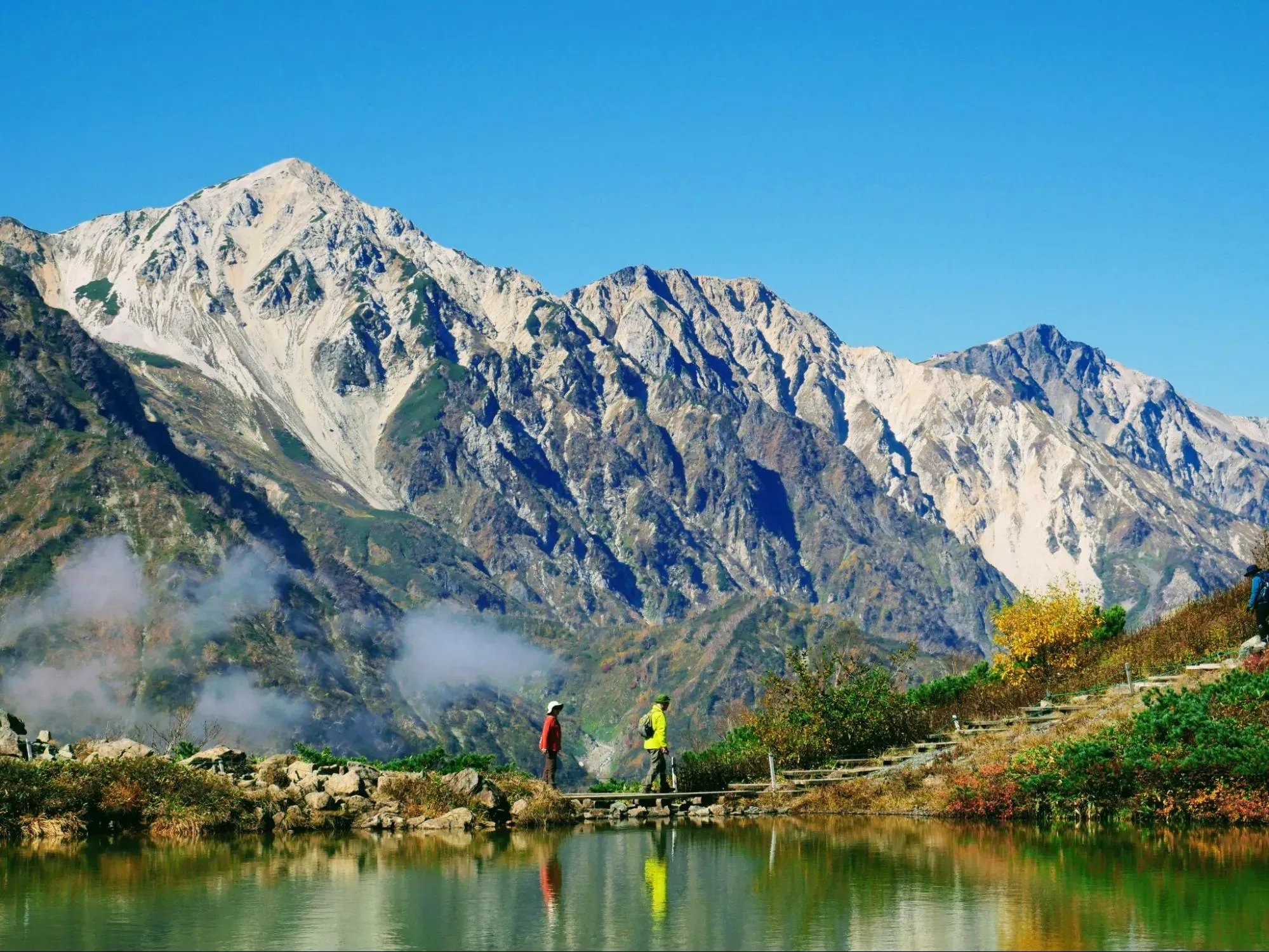
Mikurigaike is a volcanic crater lake sitting 2,405 metres above sea level. On calm days, its surface mirrors the nearby mountains with stunning clarity.
You can reach it with a 20-minute walk from Murodo Terminal.
- During summer, the water becomes a deep cobalt blue.
- In autumn, the lake is surrounded by golden and red foliage.
- You’ll probably take dozens of photos here, and want to keep every one.
The alpine route is also home to an unexpected resident: the Japanese rock ptarmigan (raichō), a protected natural monument. You might spot these plump alpine birds foraging near the walking trails, especially in early summer. Around 350 live near Murodo, and seeing one is considered a real stroke of luck.
Daikanbo
From the Cloud Terrace at Daikanbo Station, 2,316 metres above sea level, you can see the emerald-green Lake Kurobe below and the Ushiro-Tateyama mountains in the distance. In 2024, the terrace was updated with wooden benches and a small café that serves takeout.
This is also the boarding point for Japan's longest single-span ropeway.
From Daikanbo, Lake Kurobe is on the left, and the golden grass of Tambo-daira is on the right. In summer, the left side offers the best views, while in autumn, the right side is more colourful. Choose your seat based on the season.
Kurobe Dam
Kurobe Dam stands 186 metres tall, making it the highest dam in Japan. Built over seven years and finished in 1963, it offers a great view from the observation deck. To get there, climb the 220 steps from Kurobe Dam Station for a full look at the dam and its surroundings. Around 10 million people are said to have worked on building the dam.
From late June to mid-October, water pours from the spillway. If you can visit during this time, it is a highlight worth planning your trip around. Everyone must walk across the dam crest, which takes about 15 minutes. Take your time and enjoy the experience.
What to Eat Along the Alpine Route in Japan?
At 2,450 metres, the menu is limited, but the options are surprisingly good.
- Tateyama Soba at Murodo Terminal: This standing soba shop is simple and welcoming, just what you need after a walk in the mountain air.
- Firefly Squid Kakiage Soba: This dish features freshly fried firefly squid, known as the mystery of Toyama Bay, and is available at the Hotel Tateyama restaurant.
- Mikurigaike Soft Serve: Try the Ramune and milk flavoured ice cream at 2,450 metres. It costs ¥600 and tastes amazing.
- Alpine Curry: A popular dish at restaurants along the route. It is both warming and filling.
- Gohei Mochi at Daikanbo: This grilled mochi with sweet soy sauce is a speciality of the Central Japan mountain region.
- Tamadono Coffee: This coffee is made with mountain spring water from Murodo and is available from early June, once the snow has melted.
How to Book Your Alpine Route Japan Pass
Many travellers find ticketing confusing, so here’s a simple explanation.
Buying tickets:
- You can buy tickets online through the official Alpen Route website. This is especially recommended if you are travelling in spring.
- You can also buy tickets at the counter on the day of travel, but this can be risky during peak season.
- After fares went up in 2022 and 2023, there were no further increases from 2024. The 2026 fares are the same as in 2023.
Pass worth considering:
The Alpine-Takayama-Matsumoto Area Tourist Pass lets you use JR trains in the area and includes the Alpine Route. It costs ¥24,500 for adults and ¥12,250 for children aged 6 to 11 and is valid for 5 days. The pass also covers nearby towns such as Takayama, Matsumoto, and the Kiso Valley.
Tribe Travel Tips:
- Book your Tateyama Cable Car time slot ahead of time because it gets booked up quickly in spring.
- You can use luggage forwarding services, so you do not have to carry your suitcase up the mountain.
- You can complete the route in one day, but staying overnight at Murodo is a great experience if you have time.
Staying Overnight on the Alpine Route
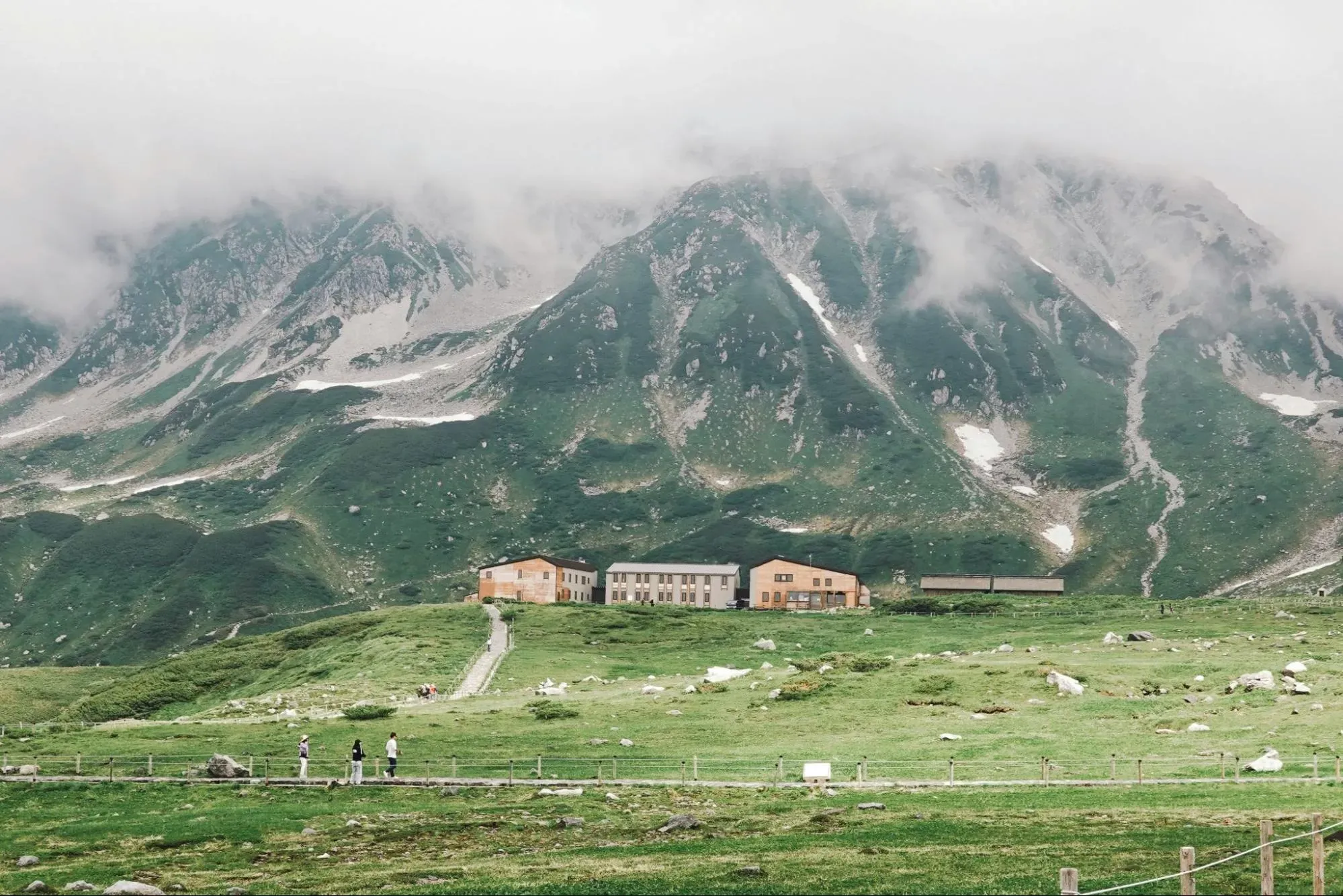
Most people visit Murodo just for the day. However, spending the night there transforms the experience. You can watch the sunrise over the peaks, enjoy quiet trails in the morning, and see a sky full of stars at 2,450 metres.
Here are some places you can stay at Murodo:
- Mikurigaike Onsen: This is Japan's highest hot spring inn at 2,410 metres. You can visit the baths for ¥800, or stay overnight from about ¥13,000, which includes two meals.
- Murodo Sanso: This mountain hut has been open since 1726. Stays cost about ¥13,000 to ¥15,000 and include meals.
- Raichoso: This place is usually the last to sell out. Prices start at ¥12,000 with meals included.
Keep in mind that Hotel Tateyama, the highest hotel in Japan, is set to close at the end of August 2026.
Tribe Travel Tip: Rooms for spring and Golden Week often sell out months in advance. If you plan to stay overnight on the Alpine Route, book your accommodation as soon as you know your travel dates.
Getting to the Alpine Route From Major Cities
From | Route | Approx. Time |
Tokyo | Hokuriku Shinkansen to Toyama, then Chiho Railway to Tateyama | ~3 hours |
Tokyo | Shinkansen to Nagano, bus to Ogizawa | ~2.5 hours |
Osaka/Kyoto | Shinkansen to Nagoya, express to Matsumoto, JR Oito Line to Shinano-Omachi | ~4–5 hours |
Nagoya | Limited express to Matsumoto, JR Oito Line | ~3.5 hours |
The Alpine Route in Japan is easy to follow. You start on one side and finish on the other. It works well as part of a trip between Tokyo and Osaka, or as a side trip from Kanazawa, which is only 35 minutes from Toyama by Shinkansen.
Plan Your Japan Holiday With Holiday Tribe
The alpine route in Japan deserves to be the centrepiece of your holiday, not just a quick day excursion. Combine it with Kanazawa, the historic streets of Matsumoto, or Takayama, and you’ll have the foundation for a Japan trip that most travellers never experience.
At Holiday Tribe, our advisors help you plan Japan holidays that go beyond the usual routes. You can choose a ready-made package with accommodation, transfers, and experiences in Toyama, Nagano, and more. Or, we can create a custom plan based on your travel style and pace. Either way, we’ll take care of everything. Visit holidaytribe.ai and let us know what kind of holiday you want.