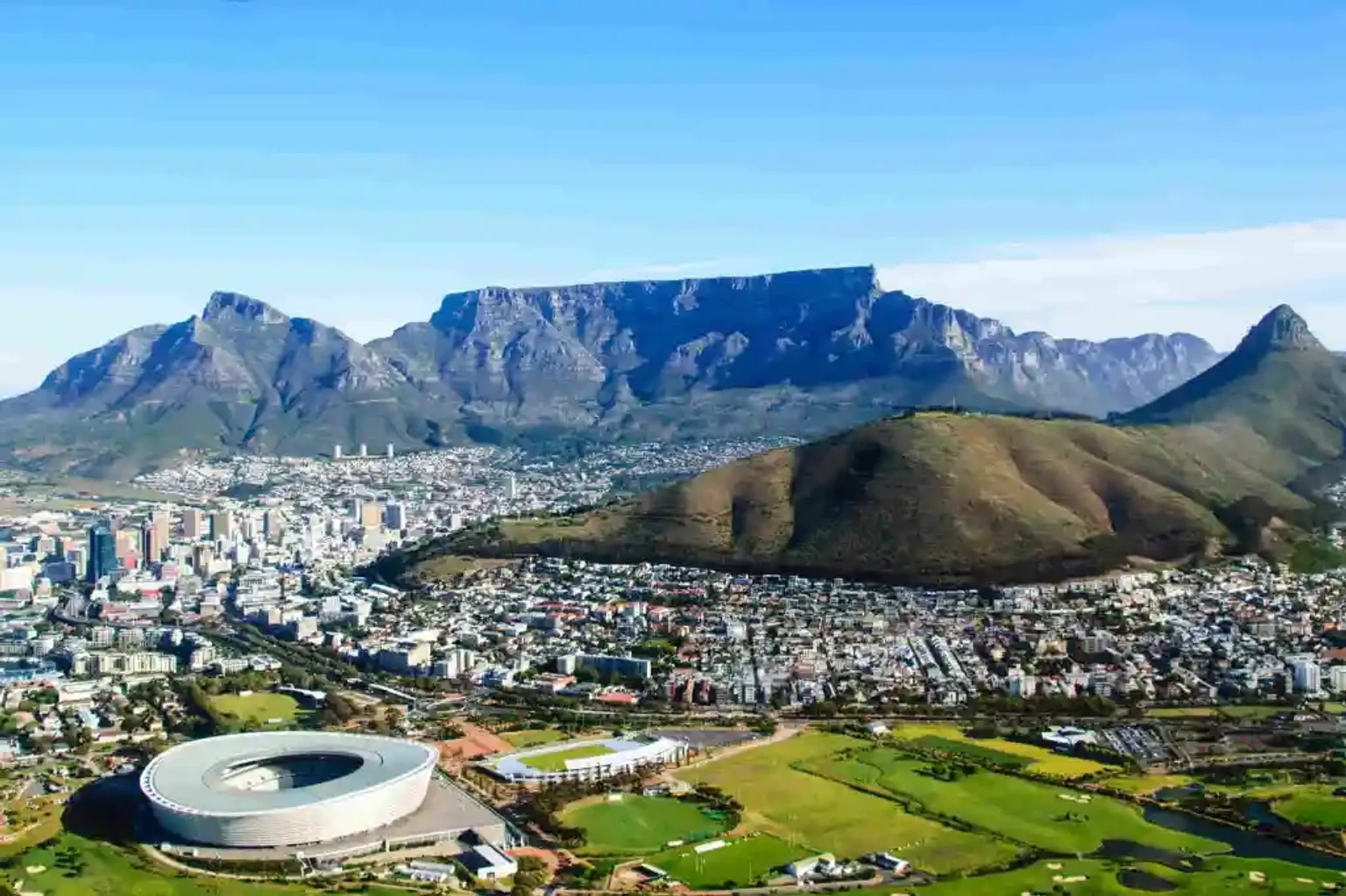


Cape Town is where two oceans come together, with a flat topped mountain overlooking the city. In the morning, you might ride a cable car above the clouds, and by afternoon, you could be enjoying wine in a valley that feels just like Provence.
Not many African cities offer as much variety as Cape Town. You can see penguins on a local beach, visit a former political prison that is now a museum, and enjoy food influenced by Dutch, Malay, and African traditions. This guide will help you plan your holiday, so you can spend more time enjoying the sights and less time worrying about the details.
What Should You Know Before Planning a Cape Town Holiday?
Here's the quick summary of the entire Cape Town guide.
Highlight | What you need to know |
Currency | South African Rand (ZAR). Cards are widely accepted |
Language | English, Afrikaans, and Xhosa are common in the city |
Time difference | No gap with Indian Standard Time in South African summer; South Africa is 3.5 hours behind India otherwise (no daylight saving is observed locally, so check the season) |
Best time to visit | March to May and September to November |
Ideal duration | 5 to 7 days for a first visit |
Getting there | Cape Town International Airport (CPT), about 20 km from the city centre |
Do Indians Need a Visa for Cape Town?
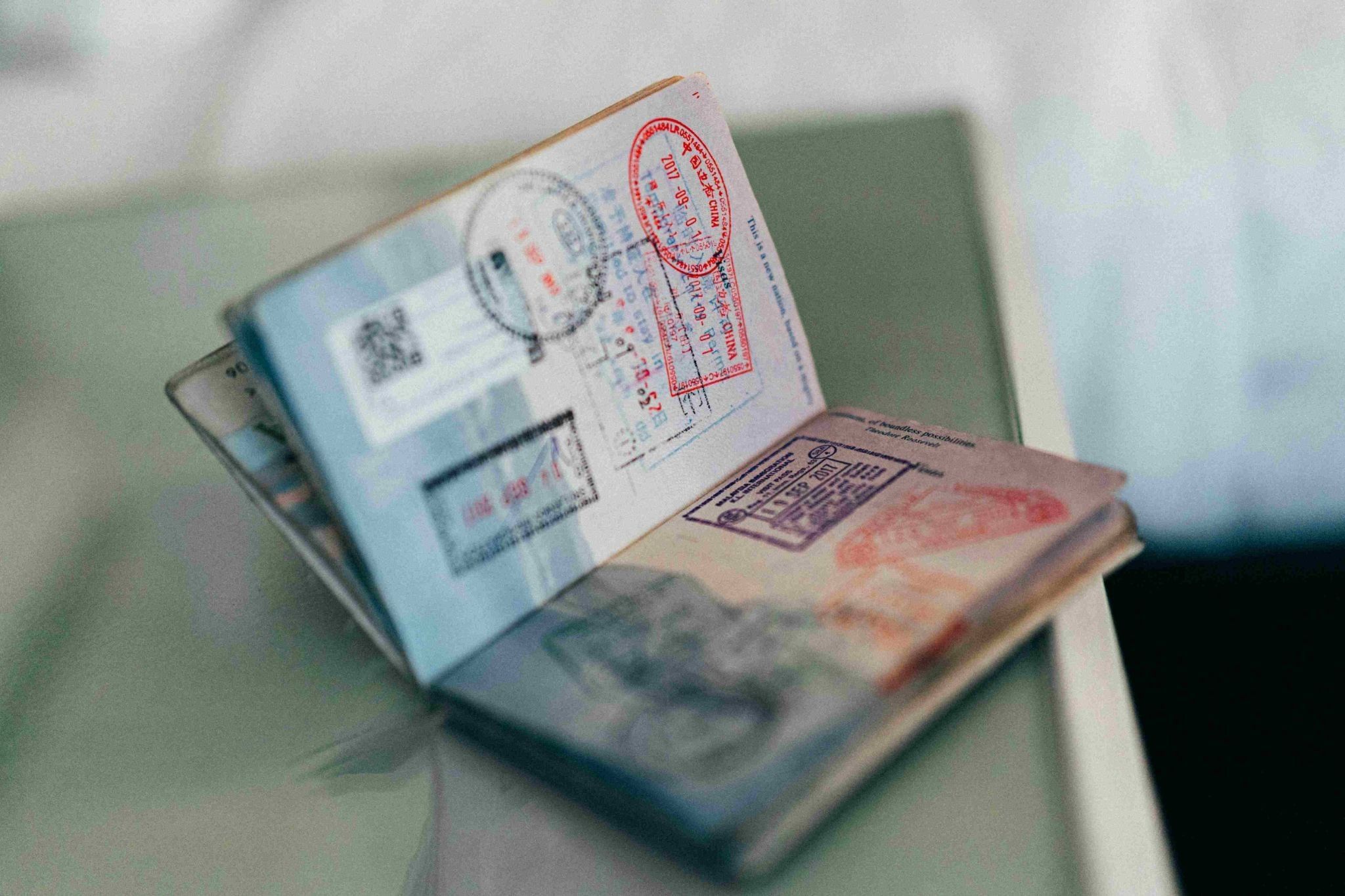
Yes. You’ll need a South African visa to visit Cape Town. The country has been rolling out a new Electronic Travel Authorisation (ETA) system since late 2025, alongside the existing eVisa route through the official Department of Home Affairs Portal.
Both options let you apply online before you fly, and Cape Town International Airport is one of the designated entry points for this system. Keep in mind that the system is still being rolled out; check the latest requirements close to your travel date, since entry rules and validity can change. However, some things always stay the same no matter which process you use:
- Your passport should be valid for at least 30 days beyond your stay and have blank pages for entry stamps.
- A confirmed return ticket and proof of accommodation are usually asked for.
Tribe Travel Tip: Apply for your travel authorisation before booking any non refundable activities, as approval times can change while the new system is being introduced.
What Is the Best Time to Visit Cape Town?
Cape Town has a Mediterranean climate, which is quite different from what most Indian travellers experience. Summer, from December to February, is hot and dry. Winter, June to August, is cooler and rainy.
Months | Climate | What you can do |
Dec to Feb | Hot, dry, long days, 20 to 30°C | Beaches, hiking, peak nightlife |
Mar to May | Mild, fewer crowds, 15 to 27°C | Wine country, hiking, better pricings |
Jun to Aug | Cool and rainy, 8 to 18°C | Whale watching, quieter attractions |
Sep to Nov | Mild, blooming flowers, 12 to 24°C | Sightseeing, wineland drives |
Tribe Travel Tip: For the best experience, plan your visit for March, April, September, or October. The weather is pleasant, there are fewer people at Table Mountain, and hotel prices are better.
What Are the Must Visit Attractions in Cape Town?

Cape Town has everything from natural landmarks to historical sites, so plan your days slowly rather than trying to see everything at once
Attraction | What you can do | How much time you need to give |
Table Mountain | Cable car ride with panoramic views over the city and coastline | Half day |
Robben Island | Ferry tour to the former prison where Nelson Mandela was held | Half day |
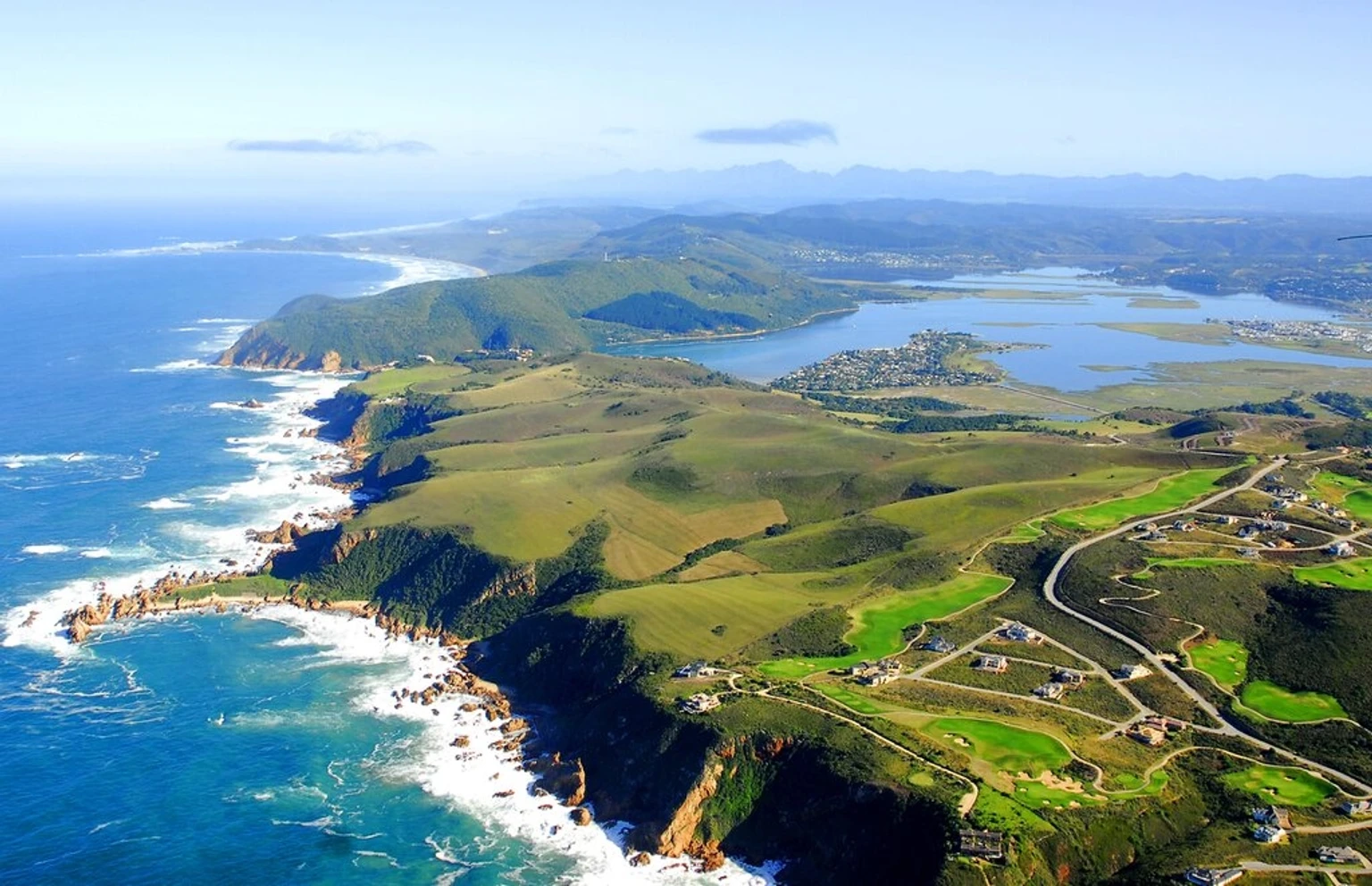
Cape Point and Cape of Good Hope | Dramatic cliffs where the Atlantic and Indian Oceans nearly meet | Full day |
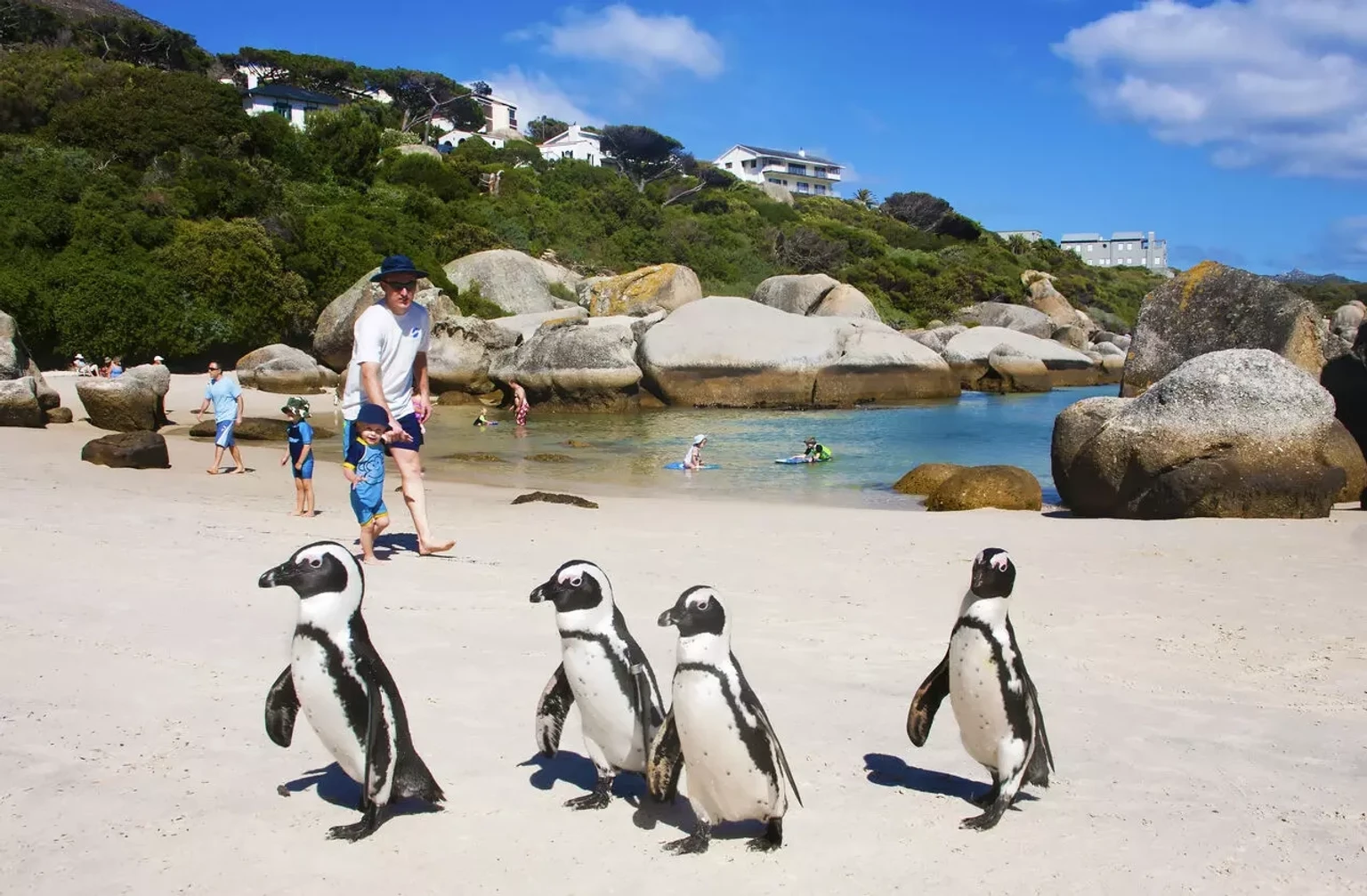
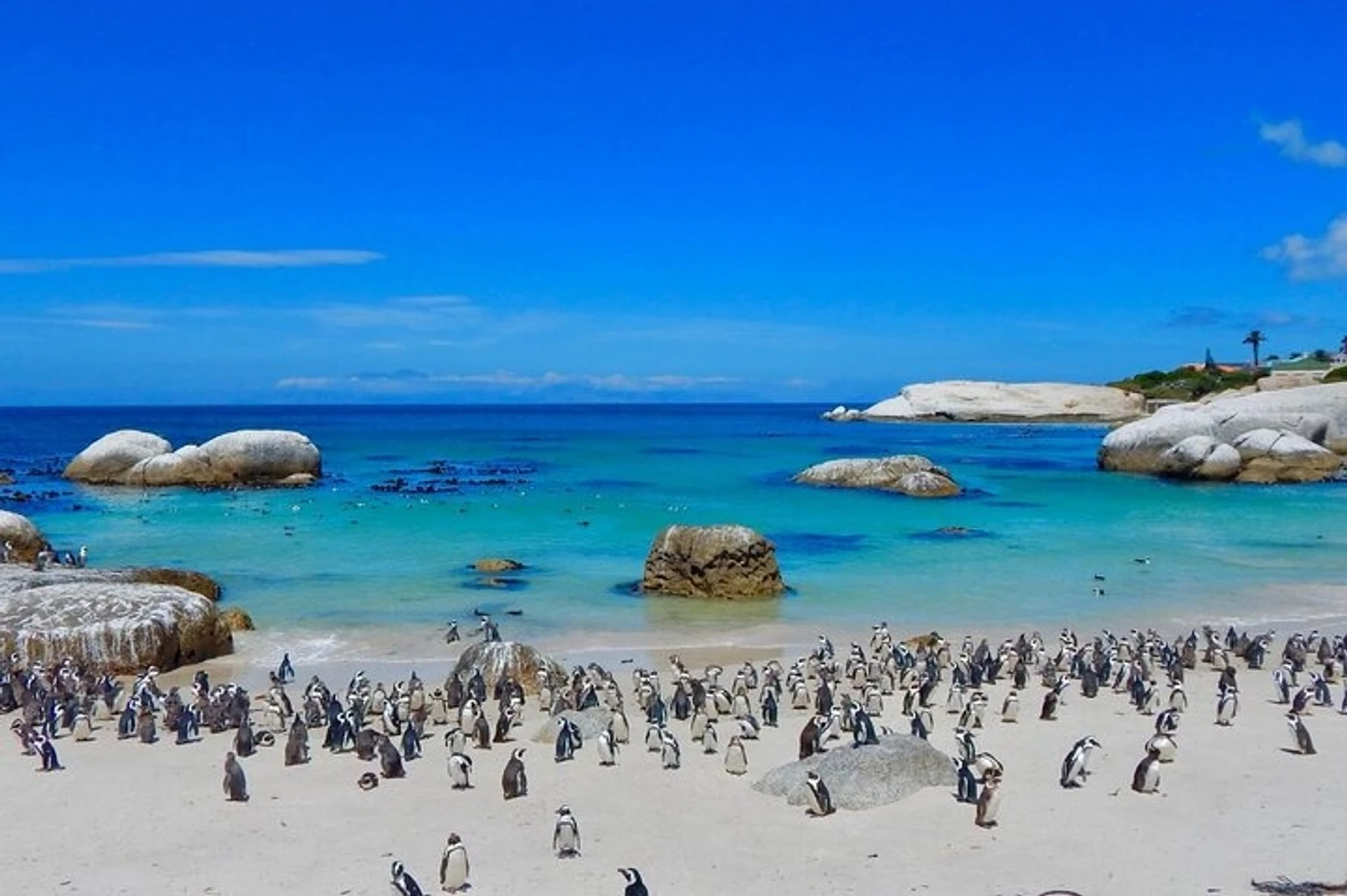
Boulders Beach | A protected colony of African penguins you can walk right up to | 2 to 3 hours |
Kirstenbosch National Botanical Garden | Native fynbos plants and a treetop canopy walkway | Half day |
Bo Kaap | Colourful houses and the heart of Cape Malay culture | 2 hours |
V&A Waterfront | Shopping, dining, and the departure point for several boat tours | Half day |
If it’s your first time in Cape Town, spend one day visiting Table Mountain and the City Bowl. The next day, do a full loop to Cape Point, Boulders Beach, and Chapman’s Peak Drive. If you’re interested in history, book your Robben Island ferry in advance, as tours depend on the weather and often sell out during busy times.
Which Cape Town Beaches Should You Visit?
Cape Town’s beaches each have their own vibe, so choose one based on what you want to do, not just how it looks in pictures.
- Camps Bay: Palm lined promenade with restaurants right across from the sand, ideal for sunset drinks.
- Clifton: Four connected coves sheltered from the wind, popular for sunbathing.
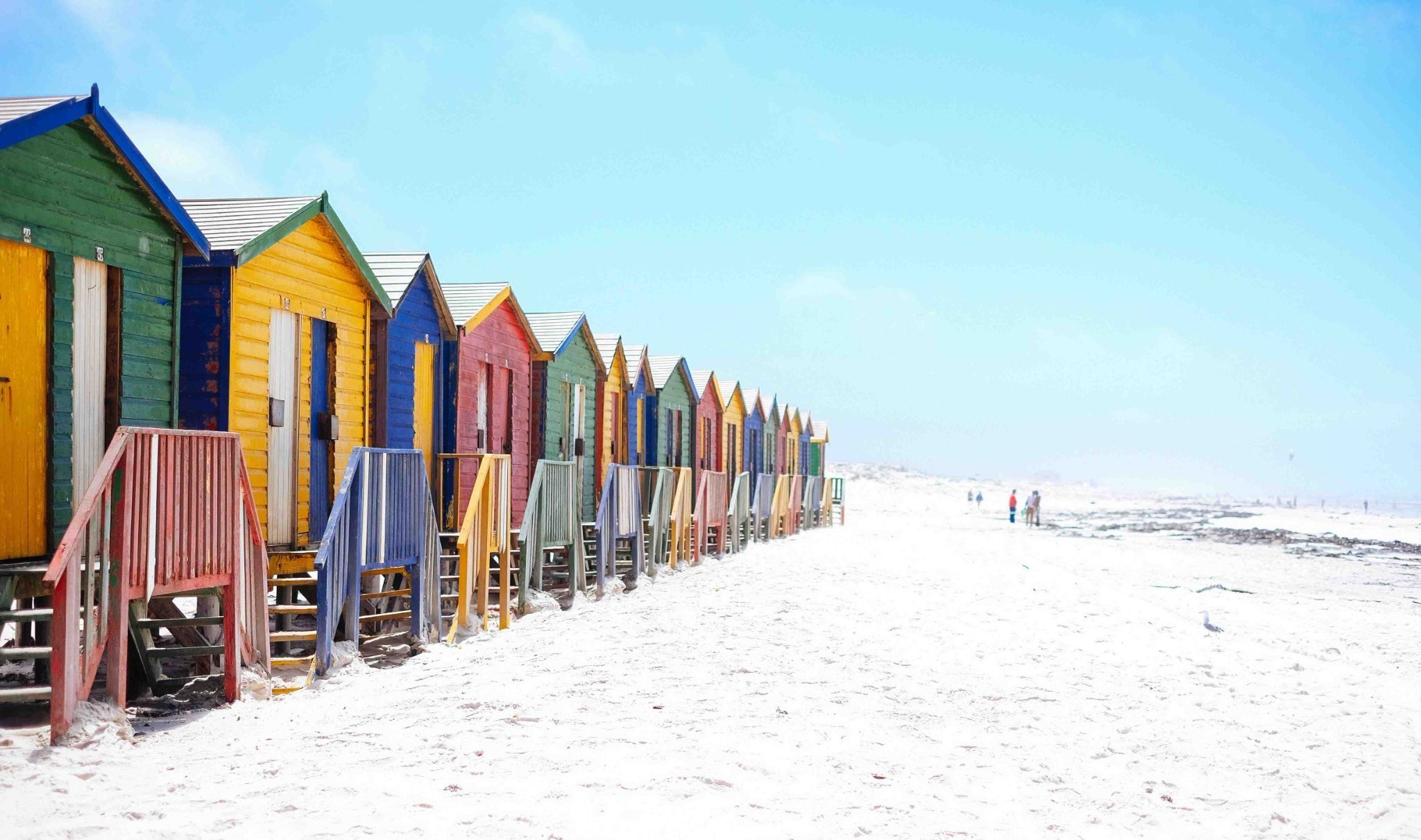
- Muizenberg: Colourful beach huts and the easiest spot in the city to learn to surf.
- Boulders Beach: Technically a beach and a wildlife encounter, thanks to its resident penguins.
The Atlantic side, like Camps Bay and Clifton, has cooler water. The False Bay side, including Muizenberg and Boulders Beach, is usually a bit warmer and better for swimming.
What Food Should You Try in Cape Town?
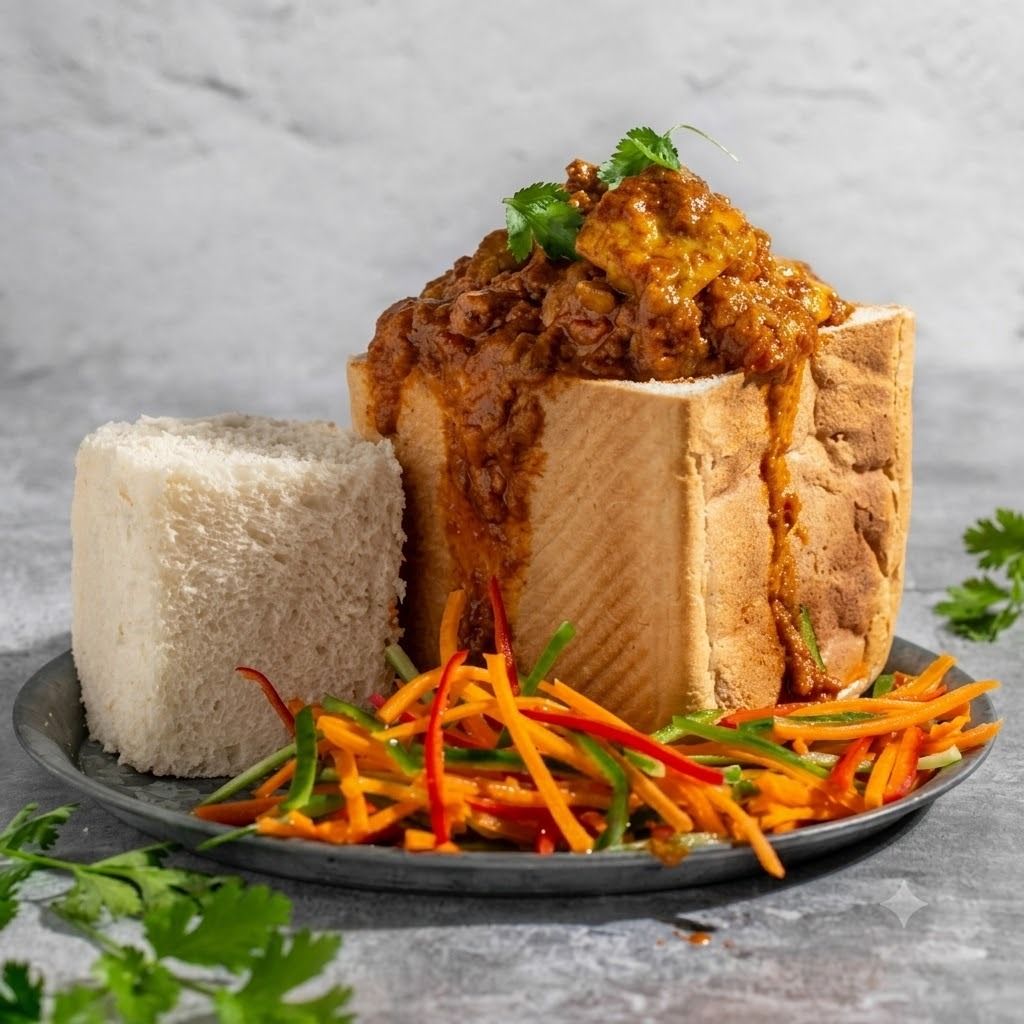 Cape Town’s food has been shaped by Dutch, Malay, and African influences over the centuries, making South African food a fusion of cultures
- Bobotie: Spiced minced meat baked with a savoury egg custard on top, often called South Africa's national dish. Think of it as a curry baked casserole with a mildly sweet edge from dried fruit.
- Cape Malay curry: This dish is more fragrant than spicy, made with caramelised onions, chutney, and warm spices. It’s closer to a Parsi style curry than a hot Indian curry.
- Braai: This is the South African version of a barbecue, often featuring boerewors sausage or grilled snoek fish cooked over an open flame.
- Melktert: A creamy, cinnamon dusted custard tart worth saving room for.
Tribe Travel Tip: Bo-Kaap is the neighbourhood to head to for authentic Cape Malay cooking, and many of its restaurants are family run and alcohol free.
How Do You Get Around Cape Town?
Cape Town covers a large area, and tours that seem short on a map can take longer than you expect due to traffic and hills.
- Landing at Cape Town International Airport: The airport sits about 20 km from the city centre, and the ride into town takes 20 to 40 minutes depending on traffic.
- Uber and Bolt: These are the easiest and most affordable ways to get around, and both have dedicated pickup points at the airport.
- Metered taxis: Reliable but pricier than app based rides; only use officially authorised operators.
- MyCiti buses: A useful rapid transit network for getting around within the city itself, using a rechargeable card.
- Car rental: Renting a car is a good idea if you want to visit the Cape Winelands or drive along the coast, as public transport is limited outside the city.
Tribe Travel Tip: If you’re arriving late at night, especially with family or lots of luggage, book your airport transfer ahead of time.
Where Should You Stay in Cape Town?
Where you stay can shape your entire vacation, as each Cape Town neighbourhood has its own unique atmosphere.
Location | Who it’s for | What you get |
City Bowl | First time visitors | Central, walkable, close to Table Mountain |
V&A Waterfront | Families | Waterfront dining, easy boat tours, safe at night |
Camps Bay | Couples | Beachfront views, sunset dining |
Sea Point | Value seekers | Promenade walks, more affordable than the Waterfront |
Constantia | Wine lovers | Quiet, close to vineyards and golf courses |
Tribe Travel Tip: Cape Town offers you a range of hotels, from boutique guesthouses in the City Bowl to luxury resorts on the Atlantic Seaboard. Many places include breakfast, so keep that in mind when considering your options.
What Else Can You Do in Cape Town?
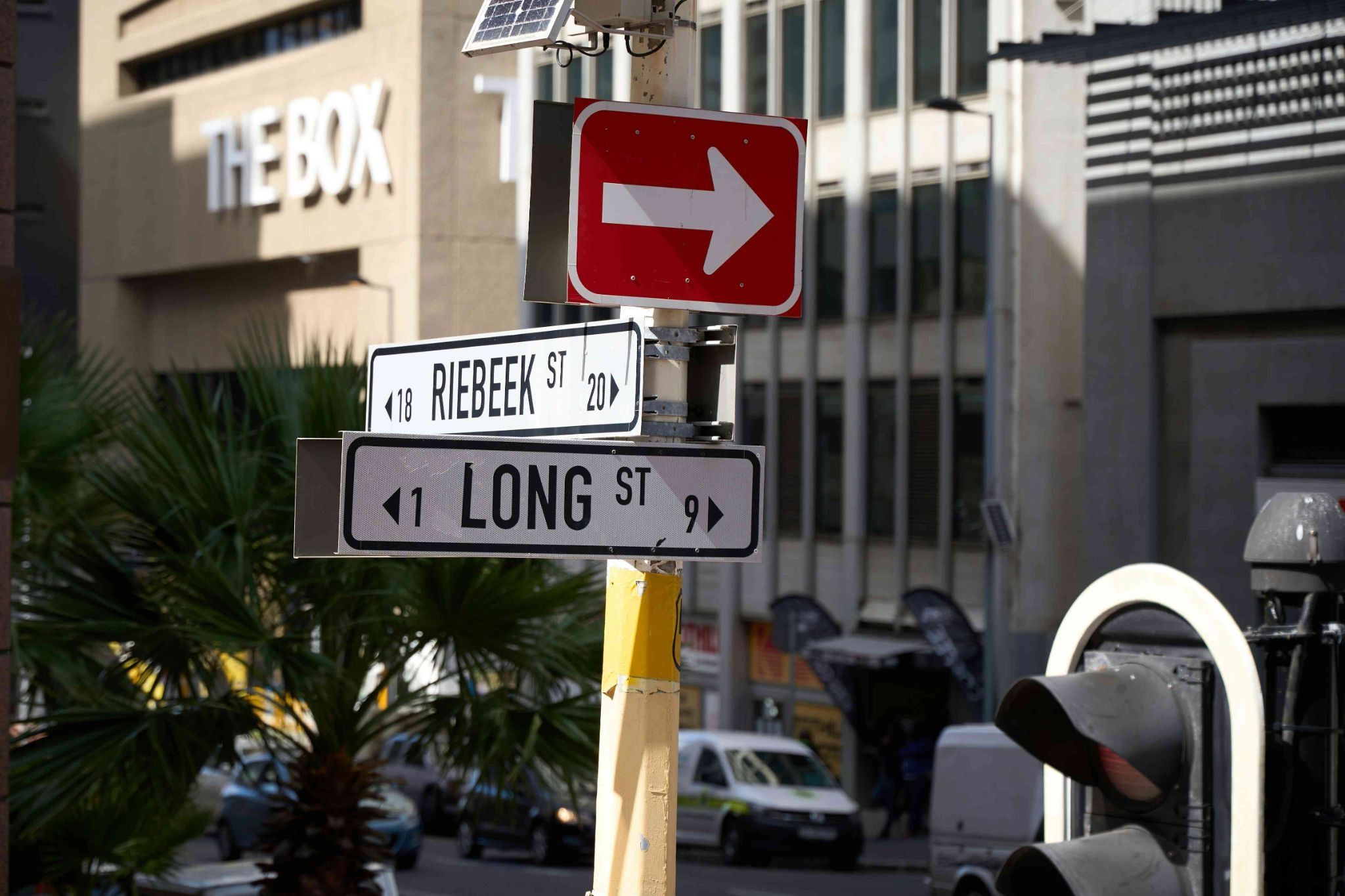
Besides sightseeing, Cape Town’s nightlife and daily city life give you lots of ways to spend your evenings.
- Watch the sunset from Signal Hill, a favourite local spot away from the crowds.
- Explore Long Street and Kloof Street for live music bars, rooftop lounges, and nighttime eateries.
- Take a day adventure to Stellenbosch or Franschhoek for wine tasting in the Cape Winelands.
- Visit the Zeitz Museum of Contemporary Art Africa to explore the continent's art scene.
- Try a cooking class in Bo Kaap to learn how Cape Malay spice blends actually come together.
Tribe Travel Tip: Cape Town’s nightlife is more relaxed than wild. Sundowners and live acoustic music are just as popular as going to clubs.
Conclusion
Cape Town brings together mountains, oceans, history, and food in a fashion few destinations do. Sort your travel, pick your season with the weather table above in mind, and choose a base that fits how you want to spend your evenings.
If you'd rather have the details handled for you, Holiday Tribe can put together a custom South Africa escape, including visa assistance, so all you need to do is show up and enjoy the view.