

Most countries have just one season at a time, but Australia manages to have them all at once. On one coast, people are grilling in the summer sun, while on another, they're bundled up for skiing. Up north, it might be either hot and dry or pouring with rain. This unique mix affects your holiday more than any packing list. In this guide, you'll find the best times to visit, top places and things to do, cities worth your time, and the visa details Indian travellers always want to know first. This guide offers real advice to help you plan.
Why Does Australia Feel Like Several Countries in One?

The first thing to know is that Australia is both a country and a continent, and it ranks as the sixth largest in the world. The distance from Sydney to Cairns is about 2,400 kilometres, so most people fly between major sights instead of driving.
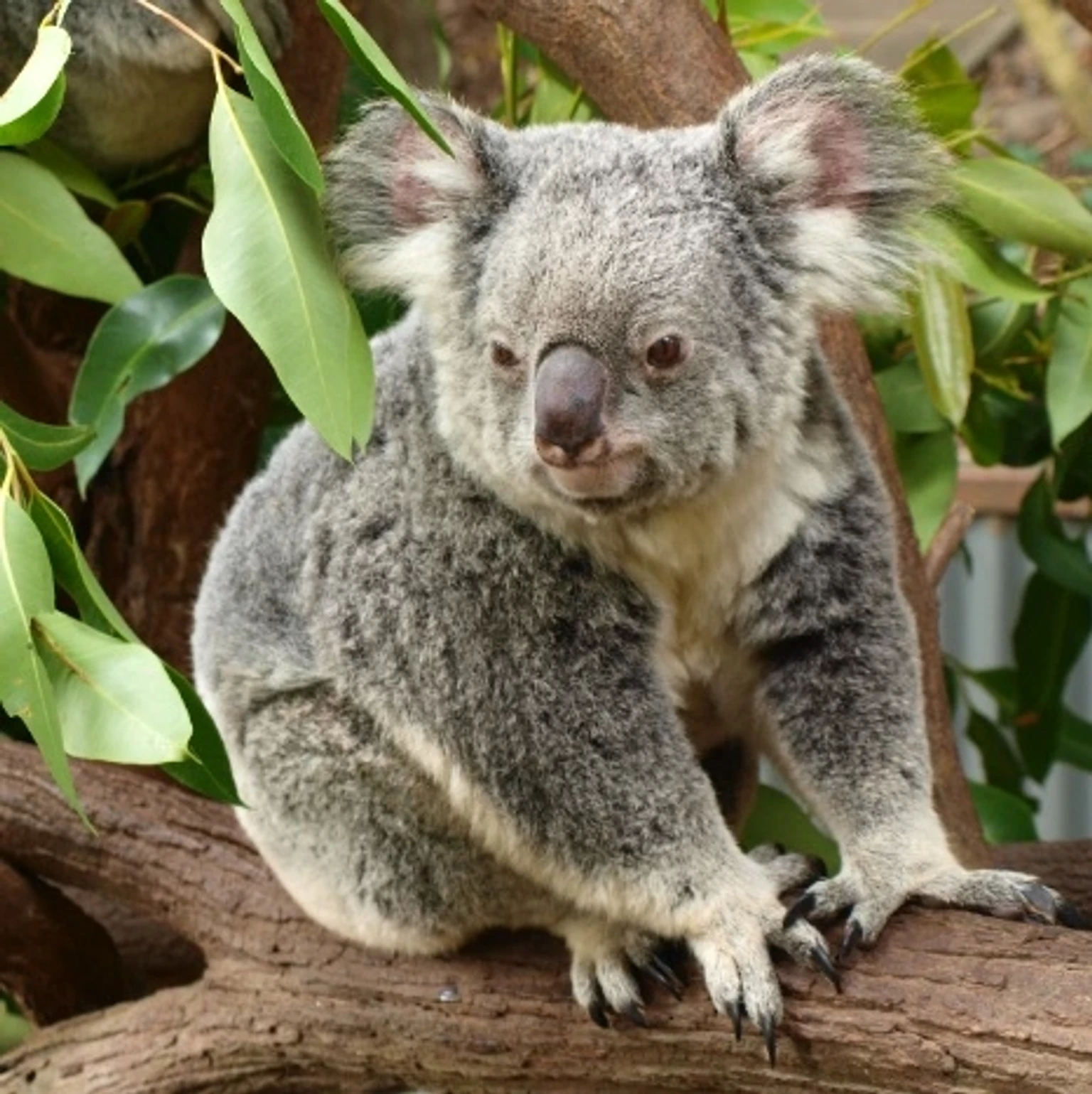
Such vastness means Australia holds three climate zones at the same time, making the best time to visit Australia, a true 'it depends' question. This diversity also shapes its wildlife: one of the world's richest destinations for endemic species, from cuddly koalas to the permanently smiling quokka are found nowhere else on Earth.
A few things that surprise first-timers:
- Aboriginal and Torres Strait Islander peoples have lived in Australia for over 65,000 years, making theirs the oldest continuous culture in the world.
- Australia has more than 10,000 beaches. If you visited a different one each day, it would take you 27 years to see them all.
- Canberra is the capital of Australia, not Sydney. This fact surprises many people.
- Australia is home to more wild camels with more feral camels than Egypt has domesticated camels, a quirky twist few expect.
When Is the Best Time to Visit Australia?
 How Do Australia's Flipped Seasons Work?
Since Australia is in the southern hemisphere, summer runs from December to February and winter from June to August. The best time to visit Australia depends on which part of the country you want to see.
In short, southern cities like Sydney and Melbourne are nicest in spring and autumn. The tropical north, including Cairns, the Reef, and Uluru, is best during the dry season from about May to October. Summer gets very hot inland and brings heavy rain and possible cyclones up north, so it is not the best time for the Outback.
A quick planning question people always ask is, how many days do you need? Ten days to two weeks comfortably cover the classic places to visit in Australia without rushing.
Which Month Suits Which Region?
Region | Best months | Why |
Sydney, Melbourne, southern cities | Sep to Nov, Mar to May | Mild days, thinner crowds |
Great Barrier Reef, Cairns, the north | May to Oct (dry season) | Sunny, low humidity, clear water |
Uluru and the Red Centre | Apr to Sep | Cooler days, comfortable walking |
Tasmania | Dec to Feb | Warmest window, great for hiking |
Southern beaches | Dec to Feb | Warm sea, peak holiday buzz |
If you want the "everything in one go" holiday, the best time to visit is during the shoulder months from April to May or September to October. These months offer the best balance for Sydney, the Reef, and Uluru.
What Are the Best Places to Visit in Australia?
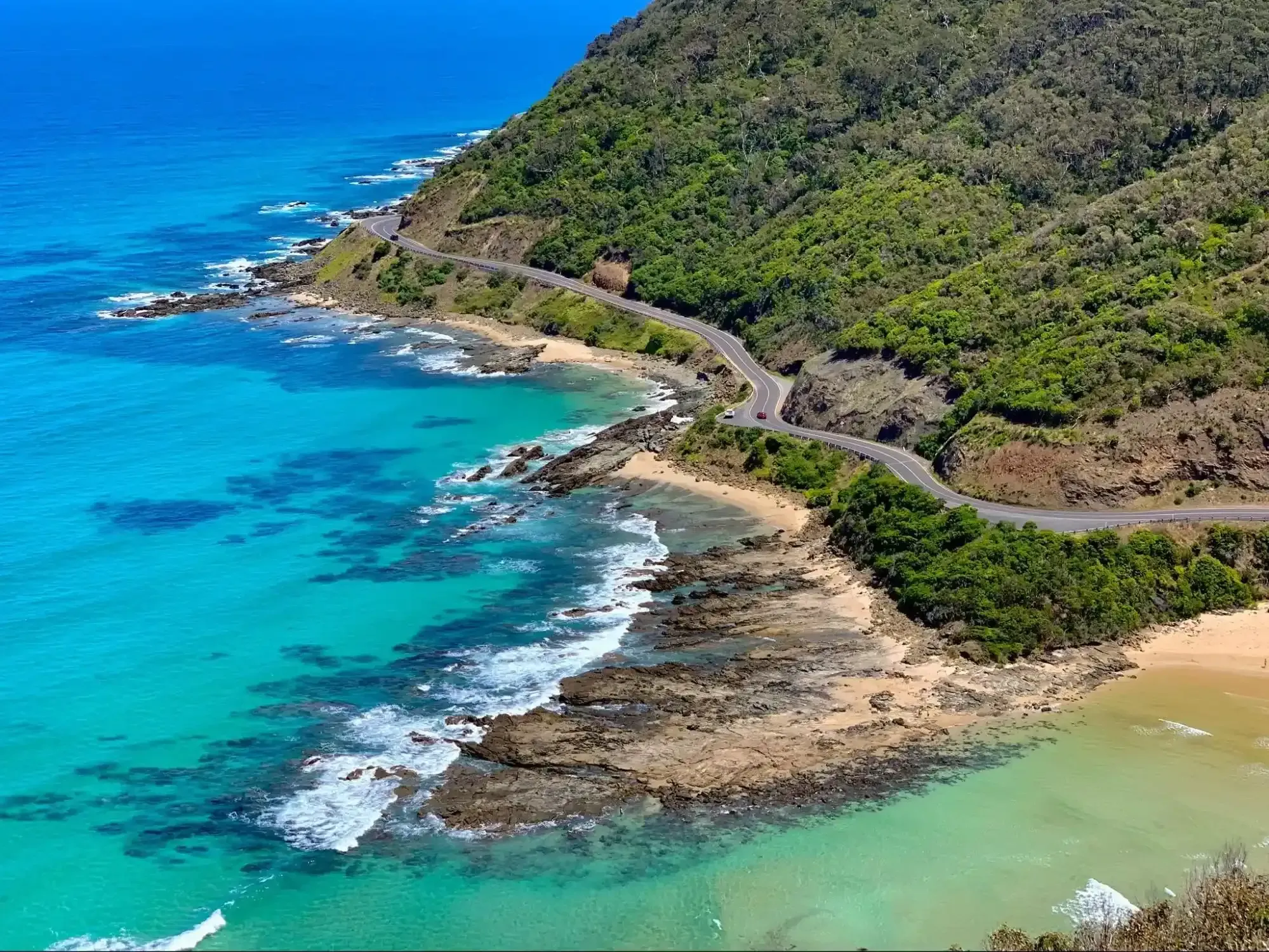
The best places to visit in Australia fall into three main categories: coast, desert, and reef. These are the spots you should consider for your next holiday.
- Great Barrier Reef: The world's largest coral reef system extends approximately 2,300 kilometres off the coast of Queensland. Snorkelling and diving are top activities, especially during the dry season, when the water is clearest.
- Uluru and Kata Tjuta: This huge sandstone rock in the Red Centre changes colour at sunrise and sunset. It is a sacred place for the Anangu people, and the cultural stories make visiting here special, not just the impressive rock itself.
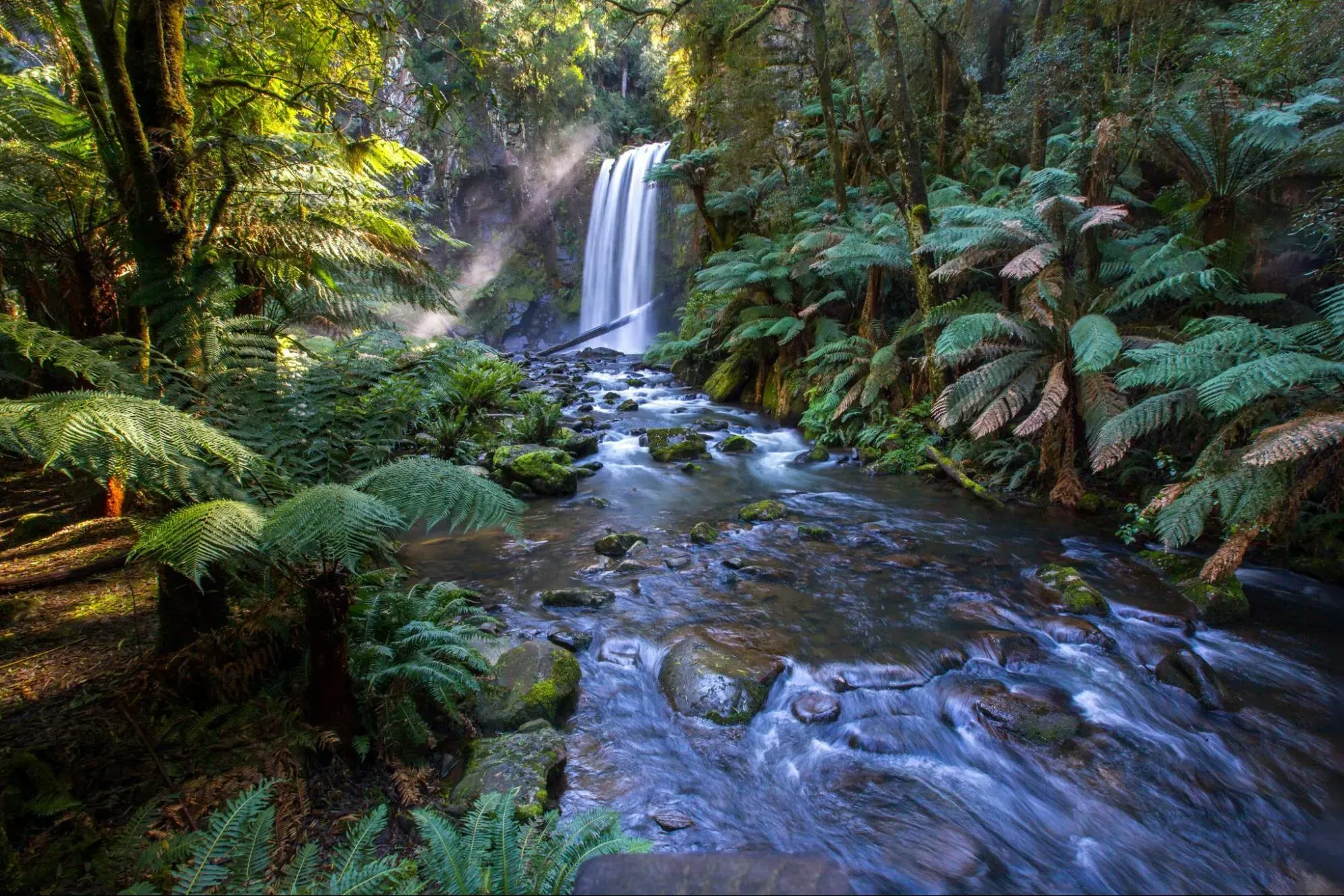
- Daintree Rainforest: Step into one of the planet’s oldest rainforests, where lush green canopies meet the edge of the Reef near Cairns, uniting two World Heritage wonders.
- Blue Mountains: An easy day out from Sydney, this area is famous for the Three Sisters rock formation and valleys filled with the scent of eucalyptus.
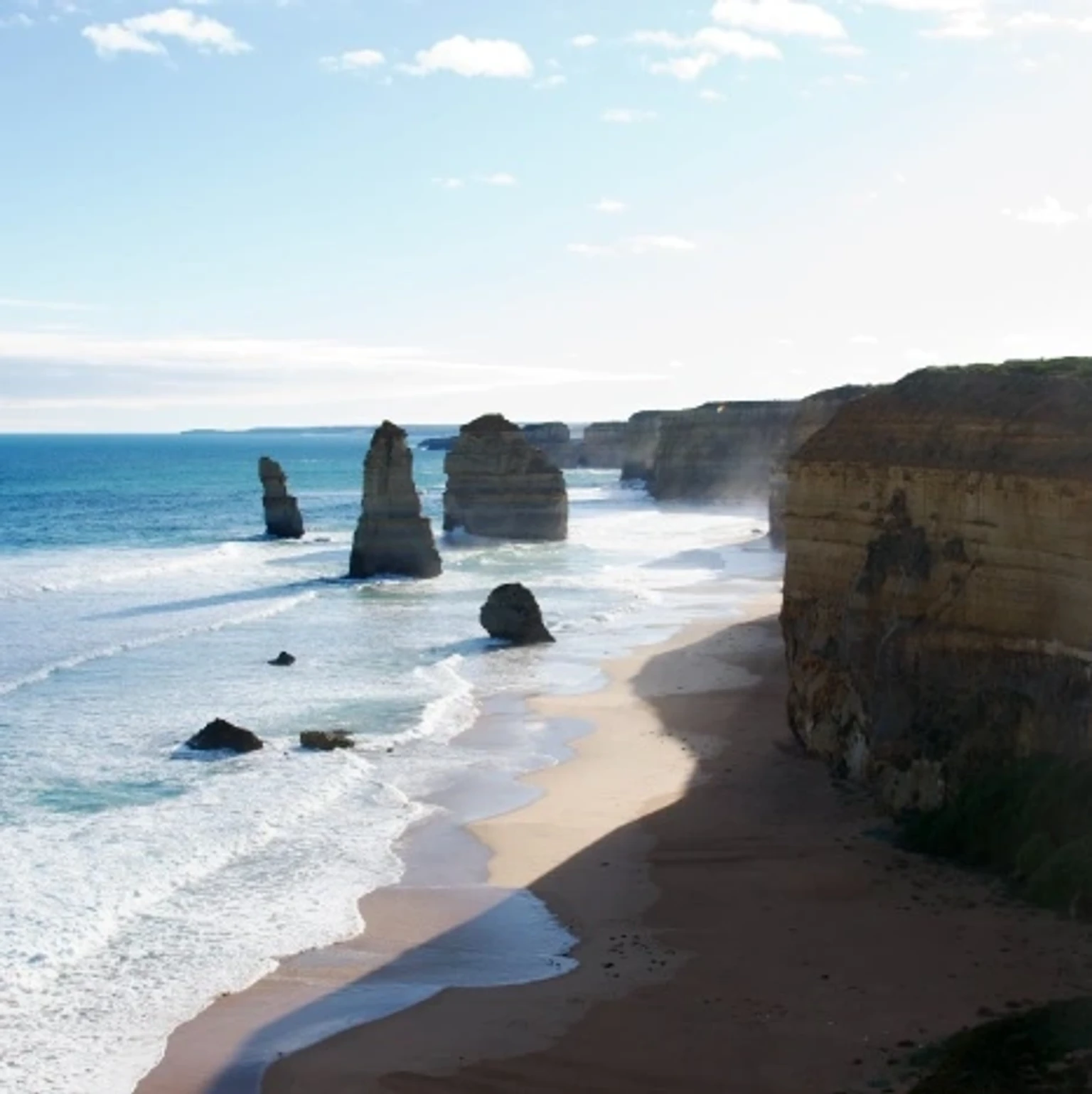
- Great Ocean Road: Take a scenic drive along Victoria’s coast and see the Twelve Apostles, a group of striking sea stacks.
- Whitsundays and Tasmania: Sail between sunlit islands in turquoise waters, or travel south to Tasmania’s wild, cool-climate landscapes for a different kind of adventure.
Australia is a safe choice for first-time visitors and families. It is one of the easier long-distance destinations, thanks to its reliable infrastructure and the widespread use of English. This is one reason many Indian families pick Australia for their first holiday abroad.
Which Cities in Australia Should Be on Your List?

Most travel plans start with one or two main cities in Australia, then expand from there. Each city has its own character, so choose based on the vibe you want.
City | Known for |
Sydney | Opera House, Harbour Bridge, Bondi Beach |
Melbourne | Coffee culture, laneways, arts and sport |
Brisbane | Relaxed river city, sunny most of the year |
Cairns | Gateway to the Great Barrier Reef and Daintree |
Gold Coast | Surf beaches and theme parks, a family favourite |
Perth | Mediterranean climate, beaches, remote calm |
Adelaide | Festivals, food and nearby vineyard country |
What Are the Best Things to Do in Australia?

Australia’s top experiences go beyond famous landmarks, offering plenty of outdoor adventures and activities you can try for yourself.
- Snorkel or dive the Great Barrier Reef.
- Watch the sunrise light up Uluru with an Anangu guide.
- Bushwalk the Blue Mountains or Tasmania's trails.
- Meet koalas and kangaroos at a wildlife park.
- Take a beginner surf lesson at Bondi.
- Go whale watching along the east coast between roughly June and August.
- Get a flat white coffee in Melbourne. It is almost a local tradition and one of the top things to do in Australia.
What Food Should You Try in Australia?

Enjoying good food is one of the simple pleasures of any holiday in Australia, and you might be surprised by how many dishes suit Indian tastes. Here are some you should try:
- Meat pie: This is almost the national dish. Think of a hand-held savoury pie, similar to a samosa, but more filling. People usually eat them at cricket and footy games, always topped with tomato sauce (ketchup), which is basically a must.
- Barramundi: This mild white fish shows up on menus all over the place. Bengalis will know it right away; it’s the same as bhetki. If you enjoy a good fish fry, give this a try.
- Vegemite: This is a dark, salty yeast spread for toast. Most tourists make the mistake of spreading it thick like jam, but locals use just a thin layer over buttered toast. Go light; it is an acquired taste, a bit like handing a foreigner raw mango. Here’s a fun fact: some Australian prisons limit Vegemite because authorities believe it could be used in attempts to make illicit alcohol.
- Tim Tams: These chocolate biscuits are the richer versions of the Bourbon biscuit. There is a local ritual called the "Tim Tam Slam", where you bite off both ends and sip hot coffee or tea through the biscuit like a straw before it melts.
- Lamington: This is a cube of sponge cake dipped in chocolate and rolled in coconut, a bit like a fancy coconut barfi mixed with cake. There is even a National Lamington Day.
- Pavlova: This dessert is a soft meringue topped with cream and fruit. It’s light and sweet. Fun fact: Australia and New Zealand still debate who invented it.
- Bush tucker: These are native ingredients used by Aboriginal people for tens of thousands of years, like lemon myrtle (a citrusy herb) and quandong (a tart wild peach). Trying them is a meaningful experience in Australia, as it connects you to the world’s oldest continuous food culture.
- Flat white coffee: This drink is said to have started here. The local coffee culture is so strong that global chains never really caught on, so it’s better to skip the big names and try a local cafe.
How Does the Australia Visa for Indians Work?

Your visa will determine your travel timeline, so make sure to handle it early. The Australia visa for Indians is not an on-arrival affair, and Indian passport holders are not eligible for the faster ETA or eVisitor options available to some other nationalities. Instead, you need to apply online for a full Visitor Visa.
Detail | What Indian travellers should know |
Visa type | Visitor Visa (Subclass 600), Tourist stream |
Where to apply | Online via ImmiAccount (Department of Home Affairs) |
Fee | From AUD 250 (approximately ₹14,000, depending on the exchange rate), non-refundable. |
Processing | Usually a few weeks; apply 4 to 6 weeks ahead |
Stay granted | 3, 6 or 12 months, decided case by case |
ETA / eVisitor | Not available to Indian passport holders |
Visa on arrival | Not available |
Make sure you have a valid passport, recent bank statements, proof of income like ITRs, and a clear travel plan. This visa does not allow you to work. Travel insurance is not required, but it is a good idea because healthcare in Australia can be costly for visitors. Also, Australia has very strict biosecurity checks, so remember to declare any food you bring to avoid a heavy fine.
How to Get Around in Australia?
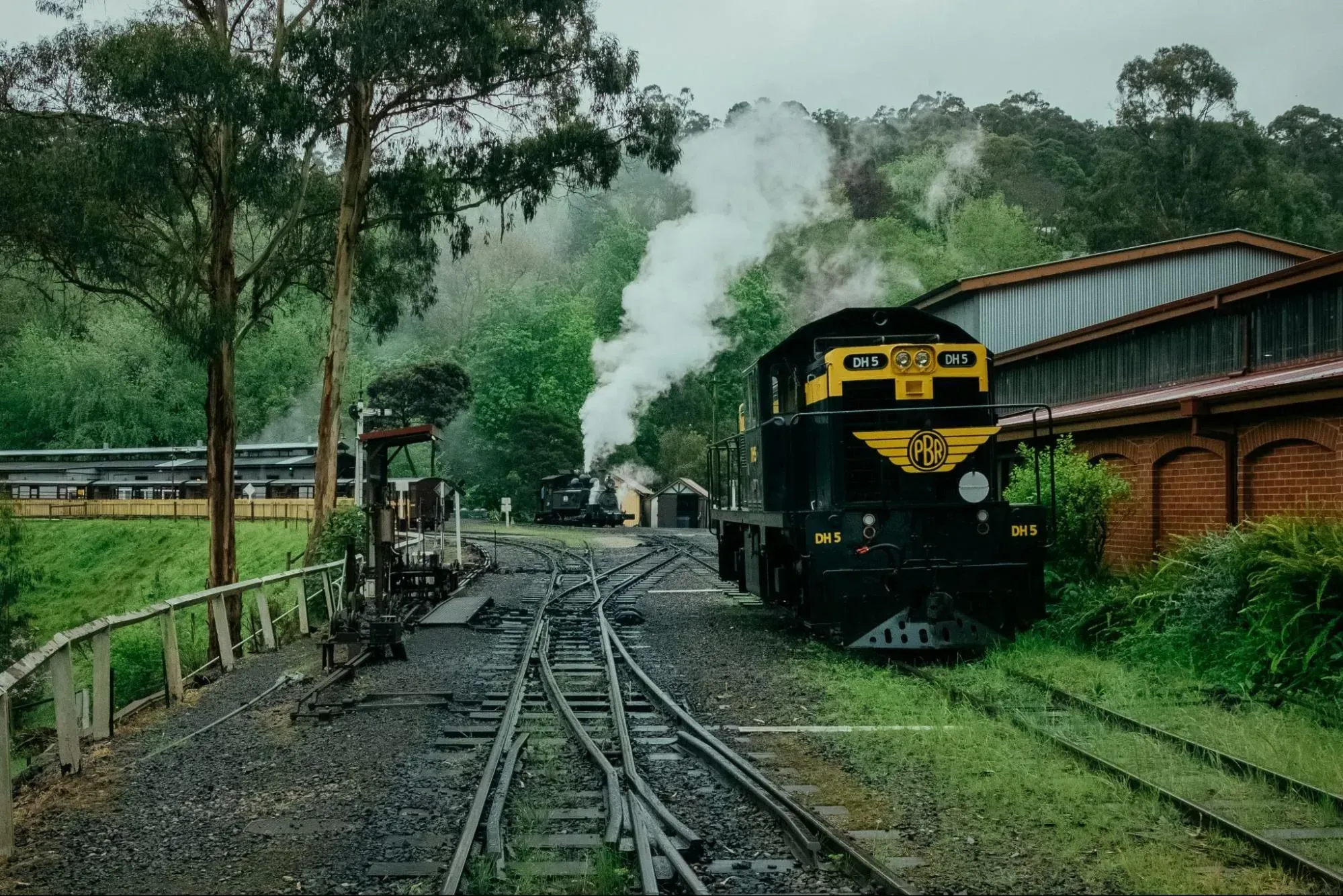
Given the distances, flying is the clear choice. Australia is too vast for a typical road trip, so most visitors fly between regions and then get around locally on the ground.
Your main options:
- Domestic flights: For longer travel, such as Sydney to Cairns or Uluru, flying is usually the best option. Qantas, Jetstar, and Virgin Australia serve most routes, and booking early helps you get better prices.
- Self-drive: Driving is a good option for scenic routes such as the Great Ocean Road. For Indian travellers, driving in Australia feels familiar since both countries drive on the left. Remember to bring an International Driving Permit along with your license.
- Coaches: Intercity buses like Greyhound Australia offer an affordable way to travel between towns, especially where flights are not available.
- Scenic trains: Trains such as The Ghan (Adelaide to Darwin) and the Indian Pacific (Sydney to Perth) are not the quickest way to travel, but the journeys are experiences themselves.
- City transport: Getting around cities in Australia is simple with tap-on cards like Opal in Sydney and Myki in Melbourne. Melbourne has the world’s largest tram network, and Sydney’s ferries offer a scenic way to travel.
You can easily find rideshare services and taxis in all major Australian cities, so getting around is usually simple.
Tribe Travel Tips
A few things worth knowing before you land in Australia:
- Don’t try to see all of Australia in one holiday. Choose two regions that are best in the same season, one city and one natural wonder, and spend more time exploring each.
- Be ready for strong sun. Australia’s UV is very high, so always bring SPF 50+ sunscreen, a hat, and sunglasses, even if the weather feels mild.
- Always declare any food at customs. Biosecurity rules are strict, and not declaring even a small snack can lead to a big fine.
- Book domestic flights early. The best fares to the top places to visit in Australia sell out quickly during peak months.
- Bring clothes you can layer. Since seasons are reversed and weather changes a lot by region, you might have warm days and cool nights on the same holiday.
- Tap water is safe to drink in cities, and tipping isn’t expected, so you can plan your budget with that in mind.
- Bring a Type I plug adapter, and remember to show respect at Indigenous sites like Uluru because of their cultural importance.
Plan Your Perfect Australia Getaway with Holiday Tribe
Australia is best enjoyed when you plan your holiday with its geography in mind. If you visit at the right time of year and choose the right region, you’ll discover everything from the Great Barrier Reef and the Red Centre to lively, coffee-filled laneways. It does not matter whether you are a couple, a family, or setting out on your first international adventure; Australia warmly welcomes everyone, which is why it remains a dream destination for so many. At Holiday Tribe, we craft and personalise land-based Australian journeys tailored to your dates, pace, and passions, so you can relax knowing every detail is taken care of and your holiday truly feels like your own. When you are ready to transform inspiration into a memorable journey, we are here to help.