

Bali can offer variety, charm, and energy without you having to hunt for them. You can visit rice terraces in the morning, see a clifftop temple at sunset, and enjoy a tasty meal in between. This Bali travel guide is here because planning ahead makes your holiday much smoother than you might expect. If you choose the right season, pick the best areas, and handle the paperwork, Bali is easy to enjoy. If not, you might lose days to traffic or rain. Think of this guide as the checklist a well-travelled friend would give you before you book: when to visit, how to get your visa, where to stay, what to eat, and the small cultural tips that help you connect with locals. Let’s plan your holiday the right way.
What Should You Know Before Planning a Bali Holiday?

Here is the quick version before we go deep.
Quick facts | Detail |
Currency | Indonesian Rupiah (IDR). Card and QR payments are widely used |
Language | Indonesian and Balinese. English is common in tourist areas |
Time difference | 2.5 hours ahead of India |
Best time to go | April to October (dry season) |
Ideal duration | 6 to 8 days for a first visit |
Getting there | No visa-free entry for Indians; Visa on Arrival applies |
Here’s an interesting fact about Bali: On Nyepi, the Balinese Day of Silence, the whole island shuts down for 24 hours. Ngurah Rai is actually the only international airport in the world that closes for a religious holiday. Remember this date as you read the rest of this Bali travel guide, since it can easily change your travel plans.
Do Indians Need a Visa for Bali?
Yes, Indian passport holders need a visa, but the process is very simple. You can get a Visa on Arrival at the airport or apply online for an e-VoA before your holiday. The e-VoA is a good option, especially if you arrive late at night when the airport is less busy.
Bali Visa Fee for Indians in 2026
Item | Cost | Notes |
Visa on Arrival / e-VoA | IDR 500,000 (approx. ₹2,650 to ₹3,500) | 30 days, extendable once for 30 more |
Bali tourist levy | IDR 150,000 (approx. ₹800) | Paid separately at lovebali.baliprov.go.id |
Overstay fine | IDR 1,000,000 per day | Taken seriously, so track your dates |
Make sure your passport is valid for at least six months after you arrive and has two blank pages. You should also have a return or onward ticket ready.
The Two Things You Must Complete Before You Fly
The All Indonesia arrival declaration: Starting in late 2025, all travellers arriving in Indonesia need to fill out this online form within three days before you arrive. It replaces the old customs, health, and immigration forms, and gives you a QR code to show at the airport.
The Bali tourist levy: This fee is not included in your visa. Each person needs to pay IDR 150,000 (about ₹800) through the official portal at lovebali.baliprov.go.id and keep the receipt. You must pay this fee, and if you cannot show proof of payment, you may not be allowed into popular sites like Uluwatu Temple.
When Is the Best Time to Go? Bali Weather and What to Pack
Bali weather runs on two seasons instead of four. From April to October, the dry season brings clear skies, less humidity, and cooler nights. The wet season runs from November to March, with brief, heavy afternoon rain and vibrant green landscapes.
Season-by-Season Breakdown
Period | What to expect | Good for |
April to June | Warm, dry, fewer crowds | Beaches, temples, honeymoons |
July to August | Sunniest but busiest and pricier | Peak-season travellers, families on school breaks |
September | Dry, warm, crowds thinning | The all-rounder month |
October to March | Humid with brief rain, greener, quieter | Spa days, cooking classes, calmer pricing |
If you want the honest pick from this Bali travel guide, plan your Bali holiday for May, June, or September. The Bali weather is great, and you can avoid the packed crowds of July. Coastal areas are usually between 27 and 32°C, while places like Ubud and Bedugul are a bit cooler because they’re higher up.
Check out the Best Time to Visit Bali blog to find the best season for your holiday.
Packing List
- Light cotton clothes and an extra layer for cooler evenings in Ubud.
- A sarong and sash for visiting any Bali temple, as you’ll need to cover your shoulders and knees.
- Reef-safe sunscreen, a hat, and a reusable water bottle.
- A light rain jacket if you are travelling between November and March
- Comfortable shoes for hiking to waterfalls and walking through rice terraces.
How Do You Get Around in Bali?
Many first-time visitors make this mistake. Bali does not have a train or metro system, and the distances can be misleading. A drive that looks like it will take 30 minutes on the map can actually take 90 minutes because of traffic. It is better to plan your days around specific areas instead of trying to visit places that are far apart.
Landing at the Bali Airport
You’ll arrive at Ngurah Rai International Airport (DPS), which is in the south near Kuta. From there, it takes about 10 minutes to reach Kuta, 30 minutes to Seminyak, 30 to 60 minutes to Nusa Dua and Uluwatu, and about 1.5 hours to Ubud. Booking a transfer in advance to meet you at arrivals is the easiest way to begin your holiday, especially if you’re travelling with family or after a long flight.
Your Options on the Ground
- Private driver for the day: This is the most popular way to go sightseeing. You usually get a comfortable, air-conditioned car and a local driver who knows all the shortcuts.
- Grab and Gojek apps: These apps are great for short trips and ordering food, but keep in mind that some areas do not allow pickup via these apps.
- Bluebird metered taxis: These taxis are reliable and always use the meter, so you can trust the fare.
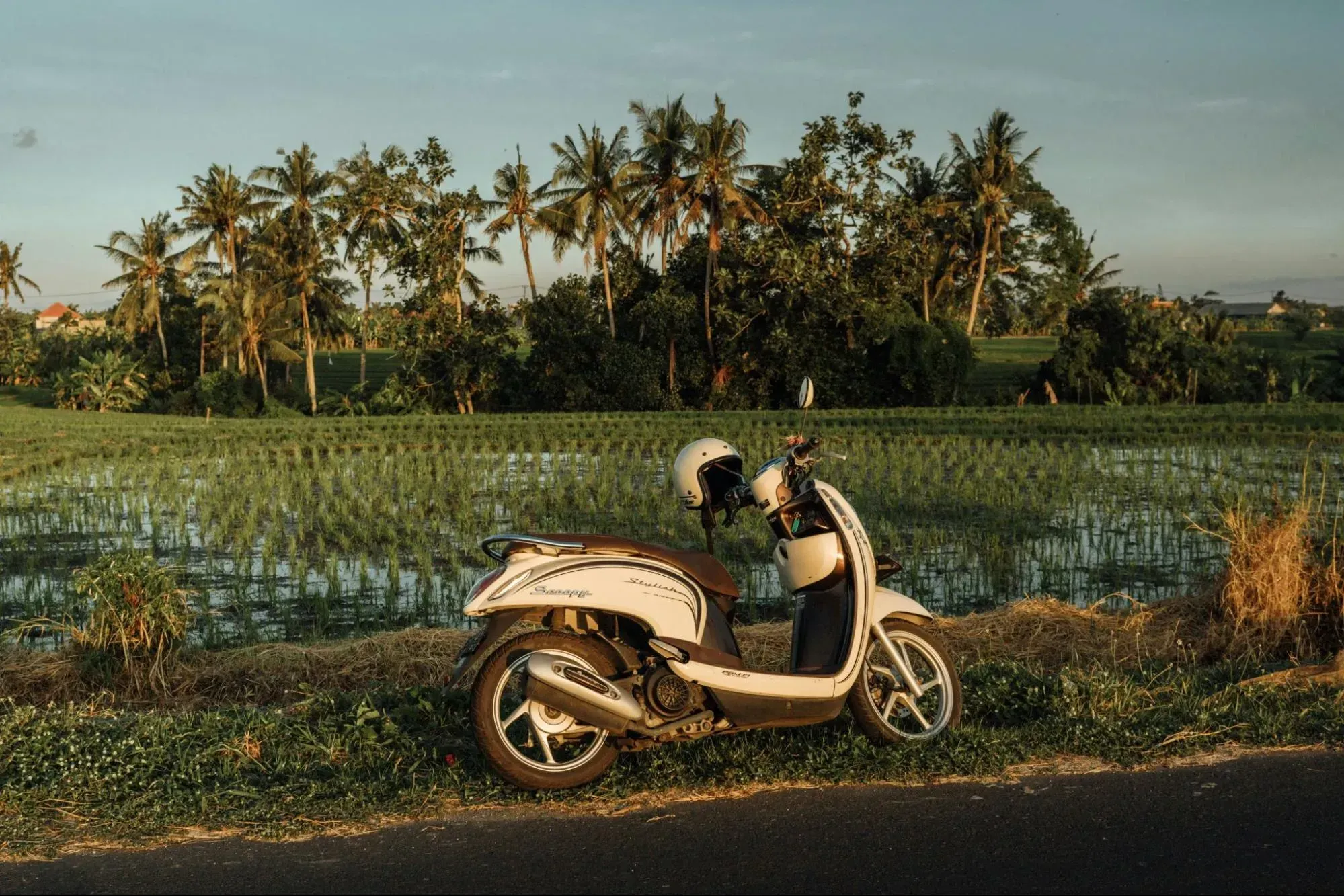
- Scooter: Scooters are the most affordable and most flexible option. However, you must have an International Driving Permit along with your license, and wearing a helmet is required by law.
Which Are the Best Places to Visit in Bali?
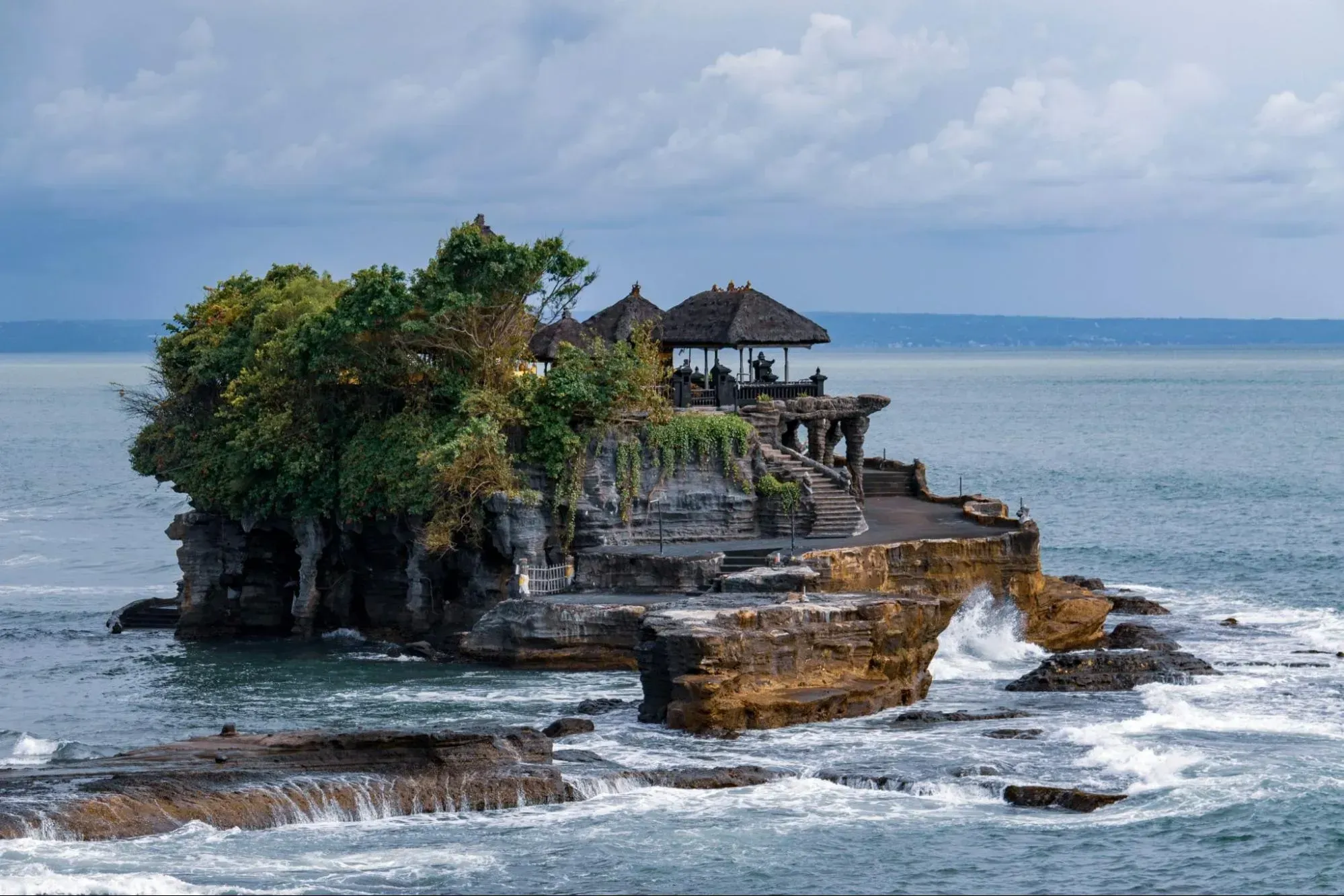
Places to visit in Bali are unique. The trick from this Bali travel guide is to choose two or three areas that fit your mood and spend time figuring them out. Here are some Bali tourist places you should consider for your visit.
Area | The vibe | Do not miss |
Ubud | Culture, jungle, rice fields | Tegalalang rice terraces, Monkey Forest, Tirta Empul holy spring |
Uluwatu | Clifftops and surf | Uluwatu Bali temple and the sunset Kecak dance |
Seminyak and Canggu | Cafés, boutiques, sunsets | Beach clubs, design shops, long Bali beach walks |
Nusa Dua and Sanur | Calm, family-friendly | Gentle swimming beaches, easy pacing |
Nusa Penida | Day trip | Kelingking cliff viewpoint |
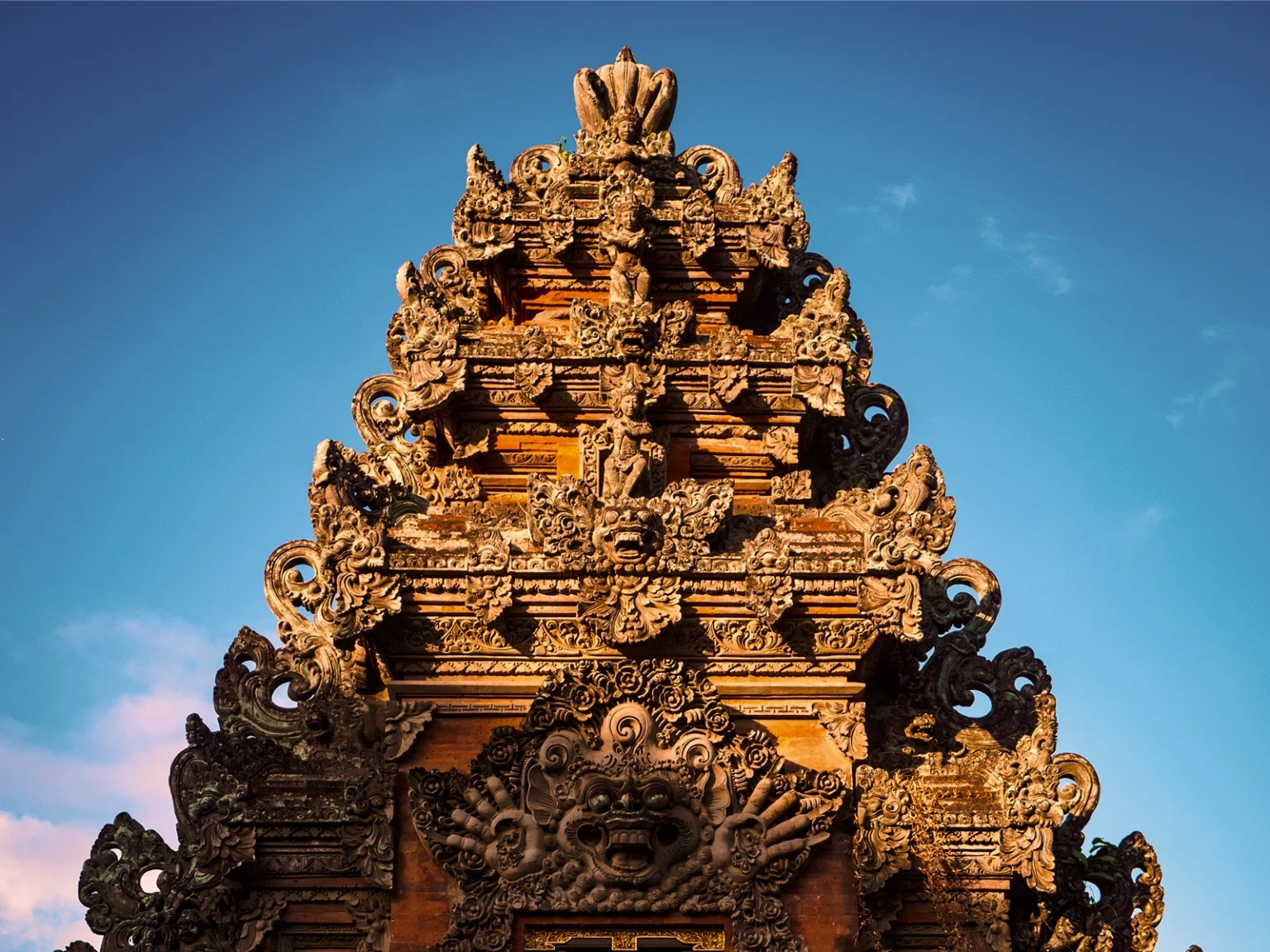
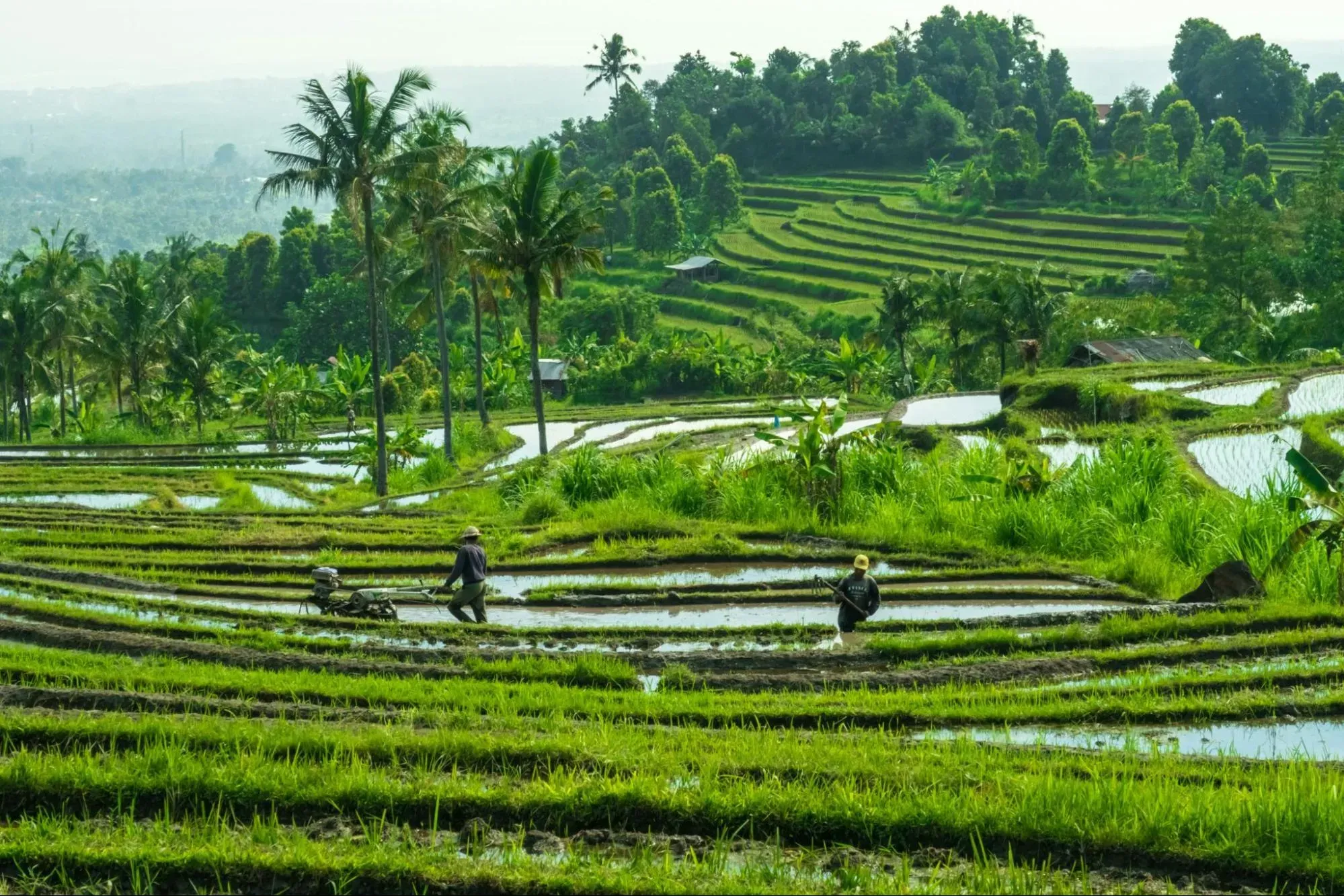
Some places in Bali really stand out and deserve a special mention. Tanah Lot is a temple set on a rock by the sea, and it looks especially beautiful at sunset. Ulun Danu Beratan seems to float on a mountain lake. The Tegalalang rice terraces in Ubud were shaped using subak, an ancient irrigation system that UNESCO protects today. Any good Bali travel guide will say the temples are the heart of the island, so remember to treat each Bali temple as a place of worship, not just a spot for photos.
Where Should You Stay in Bali?
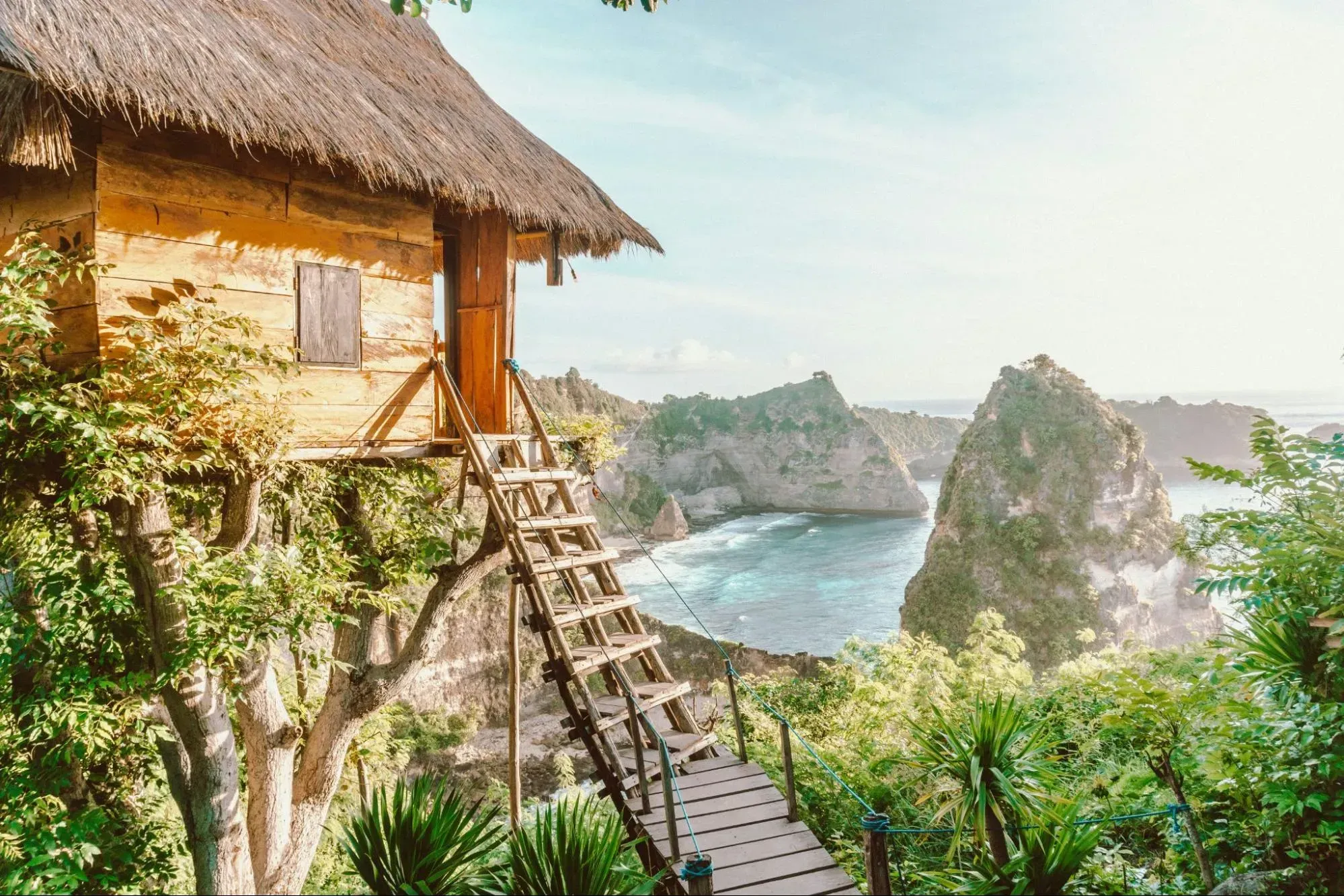
Because Bali is large and takes time to get around, where you stay will really affect your trip. It’s best to choose an area that fits your travel style instead of looking for a central location, since Bali doesn’t have one. Think about the kind of days you want, and pick your base based on that, not on how close it is to everything.
Area | Best for | Why stay here |
Seminyak | Couples and style-led travellers | Boutiques, strong dining and easy Bali beach access |
Canggu | Younger travellers and café lovers | Surf, relaxed cafés and a creative buzz |
Ubud | Culture seekers and honeymooners | Rice fields, wellness and cooler air away from the coast |
Uluwatu (Bukit) | Quiet luxury and surfers | Clifftop stays, dramatic views and calmer evenings |
Nusa Dua | Families and first-time visitors | Gentle, safe beaches and self-contained resorts |
Sanur | Relaxed, multi-generational travellers | A calm, sunrise-facing beach and an easygoing pace |
Here are two useful tips to keep in mind before you book your holiday:
- If you have enough time, consider splitting your stay. Spend a few nights near a Bali beach in the south, then a few nights in Ubud. This way, you can experience two very different parts of the island without having to drive long distances each day.
- Make sure to book only licensed hotels or villas. Local rules now require this, and it helps protect you if there are any problems with your booking.
What Are the Best Things to Do in Bali?
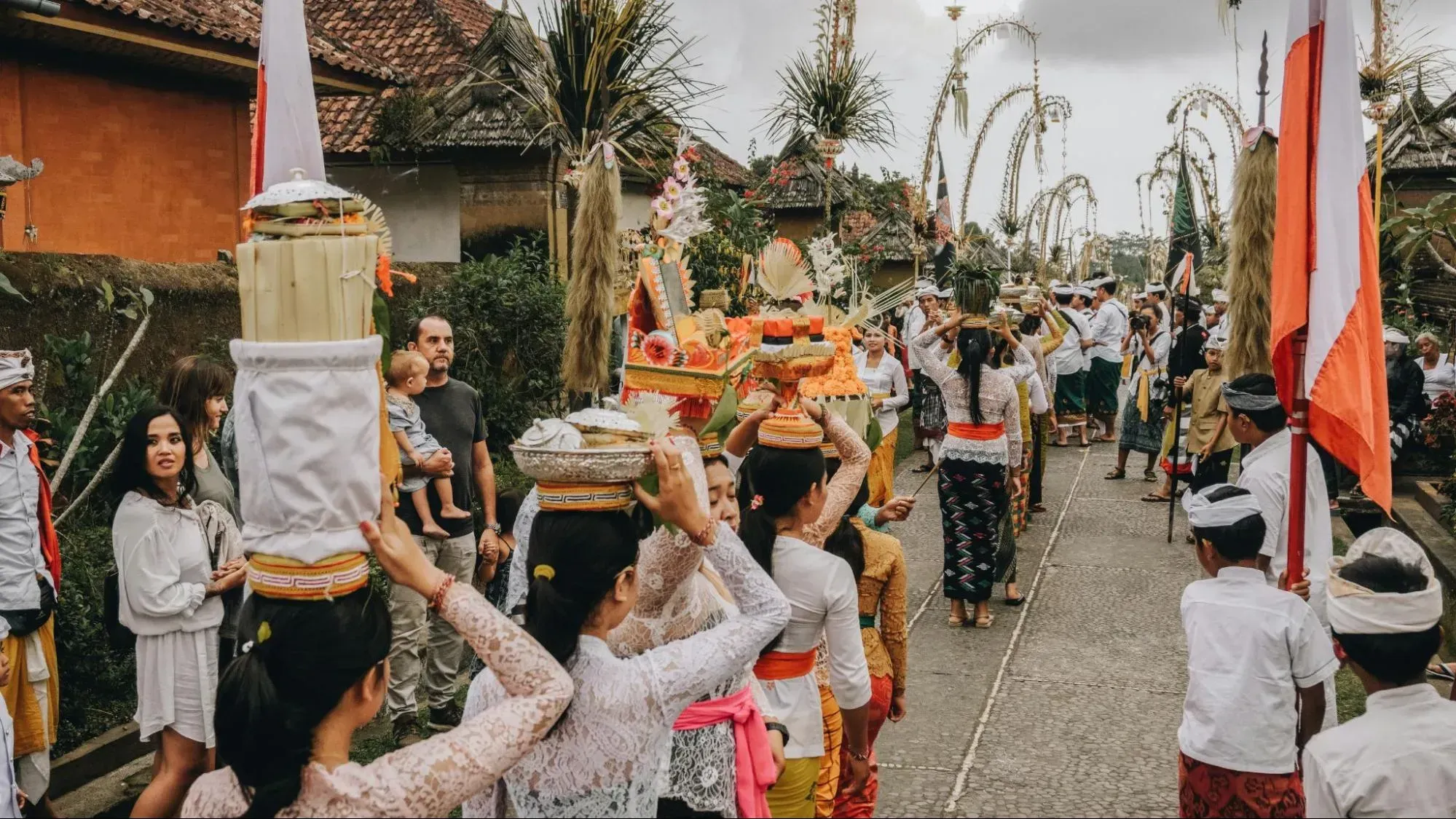
There’s more to Bali than just sightseeing. If you want to relax or try something adventurous, there are things to do in Bali for every type of traveller.
- See the Kecak fire dance at Uluwatu, where about 70 men chant together without any instruments while the sun sets behind the cliff.
- Hike up Mount Batur early in the morning to watch the sunrise over the caldera.
- Join a Balinese cooking class and learn how to make base genep, the spice paste that gives many dishes their flavour.
- Visit waterfalls such as Sekumpul and Tegenungan.
- Visit the Bali Safari and Marine Park in Gianyar, a 40-hectare park home to over 1,000 animals across more than 120 species, including Komodo dragons and Sumatran tigers.
Bali Safari and Marine Park is a great choice for families. You can take a tram ride through Indonesian, Indian, and African-style habitats, enjoy the Night Safari after dark, and watch the Bali Agung cultural show.
Bali nightlife isn’t always about wild parties. Some of the best nights are spent enjoying grilled seafood with your feet in the sand at Jimbaran Bay, wandering through an Ubud night market, or listening to live acoustic music by the beach. This relaxed side of Bali nightlife is what most couples and families remember.
What Food Should You Eat in Bali?
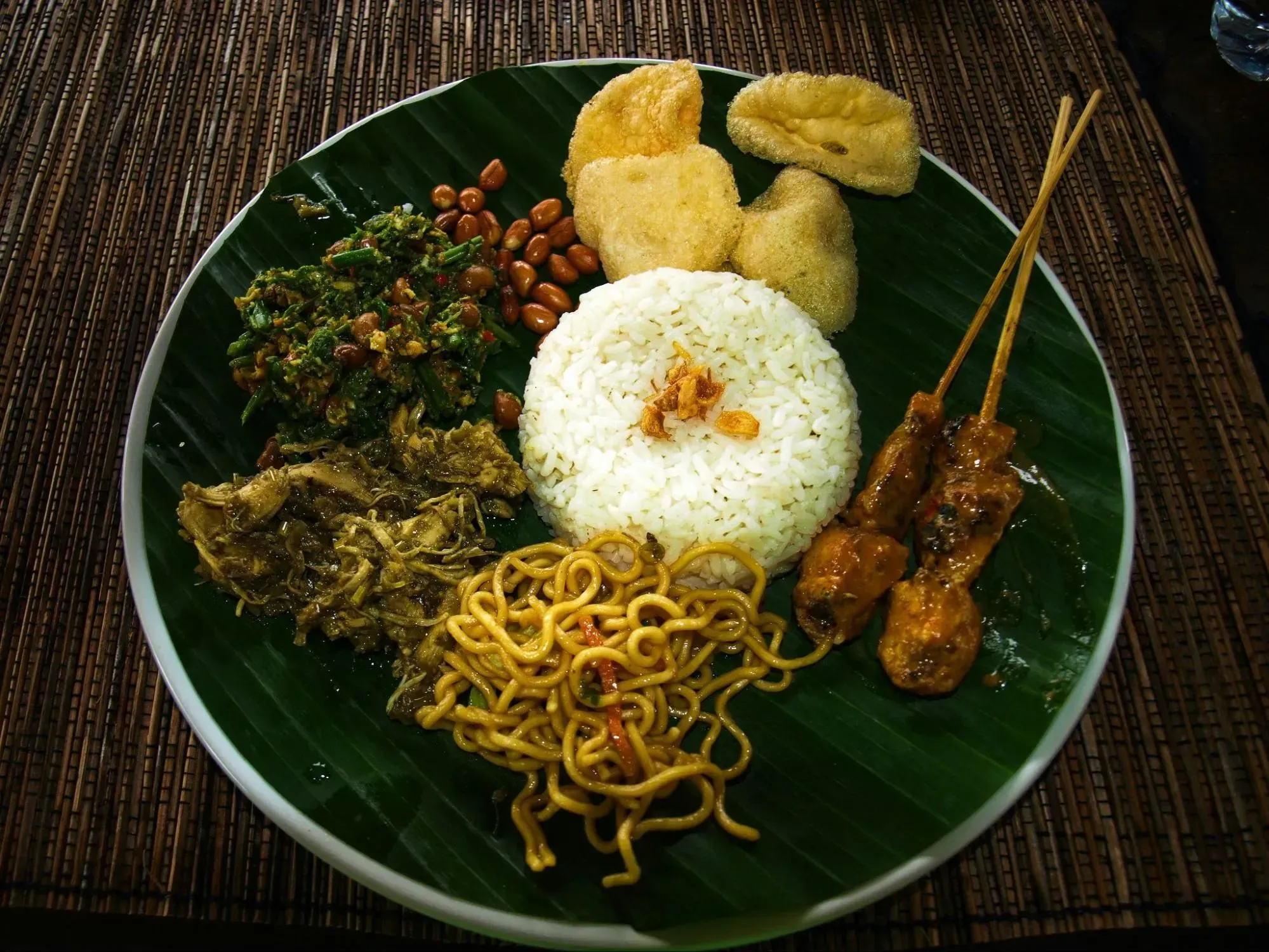
Balinese food is known for its bold flavours, fresh ingredients, and signature spice paste. You can enjoy tasty and affordable meals at a local warung. Indian travellers will find plenty of vegetarian, Jain, and Indian restaurants in Seminyak, Kuta, and Ubud.
- Nasi goreng: Indonesian fried rice is similar to our own, but it has a touch of sweet soy sauce and is often topped with a fried egg. It’s a go-to comfort food when you’re craving something familiar.
- Mie goreng: This is the noodle version of the above, and it tastes quite similar to a plate of Hakka noodles.
- Satay lilit: Minced meat or fish is mixed with coconut and spices, shaped around a lemongrass stick, and grilled. You can think of it as a milder and more fragrant version of seekh kebab.
- Nasi campur: This dish is a plate of rice surrounded by small servings of different foods. It is similar to a thali and lets you quickly try a variety of local flavours.
- Gado-gado: Steamed vegetables and tofu served with a warm peanut sauce. This tasty vegetarian dish is sure to remind you of our popular peanut-based chutneys.
- Ayam betutu: This dish is slow-cooked chicken in a rich spice paste, giving it a deep flavour much like a well-marinated masala chicken.
- Balinese coffee: You should try a real local coffee, and if you’re interested, give the famous kopi luwak a taste too.
A quick heads-up: the famous babi guling is suckling pig. If you are vegetarian or avoid pork, you can check out the many plant-based cafés that Ubud is famous for.
What Should You Buy in Bali?

Bali is known for its crafts, and taking your time to stroll through the markets and bargain politely can be rewarding. Try to avoid mass-produced items and choose things that are made locally.
- Hand-carved wood and stone pieces
- Silver jewellery from Celuk village
- Batik fabric and a good sarong that doubles as Bali temple wear
- Rattan bags and woven homeware
- Balinese coffee and natural essential oils
Read the Things to Shop in Bali blog to learn about the best things to buy in Bali.
Tribe Travel Tips
Being aware of local customs can make a big difference. In 2025, the local government set out its expectations in Circular Letter No. 7. If you follow these guidelines, your travels should go smoothly.
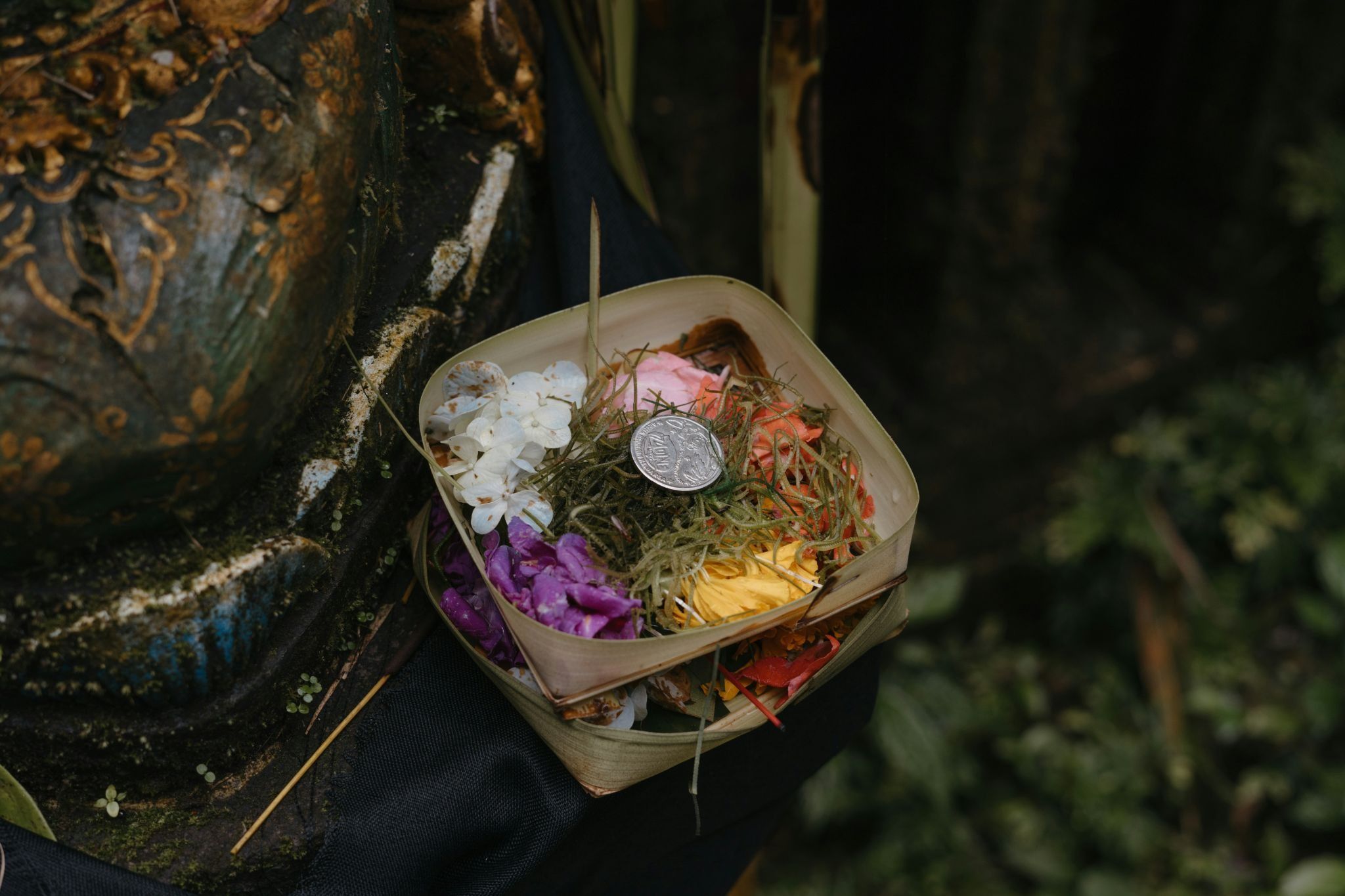
- Bring a sarong when visiting temples, and avoid climbing on shrines or sacred trees.
- Choose licensed money changers that display the official Bank Indonesia QR code, and use QRIS for payments whenever possible.
- Avoid using single-use plastic, as it is now restricted across the island.
- Hold on to your visa and levy receipts, since unpaid levies may prevent you from entering major attractions.
Read the Bali Travel Tips blog to know more Bali travel tips.
Final word: Is Bali Worth It in 2026?
Bali really lives up to its reputation. Not many places bring together beautiful beaches, temples, great food, rich culture, and friendly locals as this island does. It is also easy to manage, even if it is your first holiday abroad. The main thing you need to focus on is planning, which is what this Bali travel guide is here to help with. Get your visa sorted early, choose the right time to visit, pick where you want to stay, and respect local customs. After that, Bali takes care of the rest.
If you prefer someone else to handle the planning, Holiday Tribe can create custom Bali holidays tailored to your travel style. Our advisors know the island well and can help all kinds of travellers. It is a reliable way to turn the tips in this Bali travel guide into a holiday that truly fits you.