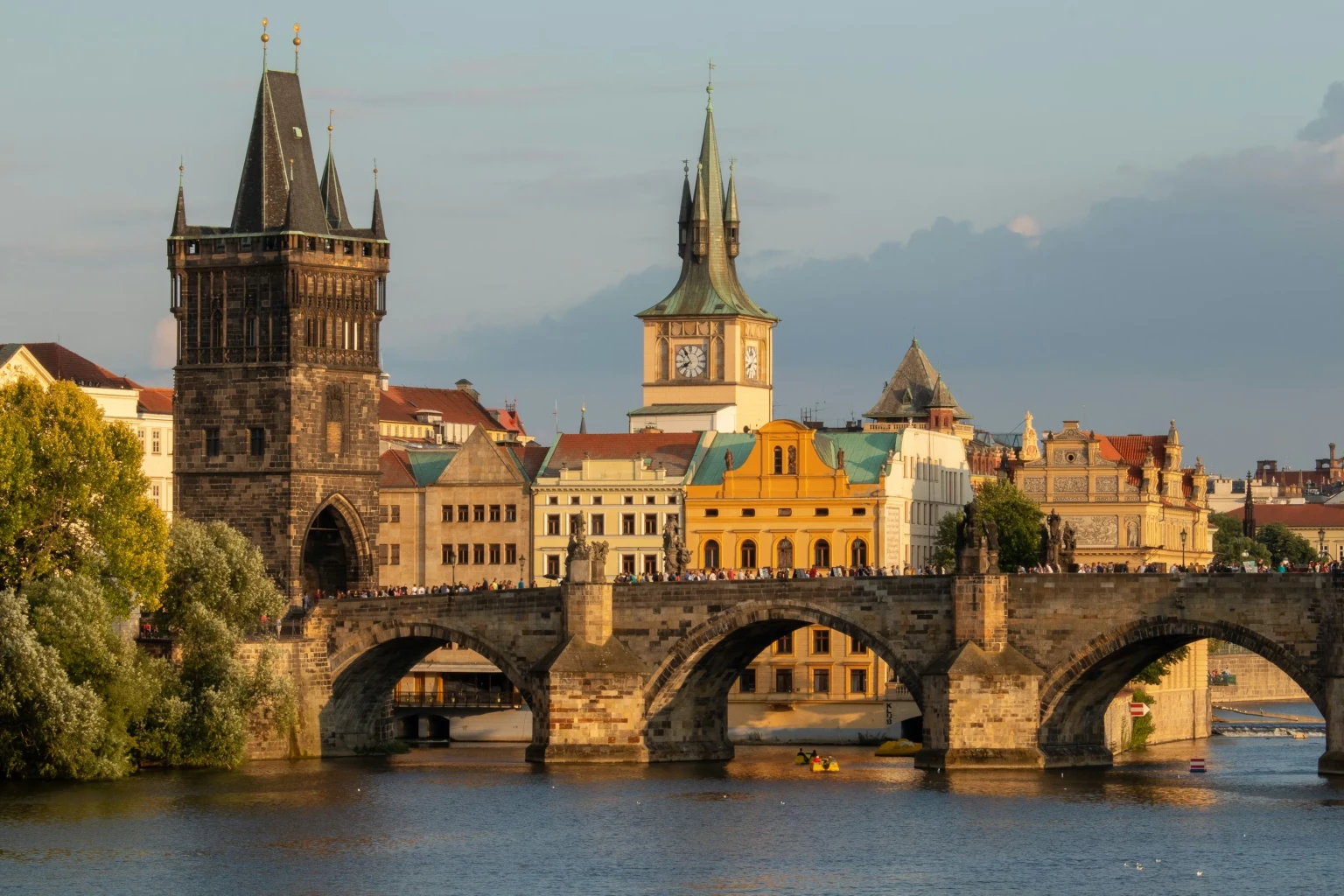


You could be leaving Amsterdam Centraal, unsure where to look first. On one side, a canal is lined with leaning 17th-century houses. On the other, cyclists rush by. Ahead, you catch the scent of warm caramel from a street vendor. If you want to know what experiencing Amsterdam is really like, this is it. Amsterdam city is the capital of the Netherlands, built across 165 canals, over 1,500 bridges, and 90 islands. Where is Amsterdam exactly? It sits in the North Holland province. Its name comes from "Amstelredamme," a dam built on the river Amstel in the 13th century. The canal ring has been a UNESCO World Heritage Site since 2010. Here are the 10 best things to do in Amsterdam in 2026.
1. Take a Canal Cruise Through the 17th-Century Ring
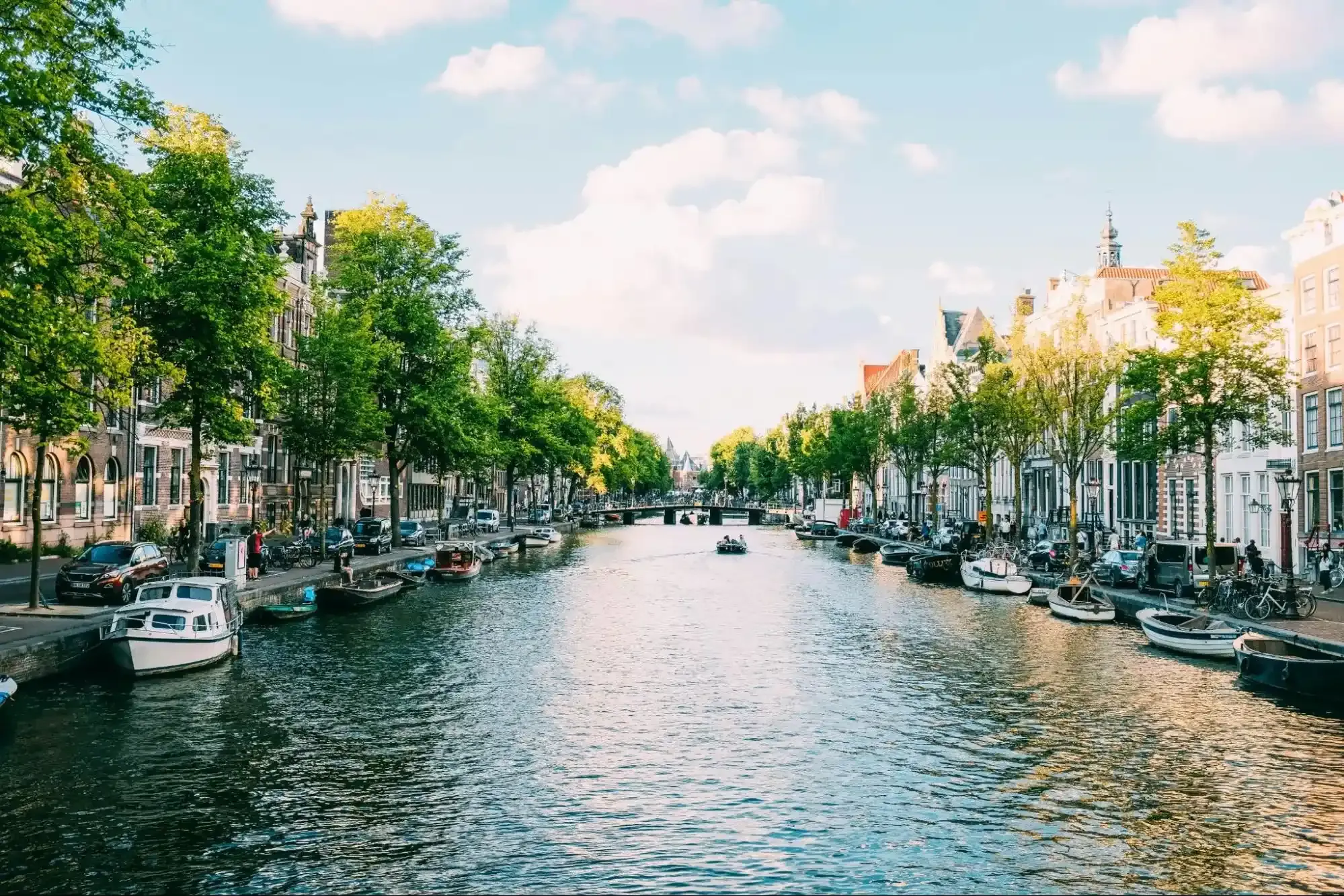
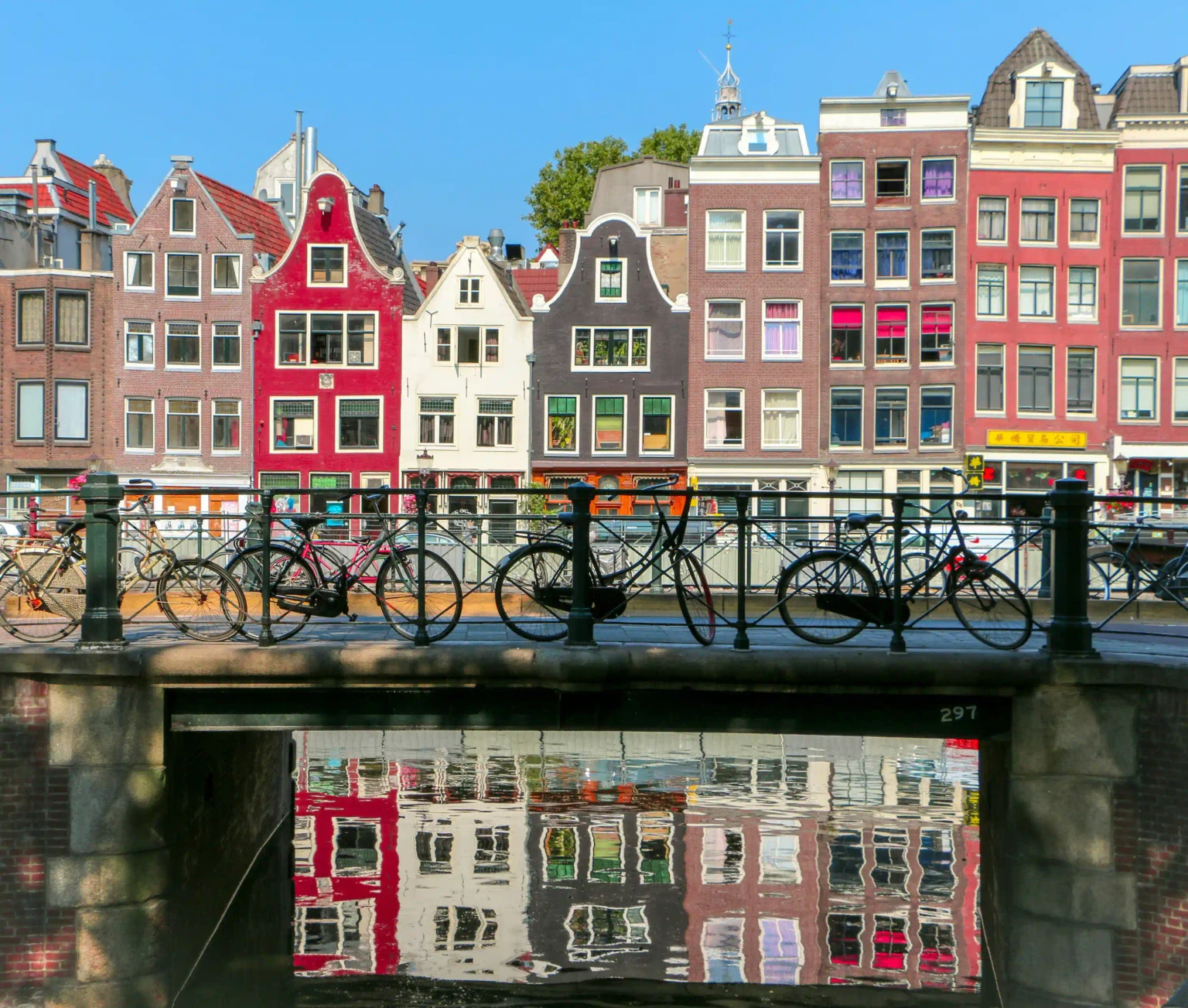
Amsterdam only truly makes sense once you see it from the water. The canal ring was built in the 17th century, when the city was the richest trading hub in the world. As you float along, the layout suddenly becomes clear.
As you pass the canal houses, look up. They lean forward on purpose. The houses are tall and narrow because taxes were based on the width facing the canal. Hooks at the top were used to lift furniture through the windows, since the staircases were too steep. You can still see those hooks today, and sometimes they are still used.
A canal tour takes about an hour and covers three canals. Tickets start at €17. If you visit between November and January, the Amsterdam Light Festival transforms the canals into an open-air art show. Book an evening tour to see the city in a whole new light.
The late afternoon light on Amsterdam’s canals is the best you’ll find. If you can, try to plan your tour for that time.
2. Book the Anne Frank House Well in Advance
 Source: Anne Frank Official Website
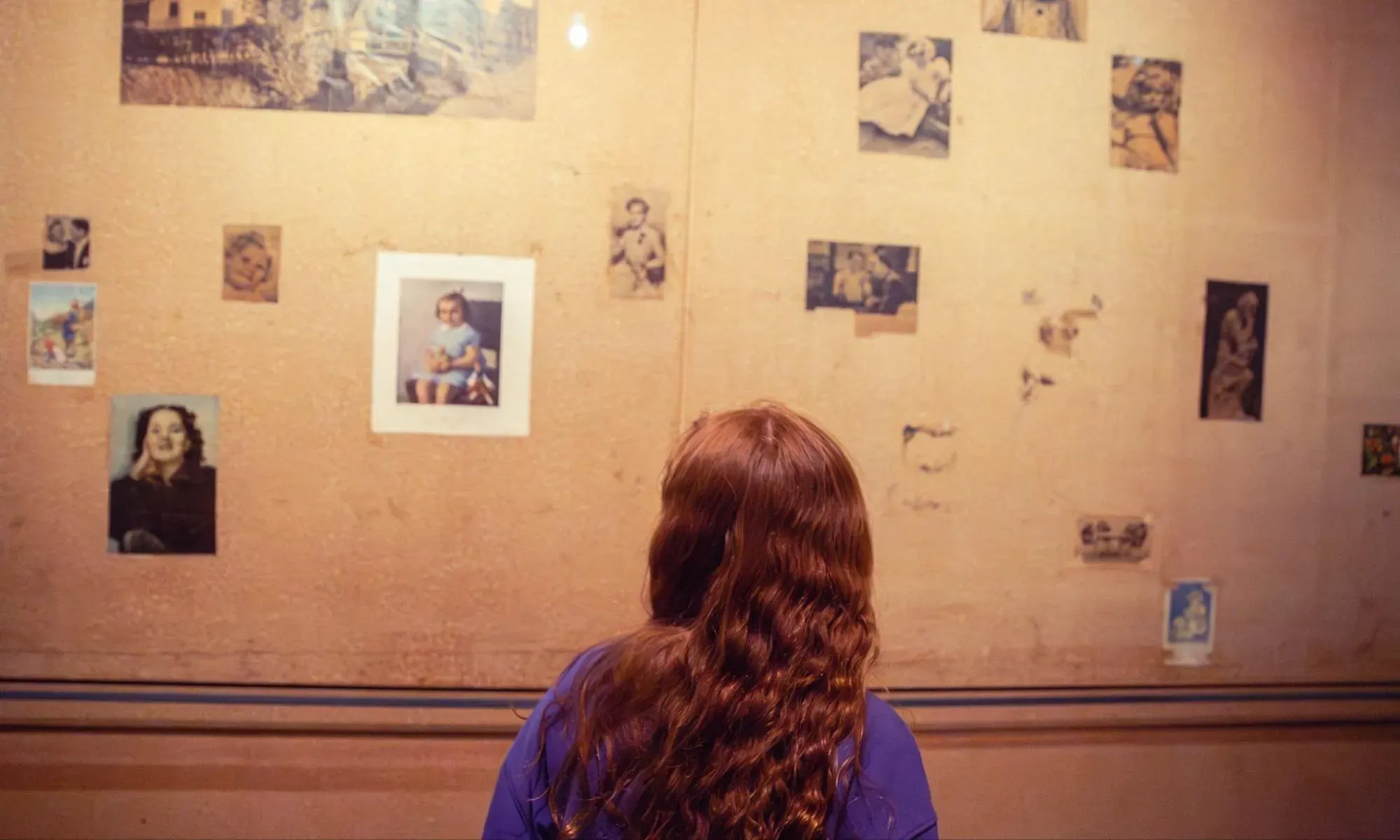
The Anne Frank House at Prinsengracht 263 is one of those places in Amsterdam that can change how you see the city. You walk through the real hidden annex where Anne Frank and her family lived in hiding for more than two years during World War II. You can see her original diary in a glass case. The rooms are bare, and the staircases are steep. The visit takes about an hour, but the experience will stay with you much longer.
Here’s the catch: tickets are only sold at annefrank.org. They’re released every Tuesday at 10 AM Amsterdam time, six weeks before your visit. Tickets usually sell out within a few hours. You can't take photos inside. Tickets are €16.50 for adults, €7 for ages 10 to 17, and €1 for children up to 9.
Set a reminder now, this is one you don’t want to miss.
3. See the Van Gogh Museum and Rijksmuseum in a Day
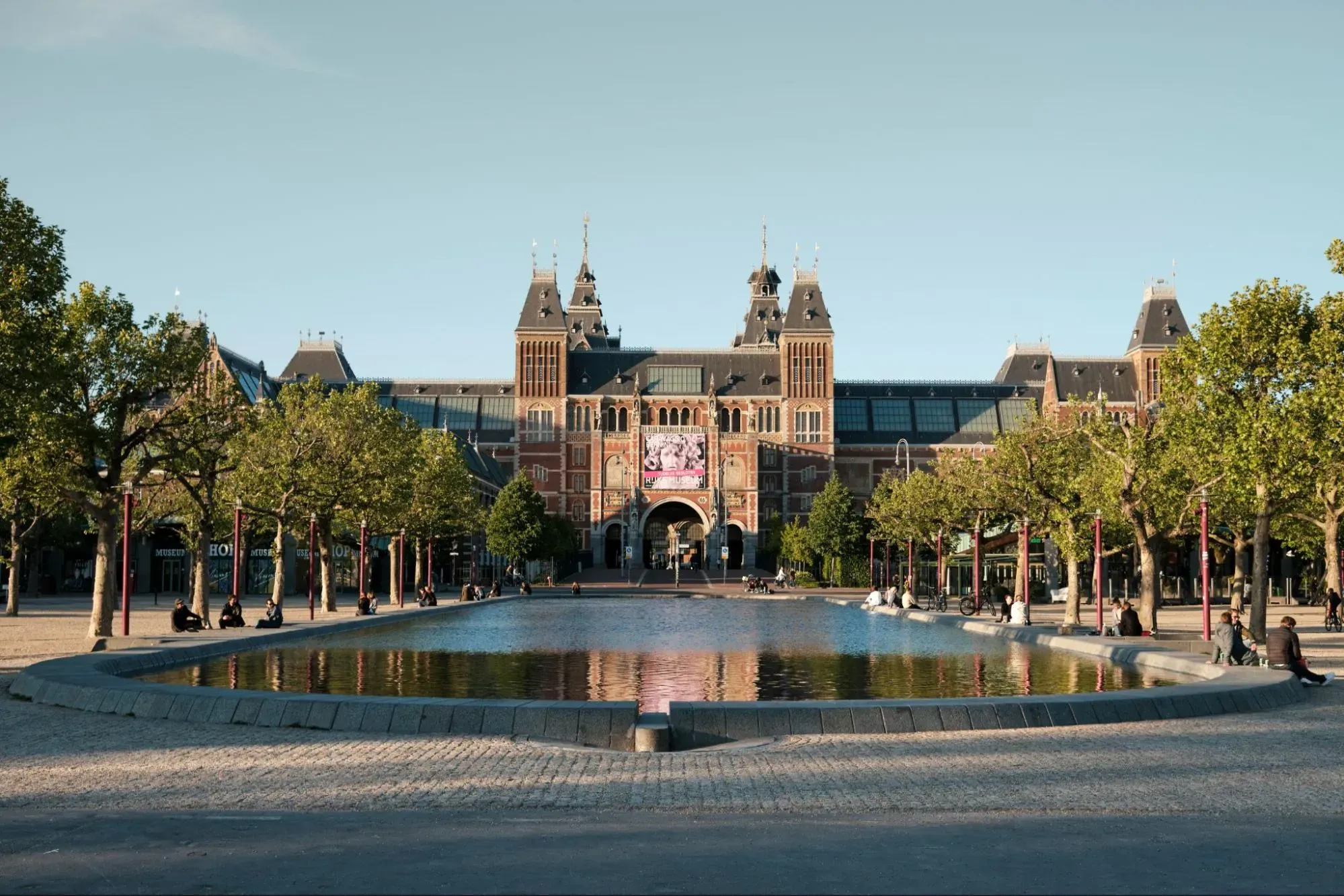
You can easily explore both museums, and you absolutely should. Nestled side by side on Museumplein, they are just a five-minute stroll from each other.
Step into the Van Gogh Museum, home to the world’s largest treasure trove of Van Gogh’s masterpieces. Admire Sunflowers, Almond Blossom, and The Bedroom, all originals gathered in one inspiring space. Tickets must be booked for a specific time slot online and cost around €25 (free for under-18s, who still need a timed ticket). There are no tickets at the door. For a more peaceful experience, consider visiting on a Friday evening.
The Rijksmuseum stands as the crown jewel of Dutch museums. Here, you can admire Rembrandt’s The Night Watch and Vermeer’s The Milkmaid up close. Set aside at least three hours to wander its halls, and do not miss the Cuypers Library inside, one of the most beautiful rooms in the Netherlands.
4. Cycle Around Amsterdam City Like a Local
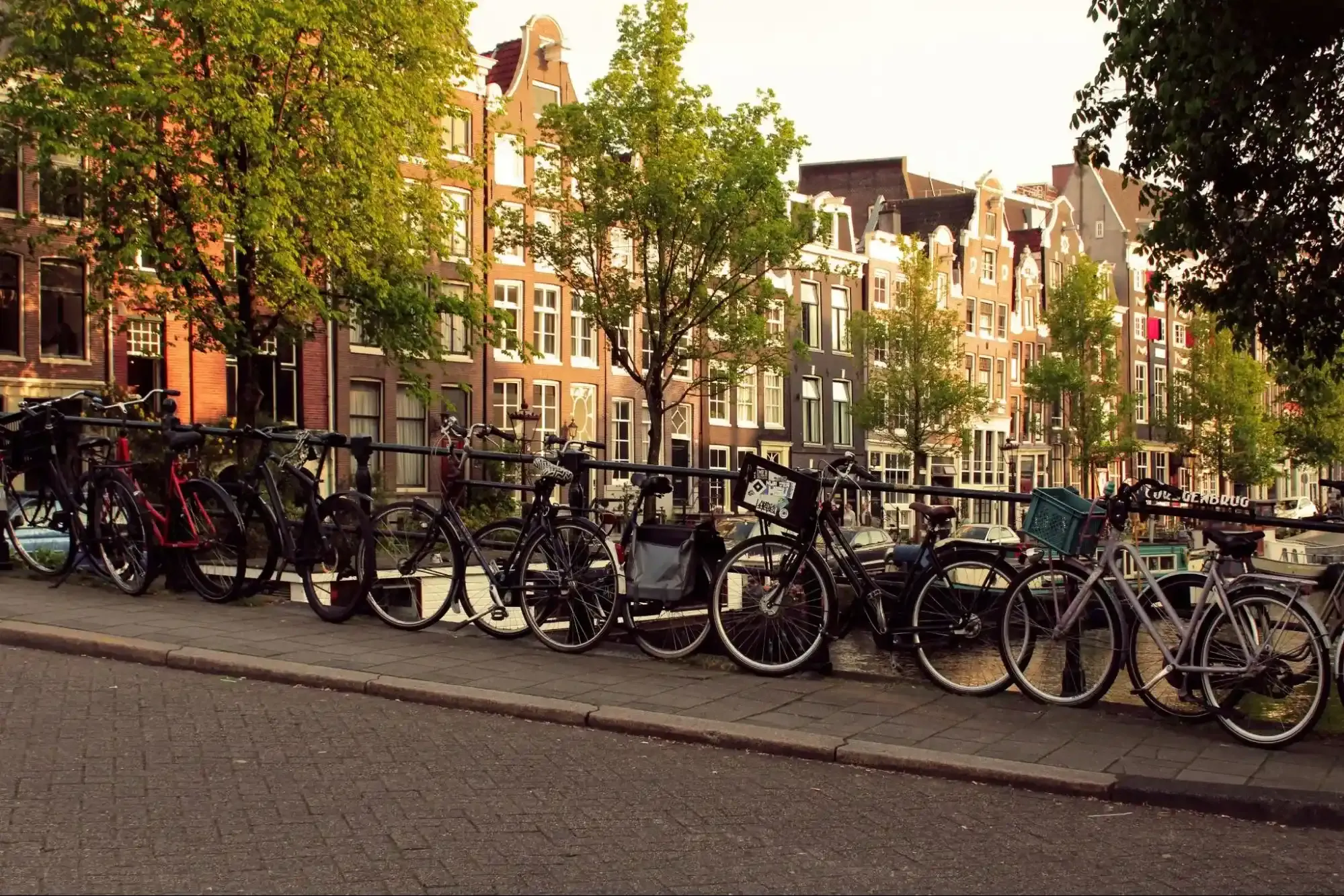
Amsterdam has more bikes than people, and that is no exaggeration. Its 17th-century heart was built long before cars, so when you hop on a bicycle, you stop being just a visitor ticking off sights and start gliding through the city as it was always meant to be explored.
Rent a bike for €10-€15 a day. In just one morning, you can cover Jordaan, Vondelpark, Museumplein, and the canal belt without once feeling rushed. Stick to the bike lanes, double-lock your ride at every stop, and keep an eye out for trams. And take the free IJ ferry from behind Central Station to Amsterdam-Noord: quieter, more creative, and almost entirely overlooked by visitors who have never heard a local mention it.
5. Wander the Streets of the Jordaan
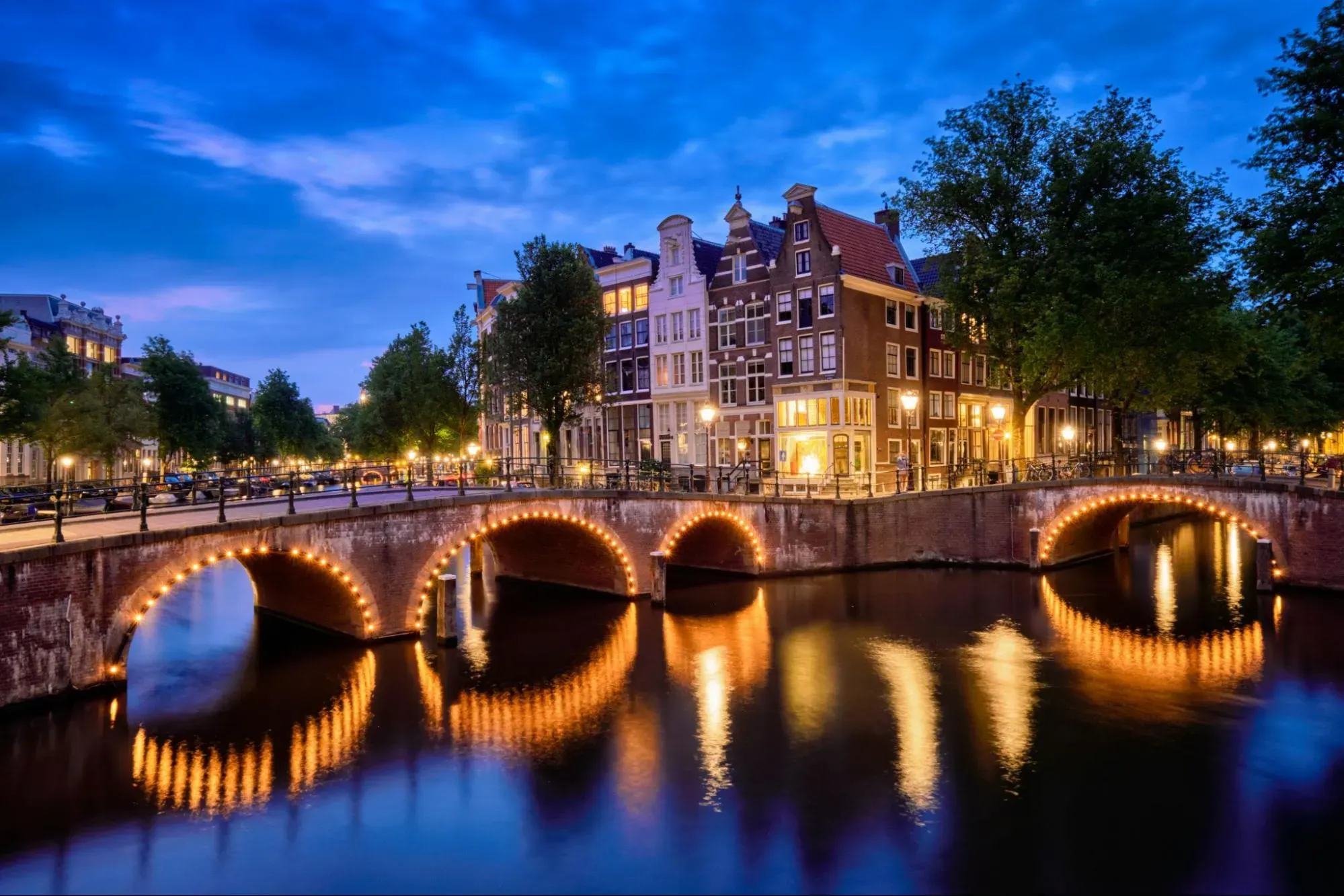
Jordaan started out as a working-class area. Today, it is one of Amsterdam's most popular neighbourhoods, but its original spirit is still easy to feel. The narrow streets twist and turn, canal houses lean with charm, and around every corner you might find something hidden, a hofje, a secret garden behind an unmarked door, a small gallery, or a bruine kroeg where the dark wood, cold beer, and old-time atmosphere are just as they were in 1890. In many ways, it feels like nothing here has really changed.
De Negen Straatjes, or The Nine Streets, runs along the edge of Jordaan and is a great place to find independent shops, good coffee, and those slow afternoons that make a city special. Don’t worry about following a list. Just take your time and explore.
6. Spend a Slow Morning in Vondelpark
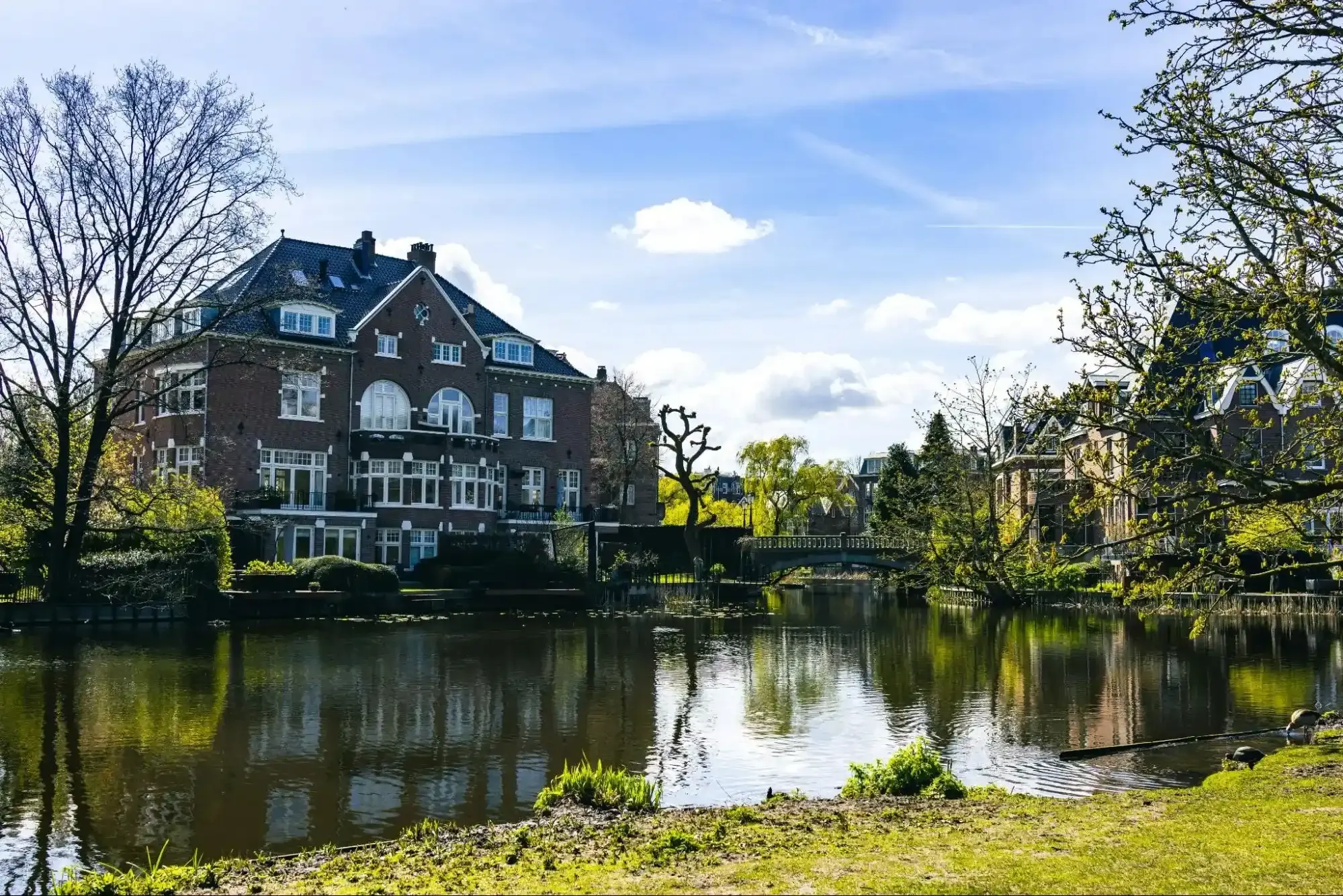
Think of it as Amsterdam's communal living room, open to everyone.
This is the city’s largest central park, stretching across 47 hectares. When the weather is nice, locals show up with picnic blankets, guitars, and plenty of free time. In summer, you can catch a free outdoor theatre performance. The park is just ten minutes from Museumplein, so it’s the perfect spot to relax if you’re visiting more than one museum in a day.
Amsterdam weather is the best from April to May, when the evenings are long, tulips are blooming, and the crowds are still manageable. September is quieter but just as nice. December is cold, but the city has a special atmosphere that you won’t find in summer.
7. Browse the Floating Bloemenmarkt Flower Market
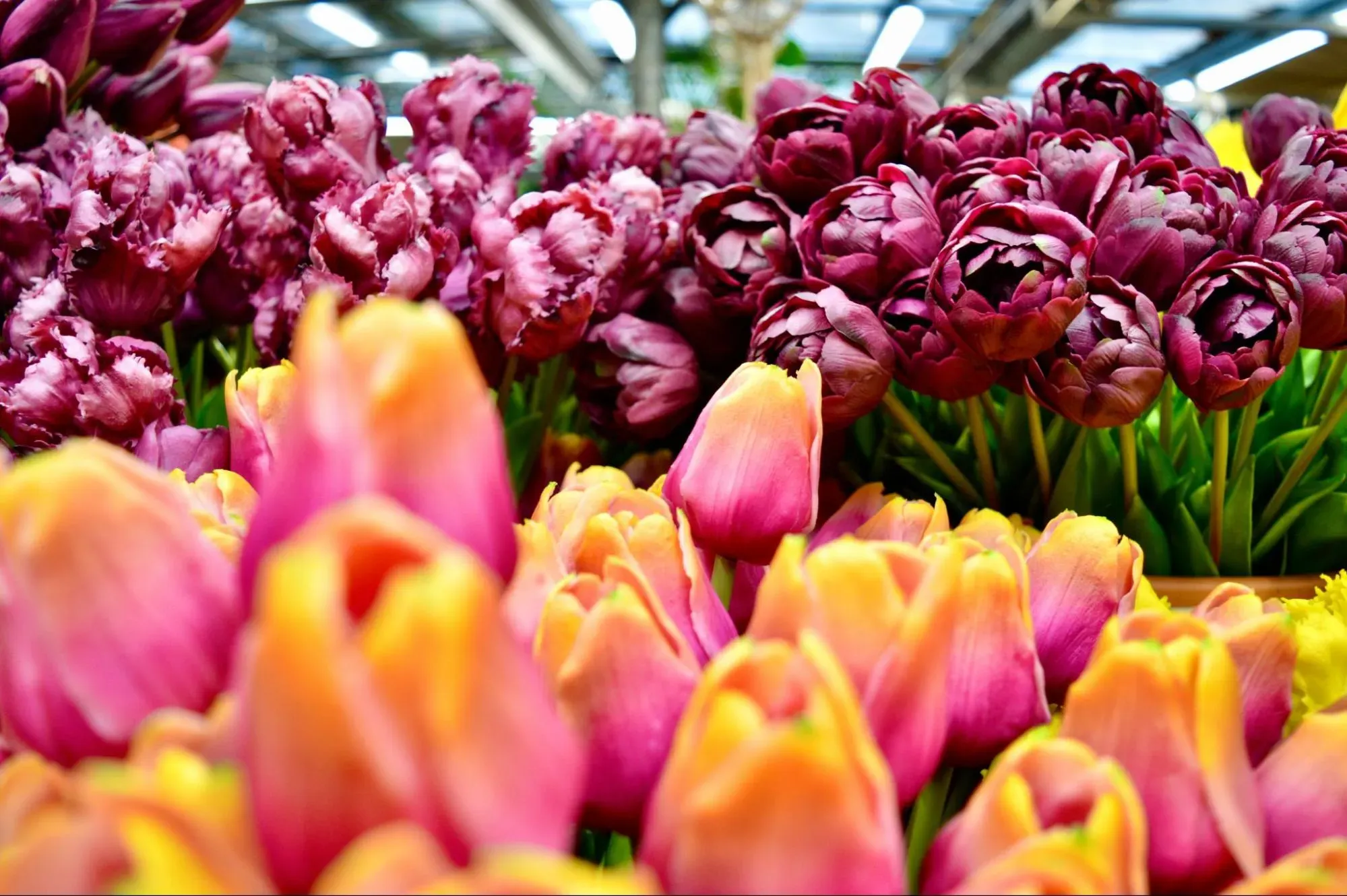
The Bloemenmarkt is located on the Singel canal and is known as the world's only floating flower market, even though the stalls now stand on fixed piers rather than barges. The market has been here since 1862. Today, most stalls offer tulip bulbs and souvenirs instead of fresh flowers. The market is open from about 9:00 AM to 5:30 PM, except on Sundays when it opens at 11:30 AM. If you plan to buy bulbs, make sure they are certified for export to your country before you pack them.
There’s no entry fee. The market is open Monday to Saturday, from 9:00 to 17:30 and opens a bit late on Sunday. If you want to enjoy the peaceful atmosphere, try to arrive before 10 AM, before the tour groups arrive and things get busier.
8. Eat Your Way Through Amsterdam's Street Food

Here, you will eat more than you planned to.
Amsterdam’s food scene mixes Dutch classics with one of Europe’s most international kitchens, thanks to its long history of global trade. Don’t leave without trying these:
- Stroopwafel: Two thin waffles with caramel syrup. Get one fresh at the Albert Cuyp Market, set it on your hot drink for a minute, and let the steam soften the caramel. This is the best way to enjoy it.
- Bitterballen: Deep-fried beef ragout balls, usually enjoyed at a bruine kroeg with a cold Heineken. The word "bitter" used to mean spirits. Just order them and enjoy.
- Haring: Raw herring served with onion and gherkin. Hold it by the tail, tip your head back, and eat it in one go. It looks dramatic, and that’s exactly the idea.
- Rijsttafel: An Indonesian feast with many dishes, showing Amsterdam’s colonial history. It’s worth booking a table for this experience.
9. Dive Into Amsterdam Nightlife, Layer by Layer
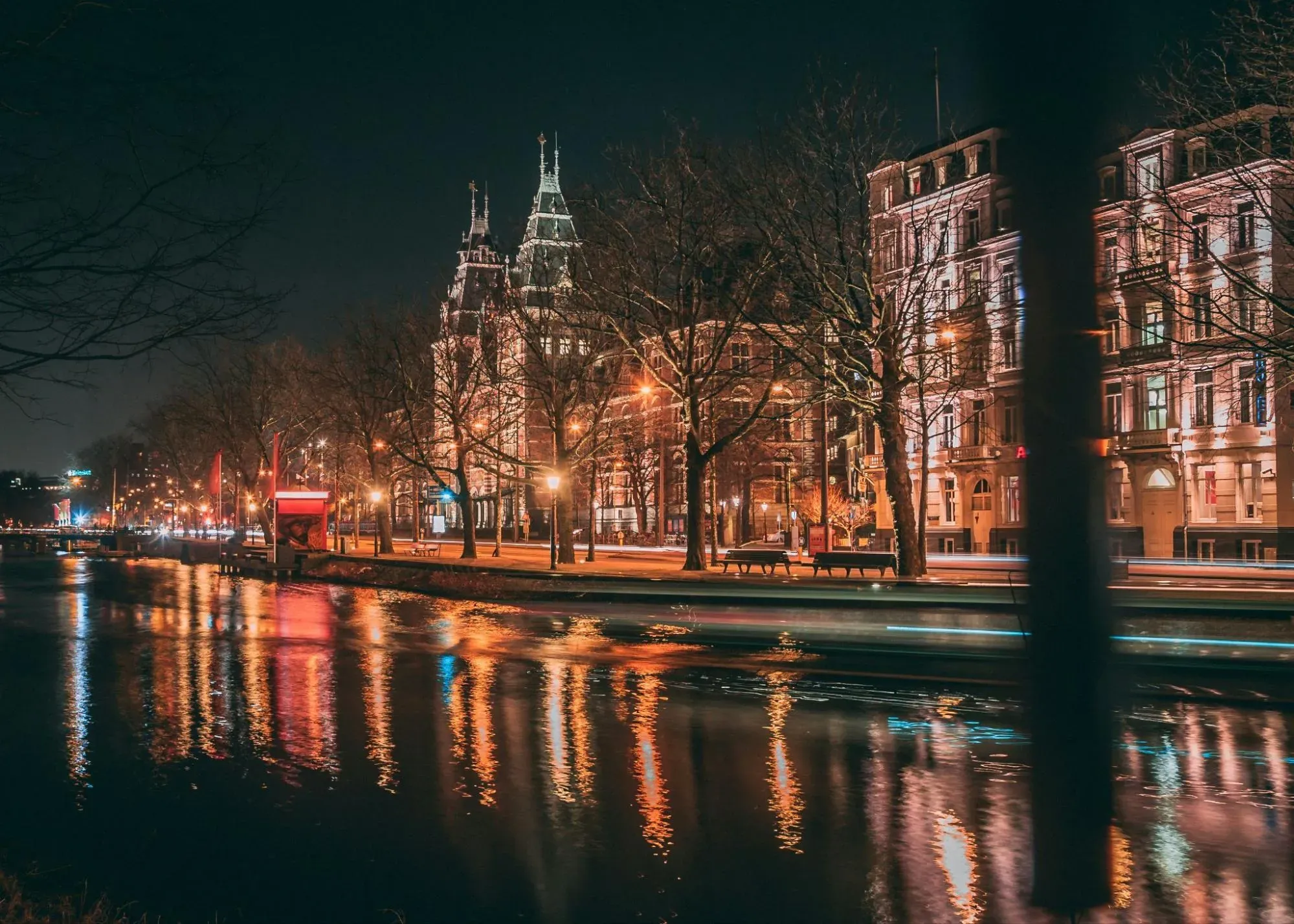
Amsterdam nightlife works in layers, much like the city itself.
Leidseplein is known for its big clubs and live music. Melkweg and Paradiso, both close by, are two of the city’s top venues, and their lineups show it. Rembrandtplein attracts a lively, mixed crowd, and its outdoor terraces fill up quickly on summer nights. In De Wallen, you’ll find historic brown cafés along with everything else the area is famous for.
If you like electronic music, the Amsterdam Dance Event, held in October, is one of the world's biggest festivals. The whole city gets involved.
A note on Amsterdam hotels: properties near Leidseplein and Rembrandtplein get loud on Friday and Saturday nights in summer. The Jordaan and Oud-Zuid areas sleep considerably better.
10. Walk Through De Wallen
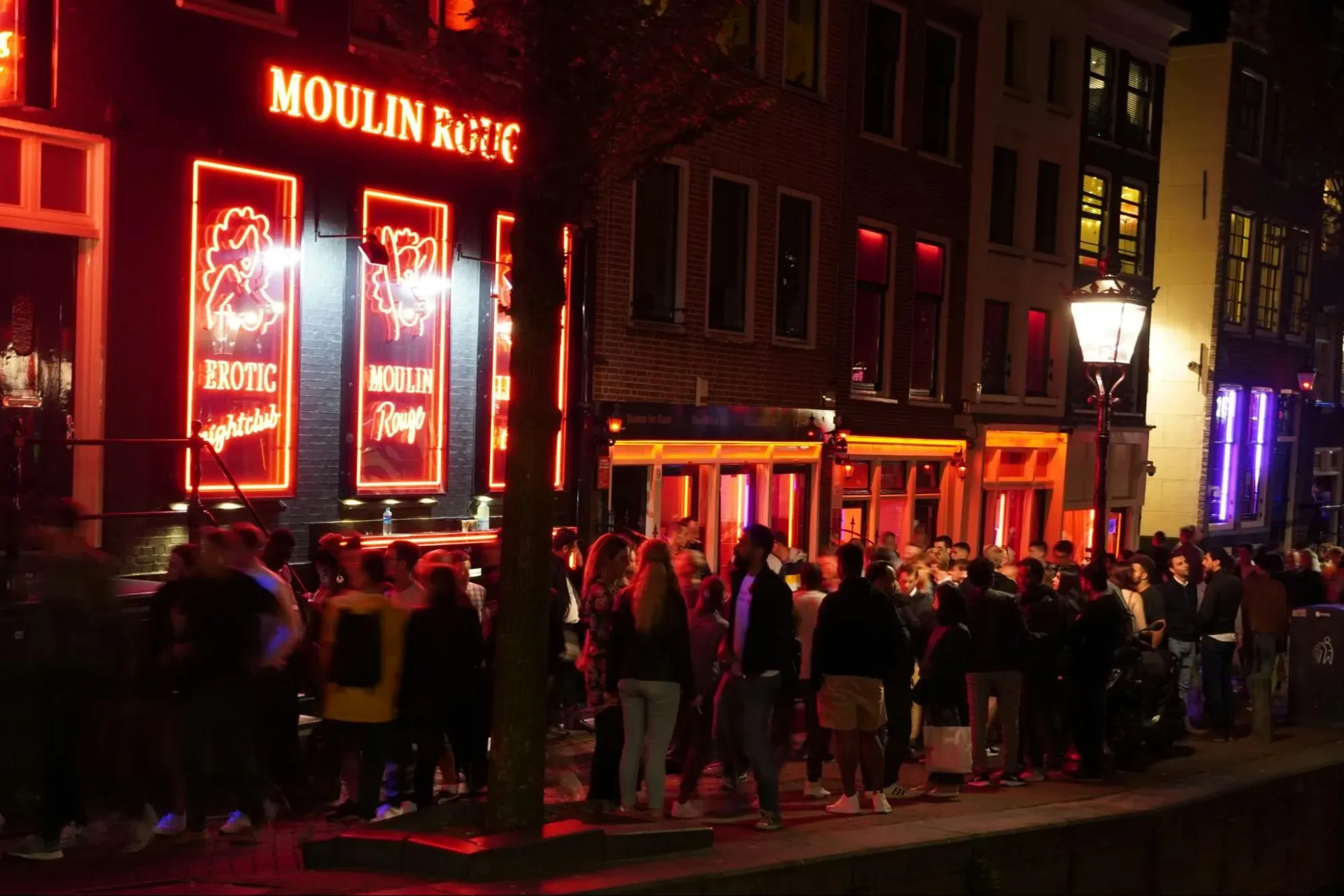
Everyone is curious about De Wallen. That is entirely normal. Here is what to know before you go.
During the day, De Wallen is the medieval heart of Amsterdam and truly one of its most beautiful areas. You will find narrow canal streets, the Oude Kerk, Amsterdam's oldest church, right in the centre, and brown cafés that have served beer for centuries. At night, the red-lit windows are open for business under city regulations.
Keep in mind that taking photos of the windows is illegal and this rule is strictly enforced. Since 2020, all guided tours of the Red Light District have been banned, so you'll need to walk it on your own. The area gets very crowded on weekends after 10 p.m., so visiting earlier is usually more enjoyable. Remember, this is a real neighbourhood where people live and work, so please treat it with respect.
How Should You Plan Your Amsterdam Holiday?
You need at least three or four days to really experience Amsterdam. If you rush, you might see all the famous spots but miss out on what makes them special.
Holiday Tribe creates custom land-only packages that cover your Amsterdam hotel, local transfers, and daily plans. This way, you can skip the stress of figuring out tram routes on your first morning. Our advisors, with our AI travel planner’s smart planning, design holidays based on what you care about most, whether that’s museums and canal cruises, great food and cycling, or relaxed afternoons in Jordaan with nothing scheduled. Just share your dates at holidaytribe.ai, and we’ll handle everything else.