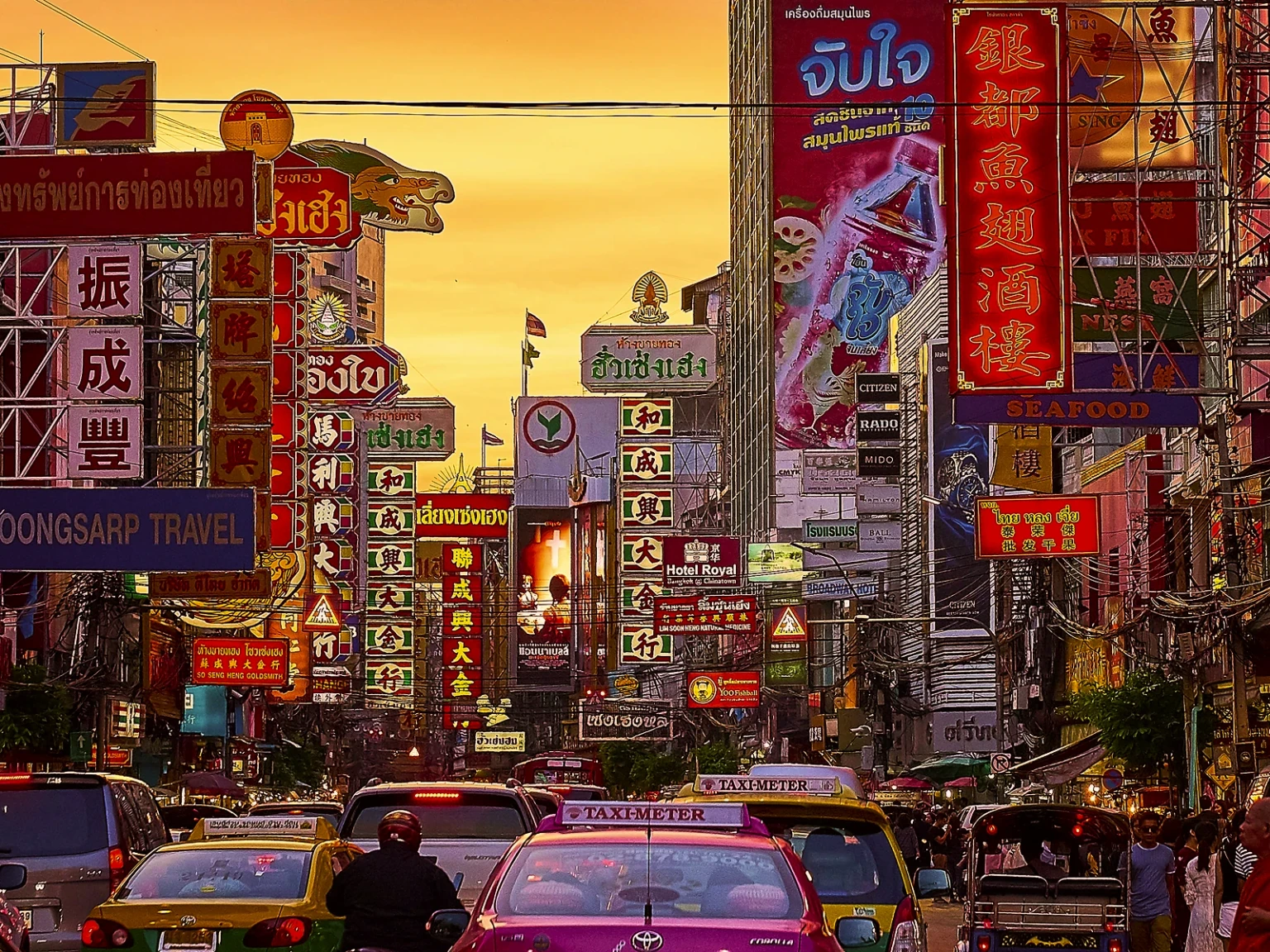


Most people arrive in Bangkok’s Chinatown without a plan and end up feeling a little overwhelmed. The streets are noisy, signs appear in three languages, and almost every shop is cooking something tempting. The lively atmosphere is part of the charm, but it can leave first-time visitors unsure of where to start, so they often just pick the closest food stall. This guide is here to help. We’ll show you what to eat, which temples are worth your time, the hidden spots most people miss, and the best times to visit so you can enjoy the energy and avoid the crowds. Think of Chinatown as a neighbourhood that becomes much more welcoming once you know where to go, and we’ve done the research to make that easy for you.
Why Chinatown Bangkok Is Worth Your Evening
Locally called Chinatown Yaowarat, this area has been the heart of Bangkok’s Thai-Chinese community for more than 200 years. It’s older than most postcard views of the city and has kept its authentic character, never changing just for tourists. Here’s what you’ll find:
- Some of the best street food in Bangkok, often cooked right on the sidewalk
- Gold-roofed temples and shrines filled with incense, all just a short walk from each other
- Market alleys where families have sold the same goods for generations
- A relaxed and stylish bar scene hidden behind old shophouses
Is Bangkok’s Chinatown worth a visit? If you love food and culture, the answer is definitely yes.
When Is the Best Time to Visit Chinatown Bangkok?
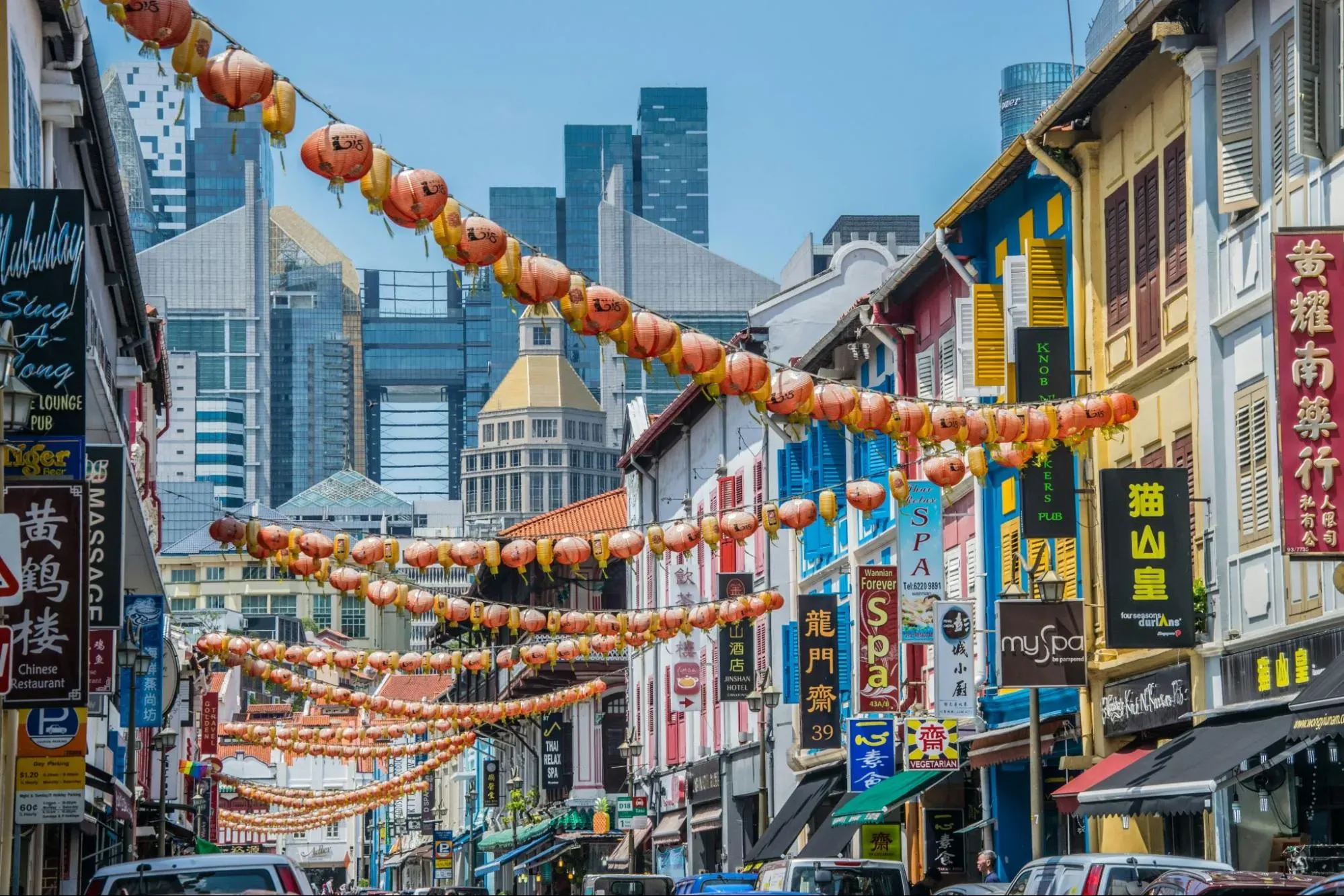
There are two things to keep in mind: the season and the time of day. The cool, dry months from November to February are the best for walking around Bangkok. From March to May, it gets very hot, while June to October brings rain, usually in short bursts instead of all-day showers.
The time of day can completely change the atmosphere. In Bangkok, Chinatown feels like two different neighbourhoods depending on when you visit.
Time Of Day | Best For |
Morning (8am to 11am) | Temples, markets, cooler air, fewer crowds |
Afternoon | Sampeng Lane shopping, cafes, slow wandering |
Evening (after 6pm) | Street food, the night market buzz, bars |
If you time your visit right, two festivals bring the whole area to life:
- Chinese New Year (17 February 2026): Watch dragon dances, see red lanterns, and enjoy street feasts along Yaowarat Road.
- Vegetarian Festival (10 to 18 October 2026): For nine days, try meat-free Chinatown dishes, spot stalls with bright yellow flags, and watch processions near the Chinatown Gate.
Chinatown Bangkok Street Food: What to Eat and Where
People don’t visit this area for fancy restaurants. Instead, they come to sample a little bit of everything. Many of the street food stalls on Yaowarat have been run by the same families for decades, perfecting their dishes over time. Some of these stalls are even featured in the Michelin Guide. The best way to enjoy it all is to try small portions at several places instead of eating a full meal at just one.
Dish | What To Expect | Where |
Kuay chap | Peppery rolled rice-noodle soup with pork | Nai Ek Roll Noodle (Michelin Bib Gourmand) |
Oyster omelette | Crispy egg, plump oysters, chilli sauce | Nai Mong Hoi Thod |
Grilled seafood | Prawns, curry crab, whole fish | T&K Seafood |
Charcoal toast | Toasted buns with custard and sweet spreads | Yaowarat Toasted Bread |
Dim sum | Steamed baskets in a double-decker shophouse | Lhong Tou Cafe |
Be sure to leave space for dessert, since Chinatown offers everything from bird's nest soup to mango sticky rice and fresh Chinese pastries. Also, keep in mind that most stalls only accept cash, so bring some small bills with you.
Temples and Landmarks in Chinatown Yaowarat
Between meals, Chinatown Yaowarat offers a great selection of temples and shrines, all within easy walking distance of each other.
Wat Traimit (Temple Of The Golden Buddha)
This is the main attraction. Wat Traimit is home to the world’s largest solid gold Buddha, weighing about 5.5 tonnes and standing around three metres tall. For years, it was covered in plaster, and its gold was only discovered by accident in 1955 when the statue was dropped during a move and the stucco broke open. The temple is located at the entrance to Chinatown near Odeon Circle.
- Timings: 8am to 5pm daily
- Entry: 40 THB (Golden Buddha hall), 100 THB (heritage museum)
- Time needed: About 1 hour
Wat Mangkon Kamalawat
This is the largest Chinese Buddhist temple in the city, decorated in red and gold with dragon-topped roofs and filled with the scent of incense. The temple is especially lively during Chinese New Year, when many worshippers visit.
- Timings: Around 8am to 5pm
- Entry: Free
- Time needed: 30 to 45 minutes
The Chinatown Gate At Odeon Circle
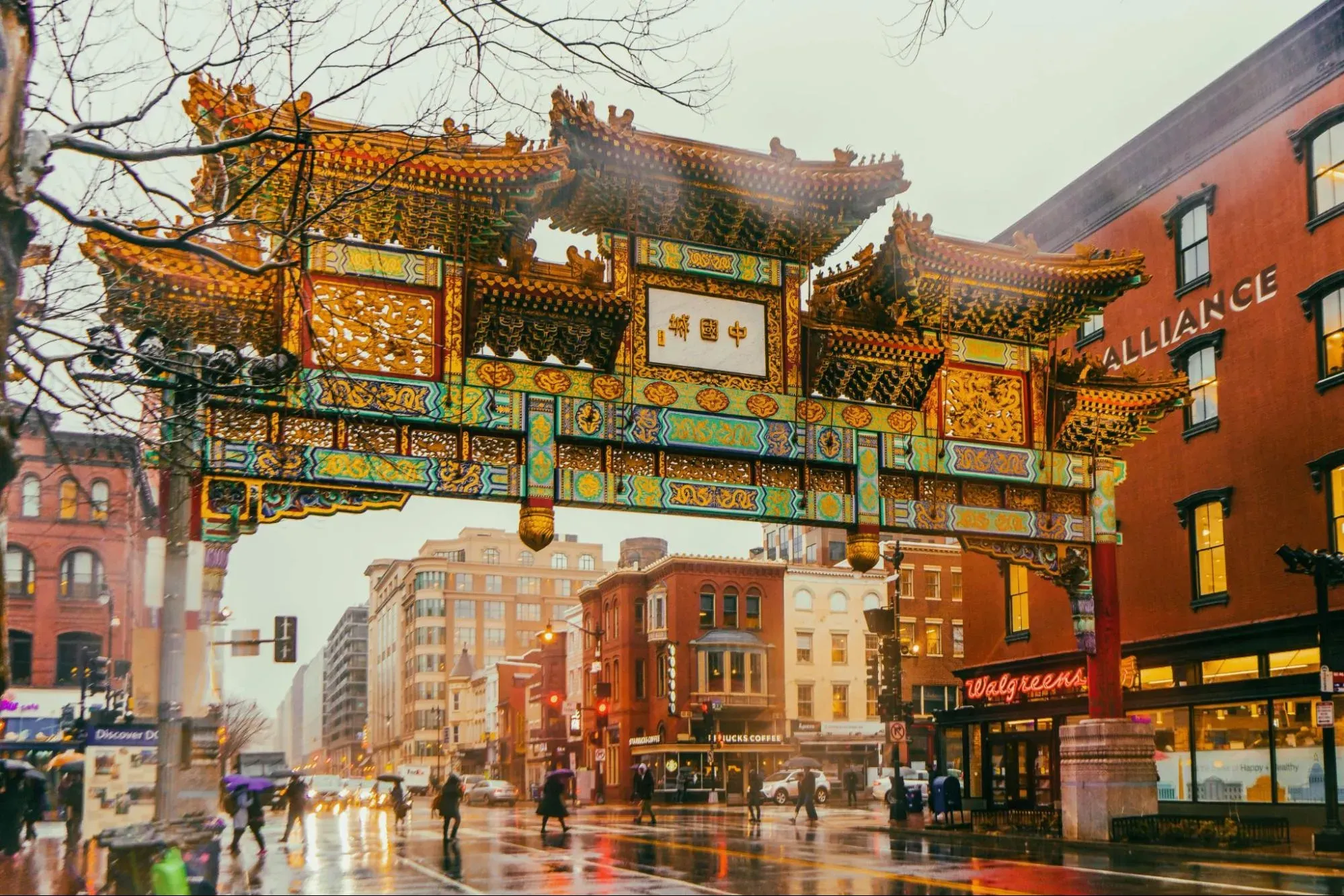
The impressive arch at the entrance to Yaowarat Road was given by the Thai-Chinese community to celebrate the late King Bhumibol's 60th birthday. It is especially beautiful when illuminated at night.
Markets and Hidden Corners in Chinatown Thailand
If you visit just one Chinatown in Thailand, choose this one and make sure to wander through its side streets.
Sampeng Lane
This narrow, covered wholesale market runs alongside Yaowarat and is packed with fabric, toys, accessories, and trinkets. It gets crowded and noisy, so it’s best to visit in the morning before it fills up.
Talat Noi
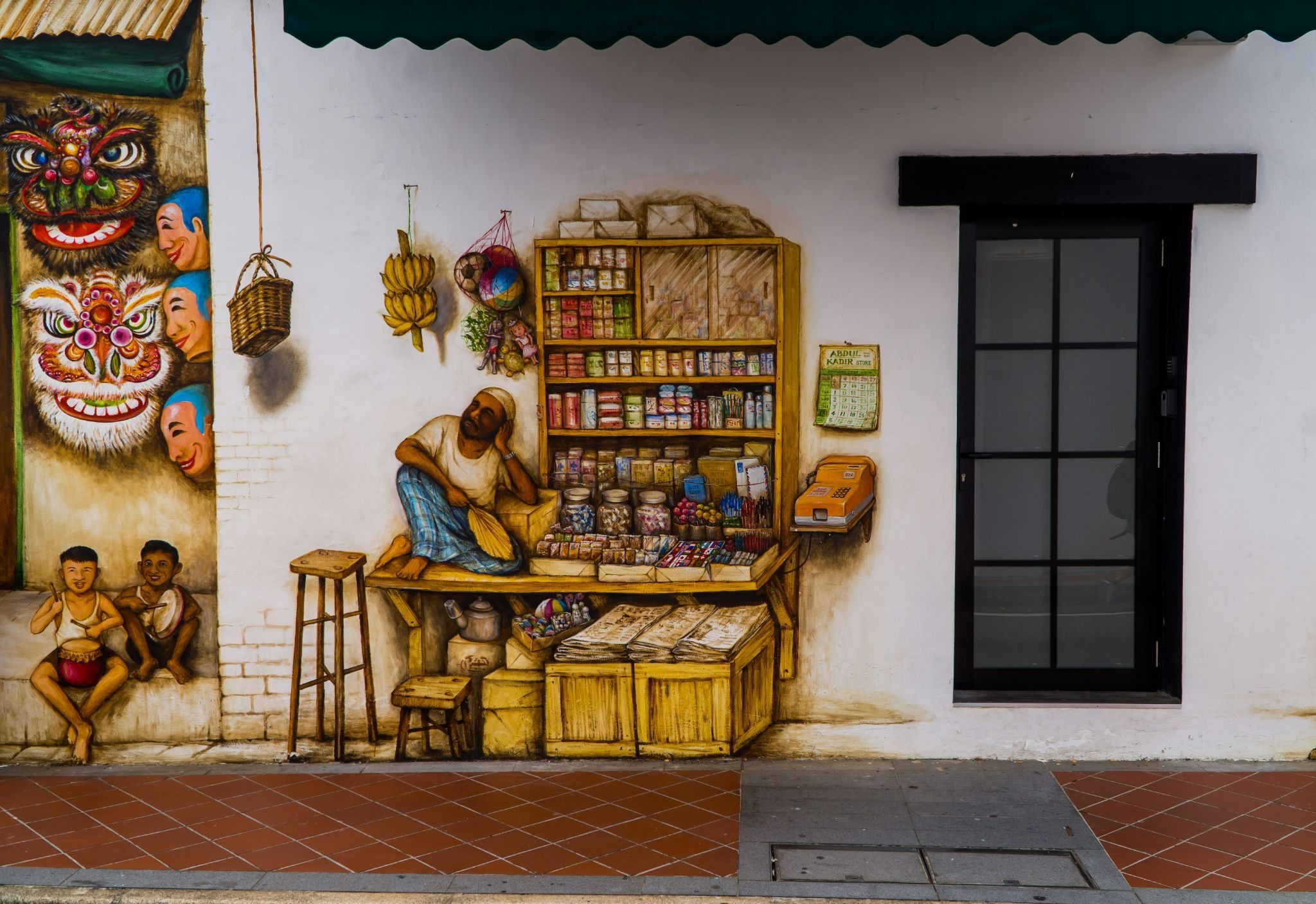
This old riverside area is full of vintage shophouses, car-part workshops, and street art. You’ll also find Leng Buai Ia, one of the oldest Chinese shrines in Thailand. It’s a quiet, photogenic part of the neighbourhood, very different from the busy night market just a few streets away.
Chinatown Bangkok After Dark
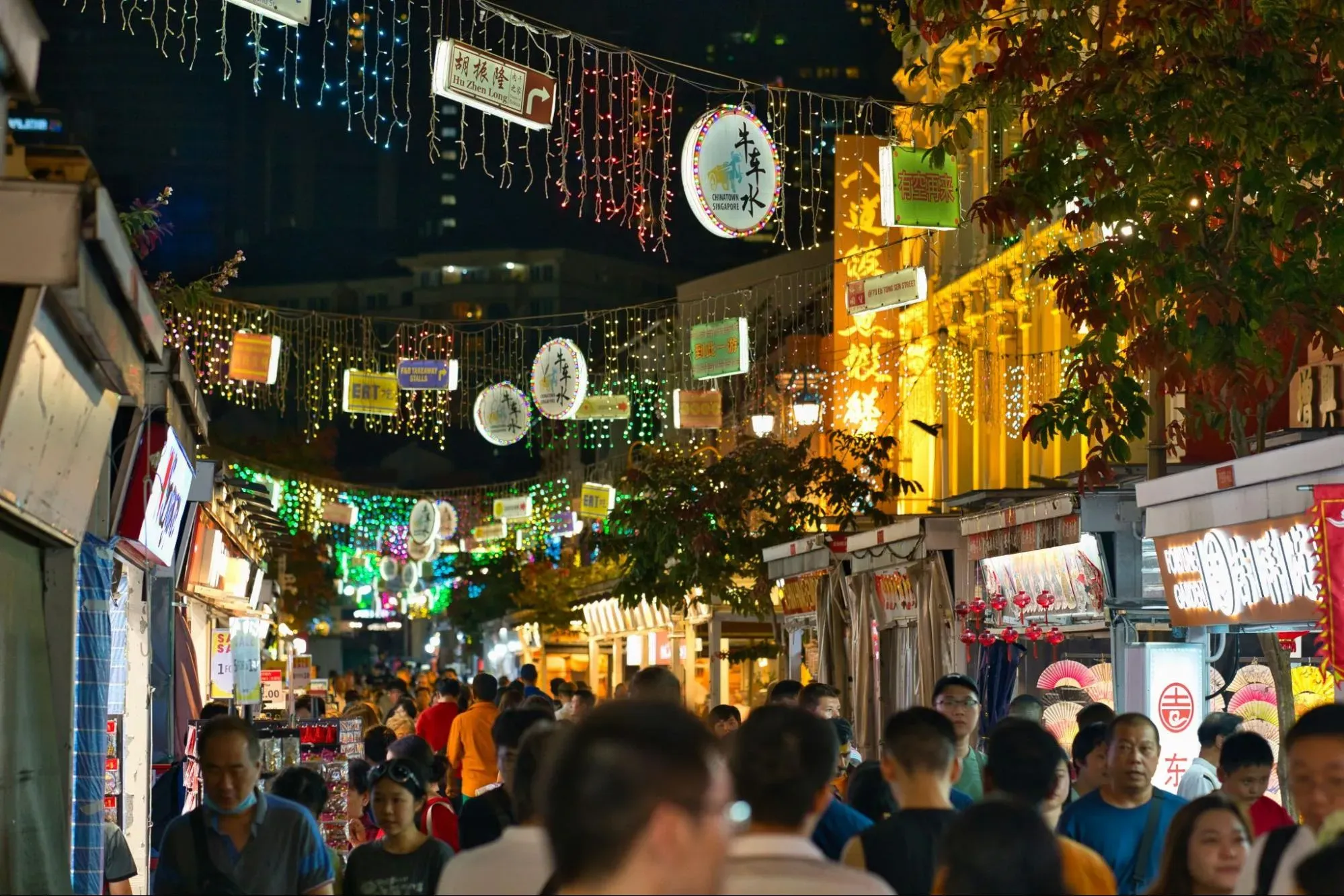
After sunset, the main street turns into a lively Chinatown night market filled with plastic stools and the smell of food cooking in woks. The food takes centre stage from around 6pm. But there’s more to discover here. While this isn’t a club district, it’s home to one of the city’s most interesting bar scenes. Soi Nana, meaning the one in Chinatown, not the Sukhumvit street with the same name, is lined with small bars set inside restored shophouses.
- Teens of Thailand is a small gin bar that started the whole scene.
- Ba Hao features old Hong Kong style and neon lights that spill out onto the street.
- Tep Bar offers Thai spirits, live traditional music, and tasty small plates.
Tribe Travel Tip: Start by eating your way down Yaowarat, then walk five minutes to Soi Nana for a nightcap. In one evening, you’ll experience the full range of Chinatown Bangkok, from street food to candle-lit bars.
Make Chinatown Part Of Your Bangkok Holiday
Chinatown in Bangkok is best enjoyed as part of a bigger holiday, since you can see the highlights in half a day. At Holiday Tribe, we offer both ready-made and fully customised Bangkok and Thailand holidays, designed around your interests, whether that's food, temples, markets, or making your first international trip easy. We take care of hotels, transfers, sightseeing, and local experiences, so you can focus on enjoying Yaowarat in the evening instead of stressing about the details.