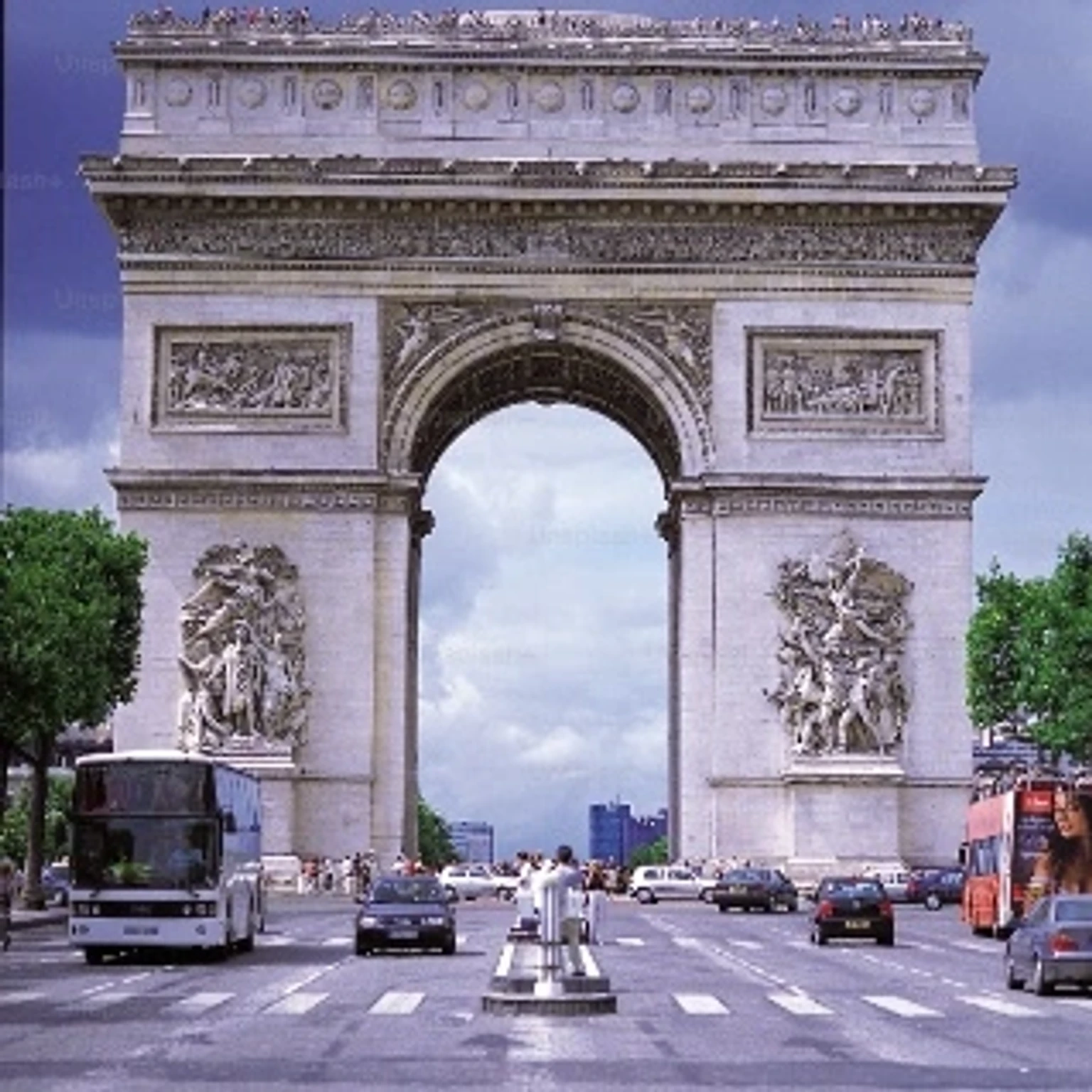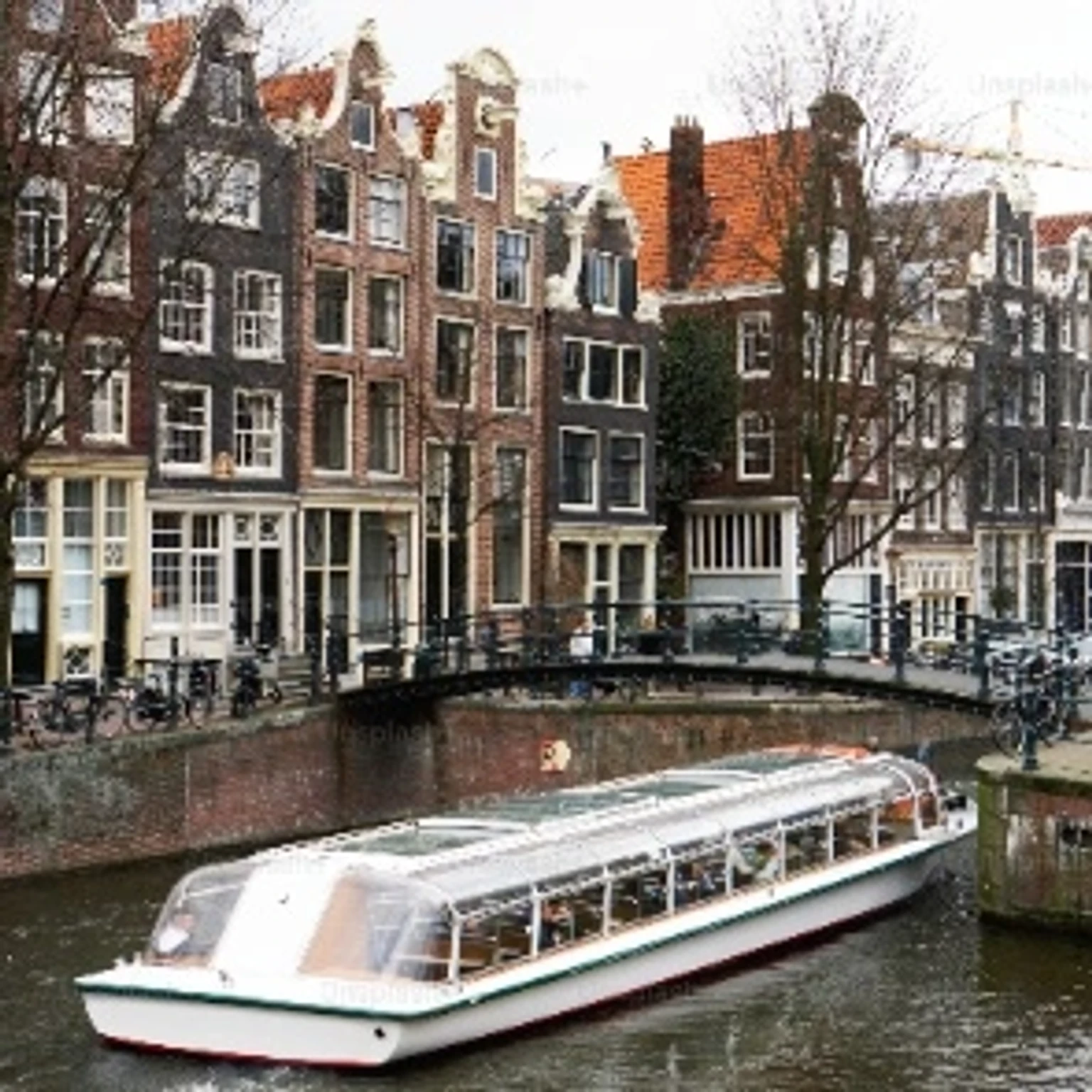


Many first-time visitors picture Europe based on films and Instagram, but a lot of those ideas are off the mark. People often believe you only need one visa, that there’s just one currency, that every city is a quick train ride away, and that a rail pass lets you hop on any train for free. These myths usually fall apart as soon as you start planning your Europe travel. The upside is that knowing the real facts makes your first visit to Europe much easier and can save you time and money. Here are some common myths that surprise newcomers, along with the facts you can trust from embassies, the European Commission, and rail operators. Use this as your myth-busting checklist before you book anything.
Myth 1: Europe Is One Country With One Currency

A common mistake is thinking that Europe, the EU, the Schengen Area, and the euro all mean the same thing. They are actually different groups, and confusing them can change your whole Europe travel plan.
- The European Union includes 27 countries, but just 21 use the euro. The Schengen Area is a different group, made up of 29 countries.
- Croatia joined the Schengen Area in 2023. Bulgaria and Romania became full members on January 1, 2025.
- Ireland is part of the EU but not in the Schengen Area. The UK is outside both groups and has its own entry rules.
- Beyond the euro, Switzerland uses francs, Poland the zloty, Hungary the forint and the Czech Republic the koruna.
Grouping | What it is | Count in 2026 | The catch for travellers |
European Union | Political and economic union | 27 countries | In the EU does not mean Schengen; Ireland opted out |
Schengen Area | One visa, no internal border checks | 29 countries | Your 90 days count across all of them combined |
Eurozone | Countries using the euro | 21 countries | Several EU and non-EU countries use other currencies |
Myth 2: Indians Can Get A Quick Online Permit Instead Of A Visa

There is a lot of news about ETIAS, but it does not affect Indian passport holders who are planning Europe travel.
- Indian passport holders still need a full Schengen short-stay (Type C) visa, and this requirement remains the same in 2026.
- ETIAS only applies to travellers who do not need a visa, so Indian passport holders are not eligible for it.
- ETIAS is not available yet. The launch was originally planned for late 2026, but it has been delayed and is now expected sometime in 2027. The EU will announce the exact date as it gets closer.
- The real answer to how to get a Europe travel visa is to apply through your main destination's consulate with a full document set. The visa to travel to Europe most Indians need is Type C.
Myth 3: Travel Insurance Is Optional

A lot of people think they can handle travel insurance for Europe at the last minute, but doing this can lead to your visa being refused.
- Travel insurance is required by the European Commission and every Schengen consulate follows this rule.
- Your insurance policy needs to cover at least €30,000 in medical expenses in all 29 member countries, and it must include repatriation.
- If you do not have a valid insurance certificate, your application will be rejected during the document check, before anyone reviews it.
- Purchase your insurance before you apply, keep both a digital and printed copy, and check that the euro amount is clearly shown on the certificate.
Myth 4: A Europe Travel Pass Covers Every Train For Free

A Europe travel pass is very useful, but it does not let you board any train without checking the rules first.
- Indian travellers should use the Eurail Global Pass. The Interrail Pass is only for people who live in Europe.
- If you want to take high-speed trains such as the TGV, AVE, Frecciarossa, or Eurostar, or any night train, you will need to pay for a reservation in addition to your pass.
- Most German and Austrian domestic intercity trains do not require reservations, so you can usually just get on and find a seat.
- If you know your travel dates and book early, buying separate tickets for certain trips can be better than using a pass, especially after adding reservation fees.
Myth 5: Solo Travel In Europe Is Risky

Europe is one of the easiest places in the world for first-time solo travellers, and solo travel in Europe is now more practical than ever.
- With plenty of trains, walkable city centres, and English spoken in most tourist spots, getting around on your own is simple.
- Most of the usual travel advice applies: keep an eye on your bag in crowds, have copies of your documents, and stick to well-lit areas at night.
- Travelling solo doesn’t mean being alone. Walking tours, day tours, and group activities make it easy to meet people wherever you go.
Myth 6: You Can See All Of Europe In One Week
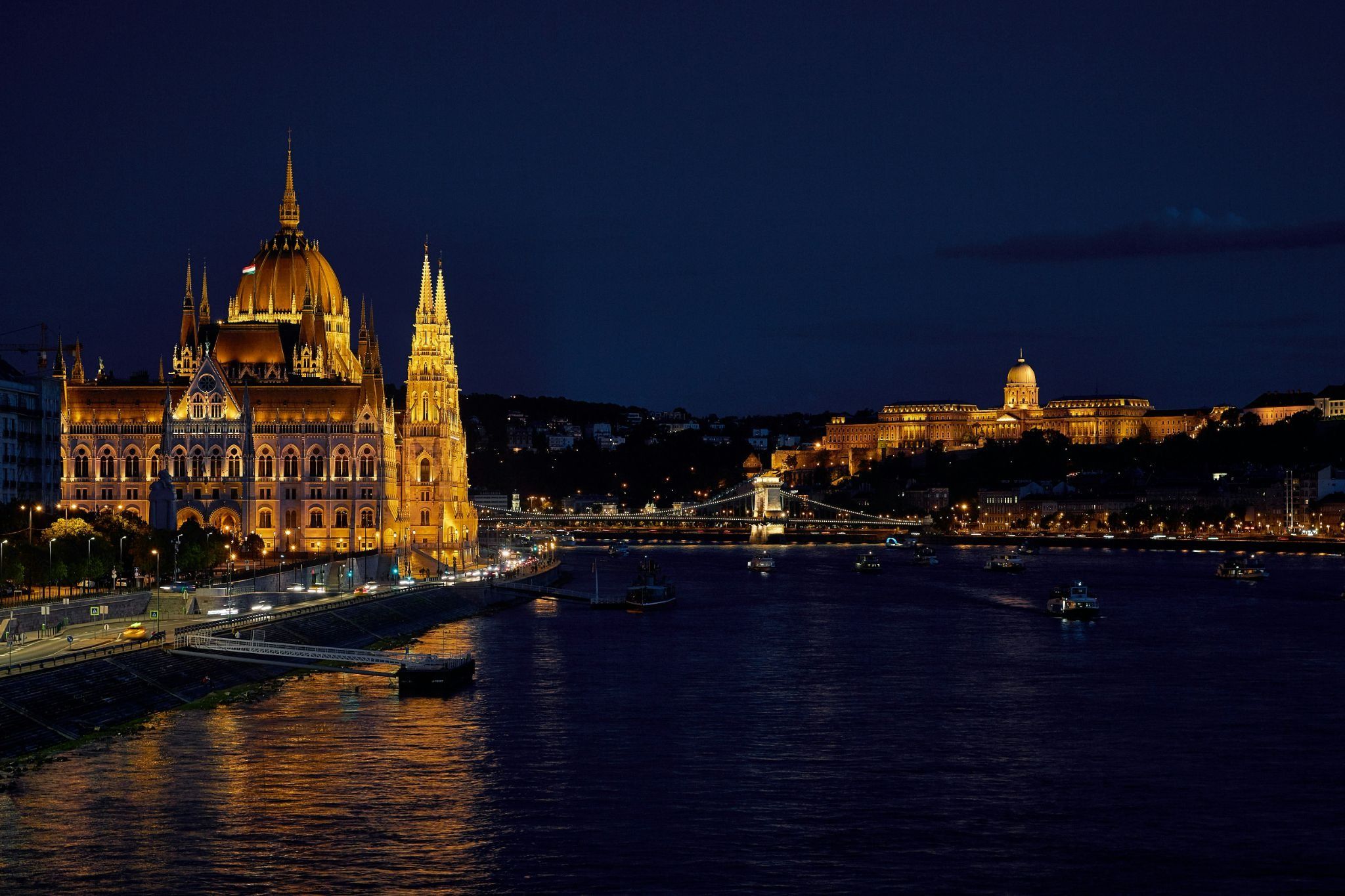
Europe might seem small on a map, but travelling between cities with your bags feels much different.
- The distances are longer than they appear, and crossing borders often takes up the time you hoped to spend at your destination.
- The Schengen rule lets you stay for 90 days within any 180-day period across the whole area, so you really don’t need to rush.
- For your first holiday, it’s best to pick two or three neighbouring countries and really enjoy them, like France and Switzerland or Italy and Austria.
- Some of the best places to travel in Europe are best enjoyed slowly. Spending a full day in Rome is better than rushing through five cities in one morning.
Myth 7: Everyone Across Europe Speaks English

English is useful in airports, hotels, and city centres, but once you leave the main tourist spots, it can be much harder to get by.
- In smaller towns, rural areas, and with older people in France, Italy, Spain, and Eastern Europe, English is much less common.
- Learning a few local phrases, like bonjour in France, grazie in Italy, or hola in Spain, shows respect and is always appreciated.
- Before your Europe travel, save your hotel address in the local language on your phone and download an offline translation app.
Tribe Travel Tip: Start your Schengen visa application about three to four weeks before your holiday at the consulate of your main destination. Bring both digital and printed copies of your insurance certificates. Once your travel dates are set, book your high-speed and night train tickets right away.
Getting Your First Europe Holiday Right
When you look past the myths, Europe travel becomes much simpler. All you need to do is understand the three travel zones, obtain the right Schengen visa, arrange your insurance before applying, know the limits of your rail pass, and create a realistic, enjoyable itinerary. Holiday Tribe is here to help with this kind of planning. As holiday advisors, we create custom, land-only Europe travel plans based on real information, from visa requirements to daily schedules and the best places to travel in Europe for your travel style. Just tell us how you like to travel, and we will design a plan that fits you.