

The truth about Greek food is simple: it tastes best in Greece, and that has little to do with fancy presentation. Seated at a plastic table by the sea, enjoying a dish made from a family recipe. That’s all you need. Greek food is all about a few simple ingredients done really well: good olive oil, ripe tomatoes, sharp cheese, oregano, lemon, and patience. Meals are long, lively, and meant for sharing, so it’s rare to order just one dish for dinner. This guide will show you what to order, from classic plates to street food and even the desserts you might not expect. Bring your appetite.
What Is Greek Food Actually About?
Greek food is more about how you eat than just what you eat. At the centre is the meze table, where many small plates are set out for everyone to share. There’s no hurry and no strict order. Usually, you’ll see eight to twelve little dishes for friends to enjoy together, from tzatziki and olives to some warm bites. The plates are kept small on purpose, and the meal moves at a relaxed, easy pace.
- Sharing is the norm. People fill the table with food and everyone helps themselves.
- Meals often start late. In Greece, dinner usually begins around 9 or 10 at night, and sometimes even later during the summer.
- Hospitality is important and even has its own word: philoxenia. This means treating every guest with warmth, and it often shows up as a free dessert at the end of the meal.
All of this is part of the Mediterranean diet, which UNESCO has named an Intangible Cultural Heritage of Humanity. Simply put, it means lots of vegetables, olive oil, legumes, fish, and hardly any processed foods.
Which Are the Most Famous Greek Food Dishes to Order?
If you have just a week in Greece, these are famous Greek foods you should try to include in your meals. They are all simple to make, and that's what makes them special.
Moussaka
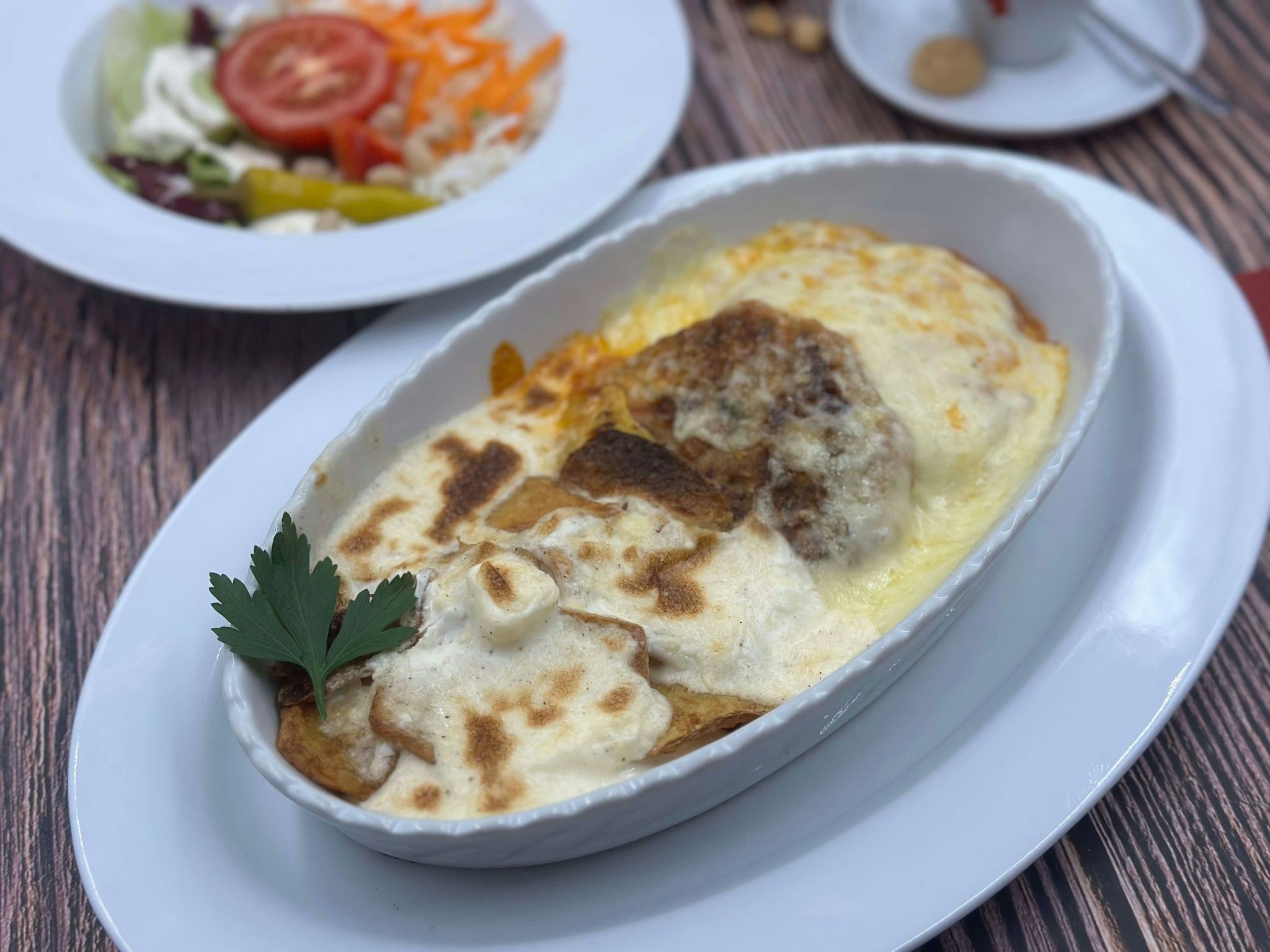
Moussaka is Greece's most famous baked dish, made with layers of eggplant, spiced minced meat, and a golden béchamel topping. It's quite rich, so enjoy it as a main course with a salad on the side. Many people even call it the national dish of Greece.
Souvlaki vs Gyros
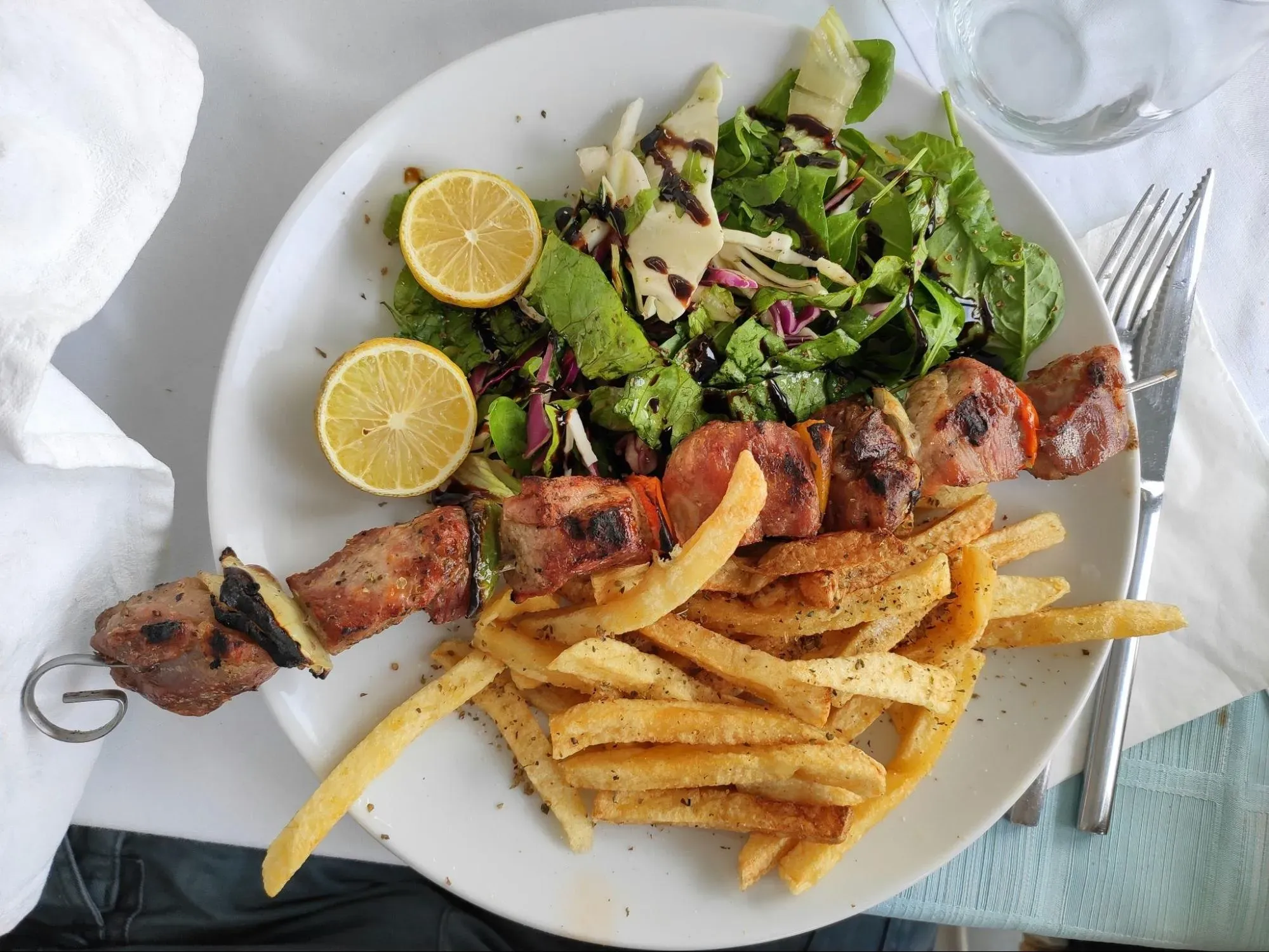
These two are often confused, so here is a clear explanation.
Dish | How it is cooked | How it is served |
Souvlaki | Small chunks of meat skewered and grilled over charcoal | On the skewer with sides, or wrapped in pita |
Gyros | Meat stacked on a vertical rotisserie and shaved thin | Almost always in a pita with tomato, onion, chips and tzatziki |
Gyros is made by stacking meat on a vertical spit and slicing it thin, while souvlaki uses small pieces of meat grilled on skewers over charcoal. Both are usually made with pork or chicken, and grabbing a warm pita-wrapped one is a classic way to start your visit. Cooking meat on skewers has a long history here, with mentions in Homer’s writings and ancient Greek skewers found by archaeologists.
Pastitsio And Kleftiko
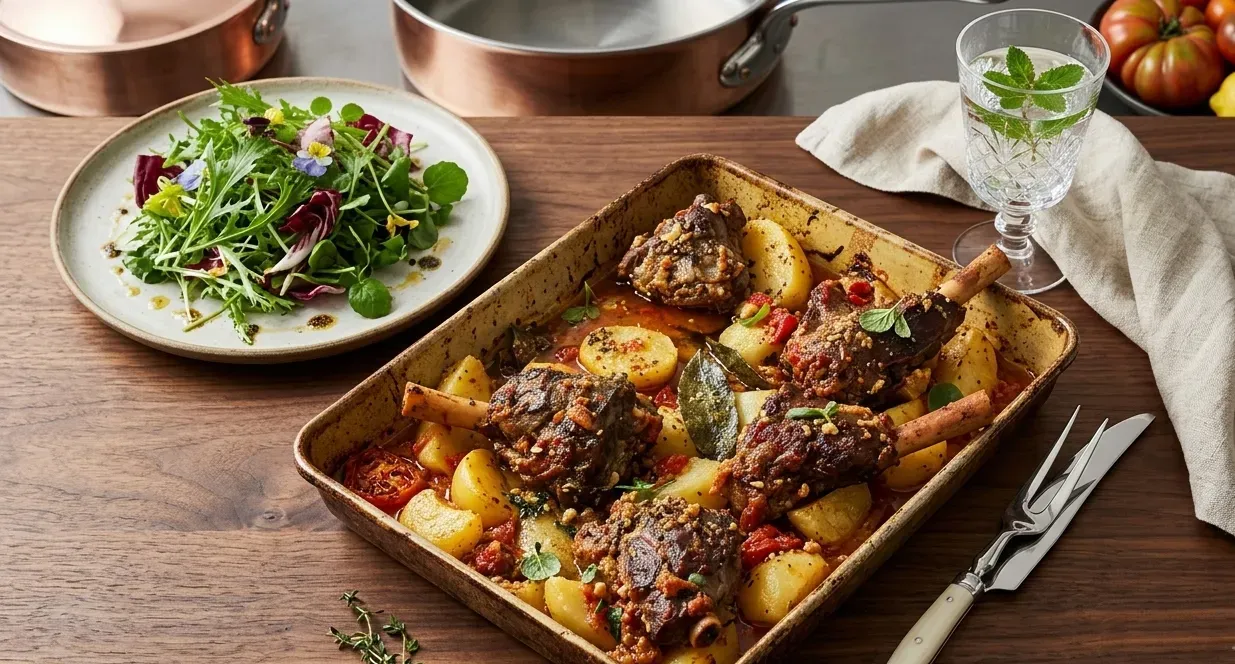
Here are two more main dishes you should know about. Pastitsio is Greece’s version of baked pasta, made with tubular noodles, spiced meat sauce, and béchamel. Its warm spices make it different from Italian baked pasta. Kleftiko is bone-in lamb shoulder, wrapped up and slow-cooked for hours until it’s tender and falls apart. Both dishes are classic comfort food.
Spanakopita
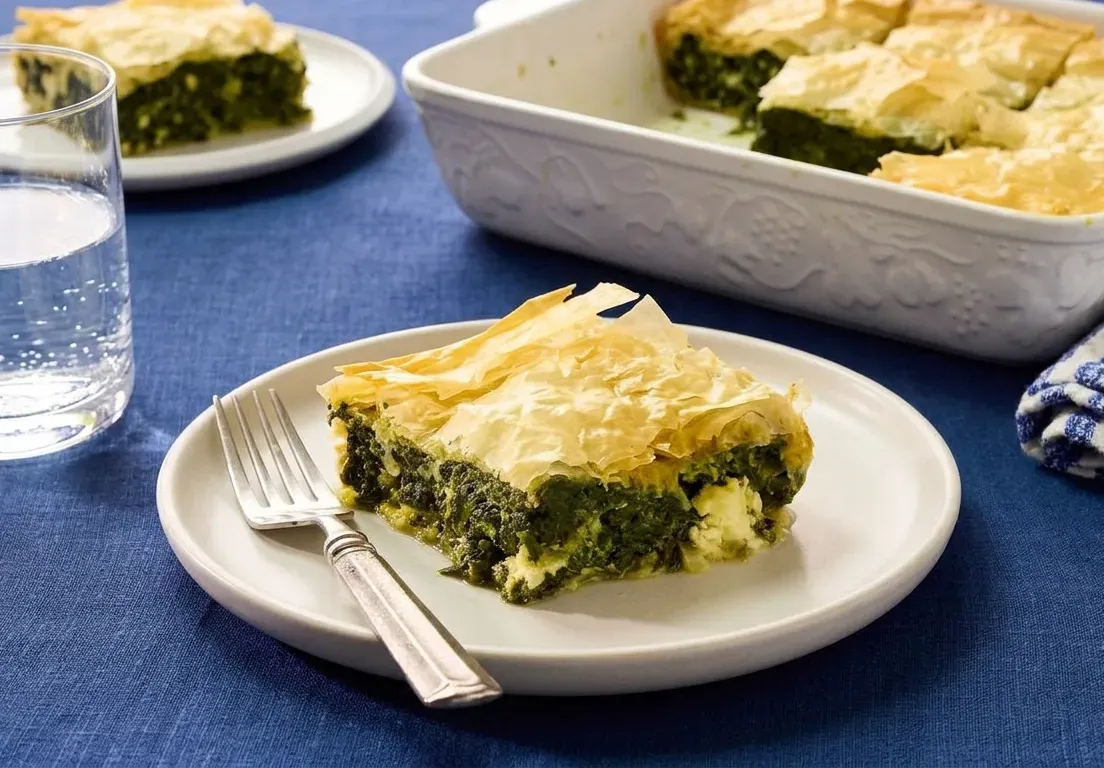
This flaky filo pastry is filled with spinach, feta, onions, and fresh herbs such as dill and spring onion. You can find it sold hot as a snack almost everywhere. Its cousin, tiropita, uses cheese instead of greens.
What Traditional Greek Food Should Vegetarians Look For?
Greece is a fantastic place for vegetarians. Many traditional Greek foods are naturally plant-based because of the ladera style, where vegetables are slowly cooked in olive oil.
- Horiatiki (Greek salad): It includes tomato, cucumber, green pepper, Kalamata olives, and a slab of feta on top. There is never any lettuce.
- Fava: This is a smooth split-pea purée, and it is especially good on Santorini.
- Dolmades: Vine leaves stuffed with rice and herbs.
- Gemista: Tomatoes and peppers baked with rice inside.
- Dakos: Dakos is a Cretan barley rusk that is softened with grated tomato and olive oil, then topped with crumbled feta cheese.
What About Feta and the Classic Greek Food Staples?
Cheese is always part of any good Greek food conversation because it is a classic Greek food. Feta stands out as the star and has held PDO (Protected Designation of Origin) status since 2002, meaning only feta from Greece is the real deal. Many traditional cooks prefer feta made from sheep's milk because it is firmer and has a stronger flavour.
- Saganaki: This is cheese pan-fried until it turns golden and crisp around the edges.
- Graviera: This is a firmer, nuttier table cheese that is especially popular in Crete and Naxos.
- Kefalotyri: Greece's favourite hard cheese for grating over meat dishes.
Which Greek Desserts and Drinks Should You Save Room For?
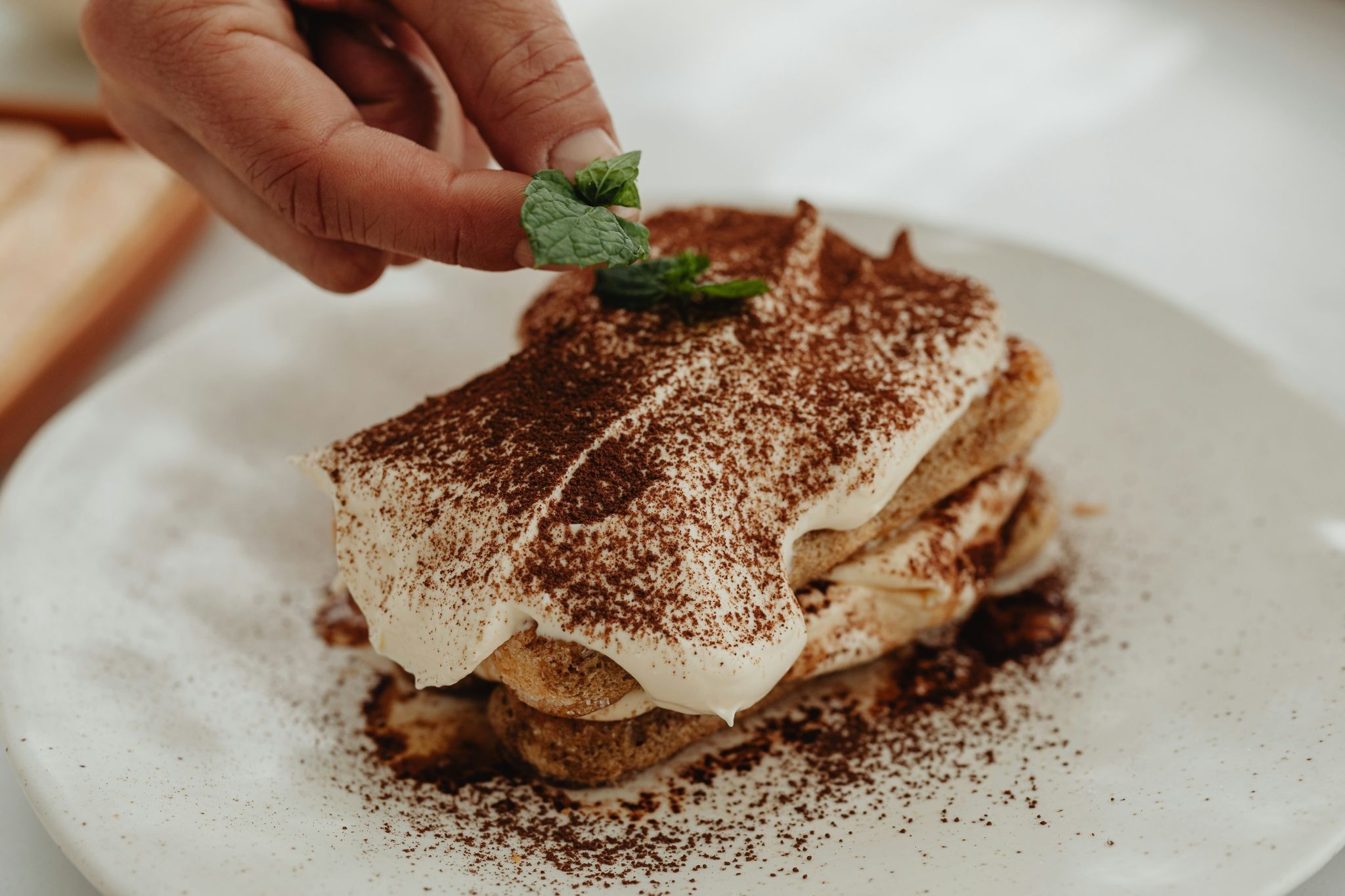
Some of the best Greek food comes at the end of the meal.
- Baklava: Made with layers of filo pastry, nuts, and syrup. In Athens, it’s usually filled with walnuts or almonds, while in the north and on some islands, pistachios are more common.
- Loukoumades: These are small fried dough balls covered in honey, cinnamon, and walnuts. They’re often enjoyed as a sweet treat after dinner.
- Galaktoboureko: It has semolina custard baked between layers of filo pastry, then soaked in a sweet citrus syrup.
- Bougatsa: This is a favourite in Thessaloniki, made with either custard or cheese wrapped in crisp pastry.
When it comes to drinks, coffee is a big part of life in Greece. The frappé, a frothy iced coffee served in a tall glass, was created in 1957 in Thessaloniki by Dimitris Vakondios, a Nescafé representative, who mixed instant coffee with cold water after he ran out of hot water. If you order one, plan to sit and relax for a while. Tavernas also serve ouzo or local wine with meals, but for most travellers, the daily coffee ritual stands out the most.
Do Greek Food Items Change From Island to Island?
They really do. Greek food items change depending on where you are, and discovering these differences is part of the fun.
- Santorini: You’ll find fava, white eggplants, and tomatokeftedes, which are tomato fritters.
- Crete: Here, you can try dakos, graviera cheese, and rusks. People often say the Cretan diet is the original Mediterranean diet.
- Thessaloniki: Bougatsa is a must, along with some of the country’s best sweets.
- Naxos: This island is famous for its cheese and potatoes.
Greek Food at a Glance: A Quick Order Guide
If you’re low on time or feeling tired of making decisions, use this.
If you want | Order this |
A quick lunch on the go | Gyros or souvlaki pita |
A proper sit-down main | Moussaka or pastitsio |
Something vegetarian | Horiatiki, fava or gemista |
A sweet finish | Baklava or loukoumades |
A drink and a long sit | Frappé |
Tribe Travel Tip: Avoid the restaurants near the main squares that have photo menus and staff trying to pull you in. Instead, head a few streets away, find places with handwritten menus and lots of locals, and try the daily specials. That’s where you’ll find real Greek food.
What Should Land On Your Plate First?
Here’s the short version: arrive hungry, order more than you think you should, and let the table fill up. Greek food is all about curiosity, so try something you can’t pronounce, enjoy a long, slow lunch, and end with a sweet dessert.
When you’re ready to make this a real holiday, planning makes all the difference. Holiday Tribe creates custom Greece itineraries based on your travel style, matching the best islands, seasons, and food experiences to your getaway. We take care of the details, so you can focus on enjoying the baklava.