

If you have ever wondered what the coldest corner of India actually feels like, Drass has the answer. Situated in a quiet valley on the Srinagar to Leh highway, this small Ladakhi town holds the record for the lowest inhabited temperatures the country has ever recorded, and yet people have called it home for generations. Snow-capped peaks watch over willow groves and army memorials here, and the wind carries stories of both survival and sacrifice.
Whether you are planning a Ladakh vacation and want an offbeat stop, or you are drawn purely by the idea of standing somewhere this cold, Drass rewards anyone willing to make the detour. This guide walks you through everything you need before you set off, from the weather and the roads to where you can rest your head for the night.
What Makes Drass the Coldest Inhabited Town in India?
Drass sits at an elevation of roughly 10,800 feet (about 3,280 metres) in the Drass valley of the Kargil district in Ladakh. It marks the start of the region once you cross the Zojila Pass from the Kashmir side, which is why locals often call it the gateway to Ladakh. Despite the harsh Drass altitude and brutal winters, a small community of around 22,000 people, mostly Dardic and Balti families, has lived here for generations, earning the nickname Guardians of Ladakh for the way they kept watch over this route between Kashmir and Ladakh.
The town recorded a temperature of minus 60 degrees Celsius in January 1995, which remains the coldest ever measured in an inhabited part of India and among the coldest anywhere outside Siberia. That single fact tells you almost everything about why Drass, Ladakh draws curious visitors year after year, even though most of them time their visit for warmer months.
Here is a quick overview of Drass before you plan your route:
Highlight | Detail |
District | Kargil, Ladakh |
Altitude | Approx. 10,800 ft (3,280 m) |
Coldest recorded temperature | -60°C (January 1995) |
Population | Around 1,200 |
Known as | Gateway to Ladakh |
Tribe Travel Tip: Spend a night in Kargil before heading into Drass valley. It gives your body a gentler transition to the altitude and a warmer place to rest before the cold really sets in.
What Is the Drass Weather Like Through the Year?
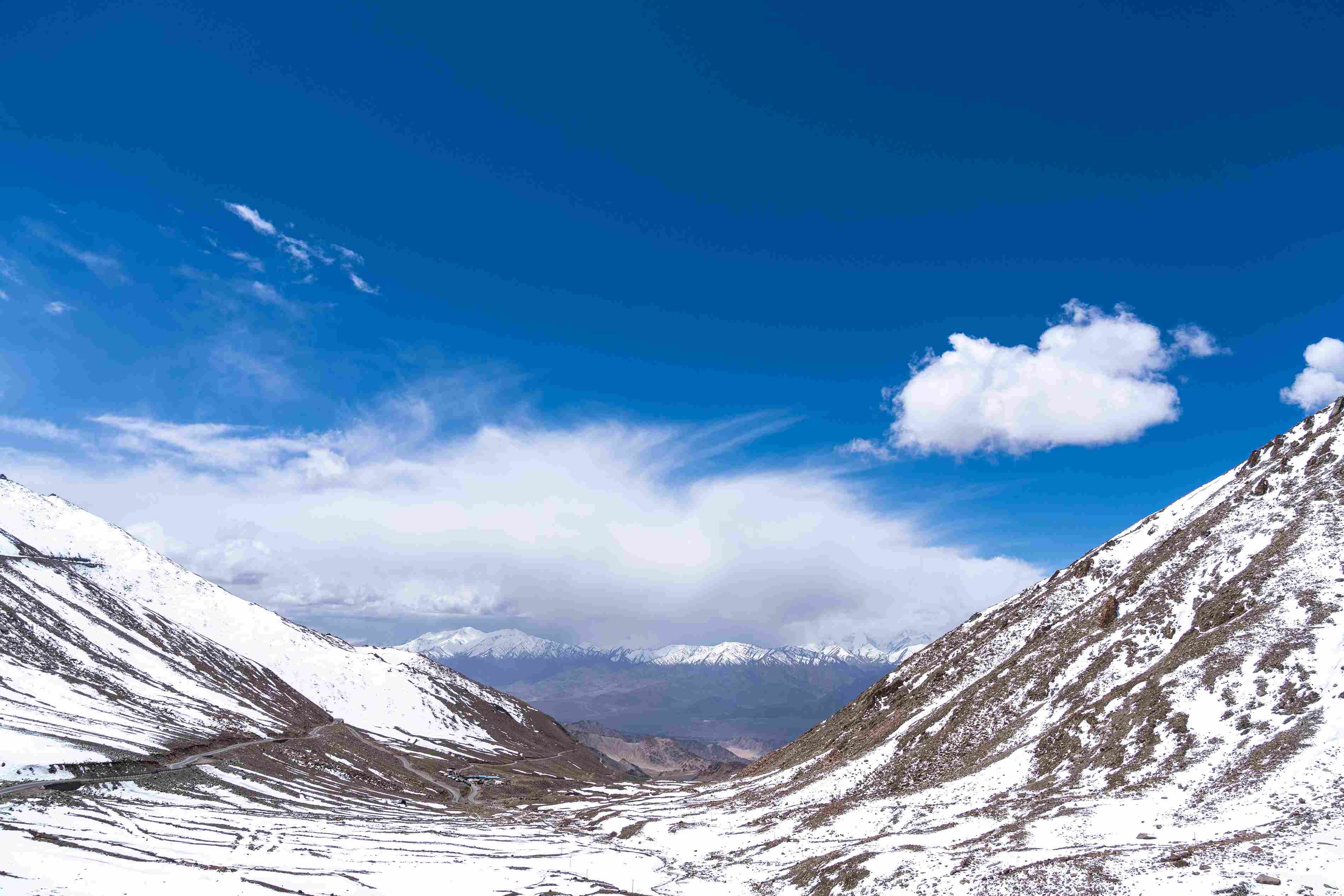 Drass weather swings between two extremes. Summers are short and mild, while winters stretch on for months and drop to some of the lowest temperatures recorded anywhere in India. Because the town sits in a cold desert pocket of Ladakh, the air stays dry for most of the year, and rainfall is minimal even during the monsoon.
Season | Avg. Day Temp | Avg. Night Temp |
Summer (June to September) | 15°C to 20°C | 2°C to 8°C |
Autumn (October) | 5°C to 12°C | -5°C to -10°C |
Winter (December to February) | -7°C to -15°C | -20°C to -45°C |
Spring (March to May) | 0°C to 10°C | -10°C to -18°C |
Months to Avoid in Drass
Late November through March brings temperatures well below freezing, frequent snowfall and, at times, a highway that shuts down completely. Unless you are prepared for an expedition-style winter escape, it is best to plan around this window.
When Is the Best Time to Visit Drass?
If someone asks you the best time to visit Drass, June through September is the simplest answer. The highway is fully open, the days are mild enough for sightseeing, and the valley's greener side is on full display. Early October still works if you do not mind a sharper chill in the evenings.
May and June can work too, especially if your route into Ladakh already starts from Kashmir, though you should expect cooler nights and the odd lingering snow patch near Zojila Pass. Winter travel, while possible for the well-prepared, isn't something most people on a first Ladakh vacation should plan around.
How Far Is Drass from Leh, and How Do You Reach It?
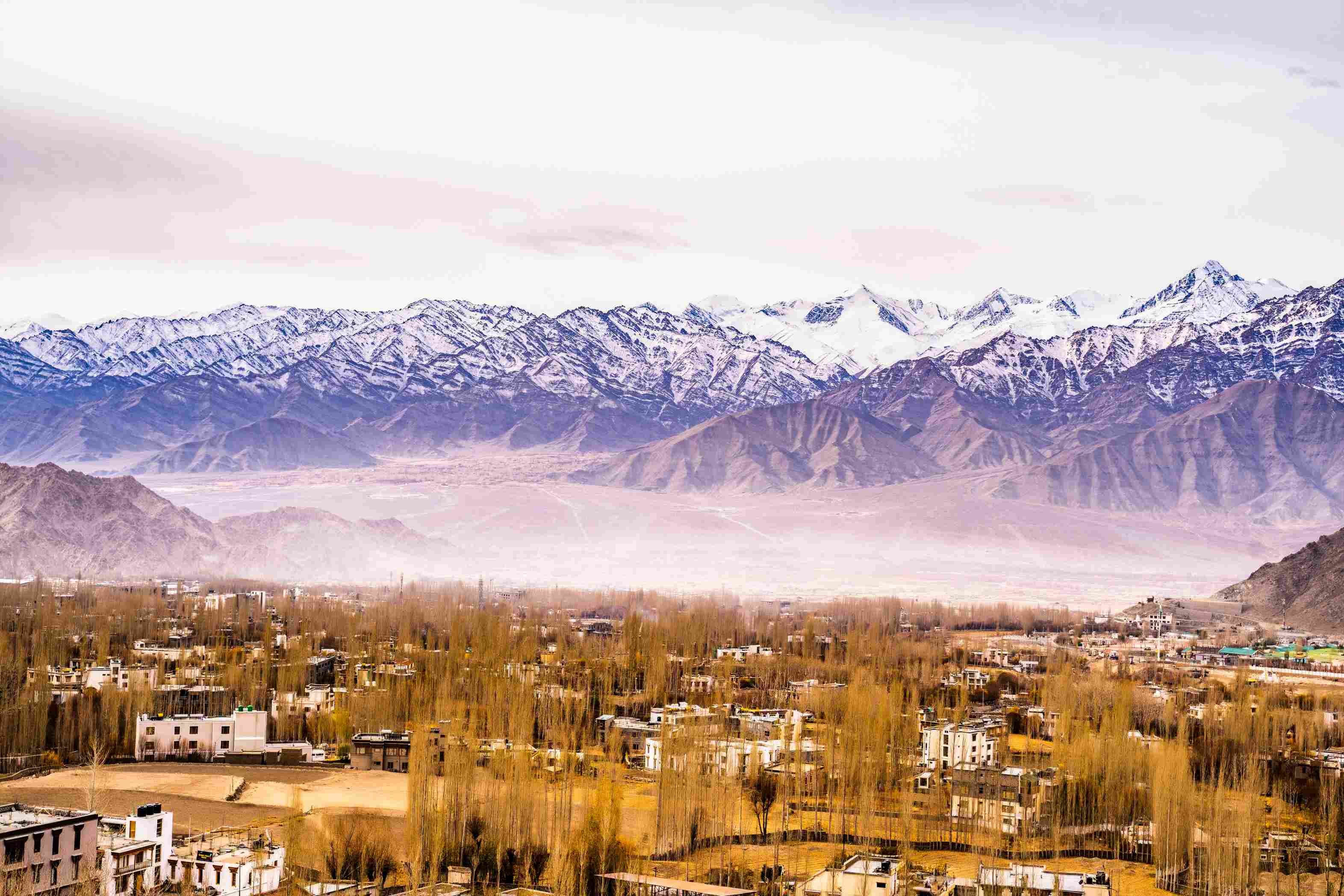 The Leh to Drass distance is roughly 280 kilometres by road, and the drive usually takes 8 to 10 hours, depending on stops, weather, and how the Zojila Pass is behaving that day. Most travellers break the journey with an overnight stay in Kargil rather than attempting it in one stretch, which also helps with acclimatisation.
Route | Approx. Distance | Approx. Time |
Leh to Drass (via Kargil) | 270–280 km | 8–10 hours. |
Kargil to Drass | ~60 km | 1.5 to 2 hours |
Srinagar to Drass | ~140 km | 4 to 5 hours |
If you are flying in, Srinagar's airport sits closer to Drass than Leh's, so a Srinagar to Ladakh route can actually shave a few hours off your road journey. Either way, once you cross Zojila Pass, the road descends into the Drass valley, and the change in scenery, from Kashmir's green slopes to Ladakh's stark peaks, is hard to miss.
Tribe Travel Tip: Keep your fuel tank topped up before Zojila Pass. Stations get scarce once you are through, and running low here is not something you want to deal with at this altitude.
What Are the Best Places to Visit in Drass?
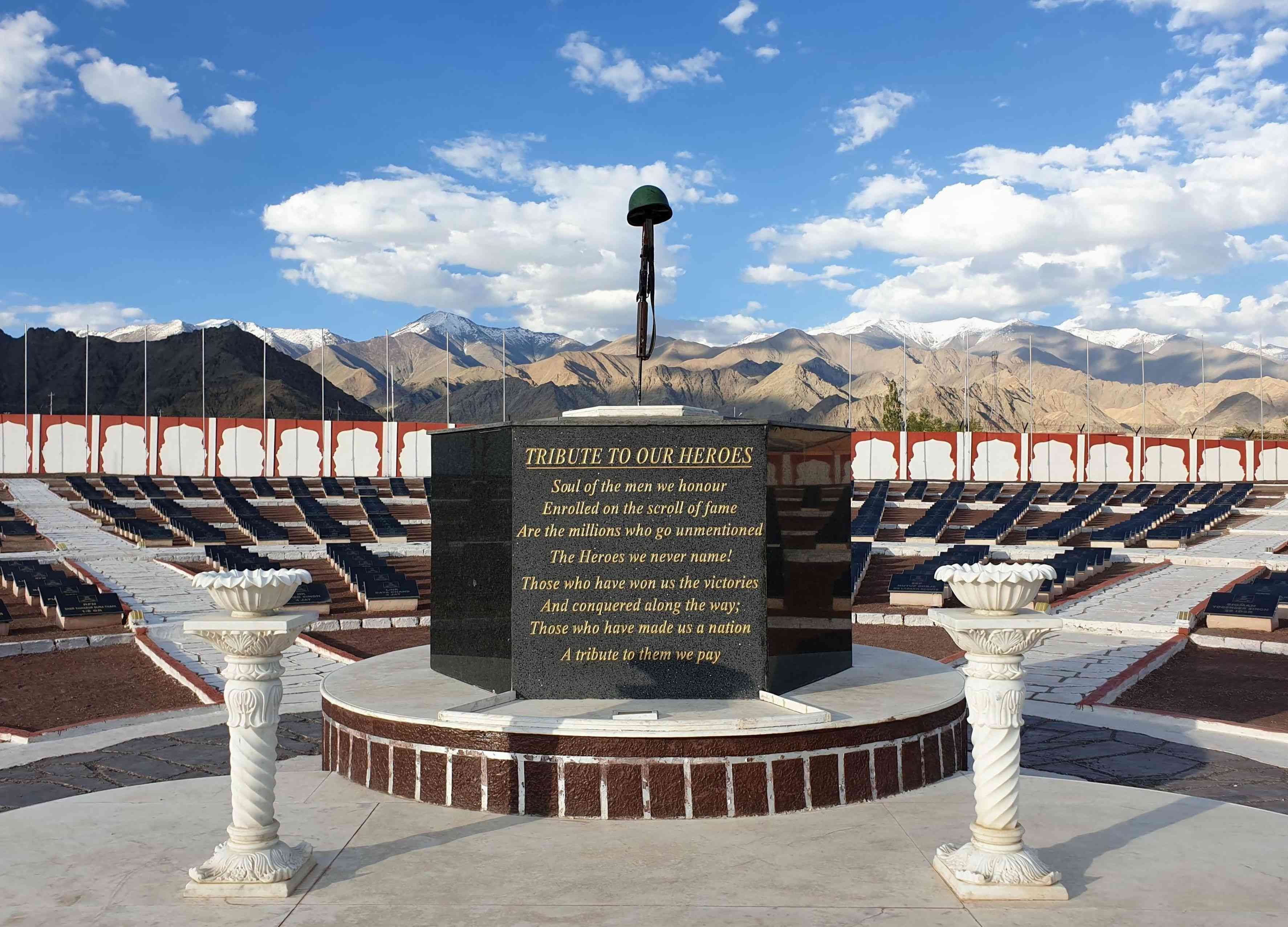 Most people associate places to visit in Drass with its wartime history, and rightly so, but the valley has more layers than that once you look closer.
- Kargil War Memorial (Vijaypath): Built at the foothills of Tololing Hill, this memorial honours the soldiers who fought in the 1999 Kargil War. A wall lists the names of the fallen, and a small museum tells their stories.
- Tiger Hill: Rising to about 17,411 feet, Tiger Hill was one of the fiercest battlegrounds of the war and now offers sweeping views over the valley, especially around sunset.
- Tololing Hill: Another key site from the conflict, standing quietly above the memorial as a reminder of what was fought for here.
- Bhimbet Stone: A large rock near Drass linked to the Mahabharata, said to have been thrown here by Bhima. Local folklore says the surrounding soil has healing qualities.
- Mushkoh Valley: Known as the flower valley, this stretch blooms with wild blossoms in summer and offers a gentler, greener side of the region.
- Draupadi Kund: A sacred lake around 18 kilometres from town, tied to legends of the Mahabharata and worth the short detour if you enjoy folklore-linked spots.
Tribe Travel Tip: Visit the Kargil War Memorial early in the day. It tends to be quieter before the afternoon rush of vehicles heading towards Leh.
What Are the Best Things to Do in Drass?
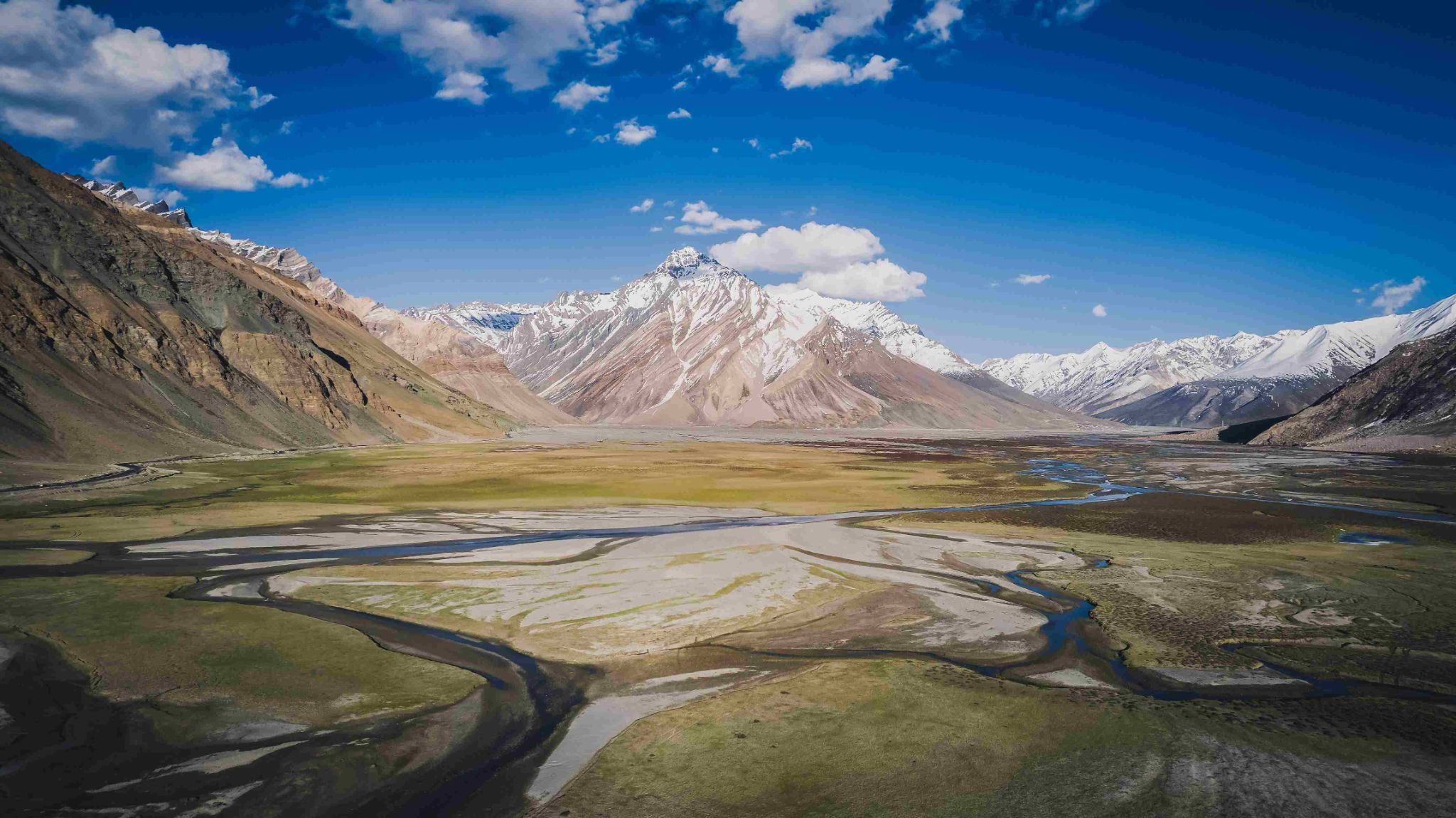 Beyond sightseeing, there are several things to do in Drass that suit different kinds of travellers.
- Trek toward Suru Valley: Drass often serves as the starting point for this multi-day trek through meadows and past the Umbala Pass.
- Photograph the extremes: Between snow-dusted peaks in one season and wildflowers in another, Drass gives photographers a varied canvas year-round.
- Learn the region's wartime history: Spend an unhurried hour at the war memorial's museum rather than rushing through.
- Meet the local community: The Dardic and Balti families here have shaped this valley for centuries, and a short conversation at a local shop or teahouse often reveals more than any guidebook.
- Stargaze after dark: With almost no light pollution and thin, dry air, clear nights in Drass offer some of the sharpest skies you will see on a Ladakh vacation.
- Use it as an acclimatisation stop: If you are heading further into Ladakh, a night in Drass valley eases the jump in altitude before you reach Leh.
Where Can You Stay in Drass?
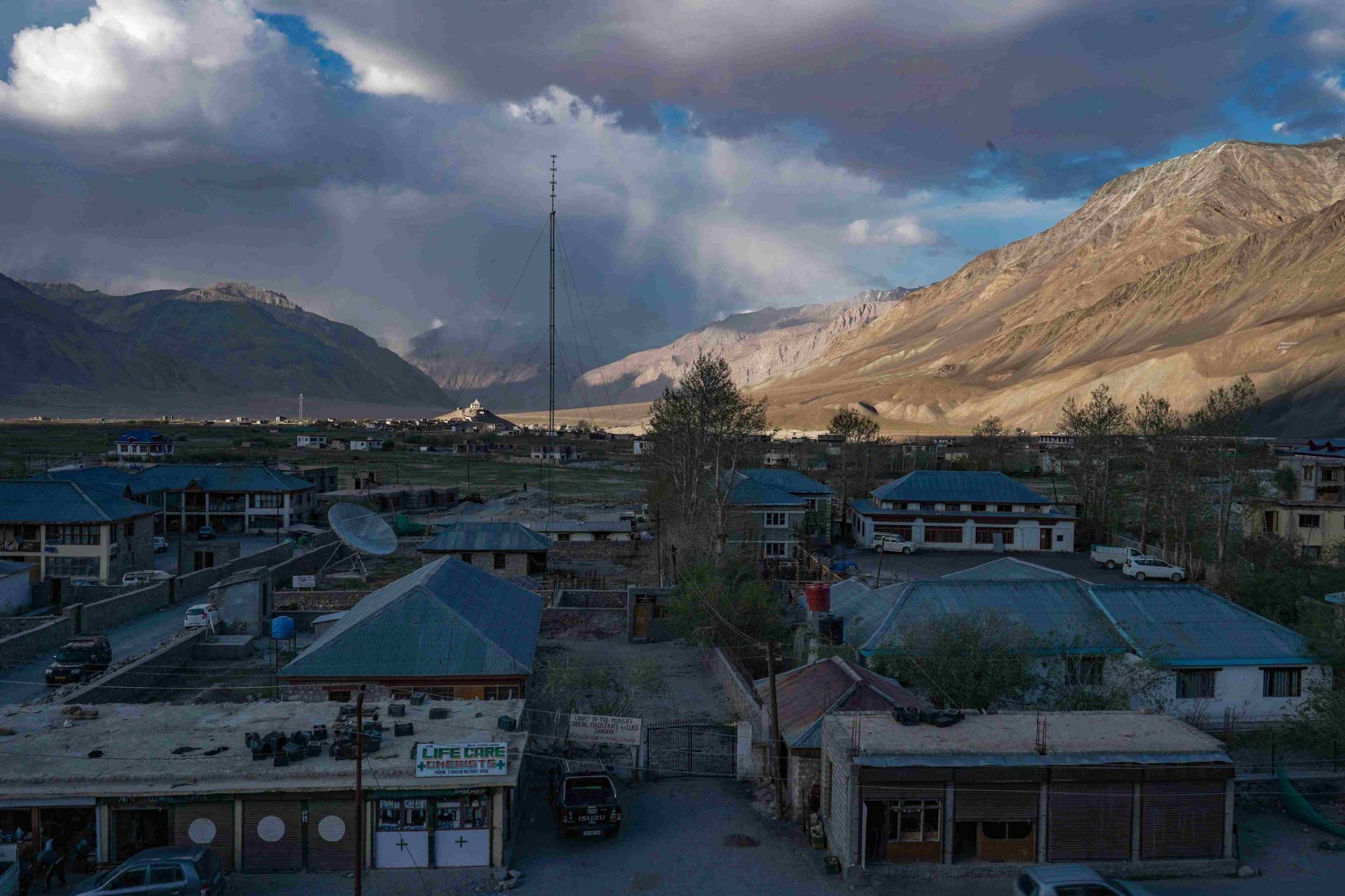 Drass hotel options are limited compared to Leh or Kargil, since this is still a small town built around a highway rather than a resort circuit. A handful of guesthouses and basic stays cover the essentials, and most travellers who want more variety base themselves in Kargil, about an hour and a half away, and visit Drass on a day tour instead.
Type of Stay | What it Offers |
Local guesthouses | Simple rooms, home style meals, warm hospitality |
Basic lodges | Attached bathrooms, limited hot water, functional comfort |
Kargil hotels (nearby) | Wider choice of rooms, better amenities, easy day access to Drass |
Whichever option you pick, keep expectations modest. Drass is about the landscape and the history it holds, not about luxury stays.
Conclusion
Between its record-breaking cold, its wartime history and the quiet resilience of the people who call it home, Drass proves it’s more than just a short stop on any vacation. Whether you are drawn by the Kargil War Memorial, the meadows of Mushkoh Valley, or simply the idea of standing somewhere this cold, this small Ladakhi town is a must-visit on your Ladakh adventure.
An escape to Ladakh can be a bit of a hassle to plan, which is where Holiday Tribe comes in, with customised Ladakh travel packages that cover itineraries, stays, transfers and optional flight assistance so you can focus purely on the adventure. Get in touch to book your vacation today!