

If you have ever wanted to see Kyoto at its most alive, July is the month to go. Every July, Kyoto takes on a festive atmosphere as neighbourhoods across the city celebrate Gion Matsuri. Streets fill up, floats rise across the city, and the aroma of festival food fills the air.
This is the Gion Matsuri, a month-long festival with roots going back over 1,000 years. It takes place across central Kyoto every July and draws visitors from all over Japan and the world. You can come for the grand float parades, the lively night markets, or just the atmosphere.
This guide covers everything you need to know before attending. You will find dates, key events, food to try, and practical tips to help you plan your holiday.
What Is the Gion Matsuri Festival?
The Gion Matsuri festival is a Shinto-rooted celebration held every July in Kyoto, centred around Yasaka Shrine. It began in 869 when the people of Kyoto held rituals to pray for relief from an epidemic.
The festival's best-known events are the Yamahoko processions, featuring 33 beautifully decorated Yama and Hoko floats that are recognised as Important Tangible Folk Cultural Properties of Japan.
In 2009, the Yamahoko float ceremony of the Gion Matsuri was inscribed on UNESCO's Representative List of the Intangible Cultural Heritage of Humanity. Today, it remains one of Japan's three great festivals, alongside Osaka's Tenjin Festival and Tokyo's Kanda Festival.
When and Where Does the Gion Matsuri Take Place in 2026?
The Gion Matsuri in Kyoto runs for the entire month of July, from July 1 to July 31. Major public-facing events and float construction activities begin around July 10, while festival ceremonies take place throughout July. This includes float construction, which starts in the Shijo-Karasuma area from July 10.
The two most important dates are July 17 (First Float Procession) and July 24 (Second Float Procession). For the full night festival experience, the Yoiyama evenings on July 14-16 and July 21-23 are the ones to plan around. Most events take place in central Kyoto, around the streets of Shijo, Kawaramachi, and Oike, with key ceremonies held at Yasaka Shrine.
Kyoto is one of the highlights in our Places to Visit in Japan guide, and Gion Matsuri is one of the best times to experience the city at its most vibrant.
Date | Event | Location |
July 10 | Public events begin / Float Construction starts | Shijo-Karasuma area |
July 14-16 | Yoiyama: Night Festival (Saki Matsuri) | Shijo, Karasuma, Muromachi streets |
July 17 | First Float Procession (Yamahoko Junko) | Shijo-Karasuma to Oike |
July 17 (evening) | Shinkosai: Mikoshi Procession | Yasaka Shrine to Shijo Otabisho |
July 18-21 | Float Construction (Ato Matsuri) | Shijo-Karasuma area |
July 21-23 | Yoiyama: Night Festival (Ato Matsuri) | Shijo, Karasuma streets |
July 24 | Second Float Procession + Hanagasa Junko | Karasuma Oike to Shijo |
July 24 (afternoon) | Kankosai: Mikoshi Return | Shijo Teramachi to Yasaka Shrine |
July 30 | Purification at Eki Shrine (Ekijin-sai) | Eki Shrine, Yasaka Shrine grounds |
Which Gion Festival Events Should You See?
Here are the four Gion festival events worth knowing before you go.
Yoiyama: The Night Festival (July 14-16 and 21-23)
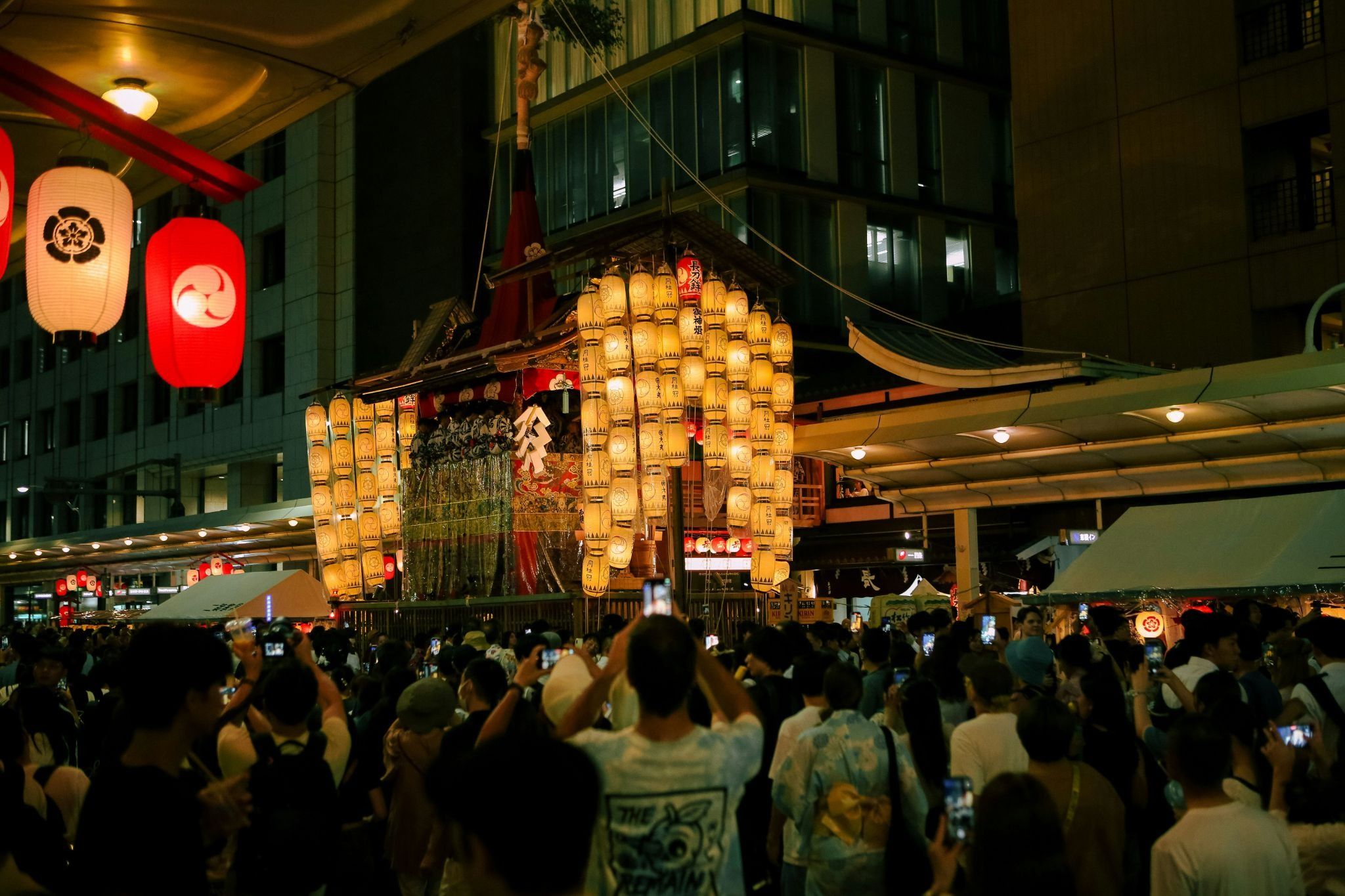
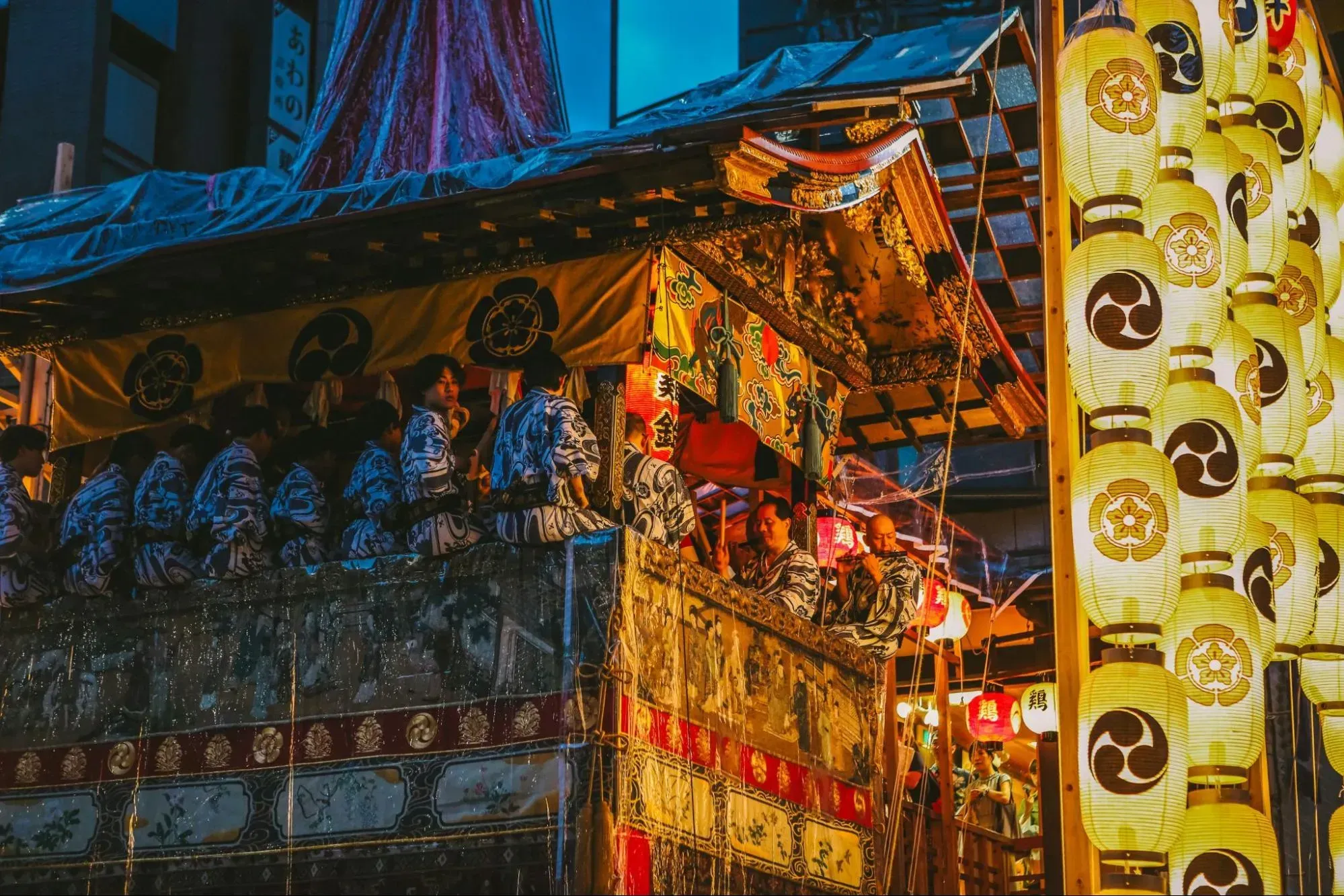
Yoiyama is when central Kyoto truly comes alive. Streets close to traffic, food stalls line the streets, and the illuminated floats go on full display. You will see crowds dressed in yukata, picking up lucky charms and chimaki (traditional bamboo charms).
Alongside the street festival, the Byobu Matsuri (Folding Screen Festival) takes place in the Shinmachi and Muromachi neighbourhoods, where local families open their homes to show heirloom folding screens. For smaller crowds, the Ato Matsuri Yoiyama on July 21-23 is the calmer option.
Float Construction (July 10-14 and 18-21)
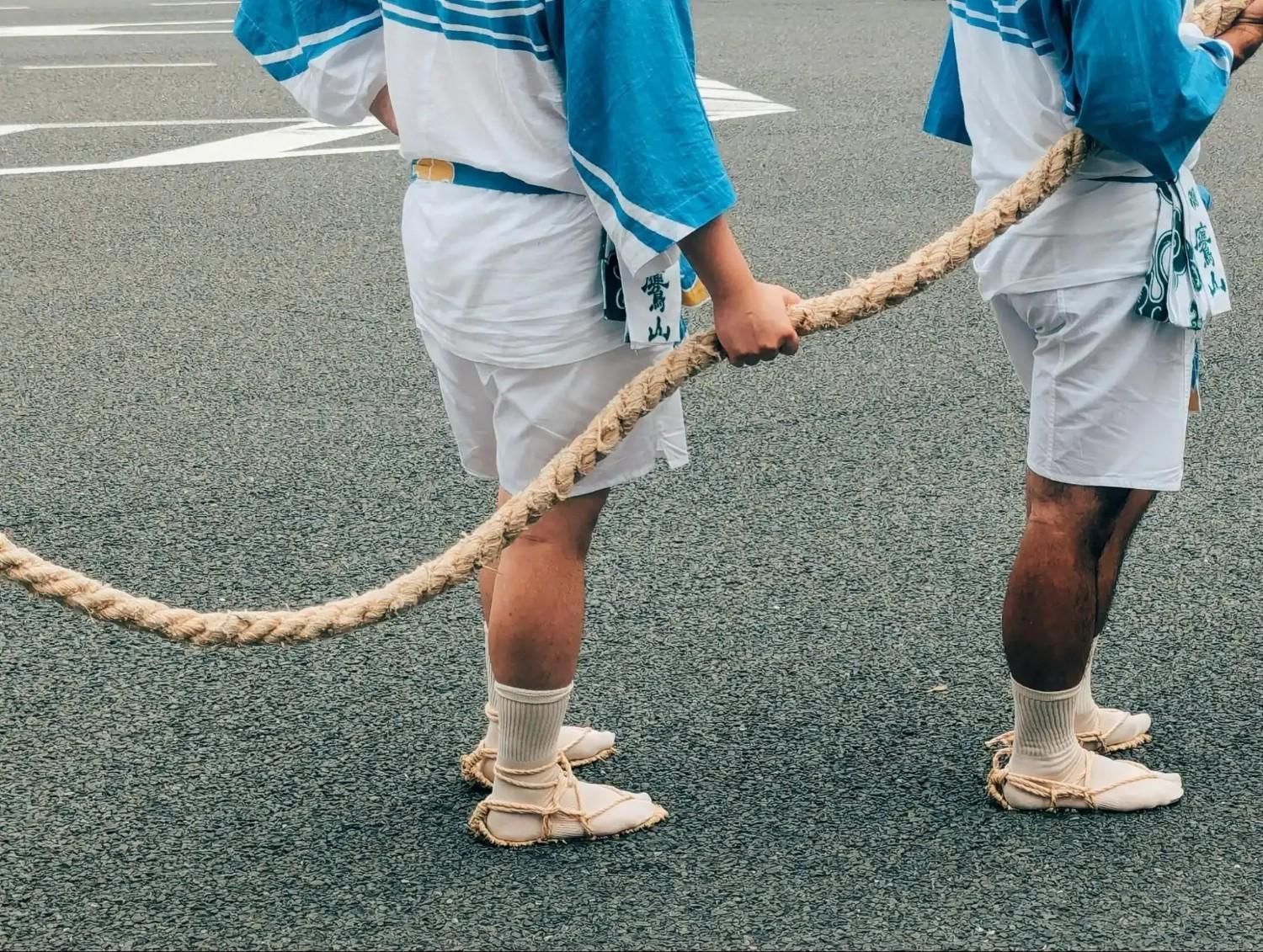
Watching float construction is one of the more underrated parts of the festival. The floats are built entirely by hand, using traditional rope-binding techniques passed down over generations rather than nails. Some floats weigh up to 12 tons.
You can watch float construction in progress around the Shijo-Karasuma area, and the whole process takes several days to complete.
The Yamahoko Junko: Float Processions (July 17 and 24)
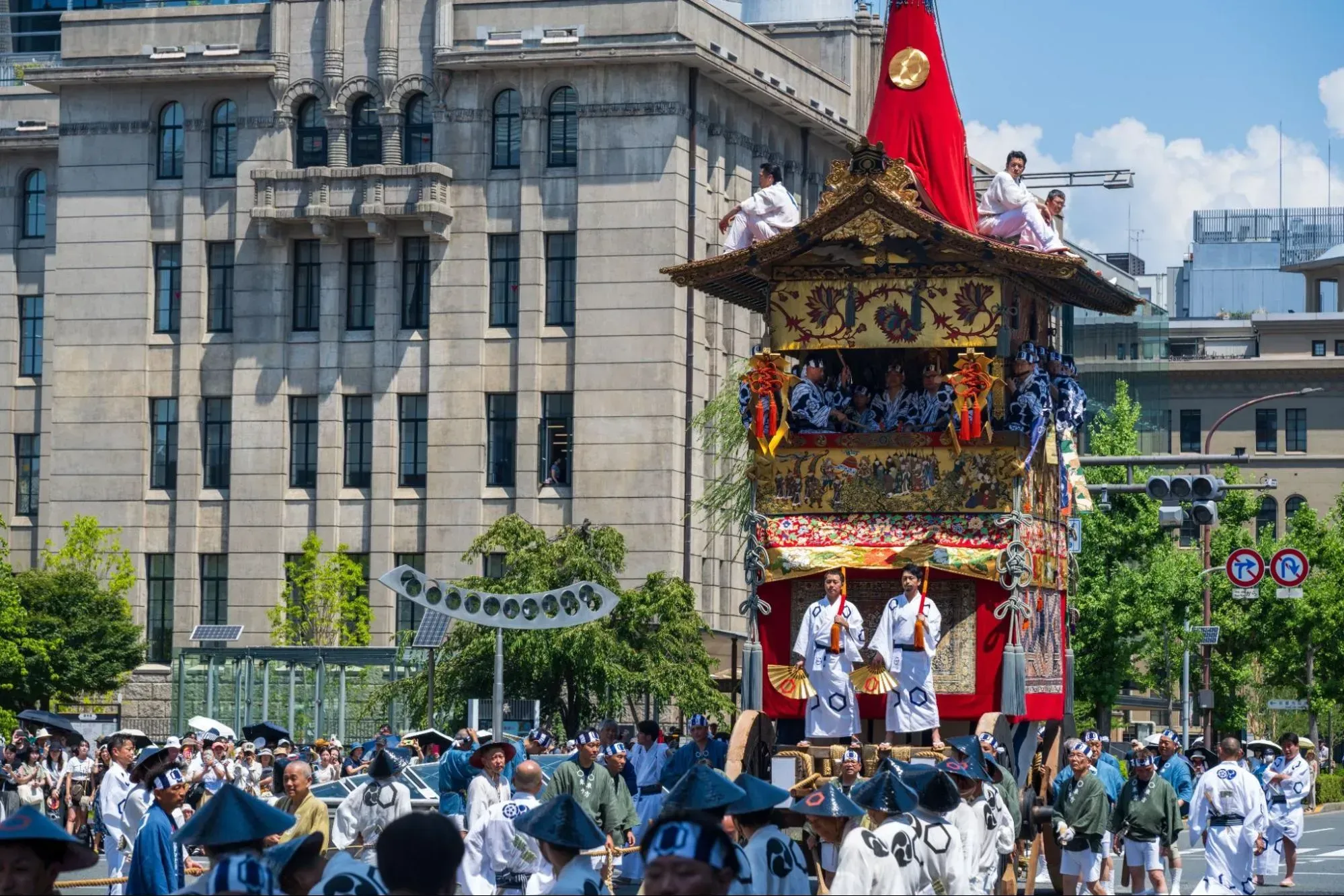
The Yamahoko Junko is the main parade of the Gion Matsuri. On July 17, 23 floats set off from Shijo-Karasuma starting at 9:00 a.m. The best spots are the corners where the floats are manually turned, known as tsujimawashi. The three turns happen at Kawaramachi (around 9:30 a.m.), near Kyoto City Hall (around 10:20 a.m.), and Shinmachi Oike (around 11:20 a.m.). On July 24, the remaining 10 floats retrace the route in reverse. The Hanagasa Junko also takes place on July 24, featuring geiko and maiko in a colourful umbrella float procession.
Shinkosai and Kankosai: The Mikoshi Processions
On the evening of July 17, the Shinkosai sees three portable shrines (mikoshi) carried from Yasaka Shrine to Shijo Otabisho, accompanied by loud chanting and crowd energy. On July 24, from 5:00 p.m., the Kankosai brings the mikoshi back to Yasaka Shrine. Both events have a very different feel from the formal float parade. Expect noise, movement, and a real sense of community participation.
What Should You Eat During the Gion Matsuri Festival?
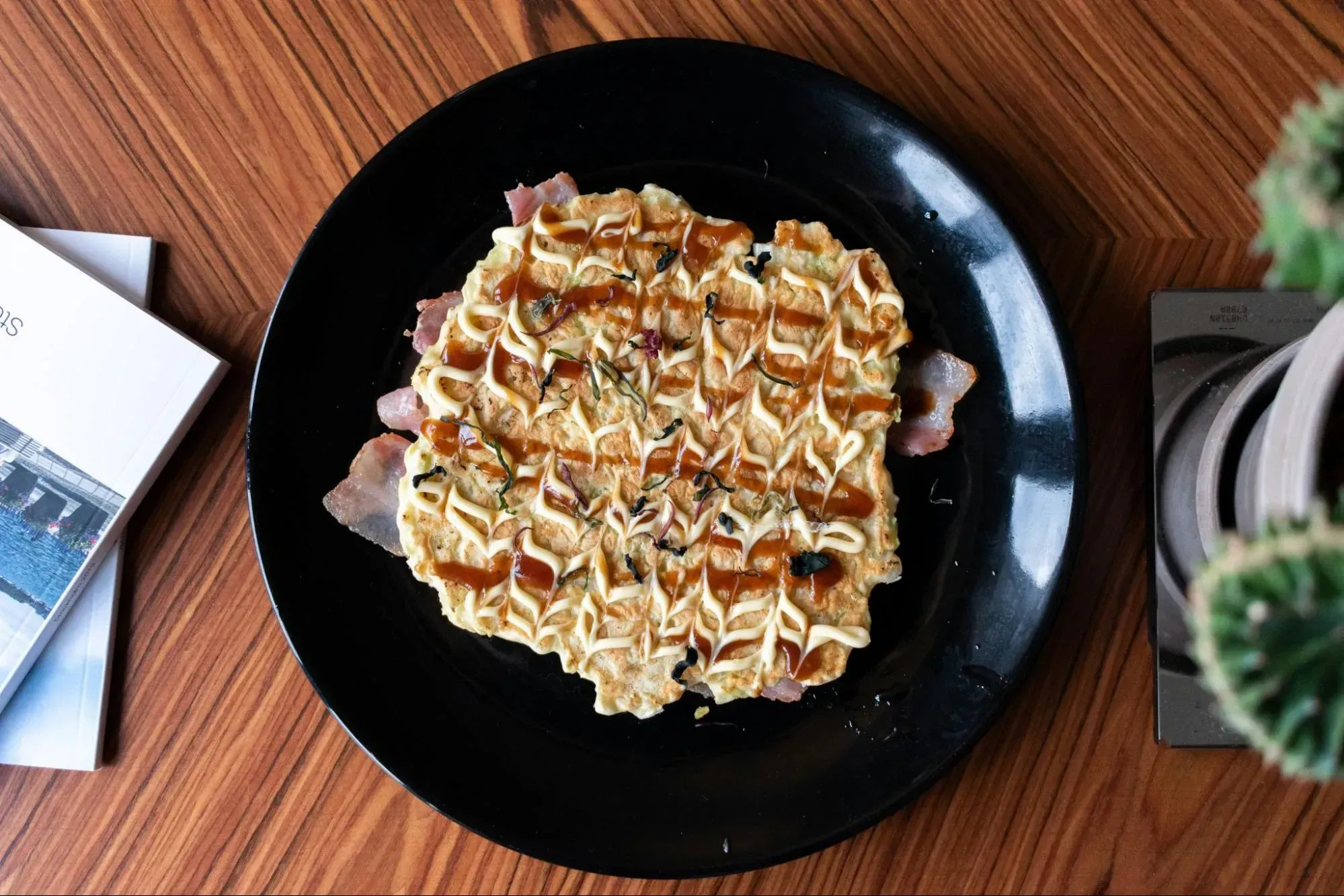
The Gion Matsuri festival nights are one of the best times to eat your way through Japanese street food. During Yoiyama, food stalls take over the streets around Shijo and Karasuma.
Here are some of the famous street foods to try at Gion Matsuri:
- Yakitori: Grilled chicken skewers glazed in savoury sauce, available in multiple cuts including thigh, wing, and skin
- Takoyaki: Grilled octopus batter balls topped with sauce, mayo, seaweed, and bonito flakes
- Kakigori: Japanese shaved ice topped with flavoured syrup, perfect for Kyoto's hot and humid July
- Yakisoba: Stir-fried noodles in a sweet-savoury sauce with pork and cabbage
- Taiyaki: Fish-shaped cake filled with red bean paste, custard, or chocolate
- Okonomiyaki: Pan-fried savoury pancake with cabbage and your choice of protein
How Do You Get to the Gion Festival?
Since roads in central Kyoto close during key event dates, arriving by train is the most practical option for the Gion Festival. Here are the main routes:
- From Kyoto Station: Take the Karasuma Line to Shijo Station, then walk east toward the festival area.
- From Osaka: Take the Hankyu Kyoto Line to Kyoto-Kawaramachi Station, which puts you right near the main festival streets
- Nearby options: Gion-Shijo Station (Keihan Line) and Karasuma Station (Hankyu Line) also work well
Plan on walking once you arrive. Comfortable shoes are recommended since distances between events can add up.
Getting to Gion Matsuri: By Station
Origin | Line | Alight At | Walk Time |
Kyoto Station | Karasuma Line | Shijo Station | 10-15 min east |
Osaka (Umeda) | Hankyu Kyoto Line | Kawaramachi Station | 5 min |
Osaka (Yodoyabashi) | Keihan Main Line | Gion-Shijo Station | 5 min |
Within Kyoto | Hankyu Kyoto Line | Karasuma Station | 10 min |
What Should You Know Before Gion Matsuri in Kyoto?
A few practical things to keep in mind before you head to the Gion Matsuri in Kyoto:
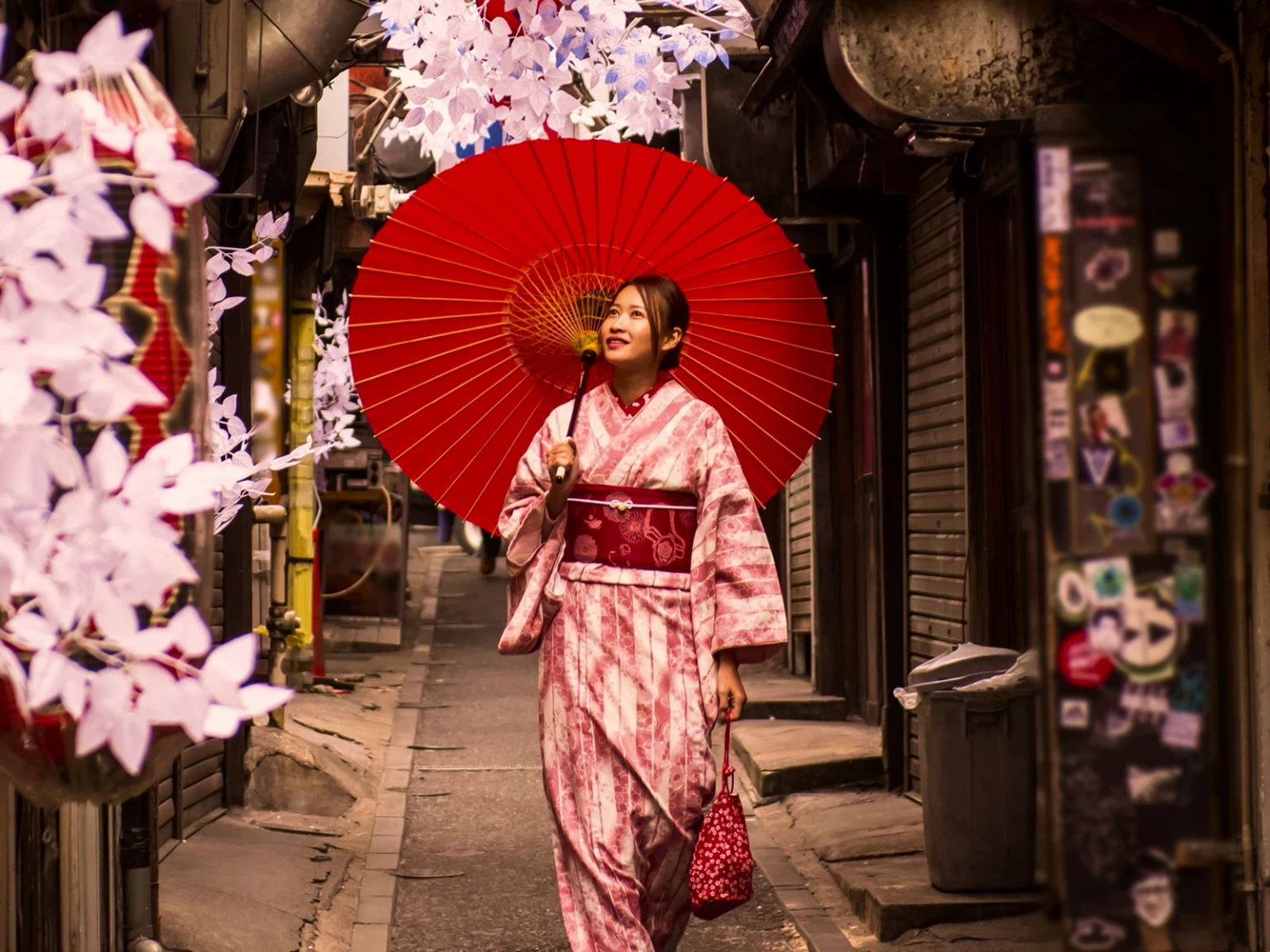
- Wear a yukata: Wearing a yukata adds to the festival experience and is a popular choice among both locals and visitors.
- Try Goshuin stamp collecting: Each float neighbourhood has unique stamps only available during the festival period.
- Visit during Ato Matsuri (July 21-24): For smaller crowds and a calmer experience.
- Check road closures: Before booking taxis or rideshares, check that some streets will be off-limits.
- Carry cash: Since many food stalls do not accept card payments.
For more practical advice on transport, money, etiquette, and what to pack, check out our Japan Travel Tips guide before your visit.
Final Takeaway
The Gion Matsuri festival has been celebrated for over 1,000 years, and it still holds up as something genuinely worth planning your July around. From the hand-built floats and late-night food stalls to the sound of traditional Gion music moving through the old streets, it gives you a real feel for what Kyoto is about.
If you're planning a getaway to Japan, Holiday Tribe can help you build an itinerary that includes Kyoto and the Gion Matsuri, along with the country's other iconic experiences.