

Kakadu National Park sits about three hours east of Darwin in Australia's Northern Territory, and the size of the place is the first thing worth knowing. Nearly 20,000 square kilometres of floodplains, sandstone escarpments, monsoon forests and wetlands, all inside a single park. The Aboriginal rock art here is tens of thousands of years old. The billabongs have saltwater crocodiles in them. The waterfalls change with the seasons, and some of the walking trails take twenty minutes while others take a full day.
This guide covers ten experiences worth building a visit around, with current 2026 access information for every one of them.
What Is Special About Kakadu National Park?
Kakadu is Australia's largest national park and is UNESCO World Heritage-listed for both its natural and cultural values. It is recognised for both its natural environment and its cultural significance to the Aboriginal Traditional Owners who have lived here for over 65,000 years.
- Dual UNESCO World Heritage Status: One of the very few places in the world recognised for both natural and cultural heritage
- Ancient Aboriginal Rock Art: Sites at Ubirr and Burrungkuy (Nourlangie) preserve Indigenous stories, knowledge and traditions spanning tens of thousands of years
- Diverse Landscapes: Sandstone escarpments, monsoon forests, floodplains and wetlands all sit within the same park
- Rich Wildlife: Saltwater crocodiles, over 280 bird species, wallabies, dingoes and freshwater turtles inhabit the park year-round
- Yellow Water Billabong: The most popular wetland cruise in the Top End, with crocodile and bird sightings on almost every departure
- Seasonal Waterfalls: Water levels, waterfall flow and visitor access change significantly between the wet and dry seasons
- Outdoor Adventures: Wildlife cruises, guided cultural walks, 4WD tracks, scenic flights and swimming holes (where open and safe)
10 Best Things to Do in Kakadu National Park
Kakadu National Park holds enough to fill a week, but most visitors have two to four days. These ten experiences cover the strongest combination of wildlife, culture, water, walking and landscape available in 2026.
1. Take a Yellow Water Billabong Cruise
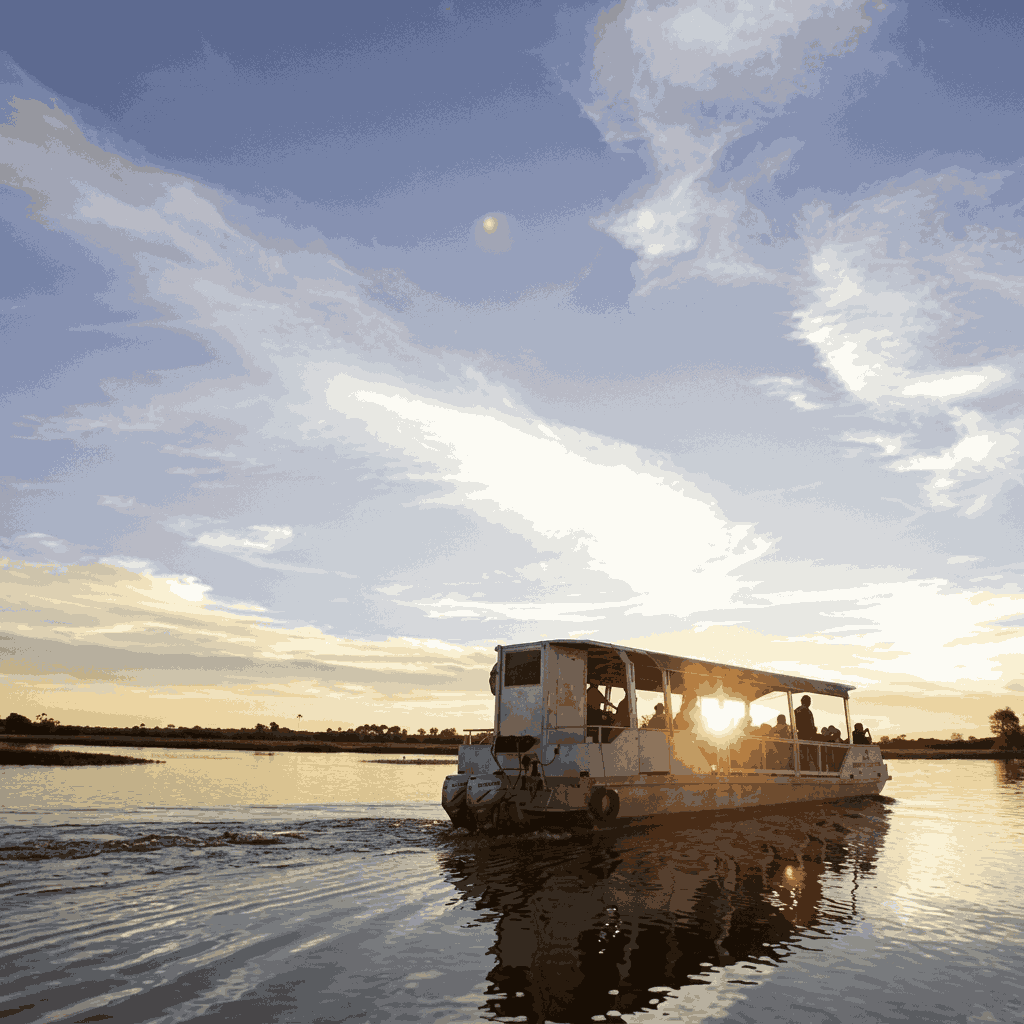
If you only do one wildlife experience in Kakadu National Park, make it this one. It’s the most reliable way to see the wetlands come alive, and you don’t need any experience to enjoy it.
Early in the morning, you’ll step aboard a quiet, flat-bottomed boat and drift slowly into the wetlands. There’s no rush and nothing to prepare for. Just settle in and watch.
As the sun rises, the water glows with soft golden light, and the animals begin their day. Saltwater crocodiles rest on the banks, warming themselves in the sun. Jabirus, tall and graceful, wade through the shallows. High above, sea eagles circle in the open sky.
Your guide will point things out as you go. All you need to do is relax, look around, and enjoy.
- Best For: Wildlife lovers, photographers and families
- Best Time: Early morning (6am to 6.45am departure) for the best light and most active wildlife
- Time Needed: 1.5 to 2 hours
2. Visit Ubirr Rock Art Site
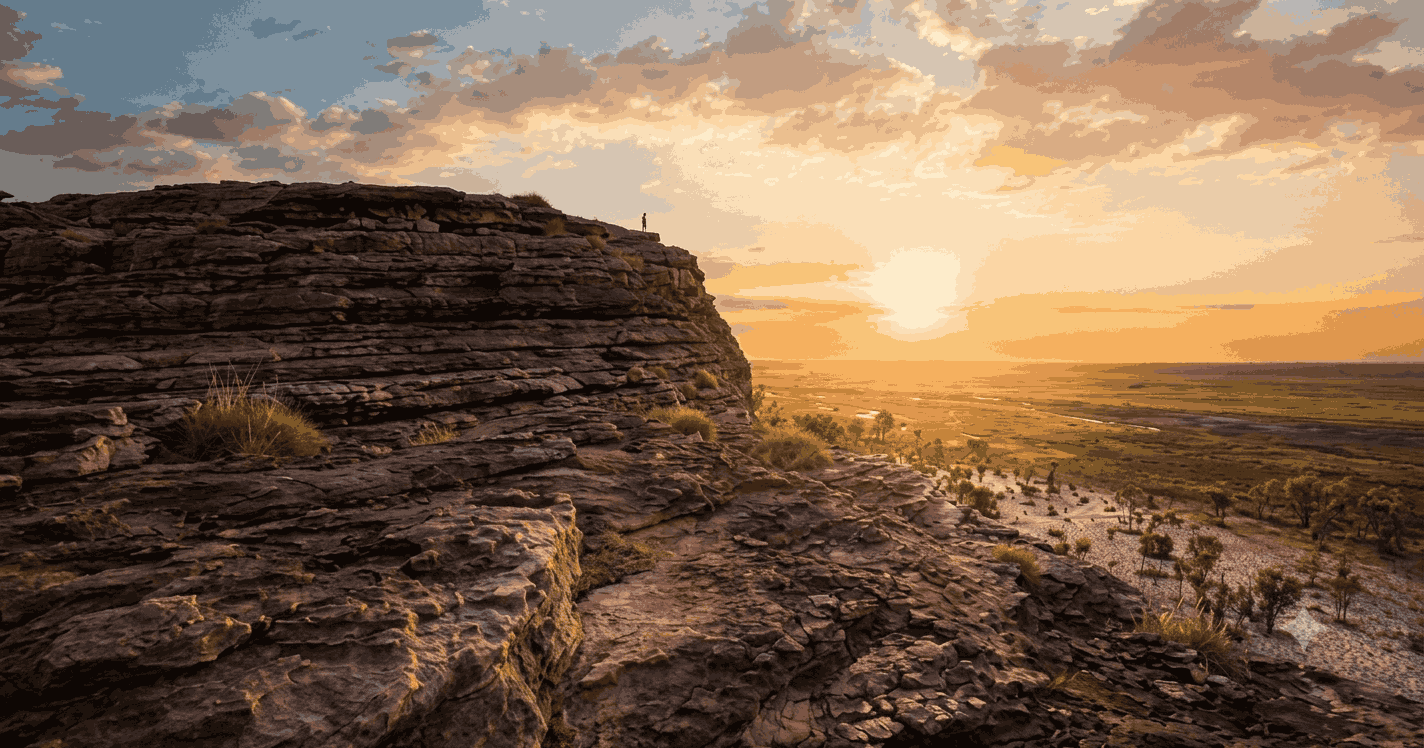
Ubirr is the more accessible of Kakadu's two major rock art sites, with painted galleries sheltered under overhanging sandstone. The art includes X-ray style paintings of fish and animals, creation figures and contact art showing European ships. A short walk leads to the Nadab Lookout at the top, where the floodplain stretches to the horizon. Sunset from the lookout is one of the most visited moments in the park.
- Best For: Anyone interested in Aboriginal culture, history and panoramic views
- Best Time: Late afternoon for the Nadab Lookout sunset. Ubirr opens at 8:30 am from April to November and at 2 pm from December to March, closing at sunset.
- Time Needed: 1.5 to 2 hours including the lookout
3. See the Rock Art at Burrungkuy (Nourlangie)
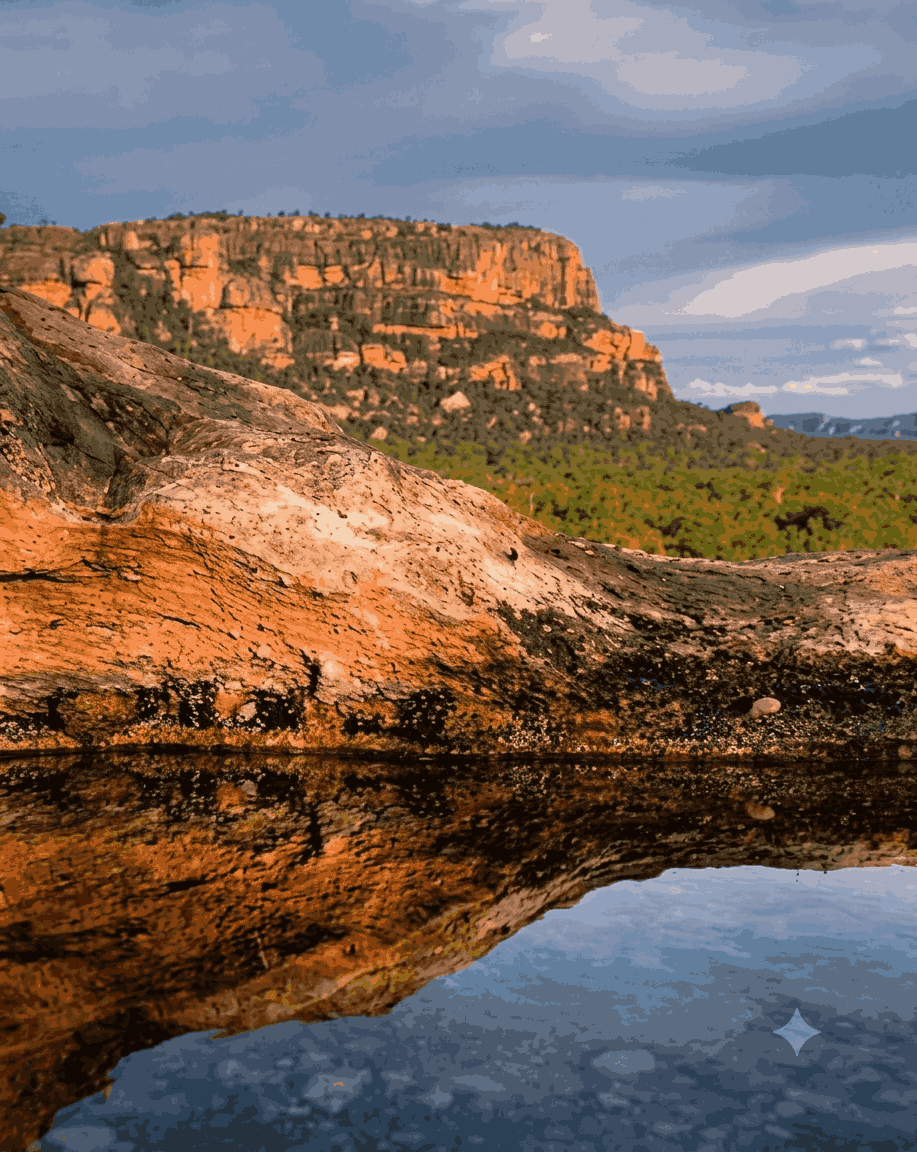
Burrungkuy is a calm, easy place to meet Kakadu’s rock art for the first time. A gentle circular walk leads you beneath the Arnhem Land escarpment, stopping at shaded galleries where you can study the paintings up close.
Look for Namondjok, the well-known ancestral creation figure, among some of the most detailed art in the park. Unlike Ubirr, the focus here is on the art itself rather than the wide views, so you can slow down and take it in.
In the dry season, a ranger-guided talk runs at set times. It’s a lovely way to understand what you’re seeing, with no experience needed.
- Best For: Visitors wanting a closer, more focused experience of the rock art than Ubirr offers
- Best Time: Morning for cooler walking. Ranger talks at scheduled times (check at Bowali Visitor Centre)
- Time Needed: Keep 1.5 to 2 hours handy
4. Swim at Gunlom Falls
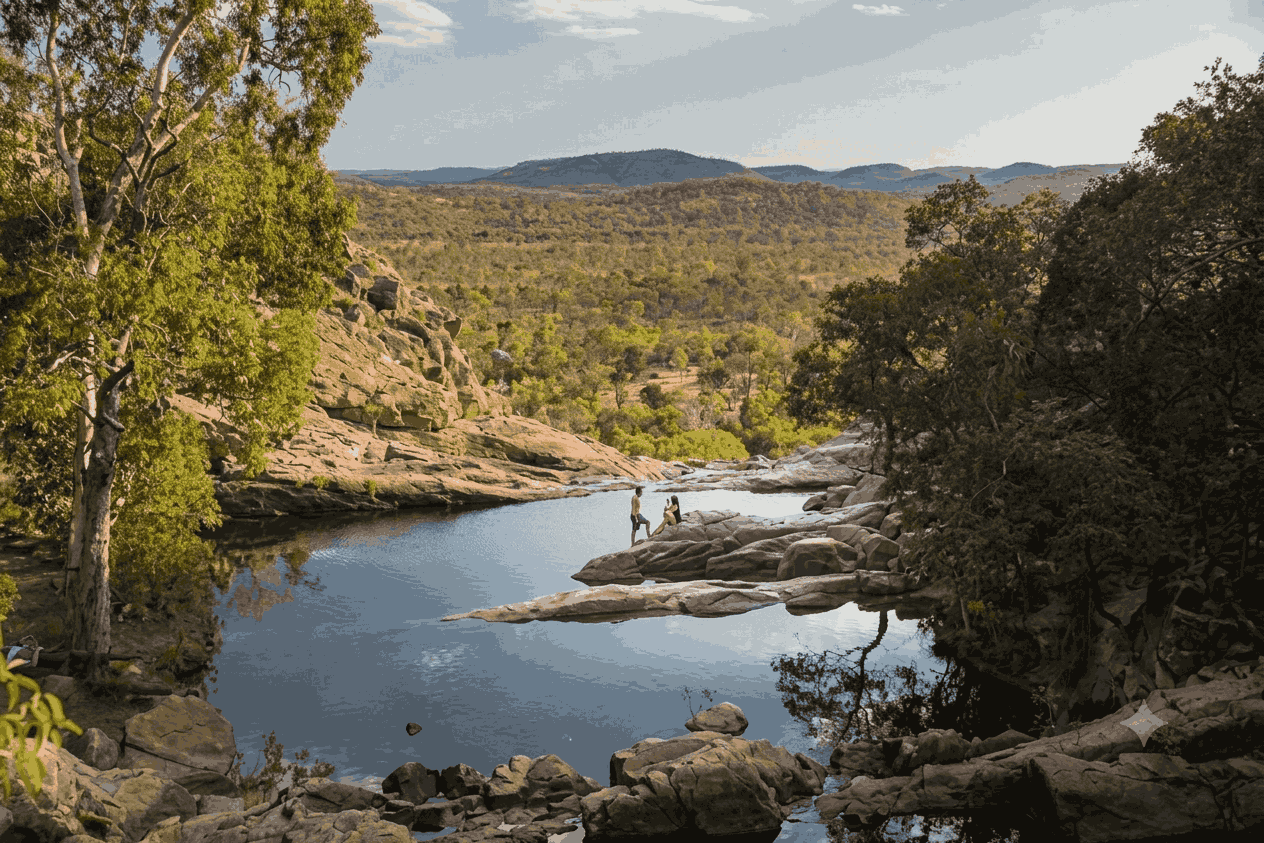
Gunlom, in the southern part of the park, offers two lovely ways to swim, so you can choose what feels right.
The lower Gunlom plunge pool is closed to visitors, and swimming there is prohibited. So, check current access instructions before swimming in the upper pools.
If you’re feeling adventurous, a steep, rocky path leads up to the top pools in about 20 to 30 minutes. Go slowly and rest whenever you like. At the top, rock pools seem to spill over the edge, with views across the woodland below.
Gunlom is open in 2026, making it the best waterfall swimming currently available in Kakadu.
- Best For: Swimmers, hikers and anyone wanting a natural rock pool with a view
- Best Time: Dry season (June to October) when the pools are clear, and access is open
- Time Needed: 2 to 3 hours including the climb and swimming
5. Walk to Motor Car Falls
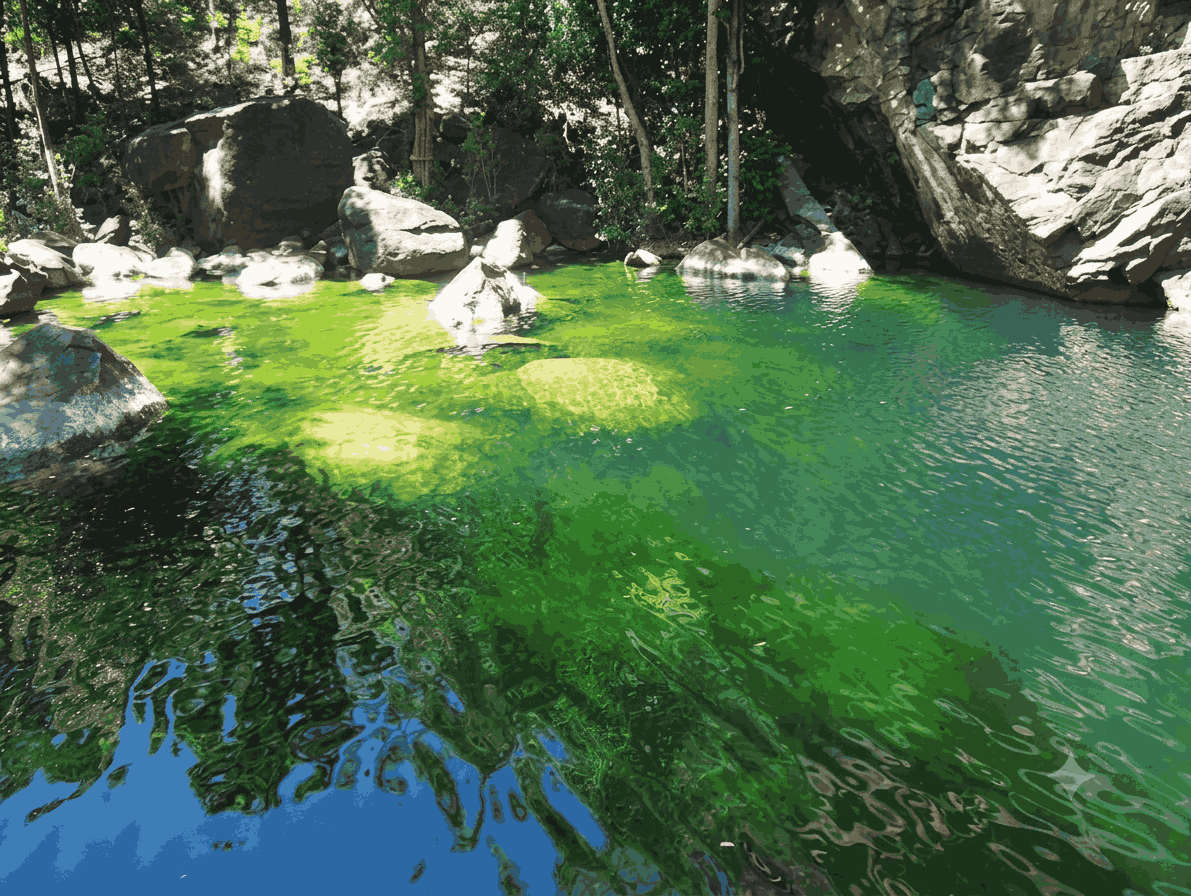
With Jim Jim and Twin Falls closed for 2026, Motor Car Falls is the most accessible waterfall walk currently open in the park. The track runs 7.5km return through monsoon forest and along creek beds in the Yurmikmik area. The falls drop into a pool surrounded by sandstone walls. The walk is rated moderate and involves some creek crossings and uneven ground.
- Best For: Walkers wanting a waterfall experience in the 2026 season
- Best Time: It's the dry season (June to September) when the track is accessible.
- Time Needed: Keep 3 to 4 hours to return
6. Take a Guluyambi Cultural Cruise
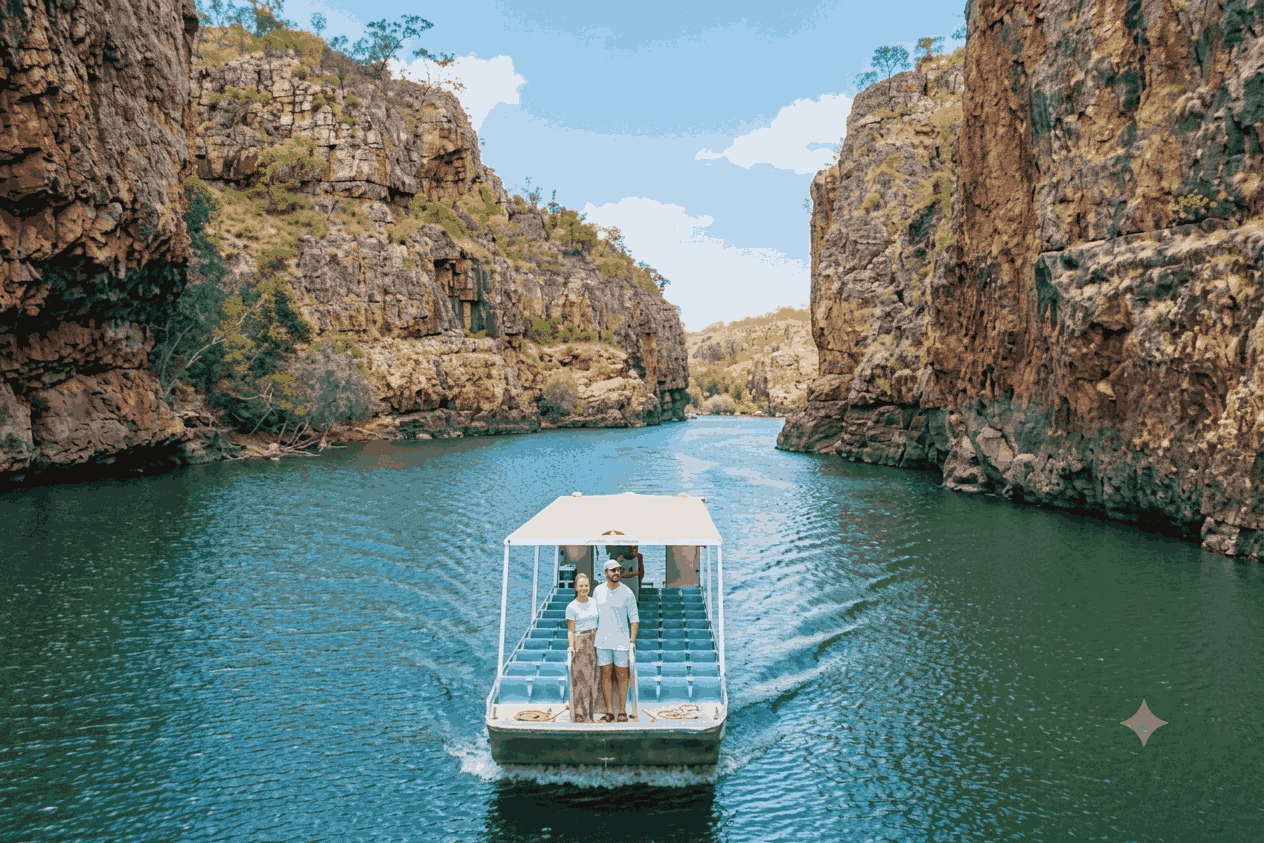
A boat cruise on the East Alligator River, guided by Aboriginal Traditional Owners who explain the landscape, the rock art visible from the water and the cultural significance of the river and its surrounding country. The cruise runs differently from the Yellow Water trip. It is smaller, quieter and focused on cultural understanding rather than wildlife spotting. The guides share stories connected to the land in a way that a self-guided visit does not.
- Best For: Visitors wanting a deeper cultural experience led by Traditional Owners
- Best Time: Dry season (May to November) when the cruise operates
- Time Needed: 1.5 to 2 hours
7. Watch Sunset from Nawurlandja Lookout
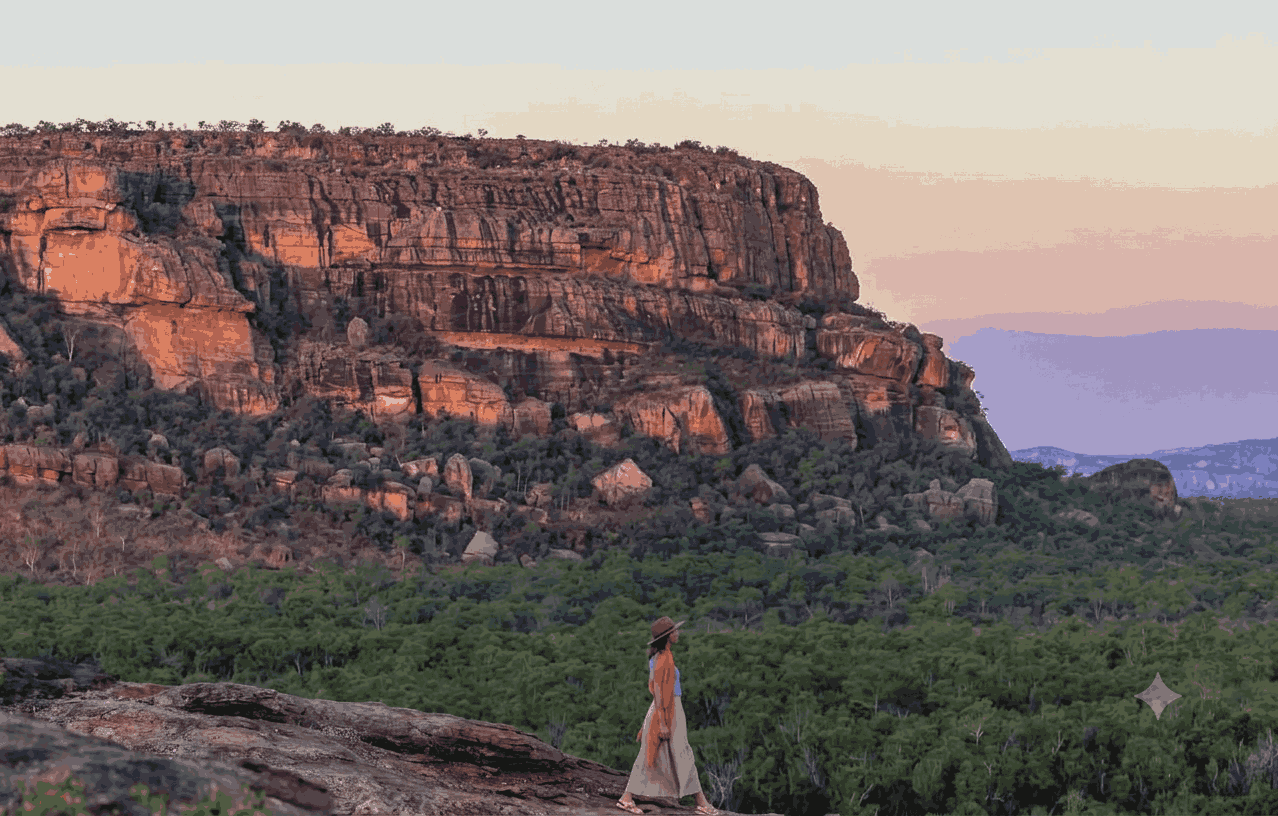
A short, easy walk (600 metres, about 20 minutes) leads to a sandstone platform with wide views over the Arnhem Land escarpment and the Anbangbang Billabong below. The sunset from here lights the escarpment in shades of orange and red. It is less crowded than the Ubirr sunset lookout and works well paired with a visit to Burrungkuy, which sits nearby.
- Best For: Sunset watchers, photographers and anyone visiting Burrungkuy the same day
- Best Time: Late afternoon, 30 to 45 minutes before sunset
- Time Needed: 1 hour including the walk and viewing time
8. Visit Mamukala Wetlands for Birdwatching
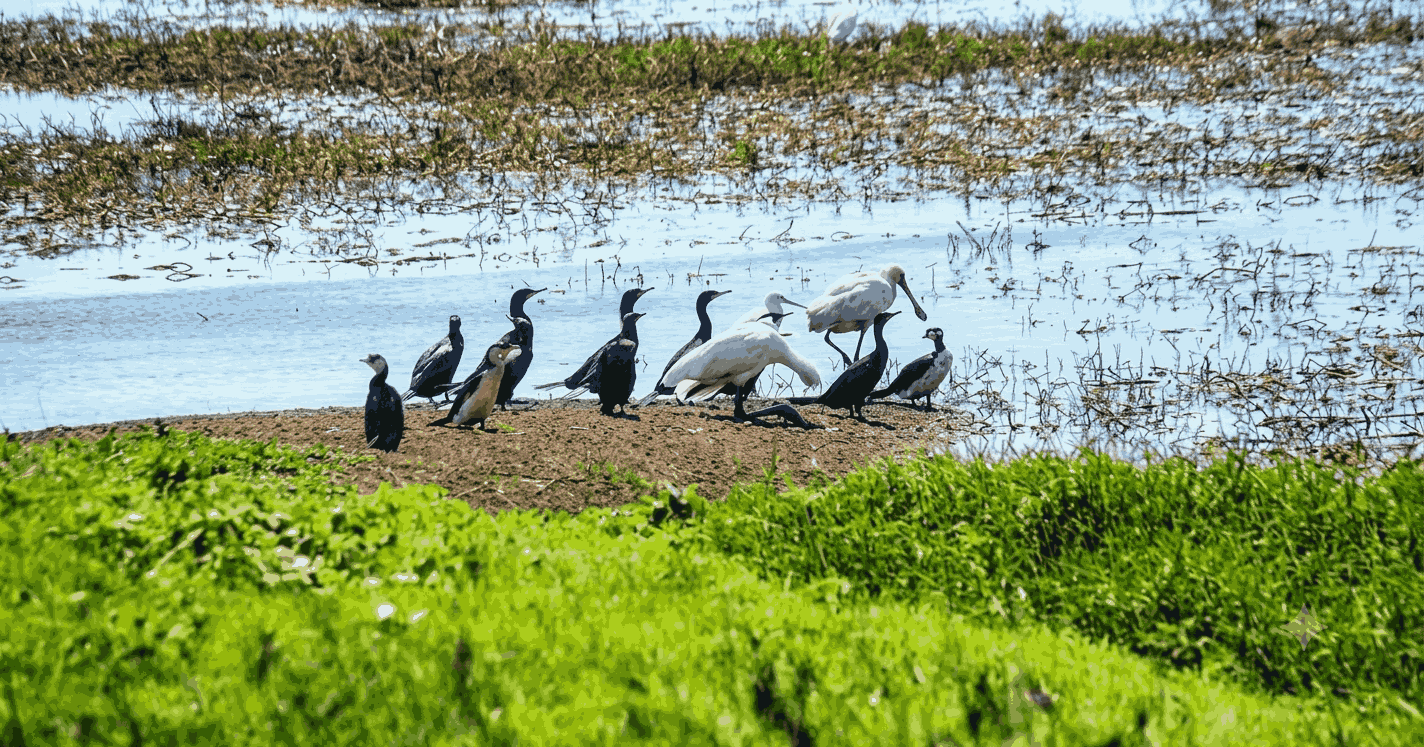
Mamukala has a viewing platform and a short boardwalk loop overlooking a wetland that fills with birdlife during the dry season. Magpie geese, whistling ducks and jacanas are common. The wetland is at its most active in September and October when water levels concentrate the birds. Quieter and less visited than Yellow Water, and no boat is needed.
- Best For: Birdwatchers and anyone wanting a quick, free wetland stop
- Best Time: September to October for the densest birdlife. Early morning for activity
- Time Needed: 30 to 60 minutes
9. Take a Scenic Flight Over the Escarpment
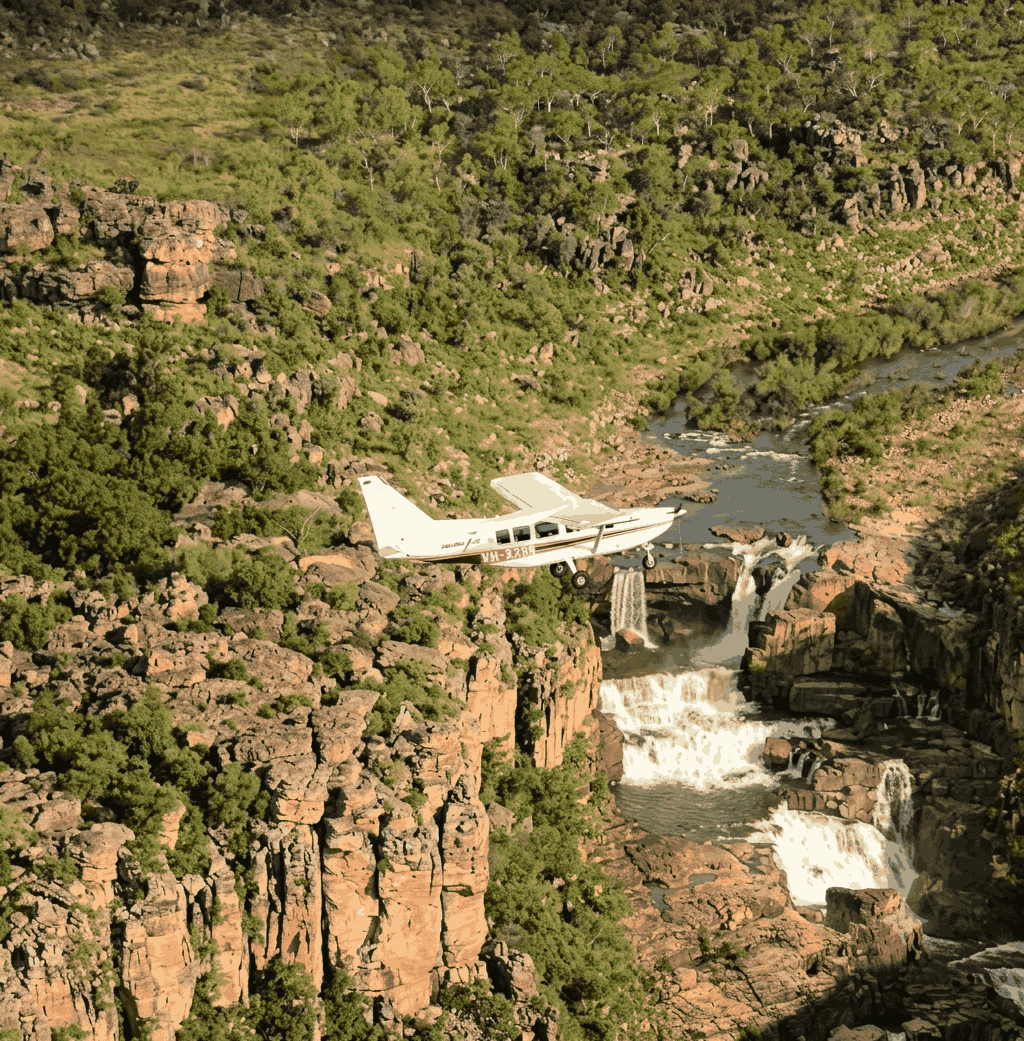
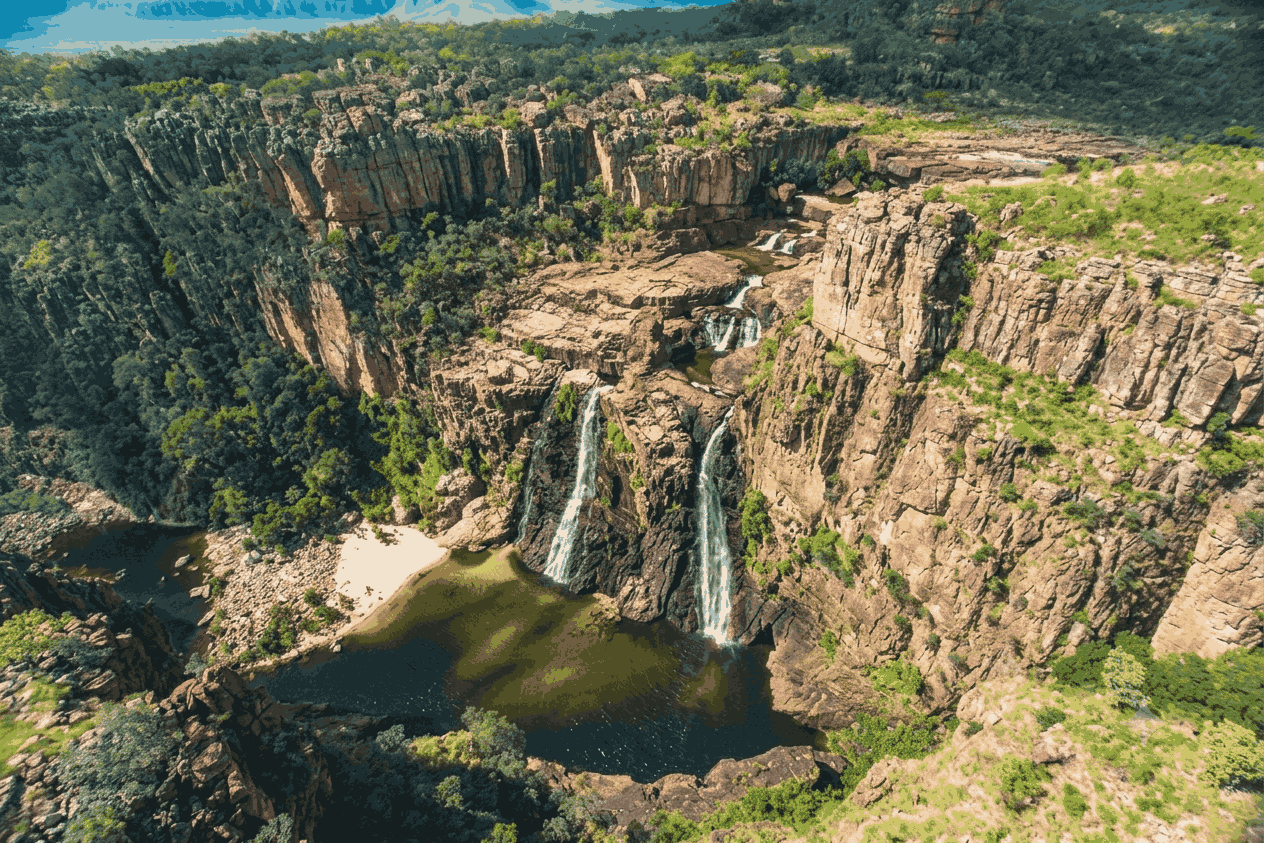
A fixed-wing or helicopter flight gives an aerial perspective of the park that ground-level visits cannot match. The escarpment, the wetlands, the river systems and (in the wet season) Jim Jim Falls and Twin Falls in full flow are all visible from above. Flights operate from Jabiru and Cooinda, with options ranging from 20-minute scenic loops to longer flights covering the full park.
- Best For: Photographers and visitors wanting to see the park's scale and seasonal changes
- Best Time: Wet season (January to March) for waterfalls in full flow. Dry season for clearer visibility
- Time Needed: 20 to 60 minutes depending on the flight
10. Drive the Kakadu 4WD Tracks
The southern tracks in the Yurmikmik area and the road to Gunlom require a high-clearance 4WD and give access to parts of Kakadu National Park that sealed-road visitors never see. The tracks pass through woodland, creek crossings and quieter sections of the park. Motor Car Falls and Boulder Creek are both accessed from the 4WD network. Check the Kakadu access report for track conditions before setting out.
- Best For: 4WD travellers, campers and visitors wanting the more remote parts of the park
- Best Time: Dry season (June to October) when tracks are open, and crossings are passable
- Time Needed: Half to full day depending on the route
Which Waterfalls and Swimming Spots Should You Choose in 2026?
The 2026 season has significant closures that change the waterfall options available. Jim Jim Falls, Twin Falls and their entire area (including Karnamarr campground) are closed for the full year due to road and infrastructure upgrades. Maguk road access is also closed. Motor Car Falls and Gunlom remain open and are the strongest alternatives.
Waterfall | 2026 Status | Walking Effort | Swimming | Best For |
Jim Jim Falls | Closed all 2026 (road upgrades) | N/A | N/A | Save for 2027 when the area is expected to reopen |
Twin Falls | Closed all 2026 (road upgrades) | N/A | N/A | Save for 2027 |
Maguk | Road access closed 2026 (Temporarily closed due to a crocodile sighting) | N/A | N/A | Check future access reports |
Gunlom | Open | Steep 20 to 30 min climb to upper pools. Lower pool flat access | Lower pool closed; check current guidance for upper pools | The strongest waterfall swimming in Kakadu for 2026 |
Motor Car Falls | Open | 7.5km return, moderate, creek crossings | Verify locally (conditions vary) | The most accessible waterfall walk open in 2026 |
Tribe Travel Tip: Gunlom is the clear first choice for waterfall swimming in 2026. The upper infinity pools and the lower shaded pool both deliver. Motor Car Falls gives a longer walking experience through monsoon forest. A 4WD is recommended for the Motor Car Falls route, while Gunlom Road requires a high-clearance 4WD.
Conclusion
Kakadu National Park is big enough to fill a week, but you don’t need to see it all. Wetland cruises, ancient rock art, waterfall swims and gentle walks are all here for first-timers to enjoy.
Jim Jim and Twin Falls are closed in 2026, but Gunlom, Motor Car Falls, Yellow Water, Ubirr and Burrungkuy are open and cover the park’s best experiences. Check the access report before each outing, and try to give yourself at least three days so nothing feels rushed.
The Holiday Tribe can build Kakadu into an Australia holiday that also takes in Darwin, Litchfield and the wider Northern Territory. Our advisors can help with accommodation, 4WD logistics, cruise bookings and a route that works around the 2026 access changes.