

Most people come to Pisa with one goal: take the classic photo where it looks like you’re holding up the Leaning Tower, then move on. But the tower is worth more of your time, especially if it’s your first holiday to Italy and you want to make the most of your visit. Sure, it leans and the photo is fun, but there’s also a real climb inside, an unusual medieval history, and some booking rules that often surprise first-time visitors. This guide will explain what your Leaning Tower of Pisa tickets include, why the tower leans, what you’ll see at the top, and the best times to visit so you can avoid long lines in the Tuscan sun.
Where Is The Leaning Tower Of Pisa, And What Is It Exactly?
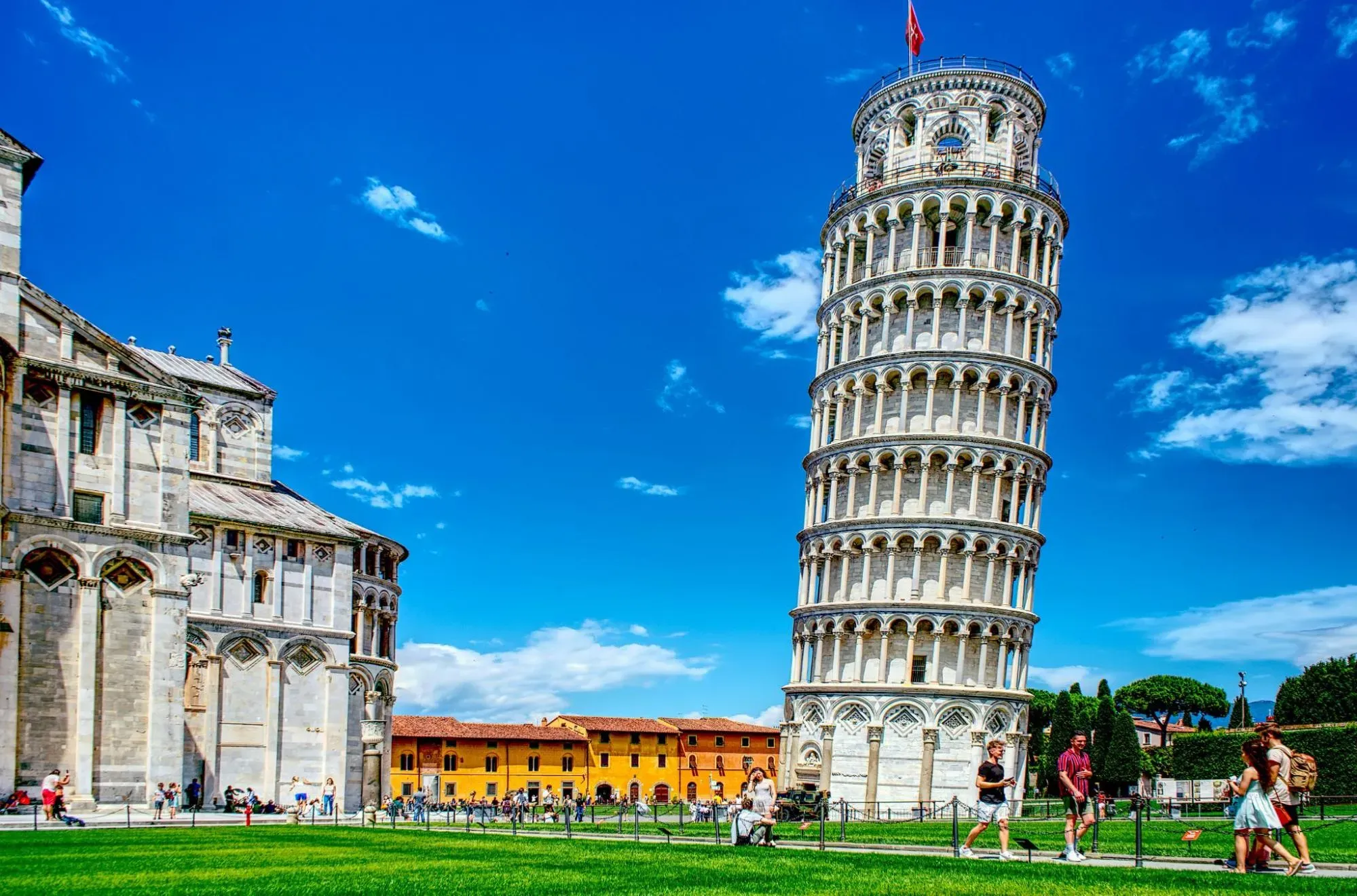
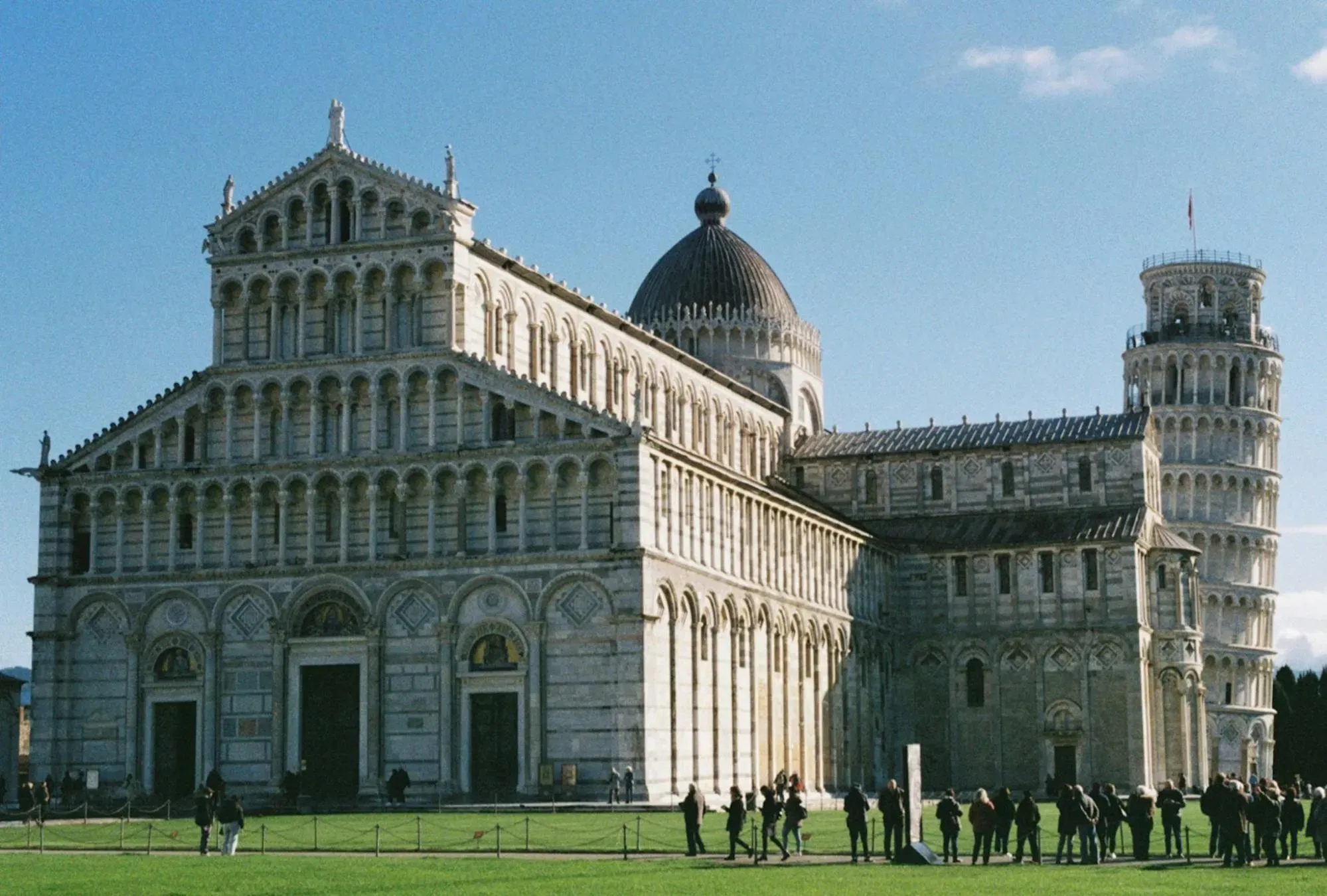
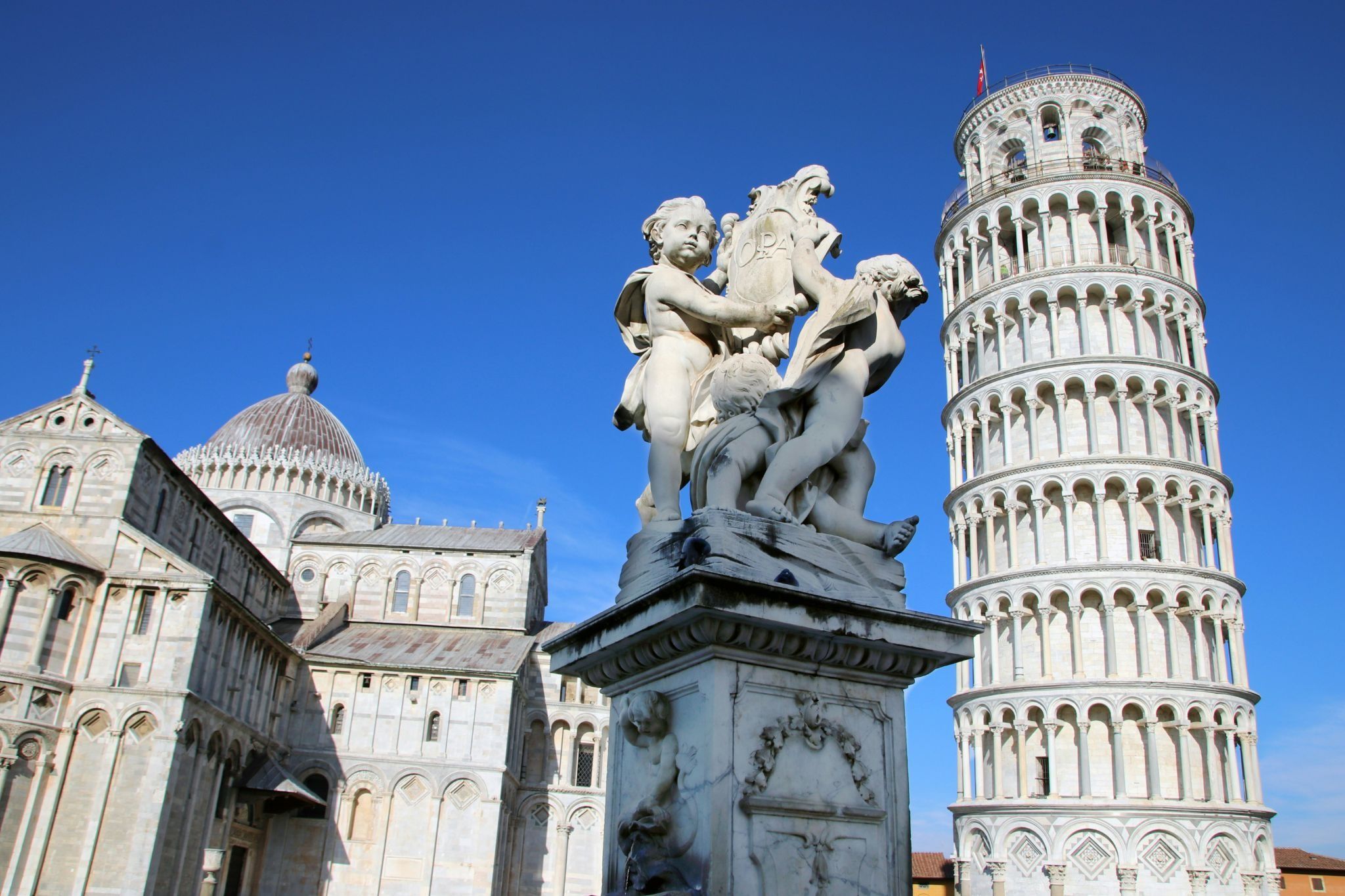
The Leaning Tower of Pisa stands in a walled green area called the Piazza dei Miracoli, or Field of Miracles, on the northern edge of Pisa. Pisa is a city in Italy’s Tuscany region, about an hour by train from Florence. The tower is not a separate monument. It is actually the free-standing bell tower, or campanile, of Pisa’s cathedral. The tower shares the lawn with the Duomo, a round baptistery, and an old cemetery. The entire square is recognized as a UNESCO World Heritage site.
Here’s the quick version before we get into the detail:
At a glance | Detail |
What it is | Bell tower of Pisa Cathedral |
Height | About 56 m (55.86 m low side, 56.67 m high side) |
Steps | Around 296 (294 on one side) |
Current lean | About 3.99°, just under four degrees |
Built | 1173 to 1372, roughly 199 years |
Where | Piazza dei Miracoli, Pisa, Tuscany, Italy |
Why Is The Leaning Tower Of Pisa Leaning?
The real problem is the ground, not the builders. The foundations are only about three metres deep and rest on soft clay, sand, and silt. When the tower reached its third level around 1178, its weight pressed unevenly into the soft soil, causing it to lean. So, the Leaning Tower of Pisa tilts because of the ground beneath it, not because of a design trick.
The problem continued for centuries. By 1990, the tilt had reached about 5.5 degrees, and the tower was closed because people worried it might collapse. From 1993 to 2001, engineers removed soil from under the higher side, which reduced the lean to about 3.99 degrees. Now, experts say the tower should stay stable for about 300 years.
What’s It Like Inside The Leaning Tower Of Pisa?
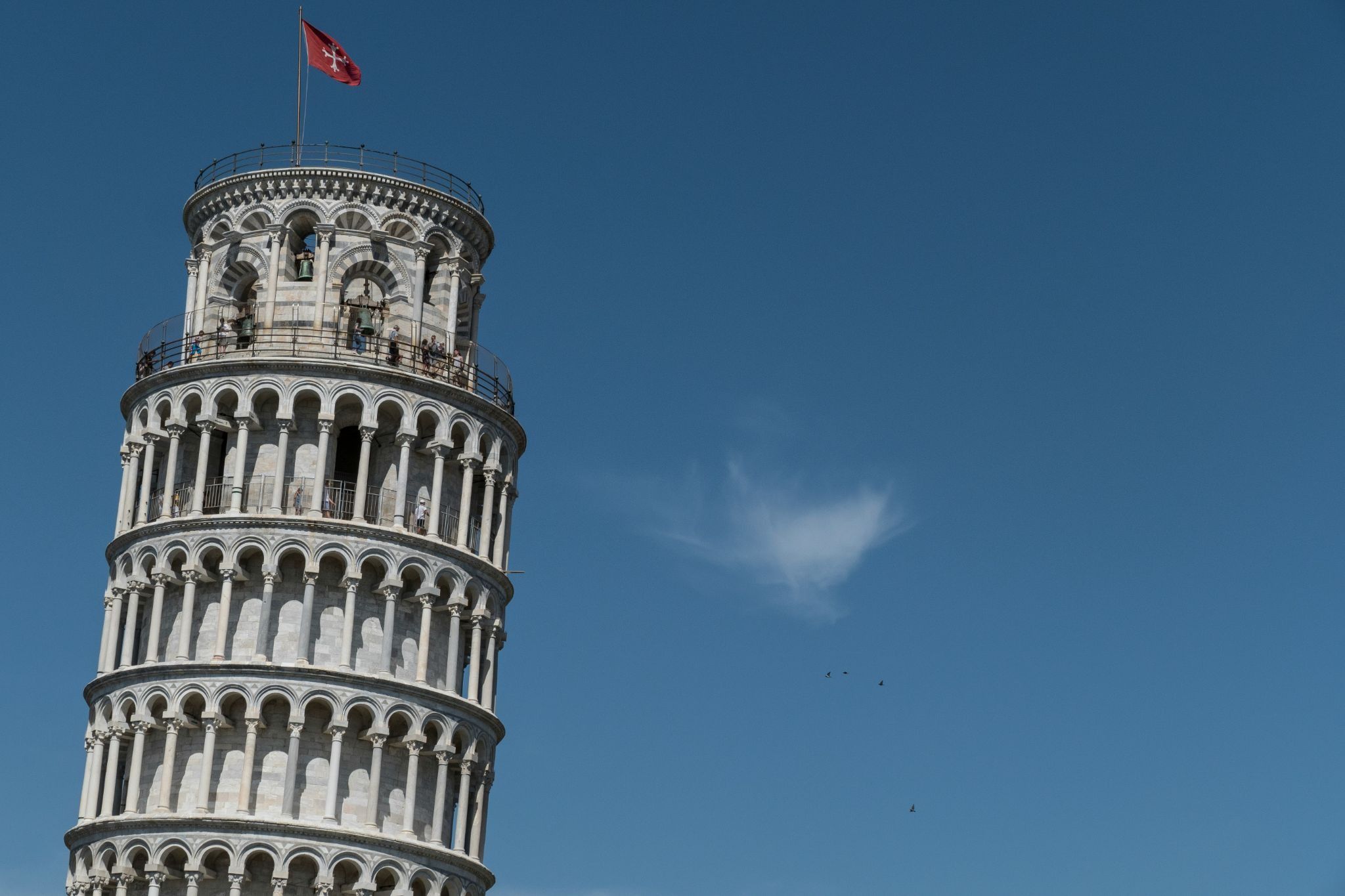
There’s no elevator or museum exhibit here, just a stone spiral staircase and a walk that might make you feel a bit dizzy. To go inside the Leaning Tower of Pisa, you’ll need to climb about 296 steps. Most people take around half an hour, including time spent at the top.
Here are a few things that usually stand out to first-time visitors:
- You can really feel the tilt under your feet. On some parts of the stairs, you’ll notice yourself leaning along with the tower.
- At the top, you’ll find seven bells, each matching a note on the musical scale. They haven’t rung for decades, since the vibrations might put extra strain on the tower.
- The reward for your climb is the view: you’ll see Pisa’s terracotta rooftops and the Duomo below.
- This is also the spot where Galileo is said to have dropped two cannonballs of different weights to prove they fall at the same speed. Historians believe this story is more legend than fact, since it was written down by his student much later. Still, Pisa truly is Galileo’s hometown.
Tribe Travel Tip: No bags are allowed up the stairs, so travel light and use the free cloakroom by the ticket office. Wear proper shoes, as the marble steps are worn smooth and slope with the tower.
Leaning Tower Of Pisa Tickets: What To Book And What It Costs
You need to book a timed slot online to enter, and the climb is the only part of the square that requires a ticket. The official website for Leaning Tower of Pisa tickets is opapisa.it, which is run by the Opera della Primaziale Pisana. Tickets are sold at face value with no extra booking fee. Here are the prices for 2026:
Ticket | Price (2026) |
Tower + Cathedral | €20 |
Tower + all monuments (Baptistery, Camposanto, museums) | €27 |
Combo + audio guide | €33 |
Cathedral only | Free (timed ticket still needed) |
Baptistery / Camposanto / Museum (each) | €8 |
Here are a few things you should know:
- There are no discounts for children or seniors. Anyone who is eight years old or older pays the same price.
- Authorised resellers like GetYourGuide or Tiqets may charge a little extra, but they include free cancellation. This can be helpful if your travel dates are not fixed.
- You can walk around the Piazza dei Miracoli and take photos for free. You only need to pay if you want to go inside.
Keep in mind that these are just the entry prices. Flights to Italy, hotels, and transfers are not included, so it helps to plan for those separately when organising your holiday.
When Is The Best Time To Climb The Leaning Tower Of Pisa?
The best times to visit are right after the tower opens or just before it closes. From about 11am to 3pm, both the crowds and the heat are at their highest. If you climb the Leaning Tower of Pisa on a summer evening, you’ll find fewer people and the marble glows in the softer light.
Opening hours change depending on the season and even the day, so check opapisa.it before your visit. If you want good weather and fewer crowds, spring and autumn are the best times to go. You’ll need a couple of hours to see the tower and cathedral, but plan for half a day if you want to explore the whole square at a relaxed pace.
How Do You Get To The Leaning Tower Of Pisa?
Pisa is easier to get to than many people think, thanks in part to its own airport named after Galileo. Here’s how most visitors reach the Leaning Tower:
- By air: Pisa International (Galileo Galilei) Airport is just outside the city, and the Pisamover shuttle connects it to Pisa Centrale station in only a few minutes.
- By train: From Pisa Centrale, it’s about a 25-minute walk or a quick local bus ride to the main square. The train from Florence to Pisa takes about an hour.
- On foot: Walking through town to the Piazza dei Miracoli is easy and flat, and you’ll pass by the river along the way.
Tribe Travel Tip: Many travellers visit Pisa as a half-day trip from Florence or stop here while travelling between Florence and the Cinque Terre coast. Pisa is easy to fit into your route without needing to stay overnight.
Making Pisa Work For Your Italy Holiday
The Leaning Tower of Pisa is a quick stop with a rich history, and it fits easily into almost any journey through Italy, whether you’re coming from Florence, heading to the coast, or exploring Tuscany at a slower pace. If this is your first trip abroad, its simple travel connections and famous landmarks make it a great place to start.
If you don’t want to plan every detail yourself, Holiday Tribe can help. Our advisors create holidays based on how you like to travel. You can choose a ready-made Italy package or have us design one just for your dates and pace. We handle everything from hotels and transfers to the sightseeing that makes your holiday special. Just tell us your travel style, and we’ll do the rest.