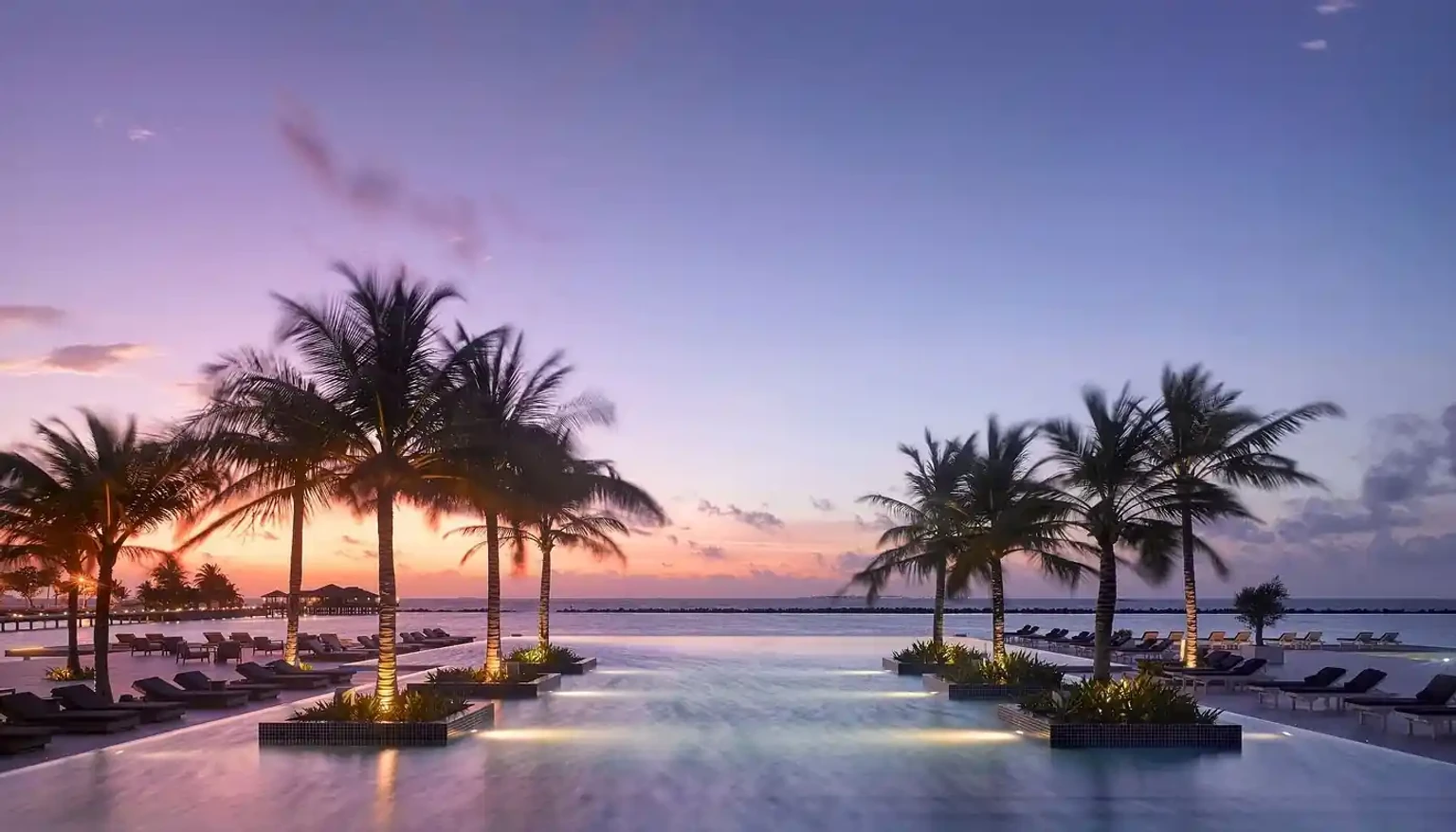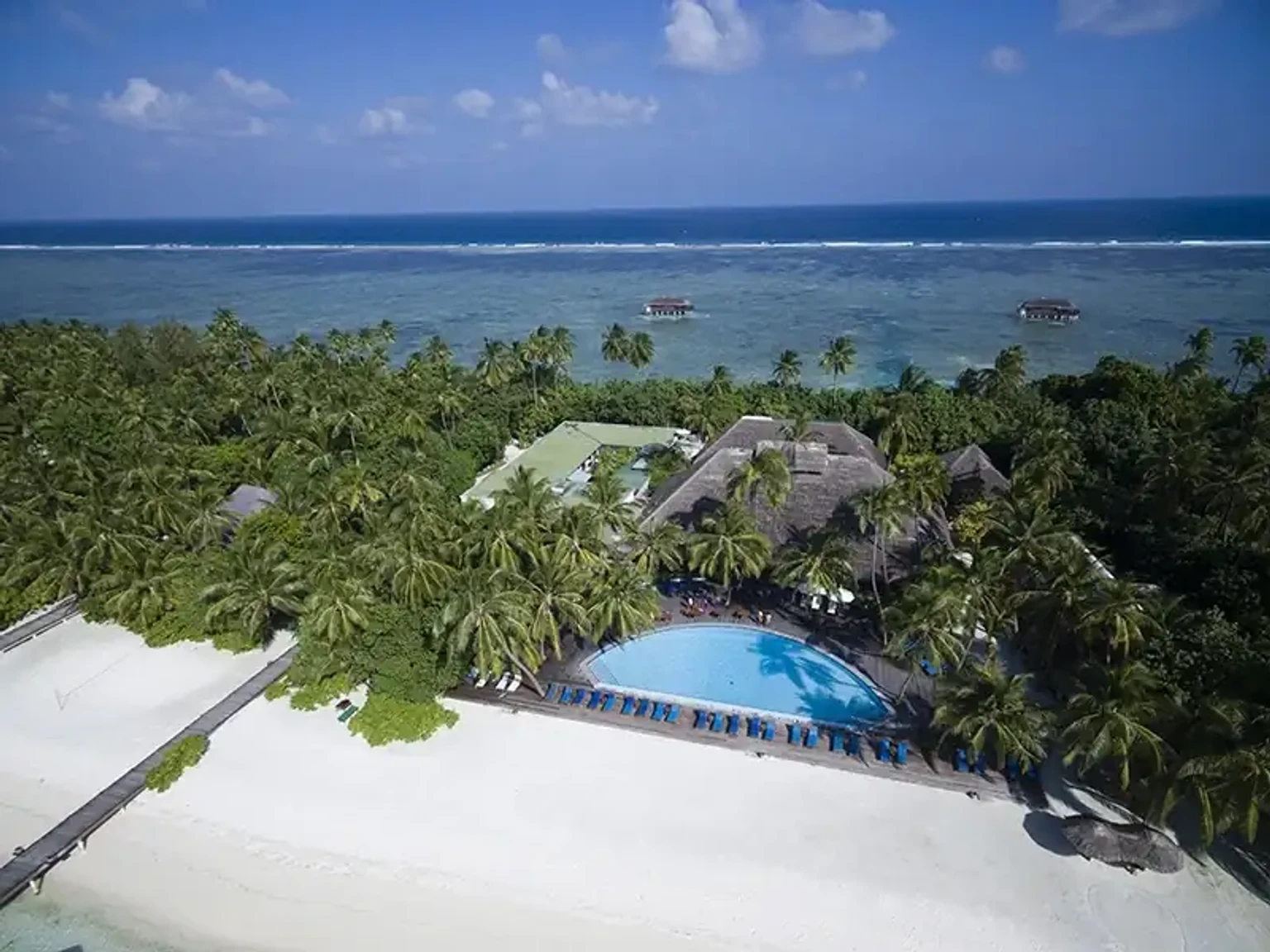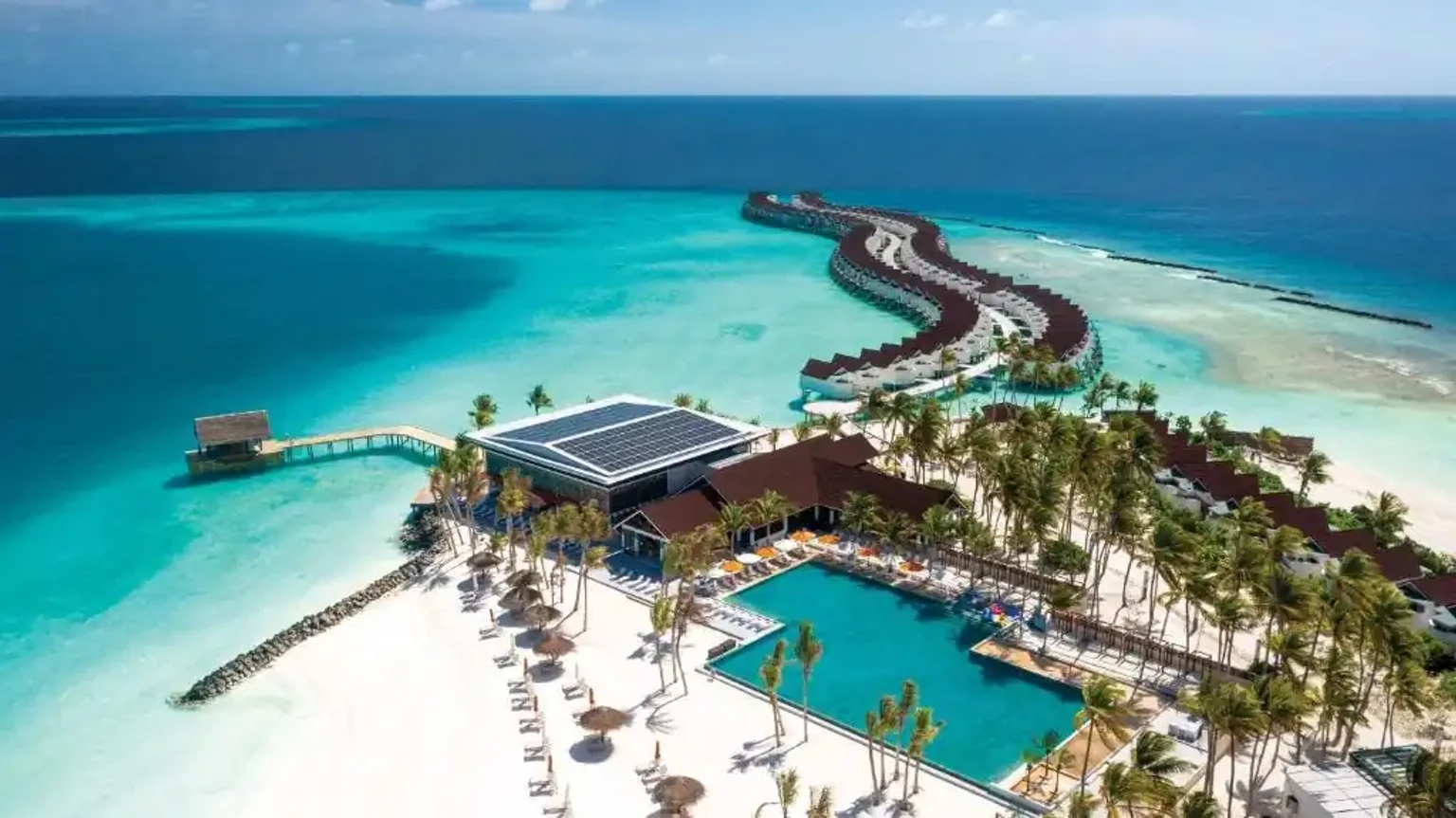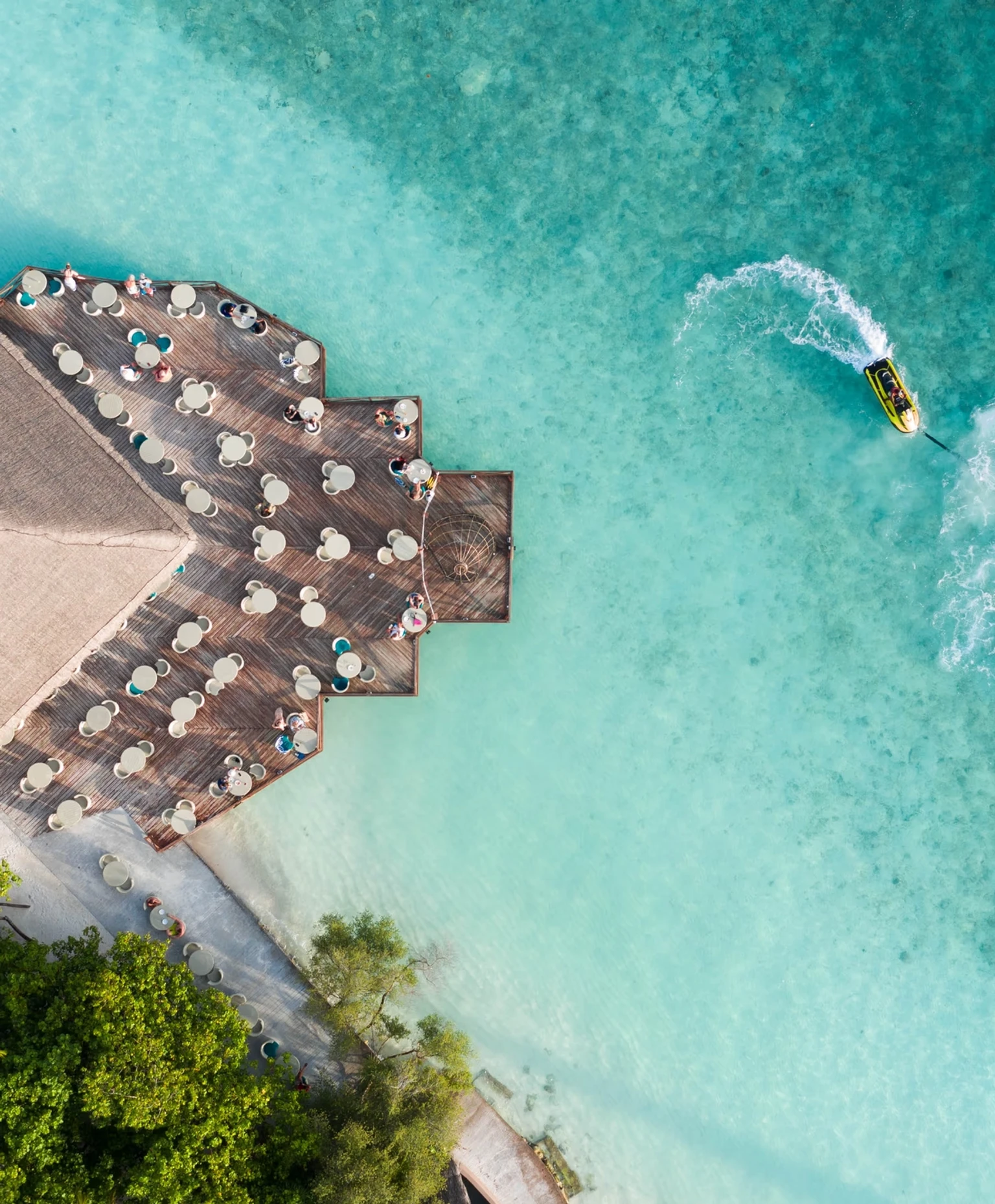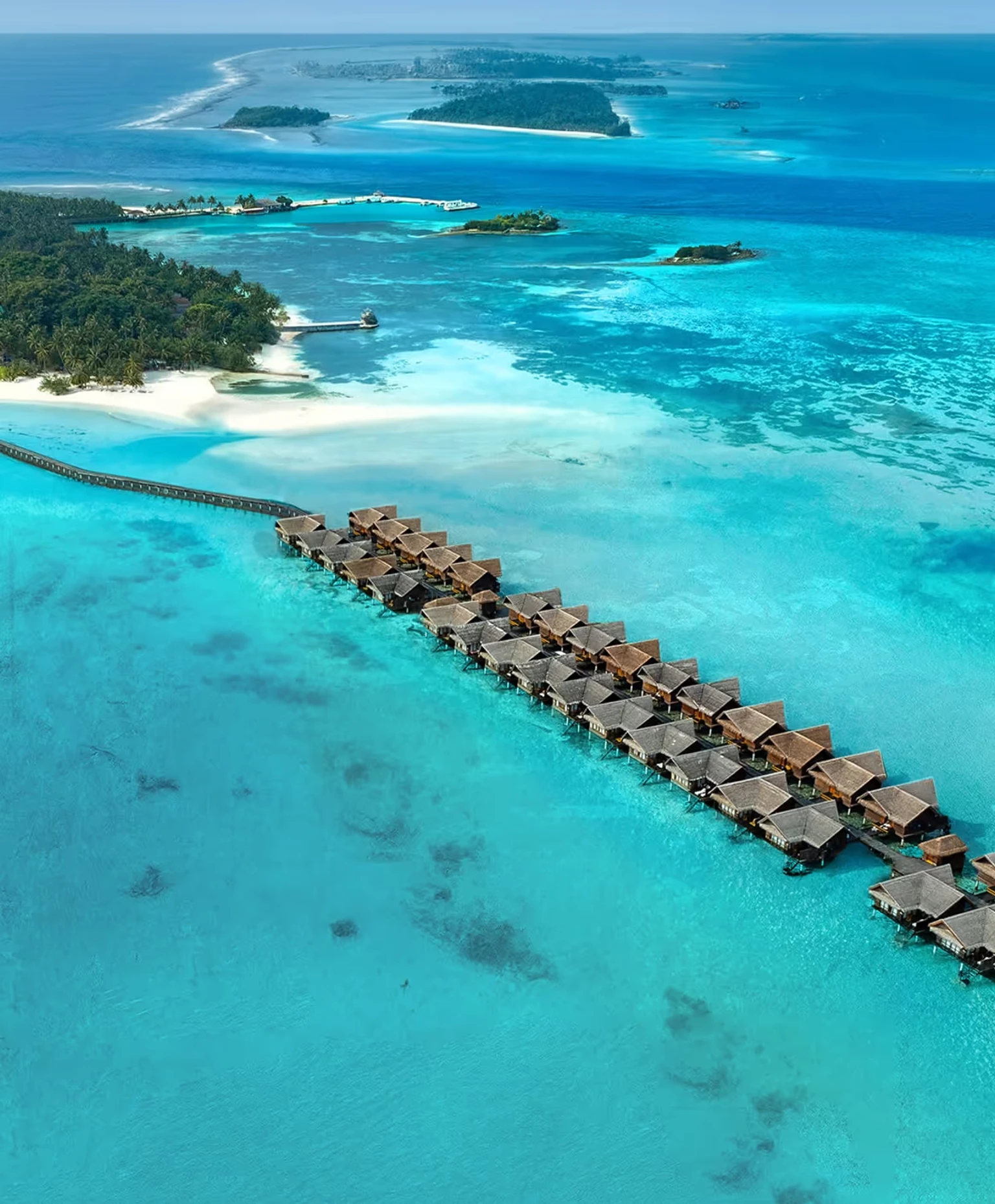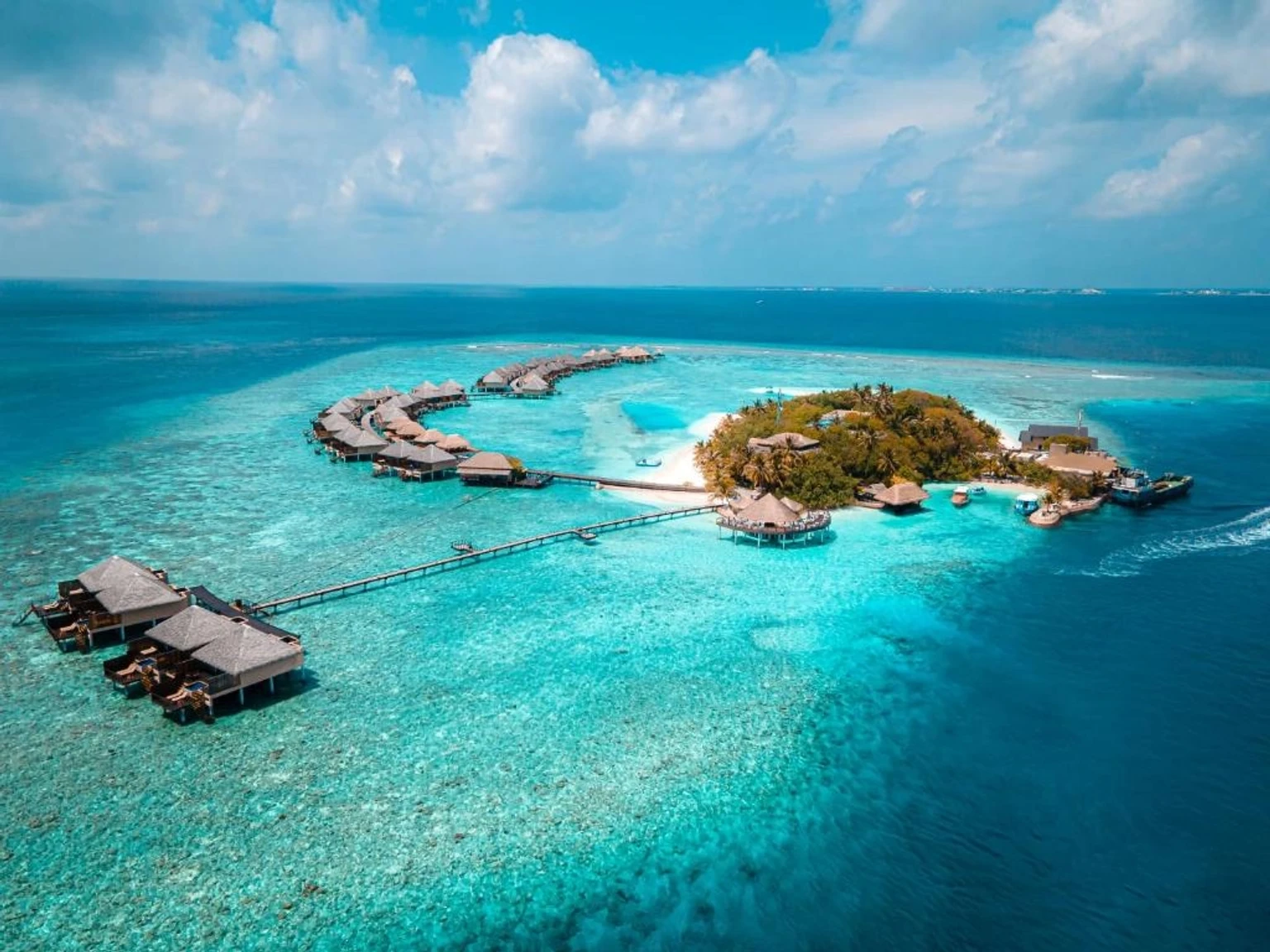


The Maldives isn’t just one beach. It’s thousands, spread across 26 atolls, and each one has its own character. Some beaches are calm, shallow lagoons perfect for floating. Others are long stretches of sand made for sunbathing. There are also beaches over reefs where you might spot manta rays, turtles, or even a whale shark, and a few rare ones that glow blue at night. The best Maldives beach for you really depends on what you want to do when you arrive. This guide highlights fifteen top choices, grouped by swimming, sunbathing, snorkelling, and night swimming. You’ll also find local rules, the best times to visit, and a few tips to help you plan. Choose the beaches that fit your idea of a perfect holiday.
Best Maldives Beaches for Easy Swimming and Calm Lagoons
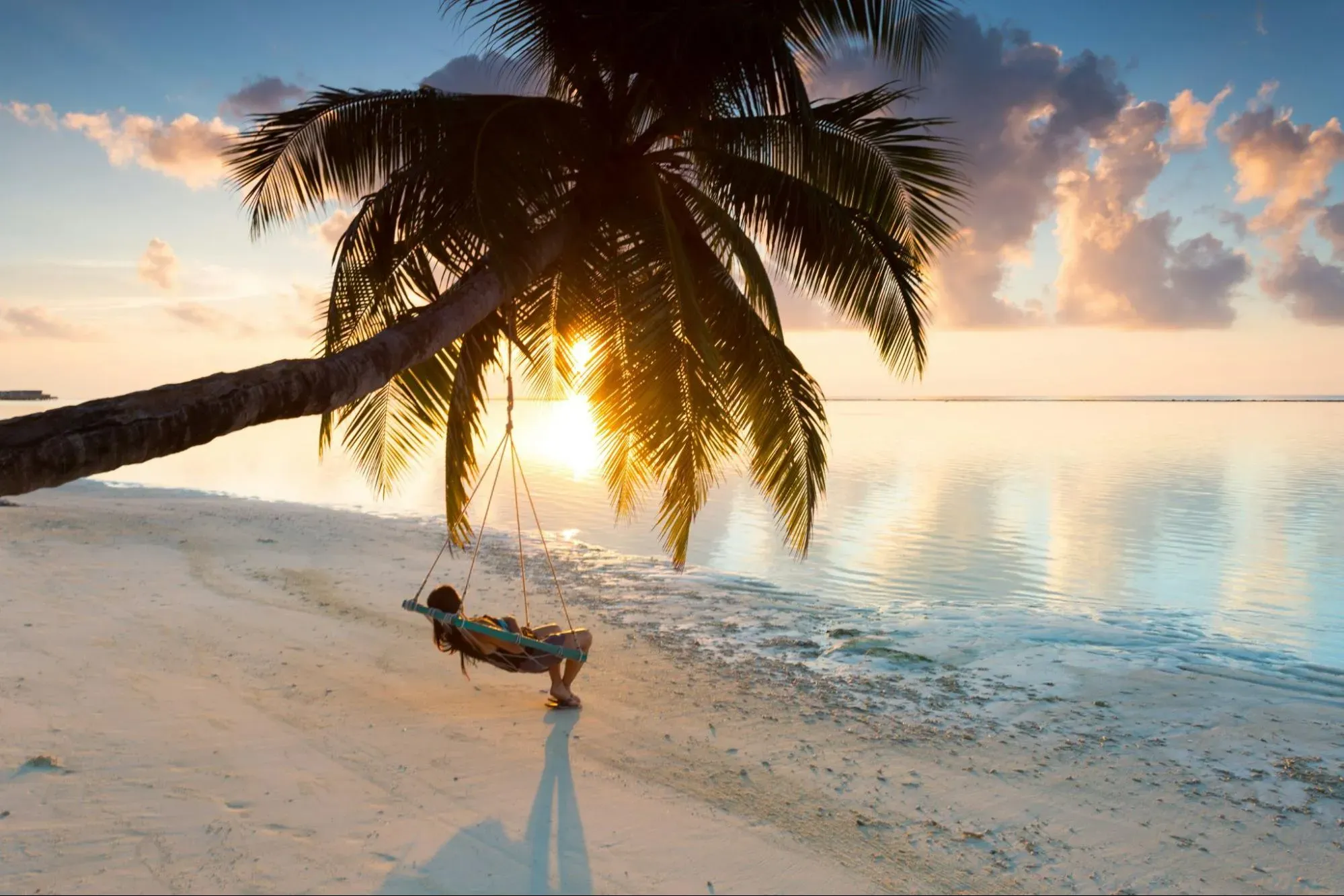
On some Maldives beach days, all you want to do is step into warm water and float. These four beaches offer calm lagoons and easy access to the sea.
Hulhumalé Beach (Kaafu Atoll) :
Hulhumalé is on a reclaimed island right next to Velana International Airport, making it the easiest Maldives beach to visit. It is about 6 km from Velana International Airport and only a ten-minute drive away. The lagoon is shallow and has a marked swimming area. Remember to cover up when you leave the sand.
- Best for: A first swim straight off the plane.
Veligandu Island Beach (North Ari Atoll) :
Veligandu is known for its long sandbank that stretches into the lagoon, letting you swim with turquoise water on both sides. The wide beach is open to guests of Veligandu Island Resort & Spa, making this peaceful Maldives beach resort a favourite for couples.
- Best for: Sandbank swims and a glowing sunset Maldives beach walk.
Cocoa Island, Makunufushi (South Malé Atoll) :
Cocoa Island, or Makunufushi, sits in the South Malé Atoll with soft, white beaches and clear water all around. The shallow lagoon is perfect for easy, relaxed swims, and since it’s a private island, the beach is yours to enjoy during your stay.
- Best for: Honeymooners who want calm water and seclusion.
Fihalhohi Island Beach (South Malé Atoll) :
Fihalhohi offers soft white sand and calm water, making it great for swimming and snorkelling. The beach slopes gently, so it is safe for children and less confident swimmers. The reef is close, so you can easily paddle out to explore.
- Best for: Relaxed family swims and shore snorkelling.
The Best Beaches in the Maldives for Sunbathing
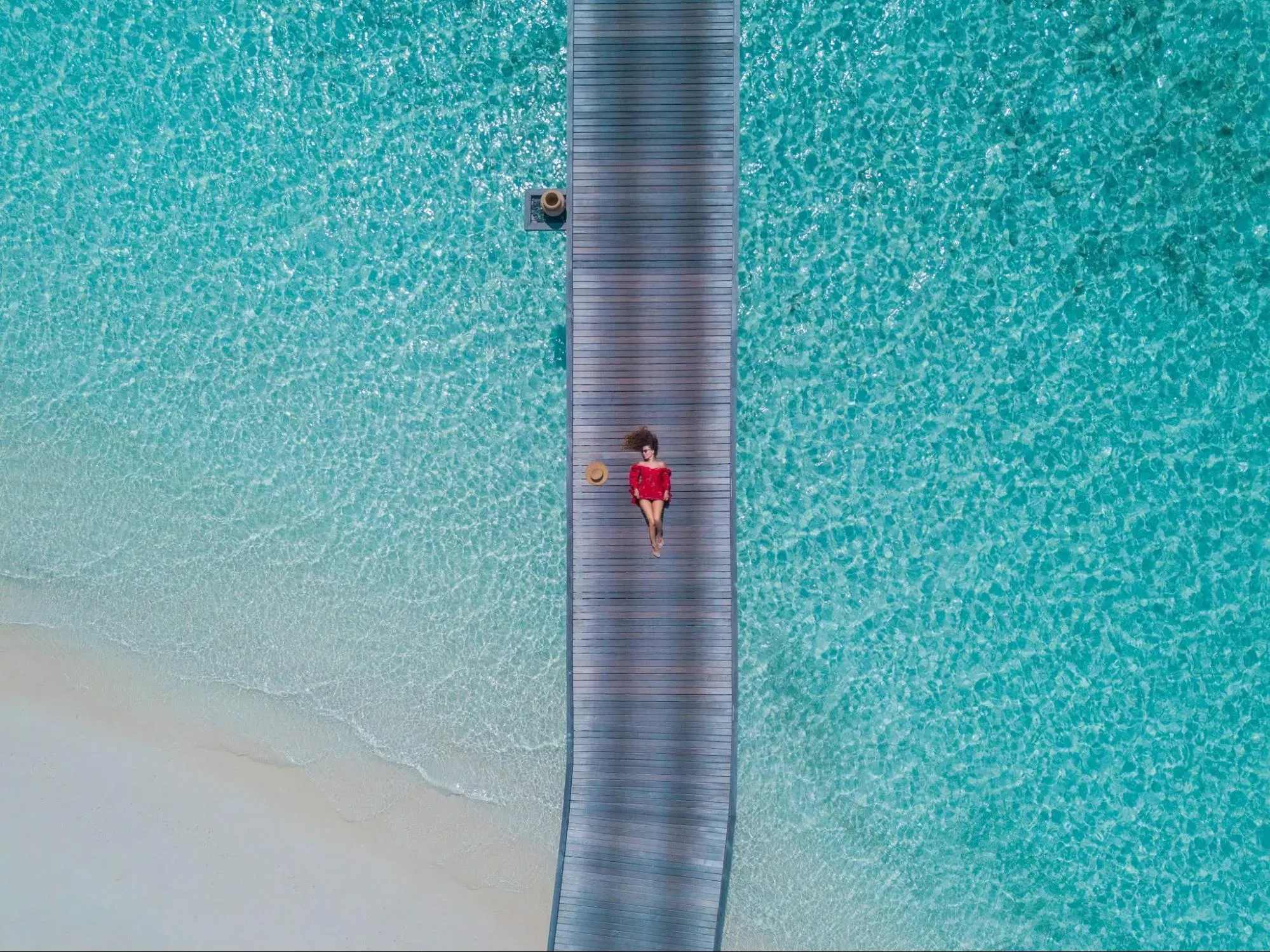 If you want to sunbathe on a local island, it’s important to know where you can wear swimwear. You should wear modest clothing that covers your shoulders and knees in places where swimwears are not allowed.
Maafushi Beach (Kaafu Atoll) :
Maafushi is home to one of the most popular beaches in the Maldives, a clean area on the island’s south side with plenty of lounges and water sports stands. Entry is free, but renting a sun lounger or umbrella usually costs five to fifteen US dollars per day.
- Best for: Easy sunbathing without a resort price tag.
Dhigurah Beach (South Ari Atoll) :
Dhigurah in Alif Dhaal Atoll has one of the longest beaches in the Maldives, stretching almost three kilometres. The western end is perfect for watching the sunset, while the eastern side is great for a morning swim. While you are here, you can also book a whale-shark snorkel at the island's dive centre.
- Best for: Long beach walks and big-fish snorkelling.
Thoddoo Beach (Alif Alif Atoll) :
Thoddoo is known in the Maldives for its fruit and vegetable farms, especially watermelon and papaya fields. There is also a quiet beach for sunbathing. The island is more conservative than busy Maafushi, so remember to dress modestly when you are in the village.
- Best for: Sunbathing with a slower, local rhythm.
Fulhadhoo Beach (Baa Atoll) :
Fulhadhoo has only about 250 residents, making it one of the Maldives' best-kept secrets. Here, you can often enjoy long stretches of beautiful beach all to yourself. This secluded Maldives beach is about a kilometre of soft sand within the UNESCO-listed Baa Atoll, and it has a calm, sandy lagoon.
- Best for: Sunbathing somewhere genuinely quiet.
Ukulhas (Alif Alif Atoll) :
Ukulhas is famous for its clear sand and turquoise lagoons. It has a dedicated beach for tourists and a relaxed atmosphere. The reef is close to the shore, making it easy to swim out for a quick dip between sunbathing sessions.
- Best for: Quiet sunbathing away from the crowds.
Best Maldives Beaches and Reefs for Snorkelling
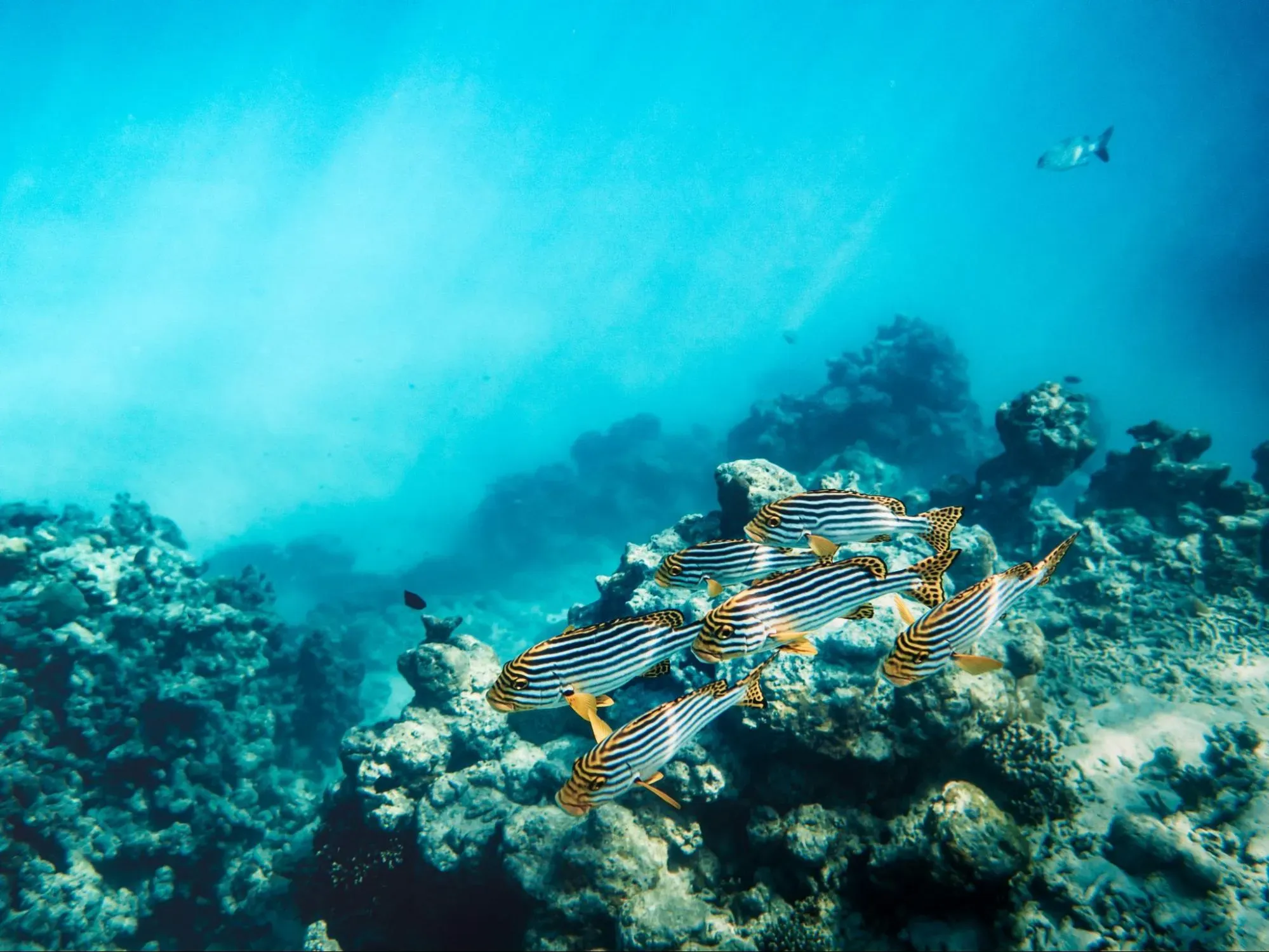
For Maldives snorkelling, the magic is offshore. Here, you can swim above vibrant reefs and, during certain seasons, see some of the ocean's largest creatures.
Hanifaru Bay (Baa Atoll) :
This is not a beach for sunbathing. Hanifaru Bay is a protected area that you can only reach by boat, and it offers some of the best snorkelling in the Maldives. The bay is famous for its large gatherings of manta rays and was named a Marine Protected Area in 2009. It is also part of the Baa Atoll UNESCO World Biosphere Reserve, established in 2011. Diving is not allowed here, but snorkelling is. From June to November, plankton blooms attract as many as 100 or more manta rays at a time. Visits are managed through licensed operators who follow a regulated schedule.
- Best for: Snorkelling with manta rays in season.
Rasdhoo (North Ari Atoll) :
Rasdhoo offers a local beach, a lively house reef, and early morning dive trips from its channel. Snorkellers can enjoy clear water and plenty of reef fish without needing a long boat ride.
- Best for: Mixing snorkelling with a sunbathe.
Kuramathi Island Beach (North Ari Atoll) :
Kuramathi features a wide sandbank, lush greenery, and a turquoise lagoon where guests can swim, snorkel, or kayak. The nearby corals are full of marine life, and the lagoon is calm enough for beginners.
- Best for: Shore snorkelling at a relaxed Maldives beach resort.
Hideaway Beach, Dhonakulhi (Haa Alifu Atoll) :
Hideaway Beach Maldives is located in the far north on a crescent-shaped island, offering some of the largest beachfront plots in the country. The resort is on Dhonakulhi Island in Haa Alifu, the northernmost atoll, where fewer boats keep the water clear and the house reef is easy to reach for great snorkelling all year. Getting to this remote five-star resort takes about 75 minutes by seaplane, or you can take a domestic flight followed by a speedboat. The western side is perfect for watching the sunset.
- Best for: A private Maldives beach villa with reef on the doorstep.
The Maldives Beach at Night: Glowing Water and Night Swimming
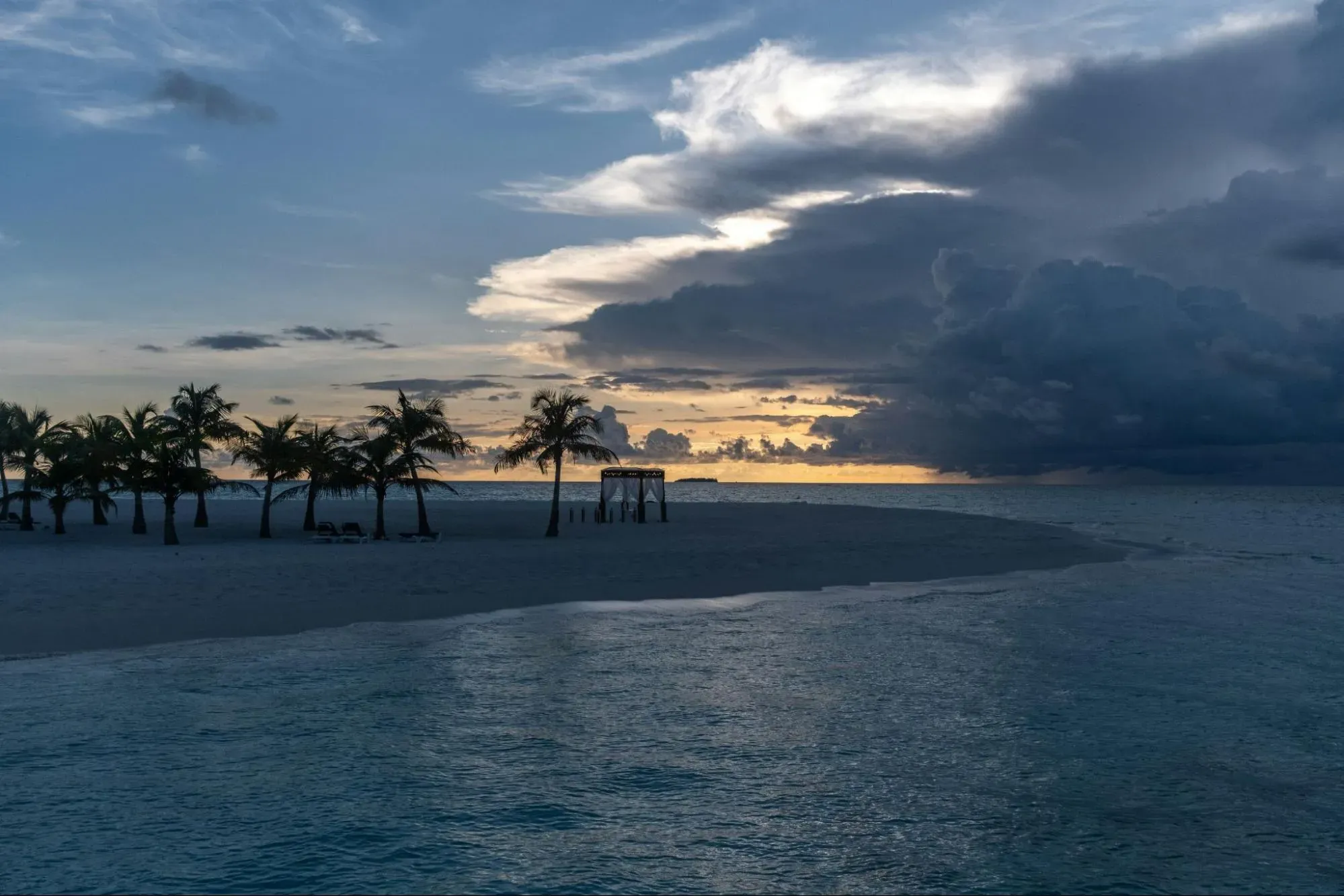
The Maldives beach at night has its own trick: glowing water. When bioluminescent plankton are stirred up, they light up in electric blue. Old stories say people once both respected and feared the glowing sea.
Vaadhoo Island, the Sea of Stars (Raa Atoll) :
Vaadhoo is the best-known spot to see the Maldives' beach glow at night, often called the Sea of Stars. Here, plankton light up with a bright blue glow whenever they are disturbed, so even a walk along the shore leaves shining trails in the sand, and the waves sparkle as they come in. This magical effect can happen at any time of year, but it is most common during the wet season from June to October, especially on calm, dark nights with little artificial light. If the conditions are right, you might even enjoy night swimming among the glowing water, though it is never guaranteed.
- Best for: Night swimming in glowing water.
Mudhdhoo Beach (Baa Atoll) :
Mudhdhoo in Baa Atoll is another place where you can see the Sea of Stars when the conditions are right. The displays here are just as stunning as those on Vaadhoo, but they are not as widely advertised. Take a late-night walk along the shore and watch the beach light up with blue.
- Best for: A calmer take on the glowing-water night swimming scene.
Tribe Travel Tips:
Bring a sarong or a light cover-up when visiting local islands, and plan to buy bottled water once you arrive. Tap water is not always safe to drink on inhabited islands such as Maafushi. Also, many Maldivian resorts and some local islands ask guests to use reef-safe sunscreen and restrict oxybenzone-based products, so pack one.
Ready to Plan Your Maldives Getaway?
A bit of planning goes a long way in the Maldives. If you love swimming, look for a calm lagoon. For sunbathing, try a local-island beach. Snorkelers should check out a reef like Hanifaru, while Vaadhoo is perfect if you want to see a glowing Maldives beach at night. Most people can easily enjoy two or three of these experiences in one holiday. At Holiday Tribe, we help you create a land-only Maldives holiday that fits your style, matching the island, season, and beach to your preferences. Visit holidaytribe.ai to get started.