

Kyoto was Japan's imperial capital for over 1,000 years. Now, it has 17 UNESCO World Heritage Sites, more than 2,000 temples and shrines, and some of the country's best-preserved old streets. From mountain shrine trails in the east to bamboo groves in the west, each area has something unique. This guide shares nine of the top places to visit in Kyoto, like Fushimi Inari Taisha, Arashiyama Bamboo Grove, Nishiki Market, Saiho-ji, and others.
This guide gives you details about each place, including entry info, the best times to visit, and what else you can do nearby.
What Are the Best Places to Visit in Kyoto, Japan?
The list of places to visit in Kyoto, Japan, is organised to help you group nearby sights and plan your route, so you spend less time travelling across the city. These places to visit in Kyoto include shrines, old streets, a food market, a moss garden, and a bamboo forest.
Here’s a quick overview:
- Fushimi Inari Taisha
- Kiyomizu Dera Temple
- Gion and the Gion District
- Higashiyama
- Arashiyama Bamboo Grove
- Nishiki Market
- Saiho-ji (Moss Temple)
- Maruyama Park
- Heian Jingu Shrine
Walk Through the Torii Gates of Fushimi Inari Taisha
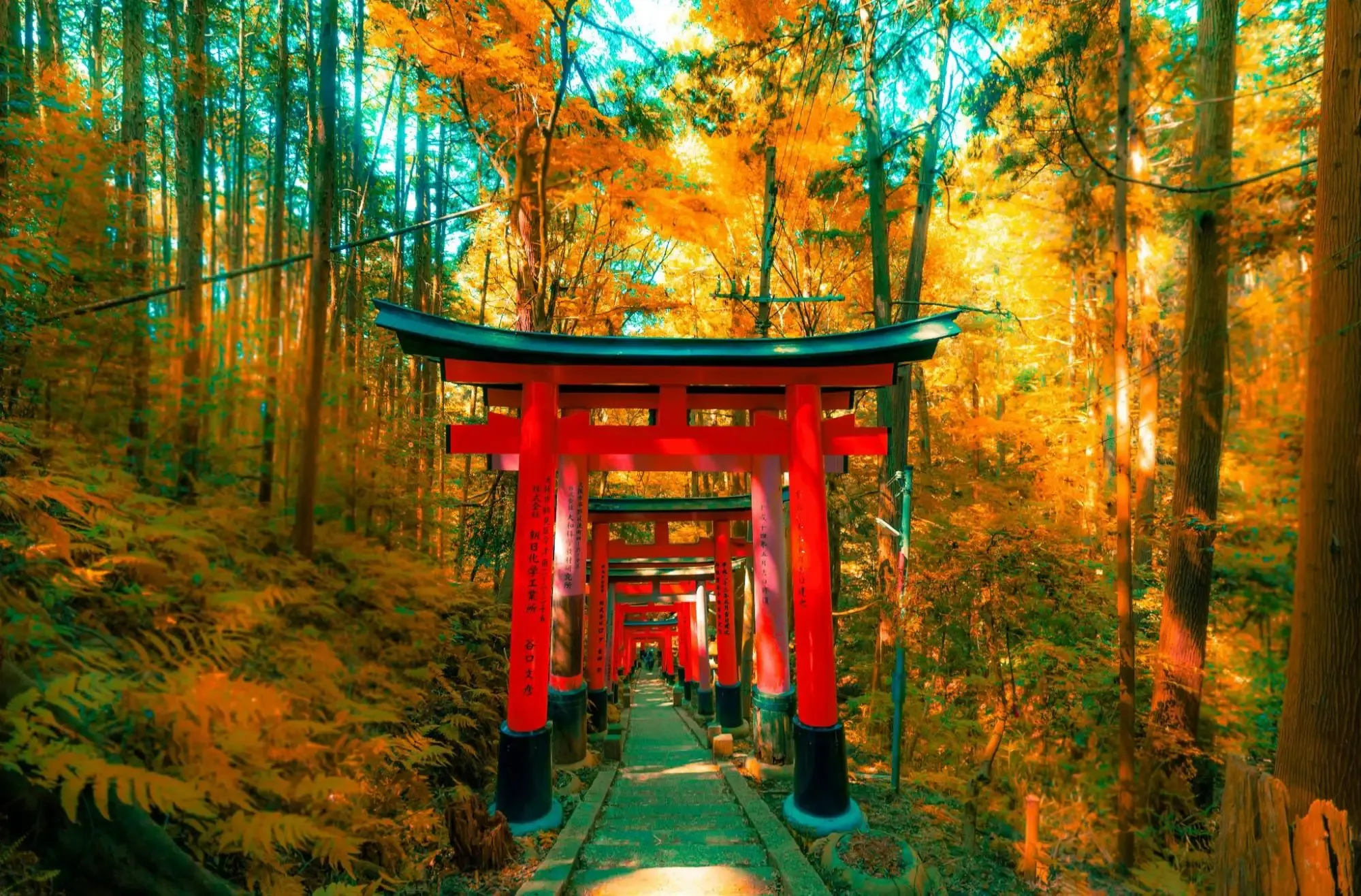
Fushimi Inari Taisha is a Shinto shrine founded in 711 CE and is one of the most photographed sites in Japan. It is known for the over 10,000 vermilion torii gates lining the 4 km of trails at Mount Inari in southern Kyoto.
- Entry: Free; open 24 hours every day
- Best time to visit: Before 8am for the fewest crowds and best light for photography
- Access: JR Nara Line to Inari Station; 5 minutes from Kyoto Station at ¥150
- Key spot: The Yotsutsuji Intersection sits roughly halfway up the trail and offers a clear view over Kyoto
Fushimi Inari Taisha is one of the most popular places to visit in Kyoto, Japan. The upper parts of the trail are much quieter than the busy gate tunnels at the base, so many people choose to keep walking past the lower gates.
Take in the Views from Kiyomizu Dera Temple
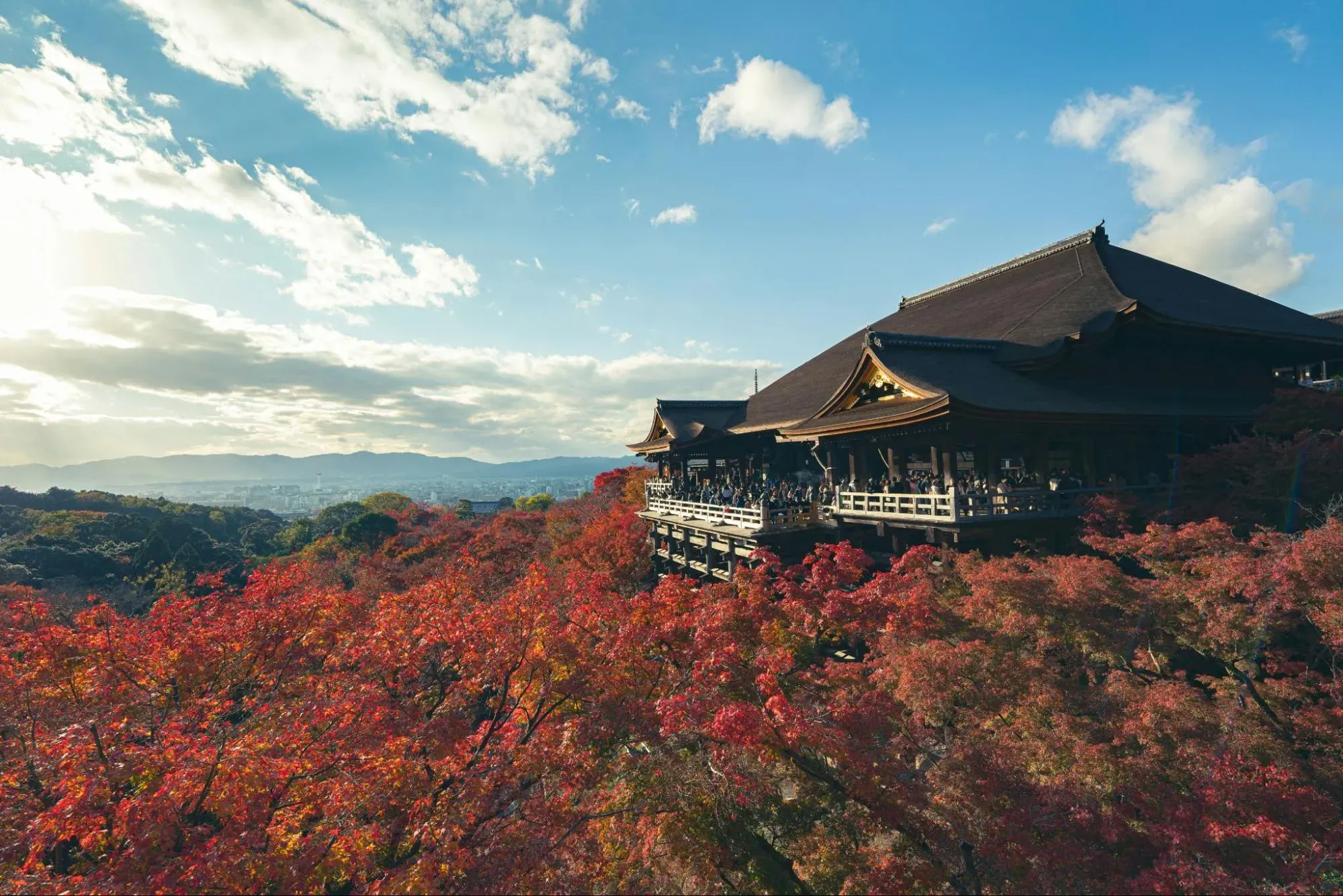
Kiyomizu Dera Temple is a UNESCO World Heritage Site set into the hillside of the Higashiyama district in eastern Kyoto. Its wooden stage extends from the main hall, offering panoramic views of the city and the forested hills below.
- Entry: ¥500 per adult
- Hours: 6am to 6pm (extended to 9pm during specific seasonal periods; check the official site before visiting)
- Founded: 778 CE; the current main hall was rebuilt in 1633; its famous wooden stage is supported by traditional joinery without a single nail
- Access: A 20-minute uphill walk from Gion-Shijo Station (Keihan Line) through the craft shop-lined lanes of Ninenzaka
Kiyomizu Dera is one of the places to visit in Kyoto that is easy to combine with the Higashiyama walking route because both are in the same area.
Step Into the Historic Gion District
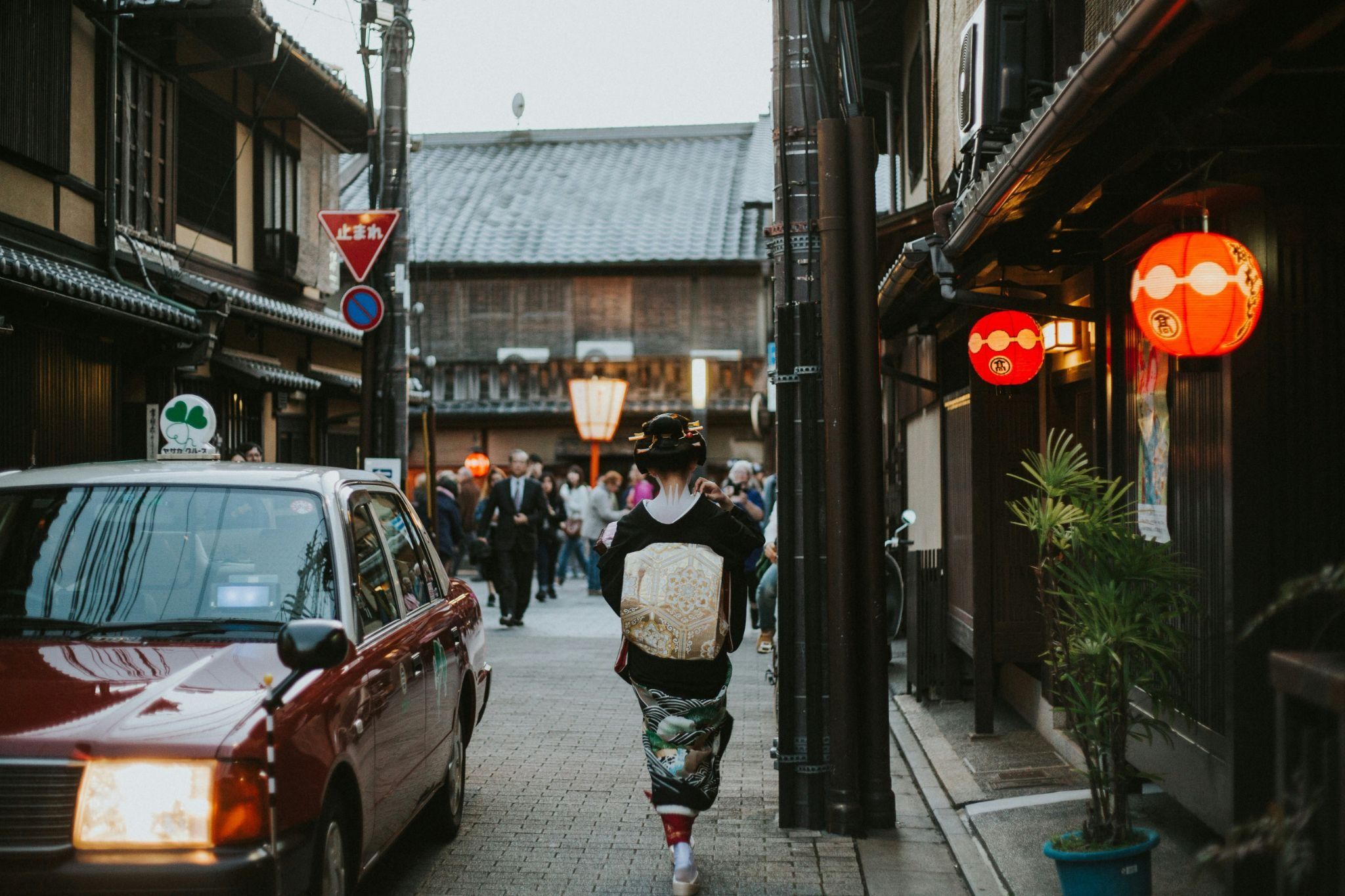
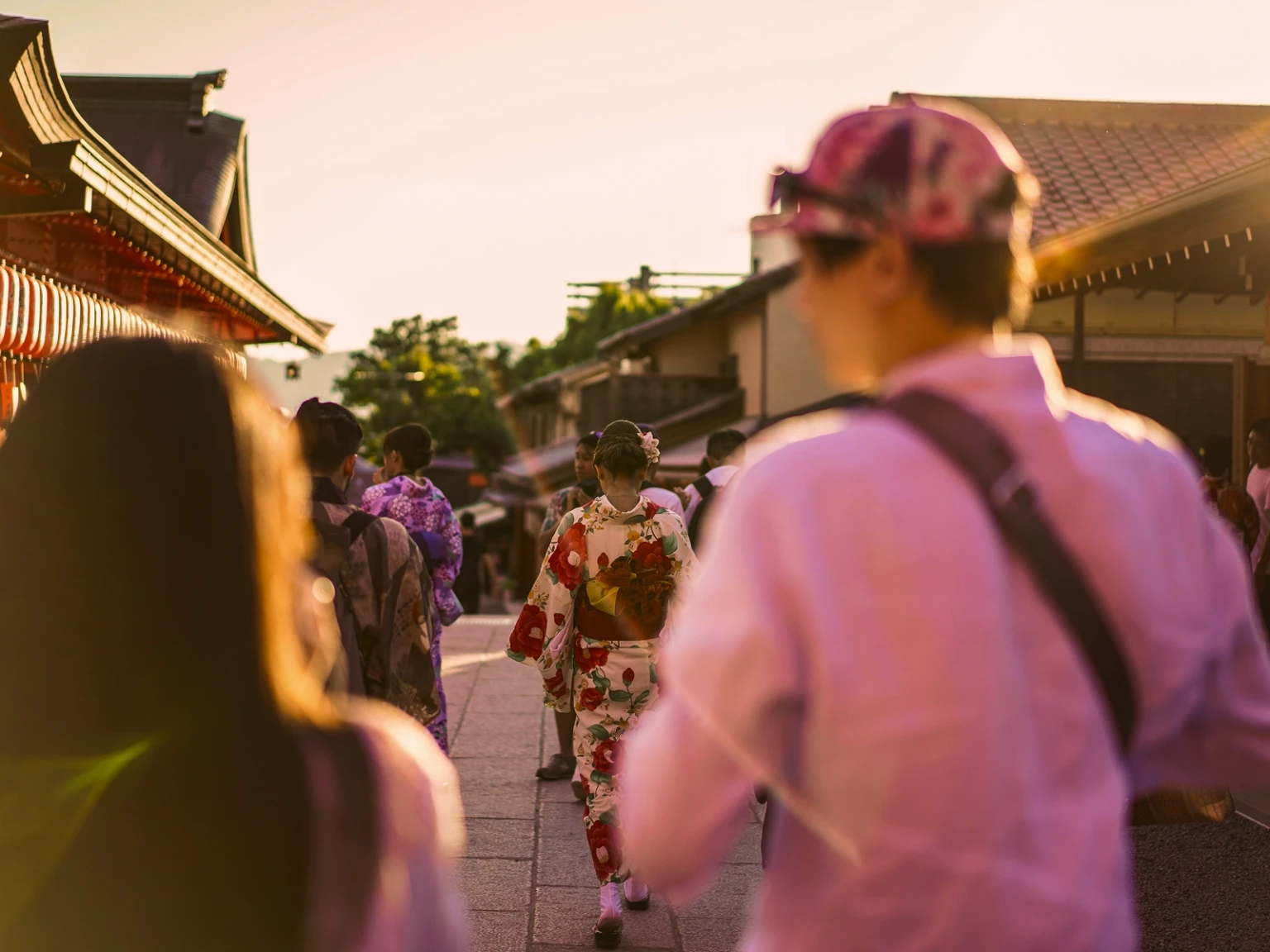
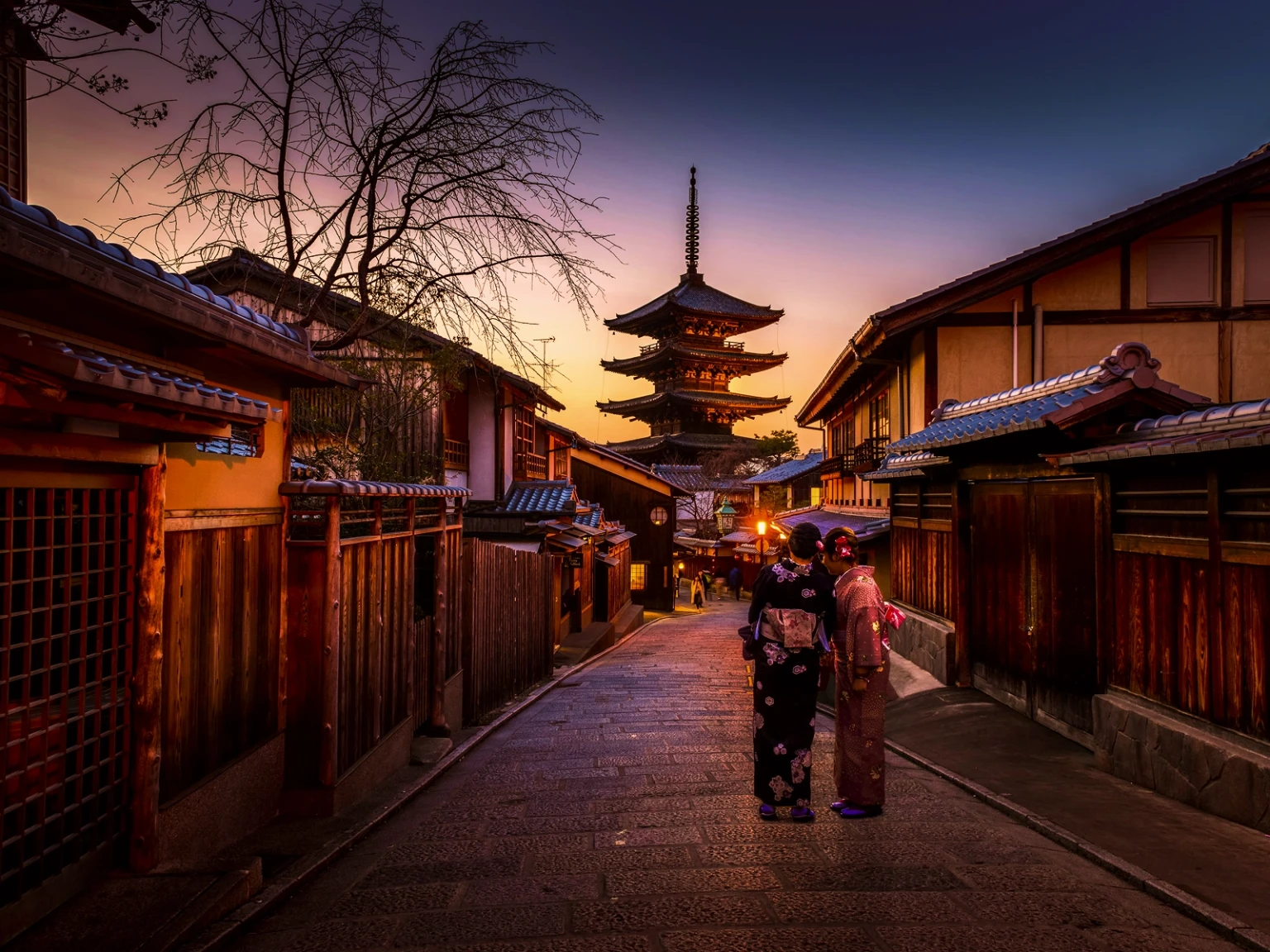
Gion is Kyoto's most famous preserved neighbourhood. The Gion District has been the city's geisha quarter for centuries and is centred on Hanamikoji Street, a narrow lane lined with wooden machiya tea houses that remain largely unchanged.
- Entry: Free; no tickets required
- Best time to visit: Evening; lanterns light up after dusk and geiko (Kyoto's word for geisha) can sometimes be seen on their way to evening engagements
- Photography: Some private streets in Gion have strict no-photography rules; respect all posted signs
- Combining sights: Gion connects eastward to Maruyama Park and Yasaka Shrine, which are both walkable in under 10 minutes
The Gion District stands out as one of the most unique places to visit in Kyoto, Japan, and is a great spot to visit in the evening after seeing temples during the day.
Also Read: Our complete guide on the Gion Matsuri Kyoto’s Festival.
Stroll Through the Streets of Higashiyama
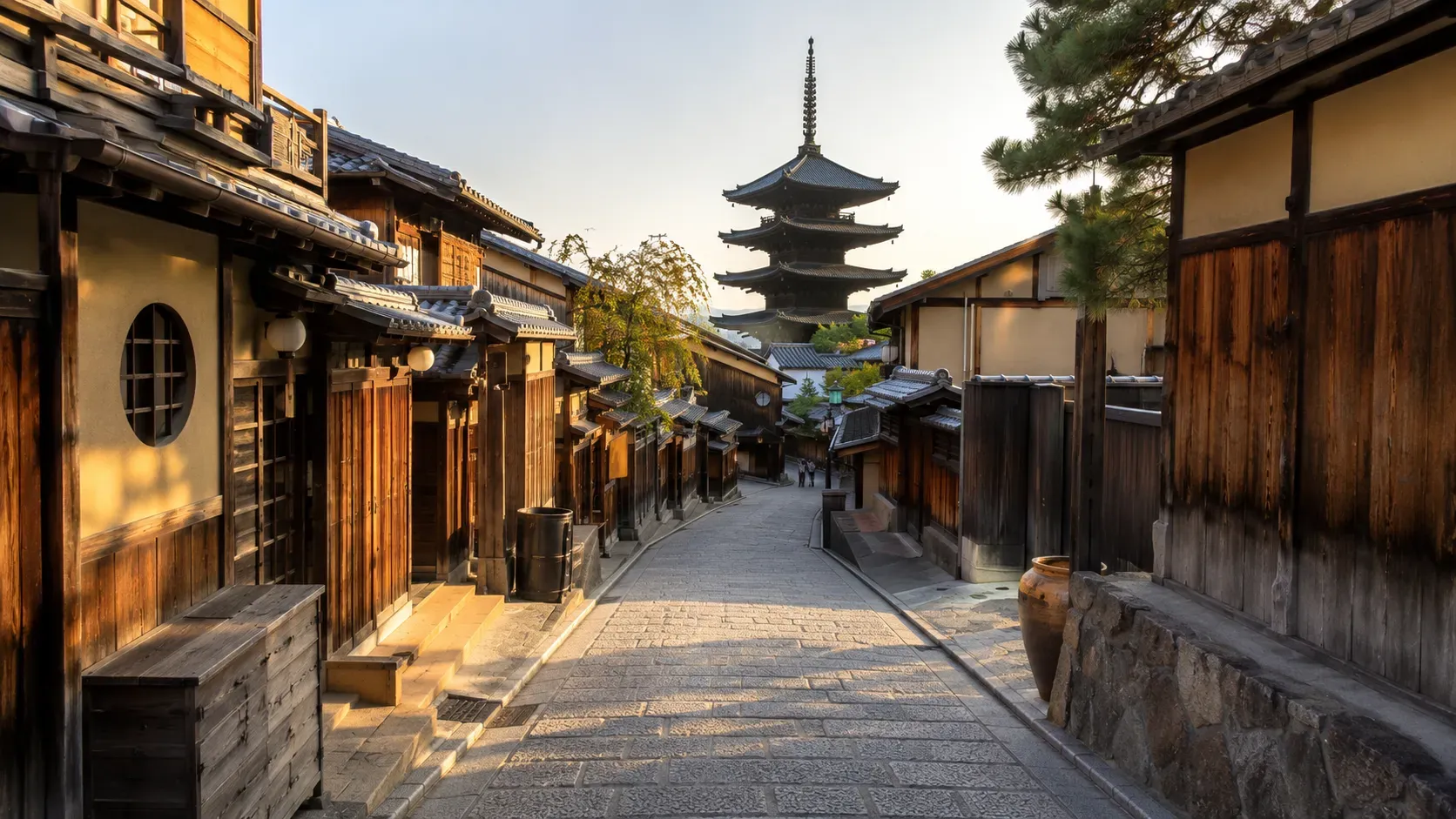
Higashiyama is Kyoto's most intact historic neighbourhood, running along the city's eastern hills. Stone-paved lanes including Ninenzaka and Sannenzaka connect Kiyomizu Dera to Gion, and both are lined with wooden townhouses, small craft shops, and traditional cafes.
- Entry: Free to walk through; individual sites charge separate fees
- Best time to visit: Early morning before 9am for the quietest experience
- Access: 15-minute walk from Gion-Shijo Station (Keihan Line)
- Combining sights: If you want to see several places in one half-day, Higashiyama is the best base for combining the most places to visit in Kyoto.
Higashiyama is one of Kyoto's most photographed neighbourhoods, particularly around Yasaka Pagoda near the Ninenzaka area.
Walk Beneath the Arashiyama Bamboo Grove
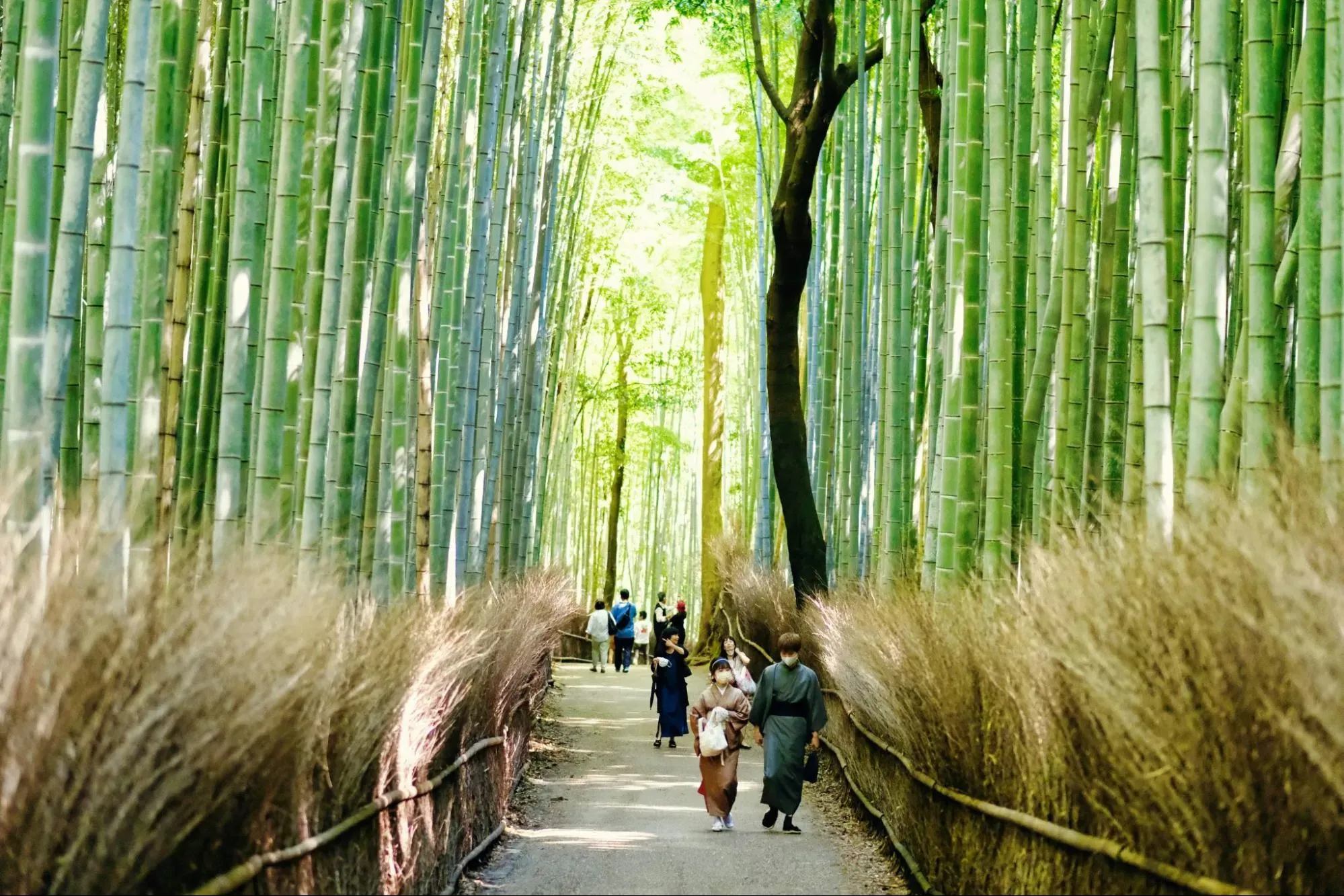
The Arashiyama Bamboo Grove is a short walk from Arashiyama Station in western Kyoto. The path through the towering bamboo stalks is one of the most recognised natural landscapes in Japan and is best experienced in the early morning when it is calm and quiet.
- Entry: Free; open at all hours
- Best time to visit: Before 8am for the fewest visitors and the best atmosphere
- Nearby: Tenryu-ji Temple (UNESCO World Heritage Site; garden entry ¥500) is directly adjacent; the Katsura River bank is a short walk away
- Adding to the day: The Arashiyama Bamboo Grove works well combined with a Hozugawa River boat ride or a visit to Okochi Sanso Villa
The Arashiyama Bamboo Grove is one of the places to visit in Kyoto, Japan, that attracts visitors all year, no matter the weather. With so many nearby sights, Arashiyama is a great place to spend a full day.
Taste Local Specialities at Nishiki Market
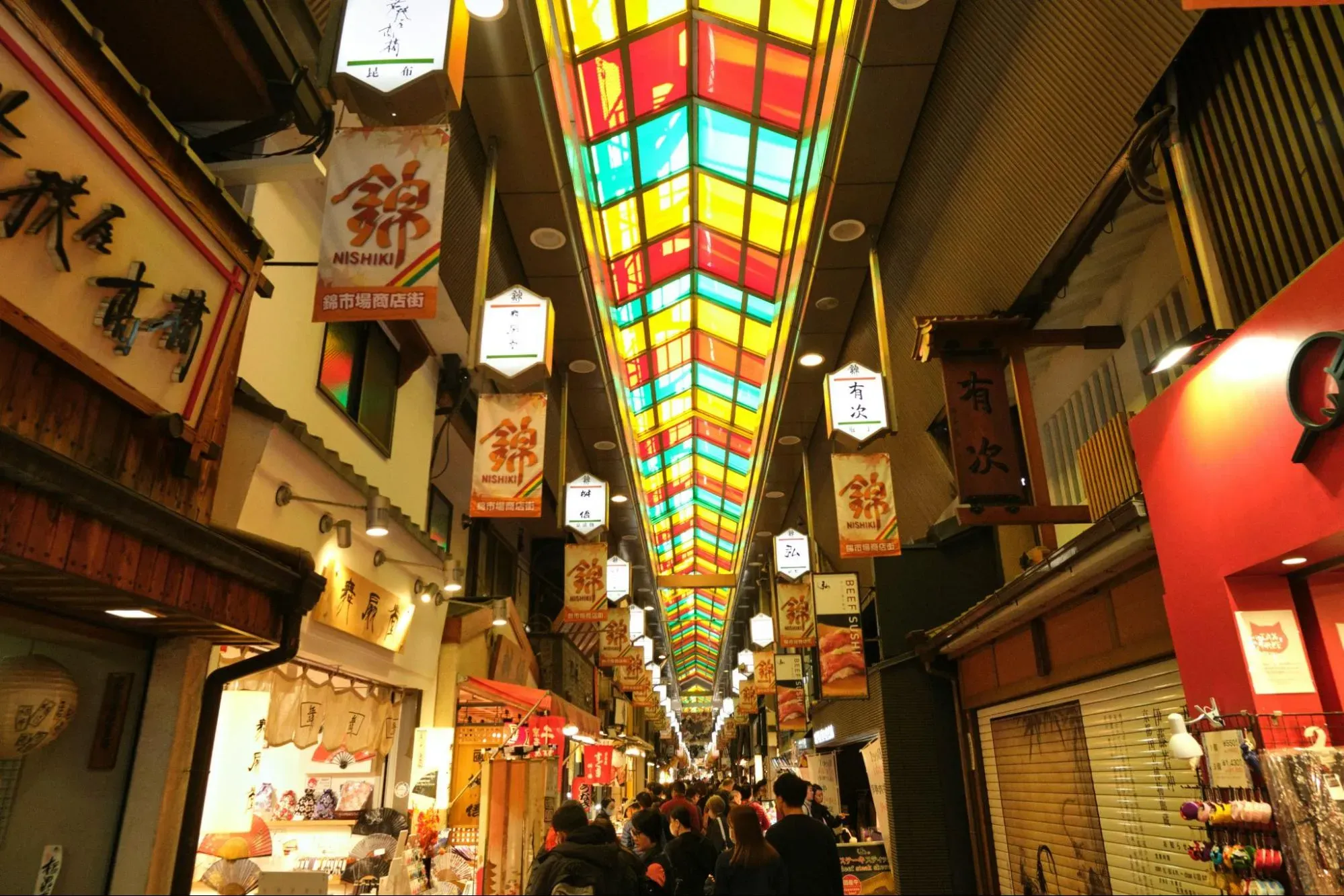
Nishiki Market is a 400-metre covered market street in central Kyoto. Its origins as a fish trading district trace back to the early 14th century; the market was formally established in 1615 and has traded continuously since.
- What you'll find: Matcha sweets, pickled vegetables, grilled seafood on skewers, Kyoto-style tofu, fresh produce, and handmade ceramics
- Best time to visit: Morning, when stalls are freshest, and the lane is at its most lively; it gets crowded by midday on weekends
- Location: Runs parallel to Shijo Street between Teramachi and Nishikikoji; connects to Shinkyogoku Shopping Street at the eastern end
- Note: Eating while walking is not customary in Japan; most stalls have a small standing space nearby where you can finish your food
Nishiki Market is one of the most food-focused places to visit in Kyoto for those who want a taste of the city's food culture without sitting down at a restaurant.
Slow Down at Saiho-ji (Moss Temple)
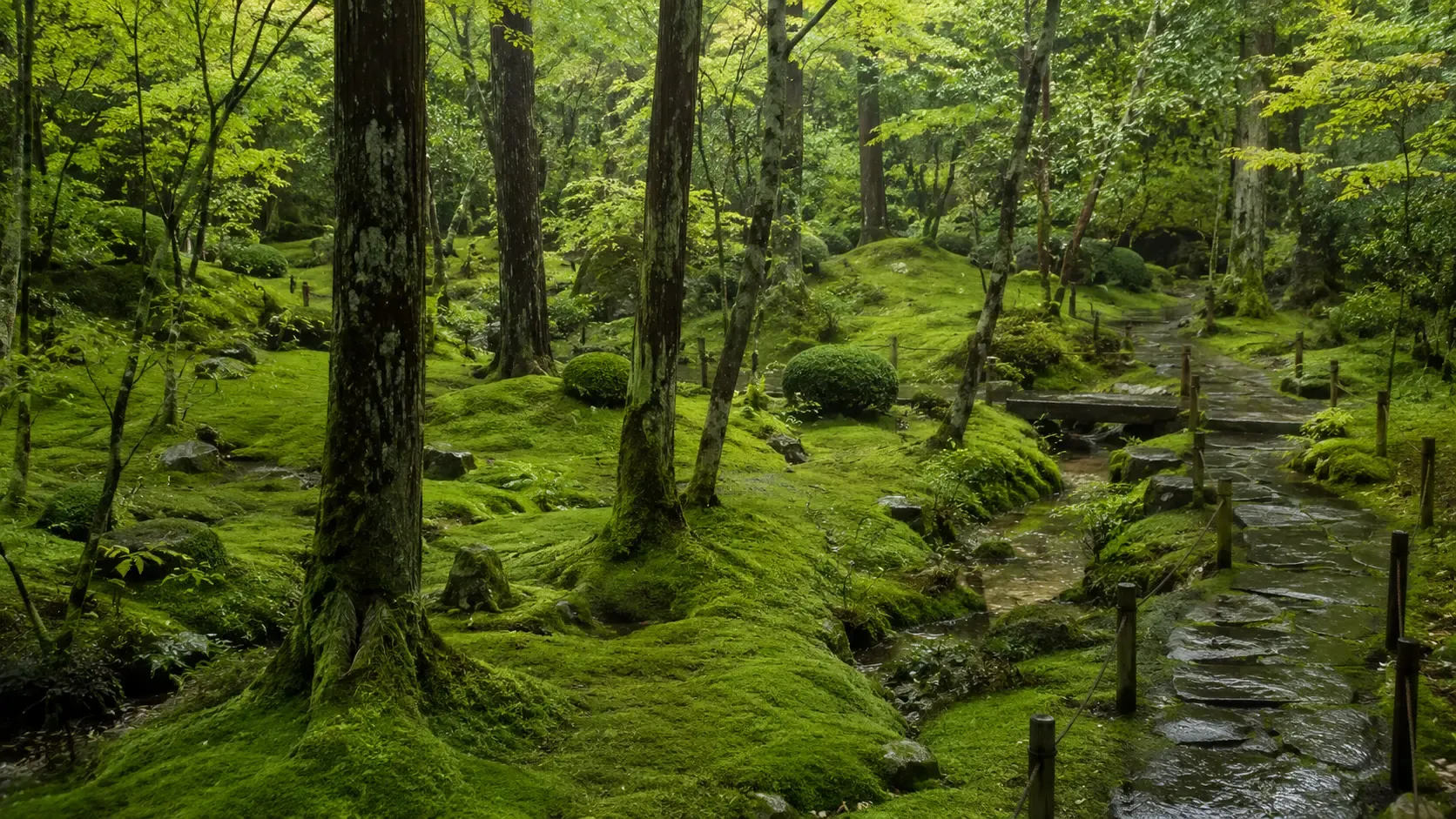
Saiho-ji, also called the Moss Temple, is a Zen Buddhist garden in western Kyoto. Its grounds are covered with over 120 types of moss, making it one of the most peaceful places to visit in Kyoto, Japan.
- Entry: Reserve in advance through the official Saiho-ji website; popular dates fill weeks ahead, particularly in spring and autumn. Postal applications are also available for international visitors.
- What to expect: Entry begins with a brief Zen ritual (sutra copying) in the main hall before you enter the garden
- Best time: Late spring or early summer when moss is at its most vivid green
- UNESCO status: Saiho-ji is a designated UNESCO World Heritage Site
Tribe Travel Tip: Photography is not permitted inside the temple building; it is allowed in the garden itself.
Take a Break at Maruyama Park
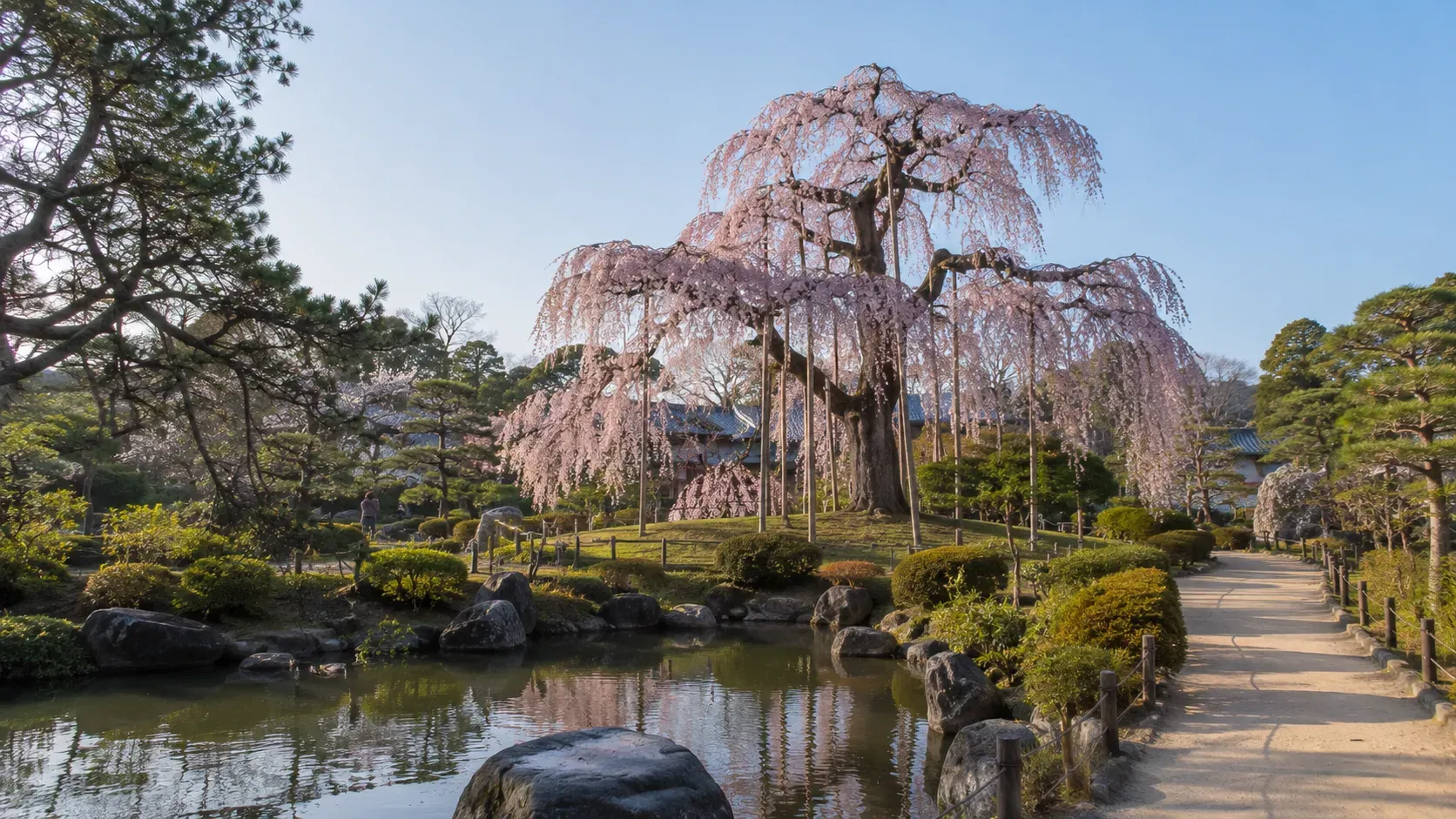
Maruyama Park is Kyoto's most well-known public park, located directly behind Yasaka Shrine in the Gion District. It serves as a natural rest point between the eastern temple circuit and the evening streets of Gion.
- Entry: Free; open at all hours
- Best time to visit: Spring (late March to early April) when the park's famous weeping cherry tree is in full bloom; also pleasant in autumn
- Walking time: 20 to 30 minutes is enough to walk the full park at a comfortable pace
- Combining sights: Maruyama Park sits between Higashiyama, Gion, and Yasaka Shrine; all three are walkable from the same starting point
Maruyama Park is one of the easiest free places to visit in Kyoto, Japan, and is a nice spot to end your day after visiting Higashiyama or Gion.
Also Read: Check out our Cherry Blossom Season Japan guide.
Visit the Grand Heian Jingu Shrine
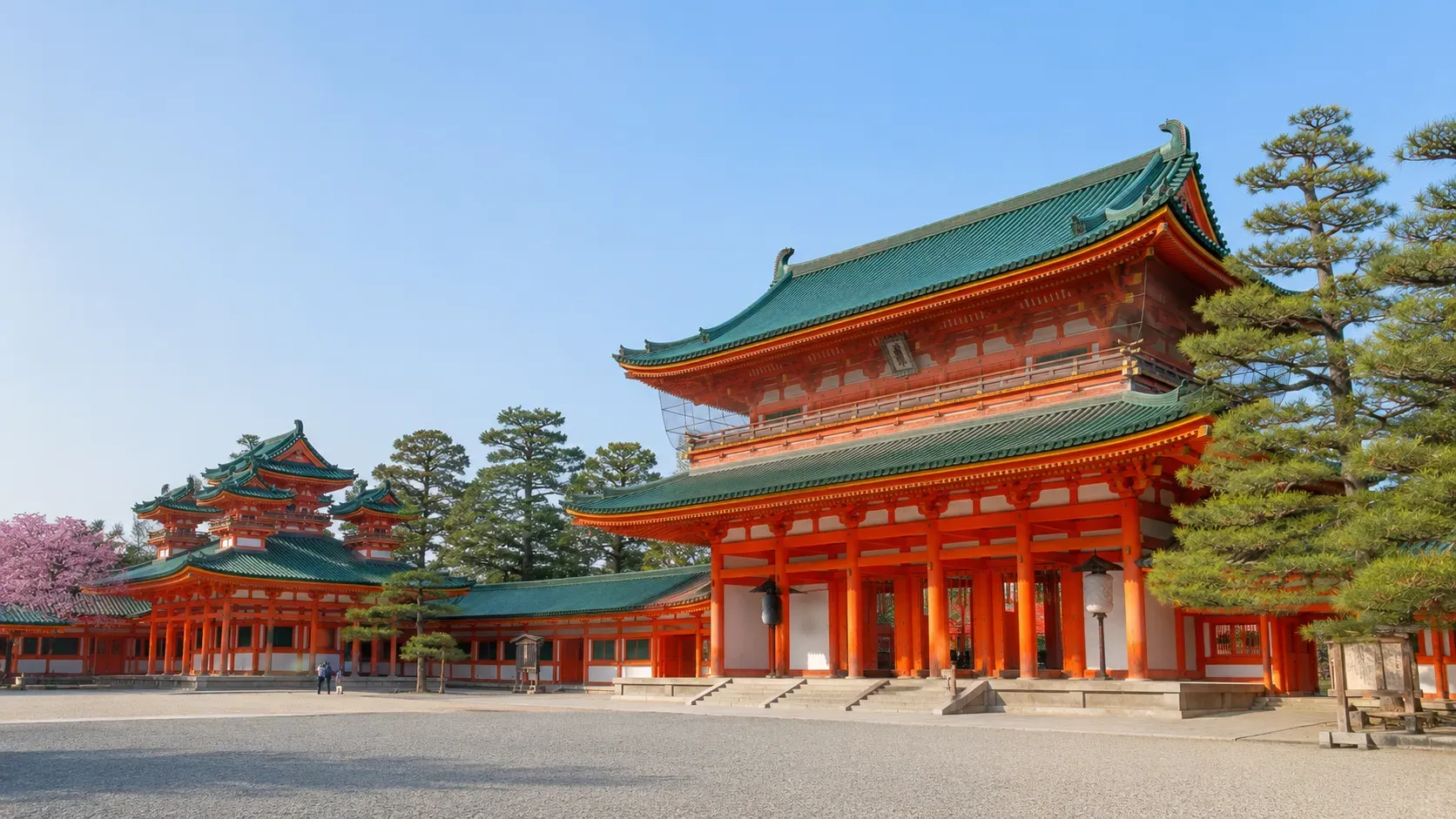
Heian Jingu Shrine was built in 1895 to mark the 1,100th anniversary of the establishment of Heiankyo as Japan's imperial capital. It is known for its large vermilion torii gate, which stands in the open public plaza before the shrine entrance.
- Entry: Shrine grounds are free; garden entry is ¥600
- Hours: Grounds open daily from 6am; garden opens 8:30am (closing time varies by season)
- Location: Okazaki Park area; nearest station is Higashiyama on the Tozai subway line
- Nearby: The Okazaki museum district (Kyoto Municipal Museum of Art, National Museum of Modern Art) is directly adjacent
Heian Jingu Shrine is one of the quieter places to visit in Kyoto, and its park is a peaceful choice if you want to avoid big crowds.
What Can You Do After Kyoto Sightseeing?
Most places to visit in Kyoto, Japan, are close to other attractions, so you can fill your day without much extra travel.
Sight | Nearby Experience | Travel Time |
Fushimi Inari Taisha | Fushimi sake brewery district; Gekkeikan Okura Sake Museum | 10 min walk south |
Arashiyama Bamboo Grove | Hozugawa River boat ride (departs Kameoka, arrives Arashiyama); To-ji Flea Market (21st of each month) | River ride approximately 2 hours; To-ji by JR train |
Nishiki Market | Shinkyogoku Shopping Street (connected at Teramachi end); Gion Hanamikoji evening walk | 0 min; 15 min walk east |
Heian Jingu Shrine | Kyoto Municipal Museum of Art; National Museum of Modern Art; Okazaki Canal boat rides (seasonal) | Adjacent |
Final Takeaway
The places to visit in Kyoto offer a balanced mix of history, culture, nature, and local food. Fushimi Inari Taisha is known for its mountain trails and torii gates, while Kiyomizu Dera Temple provides panoramic city views. The historic lanes of Higashiyama connect several major attractions on a single walking route, and Saiho-ji offers a peaceful garden experience with limited daily entry. Planning ahead helps you make the most of each stop. Book Saiho-ji in advance, arrive at Fushimi Inari Taisha before 8am, and group nearby sights to save time.
If you're planning a holiday in Kyoto, Japan, Holiday Tribe's travel advisors can help you create an itinerary tailored to your interests.