

Singapore thrives on its markets. Before the rooftop bars and designer malls, these were the places where people bought food, clothes, and bargained with each other. That lively atmosphere is still here today. A great Singapore market is both a pantry and a stage: you’ll see trays of live prawns on ice, catch the scent of biryani near gold-trimmed sarees, and maybe have an auntie offer you a slice of mango before you even decide to buy. You can learn more about Singapore in one morning at a market than in a whole week of sightseeing. This guide will show you 15 market experiences worth spending a day on, from famous hawker centres to 24-hour shopping spots, along with tips like the best Singapore market time to turn up.
Little India's Markets, Spices and Gold
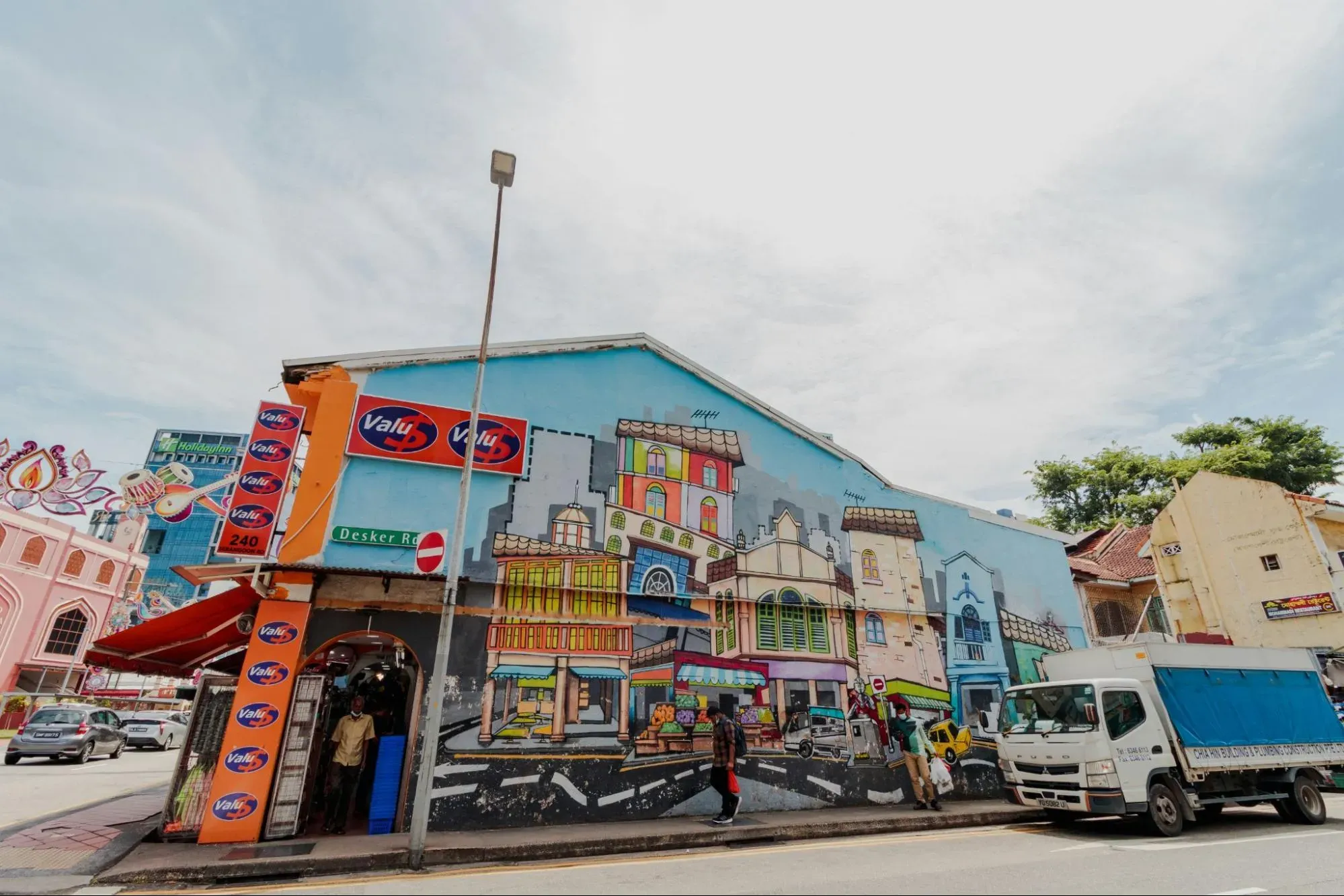
Eating your way through Tekka Market, Singapore :
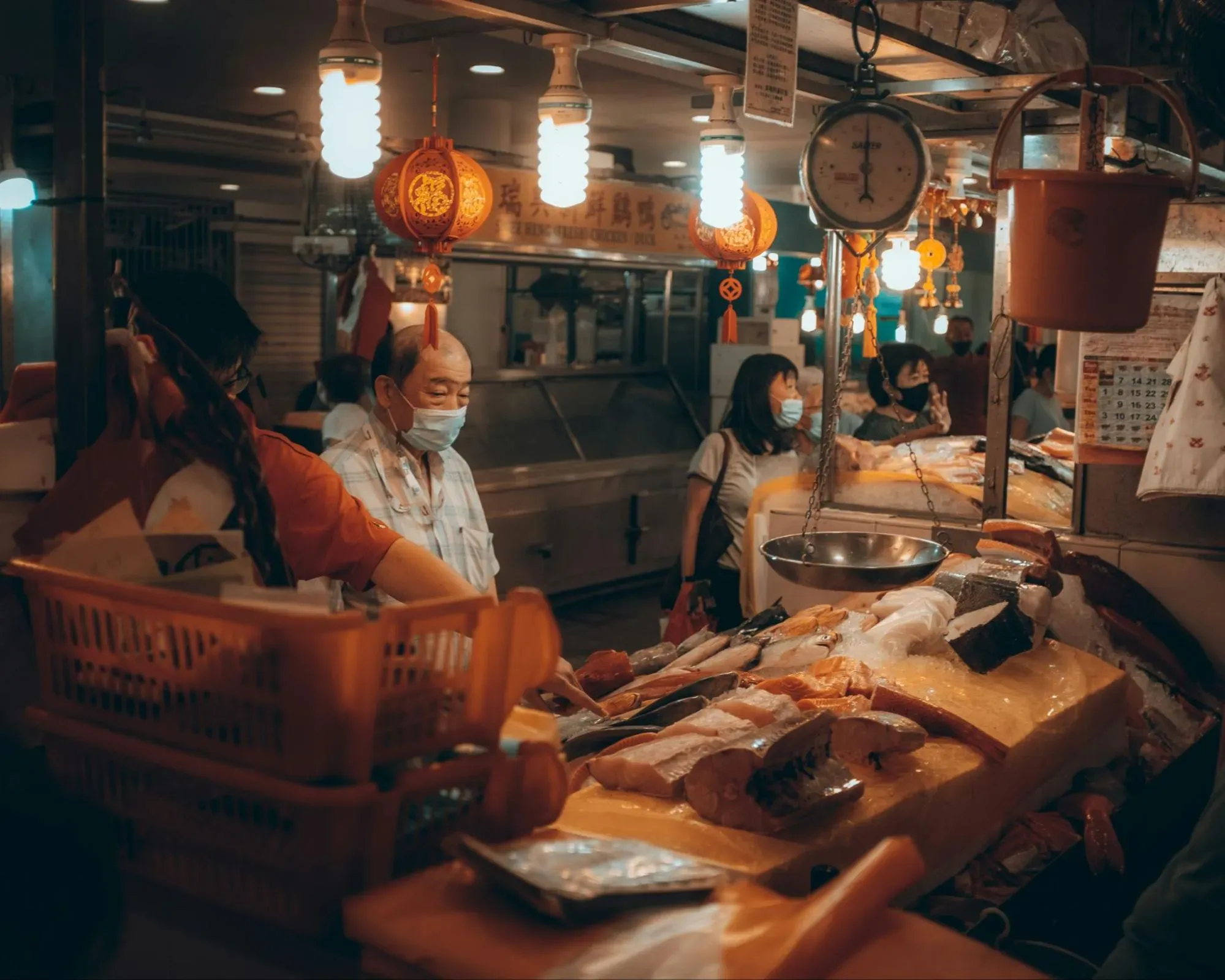
Start at Tekka Market Singapore, the island’s largest wet market and one of the few that stays open past noon, from about 6:30am until late afternoon. On the ground floor, you’ll find fishmongers selling fresh seafood on ice alongside a hawker hall known for its fragrant biryani. If you see a long line, it’s usually a good sign. Join it, and you’ll likely enjoy something delicious.
The saree and textile floors :
If you go upstairs, you’ll find the building becomes a lively market selling sarees, Ayurvedic oils, and gold. Here’s a fun fact: Tekka Market gets its name from the Hokkien words tek kia kha, which means the foot of the small bamboos that used to grow along the nearby Rochor Canal.
Round-the-clock shopping at Mustafa Market, Singapore :
Just a few streets away is Mustafa market, Singapore's most famous shop that never closes. Since 1971, this 24-hour market has offered thousands of items, from gold chains and cameras to luggage. Even at 2am, the place is bustling, although the gold section usually closes by 10pm.
Garlands and spices on Serangoon Road :
Step outside to see flower-garland makers threading jasmine by hand. Browse through sacks of spices, then visit the covered Little India Arcade for henna, bangles, and incense. If you come during Deepavali, the whole area glows with light arches.
Chinatown's Hawker and Street Markets
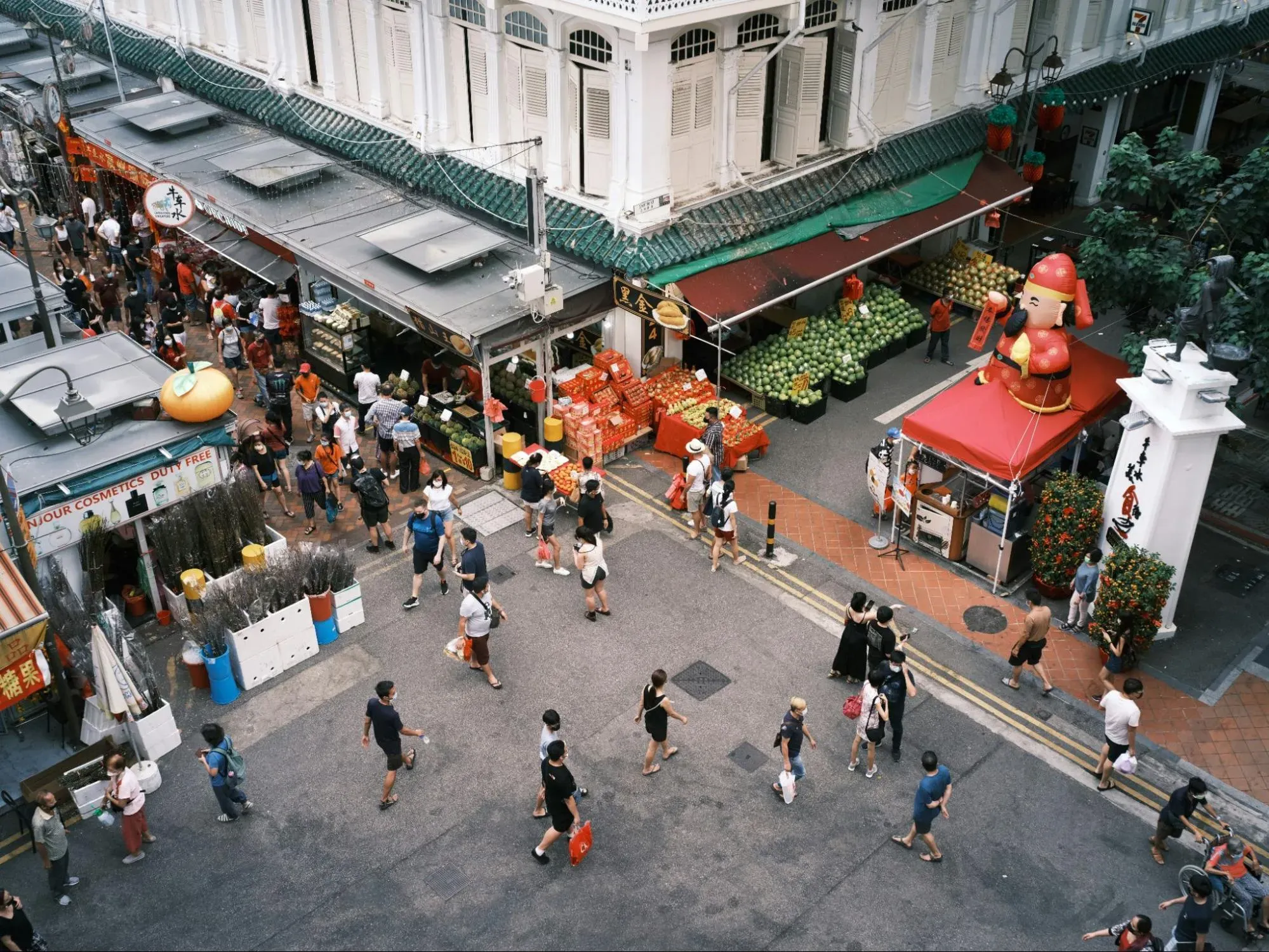
Michelin-recognised plates at Chinatown Complex :
Singapore’s largest hawker centre opened in 1983 and has more than 260 stalls under one roof. It’s where you’ll find Hawker Chan, famous for serving the world’s first Michelin-starred hawker meal, the soya sauce chicken rice, in 2016. Although it lost its star in 2021, the line for a plate, which costs from around S$3.50, is still just as long.
Souvenir hunting on Pagoda Street :
Pagoda and Trengganu Streets make up the Chinatown Street Market, where red-shuttered shophouses line the road and sell silk, tea, fridge magnets, and trinkets. Bargaining here is common and friendly, so don’t accept the first price you hear.
Heritage Hawker Markets Worth a Detour
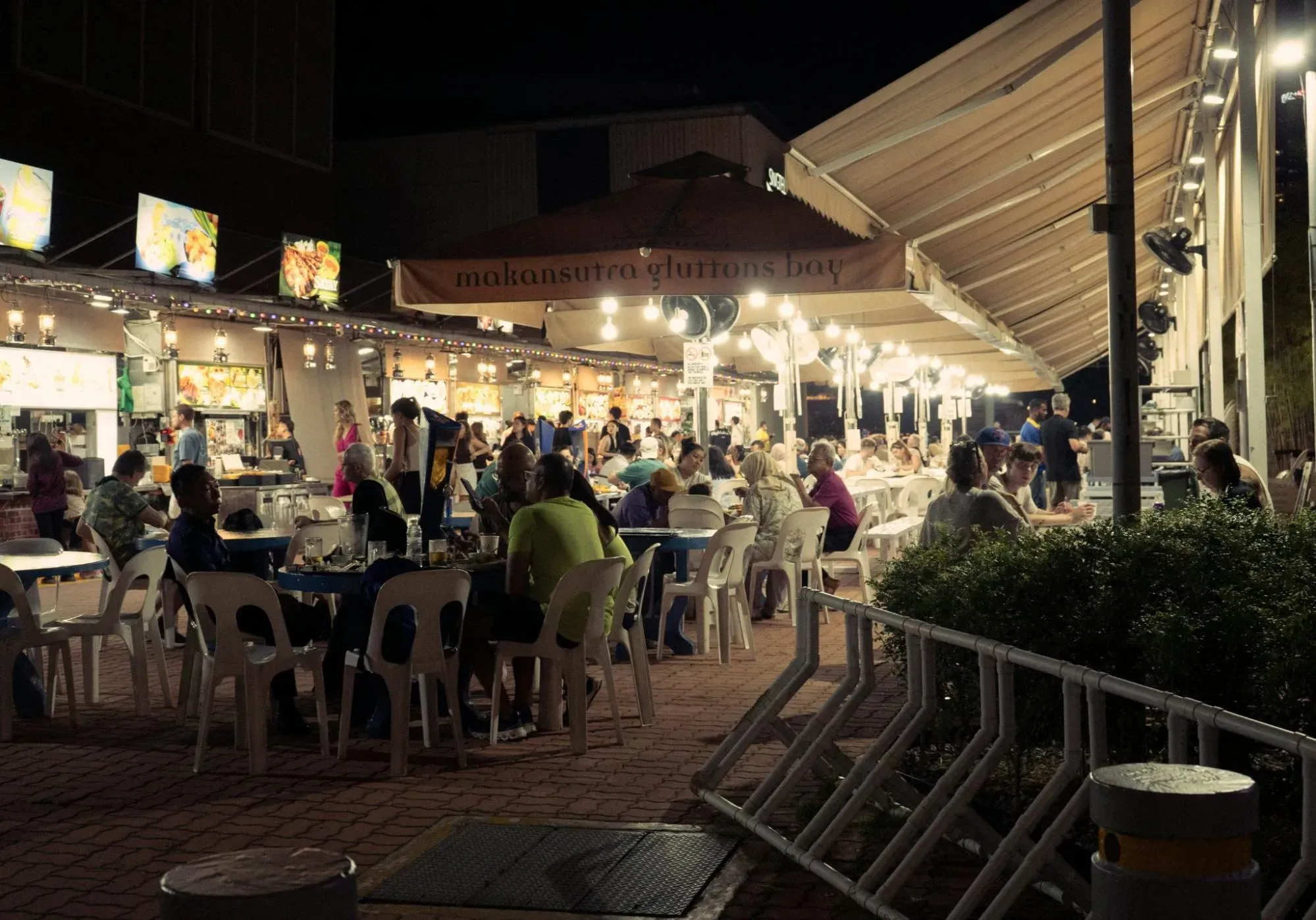
Satay under Victorian iron at Lau Pa Sat :
Lau Pa Sat is located in the financial district. This eight-sided Victorian building made of cast iron was brought from Glasgow in 1894 and is now a national landmark.
During the day, Lau Pa Sat serves lunch to office workers. Around 7pm, nearby Boon Tat Street closes to cars and turns into Satay Street, filled with charcoal smoke and skewers.
Chicken rice at Maxwell Food Centre :
Maxwell, located between Chinatown and Tanjong Pagar, is famous for one thing: the Hainanese chicken rice at Tian Tian. Expect long lines, but if you go just before or after lunch, you’ll have a better chance of getting a seat.
Breakfast in Tiong Bahru :
Tiong Bahru Market sits at the heart of Singapore's oldest housing estate, which was built in the 1930s. Its name, a blend of Hokkien and Malay, means "new cemetery" and refers to the burial grounds that used to be here. Visit for fresh orchids and produce on the ground floor, and head upstairs for a popular breakfast of chwee kueh.
Malay Flavours and Kampong Glam Finds
Malay heritage at Geylang Serai :
Geylang Serai Market sits at the centre of Malay food culture, and its name comes from the lemongrass that was once processed there. During Ramadan, the nearby streets fill with stalls selling grilled meats, sweet kueh, and festive Hari Raya clothes from late afternoon until late at night.
Fabric and carpets on Arab Street :
In Kampong Glam, Arab Street is filled with textile shops displaying rolls of silk, batik, and Persian carpets under the golden dome of the Sultan Mosque. It is the place to get fabric tailored and is one of the most photogenic Singapore market lanes.
Boutiques down Haji Lane :
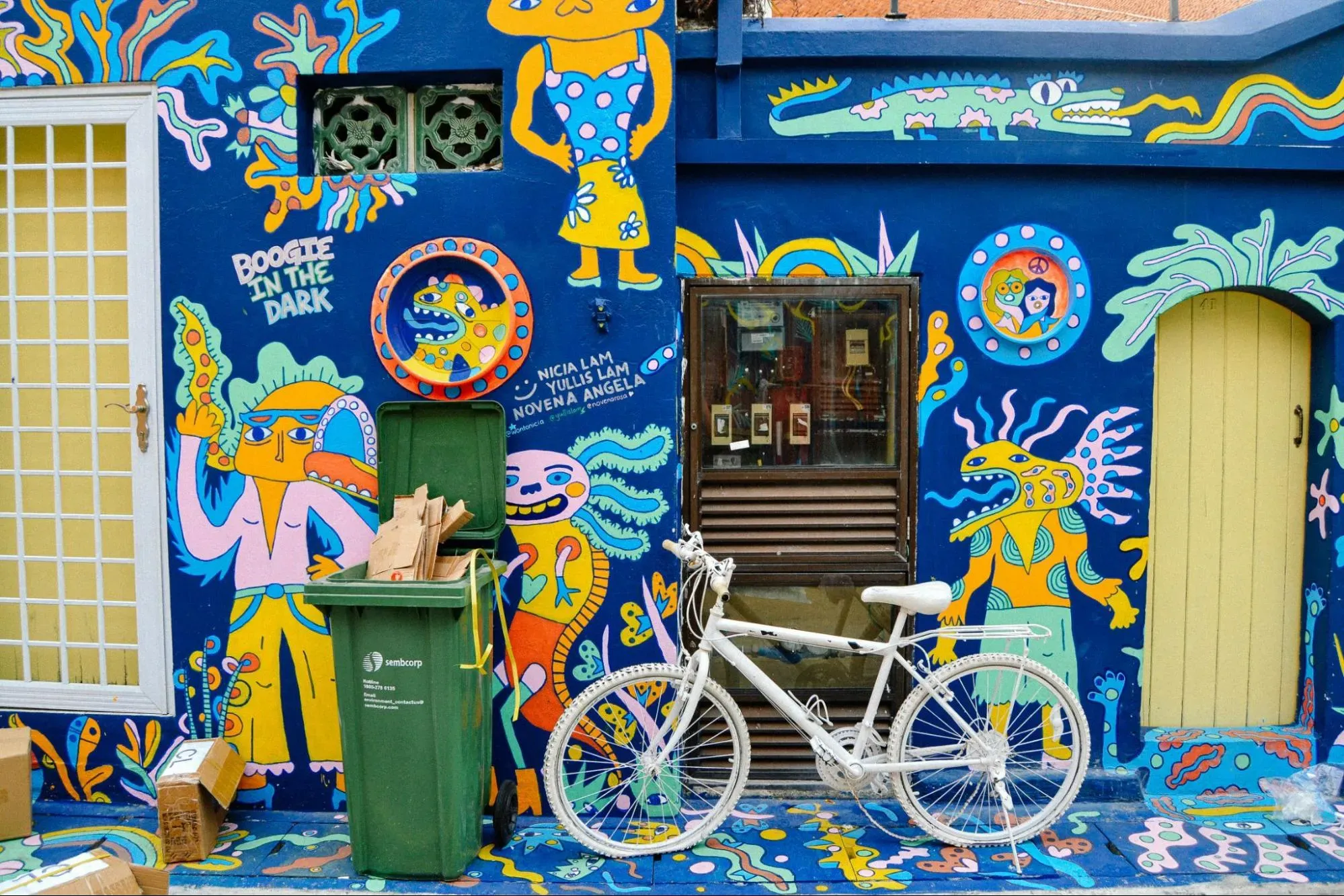
Just around the corner, Haji Lane is a narrow street filled with independent boutiques, colourful murals, and hidden cafes. It’s a place where you’ll spend more time browsing than bargaining, and it’s sure to end up in your camera roll.
Street Bargains and Night Markets
Bargain hunting at Bugis Street :
Right next to Bugis MRT, Bugis Street Market is one of Singapore’s biggest street markets. You’ll find hundreds of stalls selling trinkets starting at about a dollar. In the 1950s, this area was known for its nightlife, but today it’s all about bargains, so get ready to haggle.
Catching a pasar malam :
There are also pasar malam, which are night markets that move around and often appear near neighbourhood MRT stations or during festivals. These markets have been around since the 1950s. Since there is no official schedule, the best way to find out where this Singapore market is this week is to check local social media pages.
A heritage feast at Old Airport Road :
Near Dakota MRT, Old Airport Road Food Centre stands on what used to be the former precinct of Kallang Airport, Singapore’s first civilian airport, which is how it got its name. Since opening in 1973 with 168 stalls, it has been the place locals recommend for classic char kway teow, lor mee, and Hokkien mee, far from the usual tourist spots. In 2024, the centre was updated to improve ventilation while keeping its nostalgic charm.
Getting the Singapore Market Time Right
Mind the clock. Singapore market time varies wildly by type. Wet markets open early in the morning and usually close by noon, except for Tekka, which stays open later. Night markets and Satay Street get busy after dark, while Mustafa is open around the clock. Try to get food in the mornings or evenings, and do your shopping in the afternoons.
Market | Best for | Singapore market time |
Tekka Market | Wet market, biryani, sarees | 6:30am to late afternoon |
Mustafa | Gold, electronics, groceries | Open 24 hours |
Chinatown Complex | Hawker food | Late morning to evening |
Lau Pa Sat / Satay Street | Satay supper | Satay Street from approx 7pm |
Tiong Bahru Market | Breakfast, orchids | Best before 10am |
Geylang Serai | Malay food, Ramadan bazaar | Mornings; bazaar in the evenings |
Bugis Street | Bargain shopping | Roughly 11am to 10pm |
Pasar malam | Night-market snacks | Evenings, seasonal |
Tribe Travel Tip
Bring small notes and coins with you. Most hawker stalls and street vendors prefer cash, and handing over a S$50 note for a S$4 chicken rice might get you a funny look. While PayNow is becoming more common, cash is still king in the older markets.
Turning a Market Crawl into a Singapore Holiday
Singapore is best experienced by eating and shopping where the locals do, and visiting a Singapore market is the quickest way to do that. Explore a few markets in different neighbourhoods, and you’ll get a real taste of the city, not just what’s in the guidebooks. When you’re ready to plan your getaway, Holiday Tribe can help you create a Singapore holiday that matches your pace and interests. Our advisors know the city well, and our AI travel planner can help organise your days. We’ll take care of hotels, transfers, and local experiences, so you can enjoy biryani in the morning and Satay Street in the evening.