

Mauritius food brings together Indian, Creole, Chinese, and French flavours. It ranges from simple roadside favourites to refined resort dining. If you stop at a market stall or sit down for a beachfront meal, the island's multicultural heritage is reflected in almost every dish.
This guide covers the Mauritius food culture and the must-try local dishes. You'll also learn how Indian food in Mauritius fits into the island's cuisine and how it is different from Indian food back home. Finally, we share real food prices in Mauritius, so you know what to expect before you travel.
What Makes Mauritius Food Culture Special?
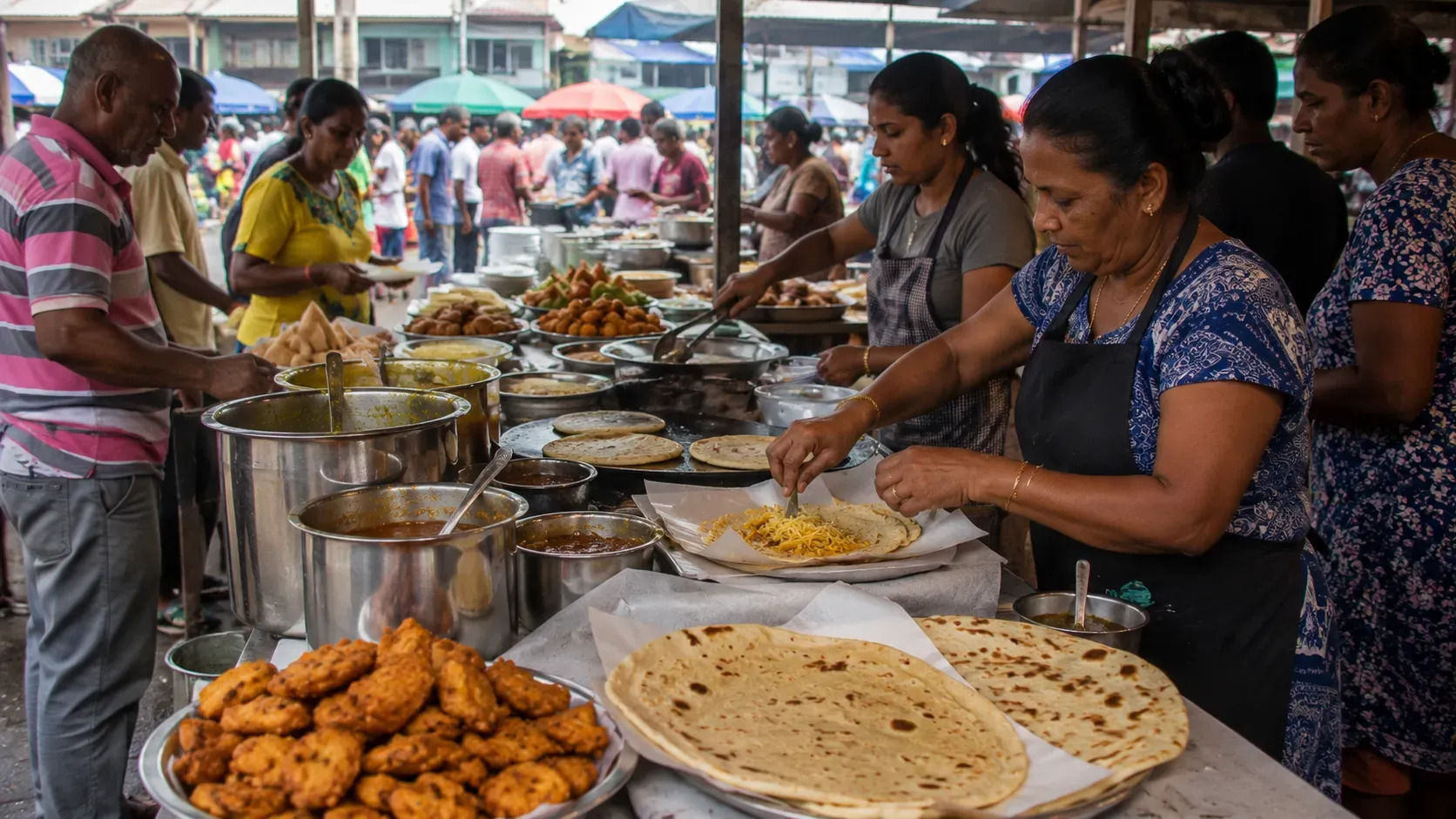
The Mauritius food culture developed over centuries of migration, reflecting the island's long history of cultural exchange. Indian flavours are common in street food and curries, while French cooking is seen in breads, pastries, and restaurant dishes.
This means you can enjoy dishes inspired by different culinary traditions throughout the same day. For example, you might start with a French pastry for breakfast, have Chinese noodles for lunch, and end with a Creole curry for dinner. This mix is central to Mauritius' food culture and comes from the island's diverse history.
Here is how each cultural influence shapes Mauritius food:
Influence | What it brings |
Indian | Curries, biryani, dholl puri, warm spices |
Chinese | Noodles, dumplings, bol renversé |
French | Breads, pastries, rich sauces |
Creole / African | Rougaille, chutneys, seafood stews |
If you are visiting for the first time, it's good to know that chilli is usually served on the side. You can ask for mild dishes or add chilli to suit your taste. This way, you can enjoy Mauritius ' food culture with as much spice as you prefer.
What Are the Most Famous Foods in Mauritius?
Dholl puri is often the first dish people mention when talking about Mauritius famous foods. This thin flatbread, stuffed with ground yellow split peas, is widely regarded as the island's unofficial national dish and is sold at street stalls all over the island. Other local favourites fit into three main groups.
1. Street Food and Flatbreads
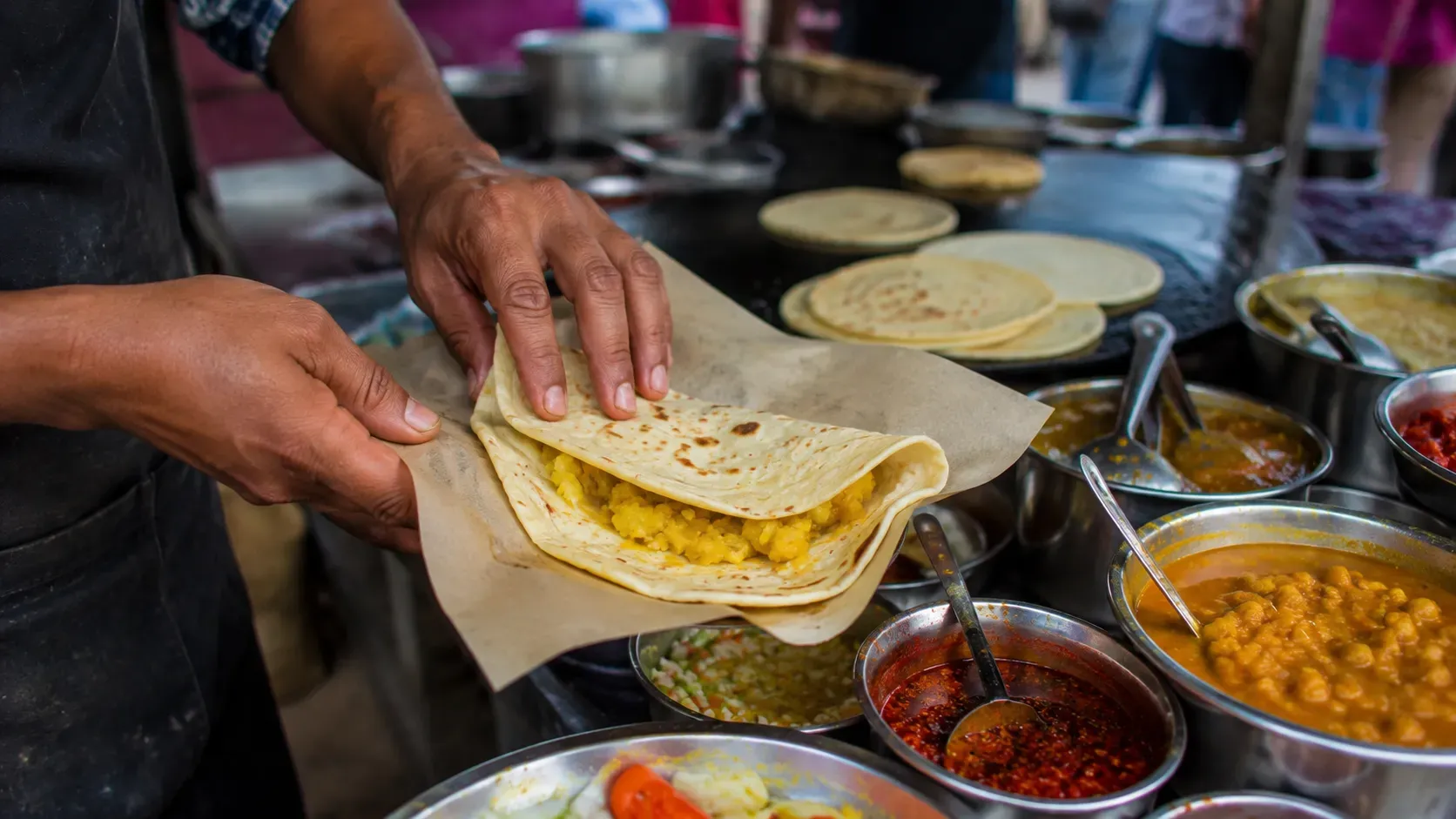
These foods are fast to prepare and serve hot.
- Dholl puri: A thin flatbread made from wheat flour and stuffed with ground yellow split peas, often eaten with butterbean curry.
- Farata: A flaky, buttery flatbread served with curries or chutney.
- Gateau piment: Deep-fried chilli fritters made from split peas.
- Boulettes: Steamed dumplings served in a light broth.
2. Curries and Mains
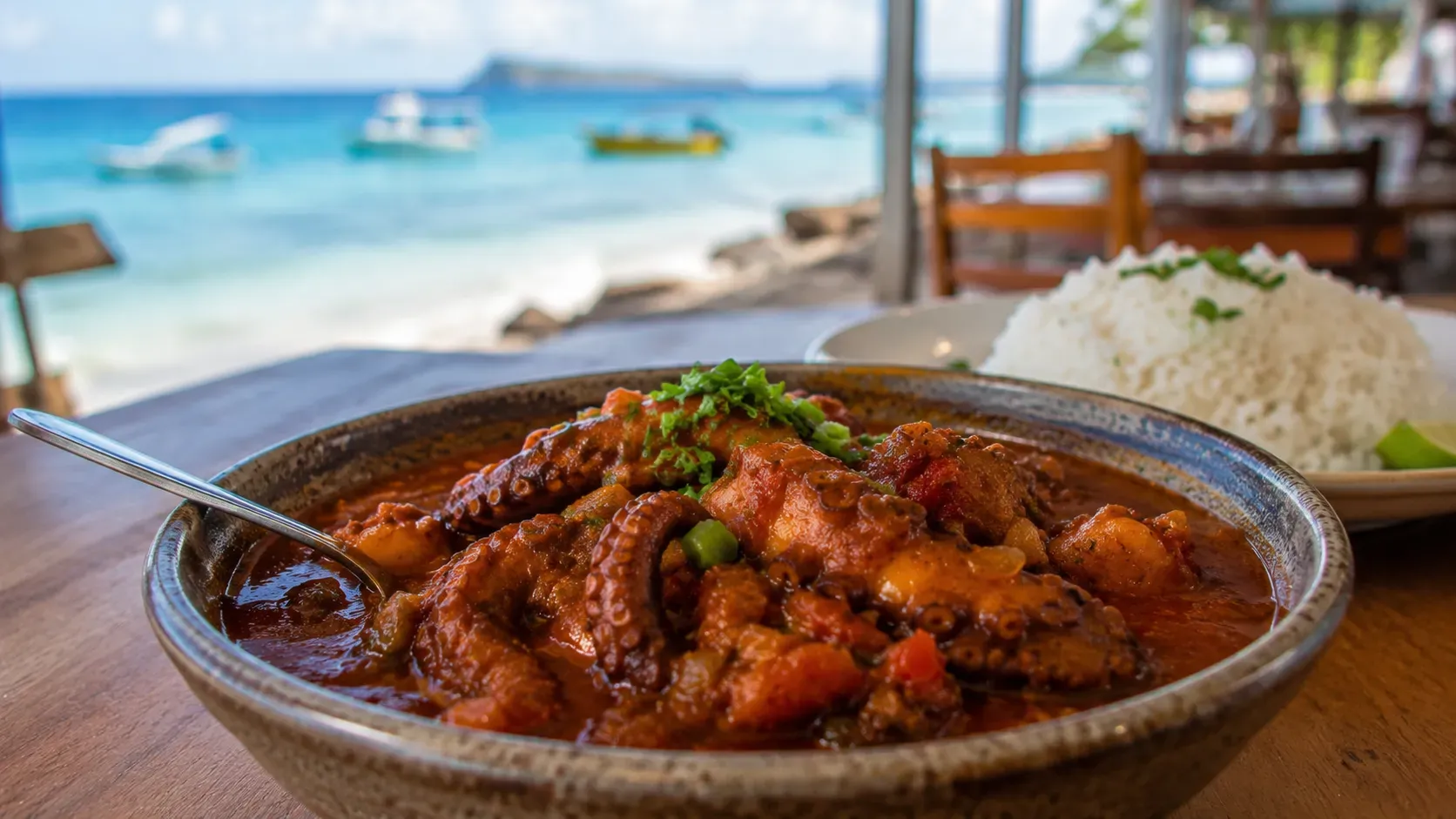
These main dishes highlight the island’s mix of cultures. The variety is one reason Mauritius's famous foods leave such a lasting impression.
- Rougaille: A Creole tomato-based sauce with onions and spices, served with fish, meat, or vegetables.
- Cari poulet: A warm chicken curry with turmeric and ginger.
- Octopus curry: A coastal favourite with a bold, spicy taste.
- Fish vindaye: Tangy fish marinated in mustard and vinegar.
- Bol renversé: An "upside-down bowl" of rice, stir-fry and a fried egg.
- Mine frite: Mauritian-style fried noodles.
- Biryani: Mauritian biryani includes fried potatoes, is more herby, and has a distinct spice profile that sets it apart from many Indian versions.
3. Sweets and Drinks
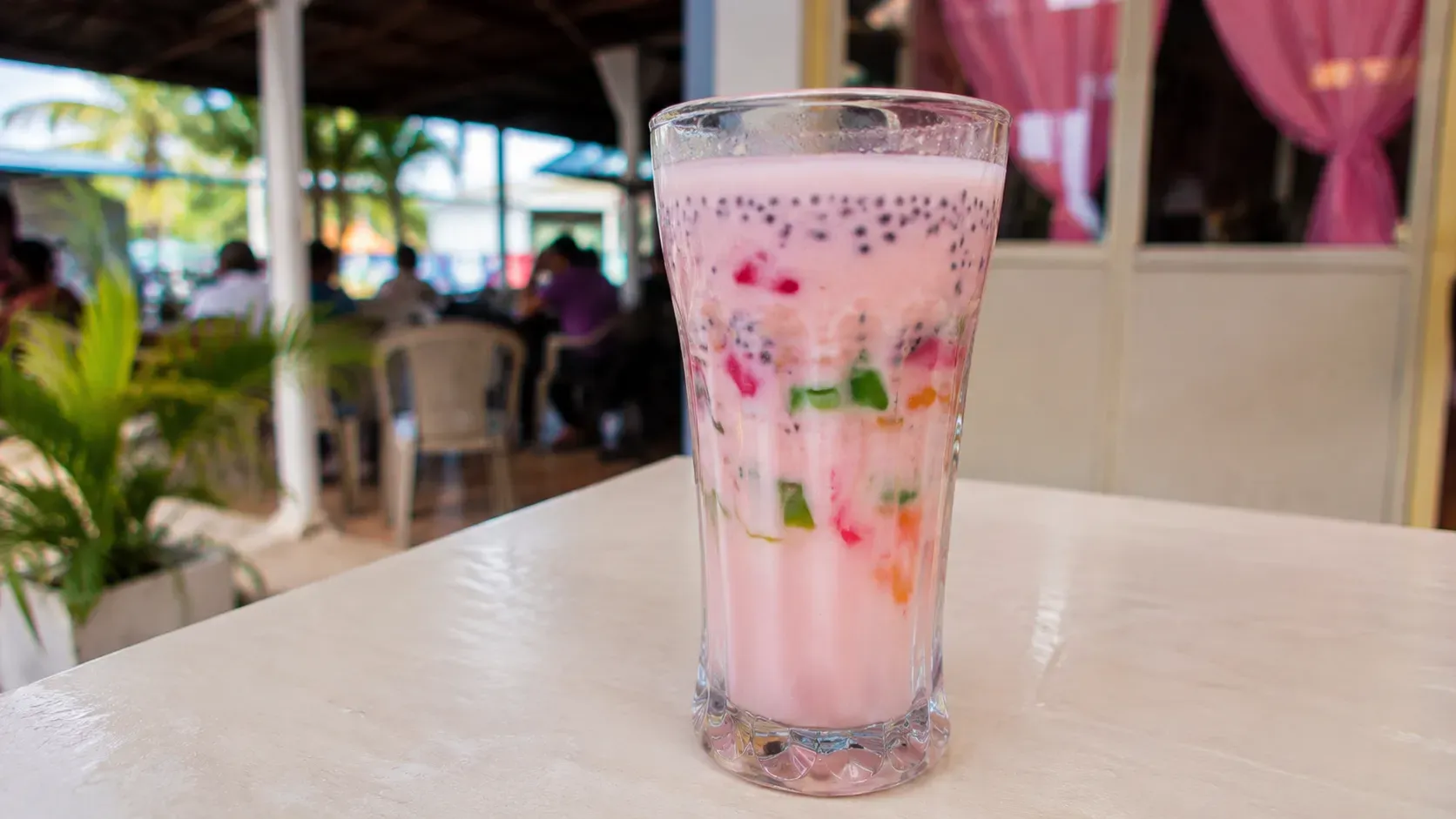
Finish your meal with something sweet or enjoy a local drink to cool off.
- Napolitaines: Soft shortbread biscuits with jam and pink icing.
- Poudine mais: A creamy cornmeal pudding.
- Alouda: A chilled milk drink with basil seeds.
- Sugar cane juice: Fresh, sweet and sold at local markets.
- Local rum: A popular after-dinner drink.
Here’s a quick look at some of Mauritius's famous foods and where you can usually find them.
Dish | Type | Flavour | Where to find it |
Dholl puri | Veg | Mild, earthy | Street stalls, markets |
Gateau piment | Veg | Spicy, crisp | Roadside vendors |
Cari poulet | Non-veg | Warm, spiced | Local eateries |
Octopus curry | Non-veg | Spicy, oceanic | Coastal restaurants |
Alouda | Veg | Sweet, creamy | Port Louis market |
These dishes give you a true taste of Mauritian food in just a few bites.
How Does Indian Food in Mauritius Fit in?
If you are visiting from India, the food in Mauritius will feel familiar. Much of the island has Indian roots, which is clear in many dishes. Indian food in Mauritius arrived with workers in the 1800s and became part of everyday meals.
You will spot many dishes you already know:
- Dholl puri, roti and farata: Thin flatbreads served with curries and chutneys.
- Biryani: Lighter and more herby than the Indian version
- Curries (cari): Chicken, fish or vegetable
- Samosas and gateau piment: Quick street snacks
The flavours have a local twist. Indian food in Mauritius often includes Creole spices, fresh chilli, and a tangy taste. The flavours feel familiar while giving the dishes their own identity.
Eating habits in Mauritius also suit Indian visitors. Many locals are vegetarian, so plant-based meals are easy to find. Halal food is widely available across the island, as the majority of butcheries are Muslim-owned.
This blend is one reason why the Mauritius food is so appealing to Indian visitors.
How Much Does Food Cost in Mauritius?
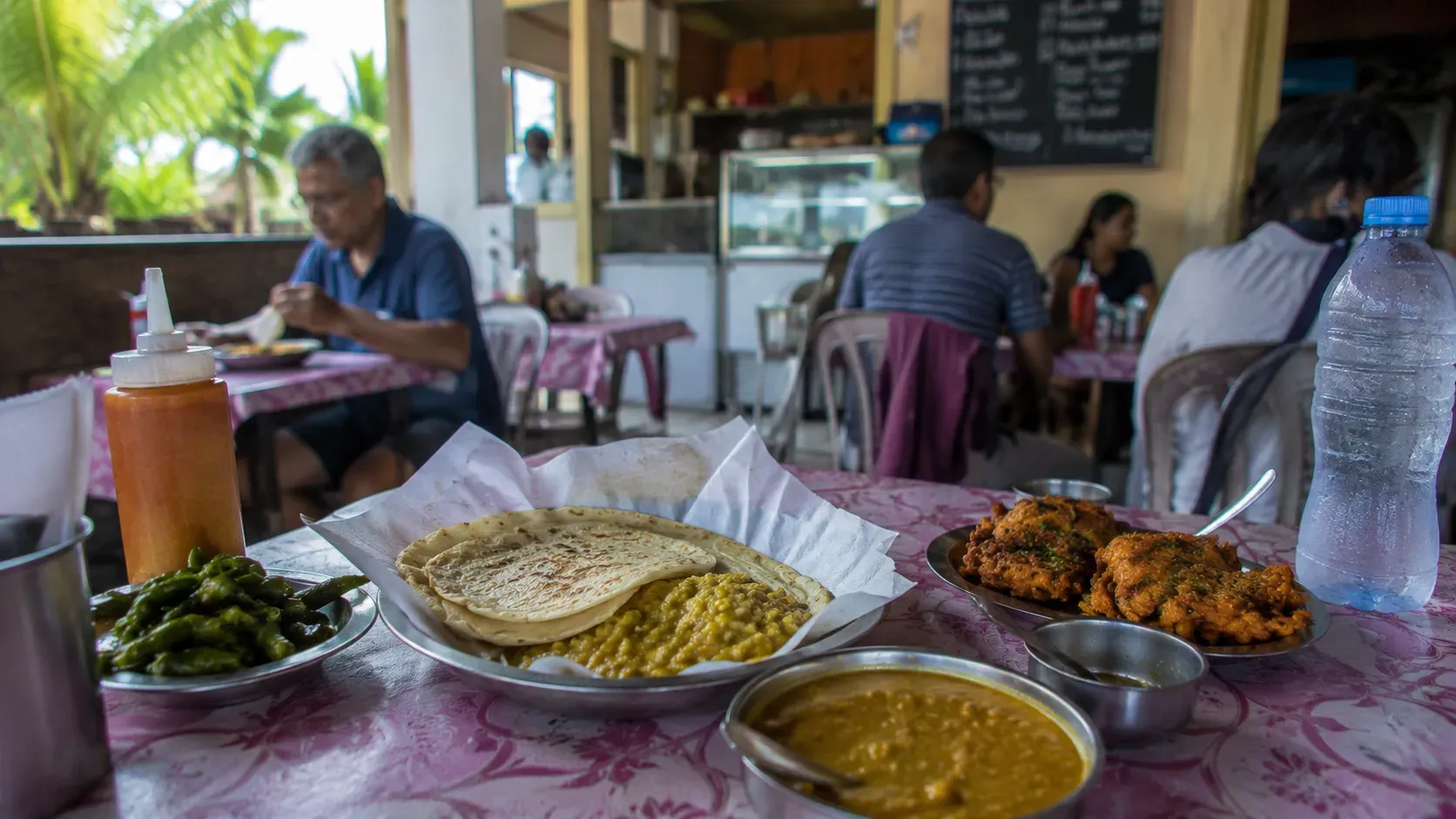
The cost of food in Mauritius mostly depends on where you choose to eat. Street stalls offer simple local meals, while restaurants and resorts provide a wider range of dining experiences.
Street food offers the most accessible entry point into the local Mauritius food culture, with snacks starting at 25 MUR and a full local lunch costing 150 to 250 MUR. If you have one street meal and one meal at a local restaurant, your Mauritius food prices remain easy to manage across the day.
Here's a quick look at the cost of food in Mauritius across different dining styles.
Meal type | Price (MUR) | Price (INR)* | Price (USD) |
Street food snack | 25 to 50 | ₹50 to 100 | $0.50 to 1 |
Full local lunch | 150 to 250 | ₹300 to 500 | $3 to 5.50 |
Casual local restaurant meal | 300 to 600 | ₹600 to ₹1,200 | $6.50 to $13 |
Bottled water | 32 | ₹65 | $0.70 |
Mid-range, 3-course for two | 1,900 | ₹3,800 | $41 |
Tourist or beachfront, per person | 700 to 2,500 | ₹1,400 to 5,000 | $15 to 54 |
Resort fine dining, per meal | 1,300 to 2,600 | ₹2,600 to 5,200 | $30 to 60+ |
Mauritius food prices vary widely depending on your dining choice: from lively local markets to refined coastal restaurants.
Prices are indicative and may vary by location, season, and exchange rates.
Tribe Travel Tip: As of 29th June 2026, 1 Mauritian Rupee is close to ₹2. Check the latest MUR to INR exchange rate before travelling to estimate dining costs more accurately.
What Are the Best Tips for Eating Well on Your Mauritius Holiday?
A few simple habits can help you enjoy the food in Mauritius without worry. Here’s what works best:
- Order chilli on the side. Many dishes come with a hot chilli paste. Ask for it separately if you like milder flavours.
- Carry small changes. Most street stalls and roadside vendors take cash only, so keep small notes and coins handy.
- Try at least one street food experience during your stay. A dholl puri or roti from a local stall is one of the most authentic ways to experience Mauritius' food culture.
- Eat seafood near the coast, where fish and prawns are freshest. Coastal restaurants in Grand Baie and Mahebourg are good choices.
- Seek out busy food stalls. A steady crowd is usually a reliable sign of freshness and quality.
Why Should You Try Mauritius Food?
From roadside dholl puri stalls to seafood restaurants by the sea, every meal carries the imprint of centuries of cultural exchange. You might start your day with a pastry, have curry or noodles for lunch, and end with a chilled alouda. Learning about Mauritian food culture before your holiday helps you choose what to eat and where to go.
Planning a Mauritius holiday involves more than picking beaches and resorts. Holiday Tribe’s travel advisors can help you create a custom itinerary with must-try dishes, local experiences, and handpicked places to stay, so you can enjoy the best of Mauritius your way.